
Ant Mounds and Hills: Reading the Soil
A fine crater, a loose heap or a hole with no spoil at all. The shape of the excavation narrows the species and says whether anything needs doing.... Read more.
Mud Dauber Nests on Walls: Should You Remove Them
Finger-length mud tubes built by a solitary wasp that does not defend a nest and hunts spiders. In most cases the honest answer is to leave them.... Read more.
Paper Wasp vs Hornet Nest: Telling Them Apart
An open umbrella comb against an enclosed grey sphere. Position, size and season separate them from a safe distance, which is how it should be done.... Read more.
Wasp Nest Identification by Shape
Open comb, enclosed sphere or a mud tube. The structure names the wasp, and it decides whether the nest can simply be left alone until autumn.... Read more.
Wasp Larvae in a Nest: What Is Inside the Cells
An open nest holds white grubs in hexagonal cells, fed on chewed insects. A nest found in autumn is already finished and needs nothing done.... Read more.
Types of Wasps: Identification by Nest and Body
The nest identifies the wasp faster than the wasp does. Paper cells, a grey football, a mud tube or a hole in the ground each name a different species.... Read more.
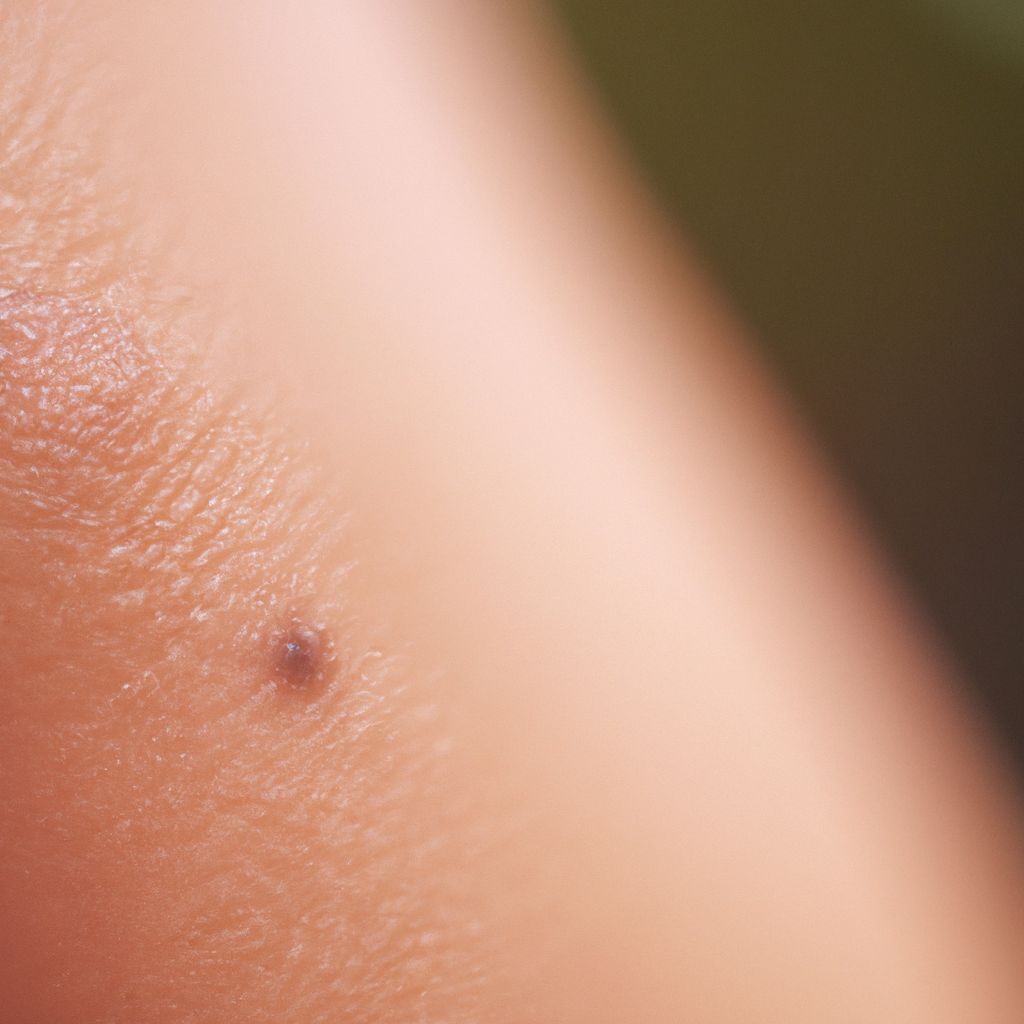
Should You Pop, Scratch, or Cover Mosquito Bites? (Do’s & Don’ts)
You’ve got a mosquito bite that’s driving you crazy. Your first instinct is to scratch it, squeeze it, or pop that little bump. But should you? The short... Read more.
Should You Kill Mosquitoes? Ethics, Ecology & Best Control Methods
It’s a question that sounds simple but actually opens up an interesting ecological debate: should you kill mosquitoes? The short answer is yes, you absolutely... Read more.

Mosquito Repellent Guide: What Works, Safety for Kids & Pregnant Women, Travel Rules
Every year, mosquitoes kill more humans than any other animal on Earth. And yet, picking the right repellent still confuses most people. DEET or picaridin? Is it... Read more.
Where Are Mosquitoes Found? Global Distribution & US Hotspots
Mosquitoes live on every continent except Antarctica. With roughly 3,500 species spread across tropical, temperate, and even subarctic regions, they’re among... Read more.