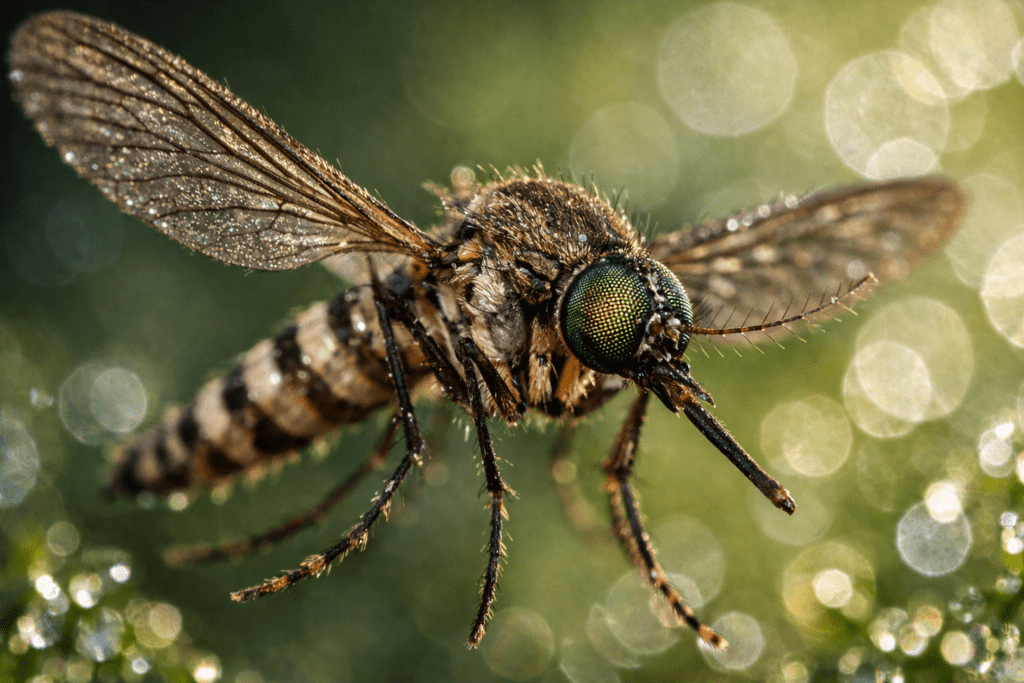
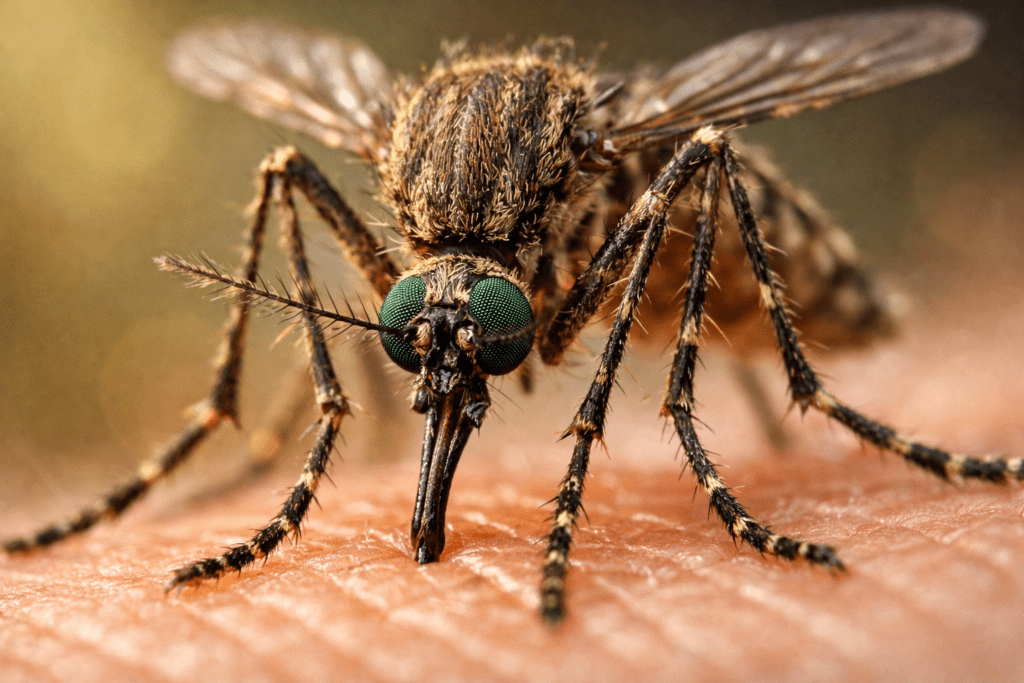
It’s a question that sounds simple but actually opens up an interesting ecological debate: should you kill mosquitoes? The short answer is yes, you absolutely should protect yourself and your family from mosquito bites. But the longer answer involves understanding that not all mosquitoes are created equal, and blanket eradication isn’t the same as targeted pest control.
Quick Answer
- Yes, kill mosquitoes that are biting you or invading your living spaces. There’s no ethical or ecological argument against self-defense from disease-carrying pests.
- Focus on the dangerous species: Of ~3,500 mosquito species, only about 100 bite humans, and fewer than a dozen are major disease carriers
- Prevention beats killing: Eliminating breeding sites and using repellents prevents far more bites than swatting individual mosquitoes
- Use targeted methods like BTI larvicides and personal repellent rather than broad-spectrum insecticides that kill beneficial insects too
The Case for Killing Mosquitoes
Mosquitoes kill more humans than any other animal. The World Health Organization estimates mosquito-borne diseases cause over 700,000 deaths annually, primarily from malaria, dengue fever, and Zika virus. Even in North America, West Nile virus kills 100-150 Americans per year.
Beyond disease, mosquito bites cause real suffering. Allergic reactions (Skeeter Syndrome), secondary infections from scratching, and the sheer misery of being eaten alive during outdoor activities are all legitimate reasons to control mosquito populations.
Most Effective Mosquito Control Methods
| Method | Effectiveness | Impact on Ecosystem | Cost |
|---|---|---|---|
| Eliminate standing water | Very high (prevents breeding) | None (positive for yard) | Free |
| BTI larvicide (Mosquito Dunks) | High (kills larvae specifically) | Minimal (targets only mosquito larvae) | $ |
| Personal repellent (DEET/picaridin) | High (prevents bites) | None | $ |
| CO2 traps (Mosquito Magnet) | High (area control) | Low (targets mosquitoes) | $$$ |
| Thermacell zone repeller | High (20-ft zone) | Low | $$ |
| Professional yard spray | High (temporary) | Moderate (kills many insects) | $$$/month |
| Bug zappers | Very low for mosquitoes | Negative (kills beneficial insects) | $$ |
The Ecological Perspective
Mosquitoes do serve ecological functions – they’re food for bats, birds, dragonflies, and fish, and some species pollinate plants. However, the targeted removal of disease-carrying species near human habitation has minimal ecological impact.
Most ecologists support integrated mosquito management (IMM), which focuses on reducing mosquito populations in human-inhabited areas through targeted methods while leaving natural mosquito habitats intact. This approach uses BTI larvicides that kill only mosquito larvae, habitat modification (draining standing water), and personal protective measures like repellent.
Indoor Mosquito Control
For mosquitoes that get inside your home:
- Electric fly swatter rackets are the most satisfying and effective tool for individual mosquitoes. They kill on contact with no chemicals.
- Window screens (minimum 16-mesh) prevent entry. Repair any tears or gaps.
- Indoor mosquito traps like the Katchy Indoor Insect Trap use UV light and a sticky pad to catch mosquitoes attracted to indoor lights.
- Run air conditioning or fans – mosquitoes are weak fliers and struggle in air currents above 1 mph.
Key Takeaways
- You should absolutely kill mosquitoes that threaten your health and comfort. There’s no good reason to tolerate disease-carrying pests.
- Prevention is more effective than killing: eliminate standing water, use repellent, and install screens.
- Choose targeted methods (BTI larvicides, personal repellent, CO2 traps) over broad-spectrum pesticides that harm beneficial insects.
- The ecological impact of targeted residential mosquito control is minimal – most ecosystems can absorb the local reduction without disruption.
- For indoor mosquitoes, electric swatter rackets and fans are the most effective chemical-free solutions.