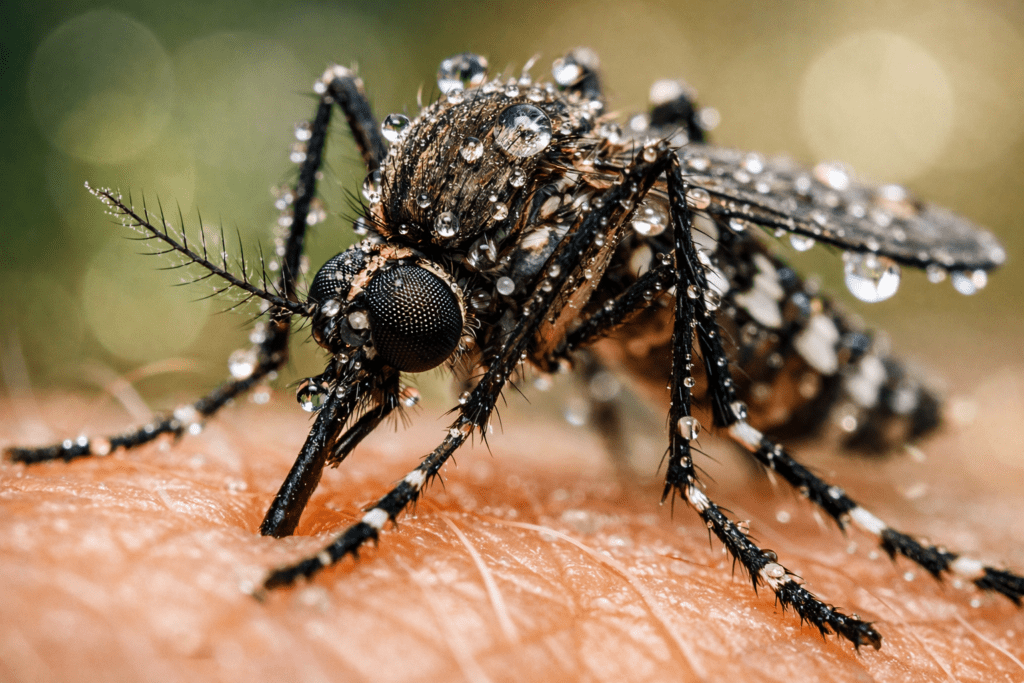
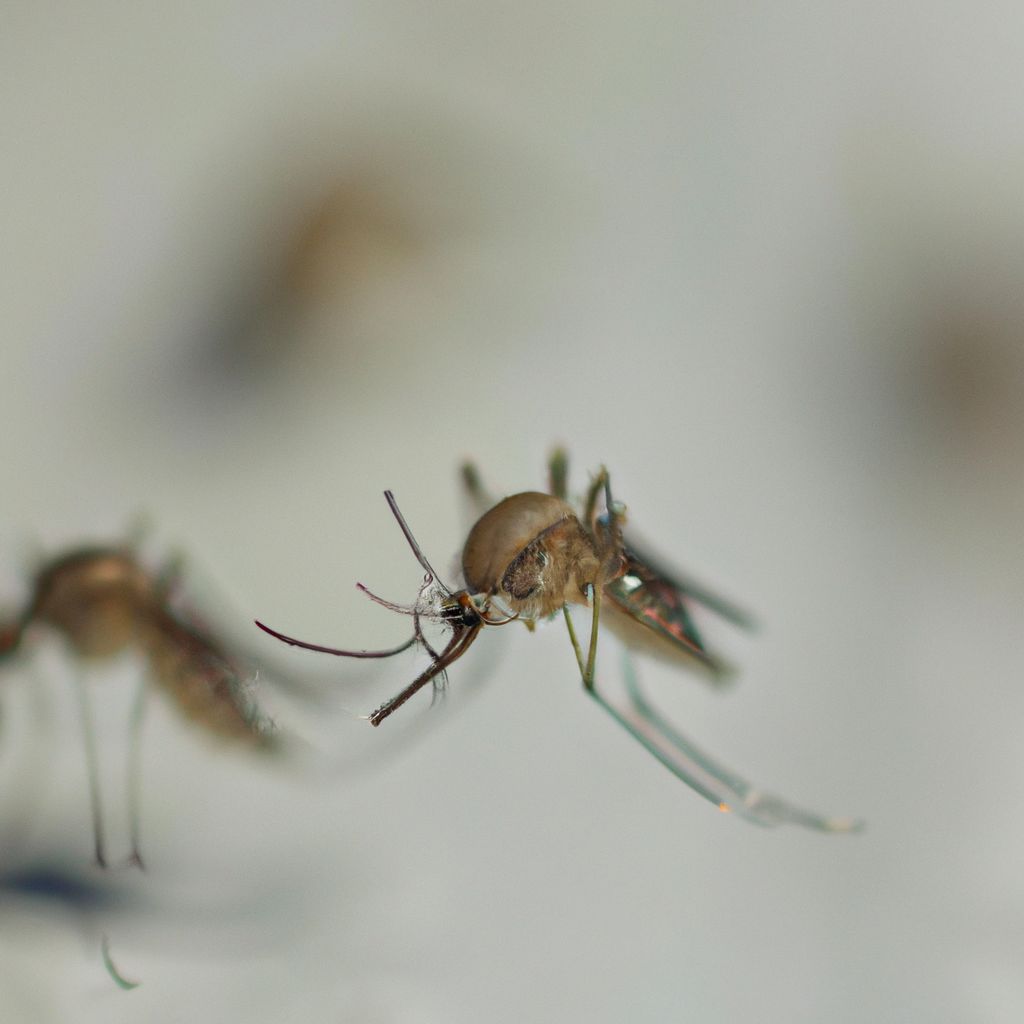
Yes, mosquitoes are animals. This surprises some people, but in biological classification, every living organism that isn’t a plant, fungus, bacterium, or protist falls into the animal kingdom. Mosquitoes are insects, which are arthropods, which are animals.
Quick Answer
- Yes, mosquitoes are animals – they belong to the kingdom Animalia
- More specifically: they’re insects (class Insecta), in the fly order (Diptera), family Culicidae
- There are ~3,500 mosquito species organized into 41 genera
- The most medically important genera are Aedes, Anopheles, and Culex
Full Scientific Classification
| Rank | Classification | What This Means |
|---|---|---|
| Kingdom | Animalia | Multicellular organisms that eat other organisms |
| Phylum | Arthropoda | Invertebrates with exoskeletons and jointed legs |
| Class | Insecta | Six-legged arthropods with three body segments |
| Order | Diptera | True flies (two wings) |
| Family | Culicidae | Mosquitoes (long proboscis, scaled wings) |
| Subfamilies | Anophelinae, Culicinae | Two main mosquito groups |
Mosquitoes are “animals” in the same way that spiders, shrimp, butterflies, and earthworms are animals. The animal kingdom includes everything from sponges and jellyfish to elephants and humans. What they all share is being multicellular organisms that consume other organisms (or their products) for energy rather than producing their own food through photosynthesis.
Key Takeaways
- Mosquitoes are animals – specifically, they’re insects in the fly order (Diptera).
- The family Culicidae contains approximately 3,500 species of mosquitoes worldwide.
- Being classified as animals, mosquitoes share the same kingdom as all other insects, spiders, fish, birds, and mammals.