Outdoor adventures offer incredible experiences, but the persistent buzz of mosquitoes and the silent threat of ticks can quickly turn a memorable trip into a miserable one. Protecting yourself from insect bites is crucial, not just for comfort, but to prevent the transmission of serious diseases. This is where insect repellent clothing becomes an essential part of your outdoor gear, offering a powerful, long-lasting defense that complements skin-applied repellents. Understanding how this specialized apparel works and choosing the right gear can significantly reduce your risk of bites, allowing you to fully enjoy nature without constantly swatting away pests.
Bottom line: Insect-repellent clothing works best when it gives physical coverage plus permethrin treatment on socks, pants, shirts, and outer layers.
- Prioritize treated socks, pants, and cuffs for ticks.
- Use skin repellent on exposed skin.
- Follow wash limits so the treatment stays effective.
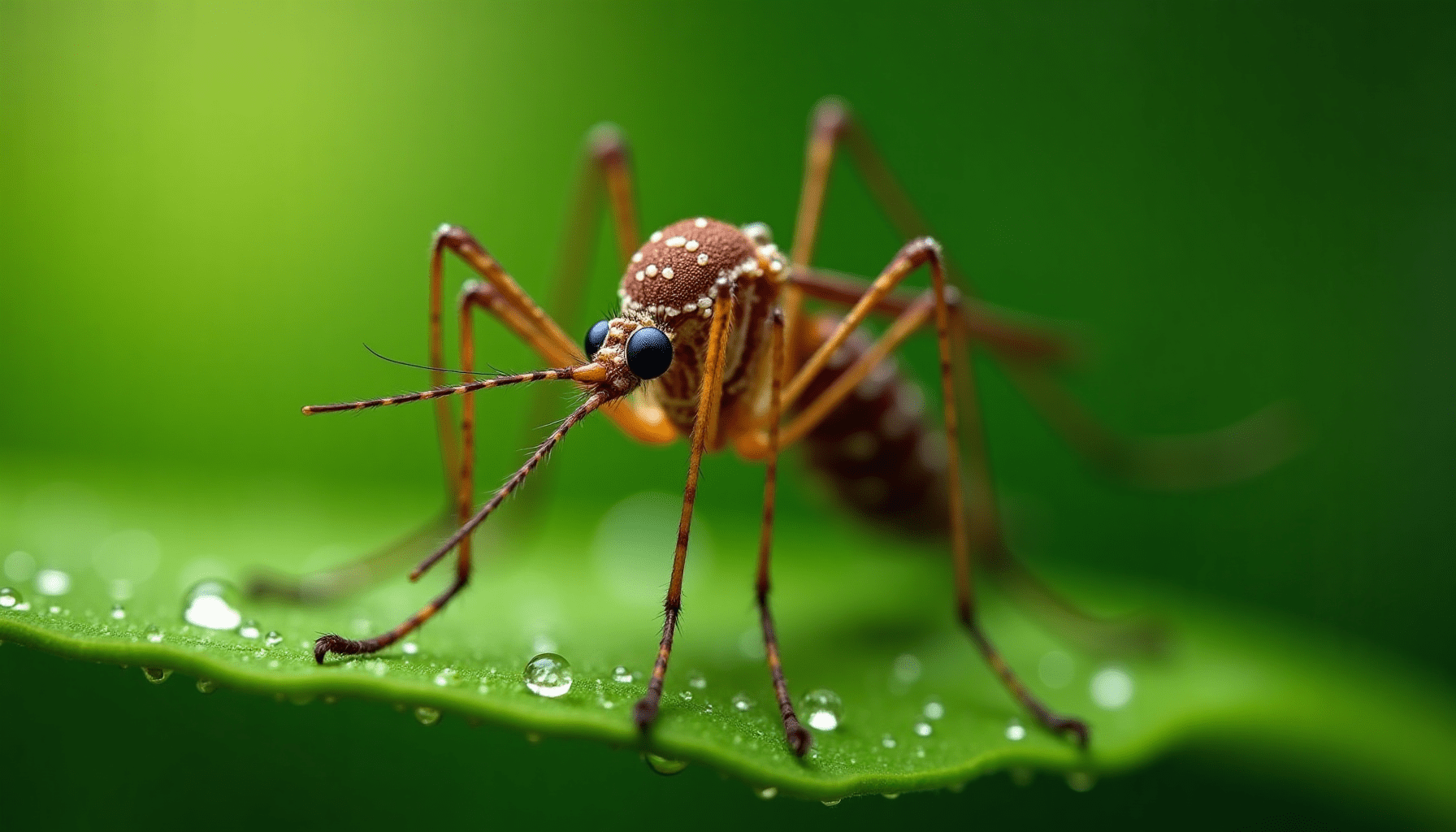
Bottom line:
Insect repellent clothing, primarily treated with permethrin, creates a durable, long-lasting barrier against mosquitoes and ticks. It works by:
- Physically blocking bites: Tightly woven fabrics prevent insects from reaching your skin.
- Chemically repelling/killing: Permethrin acts as a contact insecticide, deterring and often killing insects that land on the fabric.
- Reducing disease risk: Significantly lowers the chances of contracting mosquito-borne illnesses like West Nile virus or tick-borne diseases such as Lyme.
- Offering extended protection: Factory-treated garments can remain effective for up to 70 washes, often outlasting the garment itself.
How it works
Insect repellent clothing offers a dual defense against biting insects, combining physical barriers with chemical treatments to keep you protected. This innovative approach is far more effective than simply wearing long sleeves, especially in areas with high insect pressure or disease risk. Let's explore the mechanisms behind this protection.
Physical Barrier: The Fabric's Role
The first line of defense in any clothing is its physical structure. Tightly woven fabrics, such as nylon or polyester, are engineered to create a dense barrier that a mosquito's proboscis struggles to penetrate. Think of it like a microscopic suit of armor. While a standard cotton T-shirt, with its looser knit, can be easily bitten through by determined mosquitoes, a robust, woven hiking shirt offers much greater inherent protection. Research confirms that fabric weave density and thickness are critical factors in preventing mosquito bites, making material choice important even before considering chemical treatments. For a deeper dive into how different fabrics perform, check out our guide on Can Mosquitoes Bite Through Clothes? Complete Fabric Guide.
Long sleeves, full-length pants, and high collars maximize this physical coverage, reducing the amount of exposed skin available for insects to target. This is especially vital in areas known for aggressive biters or dense tick populations.
Chemical Treatment: The Power of Permethrin
The true game-changer for insect repellent clothing is the chemical treatment, predominantly permethrin. Permethrin is a synthetic pyrethroid, a class of insecticides derived from compounds found in chrysanthemum flowers. When applied to clothing, it acts as a contact insecticide, disrupting the nervous system of insects that land on or crawl across the treated fabric. This means insects are not just repelled; they are often incapacitated or killed.
There are two primary ways clothing receives permethrin treatment:
- Factory-Treated Garments: Brands like Insect Shield™ and ExOfficio BugsAway treat fabrics at the manufacturing stage. This process binds the permethrin tightly to the fabric fibers using specialized binders and techniques. This results in a highly durable treatment that can withstand many wash cycles—often up to 70 washes, which frequently outlasts the garment's usable life, as noted by Columbia Sportswear and Insect Shield®.
- DIY Spray-On Treatments: Products from brands like Sawyer allow you to treat your own clothing and gear at home. These sprays are effective but generally less durable than factory treatments, typically lasting around 6 washes or 6 weeks, depending on usage and washing frequency. Always follow the product label instructions carefully, applying outdoors and allowing the items to dry completely before wear. For guidance on choosing the right product, see our article on Best Permethrin Clothing Sprays.
The combination of a tight weave and permethrin treatment creates a formidable barrier, significantly reducing the chances of bites and the transmission of insect-borne diseases.
What it stops
The effectiveness of permethrin-treated clothing is well-documented against a range of common and dangerous arthropods. This isn't just about comfort; it's a vital tool in preventing serious health risks.
Mosquitoes
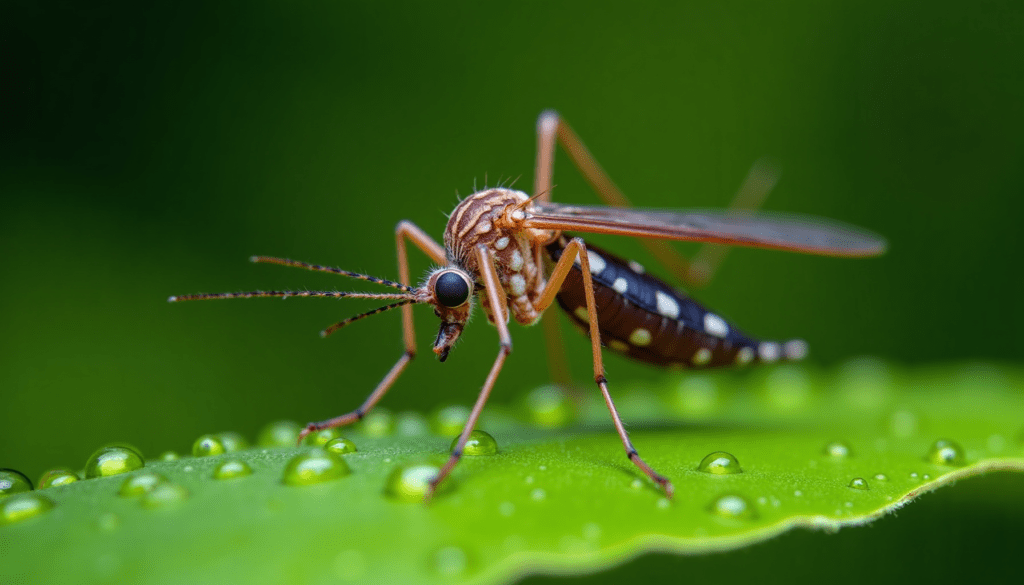
Mosquitoes are notorious vectors for diseases such as malaria, dengue, Zika, chikungunya, and West Nile virus. Globally, these diseases cause hundreds of millions of infections and hundreds of thousands of deaths annually, according to the World Health Organization (WHO). Permethrin-treated fabric significantly reduces mosquito landings and biting rates. Field studies consistently show reductions in mosquito bites by 50-70% when wearing insecticide-treated nets and clothing in malaria-endemic regions, as highlighted in WHO vector control guidance. This level of protection makes permethrin clothing a critical component of personal protection, especially when traveling to high-risk areas.
Ticks
Ticks are responsible for transmitting Lyme disease, anaplasmosis, babesiosis, and Rocky Mountain spotted fever, among others. The U.S. Centers for Disease Control and Prevention (CDC) estimates that nearly half a million people may contract Lyme disease each year in the U.S. Permethrin-treated clothing is particularly effective against ticks because it acts as a contact killer. Ticks crawling on treated garments are either killed or dislodged before they can attach to the skin. A CDC-collaborative study found that permethrin-treated clothing reduced tick bites by 65-91%, depending on the garment type and activity, underscoring its value as a tick-prevention tool. Entomologists and outdoor experts, including those at REI, widely recommend permethrin-treated clothing as one of the most effective methods for tick prevention, especially when paired with skin-applied repellents. For more specific advice on tick defense, explore our guide to Best Tick-Repellent Clothing for Hiking & Outdoor Work.
Other Arthropods
Beyond mosquitoes and ticks, permethrin-treated clothing provides a degree of protection against other biting arthropods, including:
- Chiggers: These tiny mites cause intensely itchy red welts.
- Mites: Various types of mites can cause skin irritation.
- Biting Flies: Species like black flies and sand flies, which can deliver painful bites.
The level of protection can vary depending on the specific species and their biting behavior. Insects that tend to land and crawl on fabric, like ticks and chiggers, are often more susceptible to the contact-kill effect of permethrin than fast-moving flying insects that quickly target exposed skin.

Safety notes
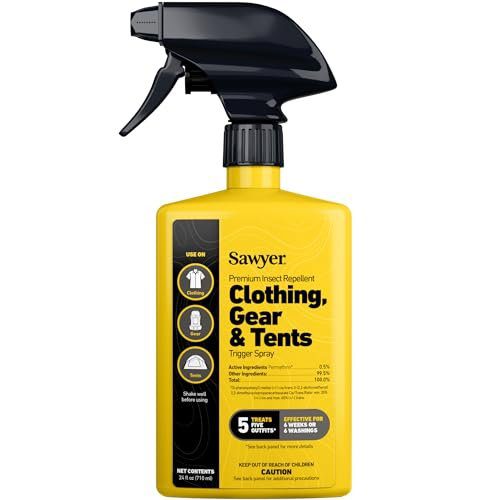
Directly enables readers to apply permethrin treatment to their existing clothing and gear, aligning with the article’s focus on permethrin as the ‘true game-changer’ for insect repellent clothing.
- Very effective at repelling and killing ticks, mosquitoes, and many other insects when applied to clothing and gear, with protection lasting up to about 6 weeks or 6 washes
- Easy to apply with the trigger spray using a simple 6–8 inch sweeping motion, and a single 24 oz bottle treats roughly five complete outfits or a comparable amount of gear
- Odorless and non-staining once dry, and does not appear to damage most fabrics, making it suitable for clothing, backpacks, tents, sleeping bags, and other outdoor gear
- Cannot be applied directly to skin, which requires users to also carry and use a separate skin-applied repellent such as picaridin or DEET
- Effectiveness diminishes with sun exposure, time, and washing, requiring periodic retreatment (typically after about 6 weeks, 6 washes, or heavy UV exposure)
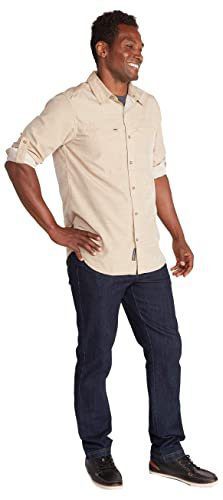
A leading example of factory-treated insect repellent apparel, combining a physical barrier with permethrin treatment as described in the article for comprehensive upper body protection.
- Very effective insect-repellent performance from the built-in BugsAway/Insect Shield permethrin treatment, noticeably reducing mosquito and tick bites
- Lightweight, breathable, and quick-drying fabric that stays comfortable for hiking, fishing, and travel in hot or humid conditions
- Versatile, travel-friendly design with good sun protection (UPF 50), roll-up sleeves, and useful chest pockets that still looks acceptable for around-town wear
- Some reviewers report that sizing runs a bit small or trim, leading to returns or needing to size up
- Occasional complaints about the fabric feeling thinner or less durable than expected for rugged, long-term use
When considering any chemical treatment, safety is a primary concern. Permethrin, when used as directed on clothing, has undergone extensive review by health and environmental agencies and is considered safe for most individuals.
Permethrin on Clothing: A Closer Look
Permethrin is poorly absorbed through intact human skin and is rapidly metabolized by the body. The U.S. Environmental Protection Agency (EPA) has repeatedly evaluated permethrin, concluding that clothing treatments pose "no unreasonable risk" when used according to label instructions. The CDC explicitly recommends permethrin-treated clothing for preventing tick- and mosquito-borne diseases, even for extended use in high-risk areas. Factory-treated garments, such as those from Insect Shield™, are EPA-registered and have undergone thorough toxicology and exposure assessments. Decades of use, including by military personnel and outdoor enthusiasts, have not linked significant long-term health problems to permethrin-treated clothing in the general population when used as directed.
Groups Requiring Extra Caution
While generally safe, certain groups should exercise additional caution:
- Cats: Permethrin can be toxic to cats if they are exposed to concentrated liquid formulations, such as wet spray applications. Once permethrin is dried and bonded to clothing fibers, the risk to cats is considered very low. However, manufacturers still advise keeping wet-treated items away from cats until they are completely dry.
- Pregnant People and Young Children: The WHO and CDC consider permethrin on nets and clothing acceptable in disease-endemic regions, as the benefits of preventing serious illnesses like malaria, Zika, or Lyme disease typically far outweigh theoretical risks. However, many healthcare providers may advise:
- Avoiding unnecessary high-dose exposure, such as from industrial sprays or foggers.
- Preferring factory-treated garments over heavy DIY over-treatment to ensure consistent and appropriate dosing. Always consult with a healthcare provider for personalized advice regarding pregnant individuals and very young children.
The overall scientific consensus is clear: for most people, the disease-prevention benefits of permethrin-treated clothing far outweigh the theoretical risks, especially in areas where mosquitoes or ticks carry serious pathogens. This makes it a valuable tool in your insect protection arsenal.
Clothing types
The market for bug repellent apparel has expanded significantly, offering various options to suit different needs and preferences. Understanding these types will help you choose the best protection for your outdoor activities.
1. Factory-Treated Garments
These are clothes that have been professionally treated with permethrin during the manufacturing process. Brands like Insect Shield™, ExOfficio BugsAway, and Columbia Insect Shield offer a wide range of these products.
- Durability: The treatment is chemically bonded to the fabric fibers, providing exceptional longevity—often guaranteed for "up to 70 washes," which typically lasts for the useful life of the garment itself.
- Variety: Available as shirts, pants, socks, hats, buffs, hoodies, and even specialized hunting apparel.
- Advantages: Consistent and precise dosing, long-lasting efficacy, and no need for chemical handling at home. Simply buy, wear, and wash as directed.
2. DIY-Treated Clothing
For those who prefer to treat their existing wardrobe or specific gear, spray-on permethrin products are an excellent option.
- Products: Brands like Sawyer and Coleman offer permethrin sprays designed for fabric treatment.
- Durability: These treatments typically last around 6 washes or 6 weeks, depending on use and washing frequency. Always check the product label for specific instructions and reapplication schedules.
- Best Use: Ideal for occasional trips, treating items not available in factory-treated versions (e.g., a favorite hiking backpack), or refreshing older factory-treated items whose efficacy might be waning.
- Application: Must be applied outdoors in a well-ventilated area, avoiding inhalation of mist, and allowed to dry completely before wearing.
3. Physical Barrier Clothing (Untreated, Tightly Woven)
Even without chemical treatment, certain types of clothing offer significant physical protection.
- Fabric: Look for tightly woven materials like nylon hiking pants, woven polyester shirts, or safari-style shirts. These fabrics create a dense barrier that mosquitoes struggle to penetrate.
- Coverage: Long sleeves, full-length pants, and high collars or hoods are key to maximizing covered skin.
- Best Use: Effective in low to moderate bug pressure, especially when combined with a topical repellent on any exposed skin. In high-pressure or disease-risk areas, adding permethrin treatment to these garments is highly recommended.
4. Accessory Items
Don't overlook the power of specialized accessories for comprehensive protection.
- Head Nets: Essential for intense mosquito swarms, these fine-mesh nets fit over a hat to protect your face and neck.
- Gaiters: Worn over shoes and pant legs, gaiters prevent ticks from crawling up your legs. Some are available pre-treated with permethrin.
- Socks and Gloves: Treated socks are excellent for tick-heavy environments, while treated gloves can protect hands during activities like gardening or bushwhacking.
- Bandanas and Neck Gaiters: Treated versions offer extra coverage for the neck and face, which are often overlooked areas.

How to choose
Selecting the right bug repellent apparel involves more than just picking a treated item off the shelf. Consider these factors to ensure you get the most effective and comfortable protection for your outdoor pursuits.
Fabric and Construction
The material and how it's made are crucial for both protection and comfort.
- Weave: Prioritize tightly woven nylon or polyester for outer layers, especially in heavy mosquito country. Avoid loose-knit fabrics, which mosquitoes can easily penetrate.
- Weight & Breathability: Look for lightweight, breathable, and quick-drying fabrics. This is particularly important for comfort in warm, humid conditions, preventing overheating while still offering protection.
- Coverage: Opt for long sleeves, full-length pants, and high collars or hoods to maximize skin coverage.
- Specialized Features: For hunting or wildlife viewing, seek out quiet fabrics that minimize rustle and are available in appropriate camouflage patterns.
Treatment Type and Durability
Always check the label to understand the treatment and its expected lifespan.
- Factory-Treated: Look for labels like "Insect Shield," "permethrin treated," or "EPA-registered." Pay attention to the number of guaranteed wash cycles (e.g., "up to 70 washes").
- DIY Sprays: If using DIY products, note the concentration of permethrin, its stated wash durability, and the recommended reapplication schedule. This information is critical for maintaining effectiveness.
Fit and Design
Comfort and functionality are key to ensuring you actually wear the clothing.
- Looser Fit: A slightly looser fit can keep the fabric off your skin, making it harder for mosquitoes to bite through and improving airflow for better comfort.
- Ventilation: Features like back vents, side panels, or underarm mesh can significantly improve heat management, especially in warm climates.
- Adjustability: Adjustable cuffs, drawcord hems, and secure closures help minimize entry points for insects, particularly ticks.
Color
While not as critical as treatment or weave, clothing color can play a minor role in insect attraction and tick spotting.
- Light Colors: White, beige, light gray, and khaki are generally preferred. They are somewhat less attractive to mosquitoes in many situations, possibly due to contrast or heat absorption, and make it much easier to spot ticks crawling on the fabric.
- Dark Colors: Dark, heat-absorbing colors can make you feel warmer and may be slightly more attractive to some mosquito species.
Use and care
To maximize the effectiveness and lifespan of your bug repellent apparel, proper usage and care are essential.
How to Use
- Outer Layer: Always wear treated clothing as your outermost layer. This ensures that insects come into direct contact with the permethrin.
- Combination Protection: For comprehensive defense, combine treated clothing with a topical repellent (such as DEET, picaridin, or IR3535) on any exposed skin, like hands, neck, and face. The REI Expert Advice guide emphasizes this "combination protection" as the most effective strategy.
- Seal Entry Points: In tick-heavy habitats, tuck your pants into your socks or gaiters to prevent ticks from crawling up your legs. Consider a head net in areas with intense mosquito swarms.
How to Care
Following manufacturer washing instructions is key to preserving the permethrin treatment.
- Washing Temperature: Wash in cold or warm water, not hot. High temperatures can degrade the permethrin bond.
- Detergents: Avoid fabric softeners and bleach, as these can strip away or reduce the permethrin's effectiveness. Use a mild detergent.
- Drying: Tumble dry on a low setting or, ideally, line dry. High heat from dryers can also shorten the treatment's lifespan.
- Track Washes: For DIY-treated items or older factory-treated garments, keep a rough count of washes. If you're approaching the upper limit of the claimed wash cycles, consider re-treating DIY items or replacing garments for trips to high-risk areas.
What to wear
Different outdoor activities present varying levels of insect exposure and require tailored clothing strategies. Here are some examples of effective insect repellent clothing systems for common scenarios.
Backpacking in Peak Mosquito Season
When hitting the trails during the height of mosquito activity, a robust system is critical for comfort and disease prevention.
- Upper Body: A long-sleeve, tightly woven nylon or polyester shirt, preferably factory-treated with permethrin. This provides both physical and chemical protection.
- Lower Body: Full-length, light-colored woven pants. Permethrin-treated pants are ideal, especially in areas with high tick populations.
- Head & Neck: A fine-mesh head net is essential for intense mosquito swarms, worn over a wide-brimmed hat. A treated buff or neck gaiter can offer additional neck protection.
- Feet: Closed-toe shoes combined with permethrin-treated socks are crucial, especially in tick country.
- Exposed Skin: Apply picaridin or DEET to hands, neck, and face for comprehensive coverage. Andrew Skurka, a renowned outdoor expert, often recommends similar setups for his backpacking clothing system in peak mosquito season.
Hunting in Tick and Mosquito Country
Hunters often spend extended periods in dense vegetation, making them particularly vulnerable to ticks and mosquitoes.
- Outerwear: Camouflage shirt and pants with built-in permethrin treatment are highly recommended. Many hunting apparel brands offer "insect shield" lines specifically for this purpose.
- Lower Legs: Treated gaiters for the lower leg are invaluable for preventing ticks from crawling up pant legs.
- Headwear: A hat with a treated brim or an integrated head net provides critical protection for the face and neck.
- Exposed Skin: Use DEET or picaridin on any remaining exposed skin, such as hands or parts of the face not covered by a mask.
Casual Camping or Family Car Camping
For more relaxed outdoor settings, the focus is on practical, comfortable protection for the whole family.
- Adults & Older Kids: Factory-treated hoodies or long-sleeve shirts offer easy, durable protection without the need for constant reapplication. Treated pants or leggings in light colors are also a good choice.
- Toddlers & Young Children: For very young children, many pediatricians favor a combination of physical barriers (long sleeves, pants, mosquito nets for strollers) and skin-applied repellents like picaridin or IR3535. Factory-treated clothing is generally considered acceptable when used correctly, but always confirm with your healthcare provider.
- Camp Setup: Supplement personal clothing with screened shelters and mosquito nets for sleeping areas to create a comfortable, bite-free zone.
Common myths
Despite its effectiveness, several myths surround insect repellent clothing. Dispelling these can help you make informed decisions about your insect protection strategy.
1. "Insect repellent clothing means I don't need any bug spray."
Reality: Clothing only protects the areas it covers. Exposed skin, such as your hands, neck, or face, still needs a skin-applied repellent for full coverage. The best practice, as recommended by experts at REI, is combination protection—treated clothing for covered areas and topical repellent for exposed skin.
2. "All long sleeves and pants protect equally."
Reality: Fabric type matters significantly. Loose-knit shirts and thin leggings are easily penetrated by mosquitoes. Tightly woven fabrics, like those found in nylon hiking pants or specialized outdoor shirts, provide a far superior physical barrier.
3. "High-concentration DEET is always better than treated clothing."
Reality: While DEET is highly effective, higher concentrations (above 30%) primarily extend the duration of protection, not the spectrum or intensity of repellency. Permethrin-treated clothing offers a constant, all-day barrier with less need for frequent reapplication, and it avoids applying a heavy chemical load directly to your skin. The ideal approach is to use both.
4. "Permethrin clothing is dangerous for humans."
Reality: As reviewed by the EPA and CDC, permethrin on clothing, when used as directed, poses no unreasonable risk. Decades of epidemiological data and widespread use, including by military personnel, support its safety. The health risks associated with insect-borne diseases like Lyme or West Nile virus are often far greater than any theoretical risks from permethrin-treated clothing.
5. "Natural oils are just as good on clothing as permethrin."
Reality: Plant-based repellents (e.g., citronella, cedar oil) generally have a shorter duration of effectiveness and a narrower spectrum of protection, primarily against mosquitoes. They are not designed as durable fabric treatments. Permethrin has extensive scientific data supporting its long-lasting contact efficacy on textiles, a performance natural oils cannot match.
6. "Insect repellent clothing is only for tropical travel."
Reality: Tick-borne diseases like Lyme disease are significant public health concerns in temperate regions of North America and Europe. Permethrin-treated pants and socks are strongly recommended for hiking, hunting, and other outdoor activities in many temperate areas to protect against ticks.
7. "If I can't smell chemicals, the clothing doesn't work."
Reality: Properly treated permethrin clothing typically has little to no odor once dry. The absence of a chemical smell is not an indicator of a lack of efficacy. Permethrin works on contact with insects, not through a strong scent.
Final take
Insect repellent clothing offers a highly effective and convenient way to protect yourself from the nuisance and dangers of biting insects. By combining the physical barrier of tightly woven fabrics with the potent contact-killing action of permethrin, this specialized apparel significantly reduces your risk of mosquito and tick bites, and consequently, the transmission of serious diseases.
Whether you're backpacking through dense forests, hunting in the backcountry, or simply enjoying a casual camping trip, integrating permethrin-treated garments into your outdoor wardrobe is a smart, proactive step. Remember to pair it with a skin-applied repellent on exposed areas for comprehensive protection, and always follow care instructions to maintain its effectiveness. Don't let bugs dictate your outdoor experience—embrace the protection that insect repellent clothing provides and enjoy nature bite-free.
For more detailed information on specific insect threats and prevention strategies, explore our guides on Best Mosquito Repellents 2025: DEET vs Picaridin vs Natural and Best Tick-Repellent Clothing for Hiking & Outdoor Work.
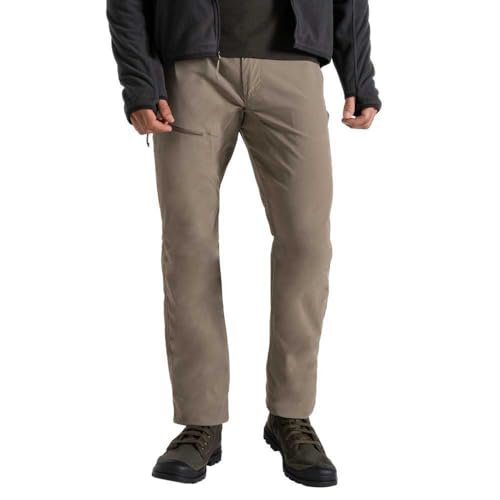
Provides full-length leg protection with integrated permethrin treatment, crucial for preventing tick bites and covering exposed skin, as highlighted in the article’s discussion of physical barriers and maximizing coverage.