The thrill of the outdoors often comes with the unexpected – including encounters with insects. Whether you're hiking a mountain trail, camping by a lake, or simply enjoying your backyard, an insect bite or sting can quickly turn a pleasant experience into an uncomfortable one. Having well-stocked insect bite treatment kits is not just a convenience; it's a vital part of responsible outdoor preparedness, ensuring you can quickly address reactions, prevent complications, and continue your adventure with peace of mind. This guide will walk you through building and using the best insect bite kits for any outdoor scenario.
Bottom line: A good outdoor bite kit should cover four jobs: clean the skin, reduce itch and swelling, remove ticks safely, and flag symptoms that need medical care.
- Pack tweezers or a tick tool, hydrocortisone, antihistamine, wipes, and cold-pack access.
- Keep suction tools as optional comfort tools, not emergency treatment.
- Replace expired medications before each trip.
Bottom line: Essential Insect Bite Treatment Kits
For immediate relief from most common insect bites and stings, a basic kit should include:
- Antiseptic Wipes: To clean the bite area and prevent infection.
- Topical Hydrocortisone Cream (1%): Reduces itching and swelling.
- Oral Antihistamines: Such as cetirizine or diphenhydramine, for widespread itching or mild allergic reactions.
- Pain Relievers: Ibuprofen or acetaminophen for discomfort.
- Fine-Tipped Tweezers or Tick Remover: Essential for safe tick and stinger removal.
- Instant Cold Pack: To minimize swelling and soothe pain.
- Suction-Based Device (e.g., Bug Bite Thing): A chemical-free option that some find effective for immediate itch relief.
Why carry a kit
Insect bites and stings are more than just an annoyance; they can pose significant health risks, ranging from localized discomfort to severe allergic reactions and the transmission of diseases. Understanding these risks underscores the importance of being prepared with comprehensive insect bite treatment kits.
Globally, mosquitoes are responsible for over 700,000 deaths annually, primarily due to vector-borne diseases like malaria and dengue, as reported by the WHO World Malaria Report. While these are extreme cases, they highlight the potential impact of insect interactions. Closer to home, insect stings from bees, wasps, and hornets cause an estimated 62 deaths per year in the U.S., mostly from anaphylaxis, according to CDC mortality data. Up to 7.5% of the population is sensitized to Hymenoptera venoms, putting them at risk for systemic allergic reactions. For those with known severe allergies, carrying an epinephrine auto-injector is absolutely critical. Read more about recognizing severe reactions in our guide on Mosquito Bite Allergic Reactions: When to See a Doctor.
Ticks also present a considerable threat, with the U.S. reporting approximately 63,000 cases of tickborne disease in 2019, primarily Lyme disease, according to CDC Tickborne Disease Surveillance. Prompt tick removal significantly reduces disease transmission risk. Most insect bites and stings cause only local reactions like redness, swelling, and itching, but these can still be intensely uncomfortable and lead to secondary infections if not properly managed. Over-the-counter products are widely used and considered first-line for uncomplicated bites, as noted by REI Expert Advice.
With outdoor recreation participation reaching nearly 159 million people in the U.S. in 2023, as highlighted by the Outdoor Industry Association Participation Report, a vast number of individuals are regularly exposed to these risks. A well-equipped insect bite treatment kit ensures that everyone, from casual day-trippers to seasoned backpackers, can respond effectively to bites and stings, minimizing discomfort and potential health complications.
What to pack
Creating an effective insect bite treatment kit involves more than just tossing a few items into a bag. It requires a thoughtful approach, considering prevention, immediate care, symptom relief, and emergency response. Whether you opt for a pre-made kit or build your own, the goal is comprehensive preparedness.
Core Components for Comprehensive Coverage
A. Prevention & Inspection: The first line of defense is always prevention.
- Insect Repellent: Include a travel-size bottle of repellent with active ingredients like DEET (20-30%), picaridin (20%), or oil of lemon eucalyptus (OLE) for adults. For children, choose family-friendly formulations with lower concentrations.
- Permethrin-Treated Gear: Consider treating clothing and gear with permethrin, a repellent that bonds to fabric.
- Fine-Tipped Tweezers or Dedicated Tick Remover: Essential for safely removing ticks and stingers.
- Small Magnifying Glass or Headlamp: Helps locate tiny ticks or embedded stingers.
B. Immediate Wound Care: After a bite or stinger removal, proper cleaning is crucial.
- Alcohol Wipes or Antiseptic Solution: Povidone-iodine or chlorhexidine can clean the bite site.
- Antiseptic Soap Sheets: For cleaning the area if water is available.
- Gauze Pads and Bandages: Assorted sizes for minor wounds or covering bite sites to prevent scratching.
- Small Scissors: Useful for cutting tape or opening packages.
C. Symptom Relief Items: These address the itching, pain, and swelling.
- Instant Cold Pack: Chemical cold packs or a small reusable gel pack (if you can keep it chilled) are vital for reducing swelling and pain.
- Topical Corticosteroid: 0.5–1% hydrocortisone cream is highly effective for reducing inflammation and itch.
- Topical Anti-Itch/Calming Lotion: Calamine lotion or aloe-based gels can provide soothing relief.
- Topical Anesthetic: Creams or gels with pramoxine or lidocaine can numb the area, offering pain relief for more painful stings.
- Topical Bug Bite Product: Brands like After Bite, with various formulations (e.g., ammonia-based or antihistamine), are popular for immediate itch relief and are commonly found in outdoor first aid kits.
- Oral Antihistamine: Non-drowsy options like cetirizine or loratadine for daytime use, and diphenhydramine for severe itching or nighttime, are recommended for mild allergic reactions. Single-dose blister packs are convenient for kits.
- Pain Relievers: Ibuprofen and/or acetaminophen for general discomfort.
- Optional Devices: Suction-based bite relief tools like the Bug Bite Thing are chemical-free and reusable, often included in outdoor kits for immediate relief. Heat-based devices, such as Bite Away, deliver localized heat that some studies suggest can reduce itch and swelling for mosquito bites, as discussed in Healthline's review of bug bite products.
D. Allergy & Emergency Components: For serious reactions, especially in remote areas.
- Epinephrine Auto-Injector(s): Absolutely essential for anyone with known severe insect venom allergies.
- Emergency Information Card: Include allergies, medications, emergency contacts, and local emergency numbers.
For more targeted relief, explore our guide on Best Mosquito Bite Relief Products. When selecting your insect bite treatment kits, consider pre-made options from reputable brands like Adventure Medical Kits, which often offer specialized modules, or assemble a personalized DIY kit tailored to your specific needs and destinations.

Treatment steps
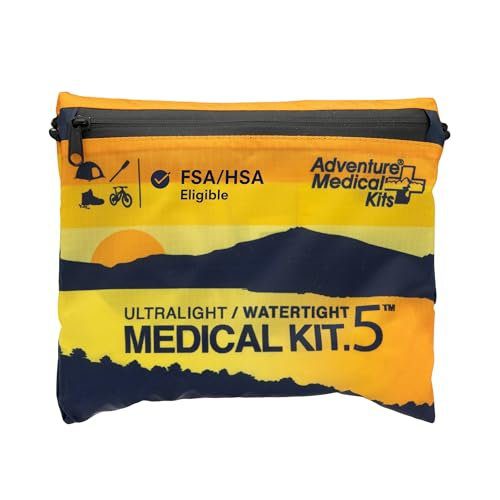
This comprehensive, lightweight, and waterproof first aid kit is ideal for outdoor adventures, directly addressing the article’s focus on well-stocked insect bite treatment kits. It typically includes antiseptic wipes, sting relief, and pain relievers, covering multiple essential components mentioned.
- Very lightweight, compact, and fully waterproof, making it easy to pack for hiking, biking, and other fast-and-light trips
- Well-chosen, practical selection of supplies for short outings, including good blister care items and basic medications
- Durable outer pouch and inner DryFlex bag that hold up well to regular use and exposure to the elements
- Some users feel the kit is understocked and end up adding extra items like more bandages, meds, or tape
- A few reviewers mention that the kit is best for minor issues only and not sufficient as a stand‑alone kit for longer or more remote trips without customization
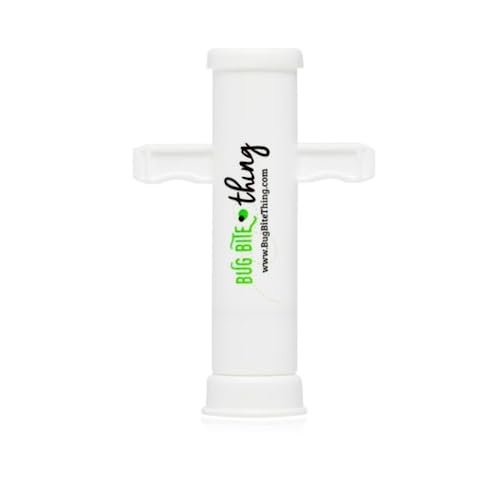
Explicitly mentioned in the article as an effective, chemical-free suction-based device for immediate itch relief from insect bites and stings, making it a highly relevant and direct recommendation.
- Provides noticeable relief from itching and swelling for many users, especially when used soon after a bite or sting
- Chemical-free, reusable, and compact, making it convenient and eco-friendly for families and travel
- Easy to use on a variety of insect bites and stings (mosquito, bee, wasp, etc.) and some users report it helps with splinters or thorns
- Effectiveness is inconsistent; some users see little or no improvement, particularly if it’s not used immediately after the bite
- Can cause temporary marks, bruising, or discomfort from the suction, and may be difficult to use single-handedly on certain body areas or on squirmy children
Knowing how to use your insect bite treatment kits effectively is just as important as having them. Different types of bites and stings require specific approaches. Here’s a practical guide for common scenarios you might encounter outdoors.
For Mosquito or Non-Venomous Bites
These are the most frequent encounters and usually result in localized itching and swelling.
- Clean the area: Use an antiseptic wipe or soap and water to clean the bite site.
- Apply cold: Place an instant cold pack on the bite for 10–15 minutes to reduce swelling and numb the itch.
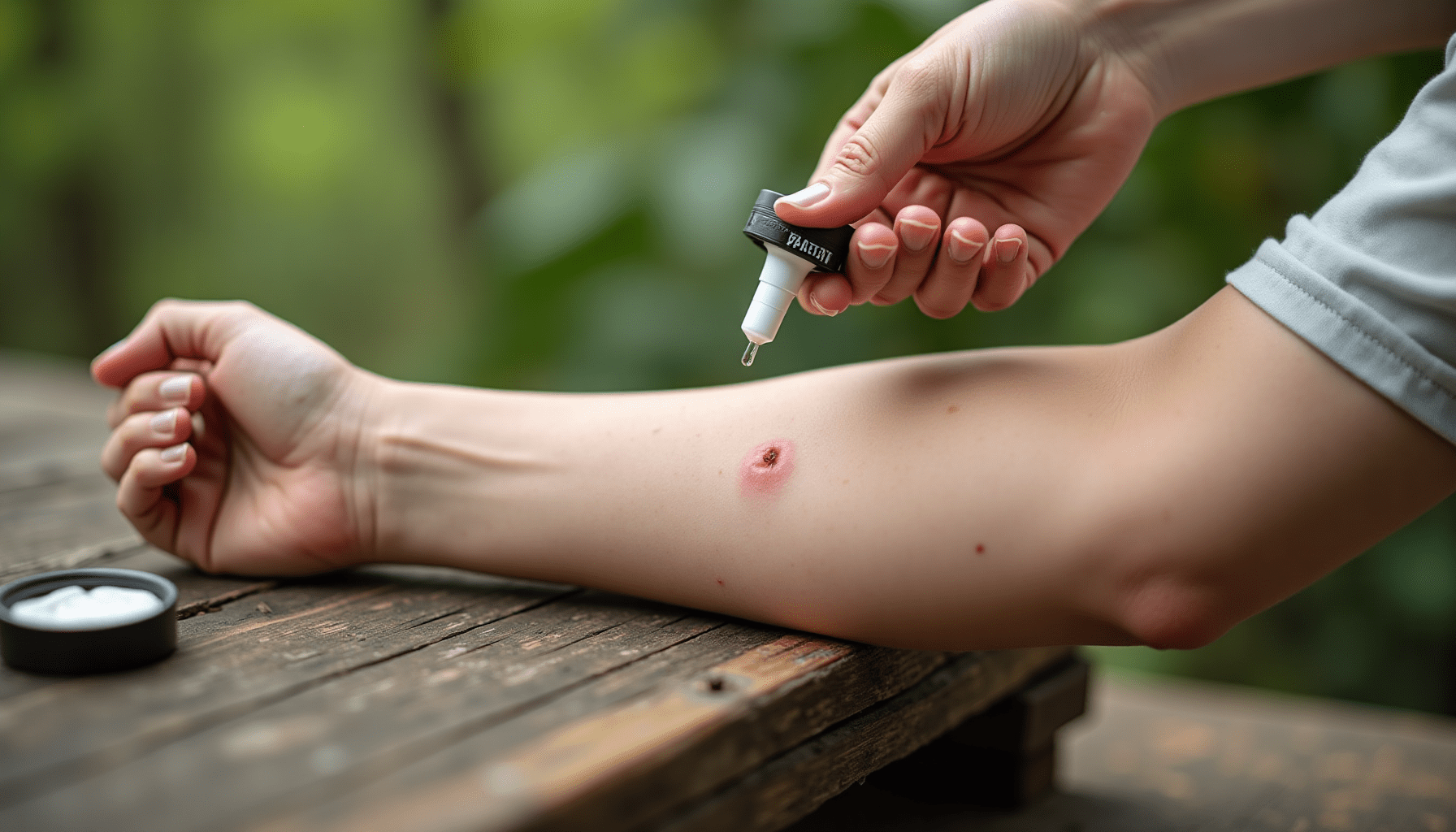
- Topical treatment: Apply hydrocortisone cream (1%) or a specialized anti-itch product like After Bite to relieve itching.
- Oral relief: If itching is widespread or severe, take an oral antihistamine.
- Avoid scratching: This prevents secondary infection. For a deeper dive into relief, check out our Mosquito Bite Treatment: Complete Relief Guide.
For Tick Bites
Prompt and proper tick removal is vital to reduce the risk of disease transmission.
- Remove the tick: Using fine-tipped tweezers or a dedicated tick removal tool, grasp the tick as close to the skin as possible. Pull upward steadily without twisting or jerking. The CDC provides detailed guidance on tick removal.
- Cleanse: Clean the bite area thoroughly with antiseptic.
- Monitor: Save the tick in a sealed bag with a blade of grass if you wish to have it identified or tested. Monitor yourself for symptoms like a bull’s-eye rash (erythema migrans) or flu-like illness for up to 30 days. Seek medical attention if these occur. Learn more about safe removal in our guide on How to Remove a Tick Safely.
For Bee, Wasp, or Hornet Stings
These can be painful and, for some, dangerous.
- Move to safety: Quickly move away from the stinging insect or nest to avoid additional stings.
- Remove stinger: If a bee stinger is visible, remove it as quickly as possible. Speed is more important than the method; use a fingernail, credit card edge, or tweezers.
- Clean and cool: Clean the sting site with antiseptic and apply a cold pack. Elevate the affected limb if possible to reduce swelling.
- Symptomatic relief: Apply hydrocortisone cream or an anesthetic gel. Take an oral antihistamine if swelling or hives develop.
- Watch for anaphylaxis: Monitor for signs of a severe allergic reaction (difficulty breathing, wheezing, swelling of the face/throat, dizziness) for at least 30 minutes. If these occur, use an epinephrine auto-injector immediately and seek emergency medical care. Our guide on How to Treat a Bee Sting Effectively offers more detailed advice.
For Spider or Scorpion Stings
While most are benign, some require urgent attention. The American College of Emergency Physicians recommends seeking care for severe reactions.
- General treatment: For most non-dangerous bites, clean the area, apply ice, and use symptomatic relief for pain and itching.
- Seek urgent care for:
- Black Widow: Severe pain, muscle cramps, abdominal pain.
- Brown Recluse: A spreading ulcer or necrosis at the bite site.
- Bark Scorpion (U.S. Southwest): Neurologic symptoms like muscle twitching, unusual eye movements, or difficulty breathing.
Common myths
Misinformation about insect bites and stings can lead to ineffective or even harmful treatments. As entomologists, we aim to provide accurate, evidence-based advice. Let's clarify some common misconceptions that often arise when discussing insect bite treatment kits.
Myth 1: "You must scrape, not pinch, a bee stinger."
Fact: While the traditional advice was to scrape a stinger, research shows that the speed of removal is far more important than the specific technique. Pinching with fingers or tweezers is perfectly fine if it allows for quicker removal, minimizing the amount of venom injected.
Myth 2: "Suction devices can pull all the venom out of a bite."
Fact: Devices like the Bug Bite Thing are popular for immediate relief, but once venom or saliva has diffused into tissues (which happens within seconds to minutes), suction devices have a limited ability to remove it entirely. They may remove a small amount of surface irritant and can help reduce perceived itch or pain, but they are not a substitute for medical care in serious reactions or for conditions like anaphylaxis.
Myth 3: "You should cut or suck a snake or spider bite."
Fact: This is a dangerous myth. Cutting the skin, attempting to suck out venom, or using a tourniquet is not recommended for snake or serious spider bites. These actions do not help and can cause further injury, infection, or restrict blood flow. For serious bites, immobilize the affected area, keep the patient calm, and seek immediate medical evacuation for professional antivenom administration when indicated.
Myth 4: "Topical antibiotics prevent infection in all bites."
Fact: Most mosquito bites and uncomplicated stings do not require antibiotic ointment. The primary prevention for infection is cleanliness and avoiding scratching, which can break the skin barrier. Antibiotics are reserved for clear signs of secondary bacterial infection (e.g., increasing redness, warmth, pus, fever) or for bites at a high risk of infection.
Myth 5: "If you don’t have a bull’s-eye rash, you can’t have Lyme disease."
Fact: The characteristic erythema migrans (bull’s-eye) rash is a common sign of Lyme disease, but it is not universal. Some individuals may develop non-specific flu-like symptoms instead, or the rash may appear in an atypical form. After a tick bite, it's important to monitor for both rash and systemic symptoms and consult a clinician if you have any concerns, especially if you live in or have visited a region where Lyme disease is prevalent, as highlighted by guidelines from the Journal of Allergy and Clinical Immunology and EAACI guidelines on insect sting allergy.
Myth 6: "Natural repellents like citronella work as well as DEET."
Fact: While some plant-based repellents offer a degree of protection, most, like citronella, provide shorter and less reliable protection compared to proven active ingredients like DEET, picaridin, IR3535, or oil of lemon eucalyptus (OLE/PMD). For high-risk areas or extended outdoor exposure, public health organizations like the CDC and WHO prioritize these evidence-based options for their superior efficacy and duration.
Final take
Preparing for outdoor adventures means being ready for anything, and that includes insect encounters. Equipping yourself with comprehensive insect bite treatment kits is a simple yet effective way to manage discomfort, prevent complications, and ensure your time in nature remains enjoyable. From preventing bites with effective repellents to knowing the right steps for tick removal or sting relief, a well-stocked kit empowers you to respond confidently and effectively.
Don't let insect bites derail your next outdoor experience. Take the proactive step to build or update your kit today. For further reading on managing common insect issues, explore our guides on Mosquito Bite Treatment: Complete Relief Guide and Best Mosquito Bite Relief Products.
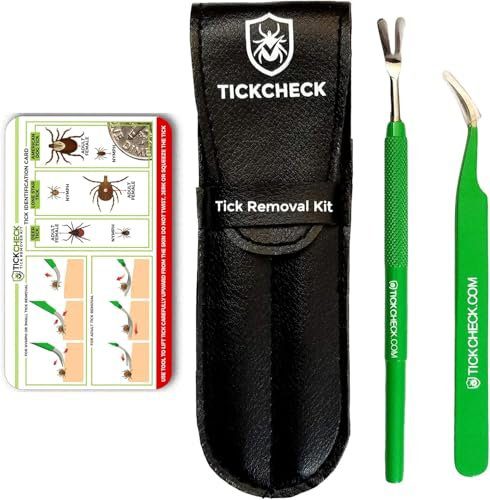
The article highlights ticks as a considerable threat and emphasizes prompt tick removal. This kit provides the essential fine-tipped tweezers and specialized tools for safe and effective tick removal, crucial for preventing disease transmission.
- Sturdy, high-quality stainless steel tools that can be washed or sterilized and are built to last
- Includes both a tick removal fork and super-fine-tip tweezers, making it effective for large embedded ticks as well as tiny nymphs and small deer ticks on people or pets
- Compact kit with leather(ette) pouch and tick identification card, making it convenient to store, carry, and quickly identify common tick species
- Some users may find metal tools less intuitive or harder to use on very wiggly or thick-furred pets compared with simple plastic hook tools
- Kit contents are minimal (just the two tools, pouch, and ID card), which may disappoint buyers expecting additional accessories or duplicate tools
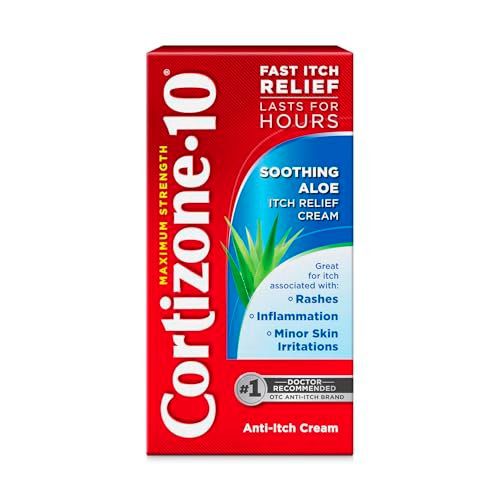
Topical hydrocortisone cream (1%) is specifically listed in the article as an essential component for reducing itching and swelling from insect bites, making this a direct and highly relevant product recommendation.
- Provides fast-acting itch relief that starts working within minutes for many users
- Effectively reduces itching and inflammation from eczema, rashes, insect bites, and poison ivy/oak/sumac
- Contains soothing aloe, is fragrance-free and dye-free, and is gentle enough for frequent spot use
- Some users feel the relief is temporary and requires frequent reapplication
- A few reviewers report skin irritation or dislike that it contains parabens and petrolatum
As an Amazon Associate, I earn from qualifying purchases. Product recommendations are based on real reviews and independent research.