
A bee sting hurts more than it harms for most people, and the first aid is simple. Get the stinger out fast by scraping it sideways rather than pinching it, wash the spot with soap and water, hold something cold on it, and treat the pain and itch while it settles. Most stings calm down within a day or two with nothing more than that. The part that actually matters is what happens away from the sting — trouble breathing, swelling of the face or throat, dizziness, or hives spreading across the body. That is a severe allergic reaction, and it is a medical emergency. This guide covers the home steps, the warning signs that change everything, and how to lower your odds of the next sting.
For an ordinary sting, scrape the stinger out fast, wash it, ice it, and ease the pain and itch; most calm within a day or two, so the thing to watch for is a reaction beyond the sting site.
- Normal: Sharp pain, then a red, swollen, itchy bump at the sting site that eases over a day or two.
- See a doctor: Spreading redness, warmth, or pus after a day or two, which can mean a skin infection.
- Get emergency help: Trouble breathing, face or throat swelling, dizziness, or hives spreading fast, which can mean anaphylaxis.
What to do first
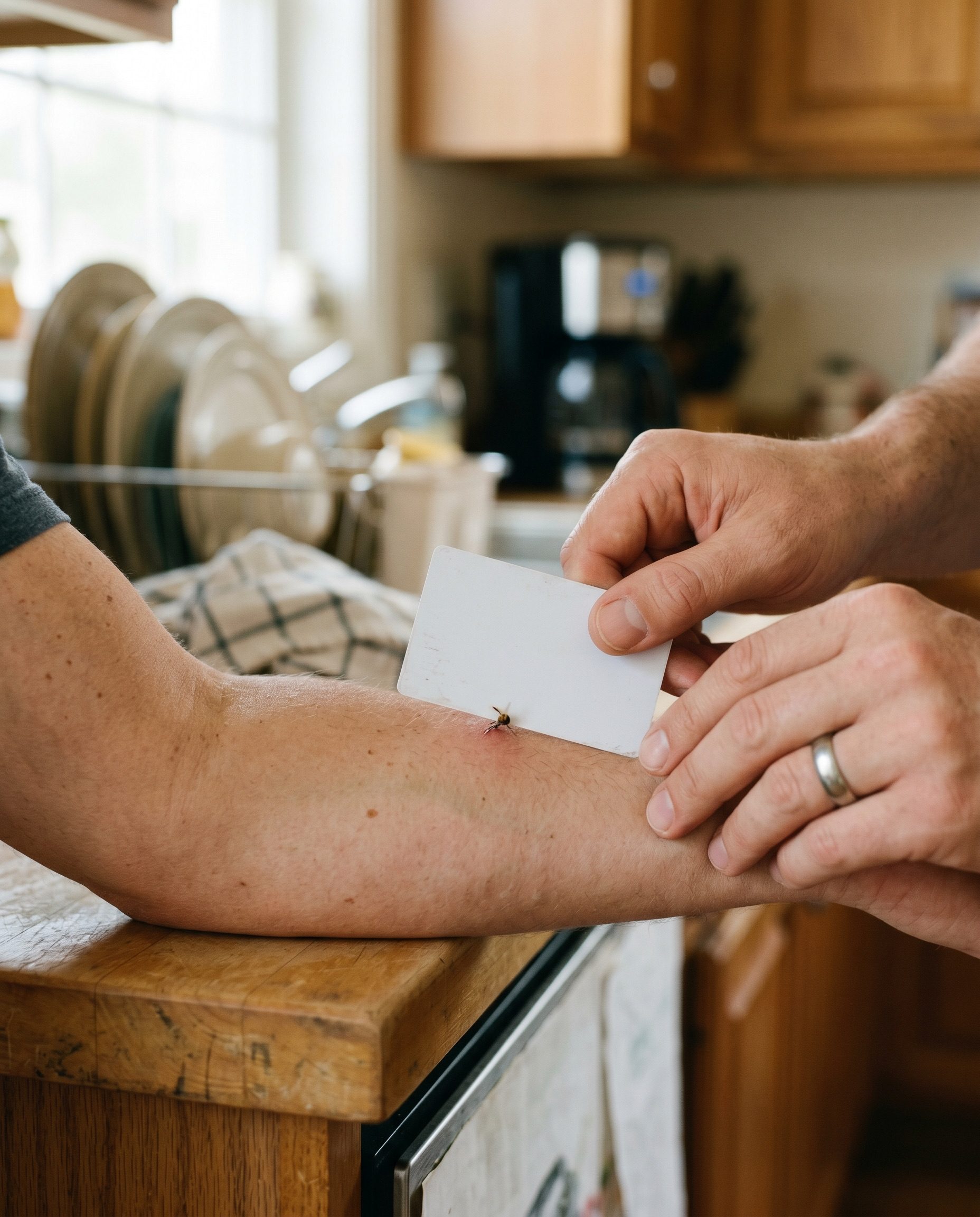
Speed matters with the stinger, but not in the way most people think. A honeybee leaves its barbed stinger and venom sac behind, and it keeps pumping venom for a short while, so getting it out quickly trims the dose. What you do not need to do is be precious about technique. The old advice to never pinch, only scrape, was about avoiding squeezing more venom in, and getting the stinger out quickly matters more than the exact method. A fingernail, the edge of a credit card, or a flick will all do the job.
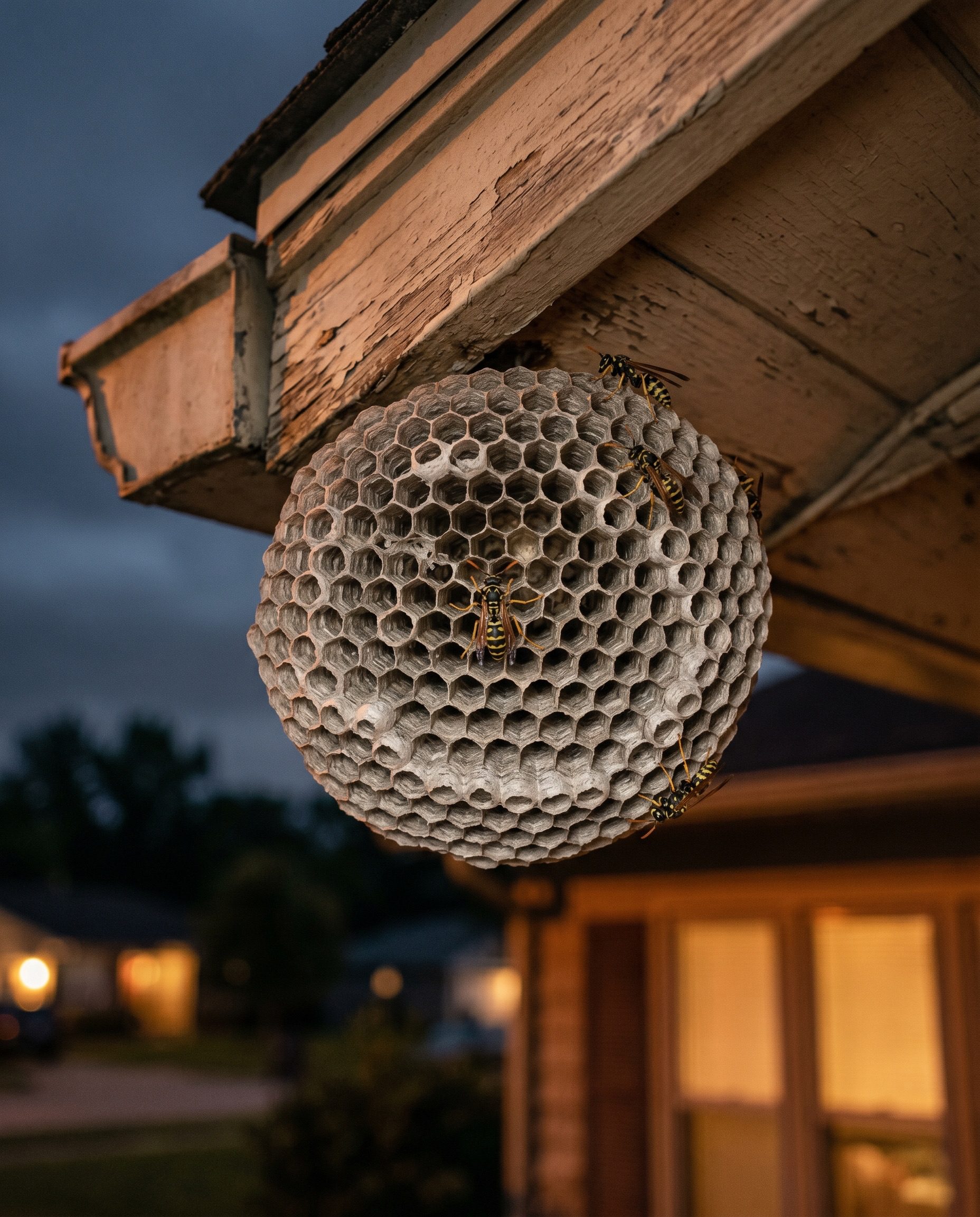
After the stinger is gone, the routine is the same one you would use for most minor stings. MedlinePlus, the NIH consumer health service, advises that you scrape the stinger out, clean the area, and use a cold pack to bring down pain and swelling. One detail worth knowing: only honeybees leave a stinger. The wasps, hornets, and yellowjackets can sting more than once and usually do not leave anything behind, so if there is no stinger to find, that is a clue to what stung you. If you are not sure what you are dealing with, our guide to telling a bee from a wasp or hornet walks through the differences.
What a normal sting looks like
A typical sting is a small, contained event. You feel a sharp, burning pain at the moment of the sting, and within minutes a red, raised welt forms with swelling and itching around it. For most people the whole thing peaks within a few hours and then fades over a day or two. A little swelling and a hard, itchy bump are normal, and so is some lingering tenderness.
Some people get what is called a large local reaction, where the swelling spreads several inches across over a day or two. A sting on the forearm might leave the whole forearm puffy. This looks alarming, but on its own it is still a local reaction, not the body-wide emergency described below, and it usually settles with ice, time, and itch relief. The thing that separates a big-but-local reaction from a true emergency is whether symptoms stay near the sting or show up somewhere else entirely.
When to see a doctor
Most stings never need a doctor. The reason to get one involved is a sting that gets worse instead of better after the first day or two, which usually points to a skin infection rather than the venom. Scratching an itchy sting can break the skin and let bacteria in.
Watch for these concrete signs and treat them as a reason to be seen:
| Sign | What it can mean | What to do |
|---|---|---|
| Redness spreading days after the sting | Possible skin infection (cellulitis) | Contact a healthcare provider |
| Warmth, growing pain, or pus | Possible infected sting | Contact a healthcare provider |
| Red streaks running from the site | Infection spreading | Seek medical care promptly |
| Fever or feeling generally unwell | Body-wide response to infection | Seek medical care promptly |
If you see any of these, stop home care and contact a healthcare provider, because they can point to an infection rather than a normal reaction. The same goes for a sting inside the mouth or throat, or a sting near the eye, where even ordinary swelling can cause problems and is worth a call. MedlinePlus covers home care for a sting and when to get medical help, and a provider can confirm what is happening and whether you need treatment.
Emergency signs
This is the section that matters most, and it is about a reaction that shows up beyond the sting. A severe allergic reaction, called anaphylaxis, is uncommon, but it is a true emergency. Get emergency medical help right away if symptoms appear away from the sting site, including trouble breathing, swelling of the face, throat, tongue, or lips, tightness in the chest or throat, dizziness or fainting, a fast heartbeat, nausea or vomiting, or hives spreading quickly over the body.
If the person stung has a known severe insect allergy and an epinephrine auto-injector such as an EpiPen has been prescribed, use it as directed and still get emergency care, because symptoms can return after the first dose wears off. Epinephrine is the treatment for anaphylaxis, and MedlinePlus describes the signs of a severe allergic reaction and the need for emergency epinephrine. Do not wait to see whether it passes. If you have had a serious reaction before, an allergist can help you build a plan and carry the right tools, which we cover in our insect sting allergy and emergency plan guide.
First aid at home
For an ordinary sting, home care is short and the goal is comfort while the welt fades. After the stinger is out and the area is washed, a cold compress for ten to twenty minutes does the most work, easing both swelling and pain. Keep the spot clean, try not to scratch, and raise the limb if it is swelling, which helps fluid drain away.
For the itch and ache, an over-the-counter antihistamine or a hydrocortisone cream eases symptoms for some people, and an oral pain reliever can help with soreness. Follow the product label, and ask your pharmacist if you are unsure or if the sting is on a child. There is no special remedy to chase here. If you want a rundown of the generic options people reach for, our sting relief overview lays them out, but the basics above handle most stings.

Lower your risk
Avoiding the sting beats treating it, and a few habits cut your odds. Honeybees and most wasps only sting to defend themselves or a nest, so the main rule is to not crowd them. UC IPM’s guidance on stinging insects is built around avoiding stings in the first place: stay calm and move away slowly rather than swatting, keep food and sweet drinks covered outdoors, skip strong floral perfumes, and wear shoes in clover-filled lawns where bees forage. Most stings happen by accident, not ambush.
A honeybee swarm or colony is a different matter, and the right move is not to kill it. Honeybees are valuable pollinators, so if you find a swarm or a colony in a wall or tree, contact a local beekeeper who can relocate it. Wasps, hornets, and yellowjackets can be managed when a nest is genuinely in a high-traffic spot. If you treat one, do it at dusk when they are least active, work from a distance with a clear escape path, and never spray from a wobbly ladder or try to burn or seal a live nest, which only provokes the colony. A hanging trap set at the far edge of the yard can pull foragers away from where you sit.
When it’s not a sting
Not every sudden welt is a sting, which matters because the response is different. A single painful bump with a clear puncture point and that moment of sharp pain usually is a sting. By contrast, widespread itchy hives with no single sore spot point to an allergic reaction, not one insect, and can come from food, medication, plants, or heat. Spreading itchy patches without any sting event can be contact dermatitis or another rash.
The reason to tell them apart is that hives appearing on their own, especially with any breathing or swelling symptoms, can be the same emergency described above and deserve the same fast response. If the cause of a reaction is unclear, or a rash keeps spreading, a healthcare provider can sort out what is actually going on.
Common questions
How long does a bee sting last?
The pain usually eases within a few hours, and the redness, swelling, and itch fade over a day or two. If a sting is getting redder, warmer, or more painful after the first couple of days instead of better, treat that as a possible infection and contact a healthcare provider.
Should I pull the stinger out or scrape it?
Get it out quickly by whatever method is fastest. The old rule to scrape rather than pinch was about not squeezing in more venom, but research found the speed of removal matters more than the technique, so do not waste time hunting for a card if your fingers are right there.
When is a bee sting an emergency?
When the reaction shows up beyond the sting site. Trouble breathing, swelling of the face or throat, dizziness, fainting, or hives spreading over the body are signs of anaphylaxis and need emergency care right away, plus an epinephrine auto-injector if one has been prescribed.
Why does the area around my sting keep swelling for two days?
That can be a large local reaction, where swelling spreads several inches over a day or two. On its own it is uncomfortable but not the body-wide emergency, and it usually settles with ice and time. The signs that change the plan are symptoms away from the sting.
Are wasp and hornet stings treated the same way?
The first aid is the same, with one difference: wasps, hornets, and yellowjackets usually do not leave a stinger, so there is nothing to scrape out. Wash, ice, and ease the pain, and watch for the same emergency signs, since any stinging insect can trigger a severe allergic reaction.
Final verdict
A bee sting is one of those problems that is almost always small and occasionally serious, and knowing which is which is the whole game. For an ordinary sting, the plan is short: get the stinger out fast, wash it, ice it, and treat the pain and itch, and it will fade on its own within a day or two. Keep your real attention on the one thing that changes everything, a reaction that shows up beyond the sting, because trouble breathing, face or throat swelling, dizziness, or fast-spreading hives mean anaphylaxis and need emergency care and epinephrine without delay. And the next time out, give bees their space, and leave a honeybee colony to a beekeeper rather than a can of spray.
This guide is information, not medical advice. Use it to know when home care is fine and when it is not, and defer to your clinician or an allergist for anything that worries you.
This article is for information only and is not medical advice.



Pingback: What to Do If a Bee Gets Inside Your House: Essential Tips