A severe insect-sting allergy can turn from a sting into a life-threatening reaction within minutes, and the single most important thing to know is that the first treatment is epinephrine from an auto-injector, followed right away by emergency care. Antihistamines alone are not enough for that kind of reaction. Most stings, though, are just a normal painful nuisance that settles on its own, so the real job is telling those apart. If you have ever had a whole-body reaction to a sting, an allergist, a prescribed auto-injector, and a written emergency action plan matter far more than any product. This guide covers what a normal sting looks like, the red flags that change the plan, the emergency signs, and how to lower your risk.
A severe sting allergy can cause anaphylaxis within minutes; epinephrine from an auto-injector plus emergency care comes first, antihistamines alone are not enough, so a prescribed injector and a plan beat any product.
- Normal: Pain, redness, and swelling right at the sting that peaks in a day or two and fades over several days.
- See an allergist: A past whole-body reaction, hives away from the sting, or large swelling that spreads well beyond the site.
- Get emergency help: Trouble breathing, throat or tongue swelling, dizziness or fainting, or fast-spreading hives; use a prescribed epinephrine auto-injector and get emergency care.
How serious is a sting
For most people, a sting from a bee, wasp, hornet, or yellowjacket is painful but harmless. You get pain, a red bump, and some swelling right where it happened, and it fades within a few days. The danger is not the venom for most of us, it is how a small minority of immune systems overreact to it.
That overreaction is the whole reason this topic matters. A true insect-sting allergy means the body treats the venom as a major threat and can mount a fast, body-wide response called anaphylaxis. MedlinePlus, the NIH consumer health service, describes the symptoms of anaphylaxis and why epinephrine is the emergency treatment, and the key point is timing: it can come on within minutes, which is why the response has to be planned in advance, not improvised in the moment.
If you are not sure which stinging insect you are dealing with, that matters for both risk and prevention. Our guide to the difference between bees, wasps, and hornets can help you tell them apart, since wasps and yellowjackets sting more readily and more than once.
What a normal reaction looks like
A normal sting reaction is local, meaning it stays at and around the spot you were stung. You can expect sharp pain in the first minutes, then a red, warm, swollen bump, and an itch as it heals. The swelling can look alarming without being dangerous, especially on a hand or near a joint, where even an ordinary reaction can puff up over a day or two before going down.
MedlinePlus covers what a normal sting reaction looks like and when a sting needs medical care, and the reassuring takeaway is that most stings need only basic first aid. A so-called large local reaction, where swelling spreads several inches beyond the sting over a day or two, is uncomfortable and worth mentioning to a doctor, but on its own it is usually not the same thing as a dangerous allergy.
The honeybee (Apis mellifera) is the one insect that leaves its barbed stinger behind in the skin. Wasps, hornets, and yellowjackets keep theirs and can sting again, which is part of why a disturbed wasp nest causes more trouble than a single bee.
When to see an allergist
The line that should move you from home care to a professional is a reaction that goes beyond the sting site or beyond the skin. A few hives right around the sting are common, but hives breaking out away from the sting are a different signal, and so is any past episode where a sting made you feel unwell all over.
Talk to a doctor or an allergist if any of these describe you:
| Sign | What it can mean | What to do |
|---|---|---|
| A past whole-body reaction to a sting | Possible venom allergy | See an allergist for testing |
| Hives or itching spreading away from the sting | A systemic, not just local, response | Get medical advice promptly |
| Swelling that spreads far beyond the site | A large local reaction | Mention it to a doctor |
| A sting in the mouth or throat | Swelling could narrow the airway | Seek medical care right away |
An allergist can confirm whether you have a venom allergy and can discuss venom immunotherapy, a series of treatments that can lower the risk of a severe reaction over time. MedlinePlus notes that a known trigger needs an action plan and a way to prevent the next reaction, and stinging insects are one of the most common triggers worth working through with a specialist. A healthcare provider can confirm what is happening and decide whether you need an auto-injector and testing.
Emergency signs and the EpiPen
A severe allergic reaction is a medical emergency, and it gets its own section because the response has to be immediate. Get emergency medical help right away for signs of anaphylaxis: trouble breathing, swelling of the throat, tongue, or lips, tightness in the chest or throat, dizziness or fainting, a fast heartbeat, nausea or vomiting, or hives spreading quickly over the body. If an epinephrine auto-injector such as an EpiPen has been prescribed, use it as directed at the first signs and still get emergency care, because symptoms can return after the first dose wears off.
This is the part the headline-grabbing advice often gets wrong. An antihistamine pill may help a mild, itchy reaction, but it does not treat anaphylaxis and it is not a substitute for epinephrine. The medication question past that point belongs to your doctor and the device label, not to a guide like this one, so this article does not give doses; the auto-injector is used the way your prescriber and the label direct. The plan is simple to state and life-saving to follow: epinephrine first, emergency services next, and do not wait to see if it passes.
First aid for a normal sting
For an ordinary sting with no allergy signs, home care is quick. If a honeybee left a stinger behind, scrape it out sideways with a fingernail or the edge of a card rather than pinching it, which can squeeze in more venom. Then wash the area with soap and water and apply a cold compress to ease pain and swelling.
For the itch and ache, an over-the-counter antihistamine or hydrocortisone cream helps some people; follow the product label and ask your pharmacist if you are unsure or if the sting is on a child. There is no special product to chase for a normal sting. If you want a fuller walkthrough of the steps, see our bee sting first aid guide, and for gentle relief options there is our roundup of insect sting relief products. None of that applies once a reaction turns systemic, where the plan is epinephrine and emergency care.

Lower your risk of stings
Prevention does more here than any after-the-fact remedy, especially if you already know you react. The first rule is to avoid provoking the insects: do not swat at a bee or wasp, move away calmly, and keep food and sweet drinks covered outdoors, since yellowjackets are drawn to them in late summer. UC IPM notes that people with a history of a severe reaction face the highest risk, so for them, knowing where nests are is part of staying safe.
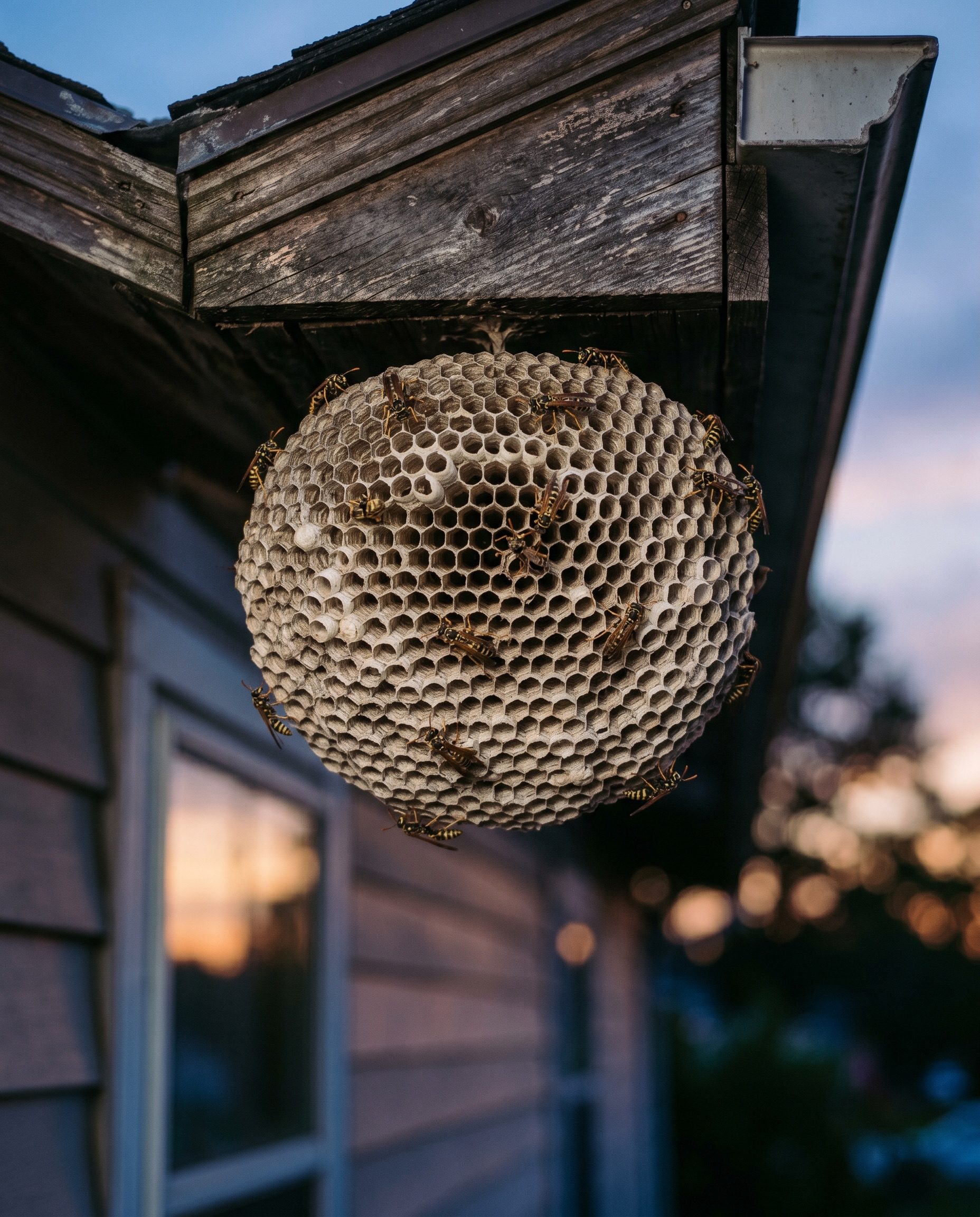
Manage wasp, hornet, and yellowjacket nests near the house, but do it safely. Treat a nest at dusk, from a distance, with a clear escape path, when the insects are least active, and never spray while standing on an unstable ladder or try to burn or seal a live nest. The University of Kentucky’s entomology factsheet explains how stinging insects behave and why some stings carry more risk, which is useful background before you go near a nest at all.
Honeybees are different, and they are worth protecting. A honeybee swarm or colony is not a pest to destroy; contact a local beekeeper, who will often collect and relocate it for free. Carpenter bees boring into wood can usually be handled by sealing and redirecting them rather than reaching for a spray first.
Build your emergency action plan
If you or someone in your home has a known sting allergy, the plan is the product. Work with an allergist on a written emergency action plan that spells out the symptoms, the step to use the auto-injector, and the instruction to get emergency care every time. Carry the auto-injector wherever stings happen, check its expiration date, and make sure the people around you know where it is and how it works.
A plan only helps if it is shared. Tell family, coworkers, coaches, and school staff about the allergy and where the injector lives, since someone having a severe reaction may not be able to act for themselves. This is the difference between a scary moment and a tragedy, and it costs nothing but a conversation and a refill reminder.
Common questions
Can a sting allergy get worse over time?
It can. Someone who had only a local reaction may have a more serious one to a later sting, and someone who once had a systemic reaction is at higher risk of another. That unpredictability is why an allergist and a prescribed auto-injector matter if you have ever reacted beyond the sting site.
Will an antihistamine work instead of an EpiPen?
No. An antihistamine may ease a mild, itchy reaction, but it does not treat anaphylaxis. Epinephrine from an auto-injector is the first-line emergency treatment, and an antihistamine is not a replacement; get emergency care either way.
How fast does anaphylaxis start after a sting?
It can begin within minutes, though it sometimes takes longer. Because it moves fast, the safe approach is to act at the first emergency signs rather than wait to see whether they pass.
Do I need to go to the hospital if I already used my auto-injector?
Yes. Symptoms can return after the first dose wears off, so using an epinephrine auto-injector is the start of emergency care, not the end of it. Get emergency medical help every time.
How do I prevent stings if I am allergic?
Avoid provoking insects, keep food and sweet drinks covered outdoors, wear shoes in the grass, and have wasp nests near the house dealt with safely. Direct any honeybee swarm to a local beekeeper instead of destroying it.
Final verdict
An insect sting is usually a minor, painful event that heals on its own, and most people never need more than a cold compress and a little patience. The exception is the one that matters most: a severe allergy can trigger anaphylaxis within minutes, and the only first-line treatment is epinephrine from an auto-injector followed immediately by emergency care, never an antihistamine alone. If you have ever had a whole-body reaction to a sting, the things that protect you are an allergist, a prescribed auto-injector, and a written emergency plan that the people around you know about. Learn the red-flag symptoms, prevent the next sting where you can, and act the moment the emergency signs appear.
This guide is information, not medical advice. Use it to know when home care is fine and when it is not, and defer to your clinician for anything that worries you.
This article is for information only and is not medical advice.