If you just got stung, the first move costs nothing and matters more than any product: get the stinger out fast by scraping it sideways with a fingernail or card edge, because pinching it like a splinter squeezes more venom in. The short answer: once the stinger is out, the right relief product manages the pain and itch of a normal local reaction, either a numbing swab, a drug-free suction tool, or an anti-itch stick, whichever fits where you are and who you are treating. The one thing none of these does is treat a systemic allergic reaction, which is a medical emergency that needs epinephrine and emergency care, not a topical. For our own kit we keep a few numbing swabs and a suction tool, nothing fancy. Most lists rank a single “best” cream; the comparison below sorts the relief options by the actual situation in front of you.
Scrape the stinger out first, never pinch it, then use a numbing swab, a drug-free suction tool, or an anti-itch stick to manage the pain and itch of a normal local reaction; none of these treats a systemic allergic reaction, which is a medical emergency needing epinephrine and emergency care.
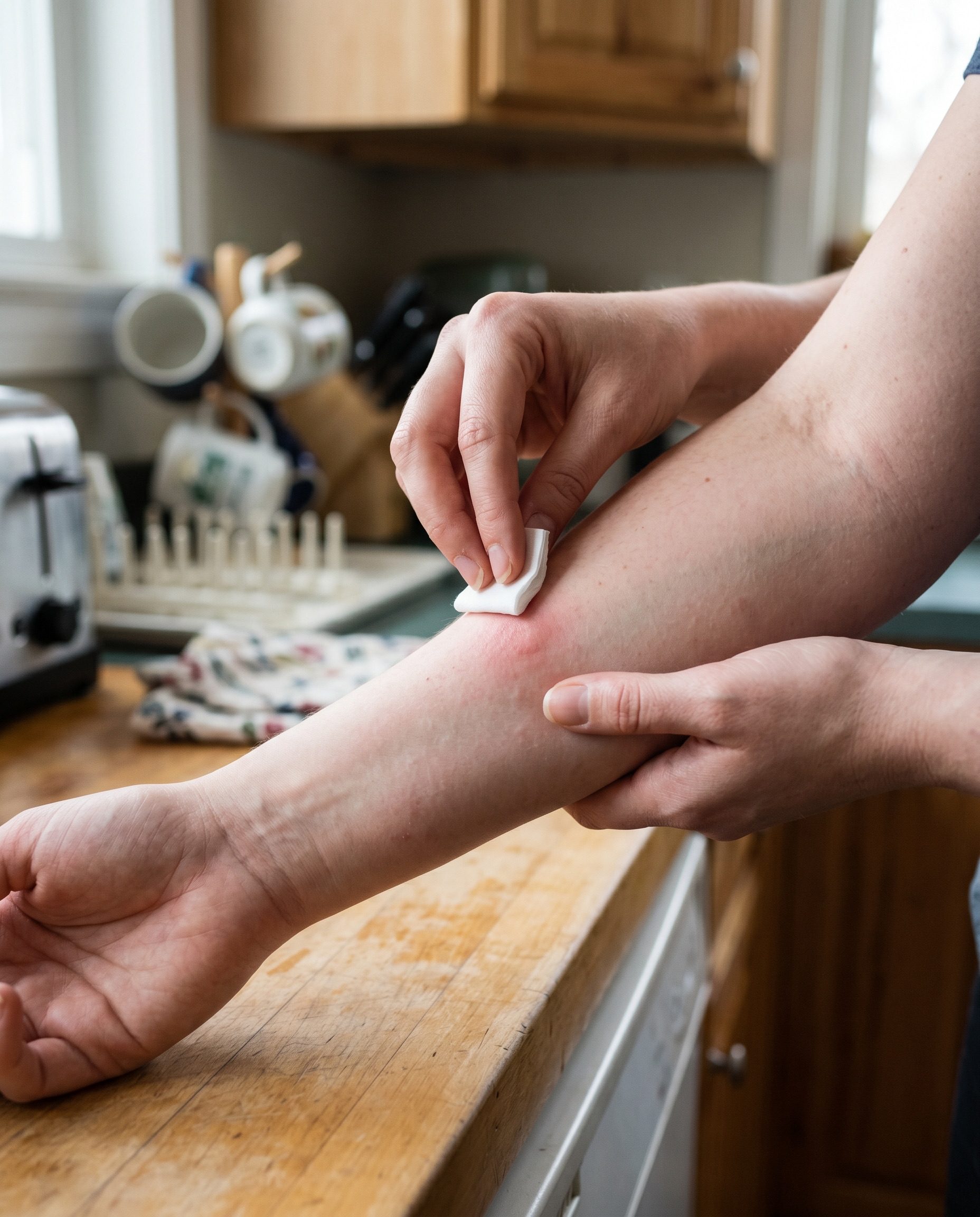
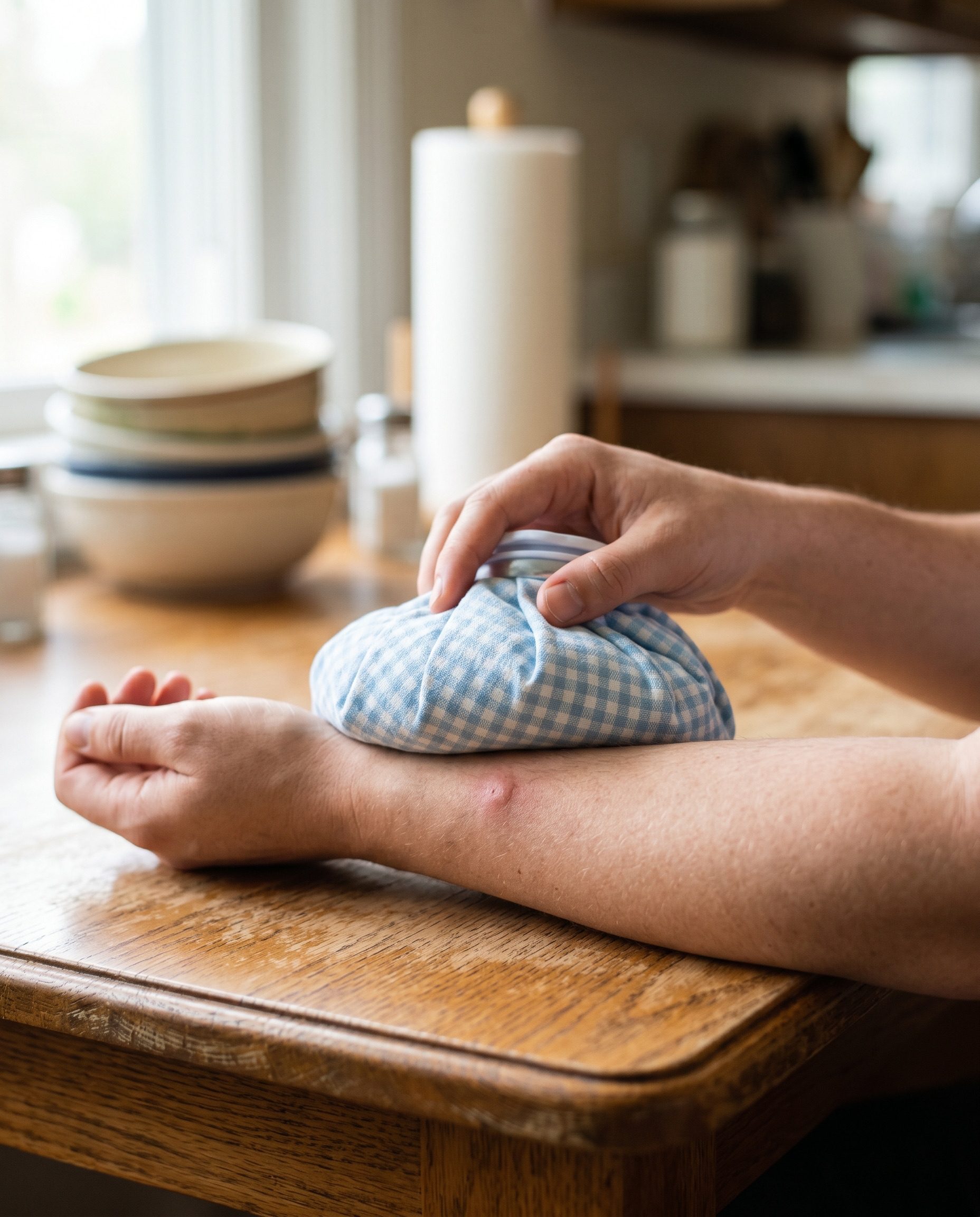
- Do first (free): Scrape the stinger off sideways with a card edge or fingernail, wash the spot, and apply a cold pack.
- Match the job: A numbing swab for fast pain relief, a suction tool for a drug-free option, an anti-itch stick for the welt that itches later.
- Watch for emergency: Trouble breathing, throat or tongue swelling, dizziness, or fast-spreading hives mean get emergency medical help now; no topical treats that.
What to do first
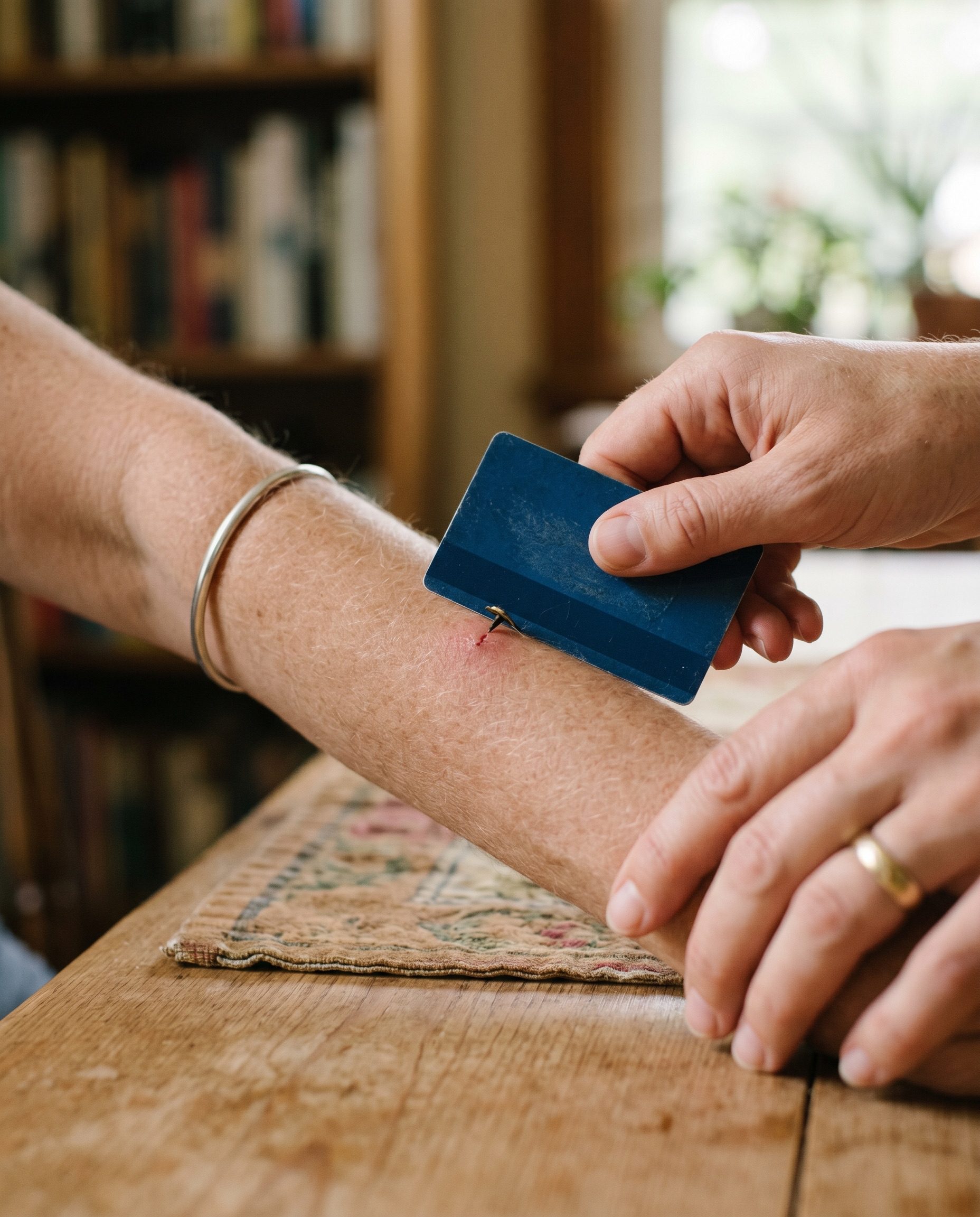
Before any swab or stick comes out, do the free part, because how you remove the stinger changes how much it hurts. If a bee left its stinger behind, scrape it out fast, sideways, with a fingernail or the straight edge of a credit card, and do not grab it with tweezers or fingers. The UC IPM Pest Notes on bees explain why: the stinger keeps a venom sac attached, and pinching it pumps the rest of that venom into you. Speed matters more than technique, so flick it out however you can. Our step-by-step bee sting first-aid guide walks through the whole sequence.
Once the stinger is out, clean the spot with soap and water and put something cold on it. A cold pack or a cloth-wrapped bag of ice for ten to fifteen minutes brings down the swelling and dulls the pain, and it is the cheapest relief in this whole list. The MedlinePlus overview of insect bites and stings lists cold and washing as the first self-care steps for a normal reaction. A relief product is worth reaching for after that, to manage the pain and itch, not as a substitute for getting the stinger out or cooling the welt.
Local reaction vs systemic reaction
Here is the line that decides everything, and most product roundups skip it. A normal local reaction is pain, redness, swelling, and itching right around the sting, and that is what these products are for. It can look alarming, with the swelling spreading a few inches over a day or two, but it stays in one area and fades on its own. The University of Kentucky’s guide to stinging insects describes this kind of local reaction as the common, expected outcome of a sting.
A systemic allergic reaction is a different animal, and no swab, suction tool, or stick can touch it. The danger signs are trouble breathing, swelling of the throat or tongue, tightness in the chest, dizziness or fainting, nausea, and hives spreading well beyond the sting. If any of those show up, this is a medical emergency: get emergency medical help right away, and use an epinephrine auto-injector if one has been prescribed. The MedlinePlus article on insect bites and stings is direct that anaphylaxis needs epinephrine and emergency care, not a topical. If you or someone you treat has a known sting allergy, the plan is the auto-injector and the ER, full stop; our sting allergy and emergency plan guide covers what that kit looks like. Everything below is strictly for the normal local kind.
Match the product to the sting
Once you know it is a normal local reaction, the choice is short. Decide by two questions: do you want fast numbing or a drug-free option, and are you treating the sharp pain right now or the itchy welt that shows up later. The goal is to match the form to the moment, not to grab the loudest label.
| Product type | Best for | Watch-out |
|---|---|---|
| Anesthetic numbing swab | Fast pain and itch relief right after a sting | Numbs the spot only; does not treat an allergic reaction |
| Drug-free suction tool | Kids and chemical-sensitive users; no ingredients | Works best used quickly; not a cure for the reaction |
| Anti-itch relief stick | The itchy welt hours later, packable for travel | For local itch only; reapply as the label allows |
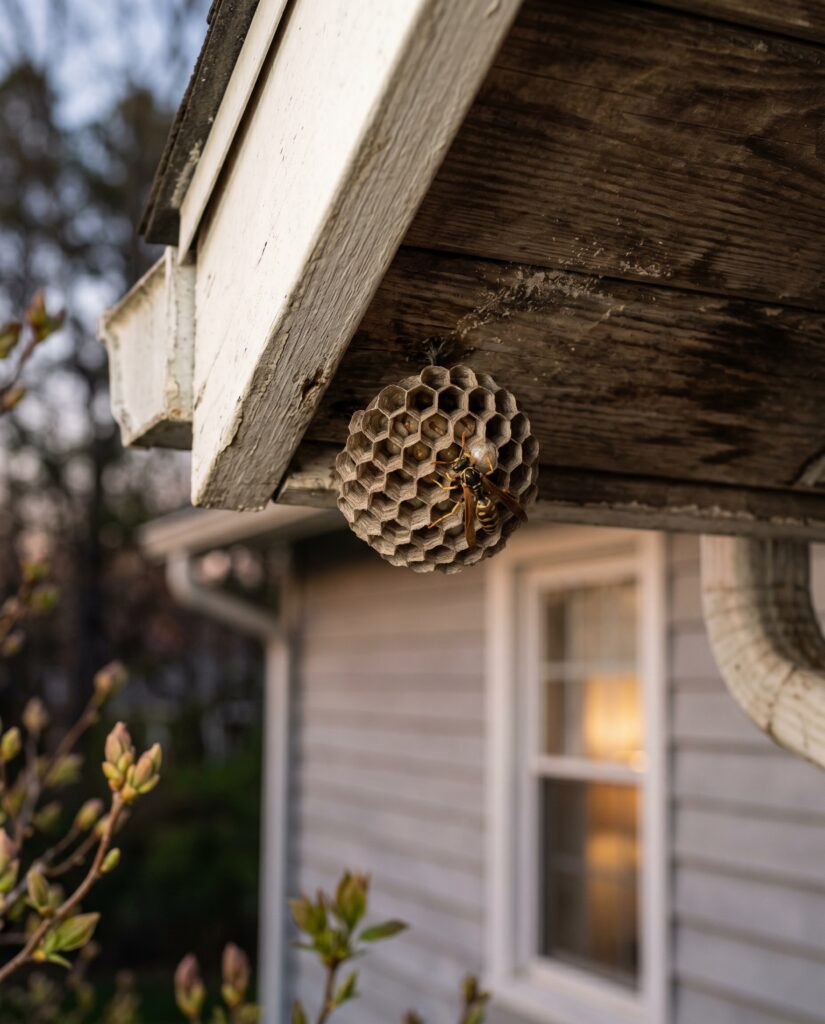
Why not just buy one thing and be done? Because the moments are different. A numbing swab is the right tool for the sharp pain in the first minutes, while an anti-itch stick earns its place hours later when the welt is what bothers you. A suction tool is the pick when you would rather put nothing chemical on a child’s skin. Match the tool to the moment, follow the directions on whatever you use, and remember that all three handle the local symptoms only. The same prevention thinking that keeps stings down around the house, covered in the EPA’s safe pest control basics, is worth more than any after-the-fact remedy, and for an actual nest the answer is a long-range wasp spray, not a relief stick.
How to use them safely
Use the product on the sting, after the stinger is out. For a numbing swab or stick, dab it directly on the cleaned welt and let it dry, and follow the label for how often you can reapply. For a suction tool, place it over the sting and pull, the sooner the better. Read the directions on whatever you pick, because that is what tells you how much and how often is safe. Keep these products out of reach of small children, and do not put them in eyes, in the mouth, or on broken skin unless the label says you can.
Watch the clock and the symptoms, not just the welt. A normal local reaction eases over hours to a couple of days; if it keeps spreading, oozes, or looks infected, see a healthcare provider rather than reaching for another swab. The MedlinePlus self-care guidance is clear that worsening or unusual reactions are a reason to get medical advice. And the non-negotiable one again: if breathing, the throat, dizziness, or spreading hives come into it, stop treating the spot and get emergency medical help, because these topicals do not treat a systemic allergic reaction.
The picks
Cards come after the analysis on purpose, because the moment decides which one you buy. These three cover fast numbing, a drug-free option, and the later itch, and all are common, widely available sting-relief products.
InsectoGuide is reader-supported. As an Amazon Associate we earn from qualifying purchases at no extra cost to you.
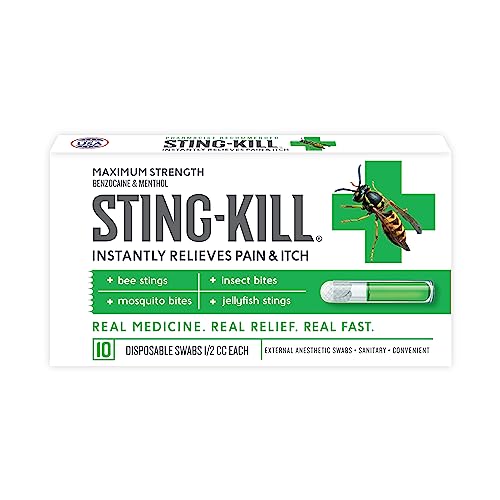
Benzocaine swabs that numb sting pain and itch fast right after you scrape the stinger out.
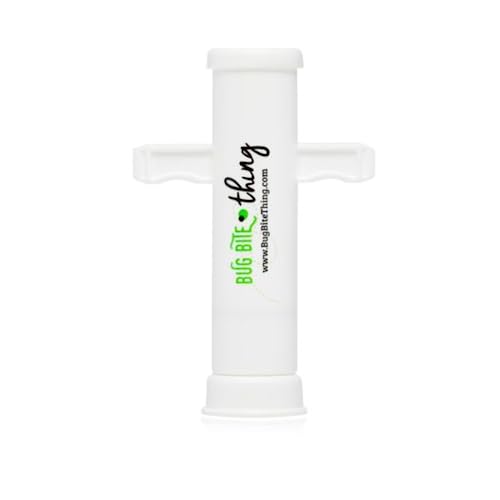
Suction lifts the irritant from the skin with no chemicals, good for kids and sensitive users.
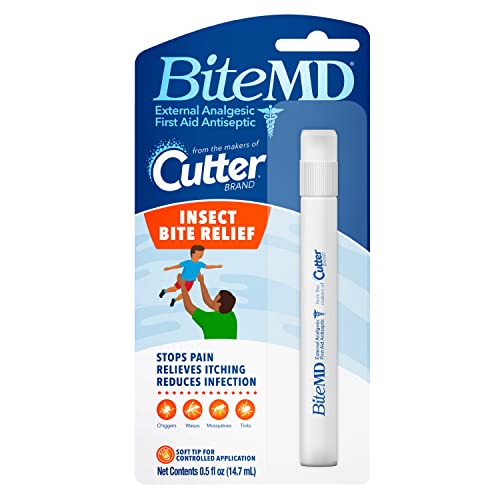
A mess-free analgesic and antiseptic stick for the itchy welt that shows up hours later.
Common questions
What is the fastest way to stop sting pain?
Scrape the stinger out, cool the spot, then numb it. A cold pack for ten to fifteen minutes plus a benzocaine swab takes the edge off the sharpest pain quickly. The MedlinePlus self-care steps put washing and cold first, and a numbing product handles the rest of the local pain.
Should I scrape or pinch out a bee stinger?
Scrape it, always. The UC IPM bee guidance explains that pinching the attached venom sac pumps more venom into the skin, so flick it out sideways with a card edge or fingernail instead, as fast as you can.
Do these products work on wasp and hornet stings too?
Yes for the local pain and itch. Wasps and hornets do not usually leave a stinger, so there is nothing to scrape, but the cold pack, numbing swab, suction tool, and anti-itch stick all help the same way they do for a bee. They still do not treat an allergic reaction.
Are suction tools safe for kids?
Generally yes, because a suction tool puts nothing on the skin, which is why it is a common pick for children and chemical-sensitive users. Follow the directions, and remember it manages a local sting, not a systemic reaction.
When is a sting an emergency?
When the reaction goes beyond the sting site. Trouble breathing, swelling of the throat or tongue, dizziness, fainting, or hives spreading fast are signs of a serious allergic reaction; the MedlinePlus encyclopedia entry says to get emergency medical help right away and use a prescribed epinephrine auto-injector. No topical treats that.
Final verdict
There is no single best sting relief product, because the right one depends on the moment. Start free by scraping the stinger out sideways, washing the spot, and cooling it with ice, then match the product to the situation. Reach for a numbing swab for the sharp pain in the first minutes, a drug-free suction tool when you would rather not put chemicals on a child’s skin, and an anti-itch stick for the welt that itches hours later. Every one of these handles the normal local reaction only. If the reaction spreads to breathing, the throat, dizziness, or fast hives, stop treating the spot and get emergency medical help, with an epinephrine auto-injector if one has been prescribed, because that is a medical emergency no swab or stick can fix.