Finding your prized tomato plants suddenly stripped of leaves can be disheartening, often pointing to the presence of a voracious garden pest: the hornworm. Accurate tomato hornworm identification is the first crucial step in protecting your harvest, allowing you to quickly implement effective control strategies. These large, camouflaged caterpillars can devastate a plant overnight, but with the right knowledge, you can spot them early and safeguard your vegetables. Let's explore how to identify these common garden invaders and what practical steps you can take to manage them.
Bottom line: Tomato hornworms are large (up to 4 inches), bright green caterpillars with a prominent "horn" at their rear. They are identified by eight white V-shaped markings along their sides pointing towards their head, and a straight, black or blue-black horn. Look for stripped leaves, chewed fruit, and dark green-black droppings (frass) to confirm their presence. Hand-picking is the most recommended control method for home gardens.

Identify hornworms
Spotting a hornworm can be tricky due to its remarkable camouflage, but several key features distinguish it from other garden caterpillars. Knowing these details is essential for effective tomato hornworm identification and ensuring you're targeting the right pest.
General Appearance
Tomato hornworms (Manduca quinquemaculata) are among the largest caterpillars you'll encounter in a garden, often growing up to 3-4 inches long and as thick as a human finger. Their bodies are a vibrant green, perfectly blending with tomato foliage, making them notoriously difficult to see. A distinctive, harmless "horn" or tail spine protrudes from their rear end, giving them their common name.
Tomato vs. Tobacco Hornworm
While often lumped together, there are actually two common species of hornworms that feed on tomatoes: the tomato hornworm (Manduca quinquemaculata) and the tobacco hornworm (Manduca sexta). Both cause similar damage and are managed with similar methods, but they have distinct markings that help differentiate them.
Here's a quick visual cheat sheet:
- Tomato Hornworm (M. quinquemaculata):
- Side Markings: Eight white V-shaped (chevron) markings along each side. These V-shapes point towards the caterpillar's head, resembling a series of arrows Utah State University Extension.
- Horn Color: The horn at the rear is typically straight and black or blue-black GardenTech.
- Side Markings: Seven diagonal white stripes on each side, often edged with a thin black border. These stripes run diagonally down and back Koaw Nature (YouTube).
- Horn Color: The horn is usually curved and reddish Homestead Honey.
While tomato hornworms are more common in northern regions and tobacco hornworms in the south, both can occur in the same garden. Regardless of the species, their feeding habits and control methods remain largely the same.
Damage signs
Often, gardeners notice the damage before they spot the camouflaged culprit. Hornworms are incredibly efficient eaters, and a single large caterpillar can defoliate a significant portion of a tomato plant in a very short time. Understanding the signs of their feeding is critical for early detection.
Signs on Your Plants
- Defoliation: Look for missing leaves, especially on the upper parts of the plant and new growth. Hornworms tend to start feeding at the top and work their way down. Stems may appear stripped of foliage GardenTech.
- Chewed Fruit and Blossoms: Beyond leaves, hornworms will also chew on green tomatoes, blossoms, and tender shoots. You might find gouges or partially eaten fruit, which can significantly reduce your harvest Utah State University Extension.
- Frass: One of the most tell-tale signs is the presence of dark green-black droppings, known as frass. These pellet-like excretions can be found on leaves below feeding sites or on the soil surface directly beneath the plant. Even a few larvae can produce a surprising amount of frass, making it an excellent indicator of their presence Homestead Honey.
The feeding rate of hornworms increases dramatically as they grow. A small amount of early damage can quickly escalate into major defoliation if larvae are not removed, so vigilant monitoring is key.
Scouting
Effective hornworm management begins with consistent monitoring and scouting. Because these caterpillars blend so well with foliage, you need a strategy to find them before they cause extensive damage.
When and How to Look
Start monitoring your tomato plants, and other solanaceous crops like peppers and eggplants, early in the growing season once they are established. In many temperate regions, hornworm populations typically peak in mid-summer, so beginning your search in early to mid-July is advisable Utah State University Extension. Continue scouting at least weekly, and increase frequency to daily if you've found hornworms or notice fresh damage.
The best times to look are early morning or evening/dusk. During these cooler periods, larvae may be more active, and the angle of the light can sometimes help you spot them against the foliage.
Practical Scouting Techniques
- Follow the Frass: This is often the most reliable method. If you spot frass pellets on leaves or the soil, look directly above them. The caterpillar is likely hiding on a stem or leaf just above where the droppings fell Homestead Honey.
- Shake the Plant: For smaller larvae that are harder to see, you can gently shake the stems over a light-colored sheet, cardboard, or white paper placed beneath the plant. This can dislodge the caterpillars, making them easier to spot Utah State University Extension.
- Systematic Search: Go leaf by leaf, starting from the top of the plant where new growth and feeding are most common. Look closely at the undersides of leaves and along stems. Their green color is a perfect match, so train your eyes to look for the distinctive V-shaped markings or the horn.
Remember, early detection is crucial. The sooner you find and remove hornworms, the less damage your plants will sustain.

Organic control
For home gardeners, an integrated pest management (IPM) approach emphasizing organic and non-chemical methods is highly effective for controlling hornworms. These strategies minimize harm to beneficial insects and the environment while protecting your plants.
Hand-Picking: The Gold Standard
For small gardens, hand-picking is by far the most effective and environmentally friendly method. Entomologists consistently recommend it as the primary control for hornworms Utah State University Extension.
Steps for Hand-Picking:
- Inspect Thoroughly: During your morning or evening scouting, carefully examine your plants.
- Grasp Firmly: Once located, grasp the hornworm gently but firmly near its middle. They may cling tightly, so a gentle twist or pull might be needed.
- Dispose Safely: Drop the collected hornworms into a bucket or jar of soapy water to kill them. The soap breaks the surface tension of the water, causing them to drown quickly. If you keep chickens, they often enjoy hornworms as a treat Homestead Honey.
Consistency is key with hand-picking. Regular checks will ensure you catch new larvae before they grow large and cause significant damage.
Cultural Controls
These methods focus on modifying the garden environment to make it less hospitable for hornworms.
- Tilling/Soil Disturbance: Hornworms overwinter as pupae in the soil. Tilling your garden beds in the fall or early spring can expose these pupae to predators or harsh weather, reducing the population for the next season GardenTech.
- Crop Rotation: Avoid planting tomatoes and other solanaceous crops in the exact same location year after year. Rotating crops helps break pest life cycles by removing their preferred food source from areas where they may have overwintered.
- Physical Barriers: Fine mesh netting or row covers (with openings around 1/4 inch or smaller) can prevent adult sphinx moths from laying eggs on your plants. These must be installed before moths become active and secured well around the plant base.
- Companion Planting: While scientific data is limited, some gardeners report success with companion planting. Aromatic plants like basil, mint, or marigolds planted near tomatoes are thought to potentially deter adult moths from laying eggs Homestead Honey. While not a guaranteed solution, these low-risk practices can add diversity to your garden.
Biological Controls
Harnessing nature's pest control squad is a cornerstone of organic gardening.
- Natural Enemies: Many beneficial insects, such as assassin bugs, lady beetles (learn more about How to Identify Ladybugs: Types, Colors & Look-Alikes and Beneficial Insects: 20 Bugs You Want in Your Garden), and lacewing larvae, prey on hornworm eggs and small larvae. Birds also enjoy snacking on these caterpillars.
- Parasitoid Wasps: One of the most fascinating biological controls is the braconid wasp. These tiny wasps lay their eggs inside hornworms. The wasp larvae then feed internally, eventually emerging to spin distinctive white, rice-like cocoons on the hornworm's back. If you find a hornworm covered in these cocoons, leave it alone! The hornworm will die, and the emerging wasps will help control future hornworm populations in your garden.
- Bacillus thuringiensis kurstaki (Bt-k): This naturally occurring soil bacterium is a popular organic insecticide. Bt-k is highly specific to caterpillars and must be ingested by the larvae to be effective. It works best on smaller, early-instar hornworms. Reapplication every few days, especially after rain or overhead watering, is necessary as sunlight degrades it Homestead Honey. Always apply according to label directions to minimize impact on non-target caterpillars, including beneficial species.
Organic-Compatible Chemical Controls
For larger infestations or extensive gardens where hand-picking isn't feasible, certain organic-compatible sprays can be used.
- Spinosad: Derived from a soil bacterium, spinosad is effective against a range of chewing insects, including hornworms. It's often approved for organic production (always check your local certification rules). Spinosad can be more potent than Bt, but it can also harm beneficial insects, including bees, if sprayed on blooms. Apply in the evening to minimize exposure to pollinators and target only the affected plants.
- Other Options: While some neem-based products or insecticidal soaps are labeled for chewing insects, they are generally less effective against large hornworms due to their size and tough exterior. These are typically better suited for smaller, soft-bodied pests.
Common myths
Misinformation can sometimes lead to ineffective pest control or unnecessary worry. Let's debunk some common myths about hornworms.
-
Myth 1: "All hornworms are tomato hornworms."
While the name is common, there are two primary species that attack tomatoes: the tomato hornworm and the tobacco hornworm. They have distinct visual differences in their stripe patterns and horn color, though both cause similar damage and are managed similarly A Way To Garden. -
Myth 2: "The horn on a hornworm can sting you."
The prominent "horn" at the rear of a hornworm is not a stinger and is completely harmless to humans. Hornworms do not sting or bite in a way that poses any threat. They might wriggle if handled, but they are not venomous or dangerous. -
Myth 3: "You must spray chemicals as soon as you see hornworms."
For most home gardens, hand-picking and cultural controls are highly effective and the primary recommendation from university extension services Utah State University Extension. Chemical sprays are often unnecessary, especially if you monitor your plants regularly. -
Myth 4: "Hornworms completely destroy tomato yields every time."
While heavy infestations can cause significant defoliation and reduce yields, early detection and simple control methods like hand-picking can prevent serious losses. Moderate defoliation, especially late in the season after fruits have set, may have a limited impact on your overall harvest. -
Myth 5: "If I see just a few chewed leaves, it's not a big deal."
This is a dangerous misconception. Hornworms' feeding rate increases dramatically as they grow larger. A small amount of early damage can quickly escalate into major defoliation, seemingly overnight, if the larvae are not removed Homestead Honey. -
Myth 6: "Any big green caterpillar on tomatoes is a pest that should be destroyed."
While hornworms are pests, it's important to identify them correctly. Also, a hornworm covered in white cocoons should be left alone to support beneficial parasitoid wasps, which are crucial allies in garden pest management.

Prevention
Successfully managing hornworms in your garden relies on a combination of vigilance, accurate identification, and consistent application of organic control methods. By understanding the life cycle and habits of these caterpillars, you can stay one step ahead and ensure a bountiful harvest.
Remember to start scouting early in the season, actively look for both the caterpillars and their tell-tale frass, and prioritize hand-picking for immediate removal. Supporting beneficial insects and implementing cultural practices like tilling and crop rotation will further bolster your garden's natural defenses. With these strategies, you can minimize damage and enjoy your homegrown tomatoes.
For more insights into garden pests and beneficial insects, explore our guides on How to Get Rid of Garden Ants Without Harming Plants and understanding the diverse world of garden inhabitants.
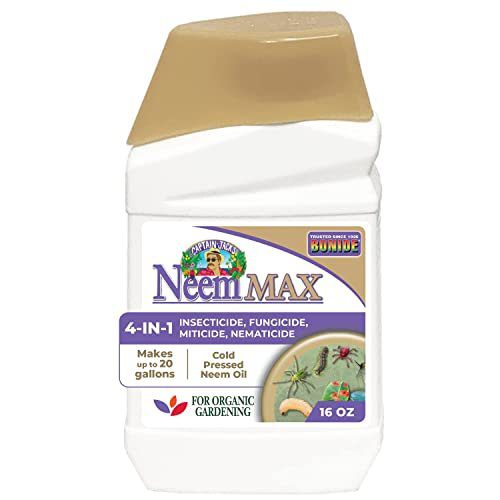
Neem oil is an organic pesticide that acts as an anti-feedant and growth disruptor for caterpillars, providing another safe and effective method for controlling hornworms and preventing future infestations.
- Effective at controlling a wide range of pests and diseases, including aphids, mites, whiteflies, powdery mildew, and nematodes.
- Works as a 4-in-1 product (insecticide, fungicide, miticide, nematicide), which reviewers often like for convenience and versatility.
- Can be used on many plants and in different ways, including as a foliar spray or soil drench, with organic-gardening positioning.
- Must be mixed before use, and some users may find the concentration/mix rates a bit inconvenient.
- The neem smell and oily residue are commonly disliked with neem-based garden products.
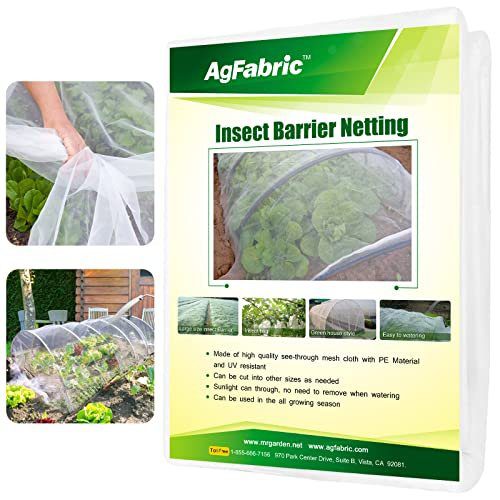
A floating row cover provides a physical barrier to prevent adult hornworm moths from laying eggs on tomato plants, offering a proactive and organic prevention strategy to protect your crops.
- Provides effective protection for plants, vegetables, flowers, and fruit from birds and insects
- Allows water, air, and sunlight to pass through while covering crops
- Reviewers praise the large 10′ x 30′ size and easy coverage for garden beds or row covers
- Some buyers mention the netting can be tricky to handle or install neatly over plants
- A few complaints note durability/tearing concerns if the mesh is snagged or not secured carefully

Hornworms are notoriously camouflaged and often feed at night. A headlamp helps gardeners spot these pests more easily in low light conditions, making hand-picking more efficient and effective.
- Very bright beam with multiple lighting modes and a pivoting head that users find versatile for running, camping, and work tasks
- Lightweight, comfortable fit with an adjustable headband that suits both adults and kids for extended wear
- USB-rechargeable design with good battery life, so users avoid constantly buying disposable batteries
- Some users report durability issues over time, such as the light or charging port failing after a few months
- Battery runtime on the highest brightness setting is shorter than some buyers expect
As an Amazon Associate, I earn from qualifying purchases. Product recommendations are based on real reviews and independent research.