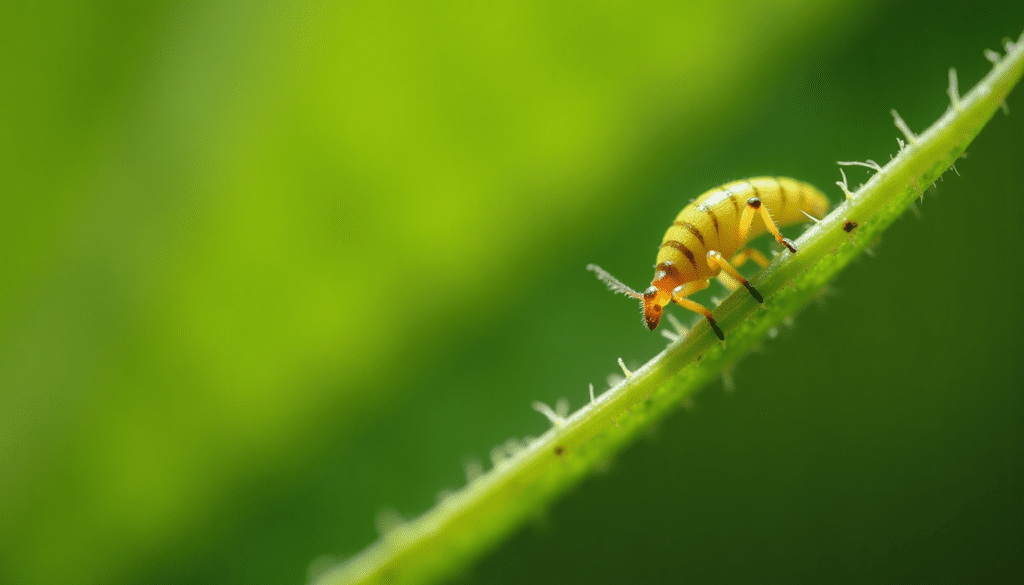
Finding your prized squash plants wilting and covered in unsightly insects can be disheartening for any gardener committed to chemical-free methods. Squash bugs (Anasa tristis) are a common and destructive pest of cucurbit crops, capable of causing significant damage if left unchecked. Fortunately, effective squash bug control organic strategies exist that prioritize the health of your garden and the environment. This guide will walk you through identifying these pests and implementing proven organic methods to protect your plants and ensure a bountiful harvest.
Bottom line: Effective organic squash bug control relies on a multi-pronged approach, prioritizing prevention and mechanical removal before resorting to organic sprays. Key actions include:
- Scouting regularly for bronze-colored eggs on leaf undersides.
- Hand-picking eggs, nymphs, and adults into soapy water.
- Using floating row covers early in the season to prevent egg-laying.
- Practicing good garden sanitation to eliminate overwintering sites.
- Employing trap crops or board traps to concentrate pests for removal.
Identify squash bugs
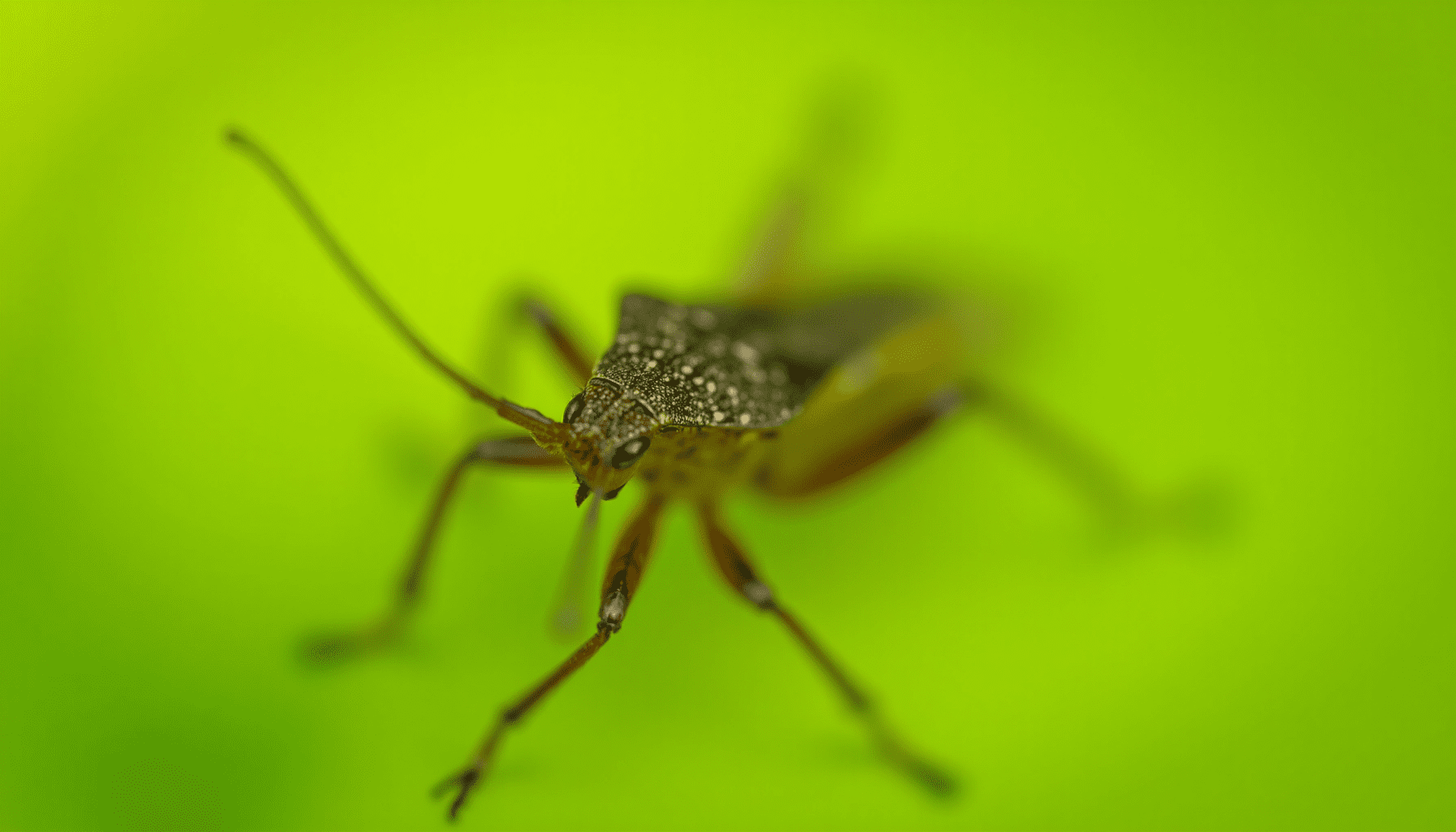
Accurate identification is the first step in effective pest management. Squash bugs can often be confused with stink bugs, but they have distinct characteristics that make them easy to spot once you know what to look for. Recognizing them at different life stages allows for earlier intervention and better control.
Adult Squash Bugs
Adult squash bugs are about ½ to ¾ inch (1.4–1.9 cm) long, with a flat, shield-shaped body. Their coloration ranges from grayish to dark brown, often with distinctive orange or brown edges on their abdomen. You'll frequently find them congregating on stems near the base of your squash plants or hiding under leaves and garden debris. They are quite robust and can be challenging to control with sprays alone, making early detection of eggs and nymphs crucial.
Squash Bug Nymphs
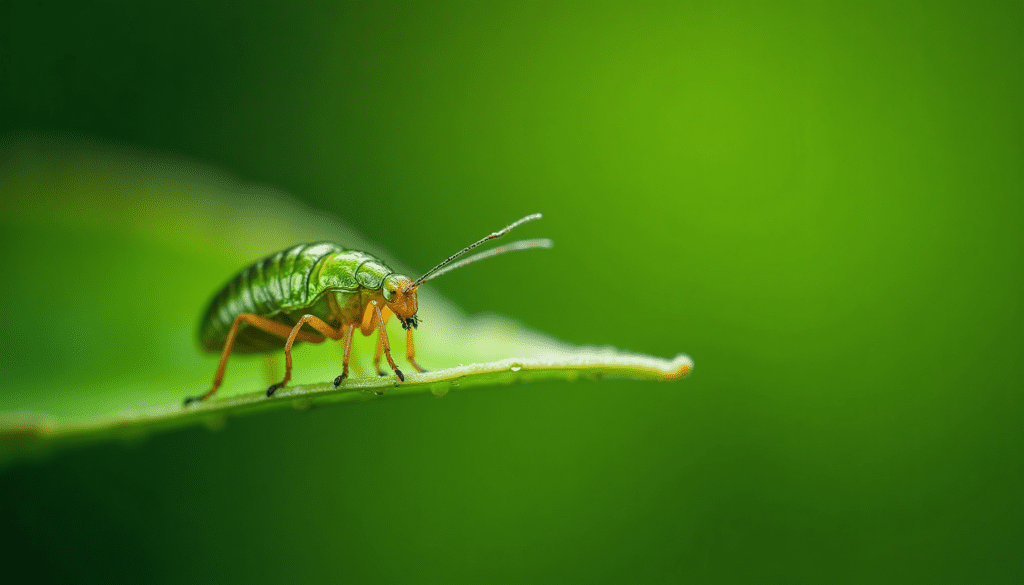
Nymphs are the immature stage of the squash bug. They are small, wingless, and soft-bodied. In their early instars (developmental stages), they appear light green to gray with black legs. As they mature, they become more grayish and develop a more defined body shape, often with a white stripe on their abdomen. Nymphs are typically found clustered together, often on the undersides of leaves or along stems. They feed similarly to adults, piercing plant tissue and sucking out sap, which can cause significant damage.
Squash Bug Eggs
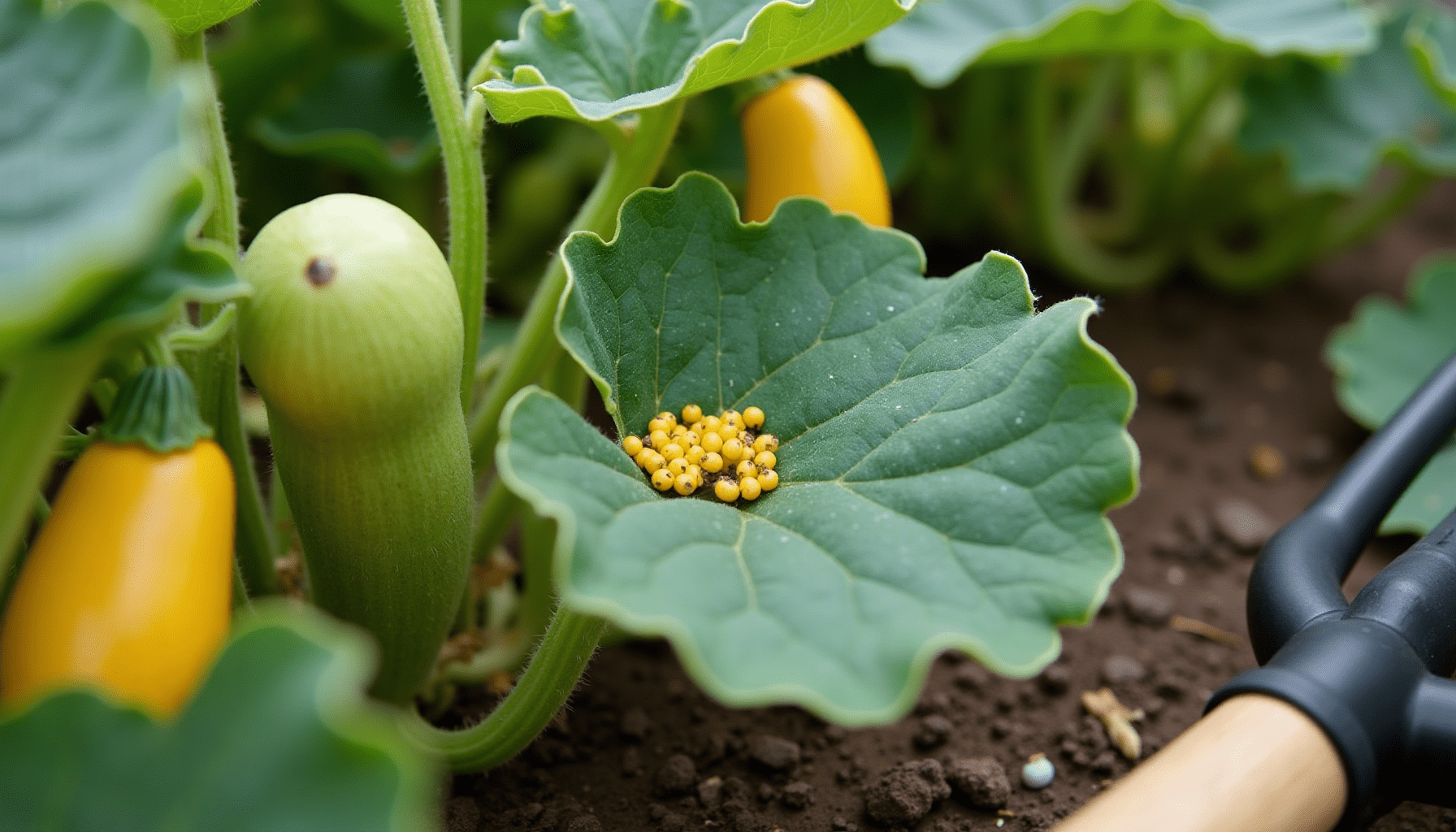
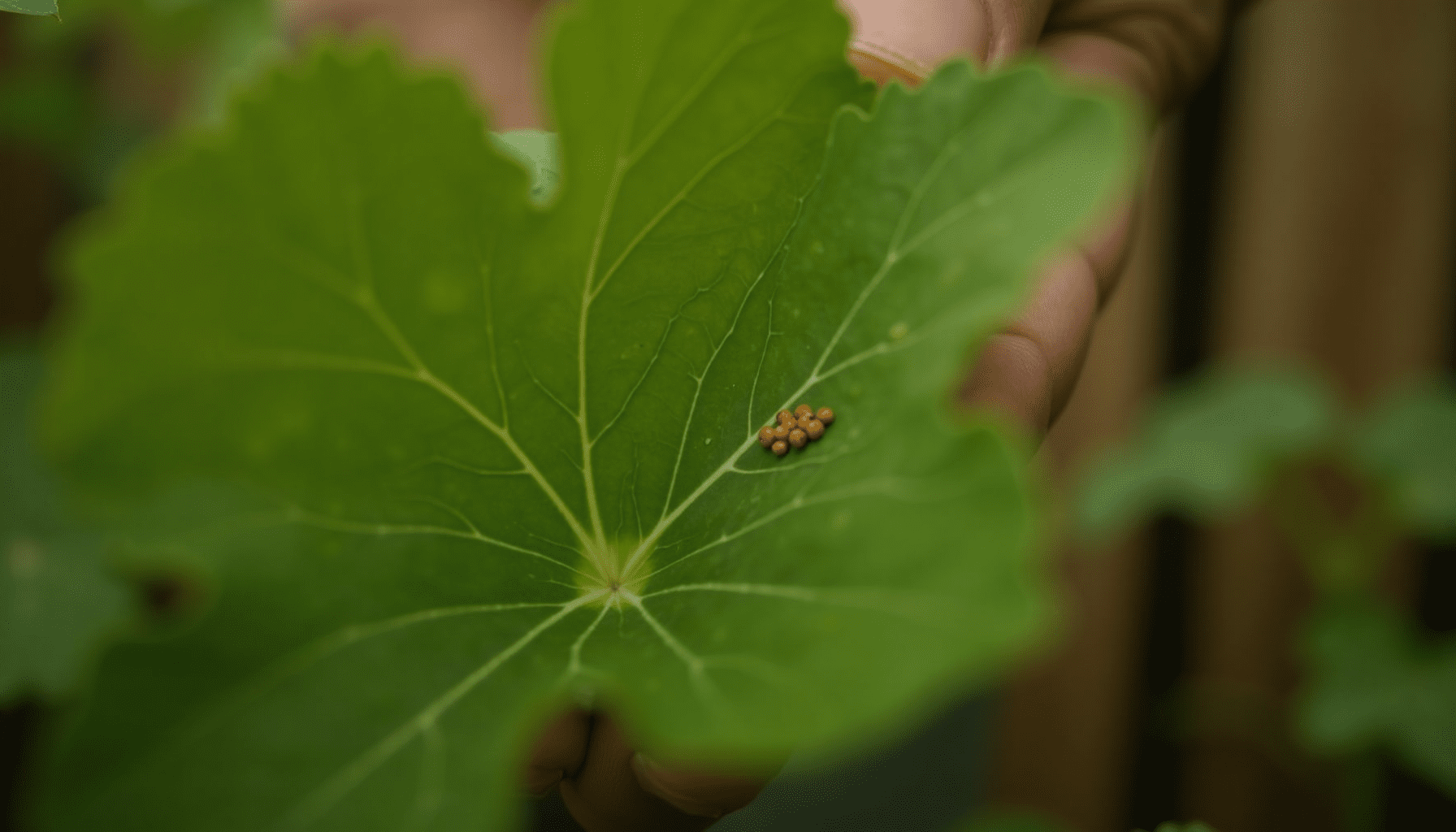
Squash bug eggs are one of the easiest early-warning signs to spot. They are bronze to copper-colored and oval-shaped, laid in neat clusters. You will primarily find these clusters on the undersides of leaves, often nestled between the leaf veins, though they can sometimes appear on the tops of leaves or on stems. A single female can lay dozens to several hundred eggs over her lifetime, making consistent egg removal a highly effective strategy for preventing widespread infestations. Eggs typically hatch within one to two weeks, depending on temperature.
Prevention
Prevention is the cornerstone of any successful squash bug control organic program. By creating an unfavorable environment for these pests and boosting your plants' resilience, you can significantly reduce the likelihood and severity of an infestation. These cultural and preventive methods are your first line of defense.
Garden Sanitation and Fall Cleanup
Squash bugs overwinter as adults in protected areas like leaf litter, garden debris, woodpiles, and around buildings. At the end of the growing season, thorough garden cleanup is essential. Remove spent squash vines, fallen leaves, and any other plant debris that could serve as a shelter. Avoid leaving boards, rocks, or plastic near cucurbit beds over winter, as these can become prime overwintering sites. Periodically turning compost piles can also expose hidden bugs to predators and harsh weather, further disrupting their life cycle. This simple step, emphasized by the Oklahoma State University Cooperative Extension, can dramatically reduce next year's pest pressure.
Crop Rotation
Practicing crop rotation is a fundamental organic gardening principle that helps manage many pests and diseases. For squash bugs, this means not planting cucurbits (squash, pumpkins, cucumbers, melons) in the same spot year after year. While adult squash bugs can fly and will eventually find your plants, rotating crops with unrelated species like tomatoes, peppers, root crops, or leafy greens makes it harder for overwintered populations to immediately access their preferred hosts. This disruption can delay their arrival and reduce initial population sizes.
Timing and Variety Choice
Where your climate allows, planting squash early in the season can give your plants a head start. Larger, more robust plants are generally more resilient and better able to withstand some pest pressure by the time adult squash bugs become active. While no squash variety is entirely immune, some anecdotal reports suggest that certain Cucurbita moschata types, like butternut squash, may be less attractive to squash bugs than others. Experimenting with different varieties can help you discover which ones perform best in your garden.
Companion Planting and Habitat for Beneficials
Companion planting involves growing specific plants together to deter pests or attract beneficial insects. Nasturtiums are often cited as a companion plant that may repel squash bugs, though scientific evidence is mixed. More reliably, planting flowering herbs and wildflowers with small blossoms, such as dill, fennel, yarrow, and alyssum, can attract beneficial predators and parasitoids. These insects, like certain parasitic wasps, can prey on or parasitize squash bugs and their eggs. Creating a diverse garden ecosystem that supports beneficial insects like ladybugs is a key part of organic pest management, as highlighted by Toxic Free NC. Learn more about attracting pollinators and beneficial insects to your garden.
Floating Row Covers
Floating row covers are lightweight, breathable fabrics that can be draped over young squash plants and secured at the edges. They act as a physical barrier, preventing adult squash bugs from landing on plants and laying eggs. This method is highly effective for protecting seedlings and young plants during the crucial early season. However, it's vital to remove the covers during flowering or open them daily to allow for pollination, as squash plants require pollinators to set fruit. Alternatively, you can hand-pollinate if you wish to keep the covers on longer. Remember to secure the edges properly so bugs cannot crawl underneath.
Hand removal
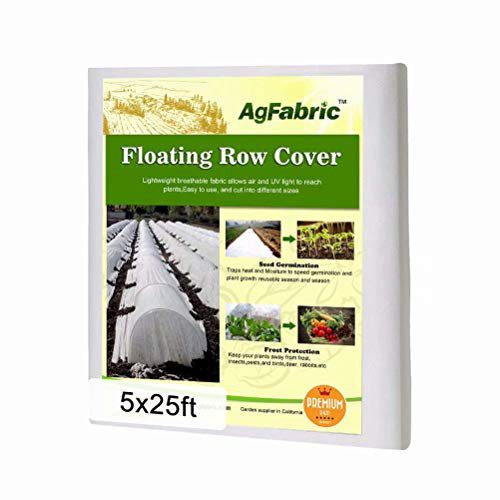
The article explicitly recommends ‘Using floating row covers early in the season to prevent egg-laying’ as a key organic control strategy for squash bugs.
- Protects plants effectively from frost and cold weather
- Lightweight and allows light/air through without smothering plants
- Works well for season extension and can also help keep pests/birds away
- Some users find the sizing/fit awkward or difficult to use on certain plants
- A few reviewers mention confusion about setup or coverage for specific applications
Once squash bugs are present, mechanical and physical control methods become the backbone of an effective organic strategy. These hands-on tactics are highly effective, especially when implemented consistently, and pose no risk to beneficial insects or the environment. They are often the most recommended approach by organic gardening experts, including joegardener®.
Hand Removal of Eggs
This is arguably the most impactful mechanical control method. Inspect the undersides of your squash leaves every one to two days, particularly during the early growing season when adults begin laying eggs. The bronze-colored egg clusters are relatively easy to spot. There are several ways to remove them:
- Tape Method: Press a piece of heavy tape (masking tape or duct tape) onto the egg mass and peel it off, then discard the tape. This method is clean and efficient.
- Scraping: Use a spoon, credit card, or even your fingernail to scrape the eggs into a container of soapy water, where they will drown.
- Crushing: If you're comfortable, simply squish the egg masses directly on the leaf.
Consistent egg removal significantly reduces the number of nymphs that will hatch, thereby cutting down future populations.
Hand-Picking Nymphs and Adults
For larger nymphs and adults, hand-picking is an effective, albeit more direct, method. It's often best to do this in the early morning or evening when the bugs are less active and easier to catch. Wear gloves if you prefer, and simply knock or pick the bugs off your plants and drop them into a container of soapy water. The soap breaks the surface tension of the water, causing the bugs to sink and drown. Some gardeners even use a small handheld vacuum with a narrow attachment to quickly suck up bugs from plants, then dispose of them in soapy water. This method provides immediate gratification and directly reduces the pest population.
Board or Shingle Traps
Squash bugs have a tendency to seek shelter under objects overnight. You can exploit this behavior by placing boards, roofing shingles, or even crumpled newspapers flat on the soil near your squash plants in the evening. In the morning, before the bugs become active and disperse, quickly flip over the boards or papers. You'll likely find squash bugs congregating underneath. At this point, you can easily squash them or collect them into a bucket of soapy water. Remember to remove or destroy these traps in late fall to prevent them from becoming overwintering shelters for the bugs.
Trap Crops
A trap crop is a small planting of a highly attractive crop that is used to lure pests away from your main crop. For squash bugs, planting a small patch of a very attractive squash variety, such as yellow crookneck, at the edge of your garden early in the season can serve this purpose. Squash bugs will be drawn to the trap crop, where you can then concentrate your monitoring and removal efforts. If the infestation on the trap crop becomes severe, you can remove and destroy those plants to reduce the overall squash bug population in your garden. This strategy helps you manage pests more efficiently by focusing your efforts.
Diatomaceous Earth (DE)
Food-grade diatomaceous earth (DE) is a natural, mechanical insecticide. It consists of the fossilized remains of diatoms, which are tiny, sharp particles. When insects like squash bugs crawl over DE, these particles scratch their protective waxy layer, leading to dehydration and death. You can lightly dust DE around the bases of plants or directly on areas where nymphs are congregating. To minimize harm to natural garden pest control methods and beneficial insects, use targeted applications. Avoid widespread dusting and reapply after rain, as moisture renders DE ineffective.
Organic sprays
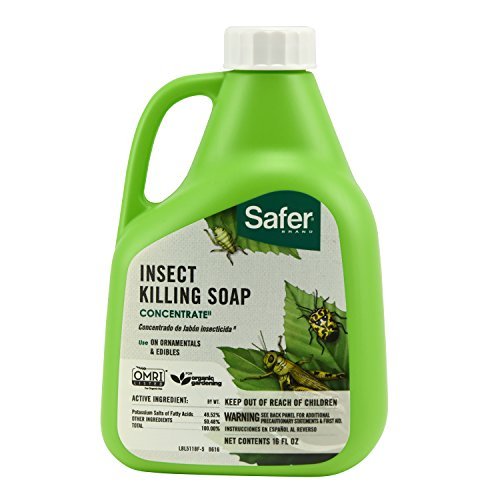
While emphasizing prevention and mechanical removal, the article’s ‘Bottom line’ mentions ‘before resorting to organic sprays.’ Insecticidal soap is a widely recognized organic spray for soft-bodied pests like squash bug nymphs.
- Effectively controls a wide range of soft-bodied pests like aphids, whiteflies, spider mites, thrips, and mealybugs when sprayed to full coverage
- OMRI listed and labeled for use on fruits, vegetables, ornamentals, indoor plants, and can be used up to the day of harvest, which appeals to organic gardeners
- Concentrate form is economical because a 16 oz bottle makes up to 6 gallons of spray solution
- Requires direct contact and thorough, repeated applications (every 5–10 days) to control pests, so results are not instant or one-and-done
- Can cause plant stress or damage if used on new transplants, drought-stressed plants, or at high temperatures, and carries skin and eye irritation warnings for users
While cultural and mechanical methods are paramount for squash bug control organic, there may be instances where pest populations are overwhelming, and you need an additional tool. Organic-approved insecticides should be considered a last resort and used judiciously, as even these can impact beneficial insects if not applied carefully. Always follow label instructions precisely.
Insecticidal Soap
Insecticidal soaps work by disrupting the cell membranes of soft-bodied insects like squash bug nymphs, causing them to dehydrate. They are effective only when sprayed directly onto the bugs and have no residual effect once dry. You can purchase ready-made insecticidal soaps or create your own by mixing about 1-2 tablespoons of mild liquid dish detergent per gallon of water, as suggested by joegardener®. Apply with a narrow spray pattern to target the pests directly, minimizing contact with beneficial insects. Avoid spraying during the hottest part of the day or when plants are under heat stress, as this can lead to phytotoxicity (plant damage).
Neem Oil (Azadirachtin)
Neem oil, derived from the neem tree, acts as an insect growth regulator and feeding deterrent. It can interfere with the molting process of nymphs and make plants less appealing to adults. Neem oil is most effective when applied early in the season, particularly on young plants, and requires thorough coverage of leaf undersides. As with all sprays, apply neem oil according to label instructions. To protect pollinators, spray in the evening when bees are less active. Hoss Tools emphasizes the importance of early application.
Pyrethrin
Pyrethrin is a botanical insecticide derived from chrysanthemums. It can quickly knock down both nymphs and adults on contact. However, pyrethrin is a broad-spectrum insecticide, meaning it can harm beneficial insects and pollinators as well as pests. For this reason, it should be used very sparingly and only as a targeted spot treatment. Apply in the evening when pollinators are not active and avoid spraying flowers directly. Some organic gardening resources, like Hoss Tools, suggest alternating neem oil with pyrethrin-based products to reduce the risk of pests developing resistance.
Other OMRI-Listed Options
The Organic Materials Review Institute (OMRI) lists products that are compliant with organic standards. When considering any organic spray, always check for the OMRI-listed seal. While some older recommendations might include substances like rotenone, its use has become heavily restricted or discontinued in many areas due to toxicity concerns. Always verify local regulations and product availability. The key is to use these products as a last resort, after exhausting all other cultural and mechanical methods, and to apply them responsibly to minimize environmental impact. For more options, research natural insect repellents that are OMRI-listed.
Common myths
Misinformation can hinder effective pest management. Let's clear up some common misconceptions about squash bugs and their control, ensuring your organic efforts are well-placed. Understanding the true nature of these pests helps you make informed decisions for your garden.
"One spray will solve the problem."
Many gardeners hope for a quick fix, but reality shows that sprays alone are rarely sufficient for squash bug control, especially for adults and eggs. Multiple sources, including Arbico Organics, stress that mechanical removal, consistent scouting, and garden sanitation are essential components. Relying solely on sprays will likely lead to recurring infestations.
"Squash bugs and stink bugs are the same."
While related (both are true bugs in the order Hemiptera), squash bugs (Anasa tristis) are distinct from generalist stink bugs. Squash bugs specifically target cucurbits and have unique behaviors and life cycles. Correct identification is important because control strategies can differ between species.
"If my plants wilt, it must be bacterial wilt."
Squash bug feeding can cause significant wilting that closely resembles bacterial wilt. The bugs inject toxins into the plant while feeding, leading to sudden wilting, especially in young plants. Not all wilted squash plants have a pathogen problem; heavy squash bug feeding alone can kill vines, as noted by the Oklahoma State University Cooperative Extension.
"Organic means harmless to beneficial insects."
This is a critical misconception. While organic pesticides are generally less persistent and often less toxic to mammals than synthetic options, products like neem oil, pyrethrin, and insecticidal soap can still harm beneficial insects if misapplied. They are not inherently selective for pests. Always use them carefully, as a last resort, and at times when beneficials and pollinators are least active (e.g., dusk).
"If I don't see bugs, I don't have a problem."
Squash bugs are masters of hiding. Eggs are often on the undersides of leaves, and nymphs can be camouflaged near plant bases or under debris. Damage may not become obvious until populations are already high. Regular, thorough scouting of your plants is necessary to catch infestations early, before they become a major problem.
"Leaving boards in the garden always helps."
Boards or shingles used as traps are only helpful if they are checked frequently (daily) and the collected bugs are destroyed. If left unattended, these boards can become prime overwintering shelters for squash bugs, actually worsening future infestations. Always remove or clean up any such traps in late fall.
"Row covers can stay on all season."
Continuous use of floating row covers will prevent necessary pollination. Squash plants require pollinators (or hand pollination) to set fruit. Row covers must be removed or vented during flowering to allow access for bees and other beneficial insects, unless you are committed to manually pollinating your plants.
Final checklist
Successfully managing squash bugs organically requires vigilance, consistent effort, and a commitment to integrated pest management principles. By focusing on prevention through garden sanitation and crop rotation, employing highly effective mechanical controls like hand-picking and row covers, and reserving organic sprays as a last resort, you can protect your cucurbit crops without harmful chemicals. Remember, a healthy garden ecosystem is your best defense against pests. Regular scouting and early intervention are key to enjoying a bountiful harvest season. For more insights into keeping your garden thriving, explore our guides on beneficial insects like ladybugs and attracting pollinators and beneficial insects to support a balanced ecosystem.
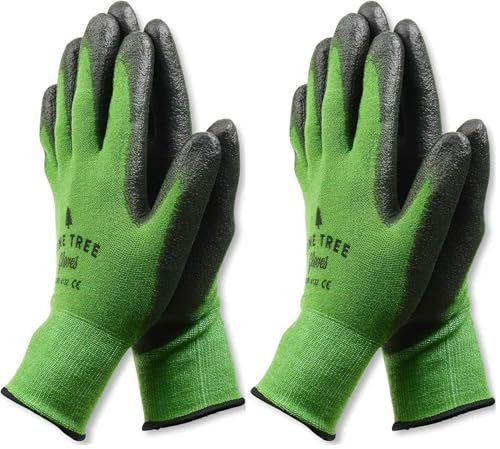
The article strongly recommends ‘Hand-picking eggs, nymphs, and adults into soapy water.’ Durable and comfortable garden gloves are essential for this mechanical removal method to protect the gardener’s hands.
- Reviewers love the snug, flexible fit and ‘second-skin’ feel that preserves dexterity for detailed gardening tasks.
- Many praise the breathable bamboo material for keeping hands cooler and reducing sweating during extended use.
- Users frequently highlight the grippy, rubberized/nitrile-coated palms that improve tool handling and general work performance.
- Some reviewers report durability issues, noting the coating or fingertips can wear through or tear with heavy or prolonged use.
- A recurring complaint is sizing inconsistency, with a number of users finding the gloves run smaller or larger than expected.
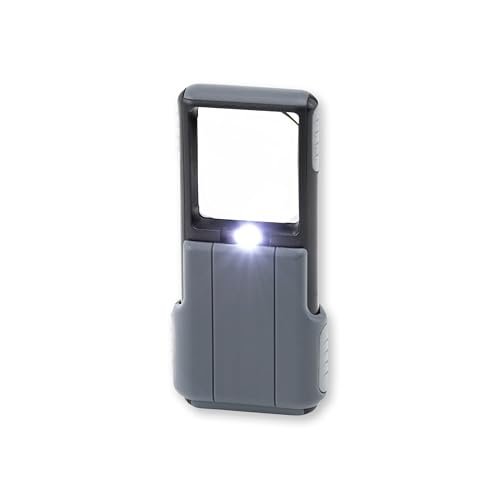
The guide stresses ‘Scouting regularly’ and ‘Accurate identification’ of small eggs and nymphs. A lighted handheld magnifier greatly aids in spotting the bronze-colored eggs and tiny nymphs on leaf undersides, crucial for early intervention.
- Compact, lightweight slide-out design that easily fits in a pocket or purse and protects the lens when not in use
- Bright built-in LED light that automatically turns on when opened, making small print easier to read in low light
- Clear, distortion-free 5x magnification from the acrylic aspheric lens, useful for low vision tasks, hobbies, and inspecting fine details
- Requires three AAA batteries that are not included and need periodic replacement
- Some users find the illuminated area relatively small and need to hold it close to the object for optimal focus
As an Amazon Associate, I earn from qualifying purchases. Product recommendations are based on real reviews and independent research.