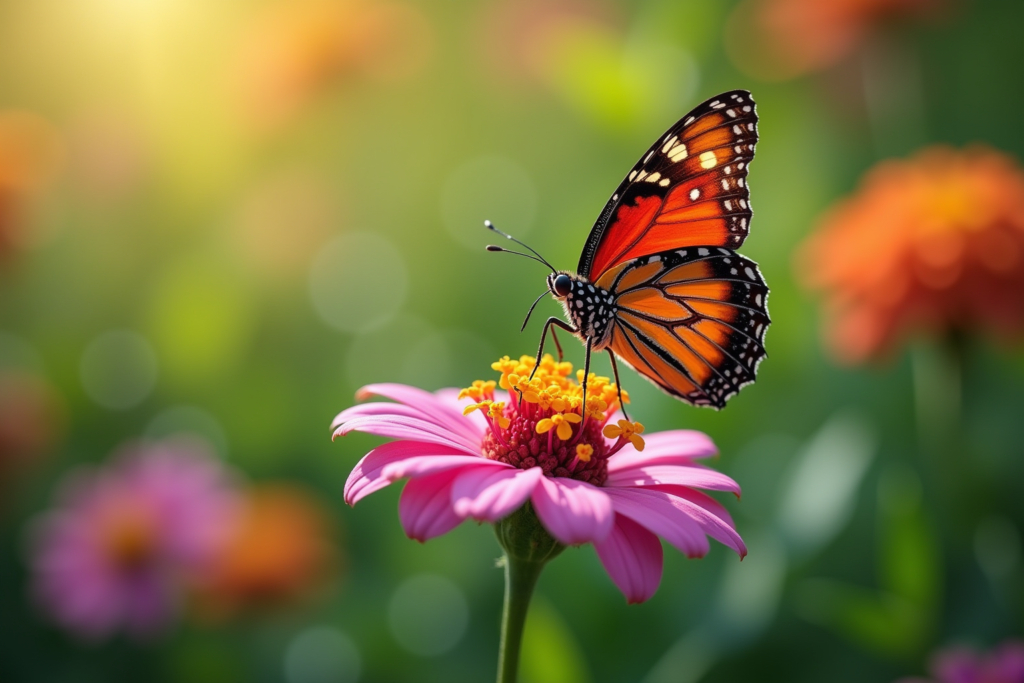
Finding unwanted pests munching on your prize tomatoes or delicate herbs can be one of the most frustrating aspects of gardening. While chemical pesticides offer a quick fix, many gardeners seek natural, sustainable alternatives to protect their plants and promote a healthier ecosystem. This is where companion planting for pest control comes in—a time-tested strategy that leverages the natural interactions between different plant species to deter harmful insects and invite beneficial ones. By strategically placing certain plants together, you can create a vibrant, resilient garden that thrives with less intervention and fewer pests.
What to do first: Companion planting for pest control involves growing specific plants together to naturally manage insect populations. This method works by:
- Deterring pests: Strong-smelling plants can confuse or repel harmful insects.
- Attracting beneficial insects: Flowers provide nectar and pollen for predators and parasitoids.
- Acting as trap crops: Sacrificial plants draw pests away from your main crops.
- Improving soil health: Certain plants enhance soil fertility, making neighbors more robust.
What it does
Companion planting refers to the practice of growing different plant species in close proximity for mutual benefit, particularly for companion planting pest control. This approach, often called intercropping, trap cropping, or habitat manipulation in scientific circles, is a cornerstone of organic gardening and integrated pest management (IPM). It's rooted in the idea that a diverse garden ecosystem is a resilient one, less susceptible to widespread pest outbreaks than a monoculture. Research consistently shows that diverse plantings, including mixtures of vegetables, herbs, and flowers, tend to host lower pest populations compared to single-crop arrangements, as highlighted in a review on companion plants and intercropping by Gurr et al. (2003).
The effectiveness of companion planting isn't always a magic bullet, but it's a powerful tool when understood and applied correctly. While some specific pairings are widely known through anecdotal evidence, many are supported by scientific principles. For instance, the University of Minnesota Extension acknowledges companion planting's potential for pest control, emphasizing its role in promoting diversity and supporting pollinators, even if rigorous scientific backing for every specific pairing is still developing. Globally, insect and mite pests contribute to 20–40% of crop production losses, even with pesticide use, according to the FAO (2019), underscoring the need for effective, natural strategies like companion planting.
How Companion Planting Reduces Pests
Companion planting uses several natural mechanisms to keep pests in check:
- Visual and Olfactory Masking: Many insects locate their host plants using visual cues and specific plant odors (volatiles). Mixed plantings can "confuse" pests by diluting the host plant's visual signal or by introducing strong, non-host scents that interfere with pest orientation. Aromatic herbs like onions, garlic, rosemary (Rosmarinus officinalis), and sage (Salvia officinalis) are believed to emit compounds that mask the scent of vulnerable crops, making it harder for pests like aphids and moths to find them, as noted in a chapter on Companion Planting and Insect Pest Control by Khan et al. (2013).
- Repellent or Toxic Plant Chemicals: Some companion plants actively produce natural compounds that repel or are mildly toxic to certain insects. French marigolds (Tagetes patula), for example, release thiophenes from their roots that can suppress root-knot nematodes in the soil when grown as a cover crop or interplanted. Alliums (onions, garlic, chives) release sulfur-containing volatiles that can deter carrot flies and onion flies.
- Trap Cropping: This technique involves planting a more attractive "sacrificial" crop nearby to lure pests away from your main plants. Nasturtiums (Tropaeolum majus) are a classic example, often attracting aphids and cabbage worms, diverting them from brassicas or tomatoes. Radishes, which germinate quickly, can also serve as an early trap for flea beetles, protecting slower-growing seedlings.
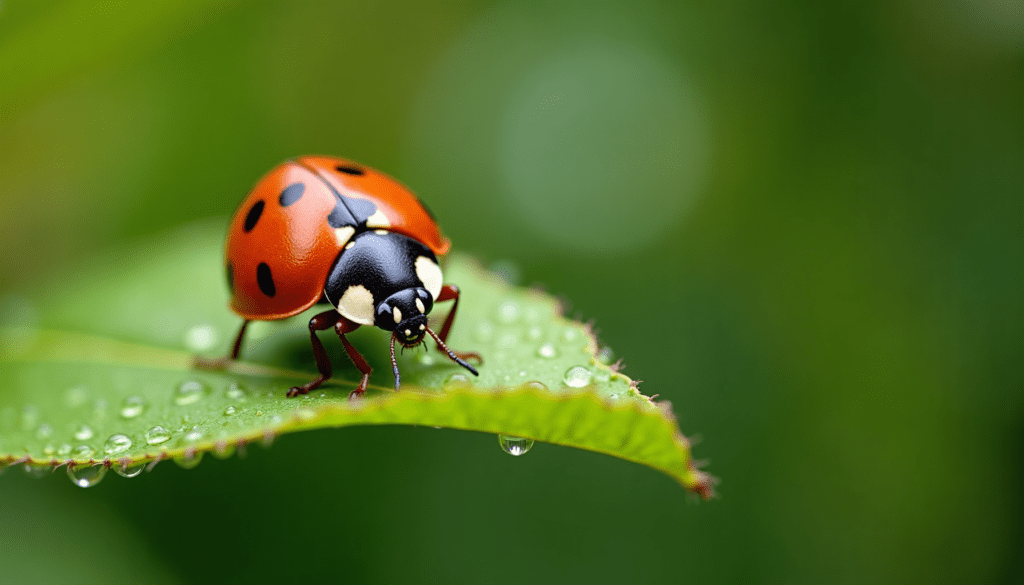
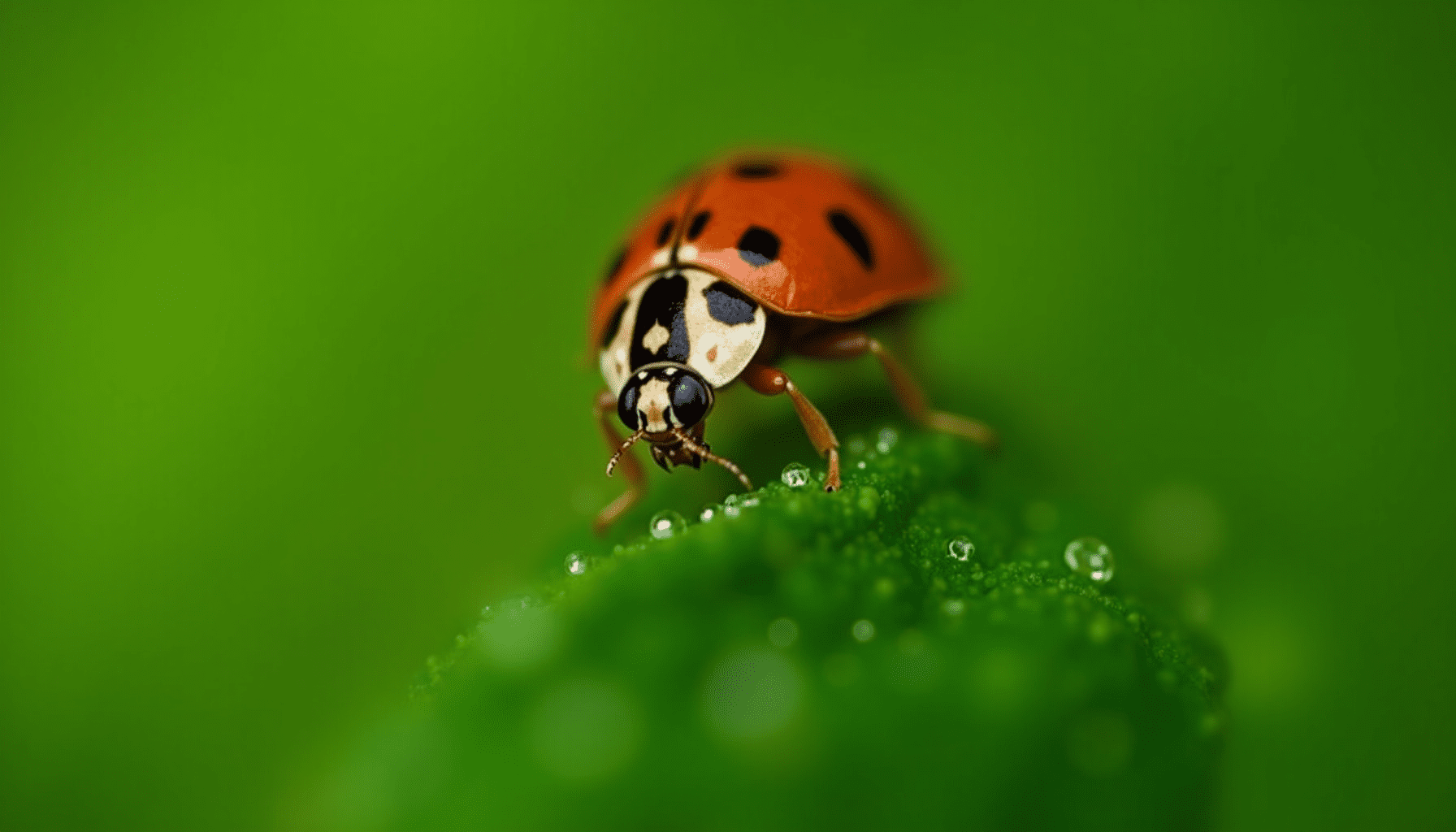
- Attracting Beneficial Insects: Many companion plants provide nectar, pollen, and shelter for natural enemies of pests. These beneficial insects include predators like lady beetles, lacewings, and hoverflies, and parasitoid wasps that lay their eggs inside pests. Flowering plants with small, open blooms, such as dill (Anethum graveolens), fennel (Foeniculum vulgare), and yarrow (Achillea millefolium), are particularly effective at attracting these tiny helpers. Maintaining flowering plants can significantly increase natural enemy abundance and reduce pest populations, with some trials showing a 60-100% increase in beneficials and a 40-70% reduction in aphids, as reported by Tschumi et al. (2016).
- Soil and Plant Vigor Effects: Healthier plants are naturally more resistant to pest attacks. Legumes like beans and peas fix nitrogen in the soil, enriching fertility and indirectly boosting the resilience of neighboring plants. Deep-rooted companions improve soil structure, while ground covers like clover can moderate soil temperature and moisture, reducing plant stress.
Best companion plants
Choosing the right plants is key to successful companion planting pest control. Here's a look at some of the most effective companion plants, categorized by their primary benefits.
Aromatic Herbs and Alliums
These plants are often prized for their strong scents, which can confuse or deter pests.
- Basil (Ocimum basilicum): A popular companion for tomatoes and peppers, basil is believed to deter aphids, whiteflies, and even tomato hornworms. Allowing some basil to flower will also attract pollinators.
- Alliums (Onion, Chive, Garlic, Leeks): Planting these near carrots, lettuce, tomatoes, brassicas, or roses can help deter aphids, carrot flies, and cabbage loopers due to their potent sulfur compounds. Chive blossoms are particularly attractive to bees and beneficial wasps.
- **Mint (Mentha spp.)**: Known for repelling ants, flea beetles, and some moths, mint is a vigorous grower. It's best planted in containers to prevent it from taking over your garden.
- Lavender (Lavandula angustifolia): Its strong fragrance deters various moths, flies, and beetles. Lavender flowers are also excellent for attracting bees, hoverflies, and parasitic wasps.
- Rosemary (Rosmarinus officinalis): Often planted near brassicas, beans, and carrots, rosemary helps repel cabbage moths, bean beetles, and carrot rust flies. It also attracts beneficial insects when in bloom.
Flowering Plants for Beneficial Insects and Trap Cropping
Flowers do more than just look pretty; they are vital for attracting the pest-fighting allies your garden needs. If you're looking to enhance your garden's appeal to helpful insects, consider reviewing our guide on How to Attract Pollinators to Your Garden.
- **Marigolds (Tagetes spp.)**: French marigolds are particularly effective at suppressing root-knot nematodes in the soil when densely planted or used as a cover crop. They also attract generalist predators and pollinators.
- Nasturtiums (Tropaeolum majus): These vibrant flowers act as excellent trap crops, drawing aphids, cabbage worms, and cucumber beetles away from more valuable plants like tomatoes, brassicas, and cucurbits. Their leaves and flowers are also edible!
- Cosmos (Cosmos bipinnatus), Zinnias (Zinnia elegans), Sunflowers (Helianthus annuus): These provide long-lasting blooms that support a wide range of beneficial insects, including bees, butterflies, predatory bugs, and parasitic wasps. They offer continuous nectar and pollen sources.
- Borage (Borago officinalis): A fantastic pollinator attractor, borage also draws predatory wasps and hoverflies. It's often recommended for planting near tomatoes and strawberries and may help deter tomato hornworms.
- Buckwheat (Fagopyrum esculentum): This fast-growing cover crop is a magnet for beneficial insects, especially parasitic wasps that target aphids and mites. It's great for short-term planting between crop cycles or along garden borders.
- Dill (Anethum graveolens) and other Umbellifers (Fennel, Coriander): Their small, open flower clusters are perfectly suited for tiny parasitic wasps and hoverflies, which are key predators of aphids and other soft-bodied pests.

Vegetables as Companions
Even other vegetables can serve as useful companions, offering structural support, soil benefits, or pest diversion.
- Legumes (Beans, Peas, Clover): These nitrogen-fixing plants enrich the soil, benefiting heavy feeders like corn and greens. Some beans are also noted to help deter Colorado potato beetles.
- Radishes (Raphanus sativus): Their quick germination makes them an ideal "sacrifice" crop for flea beetles, protecting slower-growing crops like carrots, beets, and leafy greens.
- "Three Sisters" (Corn, Beans, Squash): This traditional Native American planting system is a prime example of synergy. Corn provides a trellis for beans, beans fix nitrogen for the corn and squash, and squash shades the soil, suppressing weeds and deterring some pests with its prickly leaves. This creates a complex habitat that makes it harder for pests to find their preferred host plants.
For those struggling with specific pests like mosquitoes, exploring our guide on Best Mosquito Repellent Plants for Your Garden can offer additional insights. Similarly, understanding Natural Mosquito Repellents can complement your companion planting efforts.
Design the bed
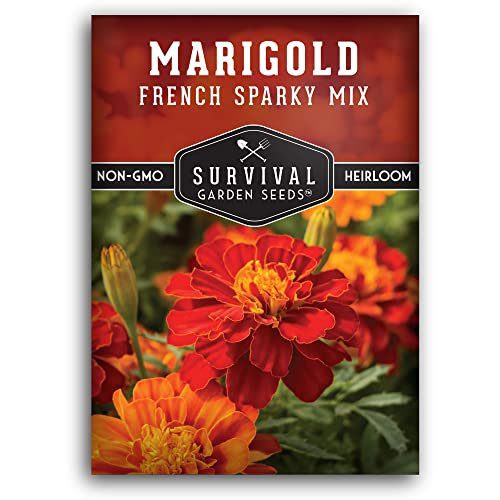
Marigolds are one of the most widely recognized companion plants for pest control, known for deterring nematodes and other harmful insects through their root exudates and strong scent. This directly supports the article’s emphasis on using plants to ‘Deter pests’.
- Healthy germination rates and vigorous, fast-growing plants from the seeds
- Abundant, colorful blooms in shades of red, orange, and yellow that look attractive in beds and borders
- Good performance in vegetable gardens, where plants help attract beneficial insects and can support pest management
- Some customers receive fewer viable seeds than expected due to occasional germination issues
- A portion of buyers report packaging or shipping problems such as damaged or poorly sealed seed packets
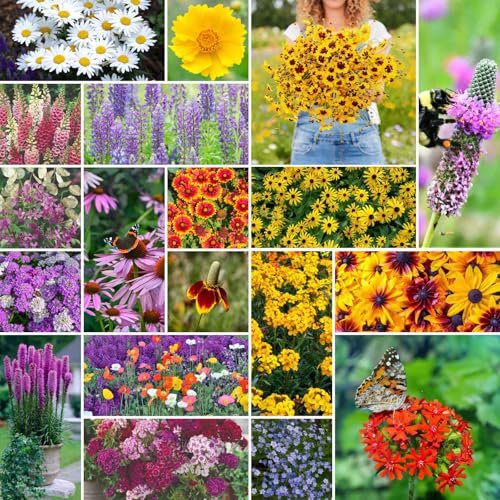
The article highlights ‘Attracting beneficial insects’ as a key mechanism of companion planting. This seed mix provides a diverse array of flowers specifically chosen to attract pollinators and predatory insects like ladybugs and lacewings, enhancing the garden’s natural pest control ecosystem.
- Produces a dense, colorful stand of wildflowers that returns year after year when planted and cared for properly
- Contains only pure, non-GMO seed with no fillers, giving good coverage for the stated area
- Attracts bees, butterflies, and other pollinators and is relatively low-maintenance once established
- Some buyers report poor or patchy germination when soil is not well-prepared or when seeding instructions are not closely followed
- A few reviewers feel the mix contains more of a few dominant species than the full advertised variety and thus appears less diverse than expected
Effective companion planting goes beyond just pairing two plants; it involves thoughtful garden design that mimics natural ecosystems.
General Principles for Success
- Embrace Diversity Over Rigid Charts: Instead of strictly following specific pairings, focus on creating a diverse environment. Mix vegetables with herbs and flowers, avoiding long, single-crop rows. Aim for continuous blooms from early spring to late fall to ensure a steady food source for beneficial insects.
- Layer Your Plants: Think in layers: tall plants (corn, sunflowers), medium-height plants (tomatoes, peppers), and groundcovers (squash, nasturtiums, clover). This creates varied microhabitats that support a wider range of beneficial predators and parasitoids.
- Focus on Functions: Consider what each plant brings to the table: does it repel pests, attract beneficials, nourish the soil, provide shade, or serve as a trap crop? Combine plants with multiple beneficial functions.
- Rotate Annually: Even with companion planting, rotating your crops each year is crucial. Avoid planting the same plant families (e.g., brassicas, nightshades) in the same bed repeatedly to prevent the buildup of soil-borne pests and diseases.
- Integrate with IPM: Companion planting is most effective as part of a broader Integrated Pest Management (IPM) strategy. This includes regular scouting for pests, hand-picking, using physical barriers like row covers, encouraging birds and amphibians, and only resorting to targeted organic sprays as a last resort.
Bed Design Ideas
Consider these examples for structuring your garden beds:
- Tomato Companion Bed: Plant tomatoes in a central block. Interplant basil between tomato plants. Surround the perimeter with marigolds or nasturtiums. Add a row of dill or cilantro at one edge to attract beneficial insects.
- Brassica Protection: Plant broccoli or cabbage in rows, interspersing them with aromatic herbs like rosemary or thyme. Plant nasturtiums at the ends of the rows as trap crops for cabbage worms.
- Pollinator Paradise Border: Dedicate a border around your vegetable beds to a mix of flowering plants like cosmos, zinnias, borage, and yarrow. This creates a "beneficial insect highway" that extends into your garden.
Succession Planting and Maintenance
- Succession Planting: Plan for continuous harvests and beneficial insect support. In early spring, plant radishes, lettuce, onions, and cilantro. As radishes and lettuce are harvested, replace them with peppers or tomatoes, allowing onions and cilantro to flower for beneficials. In the fall, sow buckwheat or clover after your main crops to build soil health and provide late-season support for beneficial insects.
- Avoid Overcrowding: While diversity is good, overcrowding can stress plants, making them more susceptible to pests. Ensure adequate air circulation and sunlight.
- Allow Herbs to Flower: Many gardeners pinch off herb flowers to encourage leaf growth, but allowing some basil, cilantro, dill, and fennel to bloom is essential for attracting beneficial insects.
- Mulch: Apply organic mulches around your plants to retain soil moisture, regulate temperature, and provide habitat for ground beetles and spiders, which are important predators.

Common myths
While companion planting offers many benefits, it's important to approach it with realistic expectations and a clear understanding of what it can and cannot do.
Myth 1: "Companion planting alone will eliminate all pests."
Reality: Companion planting is a powerful tool for natural pest control, but it's not a magic bullet. It significantly reduces pest pressure and supports a balanced ecosystem, but it won't guarantee a completely pest-free garden. You will still likely see some insect activity and minor damage. The goal is to achieve a healthy balance where natural enemies keep pest populations below damaging levels, rather than aiming for complete eradication. It works best as part of an integrated strategy that includes monitoring, physical controls (like hand-picking or row covers), and fostering overall plant health.
Myth 2: "Every pairing on a companion chart is scientifically proven."
Reality: Many classic companion planting pairings, such as "tomatoes hate cabbage" or "beans and onions don't get along," are based on generations of gardening tradition, anecdotal observations, or greenhouse studies. While some of these pairings have scientific mechanisms that explain their effectiveness, others lack rigorous, long-term field studies to support their claims. As the University of Minnesota Extension advises, it's more productive to focus on general principles of diversity and ecosystem function rather than memorizing rigid, unproven charts. Experiment in your own garden and observe what works best in your specific environment.
Myth 3: "Marigolds magically repel all insects."
Reality: Marigolds are fantastic companion plants, but they don't universally repel all insects. Their most well-documented pest effect is the suppression of specific soil nematodes, particularly when French marigolds are densely planted as a cover crop or incorporated into the soil. They also attract pollinators and some generalist predators. However, they can also attract certain pests, like spider mites or thrips, depending on the species and local conditions. A few scattered marigolds might not provide the widespread repellent effect some gardeners expect; their benefits are often more targeted or require denser planting.
Myth 4: "Strong-smelling herbs will protect the whole garden no matter what."
Reality: While aromatic herbs like mint, basil, and rosemary do produce compounds that can confuse or deter some pests, their repellent effects are typically localized and modest. The effectiveness can vary greatly depending on the specific pest species, the density of the planting, garden layout, and environmental factors like wind. These herbs are often more valuable for their role in attracting beneficial insects when they flower, or for their masking effect in close proximity to a vulnerable plant, rather than providing a broad, garden-wide shield.
Final checklist
Embracing companion planting for pest control is a rewarding step towards a more sustainable and vibrant garden. By understanding the natural interactions between plants, you can create a resilient ecosystem that naturally deters pests and fosters beneficial insects. Remember, success lies in diversity, thoughtful planning, and integrating these practices with other sound gardening techniques. Start experimenting with different plant combinations, observe your garden, and enjoy the benefits of a healthier, more balanced outdoor space.
Want to learn more about the beneficial insects that can aid your companion planting efforts? Dive into our articles on What Do Ladybugs Eat? and How to Identify Ladybugs to recognize these important garden allies.
As an Amazon Associate, I earn from qualifying purchases. Product recommendations are based on real reviews and independent research.