
Beneficial insects are crucial allies for any gardener, naturally controlling pests, pollinating plants, and breaking down organic matter. Inviting these helpful bugs into your garden reduces the need for chemical interventions, fosters a healthier ecosystem, and supports robust plant growth. Understanding and supporting these insects is key to a thriving, balanced garden.
Bottom line: Beneficial insects are natural pest controllers, pollinators, and decomposers that create a healthy garden ecosystem. Attract them by providing diverse flowering plants, water, shelter, and avoiding broad-spectrum pesticides.
- Pest Control: Predators like lady beetles and lacewings eat aphids; parasitoids like tiny wasps lay eggs in pests.
- Pollination: Bees, butterflies, and moths are essential for fruit and vegetable production.
- Soil Health: Decomposers such as dung beetles and springtails break down organic matter, enriching soil.
- Attraction: Plant native flowers, herbs, and shrubs. Offer shallow water sources. Provide overwintering sites like leaf litter.
- Protection: Avoid broad-spectrum insecticides, which kill beneficials alongside pests. Tolerate minor pest damage to sustain beneficial populations.
Quick answer
Beneficial insects are the unsung heroes of a healthy garden. They perform vital roles, from keeping destructive pests in check to ensuring your plants produce fruit and vegetables. By understanding what these insects look like and how to support them, you can transform your garden into a thriving ecosystem that works for you, naturally.
Predators
Predatory insects actively hunt and consume other insects, often targeting common garden pests. They are the frontline defense against aphids, mites, caterpillars, and more.
Lady Beetles
Helps with: Both adult and larval lady beetles are voracious predators of soft-bodied insects, primarily aphids. They also eat scale insects, mealybugs, and mites.
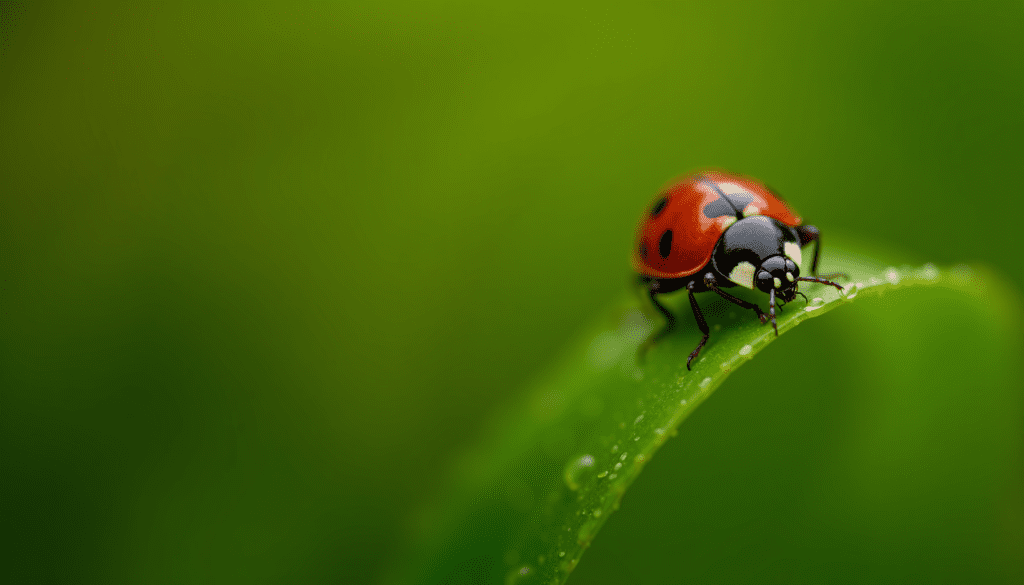
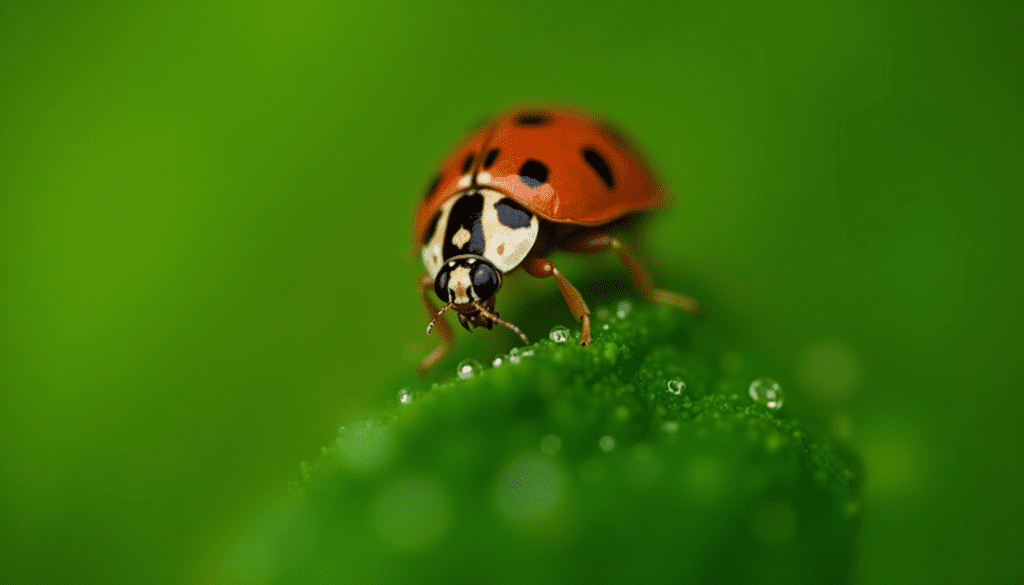
Looks like: Adults are typically round or oval with shiny, dome-shaped bodies, often red or orange with black spots. Larvae resemble tiny, spiky alligators, often dark gray or black with orange or yellow markings.
How to support: Plant dill, cilantro, cosmos, and marigolds, which provide nectar and pollen for adult lady beetles. Avoid insecticides, especially during spring when larvae are active.
Lacewings
Helps with: Green lacewing larvae, often called “aphid lions,” are highly effective predators of aphids, thrips, mites, whiteflies, and small caterpillars. Some brown lacewing species also prey on pests.
Looks like: Adults are delicate, pale green or brown insects with large, clear, veined wings and golden eyes. Larvae are slender, alligator-like, with prominent pincer-like jaws.
How to support: Plant flat-topped flowers like dill, coriander, and yarrow to provide nectar for adults. Leave some weeds or ground cover for shelter.
Hoverflies
Helps with: While adult hoverflies (also called flower flies or syrphid flies) are important pollinators, their slug-like larvae are excellent predators of aphids, thrips, and small caterpillars.
Looks like: Adults mimic bees or wasps with yellow and black striped bodies but have only two wings (flies) and do not sting. Larvae are legless, green or brown maggots, often found among aphid colonies.
How to support: Plant a variety of flowers with shallow nectaries, such as sweet alyssum, dill, parsley, and asters, which attract adults.
Ground Beetles
Helps with: Most ground beetles are nocturnal predators, feeding on slugs, snails, cutworms, cabbage maggots, and other soil-dwelling pests. They help keep pest populations down at the soil level.
Looks like: Adults are typically dark, shiny, and flattened, ranging from small to large. Many are black or metallic, with ridged wing covers. They are fast runners and often found under rocks or logs.
How to support: Provide ground cover, mulch, and undisturbed areas like log piles or stones where they can hide during the day. Avoid tilling deeply, which can disrupt their habitat.
Rove Beetles
Helps with: These fast-moving beetles are generalist predators, consuming aphids, mites, springtails, root maggot eggs, and other small insects and their larvae in the soil and on plant surfaces.
Looks like: Rove beetles are slender, elongated beetles with very short wing covers that expose most of their abdomen. They often curl their abdomen upwards when disturbed, resembling earwigs.
How to support: Maintain a healthy soil ecosystem with organic matter. Provide mulch and leaf litter for shelter.
Spiders
Helps with: Spiders are generalist predators that consume a wide range of garden pests, including flies, mosquitoes, aphids, leafhoppers, and caterpillars. Their presence indicates a healthy ecosystem. However, they are also generalists, meaning they will eat other beneficials if available.
Looks like: Spiders vary greatly in appearance, from web-building orb weavers to active hunters like jumping spiders and wolf spiders. They all have eight legs and two body segments.
How to support: Tolerate their presence. Avoid disturbing their webs. Provide diverse plant structures for them to build webs or hunt. Do not use broad-spectrum pesticides.
Praying Mantises
Helps with: Mantises are ambush predators that eat a wide variety of insects, including flies, moths, crickets, and grasshoppers. They are fascinating to watch but are generalists, meaning they will also eat other beneficial insects like bees and butterflies.
Looks like: Mantises are large, elongated insects with triangular heads, prominent eyes, and powerful, spiny forelegs held in a “praying” position. They are typically green or brown.
How to support: Provide tall plants and shrubs for them to perch and hunt. Avoid broad-spectrum pesticides. While often sold for pest control, their generalist diet means they are not always the most targeted solution.
Assassin Bugs
Helps with: Assassin bugs are fierce predators of a wide range of garden pests, including caterpillars, leafhoppers, aphids, squash bugs, and cucumber beetles. They inject venom into their prey, liquefying the insides.
Looks like: These bugs have a distinctive, stout, curved proboscis (beak) and often spiny forelegs for grasping prey. They vary in size and color, from slender and camouflaged to larger and more robust.
How to support: Plant diverse flowering plants to provide shelter and alternative food sources (nectar/pollen for some species). Avoid disturbing them, as they can deliver a painful bite if handled.
Minute Pirate Bugs
Helps with: Despite their tiny size (less than 1/5 inch), these bugs are voracious predators of thrips, spider mites, aphid eggs, and small caterpillars. They are especially effective against thrips.
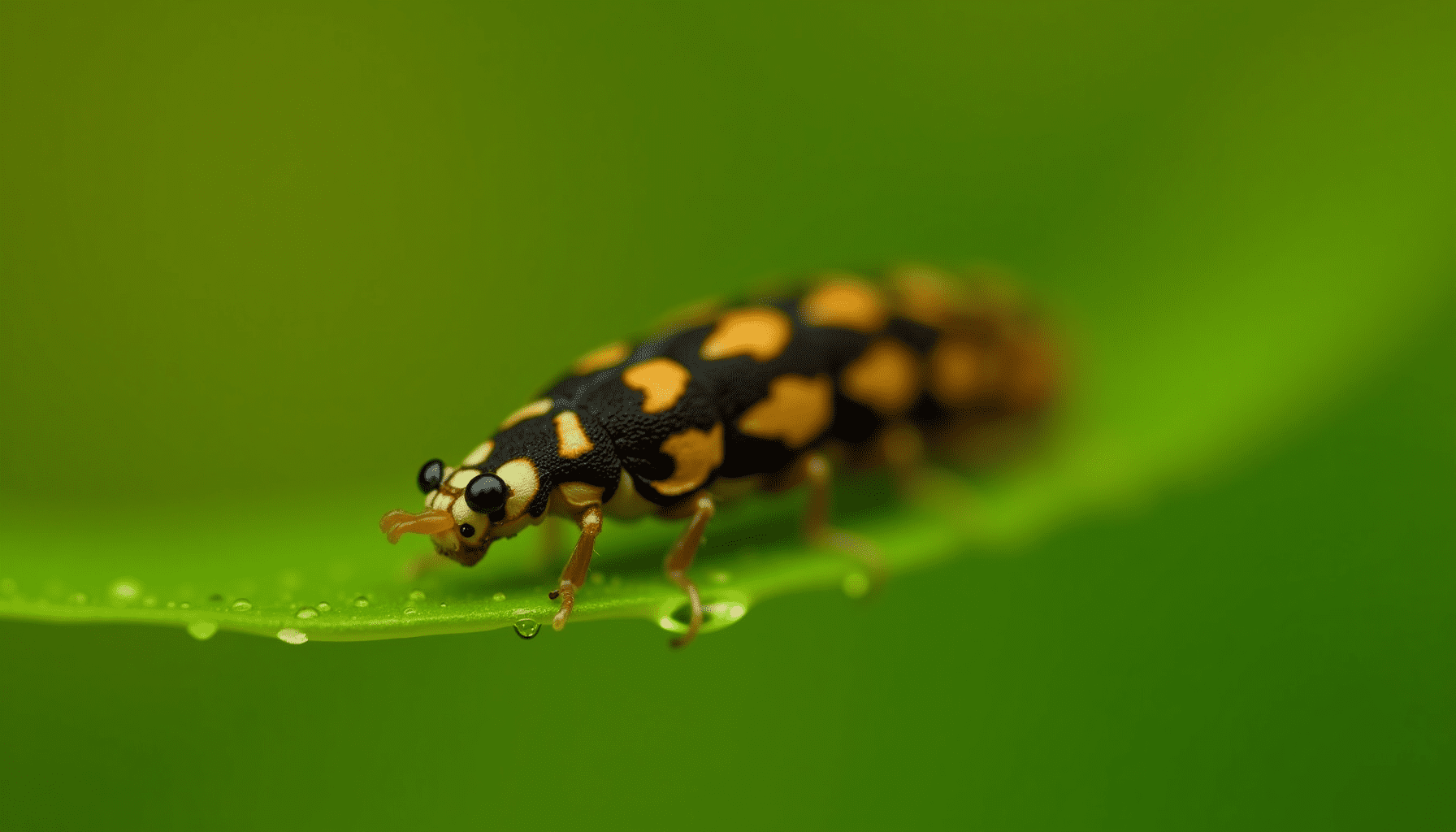
Looks like: Small, oval-shaped bugs, typically black with white markings on their wings. Both nymphs and adults are predatory.
How to support: Plant flowering plants like alfalfa, marigolds, and daisies, which provide pollen and nectar for adults when pest populations are low. Tolerate some weeds in borders.
Damsel Bugs
Helps with: Damsel bugs are slender, active predators that feed on aphids, leafhoppers, small caterpillars, thrips, and other soft-bodied insects. They are common in many garden habitats.
Looks like: Slender, elongated bugs, typically brown or gray, with large eyes and a noticeable proboscis. They hold their front legs in a slightly predatory posture.
How to support: Plant diverse ground covers and tall grasses, which provide shelter. Avoid broad-spectrum pesticides.
Predatory Mites
Helps with: These tiny mites are specialized predators of pest mites, especially spider mites, which can cause significant damage to plants. They also feed on thrips and other small insect eggs.
Looks like: Predatory mites are often pear-shaped, faster moving than pest mites, and typically clear, tan, or reddish. They are barely visible to the naked eye.
How to support: Avoid miticides and broad-spectrum insecticides. Maintain high humidity in greenhouses or grow tents if applicable, as some species prefer moist conditions.
Dragonflies
Helps with: Both adult dragonflies and their aquatic nymphs are formidable predators. Adults catch mosquitoes, flies, gnats, and other flying insects in mid-air. Nymphs prey on mosquito larvae and other aquatic insects.
Looks like: Adults are large, often brightly colored insects with two pairs of strong, transparent wings and large compound eyes. Nymphs are aquatic, often camouflaged, with a hinged lower jaw.
How to support: Create or maintain a clean, chemical-free pond or water feature in your garden. Provide emergent vegetation around the water for nymphs to climb out and transform.
Soldier Beetles
Helps with: Adult soldier beetles feed on aphids, grasshopper eggs, and other soft-bodied insects. Their larvae are also predatory, living in the soil and consuming insect eggs, slugs, and other pests.
Looks like: Adults are slender, soft-bodied beetles, often yellow, orange, or red with black markings. They resemble fireflies but do not glow. Larvae are dark, flattened, and velvety.
How to support: Plant goldenrod, milkweed, and other fall-blooming flowers to provide nectar and pollen for adults. Leave some leaf litter for larval habitat.
Parasitoids
Parasitoids lay their eggs on or inside other insects (the host), and their larvae then consume the host, eventually killing it. They are highly effective and often very specific pest control agents.
Parasitic Wasps
Helps with: This diverse group includes thousands of species, many of which are tiny and specialize in specific pests. They parasitize aphids, caterpillars, whiteflies, scale insects, and many other garden pests. The wasp larvae develop inside the host, killing it.
Looks like: Most parasitic wasps are very small, often less than 1/8 inch, and can be black, brown, or metallic. They are not aggressive towards humans. Signs of their work include “mummified” aphids (swollen, tan, papery shells) or caterpillars with white cocoons attached to their bodies.
How to support: Plant small-flowered plants like dill, parsley, cilantro, sweet alyssum, and yarrow, which provide nectar and pollen for adult wasps. Avoid broad-spectrum insecticides.

Tachinid Flies
Helps with: Tachinid flies are important parasitoids of a wide range of caterpillars (including armyworms, cutworms, and cabbage loopers), squash bugs, earwigs, and other pests. The fly larvae develop inside the host, killing it.
Looks like: Adults vary in appearance but are often bristly, gray or black flies, sometimes resembling houseflies, but generally larger. They have prominent bristles on their abdomen. Look for small white eggs glued to the bodies of caterpillars.
How to support: Plant flowers with open access to nectar, such as dill, parsley, carrots, and other umbelliferous plants. Tolerate some weeds like dandelions, which are early nectar sources.
Pollinators
Pollinators are essential for the reproduction of many plants, including most fruits, vegetables, and nuts. They transfer pollen between flowers, leading to fertilization and seed/fruit development.
Bees
Helps with: Bees are the most important group of pollinators. Honey bees, bumble bees, mason bees, leafcutter bees, and many other native bee species transfer pollen, enabling plants to produce fruits, vegetables, and seeds.
Looks like: Bees vary greatly in size and color, from fuzzy bumble bees to smaller, metallic green sweat bees. They have two pairs of wings and typically hairy bodies. Unlike wasps, they are generally not aggressive unless their nest is threatened.
How to support: Plant a diverse array of native flowering plants that bloom throughout the growing season. Provide a shallow water source. Leave some undisturbed soil or hollow stems for nesting sites. Avoid pesticides, especially on blooming plants.
Butterflies
Helps with: Butterflies are important pollinators, especially for flowers with bright colors and strong scents. As they sip nectar, they transfer pollen from flower to flower. Their caterpillars also serve as a food source for other beneficials and birds.
Looks like: Adults are typically brightly colored with large, often patterned wings and clubbed antennae. Caterpillars vary widely in appearance.
How to support: Plant nectar-rich flowers for adults and host plants for caterpillars (e.g., milkweed for monarchs, parsley/dill for swallowtails). Provide a shallow water source or “puddling” area.
Moths
Helps with: Moths are significant pollinators, particularly for night-blooming flowers. Many species are attracted to white or pale flowers with strong fragrances. Like butterflies, their caterpillars are food for other wildlife.
Looks like: Moths are generally nocturnal, with duller colors, feathery or tapering antennae, and often fuzzy bodies. They typically rest with wings folded flat or tent-like over their bodies.
How to support: Plant night-blooming flowers like evening primrose, moonflower, and nicotiana. Reduce outdoor lighting at night to avoid disorienting them.
Decomposers
Decomposers break down dead organic matter, returning essential nutrients to the soil. This process improves soil structure, aeration, and fertility, making nutrients available for plants.
Dung Beetles
Helps with: Dung beetles are nature’s recyclers, burying and consuming animal waste. In a garden context, they help break down compost, improve soil structure, and control fly populations by removing their breeding material. They also help cycle nutrients back into the soil.
Looks like: These beetles vary in size and shape but are often dark, robust, and sometimes metallic. Many have distinctive horns or projections on their heads. They are typically found near animal droppings or in rich organic soil.
How to support: Incorporate organic matter into your soil. If you have livestock, allow their waste to remain accessible. Avoid soil-applied insecticides.

Springtails
Helps with: Springtails are tiny, primitive insects that play a crucial role in decomposition. They feed on decaying plant matter, fungi, and bacteria, helping to break down organic material and release nutrients into the soil. They also graze on fungal spores, which can help prevent some plant diseases.
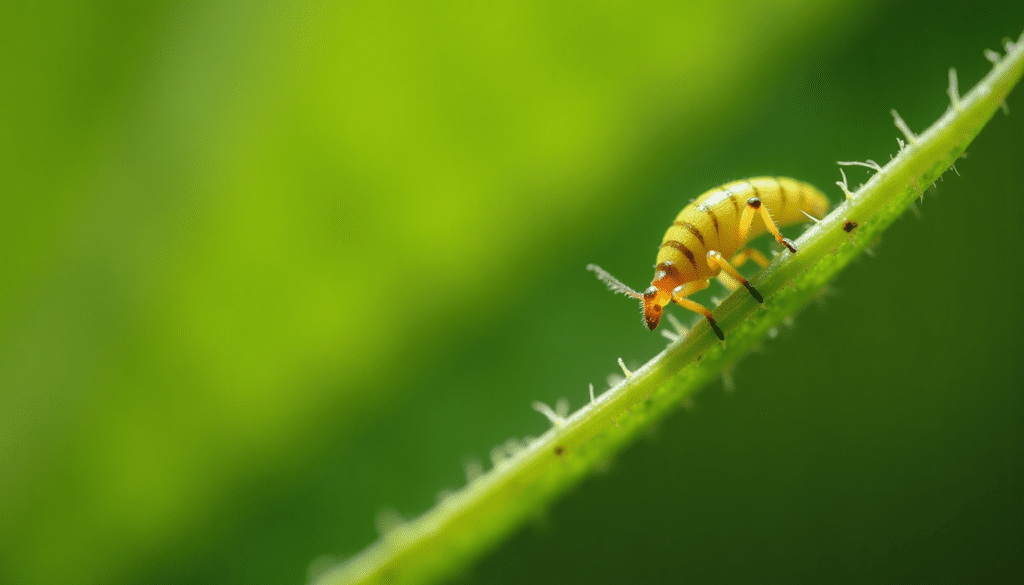
Looks like: Very small (often less than 1/16 inch), wingless insects, typically white, gray, or dark. They are known for their ability to “spring” into the air using a tail-like appendage called a furcula.
How to support: Maintain a healthy soil environment rich in organic matter (compost, leaf litter). Avoid disturbing the soil excessively.
How to attract them
Creating a welcoming habitat is the most effective way to invite beneficial insects into your garden. Focus on providing their basic needs: food, water, and shelter.
Plant diversity
Plant a wide variety of flowers, herbs, and shrubs that bloom at different times of the year. Aim for a continuous supply of nectar and pollen. Beneficial insects, especially parasitoids and hoverflies, are attracted to small, shallow flowers like those in the carrot family (dill, parsley, cilantro) and daisy family (cosmos, marigolds, asters). Include native plants, as they are often best suited to support local insect populations.
Water source
Insects need water, especially during dry periods. Provide a shallow water source, like a bird bath with stones or marbles for landing spots, or a shallow dish with pebbles. Ensure the water is changed regularly to prevent mosquito breeding.
Shelter
Beneficial insects need places to hide from predators, adverse weather, and to overwinter. Provide:
- Leaf litter: Leave some undisturbed leaf litter in garden beds or under shrubs.
- Brush piles: A small pile of branches or twigs can offer refuge.
- Hollow stems: Leave some hollow plant stems (e.g., sunflowers, coneflowers) standing over winter for cavity-nesting bees and other insects.
- Ground cover: Low-growing plants provide hiding spots for ground beetles and other soil dwellers.
- Undisturbed areas: Designate a small section of your garden to be less manicured, allowing beneficials to thrive.
Tolerate small pest populations
Beneficial insects need a food source. If you eliminate every single pest as soon as it appears, you remove the food for your beneficial predators and parasitoids. Allowing a small, tolerable level of pests ensures there’s enough to sustain your beneficial insect populations, which will then keep larger outbreaks in check.
Spray mistakes
Using pesticides indiscriminately is the quickest way to harm beneficial insect populations and disrupt your garden’s natural balance.
Reduced broad-spectrum sprays
Broad-spectrum insecticides kill beneficial insects just as effectively as they kill pests. Even organic options like neem oil or insecticidal soap can harm beneficials if applied broadly. Opt for targeted pest control methods whenever possible. Hand-pick pests, use barriers, or apply targeted sprays only to affected plants or specific pests.
Avoid spraying blooms
Many beneficial insects, especially pollinators and adult parasitoids/predators, visit flowers for nectar and pollen. Spraying blooming plants with any pesticide can directly harm or kill these essential garden allies. If you must spray, do so in the evening when pollinators are less active, and target only the pests, not the flowers.
Final checklist
- Plant diverse native flowers for continuous blooms.
- Provide a shallow water source.
- Leave leaf litter and hollow stems for shelter.
- Tolerate small pest populations to feed beneficials.
- Avoid broad-spectrum pesticides.
- Never spray blooming plants.
- Incorporate organic matter into your soil.
- Reduce excessive garden tidiness in some areas.

Pingback: Are Ants Harmful? Benefits and Risks Explained
Pingback: How to Get Rid of Scale Insects on Plants
Pingback: Best Praying Mantis Egg Cases for Gardens
Pingback: How to Get Rid of Whiteflies on Plants
Pingback: How to Get Rid of Squash Bugs Organically
Pingback: Earwigs in the Garden: Friend or Foe?