n
n
n
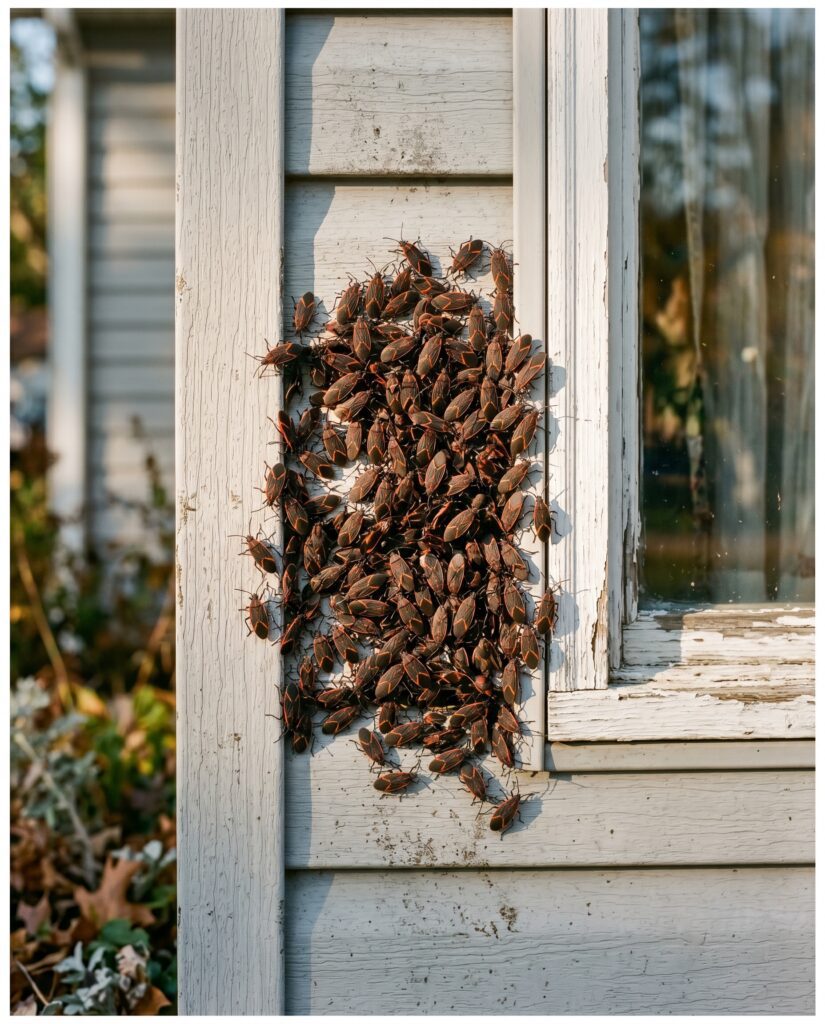
If you keep finding shield-shaped bugs crawling up the walls and bumping into your windows, you are dealing with a seal-and-vacuum problem, not a spray problem. Those stink bugs moved in last fall to wait out the winter, and the truth that changes everything is that they do not breed indoors, they do not bite, and they do not damage your house or your food. So you do not need an insecticide indoors. Vacuum the ones you see, seal the gaps they used to get in, and treat the outside of the house in early fall before the next wave shows up. Spraying them inside actually backfires, and crushing them just fills the room with their smell.
nn
n
Stink bugs indoors are harmless overwintering guests, so do not spray inside. Vacuum the ones you see without crushing them, seal their entry points, and treat the exterior perimeter in early fall before the next group moves in.
n
- n
- Do first (free): Vacuum the bugs you see into a bag and empty it outside; do not crush or squash them.
- The durable fix: Caulk and screen the gaps around windows, doors, vents, and utility lines so the next batch cannot get in.
- Skip: Spraying insecticide on indoor walls; dead-bug piles inside the wall attract carpet beetles and the spray does not stop the next wave.
n
n
n
n
nn
nn
Why they showed up indoors
nn
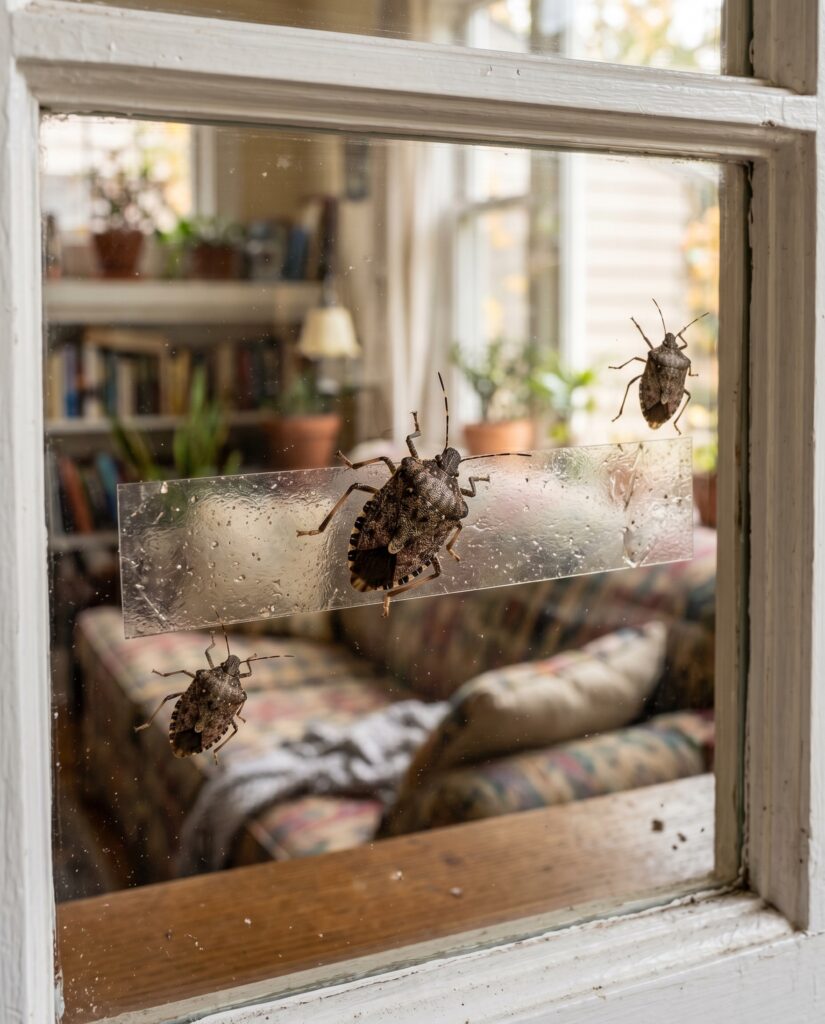
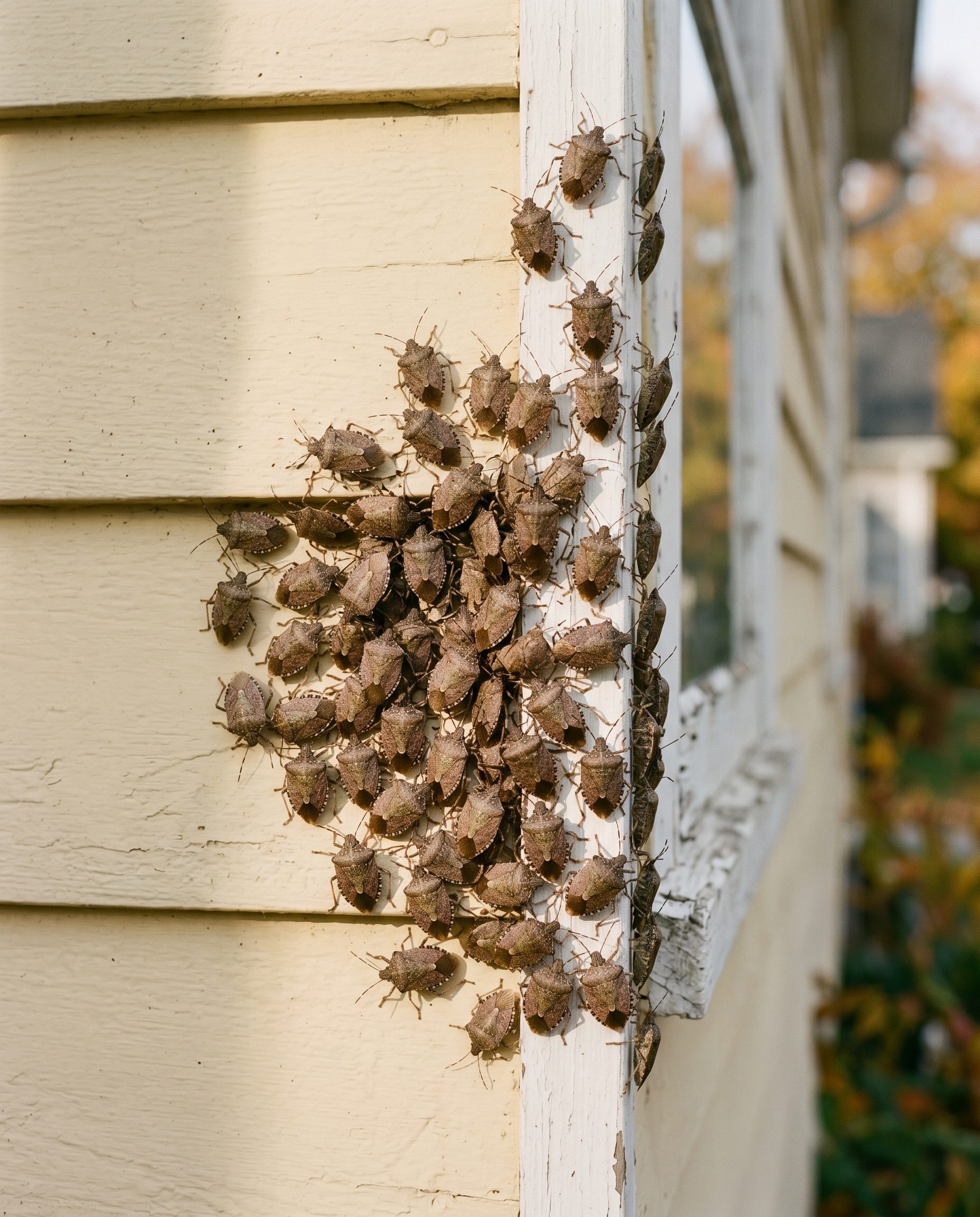
The bug you are seeing is almost always the brown marmorated stink bug, a shield-shaped, mottled-brown insect about the size of a fingernail. It is an overwintering invader that comes in during fall, which means it is doing exactly one thing in your house: hiding from the cold. When the days shorten in late September and October, these bugs look for a warm, protected void to spend the winter, and the sunny south and west walls of a heated home are perfect. They slip in through gaps around windows, under siding, behind fascia, and around vents, then settle into wall voids, attics, and behind trim.
nn
Here is the part that should change how you react. They are not nesting and they are not multiplying in there. Stink bugs do not lay eggs or reproduce inside the house over winter, so the ones you see in January are the same ones that came in last fall, slowly waking up on warm days and wandering toward your windows trying to get back out. If you are not sure the bug matches, our brown marmorated stink bug identification guide shows the markings up close so you can rule out look-alikes before you do anything.
nn
nn
Why spraying indoors makes it worse
nn
This is the call-out that separates a good plan from a frustrating one: do not spray insecticide on your interior walls. It feels like the obvious move, but it fails on every count. The bugs are tucked deep inside wall voids where a surface spray never reaches, so you are coating your living space with pesticide and barely touching the population. The spray also does nothing to stop next fall’s group, because those bugs have not arrived yet.
nn
There is a quieter problem too. When you kill a wave of overwintering bugs inside a wall void, the carcasses pile up, and dead insects feed a secondary pest. Those dead-bug piles attract carpet beetles, whose larvae then move on to your carpets, wool, and stored fabrics. You trade a harmless nuisance for a pest that actually damages things. Indoor spraying is the rare fix that creates a worse problem than the one you started with, which is why no Extension program recommends it for overwintering invaders.
nn
Vacuum them out, do not crush them
nn
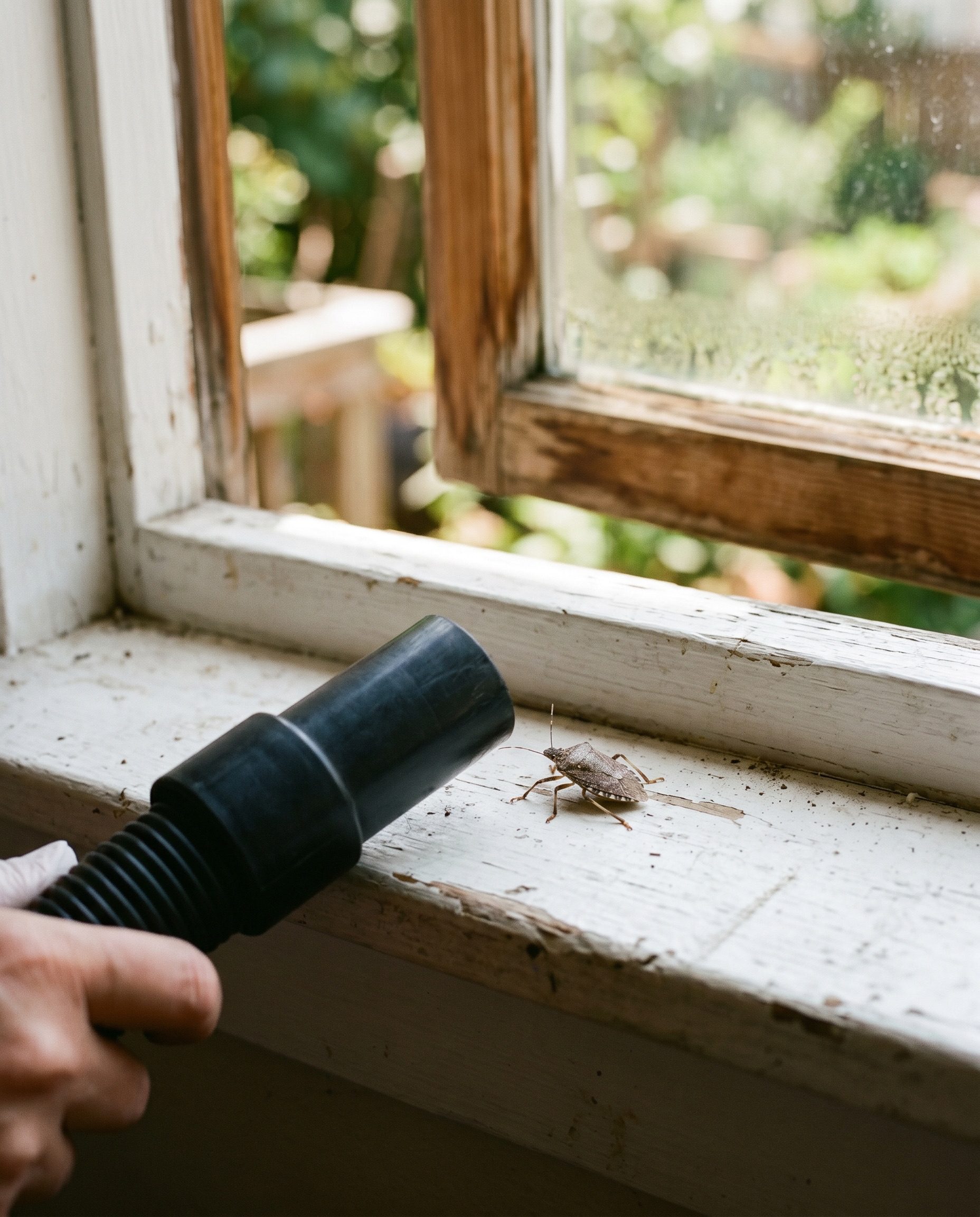
The right indoor tool is a vacuum, full stop. Vacuuming is the recommended way to remove the ones already inside, and it is fast, chemical-free, and safe around kids and pets. Run the nozzle right up to each bug and let the suction pull it in. Do this on the sunny days when they get active and gather at windows, because that is when they are easiest to reach in numbers.
nn
One firm rule: do not crush or squash them. A threatened stink bug releases its defensive odor, and a crushed one leaves it smeared on whatever it touched. The same goes for the vacuum itself. If you suck up dozens of bugs and they get crushed inside the canister, the smell lingers and lines the bag for weeks. The cleanest method is to slip a knee-high nylon stocking into the hose, secured over the nozzle end with a rubber band, so the bugs collect in the sock instead of the machine. Pull the sock, tie it off, and toss it. If you use a bagged vacuum without the sock trick, change the bag right after and empty it outside, not into the indoor trash. For a handful of bugs, a cup and a piece of paper to scoop them into soapy water works just as well.
Our guide to bugs that curl into a ball goes further into the difference between a sphere and a flat coil.
nn
Seal the entry points
nn
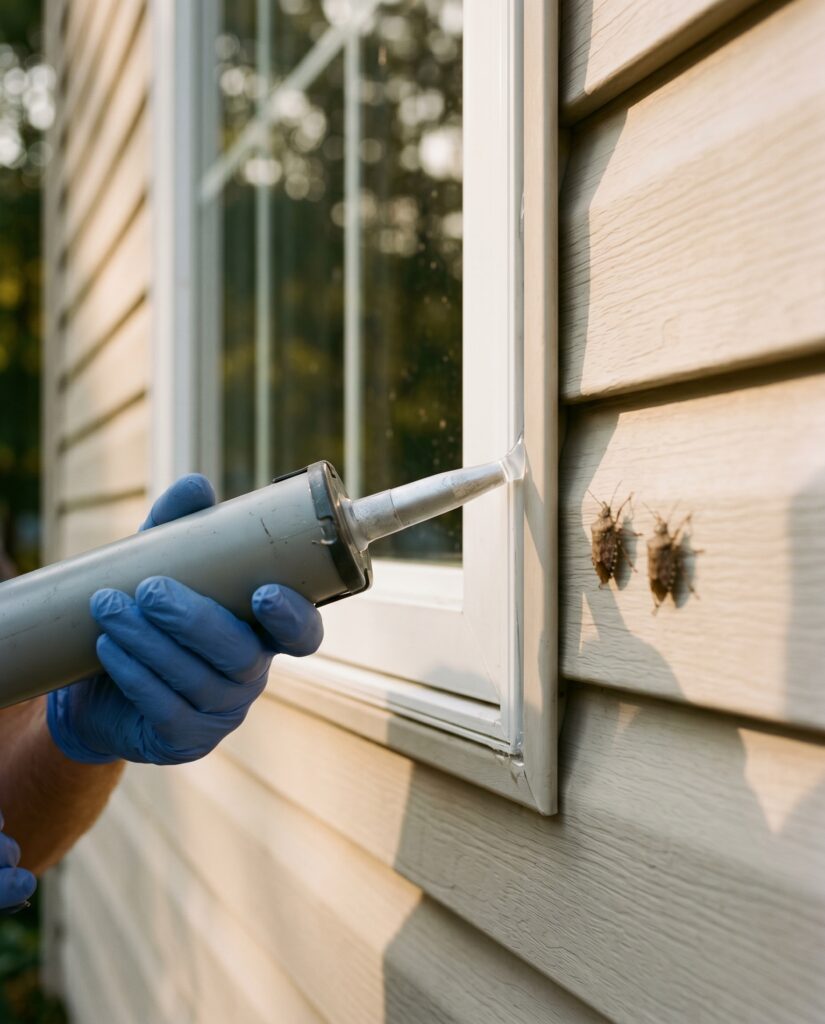
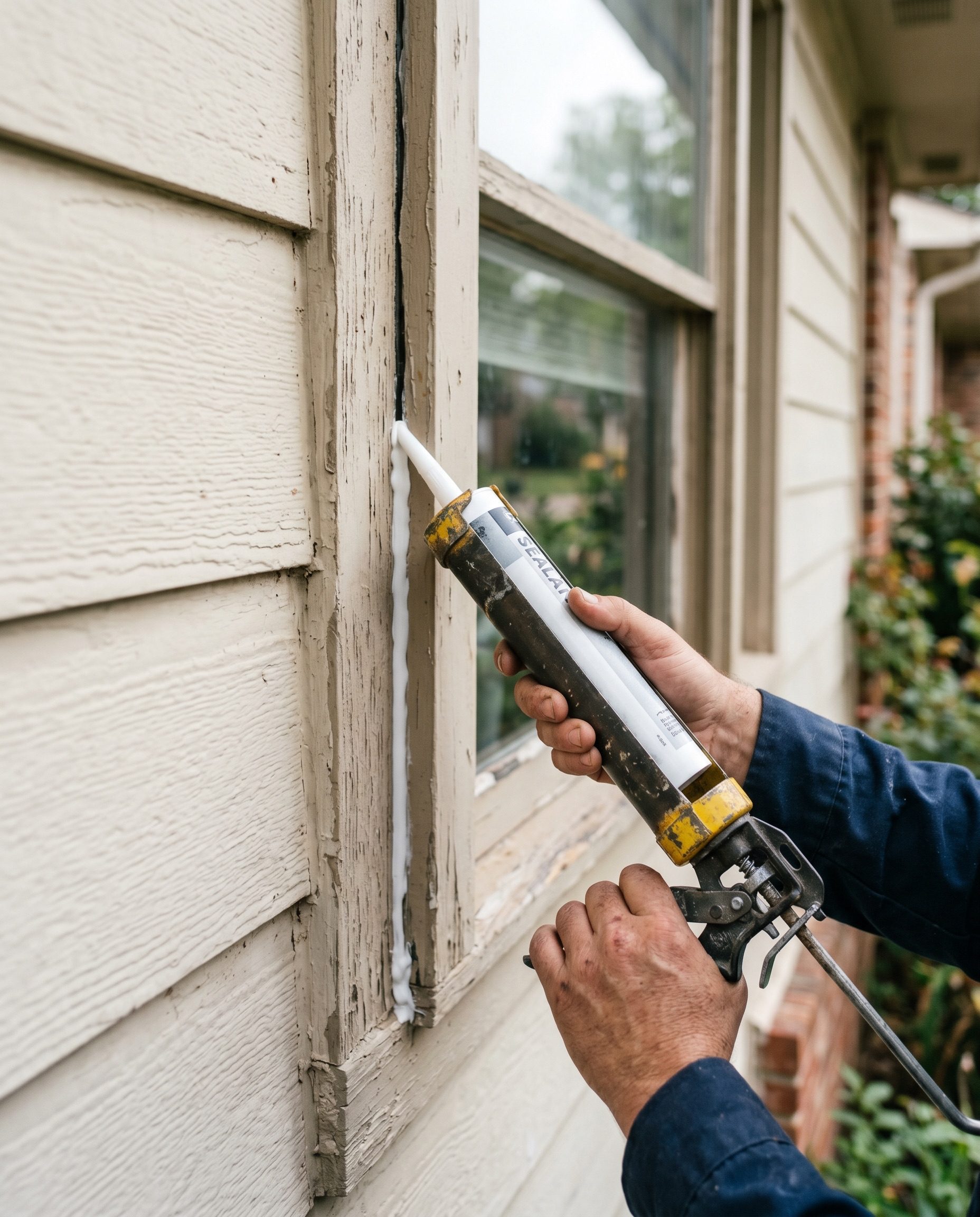
Vacuuming clears today’s bugs. Sealing is what actually keeps the house quiet next winter, and it is the half of the job most people skip. The goal is sealing the gaps they use to get inside before the fall migration, because once they are in the wall void they are hard to reach. Work the outside of the house and close the openings a fingernail-thin bug can squeeze through.
nn
Hit these spots in order, and the gaps around windows and doors are the biggest offenders. Caulk the seams where window and door frames meet the siding, add or repair weatherstripping and door sweeps, and screen attic vents, gable vents, soffit vents, and the weep holes in brick. Seal around where pipes, cables, and the dryer vent pass through exterior walls, and replace any torn window screens. None of this requires a chemical, and it doubles as weatherproofing that lowers your heating bill. Because fall invaders all use the same routes, this work pays off against boxelder bugs, lady beetles, and cluster flies at the same time. Our guide to pest-proofing your home against fall invaders walks the full exterior checklist room by room.
nn
nn
When an exterior perimeter spray makes sense
nn
Sealing comes first, but on a house that gets swarmed every fall, a timed exterior perimeter treatment can cut down how many reach the wall in the first place. The timing is everything: apply it in early fall, just before the bugs start congregating on sunny walls, usually late September into October depending on your region. Spray after the migration starts and you have already lost; the bugs are at the wall and headed in.
nn
This is the one place a registered insecticide belongs, and it goes on the outside only. Treat a band around the foundation and the sunny upper walls, eaves, and around window and door frames where the bugs land before entering. If you go this route, read and follow the product label, because the label is the law, and use a product labeled for exterior structural use. Keep it off flowering plants and avoid drift, since stink bugs share the yard with bees and other beneficial insects. Honestly, for most homes a careful seal-up does more than the spray, and the spray is a supplement, not a substitute.
nn
Here is how the three jobs line up by where you are working.
nn
| Where you are | Best approach | Watch out for |
|---|---|---|
| Indoors, bugs visible | Vacuum into a sock or bag, empty outside | Never crush or spray indoors |
| Exterior gaps and screens | Caulk, weatherstrip, screen vents | Finish before the fall migration |
| Heavy yearly swarm on walls | Labeled exterior perimeter spray in early fall | Off blooms, no drift, follow the label |
nn
Common questions
nnDo stink bugs bite or spread disease?n
No. Brown marmorated stink bugs do not bite people or pets, they do not sting, and they do not spread disease. They are a nuisance, not a health threat, which is why the responsible answer is exclusion and a vacuum rather than dousing your home in pesticide. They also do not chew wood or fabric, so they are not damaging the house while they overwinter.
nnWhy do I have to be careful not to crush them?n
Stink bugs earn the name with a defensive odor they release when threatened or squashed. Crushing one smears that smell onto the surface, and crushing a load inside a vacuum makes the machine reek for weeks. Vacuum them whole into a sock or bag and dispose of it outside, or scoop them into soapy water.
nnWill an insecticide spray inside get rid of them?n
It will not, and it can backfire. The bugs hide deep in wall voids a surface spray never reaches, so you gain little while coating living space with pesticide. Worse, dead bugs piling up inside walls draw carpet beetles, which do damage fabrics. Keep insecticide outside and on a fall schedule.
nnAre stink bugs the same as boxelder bugs and lady beetles?n
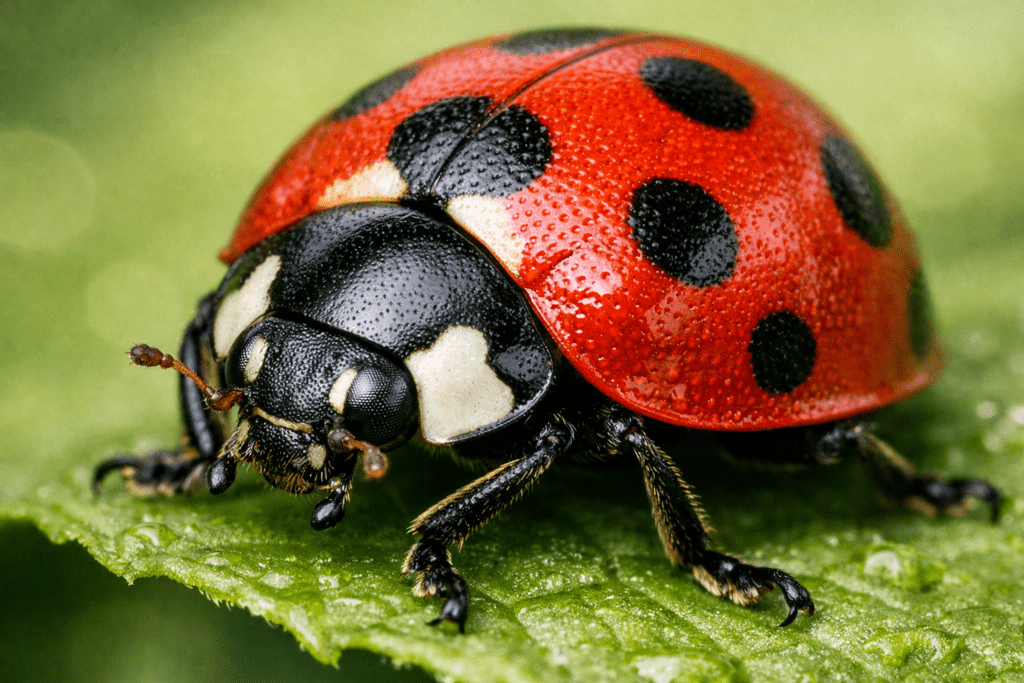
They are different insects with the same habit. Boxelder bugs and Asian lady beetles also overwinter indoors, and Extension programs handle all three the same way: vacuum, do not crush, and seal entry points. Note that some native stink bugs and lady beetles are partly beneficial outdoors, so the goal is keeping them out of the house, not wiping them off the property.
nnHow do I keep them from coming back next year?n
Seal the exterior gaps in late summer, before the fall migration begins, and repair screens and weatherstripping. That exclusion work is the durable fix. If your house is a repeat target, add a labeled exterior perimeter treatment in early fall as a supplement to the sealing, not a replacement for it.
nn
Final verdict
nn
Stink bugs in the house look alarming and are almost entirely harmless. They came in last fall to overwinter, they are not breeding, biting, or damaging anything, and the worst thing you can do is reach for a can of spray indoors. The free first move is to vacuum the ones you see, whole, into a sock or bag and empty it outside, without crushing a single one. The durable fix is sealing the gaps around windows, doors, and vents so next fall’s group cannot get in. If you get swarmed every year, add a labeled exterior perimeter treatment in early fall, timed before the migration, as a backstop to the sealing. Skip the indoor insecticide entirely; it does not reach them and the dead-bug piles invite carpet beetles. Do the sealing once and do it well, and most of this stops on its own.
nn
Next steps:
nn
– Confirm the bug before you act with our brown marmorated stink bug identification guide.
n
– Lock the house up for fall with the pest-proofing your home against fall invaders checklist.
n
– If you want to monitor where they cluster, see how indoor stink bug traps compare before you buy.
nn