If you keep finding little brown moths fluttering out of the cabinet, a pantry moth trap will catch them and show you the numbers dropping, but it will not end the infestation, because the damage is being done by larvae living inside your flour, grains, pet food, and birdseed where no trap can reach. The short answer: hunt down and throw out every infested package and scrub the shelf seams tonight, then hang a trap to mop up the adults that hatch afterward and confirm you got it all. For our own kitchen we keep one trap on hand at all times as a smoke detector for dry goods, not as the fire extinguisher. Most lists rank traps by how many moths they catch; the better question is how strong the lure is and how long it lasts, and the comparison below sorts them that way.
A pantry moth trap catches only the male moths to disrupt mating, so it monitors and finishes the job but never cures it alone; the real fix is tossing every infested package and scrubbing the shelves, then hanging a trap to catch the stragglers.
- Do first (free): Find and throw out every infested package, then vacuum and wash the shelf seams where larvae crawl to pupate.
- What a trap is for: Catching emerging adult males to monitor the cleanout and break the breeding cycle, not killing the larvae in your food.
- Buy on: Pheromone strength and how long the lure stays active, not on the body count a trap promises.
Throw out the food first
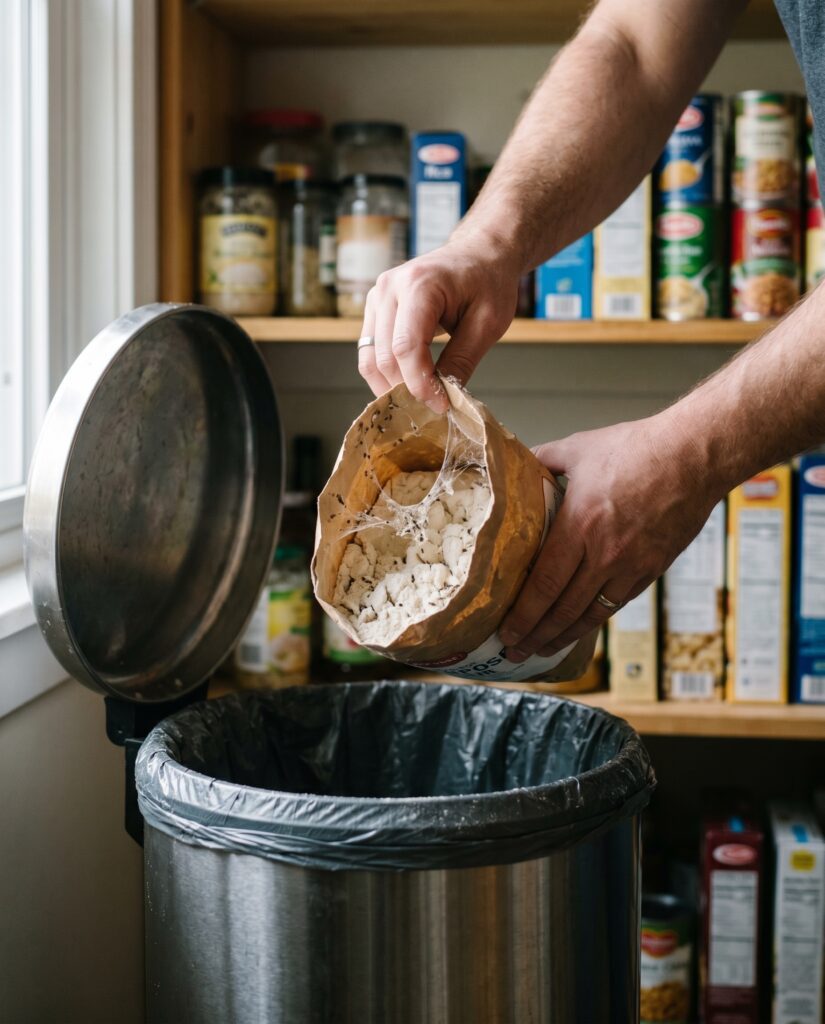
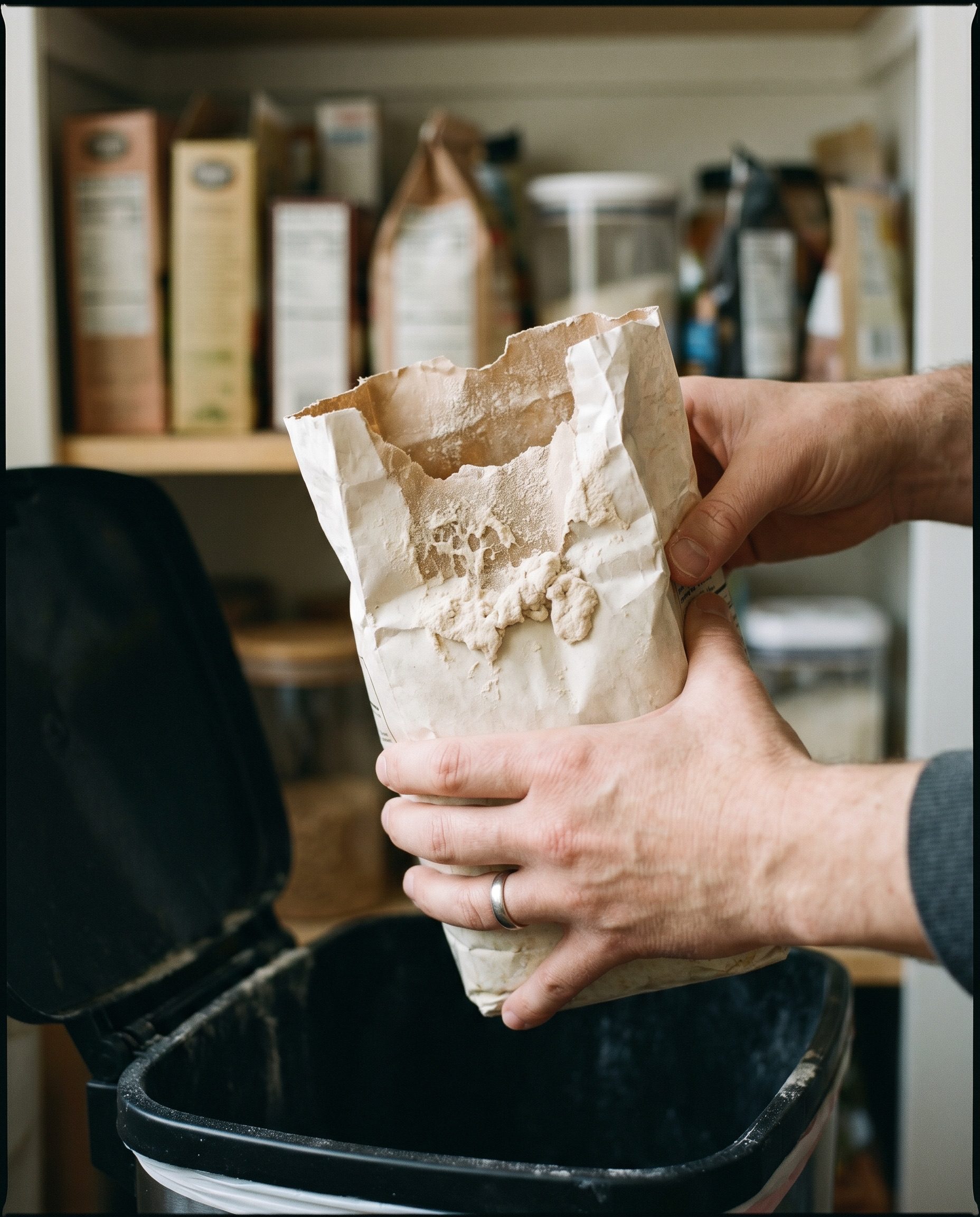
Before you hang anything, do the part that actually clears the infestation, because a trap on a stocked shelf of infested flour is just counting the moths it failed to stop. The moths you see are the adults; the eating and the damage are done by the caterpillar-stage larvae burrowing inside dry goods. The Penn State Extension profile of the Indianmeal moth explains that the larvae feed and develop inside stored food and that control starts with finding and discarding the infested material, not with spraying or trapping. Pull every box, bag, and jar off the shelf and inspect it.
You are hunting for clumped or webbed product, fine silk threads, and the cream-colored caterpillars themselves. Check the usual suspects: flour, cornmeal, cereal, rice, dried fruit, nuts, spices, pet food, and birdseed. If you are not sure the moth is the culprit, our Indianmeal moth identification and life cycle guide shows what the adult, larva, and webbing look like. Iowa State’s guide to where Indianmeal moth larvae feed is worth reading because the source is almost never the one bag you assumed; an unsealed sack of birdseed in the garage or a forgotten bag of dog food feeds an infestation for months. Bag up anything infested, tie it off, and put it in the outdoor trash so the larvae cannot crawl back. Our full walkthrough on getting rid of pantry moths lays out the inspection order step by step.
Then clean what is left behind. Vacuum the shelves, paying attention to the corners, cracks, and the lip under the shelf edge, because mature larvae leave the food and crawl outward to spin a cocoon in a seam or screw hole. Wipe the surfaces down with warm soapy water and let them dry. A product belongs on the shelf only after the food is gone and the shelf is clean, not as a way to avoid either job.
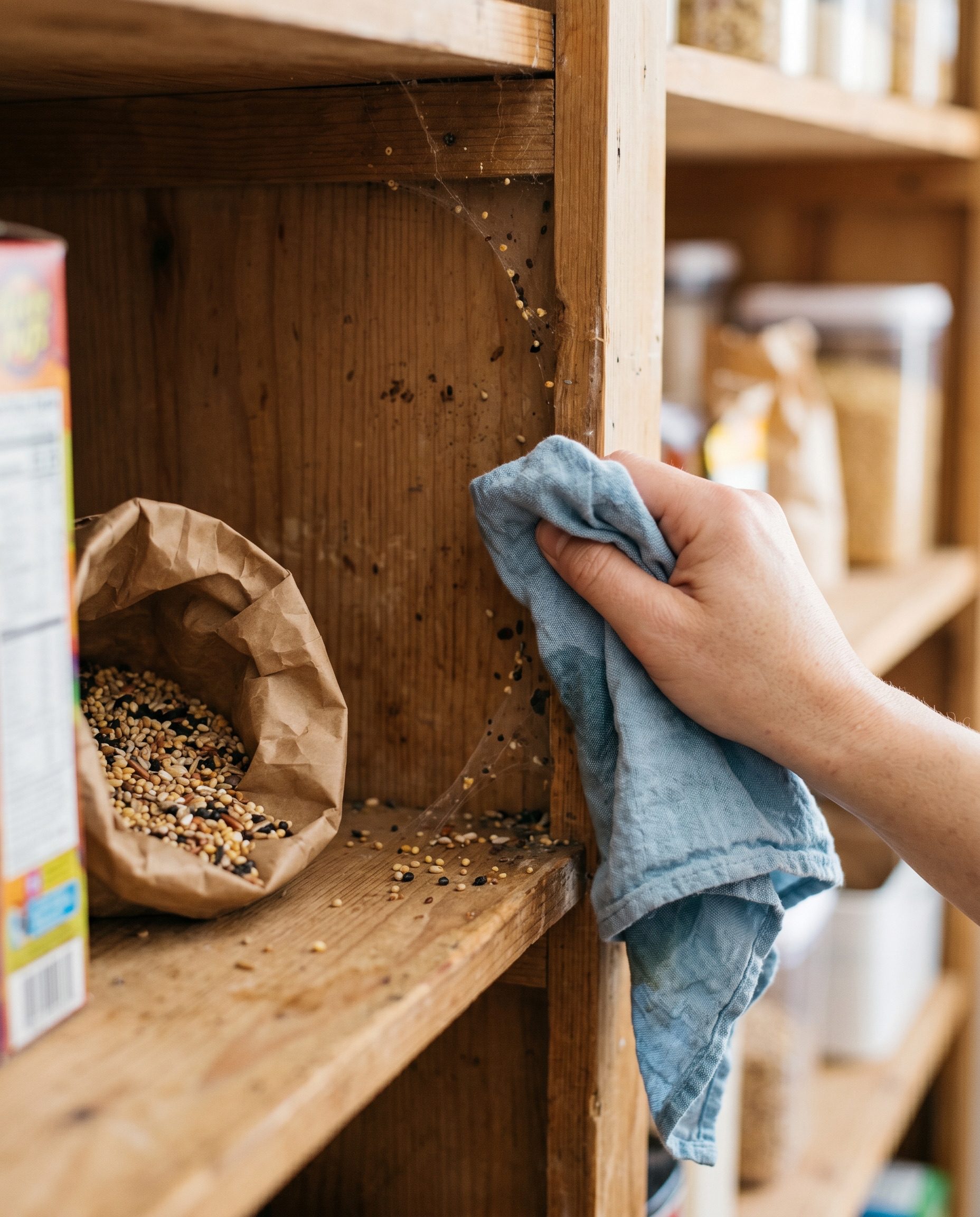
Why a trap can’t end the infestation
Here is the part most “best killer” lists quietly skip. A pantry moth trap is a sticky card baited with a synthetic copy of the female moth’s mating scent, and it only attracts and catches the males. That is by design: pull enough males out of the air and fewer females get mated, so the next generation shrinks. What it does not do, and cannot do, is touch the eggs and larvae already feeding inside a sealed bag of rice across the room.
So the trap is a monitor and a finisher, never a standalone cure. It tells you whether your cleanout worked. If you tossed the food, scrubbed the shelves, and the trap still fills up two weeks later, you missed a source and need to inspect again. The University of Kentucky’s guidance on controlling insects in stored grain makes the same point from the prevention side: the durable fix is sanitation plus sealing the survivors out, not chemistry. Skip any spray or fogger sold for pantry moths, too; you do not want pesticide drifting over food-prep surfaces, and it does nothing about the larvae sealed inside packaging anyway. The broader EPA principle of sanitation-first, least-toxic pest control is exactly right for a kitchen, where the cheapest and safest move beats the strongest one. If moths keep emerging after a thorough cleanout and a fresh trap, you likely have a hidden source in a wall void or an adjacent room, and that is when a licensed pest professional is worth a call.
Trap, jar, or repellent
Once the food is gone, the question is what each tool is actually for. They are not interchangeable, and one common mistake is buying the wrong category for the job in front of you.
| Tool | Best for | Watch-out |
|---|---|---|
| Pheromone sticky trap | Monitoring the cleanout and catching emerging adult males | Catches males only; will not kill larvae in your food |
| Airtight glass or hard-plastic jars | Storing the food you keep so a stray larva cannot get in | Thin bags and original boxes are not a barrier |
| Cedar or herbal sachets | Clothes moths in a closet, a different pest entirely | Wrong pheromone and wrong target for pantry moths |
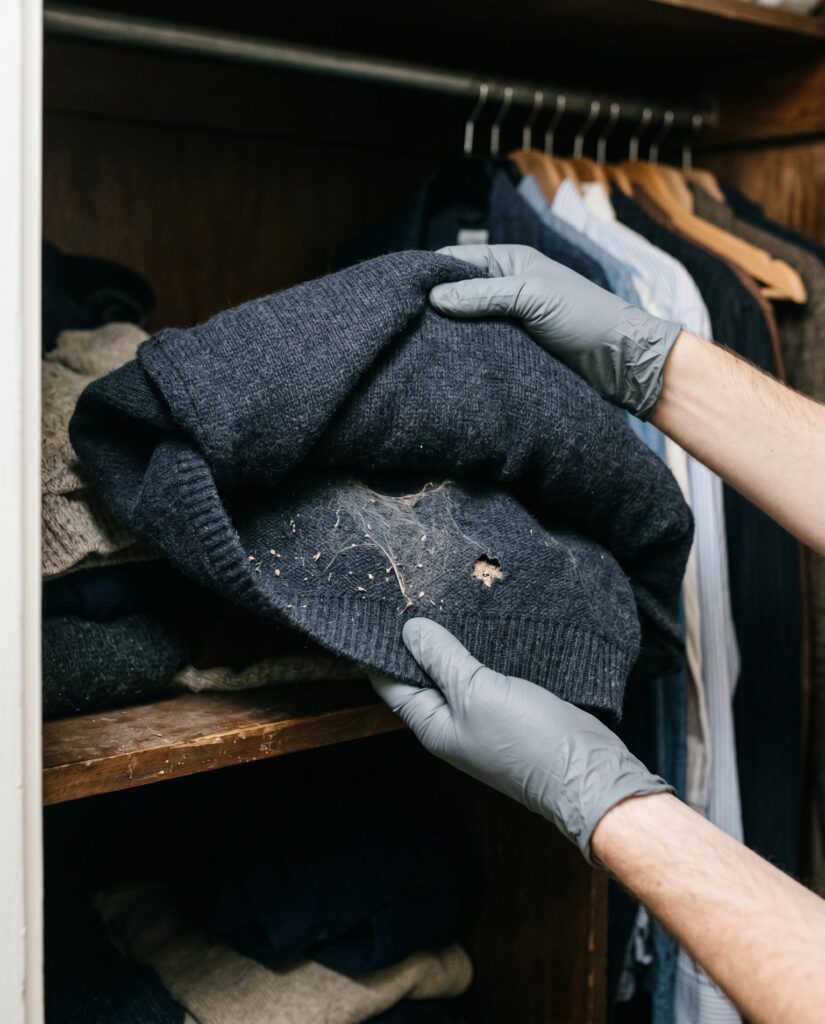
That last row is the trap people fall into. A cedar block or a clothes-moth sachet does nothing for a pantry moth, because clothes moths and pantry moths respond to different pheromones and feed on completely different things. Clothes moths eat keratin in wool, silk, fur, and feathers, so their fix is cleaning, hot-washing, or freezing the infested garments and vacuuming the closet, while their adults do not even eat. Cedar and herbal repellents only push adults away and fade within months; they never kill larvae already feeding. If you are fighting both, our roundup of the best moth traps for pantry and clothes moths sorts out which scent matches which pest so you do not waste money on the wrong card.
How to hang and refresh a trap
Place one trap per cabinet at the height the moths fly, roughly shelf level, and put it near where you saw the most activity rather than tucked in a back corner. One trap covers a small cabinet; a walk-in pantry needs two or three spread out, because the scent plume only reaches so far. Keep them away from open food, and do not crowd two traps so close that their pheromone plumes compete and cancel each other out.
Refresh on the lure, not the look of the card. Most pheromone lures stay active for about eight to twelve weeks, so swap the trap roughly every three months even if the sticky surface still looks usable, because a faded lure quietly stops working. After a cleanout, run a trap for a full breeding cycle, four to six weeks, before you declare victory; the Indianmeal moth life cycle described by Penn State Extension means stragglers can keep emerging from cocoons hidden in seams for weeks after the food is gone. Going forward, move the food you keep into airtight glass or hard-plastic jars; the University of Kentucky’s stored-grain guidance notes that sealed, rigid containers are what actually keeps a new generation out, and freezing a suspect bag for a week kills any hitchhikers before they spread.

The picks
These come after the cleanout on purpose, because the trap is the last step, not the first. All three are common, widely available pheromone traps; pick on lure strength and how many you need, and remember the trap mops up adults after you have already dealt with the food.
InsectoGuide is reader-supported. As an Amazon Associate we earn from qualifying purchases at no extra cost to you.
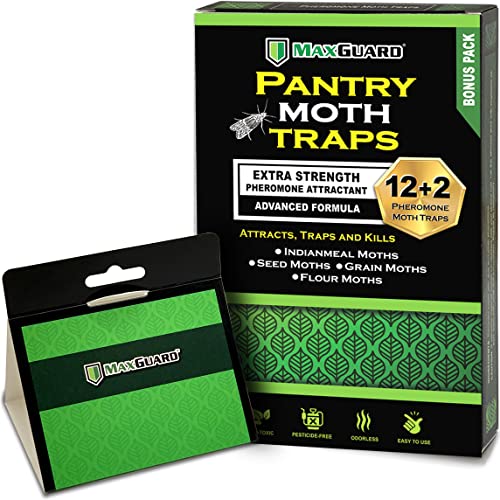
A big multipack that covers a whole kitchen at a low cost per trap.
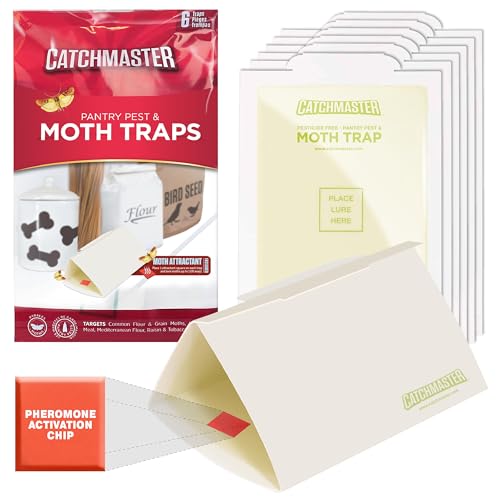
A trusted brand for tracking whether your cleanout actually worked.
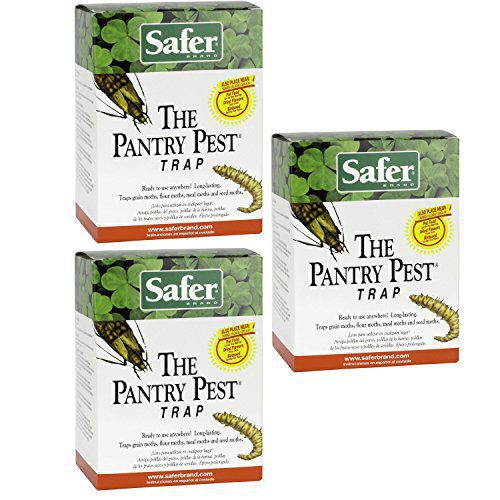
A long-lasting lure for both active infestations and ongoing monitoring.
Common questions
Do pantry moth traps actually work?
They work for what they are built to do, which is catch adult males and disrupt mating. They do not kill the larvae inside your food, so they only finish the job after you have thrown out the infested packages. Treat the catch count as a progress report on your cleanout, not as the cure itself.
Where does the infestation come from?
Almost always from a package you brought home already carrying eggs. The Iowa State guide to the Indianmeal moth notes the larvae feed inside flour, grains, dried fruit, nuts, pet food, and birdseed, so the source is usually a bag you never suspected. Inspect every dry good, not just the one the moths flew out of.
Will a pantry trap catch clothes moths?
No. Pantry moths and clothes moths respond to different pheromones, so the cards are not interchangeable. Clothes moths feed on wool, silk, fur, and feathers, and their fix is cleaning or freezing the garments and vacuuming the closet, not a kitchen trap.
Do cedar blocks or herbal repellents stop pantry moths?
Not in any reliable way. Cedar and herbal sachets repel some adults and fade within months, and they never kill larvae already feeding inside your food. The lasting fix is discarding infested packages and storing the rest in airtight jars.
How often should I replace the trap?
Swap it roughly every three months, because most lures stay active for about eight to twelve weeks even when the sticky surface still looks fine. A faded lure quietly stops pulling moths in, which can make a lingering problem look solved.
Final verdict
There is no trap that kills a pantry moth infestation, and any list that ranks one by body count alone is skipping the only step that matters. Find and throw out every infested package, then vacuum and wash the shelf seams where the larvae crawl to pupate. Only then does a trap earn its place: hang one per small cabinet, two or three in a walk-in pantry, near the activity and at shelf height, and refresh it about every three months. Skip cedar and clothes-moth sachets for this pest, and skip any spray near your food; the wrong pheromone and a fogged shelf solve nothing. Move what you keep into airtight jars, run a trap for a full breeding cycle to confirm the cleanout held, and you are done; the trap is the smoke detector, not the fire extinguisher.