n
n
n
If you are buying a moth trap to fix an infestation, know up front what it does and does not do. A trap uses a pheromone lure to draw in and stick male moths, which thins out mating, but it never ends the problem on its own because it does not touch the larvae chewing your food or fabric, or the eggs already laid. The short answer: treat the trap as a monitor and a finishing touch, use it to confirm which moth you have and to tell whether your cleanout is working, and do the real fix by hand, find and discard the infested food or clean the infested wool. In our own kitchen and closet we keep a trap of each type on hand, but the trap is the smoke detector, not the fire crew. One more thing most lists skip: pantry and clothes traps use different pheromones and are not interchangeable, so you have to match the trap to your moth.
nn
n
A moth trap lures and sticks male moths with a pheromone to disrupt mating, but it never clears an infestation alone because it does not reach the larvae or eggs; use it to monitor, then fix the source by hand, and match the pheromone to your moth.
n
- n
- Do first (free): Find and throw out the infested food package, or pull and clean the infested wool, then vacuum the shelf seams or closet corners where larvae crawl.
- Best for the common case: A pheromone trap as a monitor to confirm the moth and to track whether your cleanout is actually working.
- Skip: Buying one trap for both pests, and counting on cedar or a trap alone to end an active infestation.
n
n
n
n
nn

nn
What to do first
nn
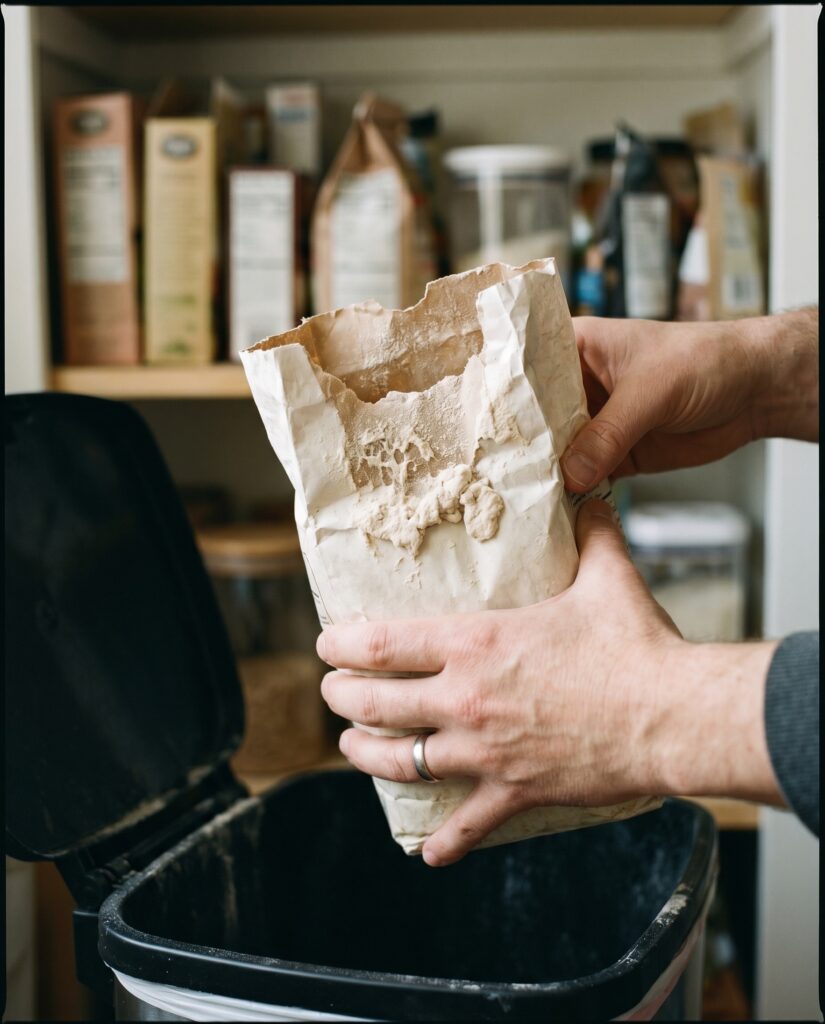
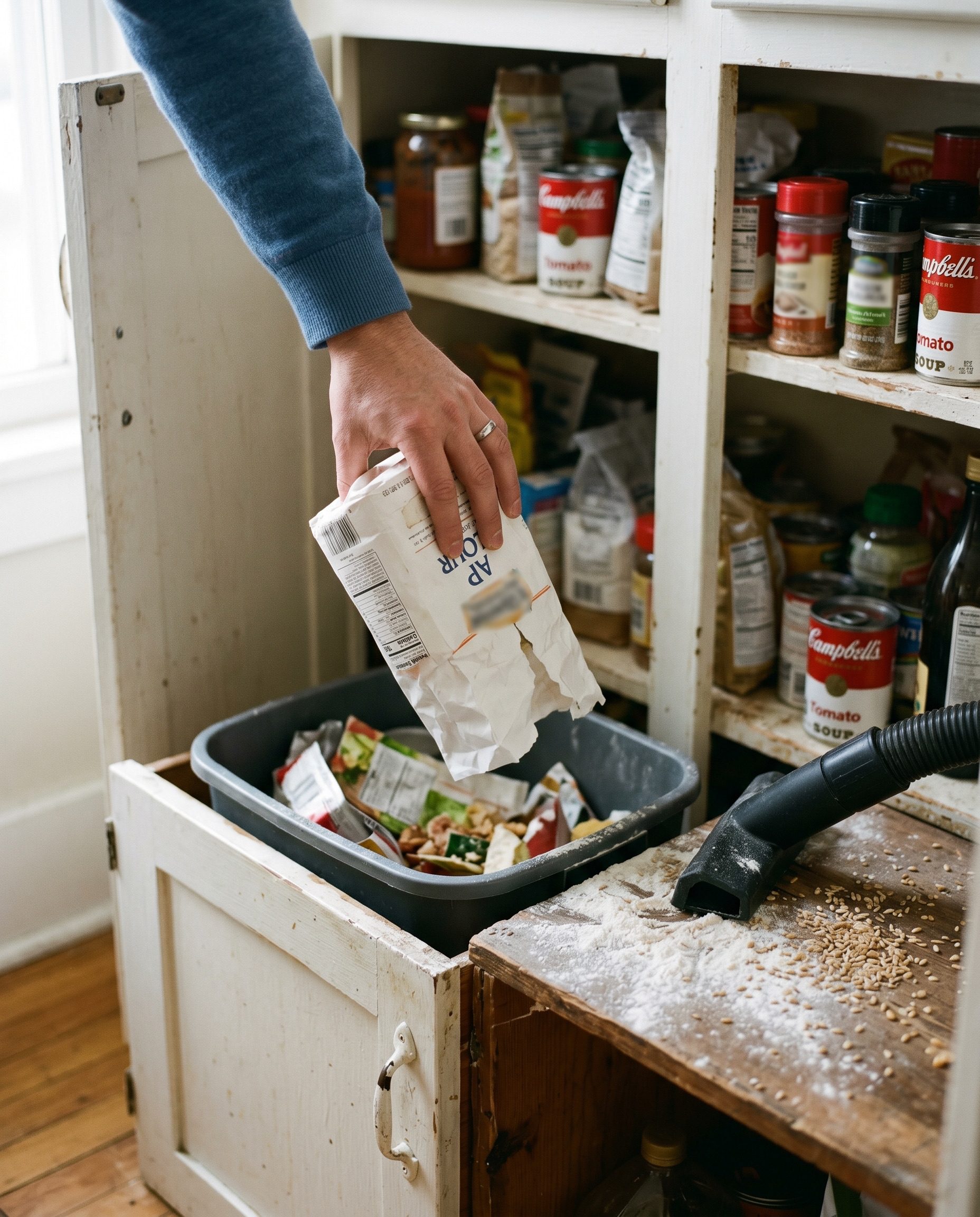
Before any trap goes up, do the free part, because the trap cannot do this and the trap alone will not save you. For pantry moths, open every box, bag, and canister in the affected area and hunt for webbing, clumped grain, or small caterpillars, then bag up and discard anything infested. After that, vacuum the shelf seams, screw holes, and lid grooves, because the larvae crawl out of the food to pupate in cracks, and they hide right where you would never look. The Penn State guidance on the Indian meal moth is built around exactly this sanitation-first order: find the source, remove it, clean the space.
nn
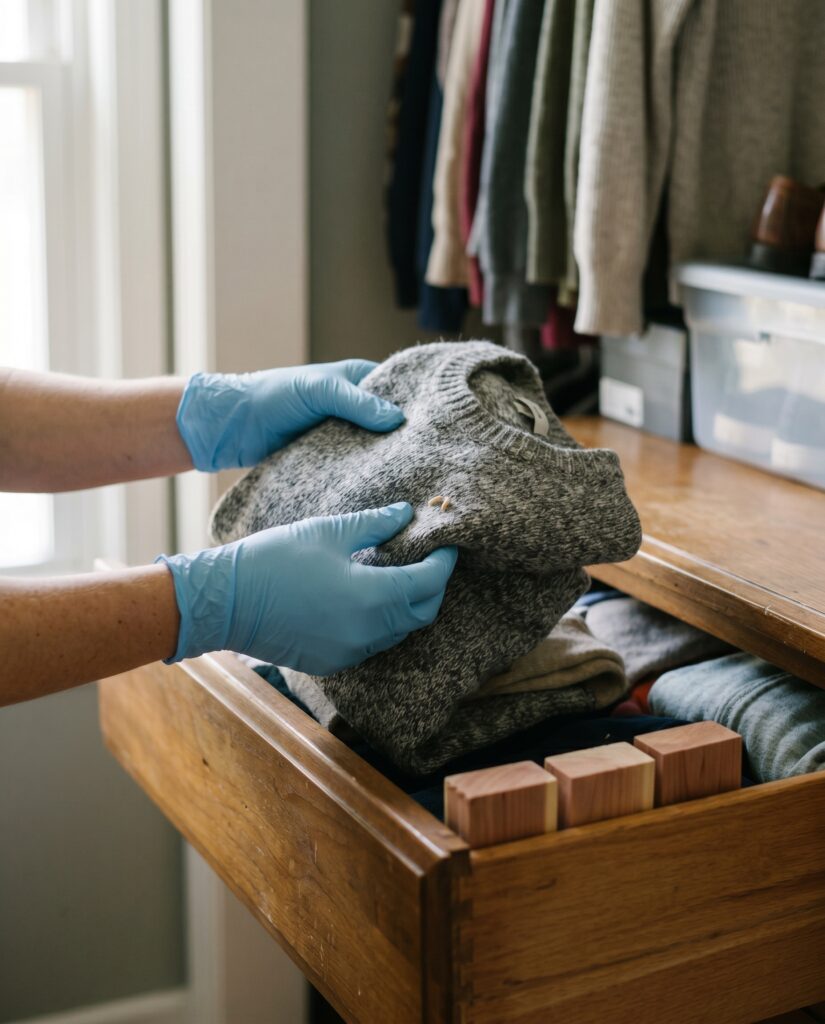
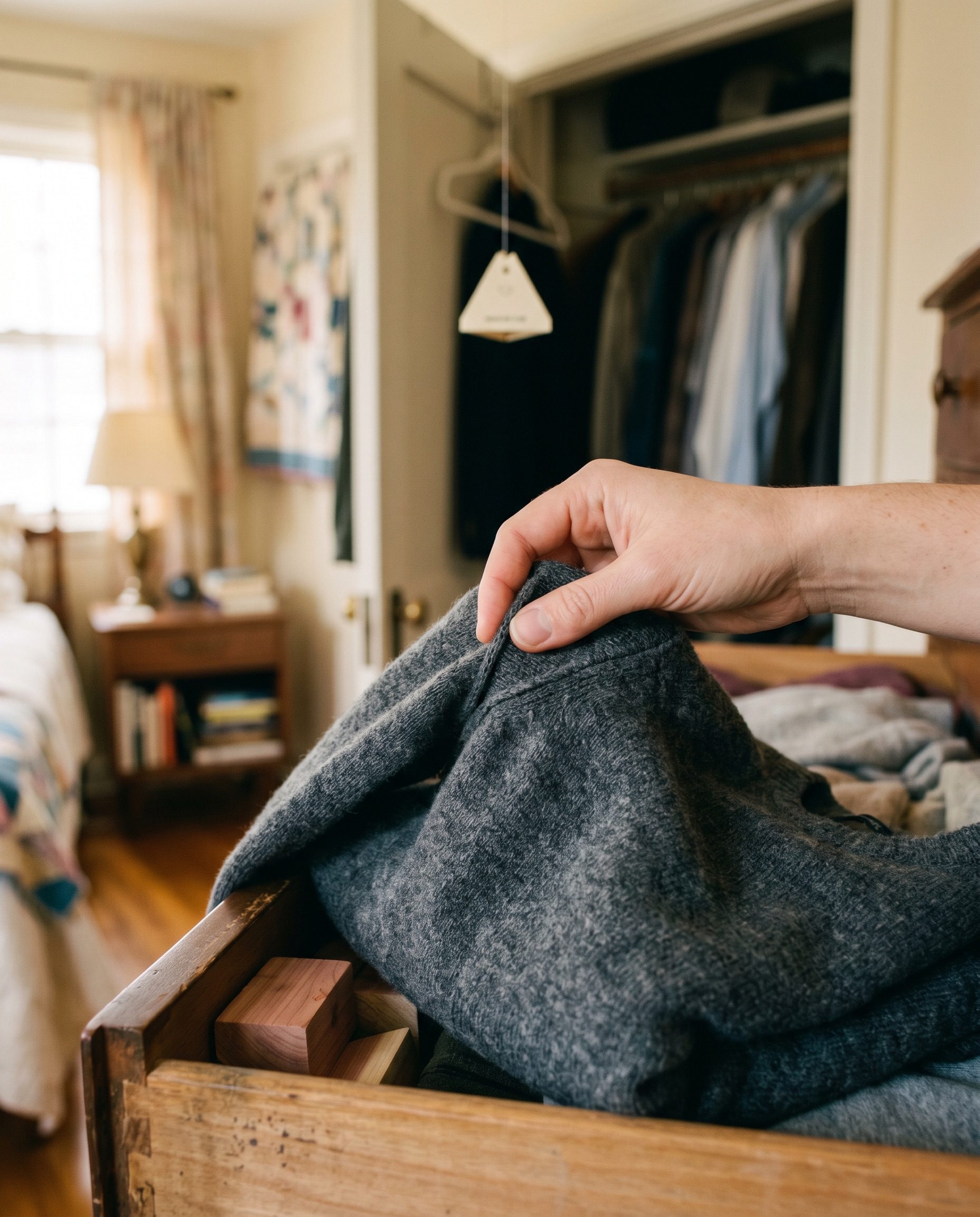
For clothes moths the free step is the same in spirit. Pull the wool, silk, fur, and feather items from the closet, because clothes-moth larvae feed on keratin, not on cotton, linen, or polyester, and inspect the collars, cuffs, and underarm seams where the fibers hold body oils. Hot-wash, dry-clean, or freeze the infested pieces, then vacuum the closet floor and corners. The UC IPM Pest Notes on clothes moths treat cleaning and cold or heat as the actual control and call the pheromone trap a monitoring tool, not a cure. A trap is worth hanging once that cleanout is done, not as a way to skip it.
Our guide to what eats clothes in a wardrobe is the fuller treatment of reading the damage rather than the insect.
nn
Why a trap can’t end the infestation
nn
Here is the part the “best moth killer” lists gloss over. A pheromone trap is loaded with the scent a female moth gives off, so it pulls in male moths only, to break the mating cycle, and glues them down. That is useful, but the moths flying around your kitchen are the adults, and the adults are not the ones doing the damage. The damage is done by the larvae, and the trap never touches them or the eggs already sitting in your flour or your sweater seam. A clothes-moth adult cannot even feed, because it has no working mouthparts, as the University of Kentucky entomology fact sheet on clothes moths notes; all the harm happened back in the larval stage.
nn
So a trap that catches a steady stream of moths is telling you the source is still producing them, not that it is solving anything. A falling catch count is the real signal your cleanout worked. That is the honest use of the device: hang it after you clean, watch the numbers drop, and if they do not drop, you missed a package or a garment. The other thing to skip is leaning on cedar or herbal sachets to do the job. Cedar and lavender repel some adults and lose their punch within months, and the Iowa State guidance on clothes moths is clear that storage and cleaning, not aromatics, are what protect fabric. A repellent does not kill larvae already feeding. If the damage is widespread or it is heirloom textiles you cannot risk, that is the point to bring in a licensed pest professional rather than keep buying gadgets.
nn
nn
Pantry trap vs clothes trap
nn
The single most common mistake is buying one trap and expecting it to cover both moths. It will not, because the two pests answer to different pheromones, and a pantry lure is invisible to a clothes moth and the reverse. Decide by where you found them, in the food or in the fabric, then match the trap to that moth.
nn
| Trap type | Best for | Watch-out |
|---|---|---|
| Pantry (Indianmeal) moth trap | Moths in the kitchen, dry food, and grain | Catches male adults only; you still discard the infested package |
| Clothes moth trap | Moths in the closet near wool, silk, and fur | Catches male adults only; you still clean the infested fabric |
| Cedar block or herbal sachet | Light deterrence in clean, stored clothing | Repels adults, fades in months, does not kill feeding larvae |
nn
If you are not sure which moth you have, the trap actually earns its keep here: hang the matching type and watch what it catches. Our pantry moth vs clothes moth identification guide walks through telling them apart by where they turn up and what they look like. The other thing worth ruling out is the look-alike that is not a moth at all, because the UC IPM Pest Notes on carpet beetles cover the most common fabric pest mistaken for clothes-moth damage, and the fix for that is different. Match the tool to the actual culprit, not to the biggest box on the shelf.
nn
Where to hang the trap
nn
Placement decides whether the monitor tells you anything. For a pantry trap, hang or stand it inside or right next to the affected cabinet, a few feet off the floor, and keep it away from strong cooking odors that compete with the lure. Replace the sticky card or refresh the pheromone about every two to three months, or sooner once it fills, and follow the directions on the package. The EPA’s safe pest control guidance frames this kind of monitoring as part of an integrated, sanitation-first approach rather than a standalone treatment, which is exactly the right way to think about a trap.
nn
For a clothes trap, hang it inside the closet near, but not touching, the stored wool, again refreshing on the maker’s schedule. Keep traps out of reach of small children and pets, since the glue and lure are not meant to be handled. One placement rule covers both: put the trap where the moths are flying, then read the catch as feedback, not as the cure. Airtight glass or hard-sided containers for dry food, and sealed garment bags or bins for off-season wool, are what actually keep the next generation out, as the University of Kentucky guidance on insects in stored grain lays out for the food side. Seal the source, hang the monitor, and check it.
nn
nn
The picks
nn
These come after the analysis on purpose, because the trap you buy depends entirely on which moth you have. All three are common, widely available pheromone products, and none of them is a substitute for the cleanout.
nn
InsectoGuide is reader-supported. As an Amazon Associate we earn from qualifying purchases at no extra cost to you.
nn
n 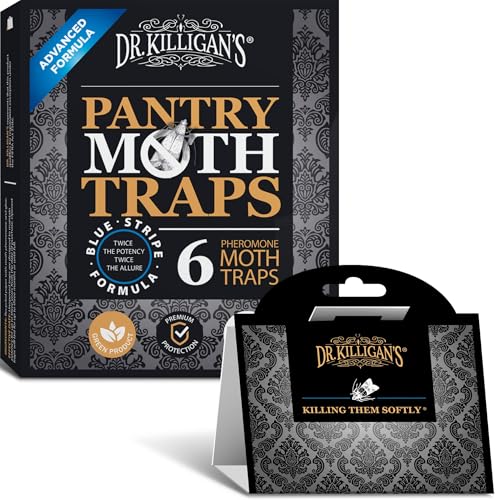 n
n
n
n
A kitchen monitor for pantry moths while you clean out the source.
n
n
nn
n 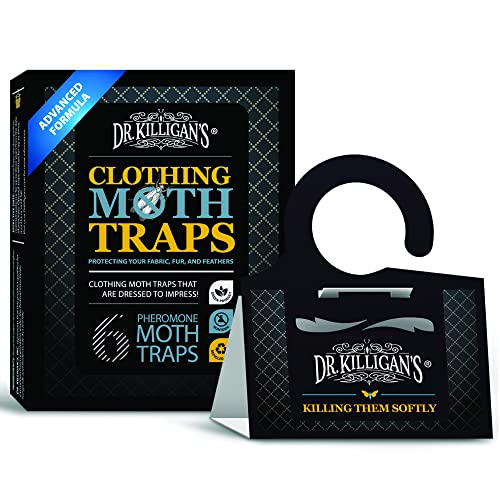 n
n
n
n
A closet monitor matched to fabric moths, not pantry moths.
n
n
nn
n 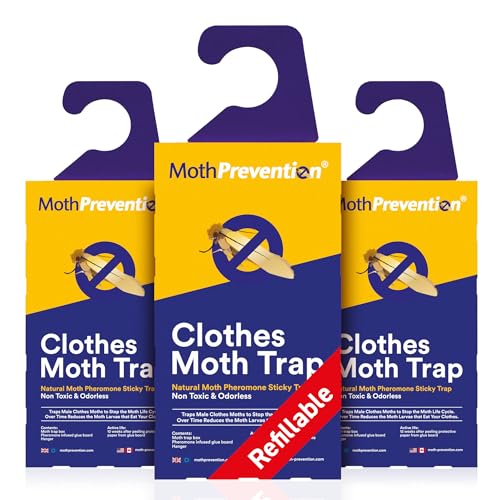 n
n
n
n
A large refillable clothes-moth monitor for ongoing closet coverage.
n
n
nn
Common questions
nnDo moth traps actually get rid of moths?n
Not by themselves. A pheromone trap catches male adults to disrupt mating and to tell you the moth is still active, but it never reaches the larvae or eggs doing the damage. The fix is finding and removing the source, the infested food or fabric, with the trap as a monitor.
nnCan one trap catch both pantry and clothes moths?n
No. The two use different pheromones, so a pantry lure does not attract clothes moths and a clothes lure does not attract pantry moths. Match the trap to where you found the moths, in the food or in the fabric, or you are hanging a trap that catches nothing.
nnDo clothes moths eat cotton or polyester?n
The larvae feed on keratin, so they go after wool, silk, fur, and feathers, not cotton, linen, or polyester unless those are soiled with food or body oils. The Iowa State clothes moth guidance explains the keratin diet, which is why cleaning the wool is the real control.
nnDoes cedar stop moths?n
Cedar and herbal sachets repel some adult moths and lose their effect within months, and they do not kill larvae already feeding. Clean storage in sealed containers does far more than aromatics, so use cedar as a minor extra, not the plan. Our clothes moth killers and cedar repellents roundup covers where each fits.
nnHow long until the catch count tells me anything?n
Give it a few weeks after you clean out the source. A dropping catch means the cleanout worked; a steady or rising catch means a package or garment was missed. Refresh the trap on the maker’s schedule so the reading stays honest.
nnWhen should I call a professional?n
If the infestation is widespread, keeps returning after a thorough cleanout, or involves heirloom textiles you cannot risk treating yourself, bring in a licensed pest professional. Extension guidance treats heavy or recurring cases as a job beyond a trap and a vacuum.
nn
Final verdict
nn
The best moth trap is the one matched to your moth, and even then it is a monitor, not a cure. Start free by finding and discarding the infested food, or pulling and cleaning the infested wool, then vacuum the seams and corners where larvae crawl to pupate. Hang the matching pheromone trap after that cleanout, use a pantry trap for kitchen moths and a clothes trap for closet moths since the two are not interchangeable, and read a falling catch count as proof your work is sticking. Our pantry moth traps roundup covers the kitchen side in more depth. Skip the idea that one trap covers both pests, and skip leaning on cedar or a trap alone to end an active infestation; the trap confirms the moth and checks your progress, but the larvae are the problem, and only the cleanout reaches them.
nn