n
n
n
If you want the best clothes moth killer, understand first what is doing the damage: the larvae chewing your wool and cashmere, not the small moths fluttering out of the closet. Cedar blocks and herbal sachets repel adult moths and slow them down, but they do not kill the larvae already feeding, and cedar oil fades within a few months. The short answer: repellents are prevention for a clean, stored wardrobe, not a rescue for an active infestation, which takes cleaning, hot-washing, or freezing the infested garments and vacuuming the closet, with a contact spray for the larvae you can reach. For our own closet we keep cedar in the drawers and a sachet pack on the shelf, but only after the wool has been cleaned. Most lists crown one “moth killer”; the comparison below sorts out what actually saves a sweater versus what just keeps the next moth out.
If that is where this is heading, what eats clothes in a wardrobe covers reading the damage rather than the insect.
nn
n
Cedar and herbal repellents only deter adult moths and fade within months; they do not kill the larvae eating your wool, so clean, hot-wash, or freeze the infested clothes and vacuum the closet first, then use repellents to keep new moths out.
n
- n
- Do first (free): Clean, hot-wash, or freeze the infested wool and vacuum the closet seams to remove the feeding larvae and eggs.
- Best for the common case: Cedar blocks or herbal sachets in a clean, stored wardrobe to repel adults from laying eggs.
- Skip: Relying on cedar or sachets alone to fix an active infestation; they will not kill larvae already in the fibers.
n
n
n
n
nn
nn
What to do first
nn
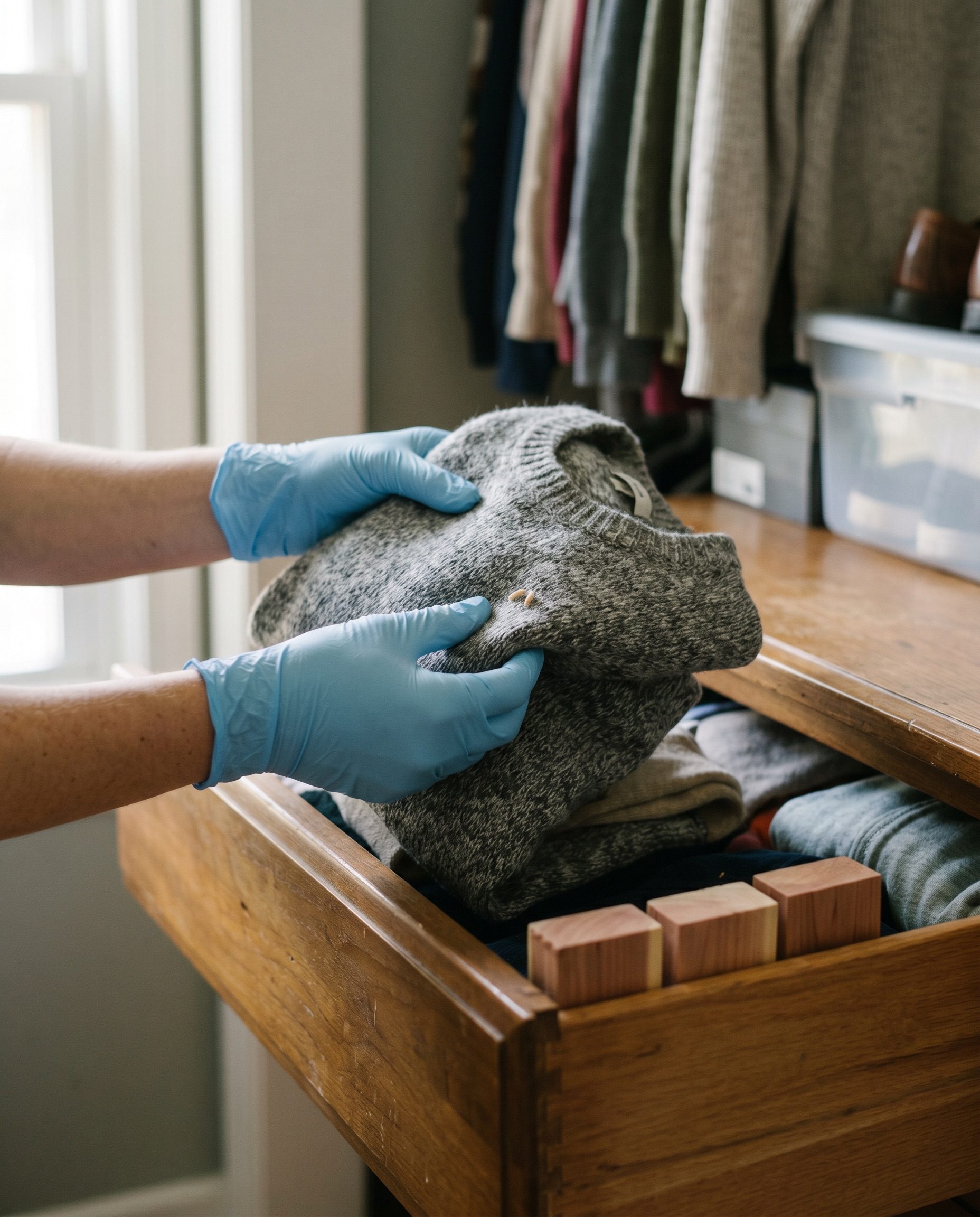
Before you buy a single cedar block, do the free part, because a repellent dropped into an infested drawer protects nothing. Pull every wool, cashmere, silk, fur, and feather item out and inspect it, then clean what is affected: dry-clean or hot-wash anything the care label allows, or seal it in a bag and freeze it for several days. Heat and cold both kill the larvae and eggs, which is why the UC IPM Pest Notes on clothes moths leads with laundering, dry cleaning, and freezing rather than any spray. The larvae live on the fabric, so the fix lives on the fabric too. Our full walkthrough on how to get rid of clothes moths lays out the cleaning order step by step.
nn
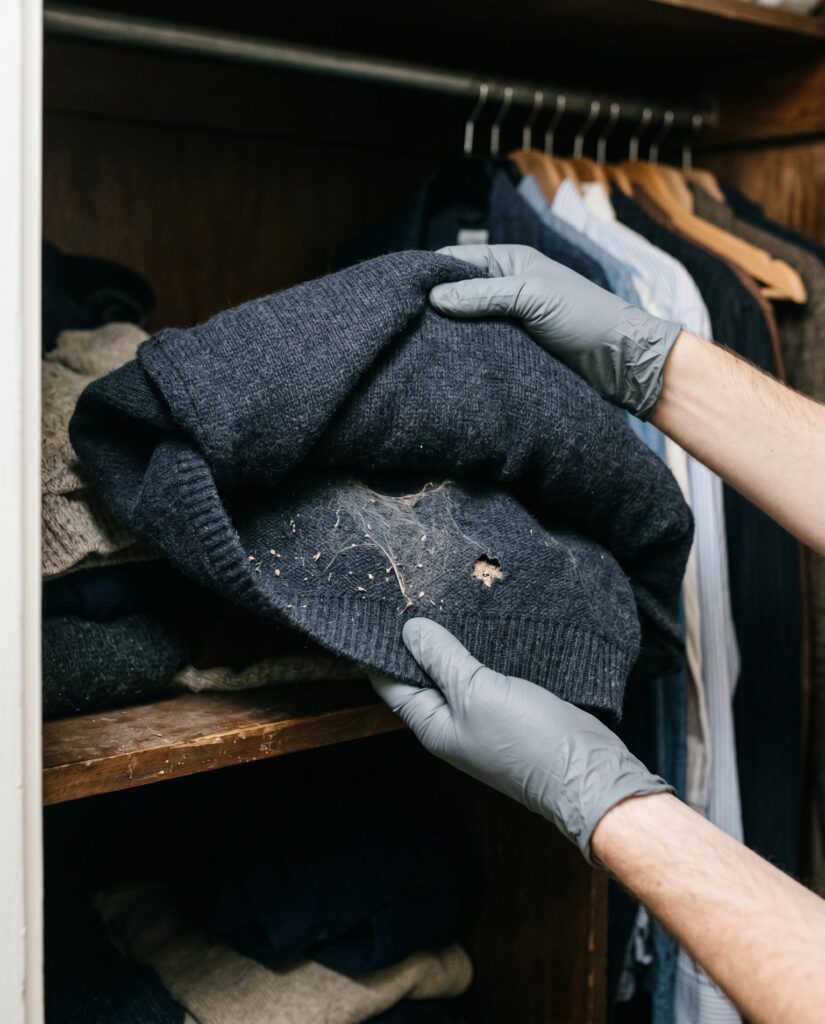
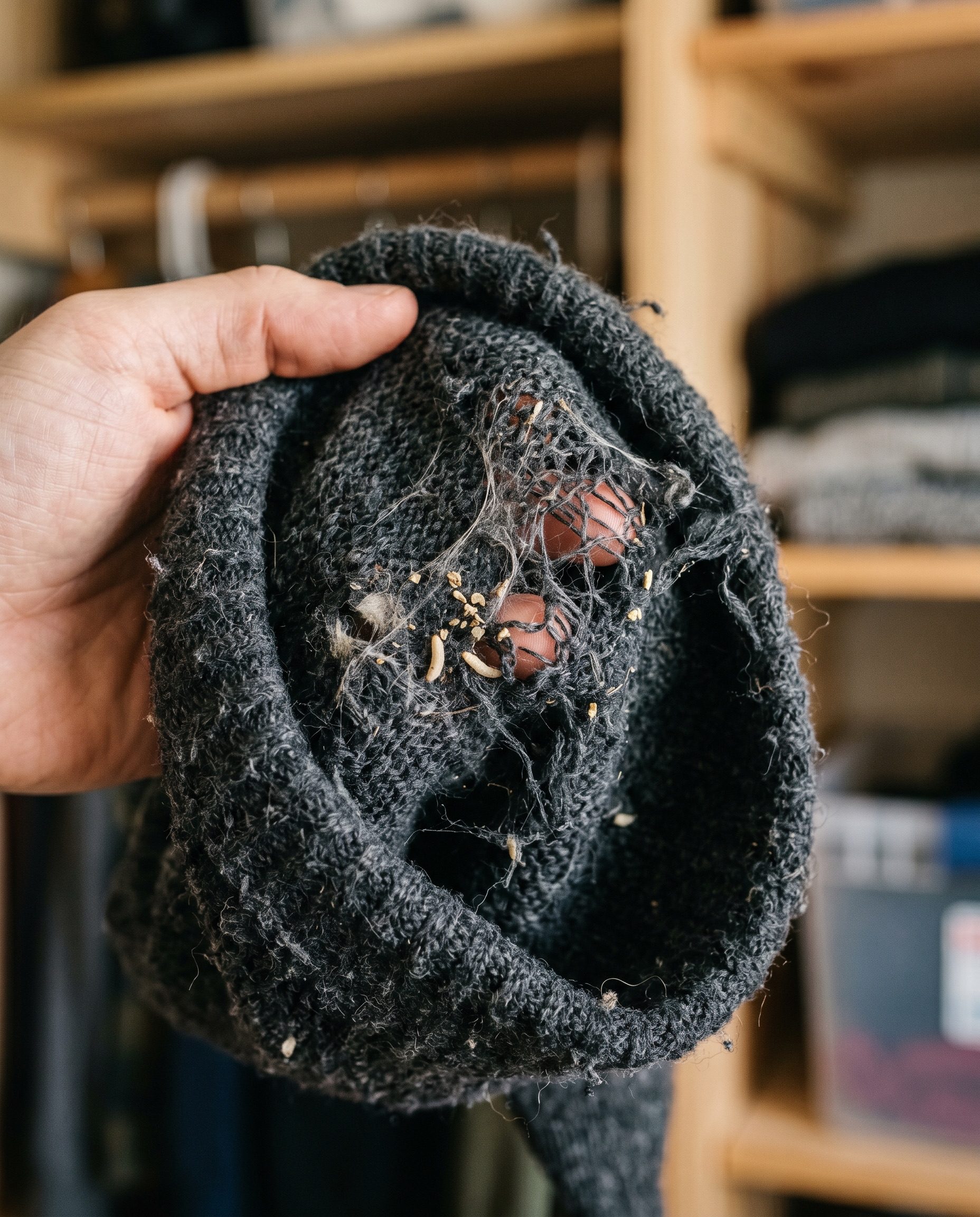
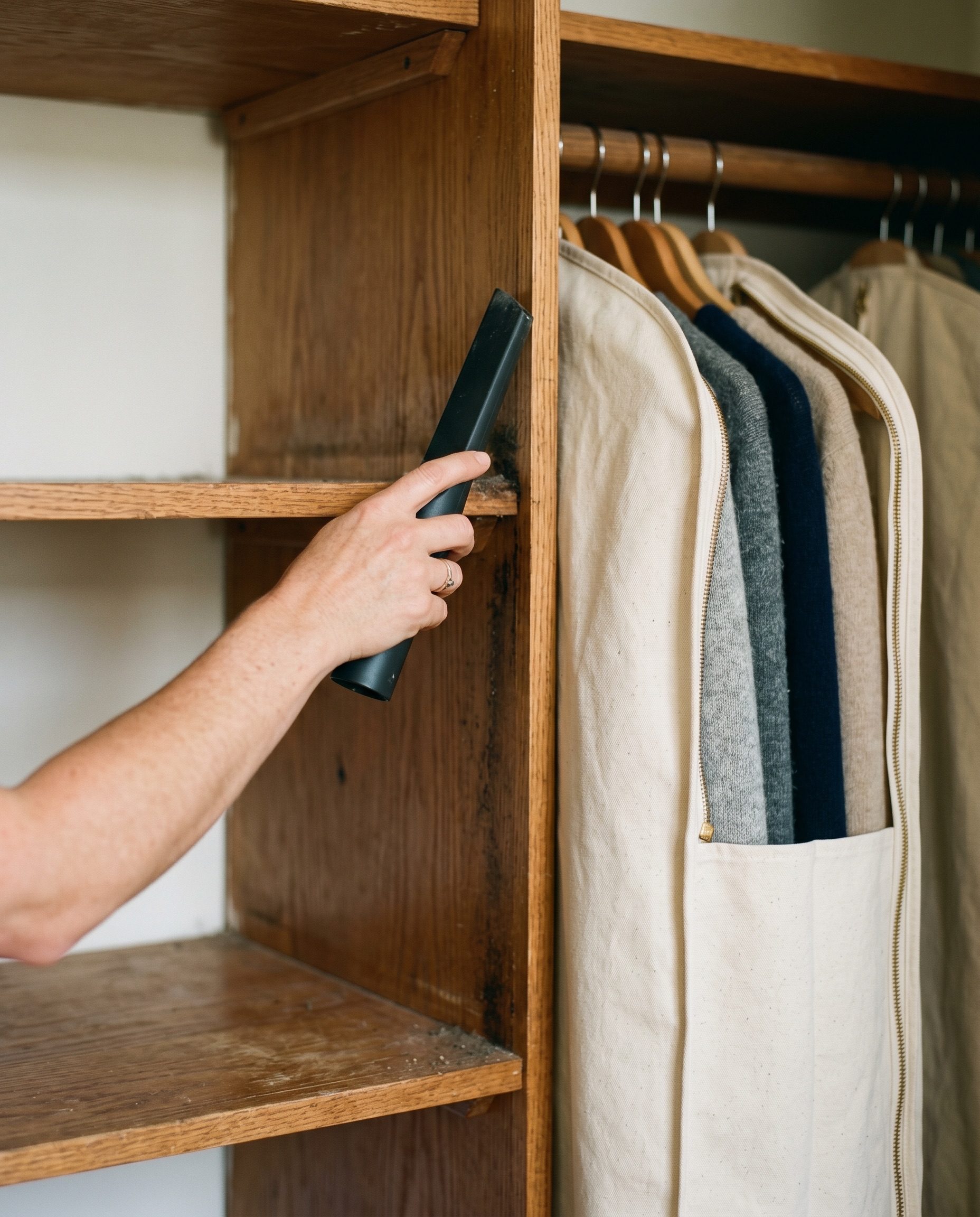
Then empty the closet and vacuum it. Run the crevice tool along shelf seams, corners, baseboards, and the carpet edge where larvae crawl to pupate, and throw the bag or canister contents straight outside. Clothes moths feed on keratin, so they ignore cotton, linen, and polyester and concentrate on animal fibers; the University of Kentucky entomology guide to clothes moths describes how the larvae graze wool and leave silken webbing or cases behind. A repellent is worth adding once the cleaning is done, not as a substitute for it.
nn
Why cedar and sachets are not a cure
nn
Here is the part most “moth killer” lists gloss over. Cedar and herbal sachets are repellents: their aromatic oils make a clean wardrobe less attractive to adult moths looking for a place to lay eggs. They repel the egg-layer, but they do nothing to a larva already chewing your sweater. And the protection is not permanent, because cedar’s oils fade within a few months and stop deterring anything once the scent is gone. That is why a closet full of cedar can still hand you a holey cashmere by spring.
nn
The other trap is the adult moth itself. The fluttering moth you swat does not even eat, because adult clothes moths have no functional mouthparts; all the damage was done earlier by the larva. The Iowa State Extension guide to clothes moths makes the same point that control means removing and cleaning the infested items, not chasing adults. If you are still finding fresh damage, you have larvae, not just moths, and no amount of cedar will reach them. A pheromone trap can help you confirm an active problem because it catches male adults to disrupt mating, but it is a monitor and a finishing touch, never a standalone cure. Our roundup of the best moth traps for pantry and clothes moths explains why clothes-moth and pantry-moth traps use different pheromones and are not interchangeable.
nn
nn
Repellents vs contact sprays
nn
Once the wardrobe is clean, the category choice is short. Decide by one question: are you preventing the next infestation, or killing larvae you can still reach? The point is to match the tool to that question, not to the loudest claim on the package.
nn
| Category | Best for | Watch-out |
|---|---|---|
| Cedar blocks | Repelling adult moths in clean, stored drawers | Repels only; fades in months; sand to refresh the scent |
| Herbal sachets | Low-odor repelling on shelves and in bins | Repels only; will not kill larvae already feeding |
| Contact spray | Killing reachable larvae on closet surfaces | Treats only what it touches; follow the label; not a sleeping surface |
nn
Why not just buy the strongest spray and call it done? Because a spray only kills what it directly contacts, and it cannot reach every larva tucked in a fiber or a seam. A contact spray is for the surfaces you cannot launder, not for the sweater itself. Cedar and sachets earn their place after the cleaning, as prevention that keeps new moths from laying eggs in a wardrobe you have already cleared. The right setup is layered: clean the fibers, vacuum the closet, treat the bare surfaces you cannot wash, then repel the next generation. For more on which fabrics are actually at risk, our guide on whether moths eat clothes and which fabrics sorts the keratin targets from the safe synthetics.
nn
How to store wool safely
nn
Storage is where prevention actually holds. Only store wool that is clean, because body oils and food stains are what draw egg-laying moths in the first place. Seal seasonal items in tight garment bags or lidded bins, and tuck cedar blocks or sachets inside, refreshing cedar by sanding it lightly the moment the scent fades. Place a few blocks per drawer and a sachet per shelf, and plan to refresh or replace them every two to three months rather than leaving them for a year.
nn
Treat any contact spray as the registered product it is. Use it only on closet walls, shelves, and bare surfaces the label allows, keep children and pets off treated areas until fully dry, and never apply it to a garment unless the label specifically permits it. Read and follow the product label, because under federal law the label is the law; the EPA’s safe pest control guidance backs the same sanitation-first, least-toxic approach this whole guide follows. If you are unsure whether the damage is even moths, the UC IPM Pest Notes on carpet beetles covers the main look-alike fabric pest, which leaves similar holes but calls for the same cleaning-first response.
nn
nn
The picks
nn
Cards come after the analysis on purpose, because the cleaning decides whether a repellent helps at all. These three cover the common jobs: repelling adults in drawers, killing larvae on surfaces, and a low-odor sachet for shelves and bins.
nn
InsectoGuide is reader-supported. As an Amazon Associate we earn from qualifying purchases at no extra cost to you.
nn
n 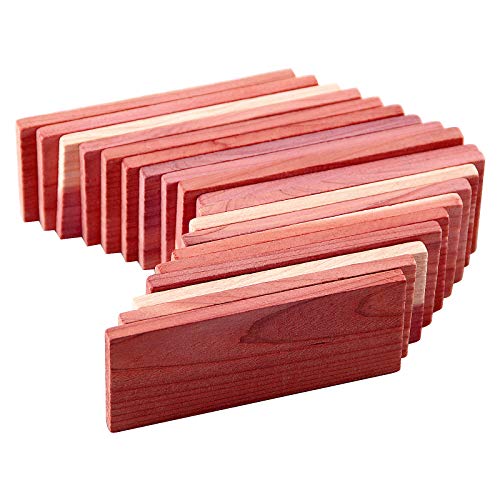 n
n
n
n
For repelling adult moths in clean, already-stored drawers and closets.
n
n
nn
n 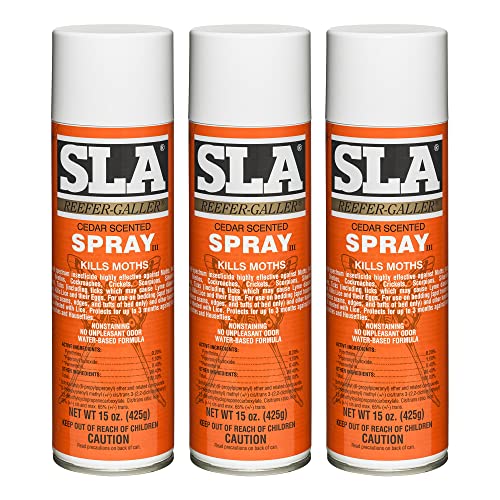 n
n
n
n
For killing reachable larvae on closet surfaces you cannot launder.
n
n
nn
n 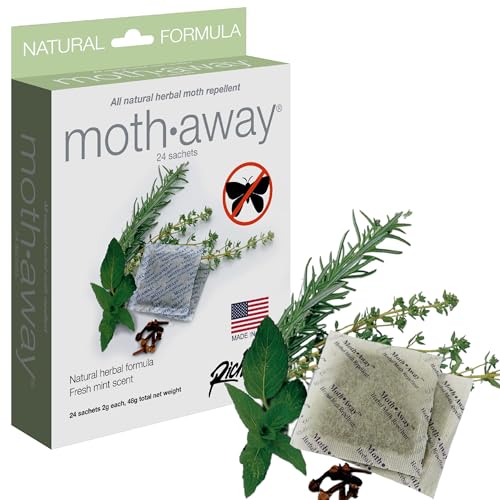 n
n
n
n
A low-odor repellent for shelves, bins, and drawers after cleaning.
n
n
nn
Common questions
nnDo cedar blocks actually kill clothes moths?n
No. Cedar repels adult moths from a clean wardrobe, but it does not kill the larvae already feeding on your wool, and its scent fades within a few months. The UC IPM clothes moth guidance treats cleaning and freezing as the control step and cedar as, at best, a deterrent in stored items.
nnWill a moth trap fix the problem?n
A pheromone trap catches male adults to disrupt mating, so it helps you confirm and monitor an infestation, but it is not a cure. The damage is done by larvae the trap never touches, so you still have to clean or freeze the infested garments and vacuum the closet.
nnWhich fabrics do clothes moths eat?n
They feed on keratin, so wool, cashmere, silk, fur, and feathers are at risk, while cotton, linen, and polyester are not. Mixed-fiber items can still be grazed where the animal fibers are, which is why inspection matters before storage.
nnAre pantry-moth traps the same as clothes-moth traps?n
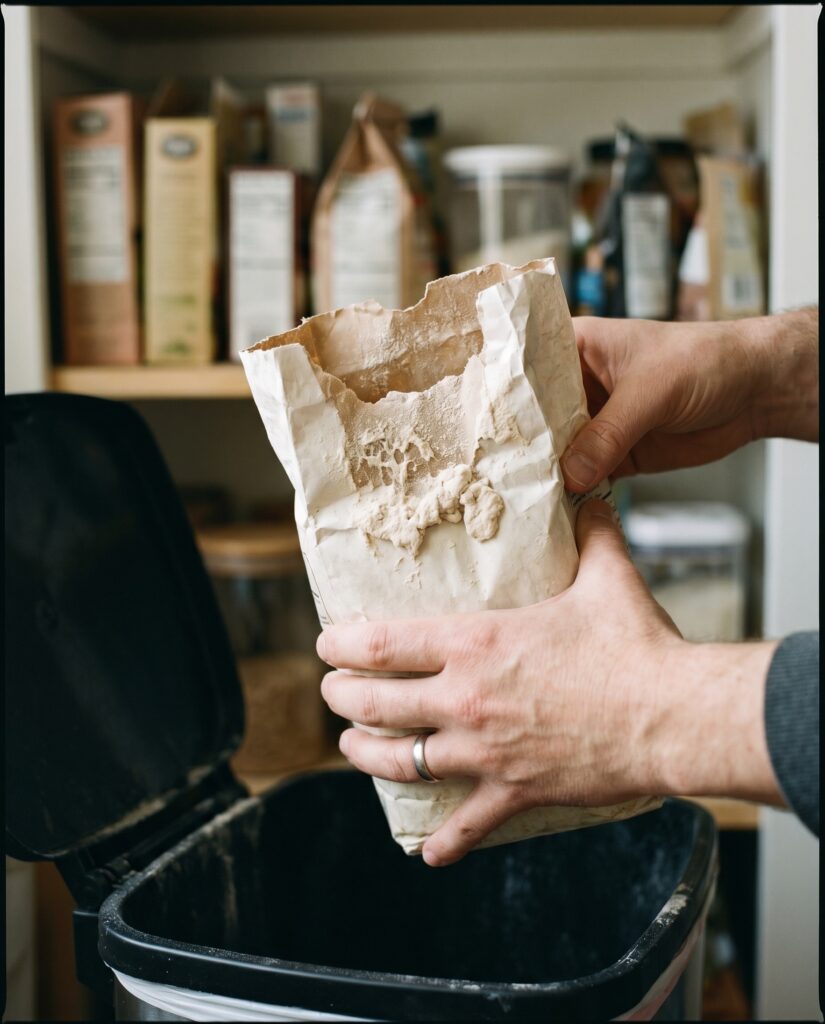
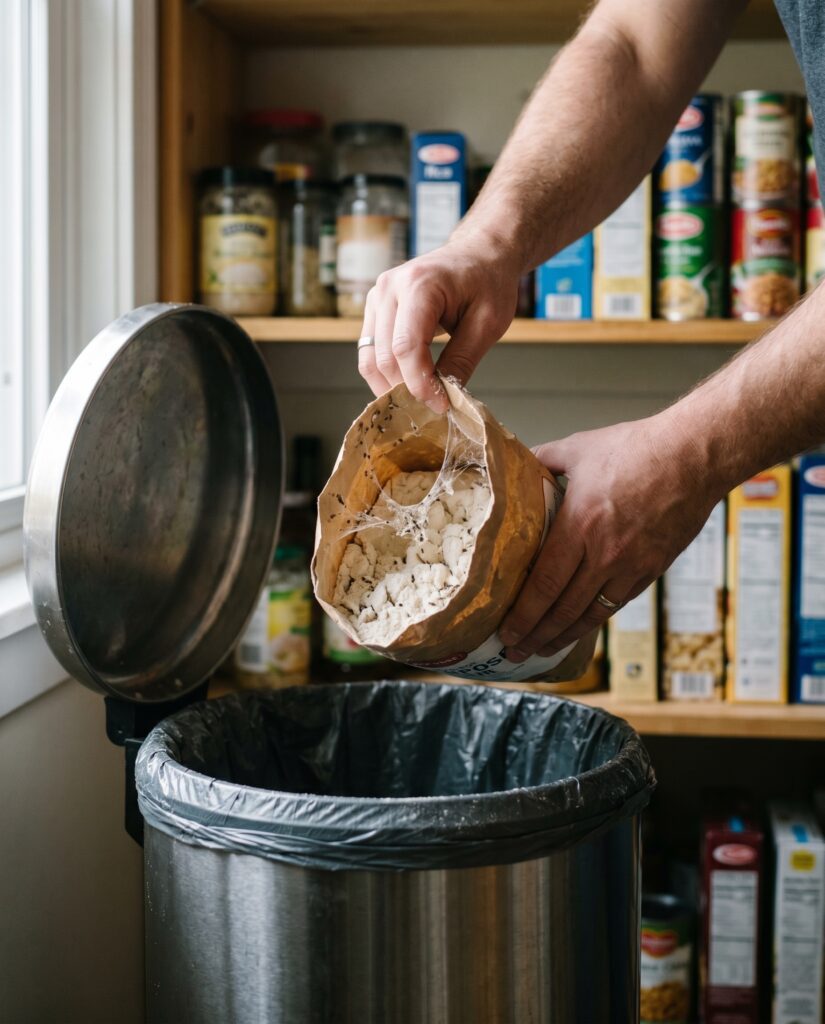
No. They use different pheromones and are not interchangeable. Pantry moths breed inside dry food, so that fix is to find and discard the infested package and vacuum the shelf seams; clothes moths need the fabric cleaned and the closet vacuumed.
nnCan I just spray everything and be done?n
A contact spray only kills the larvae it directly touches, so it cannot reach eggs and larvae tucked deep in fibers or seams. Use it on bare closet surfaces you cannot wash, and rely on cleaning, heat, or freezing for the garments themselves.
nn
Final verdict
nn
There is no single best clothes moth killer that works on its own, and any list that names one is skipping the real question: are you killing larvae or preventing the next moth. Start free by cleaning, hot-washing, or freezing the infested wool and vacuuming the closet seams, because that is what removes the larvae doing the damage. Then layer prevention: cedar blocks and herbal sachets in a clean, stored wardrobe to repel egg-laying adults, refreshed every couple of months, and a contact spray for the bare surfaces you cannot launder. Skip the idea that cedar or a sachet alone will rescue an active infestation; they repel adults and fade, while the larvae keep eating. Match the tool to the job and your wool stands a chance.
nn