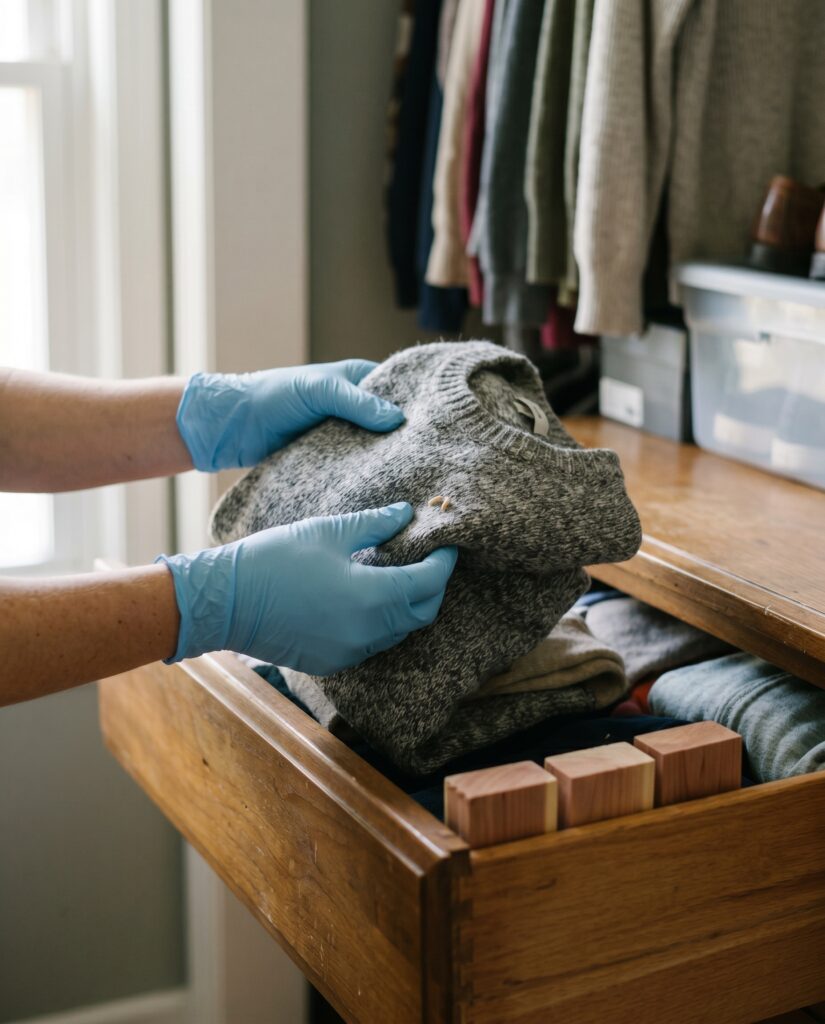
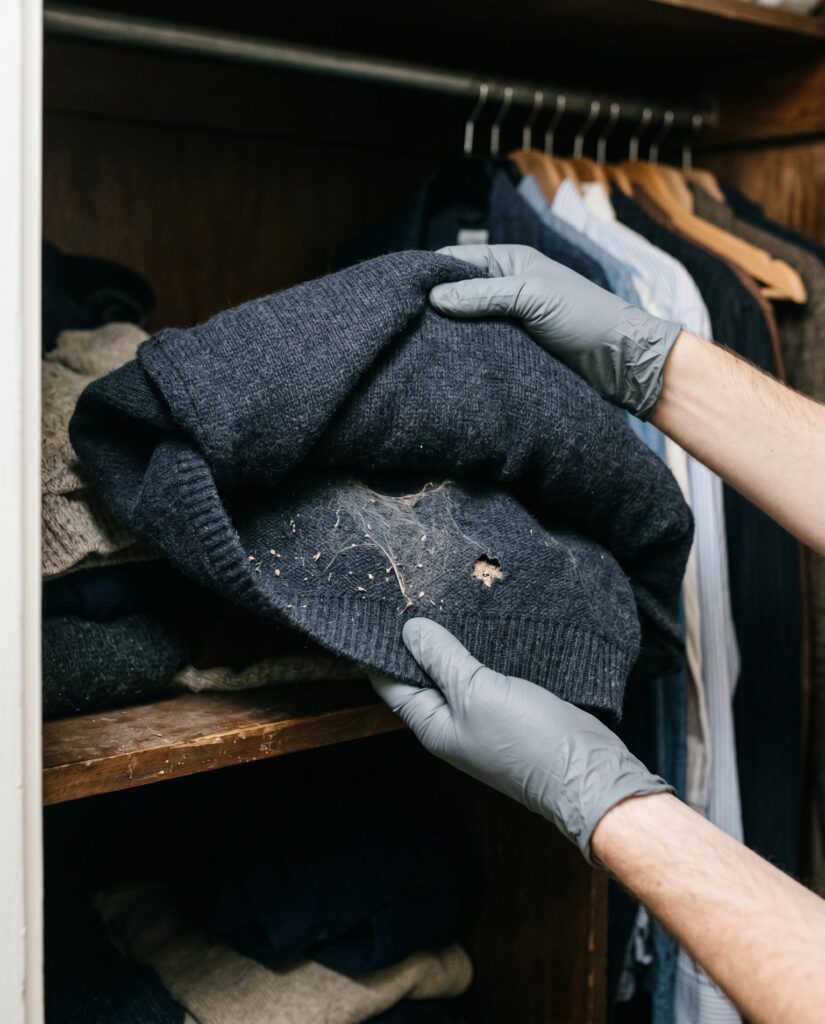
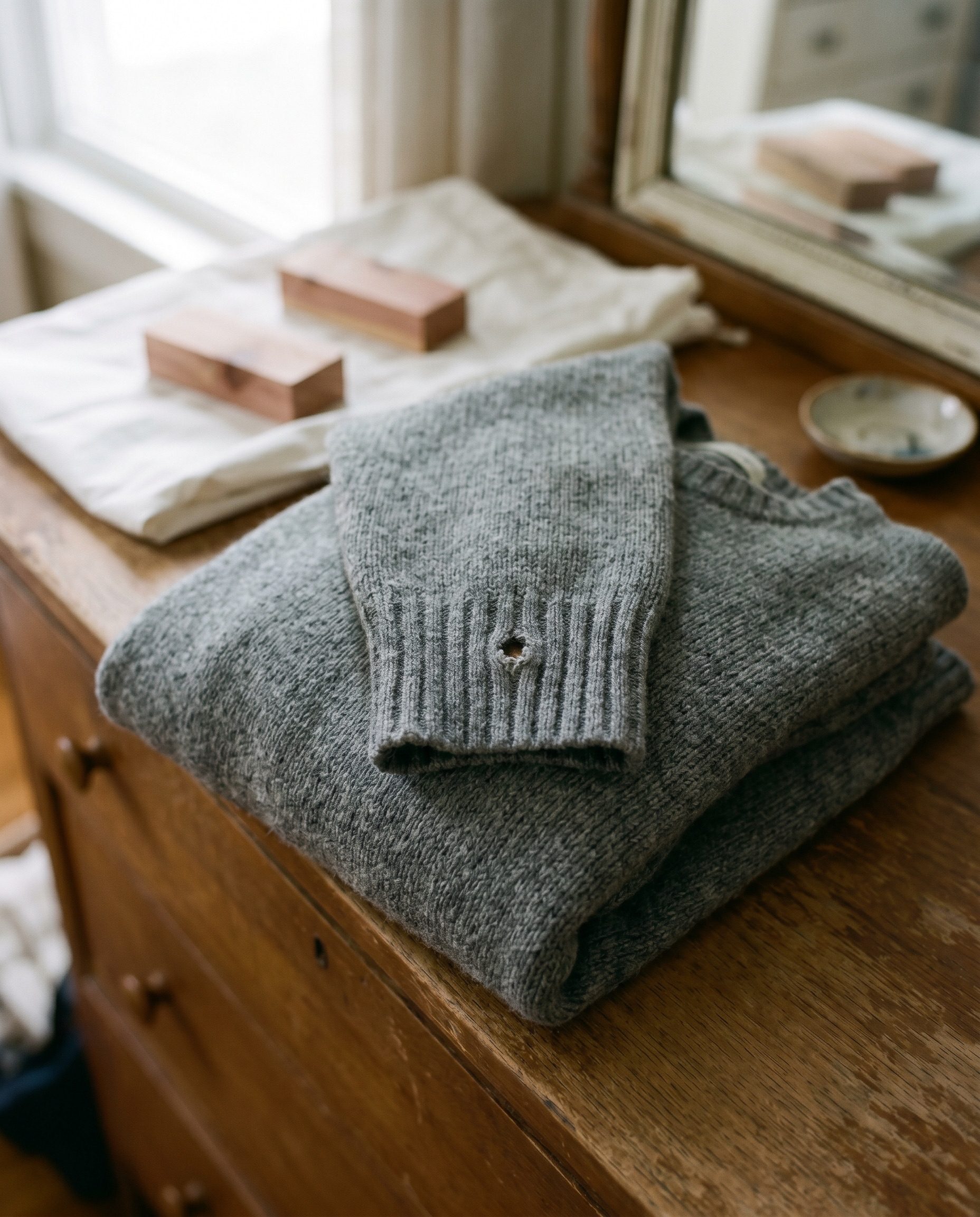
You pull a favorite wool sweater out of the closet for the first cold morning and find a small clean hole near the cuff, and the natural assumption is that a moth ate it. The adult moth fluttering around the closet did not eat anything. Adult clothes moths have no working mouthparts and live only a few weeks to mate and lay eggs, so the damage is done by the larvae. Those larvae are after keratin, the protein in animal fibers, which is why they target wool, cashmere, silk, fur, and feathers and leave pure cotton, linen, and polyester essentially alone. They go hardest at the spots stained with sweat, food, or body oils, which is exactly why the sweater you wore once and tossed in the closet gets eaten and the freshly laundered one beside it does not.
Adult clothes moths do not eat clothes at all; the larvae do, and they only want keratin in animal fibers, so wool, cashmere, silk, fur, and feathers are the targets while cotton, linen, and polyester are safe.
- What actually eats it: The larvae (small cream-colored caterpillars), never the flying adult moth.
- What they target: Wool, cashmere, silk, fur, feathers, and felt; soiled, sweat-stained areas first.
- What they ignore: Clean cotton, linen, and synthetics like polyester and nylon.
So do moths eat clothes or not
The honest answer is that the moth you see does not, and the one you do not see does. Two species cause almost all of the damage in US homes, the webbing clothes moth (Tineola bisselliella) and the casemaking clothes moth (Tinea pellionella), and in both cases the adult is harmless to your wardrobe. The adult’s whole job is reproduction, so once it emerges it cannot feed, which is why catching the flying moth does little on its own. What you are really fighting is the next generation of eggs.
The eating happens during the larval stage, when a cream-colored caterpillar a few millimeters long chews through fiber to grow. University of California’s the larvae are the ones that feed on wool and other keratin fibers makes the point plainly, and it is the single fact that changes how you respond. Kill the larvae and the food source, not the air. If you only chase the adults with a swatter, you leave the actual damage untouched.
Why keratin is the whole story
Clothes moth larvae are specialists, and the thing they specialize in is keratin, the same fibrous protein in hair, horn, hooves, and feathers. Animal-based textiles are made of it, so to a larva a wool sweater is food in the most literal sense. Plant fibers like cotton and linen are cellulose, and true synthetics like polyester and nylon are plastic, and neither one gives the larva the protein it needs to develop, so those fabrics are passed over.
That is the rule, but there is an important exception that catches people. A garment can be mostly synthetic and still get chewed if it is blended with wool or coated in something edible. A poly-wool blend has enough keratin to feed larvae, and even a pure-cotton shirt can be grazed where it is heavily stained with food, sweat, or body oils. The stain is the draw. Iowa State notes that soiled fabric with sweat, food, or body oils is the most attractive target because the residue adds nutrients and moisture the larvae use, which is the real reason a worn sweater outranks a clean one.
Which fabrics they target and which are safe
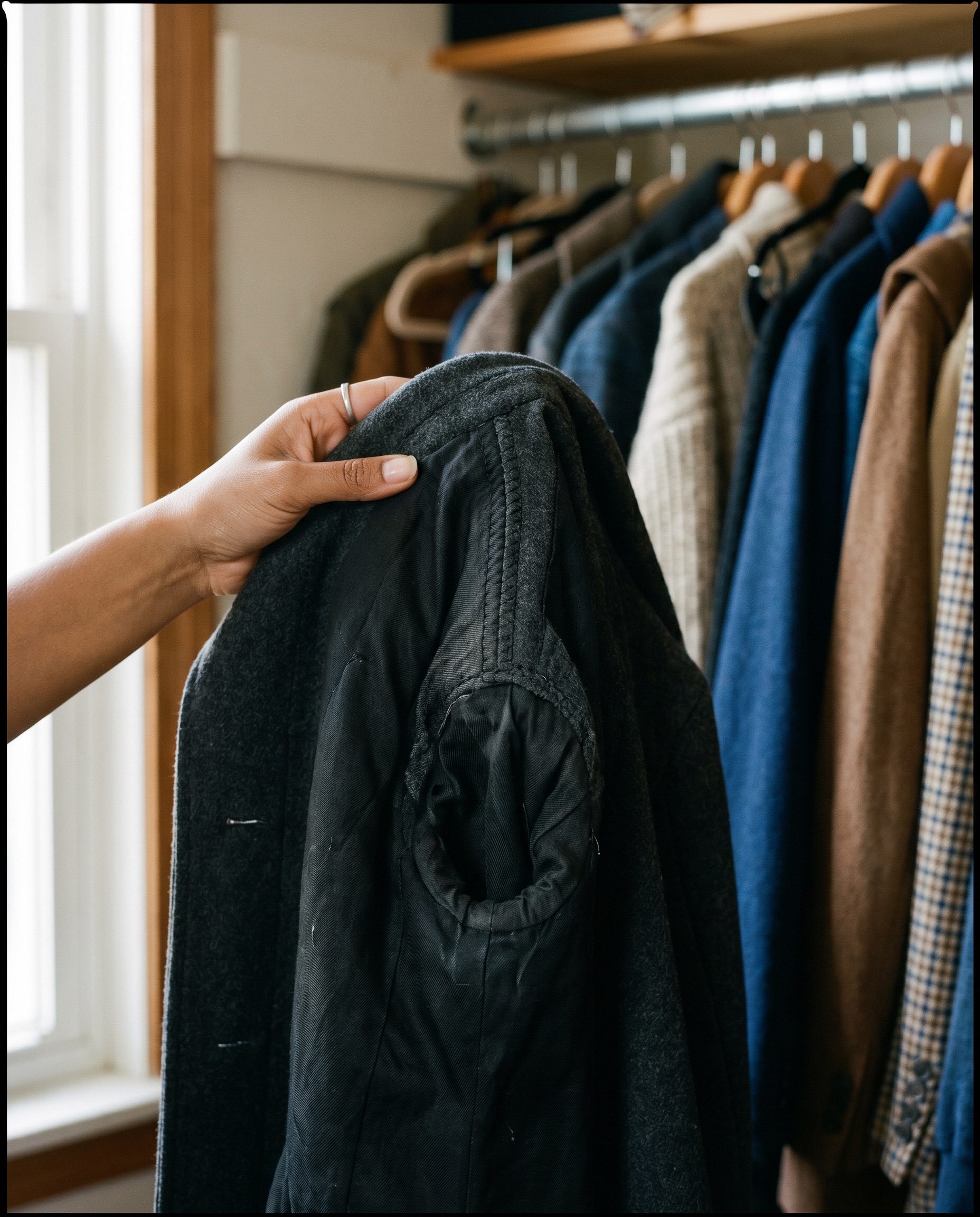
Sort your closet by what the fiber is made of and the risk map gets simple. Anything that came off an animal is on the menu, and anything from a plant or a factory polymer is mostly off it. The table below is the quick version you can run down before storing anything for the season.
| Fabric | Risk to clothes moths | Why |
|---|---|---|
| Wool, cashmere, mohair | High | Pure keratin, the larvae’s preferred food |
| Silk, fur, feathers, felt | High | Animal protein fibers larvae can digest |
| Wool or silk blends | Moderate | Enough keratin in the mix to feed larvae |
| Cotton, linen, polyester, nylon | Low | Cellulose or plastic, no keratin; risk only if soiled |
The practical takeaway is that clean synthetics and plant fibers are not at risk, so you do not need to wrap your cotton tees in cedar. Reserve your attention for the wool coats, the cashmere, the silk scarves, and the wool rugs and felted items, since those carry essentially all of the exposure. Anything you label “low risk” can still be grazed if it is filthy, so the same logic applies everywhere: a clean garment is a poor meal.
How to tell it from carpet beetle damage
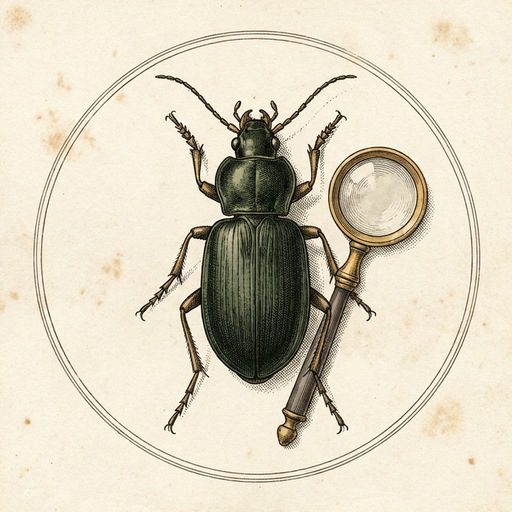
Before you blame moths, rule out the look-alike, because the fix overlaps but the evidence differs. Carpet beetles attack the same keratin fabrics, and their larvae leave similar holes, so a lot of “moth damage” is actually beetle damage. UC IPM’s guide to carpet beetles, the most common look-alike fabric pest is worth a read if you have not actually seen the culprit.
The tells are in what the larvae leave behind. Clothes moth larvae spin silk, so you will often find fine silken webbing, tubular cases, or gritty frass the color of the fabric near the holes. Carpet beetle larvae are bristly and shed brown shell-like skins as they grow, and they tend to spread their feeding over a wider area rather than concentrating it. The University of Kentucky’s breakdown of webbing clothes moths and casemaking clothes moths helps you confirm which moth you have, and our pantry moth vs clothes moth identification guide sorts the closet pest from the kitchen one, which is a different moth that wants grain, not fabric.
What to do about the larvae
Since the larvae are the problem and they live on the fabric, the fix is cleaning and temperature, not spraying the room. Wash or dry-clean the infested wool and silk, because laundering removes the larvae, the eggs, and the soiling that drew them in the first place. For items you cannot wash, freezing or cleaning the infested items is the practical fix: a few days in a home freezer kills the eggs and larvae that heat or detergent would otherwise miss.
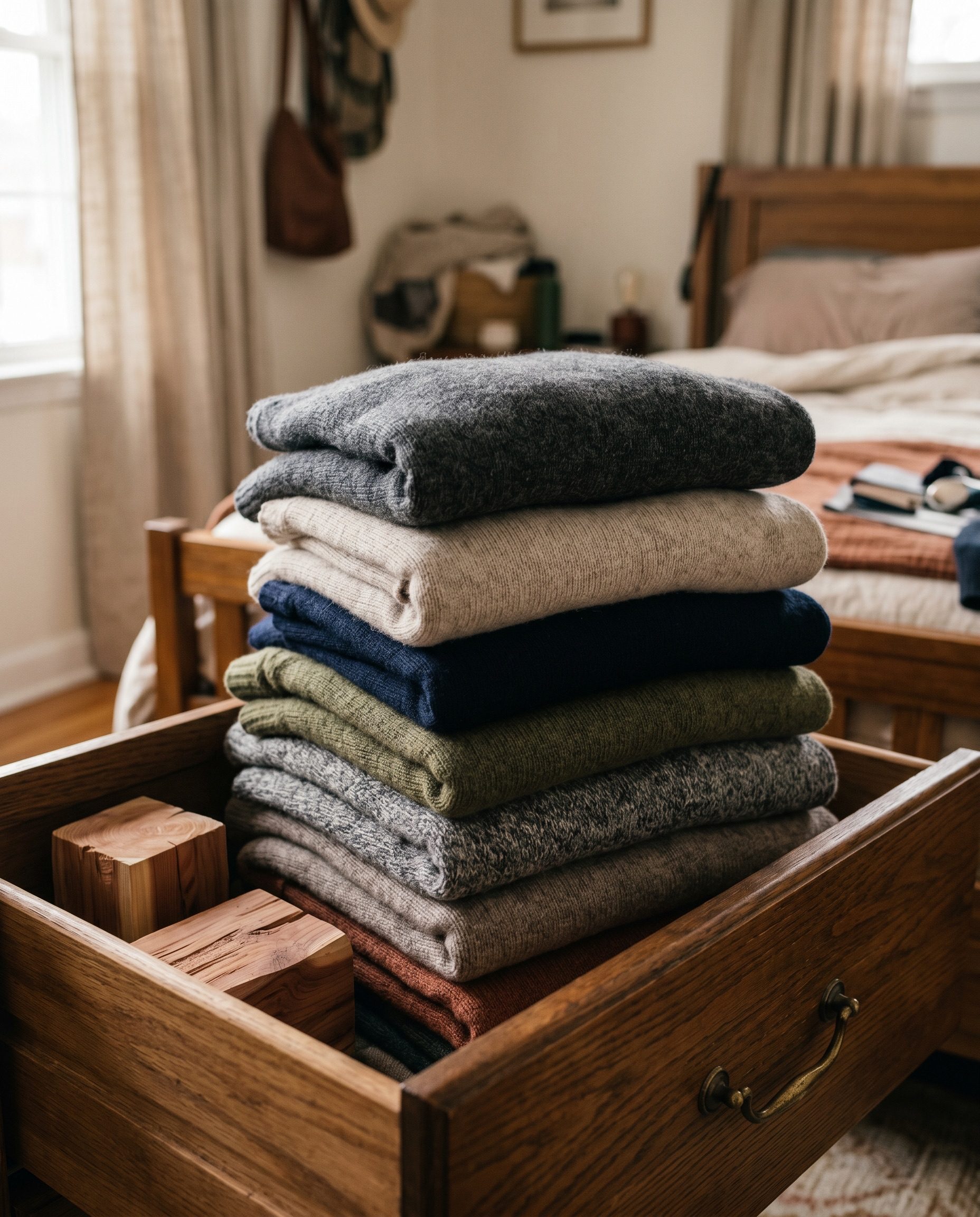
Then deny them a future. Vacuum the closet floor, corners, and baseboards where shed fibers and frass collect, store clean wool in sealed containers or breathable garment bags, and keep storage areas dry. The EPA frames this as sanitation-first, least-toxic control, which is exactly right for fabric pests, since clean stored clothing simply is not food. For the full plan, see our guide to getting rid of clothes moths, and if you want to weigh cedar, lavender, and pheromone monitors, our rundown of clothes moth killers and cedar repellents covers what each one actually does. Cedar and pheromone traps monitor and deter; they do not replace cleaning and freezing.
Common questions
Do adult clothes moths eat fabric?
No. Adult clothes moths have no functional mouthparts and cannot feed at all, so the flying moth in your closet is not the one damaging your sweaters. Its only role is to mate and lay eggs. The damage comes from the larvae that hatch from those eggs, which is why prevention focuses on the next generation rather than on the adults you can see.
Do clothes moths eat cotton or polyester?
Not on their own. Cotton and linen are plant cellulose, and polyester and nylon are synthetic, and none of them contains the keratin protein larvae need. They will only graze these fabrics where the cloth is heavily stained with food, sweat, or body oils, or where a synthetic is blended with wool. Clean cotton and clean polyester are safe.
Why are there holes in only some of my clothes?
Because the larvae go where the keratin and the soiling are. A worn wool sweater stored without washing offers both food and the sweat and oil residue larvae are drawn to, while a freshly laundered one of the same fiber is a far poorer meal. Synthetics and clean plant-fiber clothes usually come through untouched.
Will cedar or mothballs stop them?
Cedar can repel and slow larvae when the aroma is strong and the space is sealed, but it loses potency over time and does not kill an active infestation. The reliable fix is still cleaning, freezing, and sealed storage. Treat cedar and pheromone traps as monitoring and deterrence layered on top of sanitation, not as a standalone cure.
Are the holes a sign my home is dirty?
No more than any pest is. Clothes moths follow keratin, not clutter, and a spotless home with wool and cashmere can host them just as easily. What raises the risk is unwashed animal-fiber clothing sitting undisturbed in a dark closet, since that combination gives larvae food, moisture, and quiet.
Final verdict
Do moths eat clothes? The flying adult does not eat anything; the larvae do, and they only want keratin, so your wool, cashmere, silk, fur, and feathers carry essentially all of the risk while clean cotton, linen, and polyester are safe. The larvae feed hardest where fabric is stained with sweat, food, or body oils, which is why a worn sweater gets holes and a laundered one does not. Confirm it is moths and not carpet beetles by looking for silk webbing and color-matched frass, then fix it by cleaning, freezing, or hot-laundering the affected animal-fiber items and vacuuming the closet, not by spraying the air. Store everything clean and sealed, and the next generation never gets a meal.
Next steps:
– Build the full removal plan with our guide to getting rid of clothes moths.
– Decide what to put in the closet with our rundown of clothes moth killers and cedar repellents.
– Make sure you have the right moth with our pantry moth vs clothes moth identification guide.