If you have rats, the best rat trap is the one a rat will actually touch, and that is a question of patience before hardware. Rats are neophobic, meaning they avoid anything new in their path, so the move that beats every gadget is to set unset, baited traps for several days until the rats feed freely, then arm them all on the same night. Reach for a heavy wide-pedal snap or a rat-sized electronic trap for a fast, clean kill, and pair the trapping with sealing the gaps they use to get in. For our own garage we keep a few wide-pedal snaps and one electronic trap on hand, nothing more. Most lists rank a trap by its kill power; the real lever is placement and trust, and the comparison below sorts the picks by where each one earns its place.
Rats are neophobic, so pre-bait unset traps for several days, then arm them all at once; use a heavy wide-pedal snap or a rat-sized electronic trap for a clean kill, and pair trapping with exclusion, because a trap the rat avoids catches nothing.
- Do first (free): Set traps unset and baited for three to seven days so wary rats feed without fear, then arm them together.
- Best for the common case: A heavy wide-pedal snap trap, or a rat-sized electronic trap, placed along walls where rats travel.
- Skip: Glue boards and ultrasonic plug-ins; one is inhumane and weak, the other shows no reliable effect.
Pre-bait before you arm
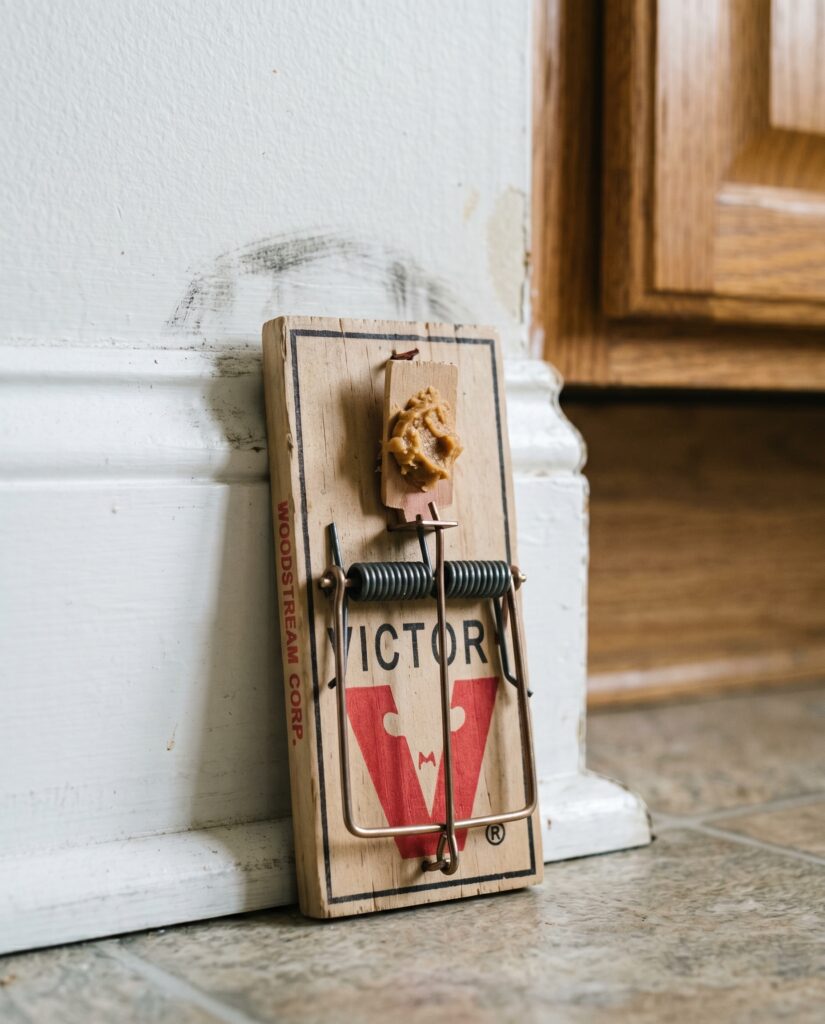
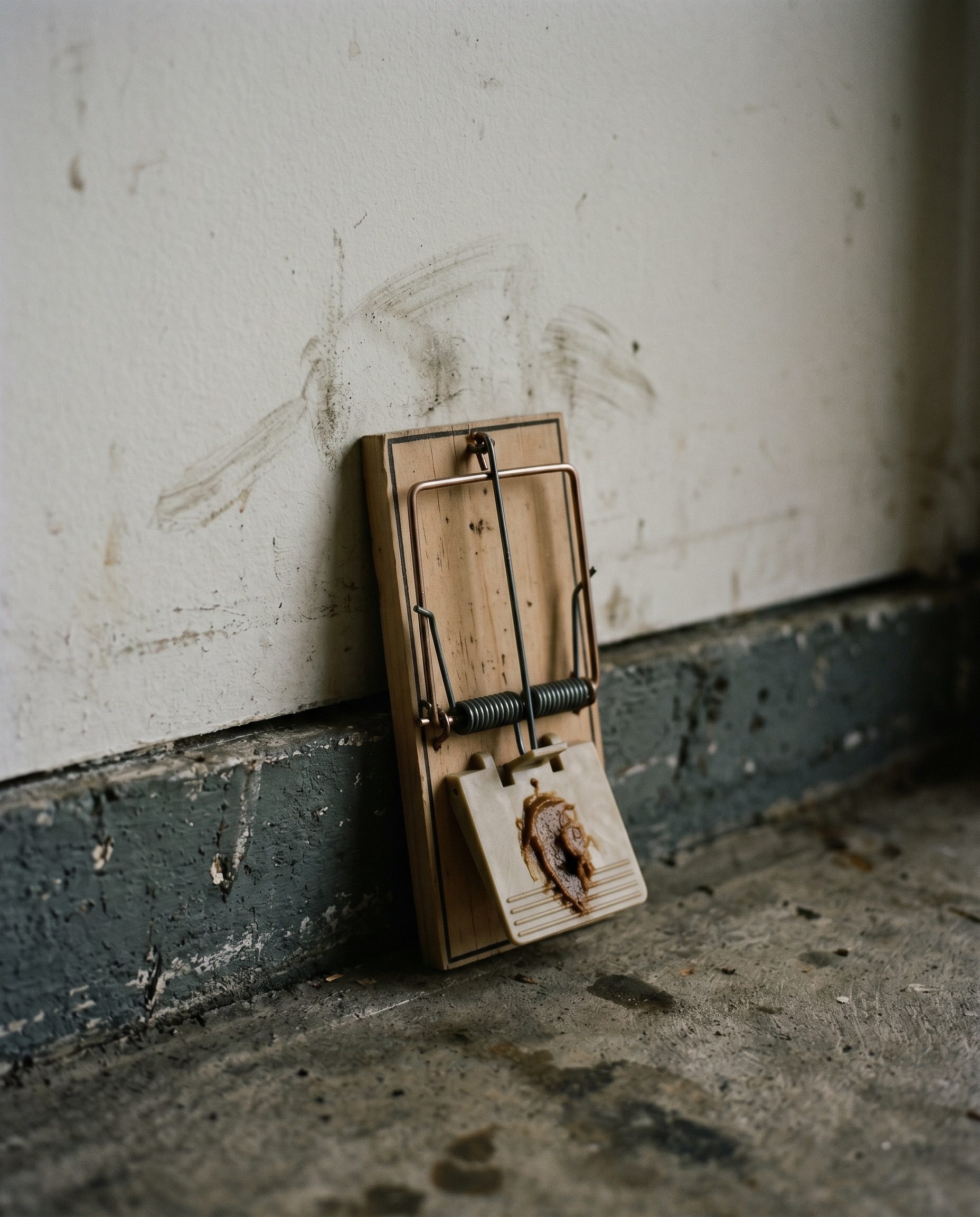
The single thing that separates a full trap from an untouched one costs nothing: build trust first. Because rats are cautious of new objects, a trap dropped down fully set on night one usually gets avoided, sometimes for a week. Set the trap in place but leave it unset, smear a little bait on the pedal, and let the rats feed off it freely for three to seven days. Once the bait is disappearing every night, arm every trap at the same time so you catch several before the survivors turn shy again. The UC IPM guidance on controlling rats describes this neophobia directly and is why patience out-catches a stronger trap every time. Our full walkthrough on how to get rid of rats lays out the order step by step.
Bait choice matters less than people think, but stickiness helps. A dab of peanut butter, a piece of dried fruit, or a nesting scrap tied to the pedal so the rat has to work at it will out-pull a loose chunk it can grab and run with. Tie or smear the bait so the rat must tug the trigger, not lift a free meal off the top. Use enough traps, too: a handful set close together does far more than one trap moved around, because you are not trying to outsmart one rat, you are catching a population.
Why glue boards and ultrasonic fail
Here is the part most “top rat trap” lists gloss over. Glue boards look cheap and easy, but they are both inhumane and unreliable on rats. A rat is strong enough to drag a board, tear free leaving skin and fur behind, or sit stuck and suffering for a long time, which is the opposite of the fast kill you want. A snap or electronic trap kills cleanly in a moment; a glue board does neither. If you care about doing this humanely, and most people do once they have seen a glue-board catch, that alone settles the choice.
Ultrasonic plug-in repellers are the other money sink. They promise to drive rodents out with sound, but UC IPM’s review of rodent control finds ultrasonic devices ineffective at clearing an infestation, with any startle effect fading fast as rats habituate. Poison bait is a different trap, and it should be a last resort, not a first reach. Loose bait poisons more than rats: a dog or cat that eats a poisoned rat, or the bait itself, and owls and other wildlife up the food chain, all suffer secondary poisoning. The EPA’s rodenticide safety guidance warns about exactly that risk, and the EPA restricts the most hazardous second-generation rodenticides for consumer use for the same reason. If you do reach for bait, use only locked, tamper-resistant stations, never loose pellets, and read our take on rat and mouse bait stations before you buy. For most homes, trapping plus sealing the gaps is the safer, more controllable route.
Snap vs electronic vs glue
Once you have ruled out the dead ends, the live choice is short: a heavy wide-pedal snap, a rat-sized electronic trap, or, for stubborn cases, both. Decide by where the rats are and how squeamish you are about resetting and disposal, not by the loudest claim on the box.
| Trap type | Best for | Watch-out |
|---|---|---|
| Wide-pedal snap | Most situations; reusable, cheap, fast kill | Must be rat-sized; pre-bait or wary rats avoid it |
| Electronic trap | Indoor use, no-touch disposal, clean kill | Costs more; needs batteries; size it for rats not mice |
| Glue board | Not recommended for rats | Inhumane and unreliable; rats pull free or suffer |
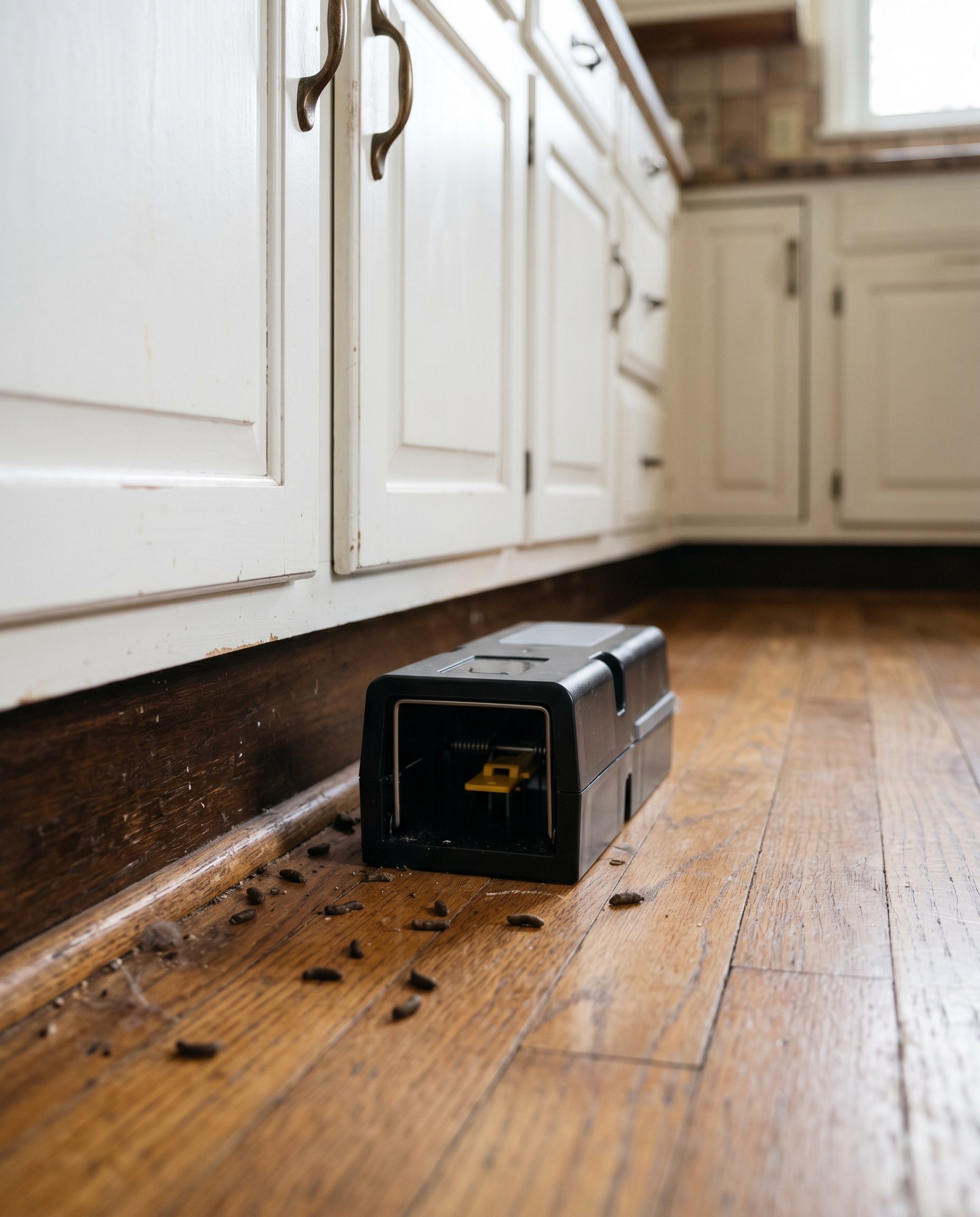
The two that earn a place do different jobs. A wide-pedal snap is the workhorse because it is cheap enough to deploy in numbers, reusable, and triggers reliably for a cautious rat that only puts a foot on the edge. An electronic trap shines indoors where you would rather not see or handle the catch, since it kills in a sealed chamber and you tip the body out without touching it. One firm rule on both: size the trap for a rat. A mouse-sized snap will snap on a rat without killing it cleanly, and a mouse electronic unit will not deliver a lethal charge to a rat, which is why matching the tool to a rat beats grabbing whatever is on the shelf. If you are not certain which rodent you have, our guide to telling mice, rats, and other rodents apart sorts it out by droppings and size.
Where to place rat traps
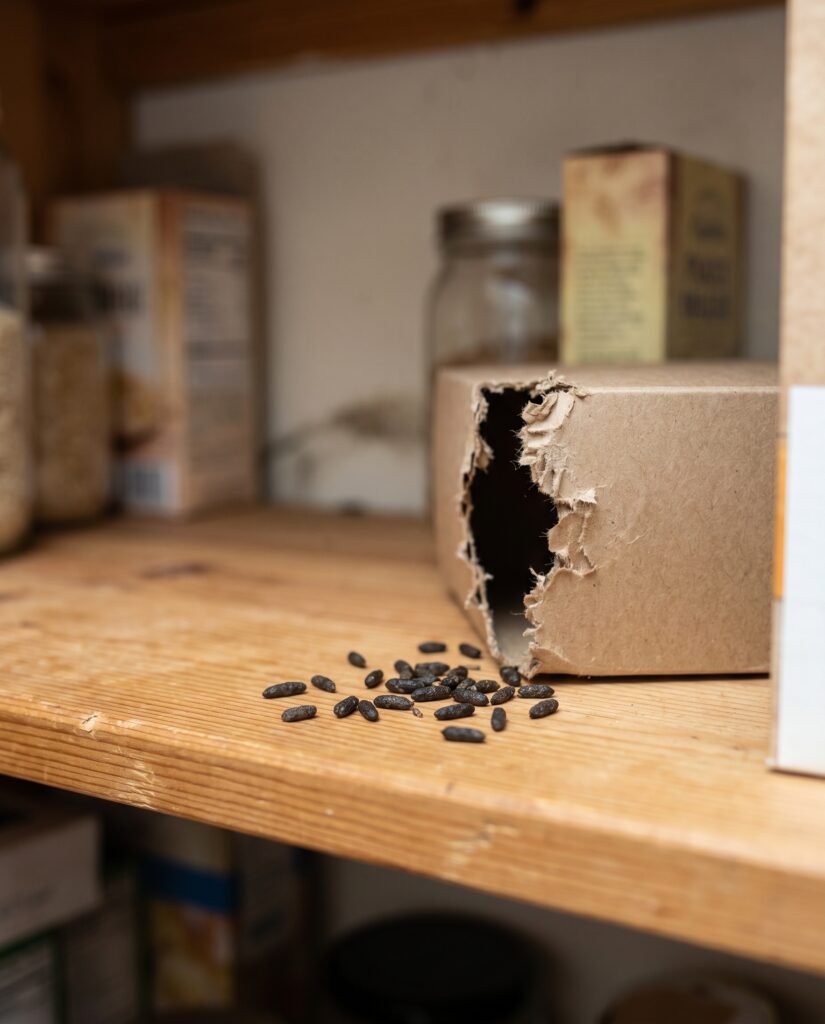
Placement is where most home trapping goes wrong. Rats run along walls, not across open floors, so set traps flush against the baseboard with the trigger end toward the wall, in the path the rat is already using. Look for the route first: greasy rub marks, gnaw damage, and the dark, capsule-shaped droppings that mark a runway, and put the trap there rather than where you happened to see the rat. Place traps along walls every few feet, perpendicular to the wall with the pedal nearest it, in pairs at the heaviest sign. The UC IPM rat control guidance is built around reading these travel routes and harborage before you set anything.
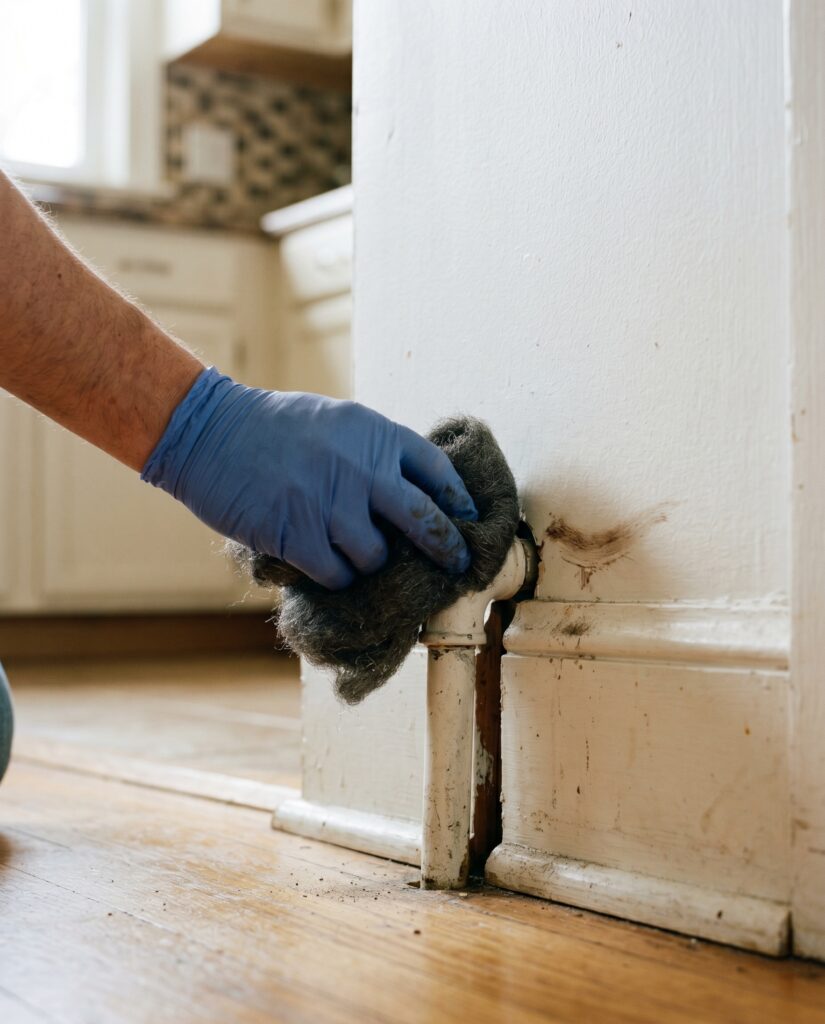
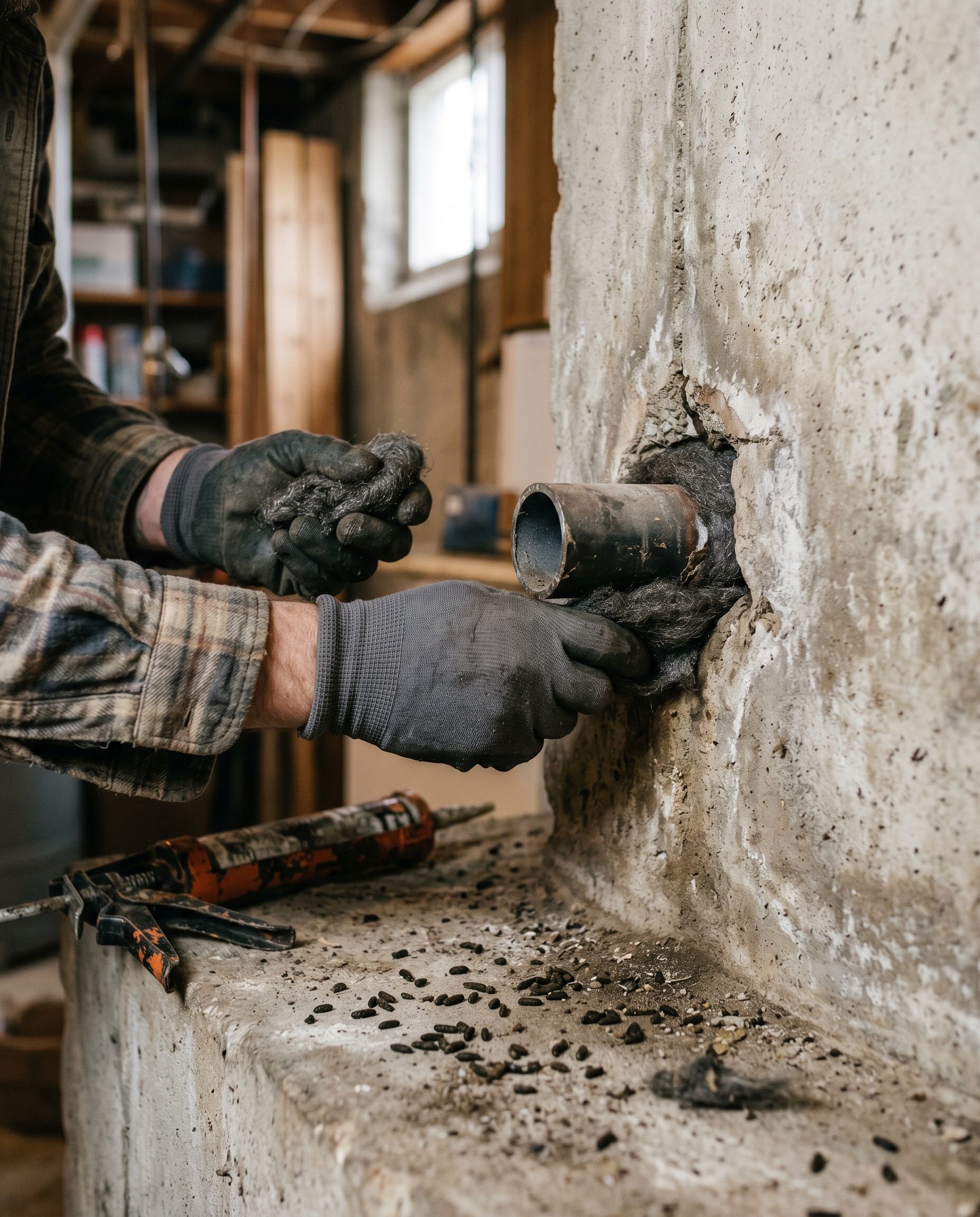
Trapping clears the rats inside; exclusion keeps the next ones out. Walk the exterior and seal every gap wider than about a quarter inch, packing coarse steel wool or hardware cloth into pipe penetrations and stuffing it before you caulk over it, because a rat will gnaw through foam and soft sealant alone. The EPA’s safe pest control principles put this kind of exclusion and sanitation ahead of any chemical, and it is the step that turns a one-time catch into a lasting fix. Cut off the food and water too: secure pet food, fix drips, and clear the clutter and woodpiles against the house that give rats harborage.
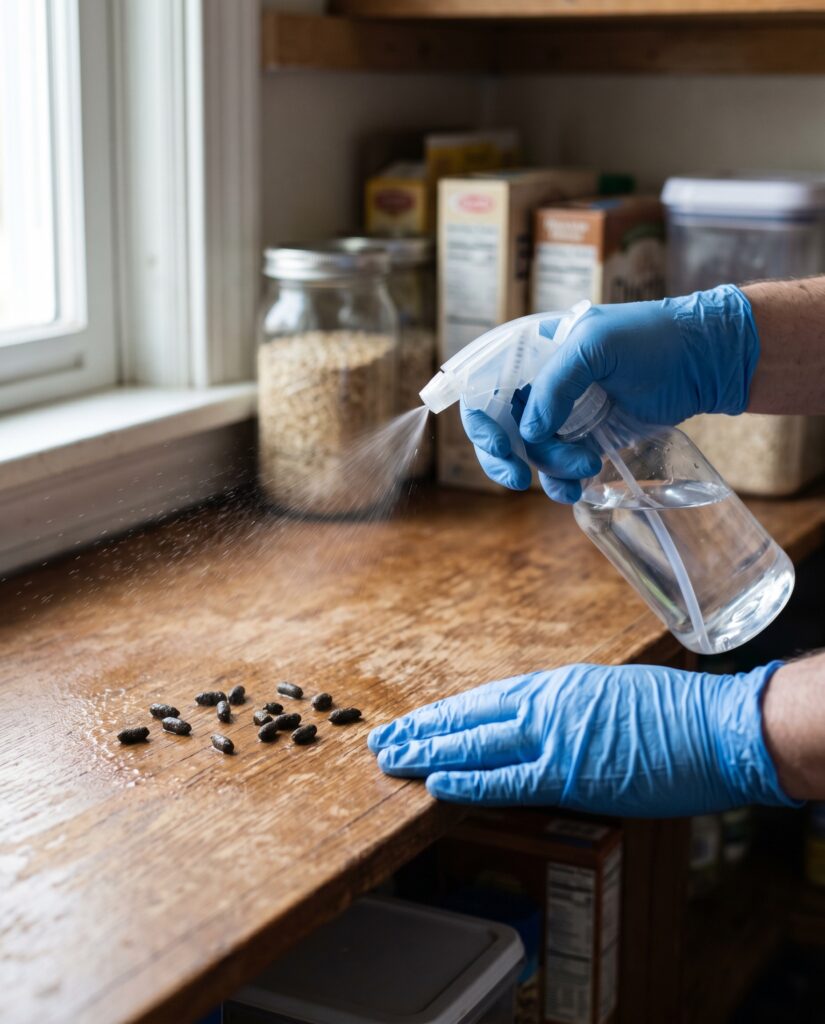
When you do clean up after the rats, never sweep or vacuum dry droppings, because that can stir rodent-borne germs into the air. Open windows to ventilate the space first, then wet the droppings and the area with a disinfectant or a diluted bleach solution, let it sit, wipe it up while wearing gloves, and bag the waste. If anyone develops fever, body aches, or trouble breathing in the weeks after a heavy rodent cleanup, see a doctor and mention the exposure.
The picks
These come after the analysis on purpose, because the technique decides the catch and the trap is just the tool you arm at the end. All three are common, widely available rat traps, sized for rats and chosen for a clean, fast kill.
InsectoGuide is reader-supported. As an Amazon Associate we earn from qualifying purchases at no extra cost to you.
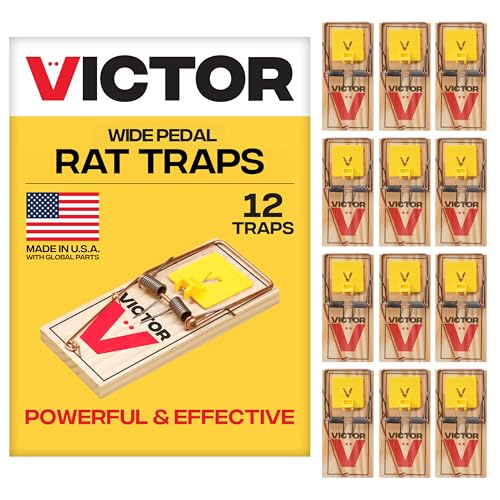
The reusable workhorse for most rat jobs; pre-bait it, then arm in numbers.
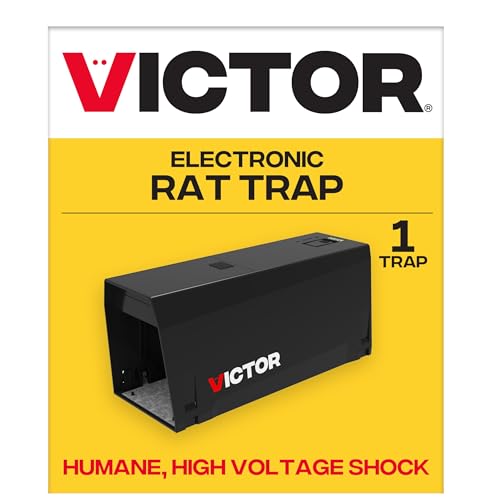
For indoor use when you want a clean kill and no-touch disposal.
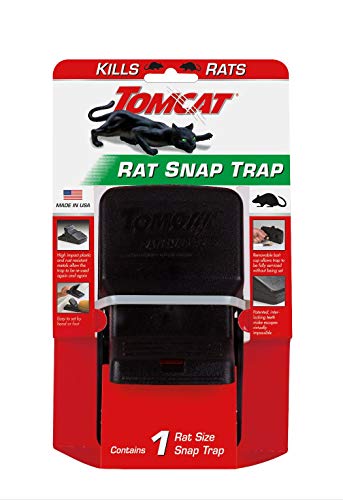
A simple rat-size snap that is easy to pre-bait, then arm and reset.
Common questions
Why isn’t my rat trap catching anything?
Almost always because it was armed too soon. Rats avoid new objects, so a trap set live on day one often sits untouched. Leave it unset and baited for several days until the bait is going each night, then arm it, and place it tight against a wall on the rat’s travel route, not in the open.
Are snap traps or electronic traps better?
Both kill cleanly when sized for rats, so it comes down to setting. Wide-pedal snaps are cheap, reusable, and easy to deploy in numbers, which is what catches a population. An electronic trap costs more but gives you no-touch, no-see disposal indoors, which many people prefer for a kitchen or pantry.
Should I just use rat poison instead?
For most homes, no. Poison is a last resort because of secondary poisoning of pets, owls, and other wildlife that eat a poisoned rat, and the EPA restricts the most hazardous rodenticides for consumer use. If you use any, put it only in locked, tamper-resistant stations, never loose, and keep it away from children and pets.
Do ultrasonic rat repellers work?
Not as a real solution. Extension reviews find no reliable effect from ultrasonic devices on rodent infestations, and rats quickly get used to the sound. Spend the money on traps and on sealing the gaps rats use to get in.
How do I clean up rat droppings safely?
Do not sweep or vacuum them dry, since that can put rodent-borne germs into the air. Open windows to air out the room, wet the droppings with a disinfectant or diluted bleach solution, let it sit, then wipe up and bag the waste while wearing gloves. See a doctor if anyone gets fever or breathing trouble afterward.
When should I call a professional?
If the rats keep coming despite steady trapping and you have sealed the obvious gaps, or if you cannot find where they are entering, bring in a licensed pest professional. Heavy infestations and rats nesting inside walls or structure often need expertise a homeowner cannot easily replicate.
Final verdict
There is no single best rat trap that wins on hardware alone, and any list that ranks one without mentioning neophobia is skipping the part that decides the catch. Pre-bait unset traps for several days, then arm them all at once, and put them tight against walls on the routes rats already travel. Reach for a heavy wide-pedal snap as the everyday workhorse and a rat-sized electronic trap when you want a clean, no-touch kill indoors. Skip glue boards, which are inhumane and unreliable, and skip ultrasonic repellers, which show no real effect. Treat poison as a last resort in locked stations only, and pair whatever you choose with sealing the gaps and cutting off food, because exclusion is what keeps the next rat from taking the first one’s place.