If you are reaching for rodent poison, slow down first, because for most homes it is the wrong opening move. Rodenticide carries a real risk of secondary poisoning to pets, owls, and other wildlife that eat a poisoned rodent, and the EPA restricts the most hazardous formulas for home use. The short answer: seal entry points and set snap traps tonight, and if you do use bait at all, only ever put it inside a locked, tamper-resistant station, never loose. In our own garage we keep a couple of stations on hand for stubborn exterior runs, but the traps do the indoor work. Most lists rank a poison block first; this guide treats the station as a last resort and shows where trapping beats it.
Poison is a last resort: it can secondarily poison pets and wildlife, the EPA restricts the harshest formulas, and for most homes trapping is safer, so if you bait at all, use only a locked tamper-resistant station and never loose bait.
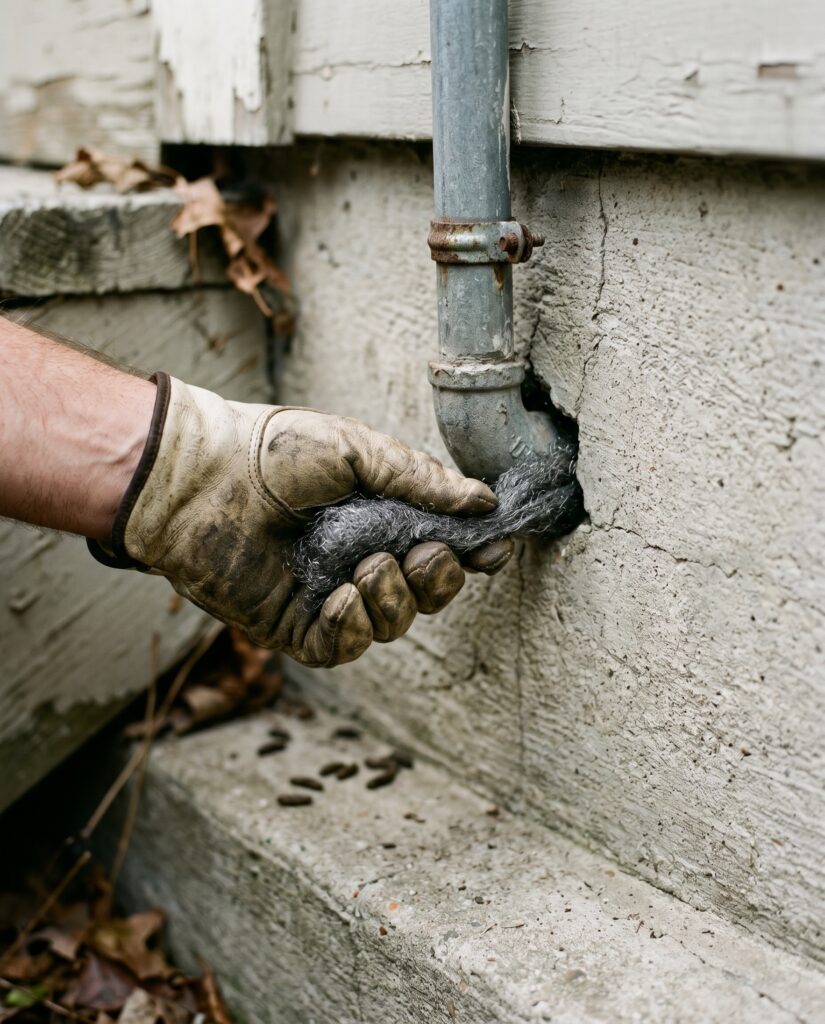
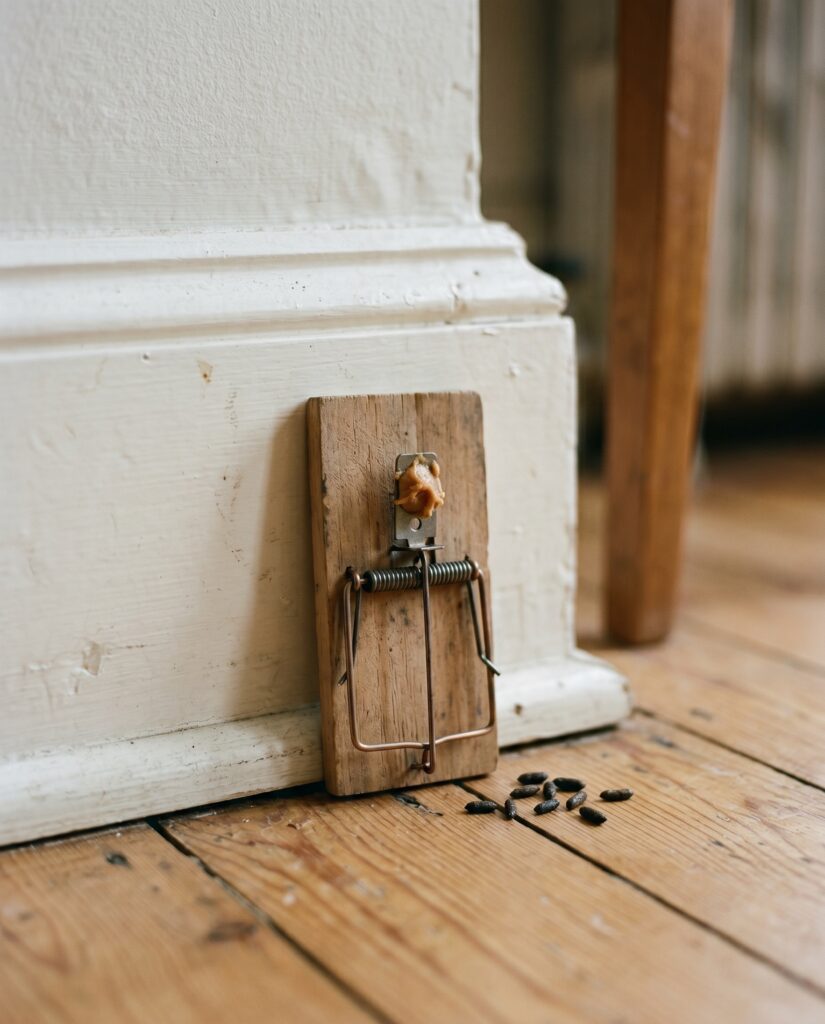
- Do first (free): Seal gaps with steel wool and caulk, clean up food sources, then set snap traps along the walls.
- If you must bait: Use a locked, tamper-resistant station only, placed where pets and kids cannot reach it.
- Skip: Loose pellets or trays, glue boards, and ultrasonic plug-ins; they are unsafe, inhumane, or simply do not work.
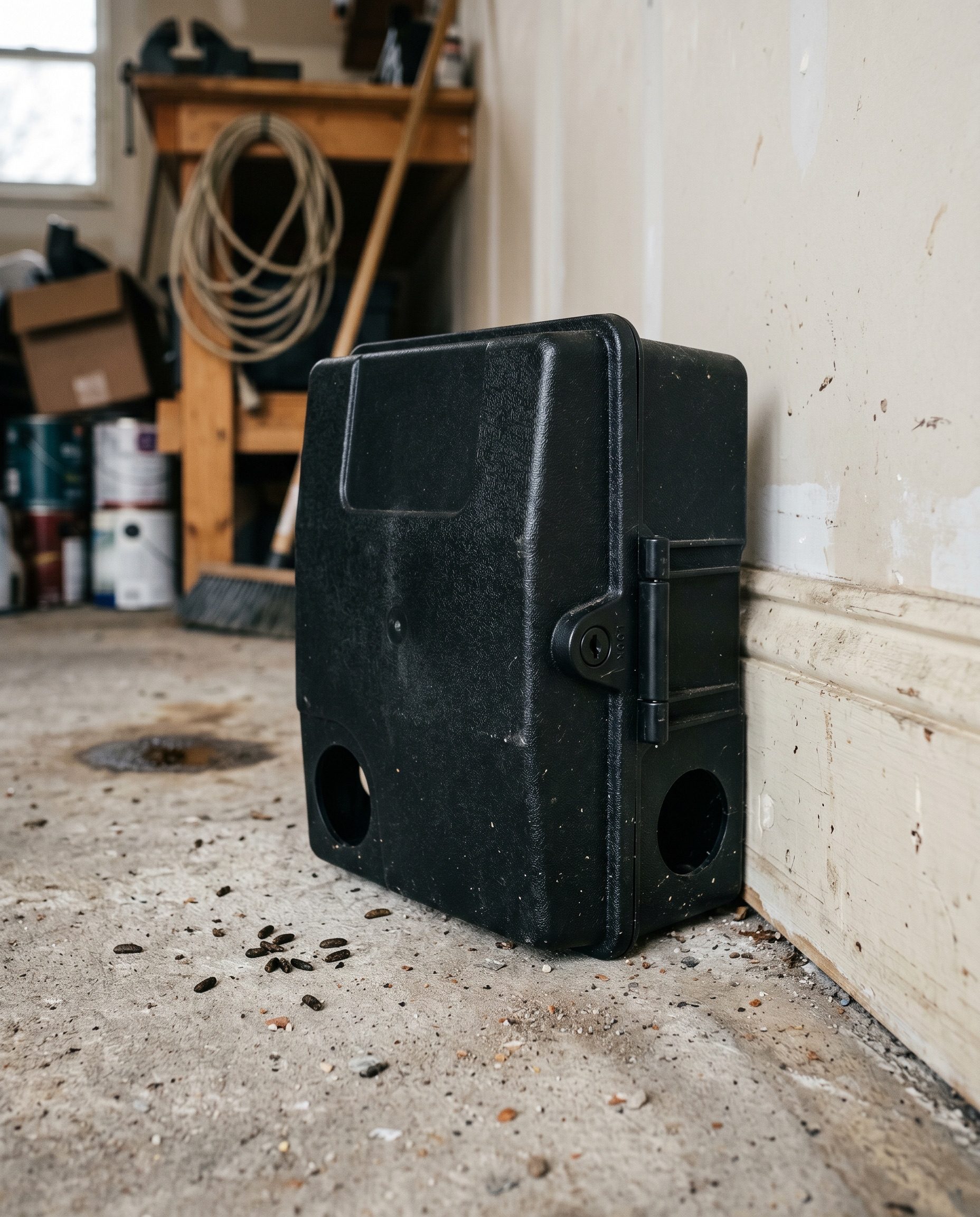
Why poison comes last
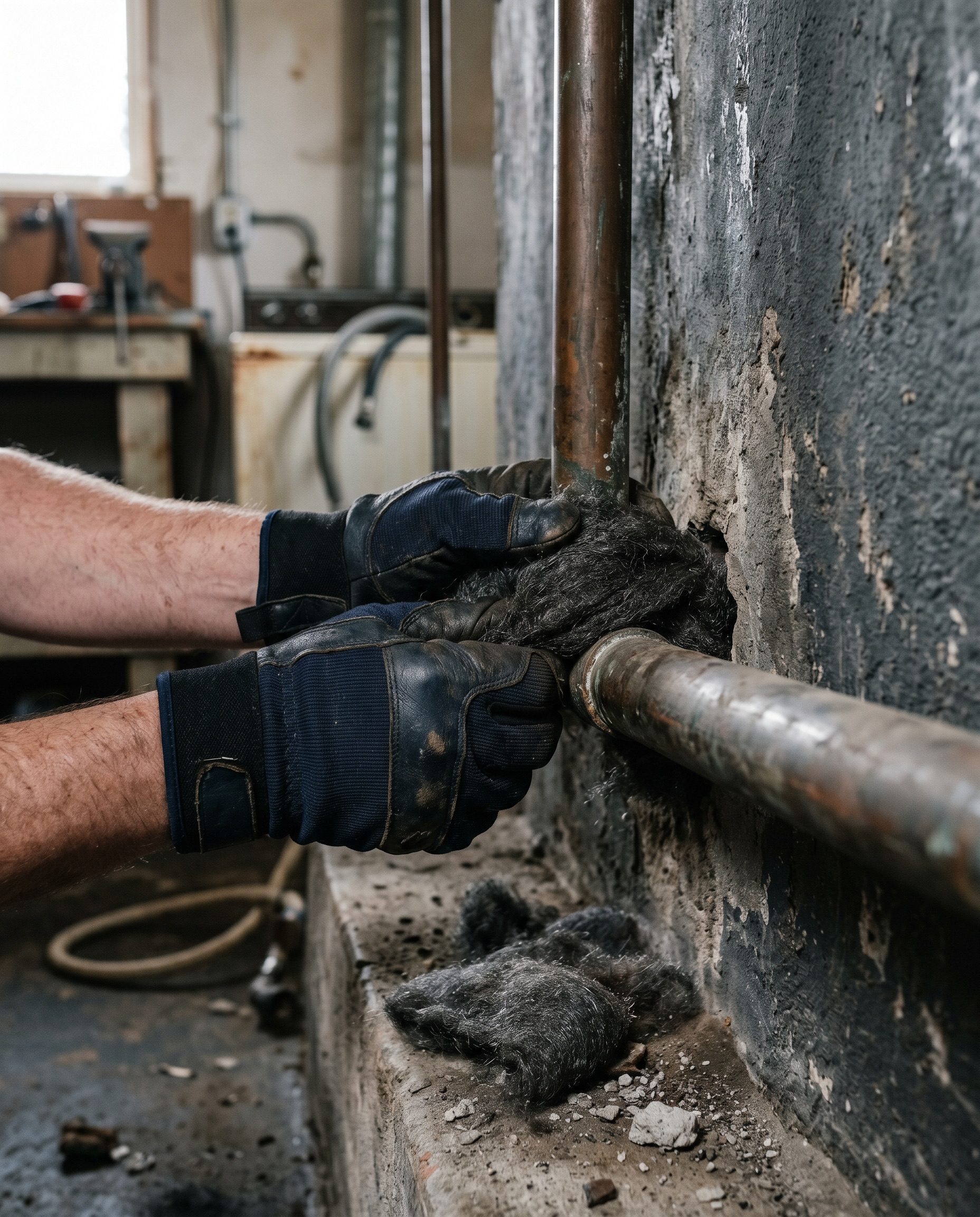
Before any bait, do the free part, because a station treats the symptom while exclusion fixes the cause. Mice slip through a gap the width of a pencil and rats through one the size of a quarter, so pack coarse steel wool into entry holes, seal them with caulk, and clear the open food and clutter that feed the colony. The UC IPM Pest Notes on the house mouse puts exclusion, sanitation, and trapping ahead of poison for exactly this reason, and our full guide to getting rid of mice walks the sequence step by step.
Here is the part most “top poison” lists skip. A poisoned rodent does not vanish; it dies in a wall or out in the yard, where a cat, dog, hawk, or owl can eat it and be poisoned in turn. The EPA’s rodenticide safety guidance is direct that this secondary poisoning is a documented hazard to pets and wildlife, which is why the agency now restricts the most dangerous second-generation anticoagulants from general consumer shelves. Poison also gives you no proof of a kill and no carcass to remove on your terms. A trap does both. For most homes, that makes trapping the safer, cleaner first choice, and bait the tool you reach for only when traps cannot cover an active exterior burrow.
Traps vs poison stations
The honest comparison is short. A trap kills on the spot, lets you confirm the catch, and keeps the dead rodent out of the food chain. A bait station works slowly, hides the result, and only earns its place where you cannot run a trap line, such as an exterior rat run or a crawlspace you rarely enter. Even then, the station has to be the locked, tamper-resistant kind, because the whole point is to keep the bait away from a curious dog or a toddler.
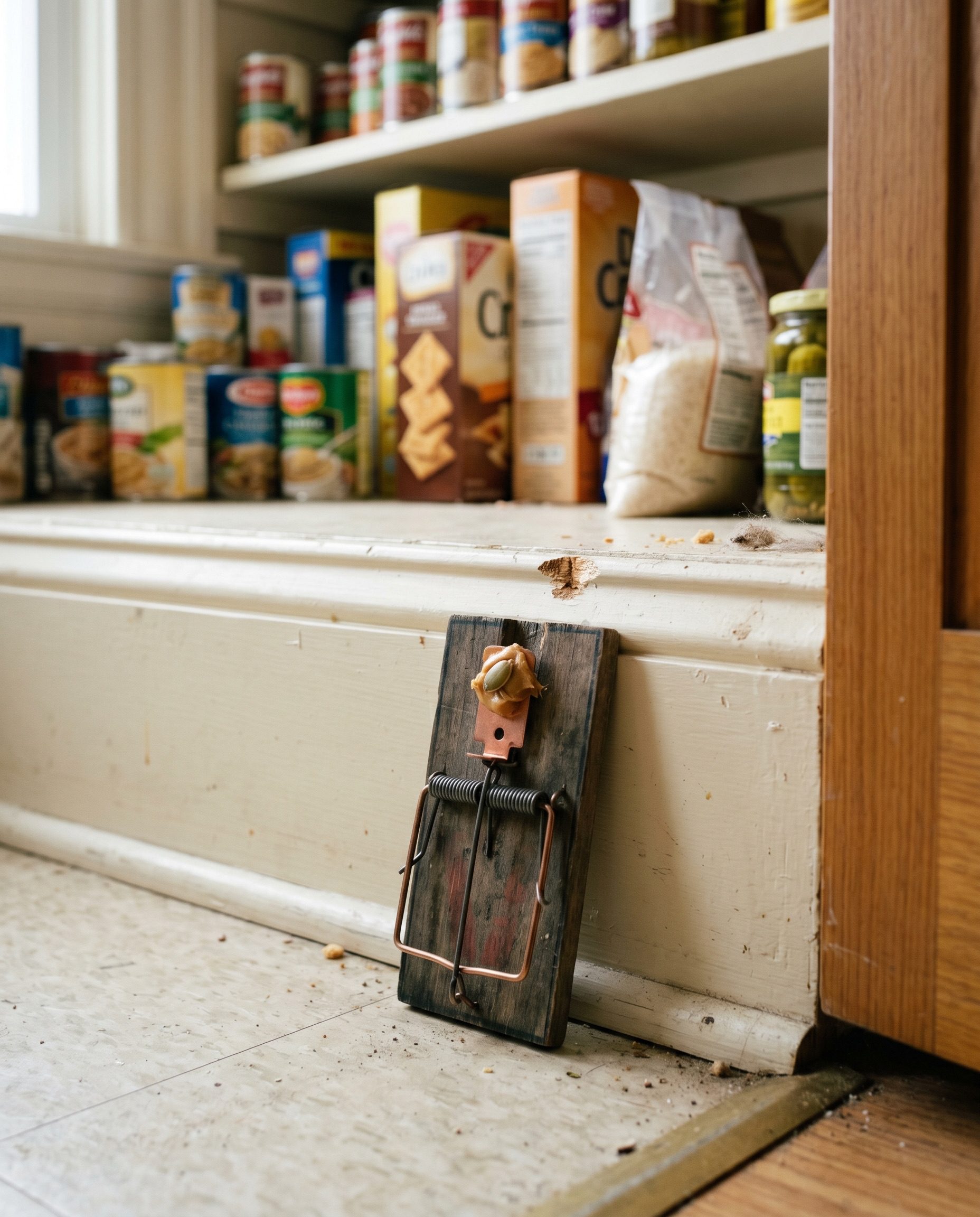
One firm rule on trap choice: use snap or electronic traps, not glue boards. Glue boards are inhumane, since the animal dies slowly of stress and exhaustion, and they are also less effective on a wary rat that simply steps around them. The UC IPM Pest Notes on rats notes that rats are neophobic and avoid new objects for days, so set unset traps first to get them feeding, then arm them. Our roundups of the best mouse traps and the best rat traps cover the snap and electronic options worth running before any poison.
Pick the right station
If you have decided a station is genuinely warranted, choose by who can get near it and how often you will service it. The point is to match the station to the setting, not to grab the biggest box on the shelf.
| Station type | Best for | Watch-out |
|---|---|---|
| Pre-filled ready-to-use | A quick exterior run with no refilling | Still a last resort; keep away from pets and kids, follow the label |
| Refillable lockable | Ongoing exterior control you service yourself | You handle bait blocks; secondary-poisoning risk remains |
| Snap or electronic trap | Most homes, indoors and out | Reset and empty regularly; the safer default |
Why not just buy the cheapest tray of loose pellets? Because loose bait is the single most dangerous form, easy for a pet or child to reach and easy for a rodent to drag into the open. A locked station keeps the bait enclosed, holds the blocks on a rod so they cannot be carried off, and that containment is the only reason a homeowner should ever use poison at all. The EPA’s safe pest control principles put non-chemical methods first and treat enclosed, tamper-resistant baiting as the controlled exception, not the default.
How to place and service it
Place a station along the wall where rodents already travel, since they run with one side against a surface rather than crossing open floor. Set it flush against the baseboard or foundation, with the openings facing the runway, and lock the lid before you walk away. Service it on a schedule, because an unchecked station is a hidden hazard, not a solution. Read and follow the product label every time, since under federal law the label is the law and it tells you exactly where the product may be used and how often to check it.
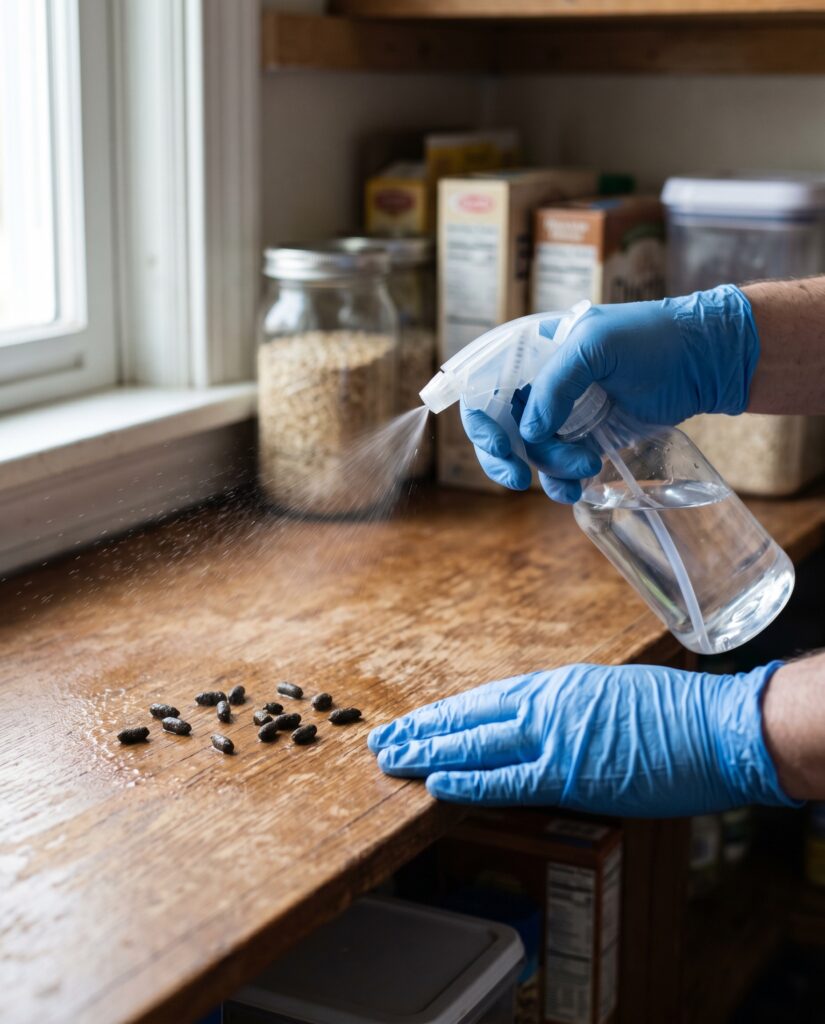
Treat the bait as the poison it is. Keep stations out of reach of children and pets, never place them where a dog can nose the unit loose, and never set a station indoors where a pet roams if a trap would do the same job. If a pet or child may have gotten into the bait, contact a doctor, your veterinarian, or your local poison control center right away, and bring the product label with you. Watch the yard for dead or dying rodents and remove any carcass promptly with gloves so a scavenging owl or neighbor’s cat cannot eat it, which is the practical front line against the secondary poisoning the EPA warns about.
One more honest call-out: skip the ultrasonic plug-in repellers. The evidence that they drive out mice or rats is weak, and the UC IPM house mouse guidance reports they do not provide reliable control. They are a distraction from the exclusion and trapping that actually work.
The picks
Cards come after the analysis on purpose, because the decision to bait should come first. If you have ruled out trapping for a specific exterior job, these three are common, widely available tamper-resistant stations, and every one is a last-resort tool, not a first move.
InsectoGuide is reader-supported. As an Amazon Associate we earn from qualifying purchases at no extra cost to you.
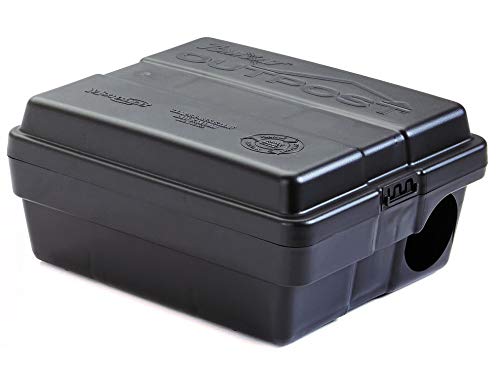
A six-pack of lockable stations for an exterior perimeter run.
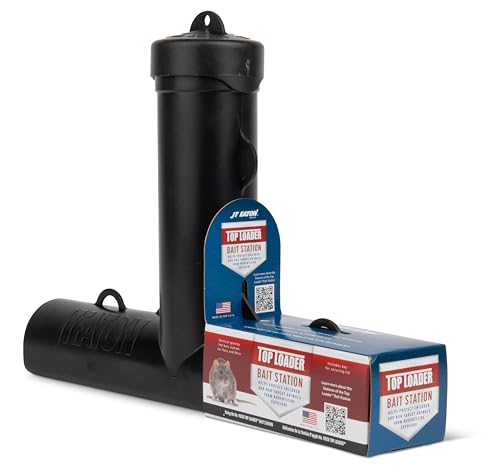
A refillable key-locked station for control you service yourself.
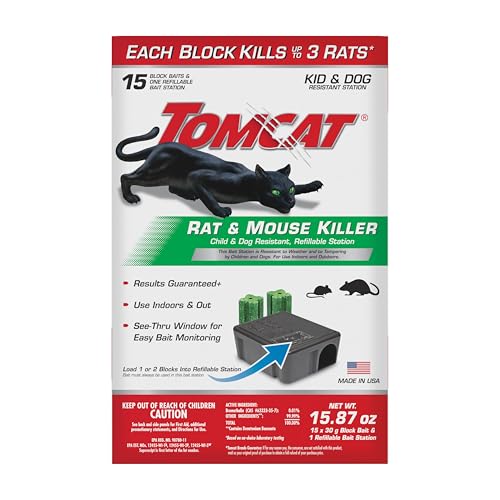
A ready-to-use child- and dog-resistant station you can refill later.
Common questions
Should I use poison or traps for mice?
For most homes, traps. Snap and electronic traps kill on the spot, let you confirm the catch, and keep the dead mouse out of the food chain. UC IPM ranks exclusion and trapping ahead of poison, and bait only earns a place where you cannot run a trap line, such as an exterior run.
Are rodent bait stations safe around pets?
Safer than loose bait, but not risk-free. A locked, tamper-resistant station keeps a dog or child from reaching the blocks, yet a pet can still be poisoned by eating a rodent that ate the bait. Place stations where pets cannot nose them loose, and if exposure happens, contact your vet or local poison control center.
Why does the EPA restrict some rat poisons?
Because the strongest second-generation anticoagulants build up in poisoned rodents and harm the hawks, owls, and pets that eat them. The EPA restricts those products from general consumer use for that reason, which is one more argument for trapping first.
Do ultrasonic repellers get rid of rats?
No. The evidence that ultrasonic plug-ins drive out rodents is weak, and Extension testing finds no reliable effect. Spend the money on sealing entry points and a few good traps instead.
Is loose bait ever okay?
No. Loose pellets or trays are the most dangerous form, easy for a pet or child to reach and easy for a rodent to drag into the open. If you bait at all, the bait belongs locked inside a tamper-resistant station, full stop.
Final verdict
Poison is the last tool you should reach for, not the first, and any list that ranks a bait block at the top is skipping the safer answer. Start free by sealing entry points with steel wool and caulk, cleaning up food sources, and setting snap traps along the walls, the route UC IPM and the EPA both put ahead of chemicals. If a stubborn exterior run leaves you no trap-friendly option, step up to a locked, tamper-resistant station, place it against the runway out of reach of pets and kids, service it on schedule, and remove any carcass promptly so an owl or a cat cannot eat it. Skip loose bait, glue boards, and ultrasonic plug-ins entirely; they are unsafe, inhumane, or simply do not work, and the station is a careful exception, never the default.