If you are shopping for the best rodent repellent, the honest answer is that the gadget aisle will not solve this. Ultrasonic plug-ins largely do not work, there is little credible evidence they drive rodents out, and any startle effect fades fast as mice get used to the sound. Natural peppermint sprays and pouches are, at best, mild short-term deterrents. The only thing that actually keeps rodents out is exclusion plus sanitation, so treat any repellent as a minor add-on, not the plan. In our own house the things we keep on hand are a roll of steel wool, a tube of caulk, and a few good snap traps, not a four-pack of plug-ins. Most lists rank an ultrasonic device first; that is the one to skip, and the comparison below shows why.
Skip the ultrasonic plug-in, because mice habituate to it and the evidence does not back it; seal entry points and clean up food first, and treat peppermint sprays or pouches as a mild add-on rather than the fix.
- Do first (free): Find and seal pencil-width gaps with steel wool and caulk, then remove food, water, and clutter.
- Mild add-on: A peppermint spray or pouch in a drawer or car, refreshed weekly, as a short-term scent deterrent only.
- Skip: Ultrasonic plug-in repellers; Extension reviews find no reliable, lasting effect on rodents.
What to do first
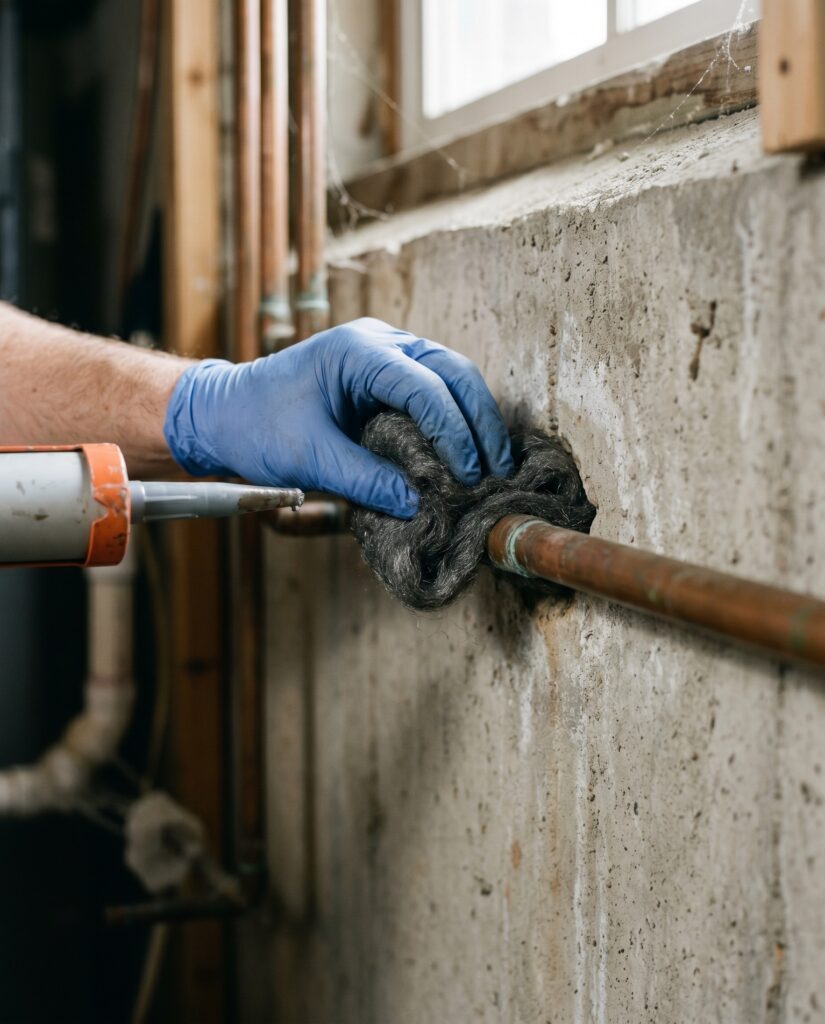
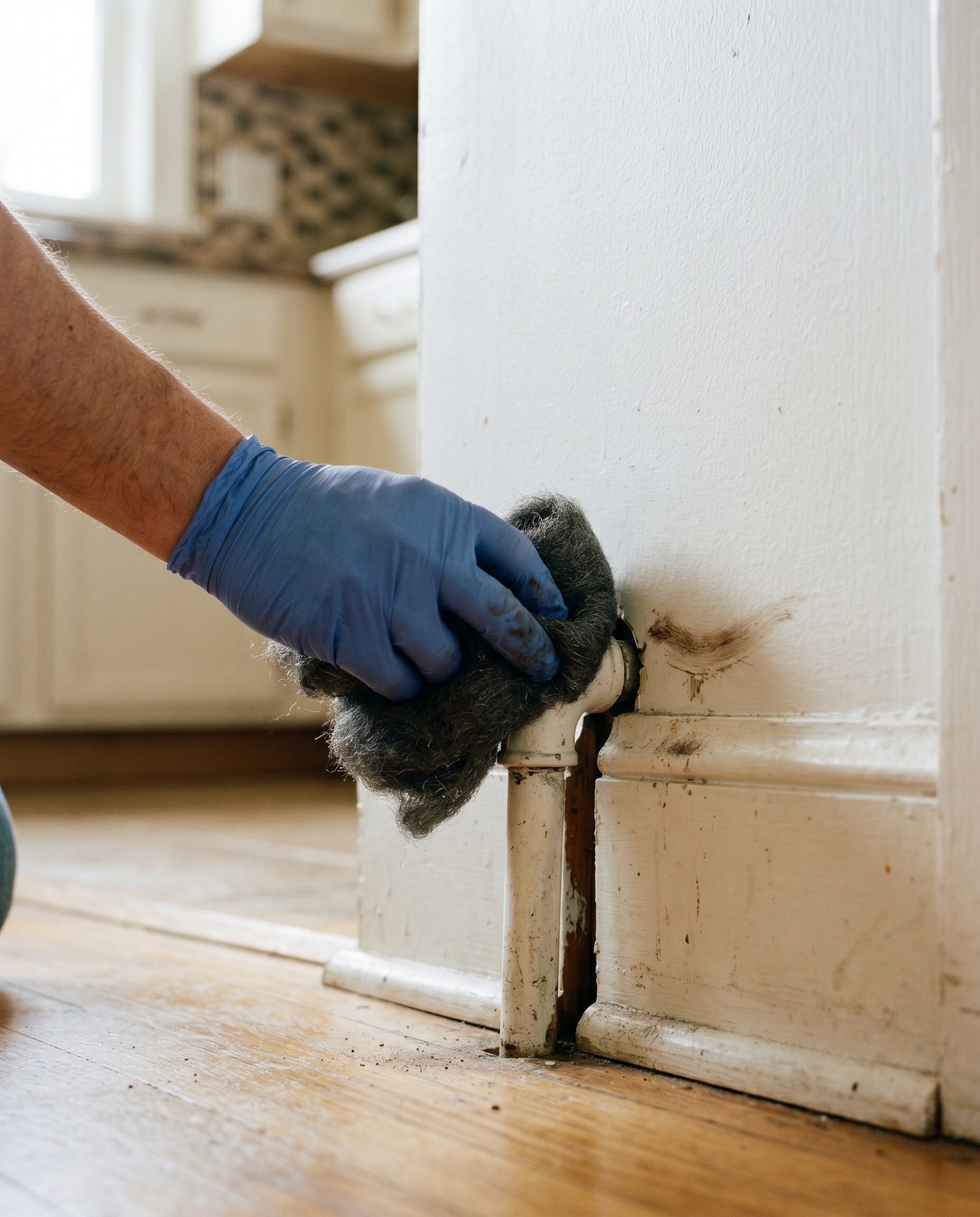
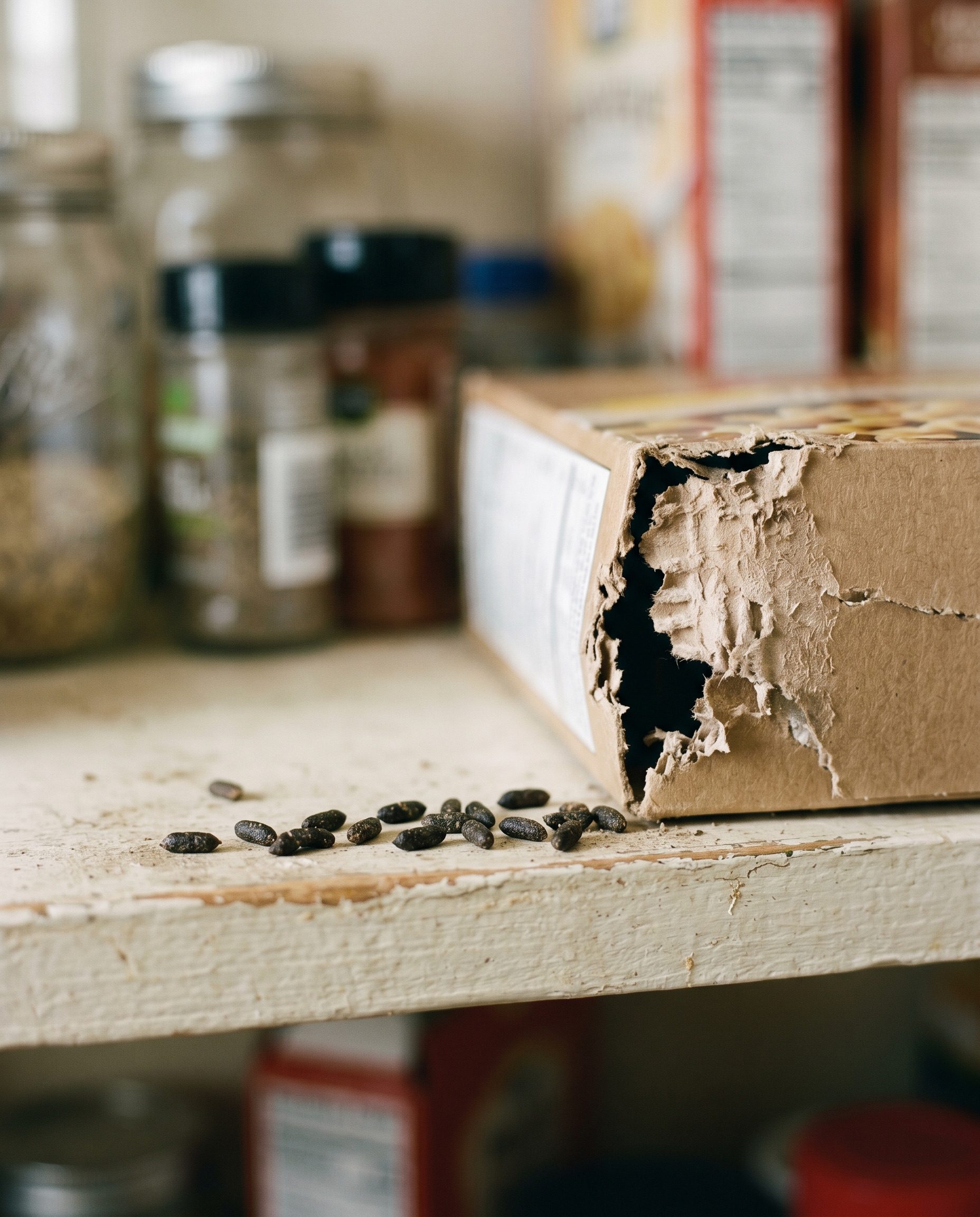
Before any device or spray goes on the shopping cart, do the free part, because a repellent in a house full of open entry points and crumbs is money set on fire. A house mouse can squeeze through a gap the width of a pencil, so walk the perimeter and the interior and find every hole around pipes, vents, dryer ducts, and the gaps under doors. Pack steel wool or copper mesh into each gap and seal it with caulk or hardware cloth, because mice chew through foam and plain caulk alone. The UC IPM Pest Notes on the house mouse puts exclusion and sanitation first for exactly this reason: shut the door and remove the food, and you remove the reason rodents stay. Our step-by-step guide to mouse-proofing a house walks the building exterior gap by gap.
Then take away the buffet. Store pantry staples and pet food in sealed metal or thick plastic bins, fix dripping faucets, and clear the cardboard and clutter that gives rodents cover and nesting material. Sanitation does half the work that no repellent can do, and it costs nothing but an afternoon. A repellent is worth considering only after the gaps are sealed and the food is locked up, never as a substitute for either. If you already have an active infestation, our walkthrough on how to get rid of mice covers trapping and cleanup in order.
Why ultrasonic plug-ins fail
Here is the part most “top repellent” lists bury. Ultrasonic devices promise to flood a room with high-frequency sound that rodents cannot stand, but the science does not hold up. The EPA’s IPM-first safe pest control guidance steers homeowners toward sealing, sanitation, and trapping rather than gadgets, and university reviews are blunter still: any effect is short-lived. Mice habituate to a steady tone within days and go right back to nesting and feeding next to the device that is supposedly tormenting them.
There are two physics problems on top of the habituation. Ultrasound is directional and it does not travel through walls or furniture, so a plug-in protects, at most, the open floor in front of it and nothing inside the wall void or behind the stove where rodents actually live. And rats bring their own complication: the UC IPM Pest Notes on rats describes their wariness of new objects, called neophobia, which means a noisy gadget changes their travel routes for a little while and then becomes part of the furniture. A device that mice ignore and rats route around is not a control method, it is a nightlight that buzzes. Spend the same money on steel wool, caulk, and three good traps and you will get a result.
Repellent vs exclusion vs trapping
Once you separate what a product can do from what it claims, the choices get short. Compare the three approaches by the one thing that matters, whether it actually keeps a rodent out or removes it, not by the marketing on the box.
| Approach | Best for | Watch-out |
|---|---|---|
| Exclusion and sanitation | Every situation, the real fix, before anything else | Labor, not a one-click purchase; you must find every gap |
| Snap or electronic traps | Removing the rodents already inside | Set them right and check daily; choose snap or electronic over glue boards |
| Natural or ultrasonic repellents | A mild, optional add-on after sealing | Short-term at best; ultrasonic largely does not work at all |
So where do natural repellents land? Peppermint oil has a strong smell rodents dislike, and a fresh spray or pouch can nudge them away from a drawer, a stored car, or a single small enclosed space for a while. But the scent fades, it does nothing for a rodent that is already established with food and shelter nearby, and it never seals a hole. Treat peppermint as a temporary deterrent in a contained spot, not a perimeter defense. A trap removes the mouse that got in; exclusion keeps the next one out; a repellent, at best, makes one corner slightly less inviting in the meantime. Match the tool to that reality. Our tested roundup of the best mouse traps covers the removal side in depth.
Where bait fits, and where it does not
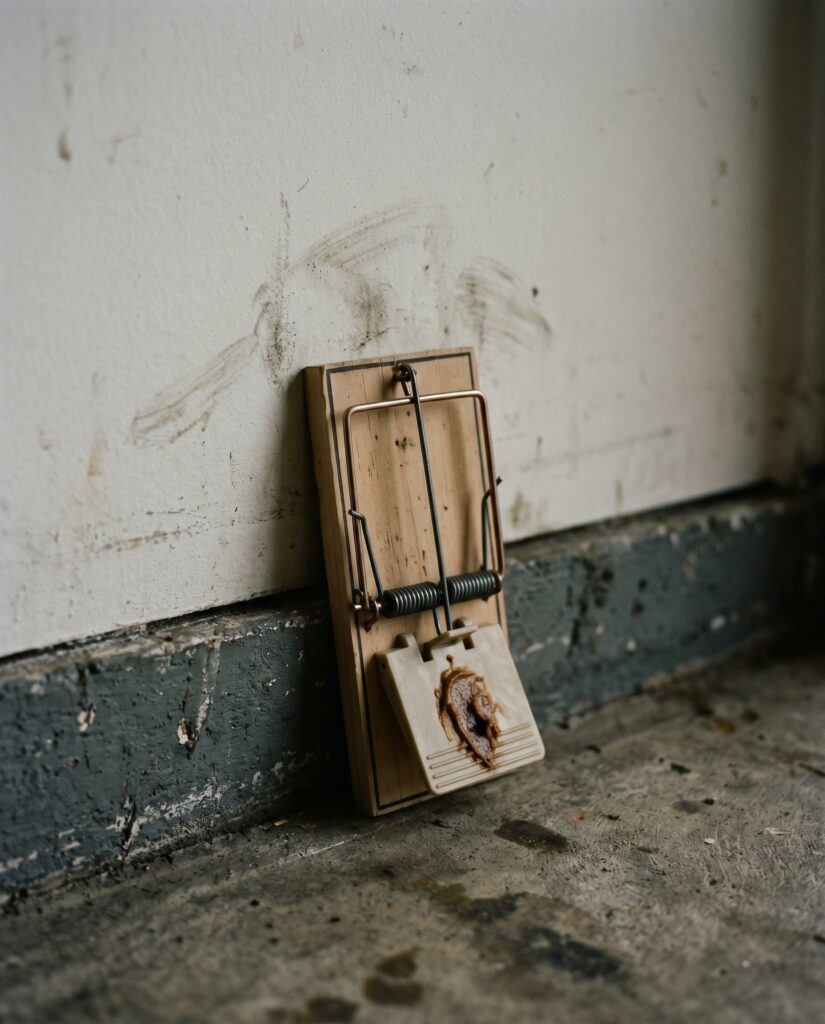
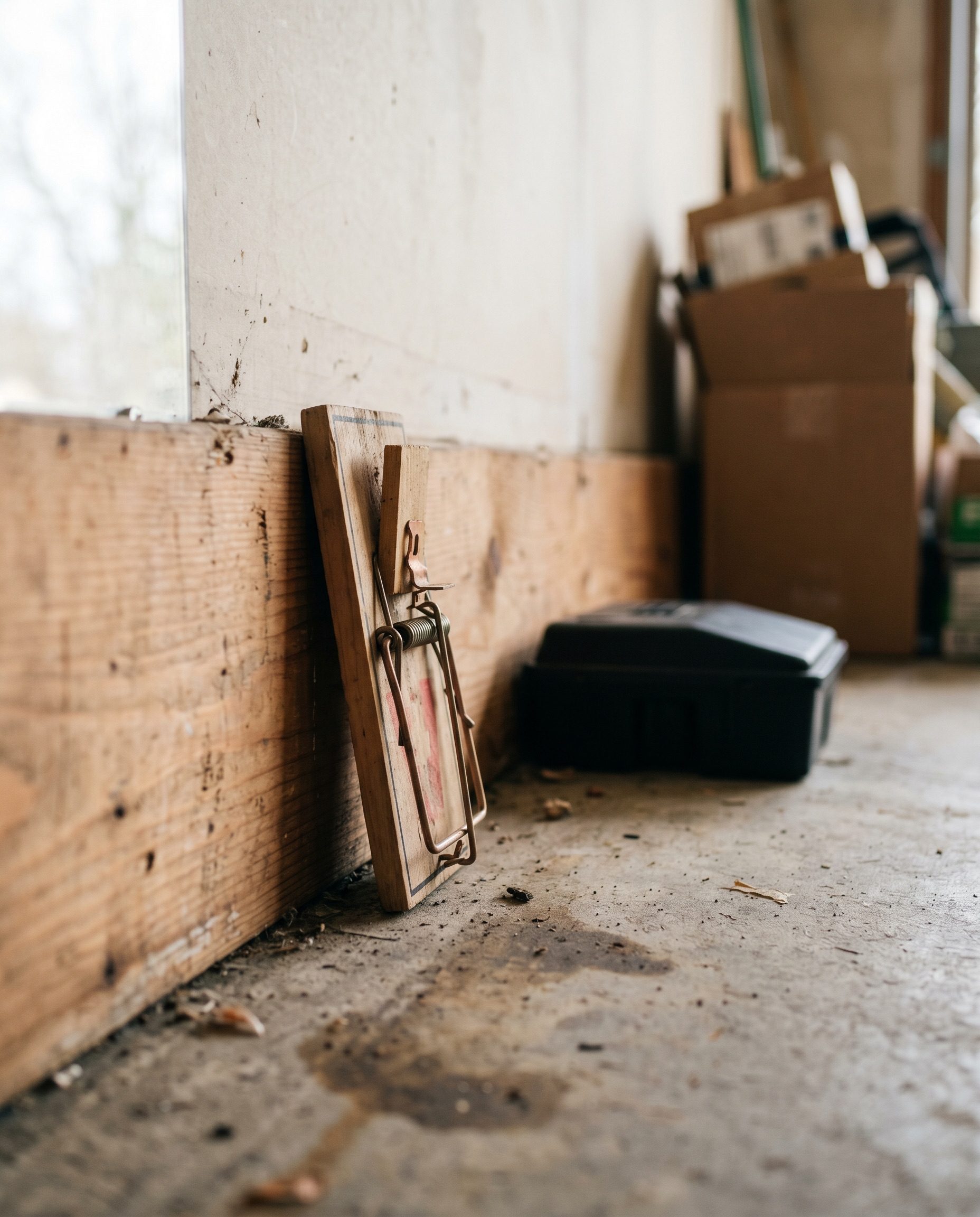
If the situation has moved past a stray mouse, trapping is still the home-friendly path, and snap or electronic traps are the right tool over glue boards. Glue boards are inhumane and less effective, they catch debris and the occasional non-target animal, and a stuck rodent can drag the board off, so leave them on the shelf. Bait the snap trap with a dab of peanut butter, set it flush against the wall with the trigger toward the baseboard where rodents run, and check it daily, refreshing the bait every couple of days until you stop catching anything.
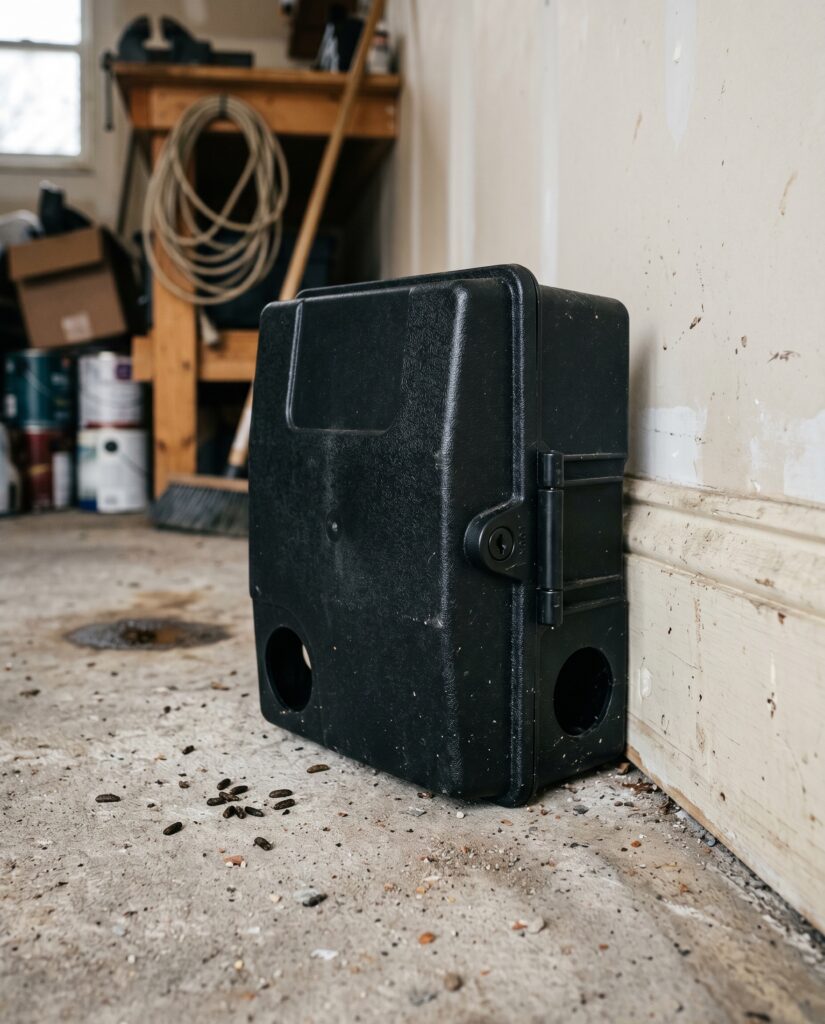
Poison bait is a last resort, not a first move, and it carries real risk. Rodenticides can cause secondary poisoning when a pet, an owl, a hawk, or a fox eats a poisoned rodent, which is why the EPA’s rodenticide safety guidance insists on tamper-resistant bait stations and never loose pellets a child or dog can reach. The agency has also placed restrictions on the most hazardous second-generation rodenticides for consumer use for this exact reason. If you ever use bait, it goes in a locked station only, kept away from kids and pets, and the label is the law. For a severe or recurring infestation, especially one in the walls or shared with neighbors, defer to a licensed pest professional rather than escalating poison on your own. If anyone or any pet is exposed to a rodenticide, contact a doctor, your vet, or your local poison control center, and you can read the NPIC pesticide-safety information for what to do.
The picks
Cards come after the analysis on purpose, because the honest framing matters more than any single product. These three are popular options people actually search for, ranked for what they realistically do, not for claims they cannot keep.
InsectoGuide is reader-supported. As an Amazon Associate we earn from qualifying purchases at no extra cost to you.
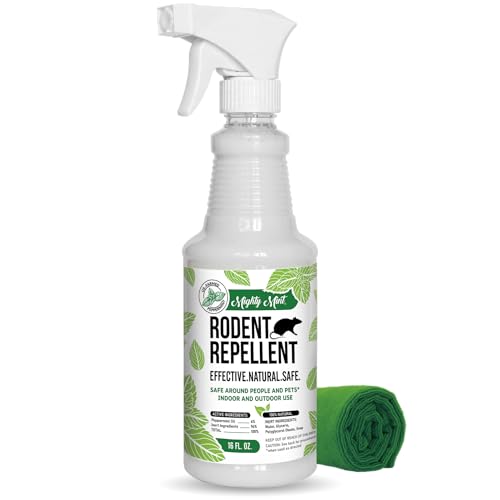
A peppermint spray to layer on entry points after you seal and clean.
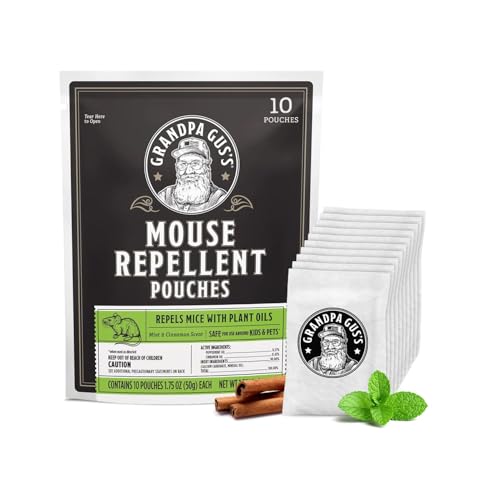
Ready-to-place scented pouches for drawers, cars, and enclosed storage.
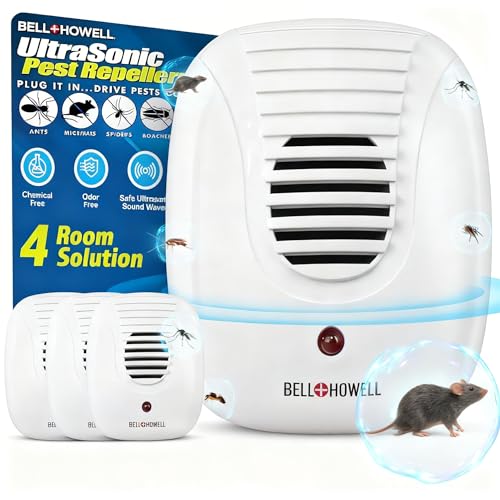
A popular plug-in four-pack if you want to try the cheapest, lowest-effort option.
Common questions
Do ultrasonic rodent repellers actually work?
Not reliably. There is little credible evidence they drive rodents out, the sound does not pass through walls or furniture, and mice habituate to it within days. Extension and EPA guidance point to exclusion, sanitation, and trapping instead, so treat any plug-in as supplemental at most.
Does peppermint oil keep mice away?
A little, for a little while. A fresh peppermint spray or pouch can make a drawer, a stored car, or one small enclosed space less inviting, but the scent fades and it does nothing for a rodent that already has food and shelter. Use it as an add-on after you seal gaps and clean up.
What is the single most effective way to keep rodents out?
Exclusion plus sanitation. Seal every gap a pencil can fit through with steel wool and caulk, then remove food, water, and clutter. The UC IPM house mouse guidance ranks this above every product, because it removes the reason rodents come in at all.
Are snap traps better than glue boards?
Yes. Snap and electronic traps are more effective and far more humane than glue boards, which catch debris, can trap non-target animals, and let a stuck rodent drag the board off. Bait a snap trap with peanut butter, set it flush to the wall, and check it daily.
Is rodent poison safe to use at home?
Treat it as a last resort. Rodenticides can secondarily poison pets, owls, and other wildlife that eat a poisoned rodent, so the EPA requires tamper-resistant stations and restricts the most hazardous products for consumers. Most homes are better served by trapping and exclusion, and any bait goes in a locked station only.
Final verdict
There is no magic device that makes rodents leave, and any list that crowns an ultrasonic gadget is selling the wrong thing. Start free by sealing every pencil-width gap with steel wool and caulk, then lock up food and clear the clutter, because exclusion plus sanitation is the only approach that actually keeps rodents out. Use snap or electronic traps, not glue boards, to remove the ones already inside, and keep poison as a last resort in a tamper-resistant station only. A peppermint spray or pouch is a mild add-on for one enclosed spot, and the ultrasonic plug-in is the thing to skip. Match the tool to what it can really do, and you will spend less and get a quiet house faster.