\
\
\
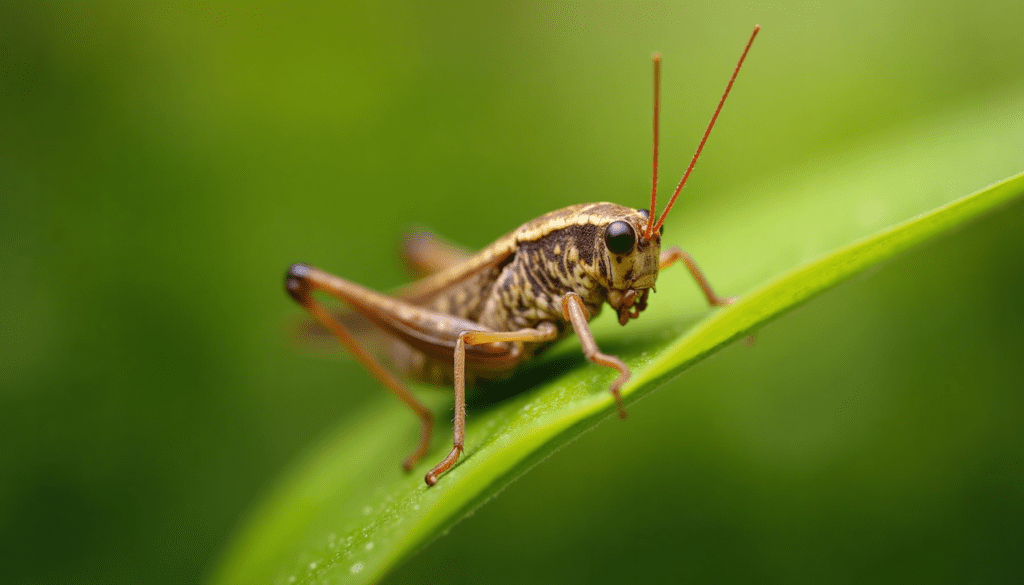
A single chirping cricket somewhere in the house is maddening because the chirp seems to move around and stops the instant you walk toward it, and that is not your imagination. The cricket feels the vibration of your footsteps and goes silent, then starts up again in what sounds like a different corner. The fix is patience and traps, not chasing it around the room. Only males chirp, so kill the lights, stand still until it starts singing again, pinpoint the corner, then ring that spot with glue boards low along the wall. Cooling the room down slows the song too, because cricket chirping speeds up and slows down with temperature.
\
\
\
You cannot chase a chirping cricket, because it feels your footsteps and goes quiet; you have to let it give itself away. Turn off the lights, hold still until it chirps again, walk the sound to one corner, and ring that spot with glue boards along the baseboard. Cooling the room slows or stops the chirp while the trap does the work.
\
- \
- Do first (free): Kill the lights and any white noise, stay completely still until the chirp restarts, and walk the sound to its corner.
- Best for the common case: Set flat glue boards tight against the baseboard around that corner and turn the AC down to cool and quiet the room.
- Skip: Fogging or bug-bombing a room for one cricket; it will not reach where the cricket hides and is overkill for a harmless nuisance.
\
\
\
\
\
\
\
\
Readers working through this usually open How to Raise Crickets at Home and Why Do Crickets Chirp? next.
Why you can’t catch the chirp
\
\
The reason one cricket feels impossible is that it has a built-in alarm system. A chirping cricket senses ground vibration through its legs, so the moment your weight shifts toward it, it stops. You freeze, take another step, and it picks back up somewhere that sounds completely different. People swear the cricket is moving, but most of the time it has not budged an inch.
\
\
The other half of the trick is who is singing. Only the males chirp and they do it by rubbing their wings together, so a quiet cricket and a singing cricket can be the same bug a second apart. A male also tends to call from a sheltered spot with a wall behind it, because the corner bounces the sound and makes him louder, which narrows where to look. If you want the full biology of why they do it at all, our explainer on why crickets chirp covers the mating-call side. For tonight, the point is simple: stop walking and let him sing.
\
\
Pinpoint the corner first
\
\
Here is the free step that does almost all the work. Turn off every light in the room and switch off any fan, TV, or white-noise machine, because crickets often go quiet in bright light and you need the room dark and silent. Then stand in the middle of the room and do not move. Give it two or three full minutes; a disturbed male can take that long to decide the coast is clear.
\
\
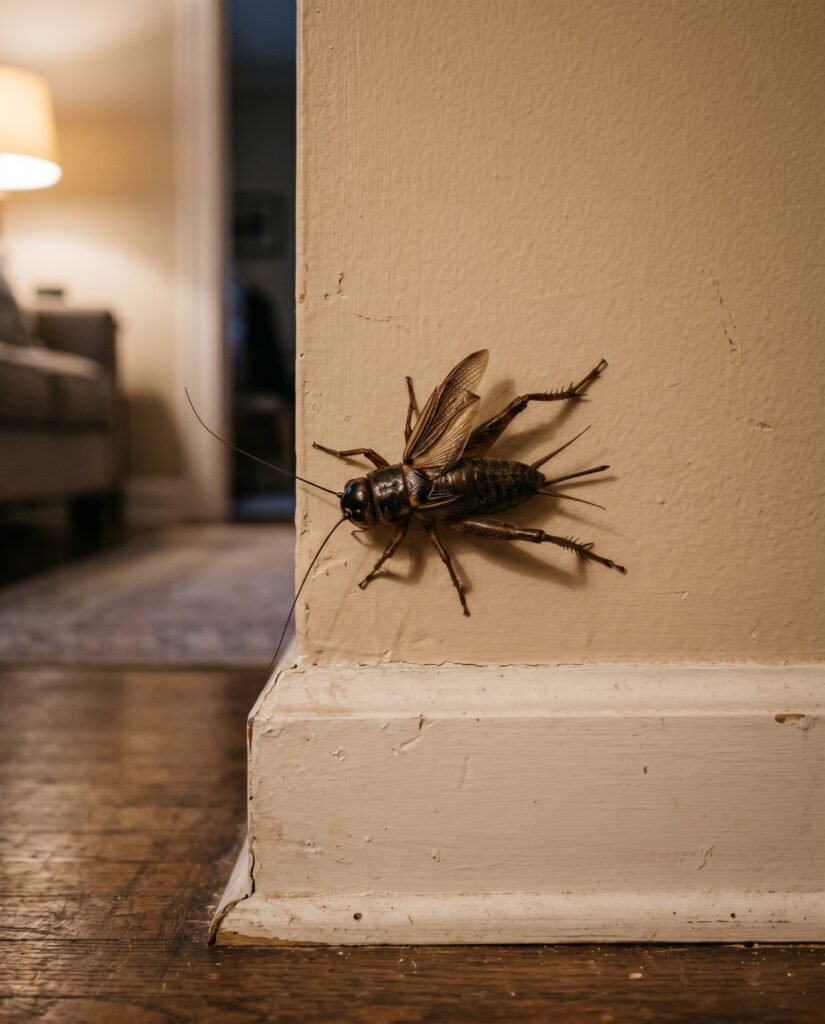
When the chirp restarts, do not lunge. Turn your head slowly to fix the direction, move toward it in one or two slow steps, and freeze again the instant it stops. Each round the sound gets closer until you have it down to a single corner, usually low, where a wall meets the floor. Crickets call from the floor line, not the ceiling, so look along the baseboard, under the couch skirt, behind the fridge, or inside a closet. A flashlight held low and raked along the floor catches the movement when he finally bolts.
\
\
\
\
Ring the spot with glue boards
\
\
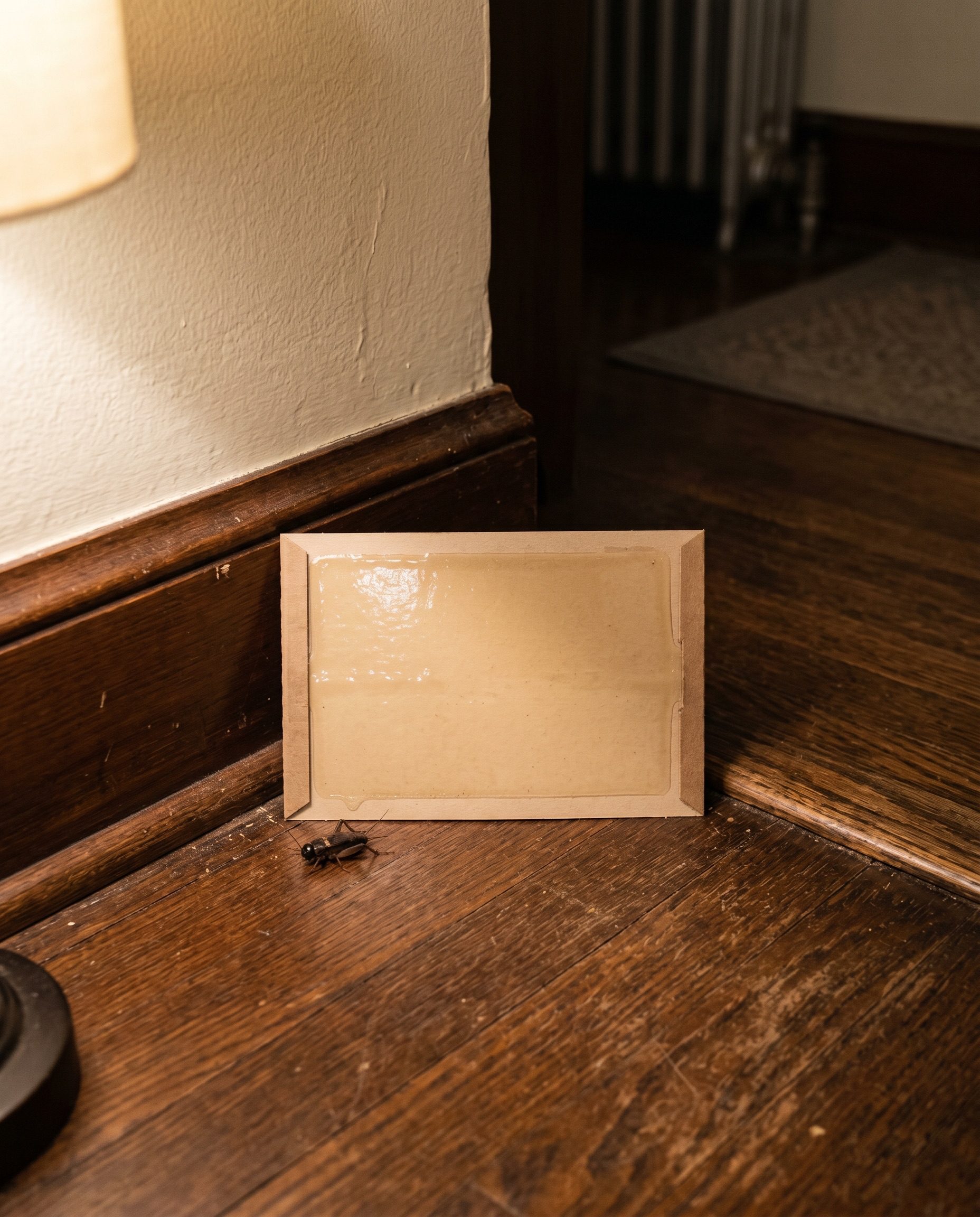
Once you know the corner, you trap it instead of trying to grab it. Set flat sticky glue boards right against the baseboard, pushed into the corner and along both walls that meet there, because a cricket runs the wall line rather than crossing open floor. Two or three boards arranged in an L give it nowhere to travel without stepping on one. Leave them overnight; the cricket comes out to forage and call when the room is dark and still, which is exactly when an undisturbed board is waiting for it.
\
\
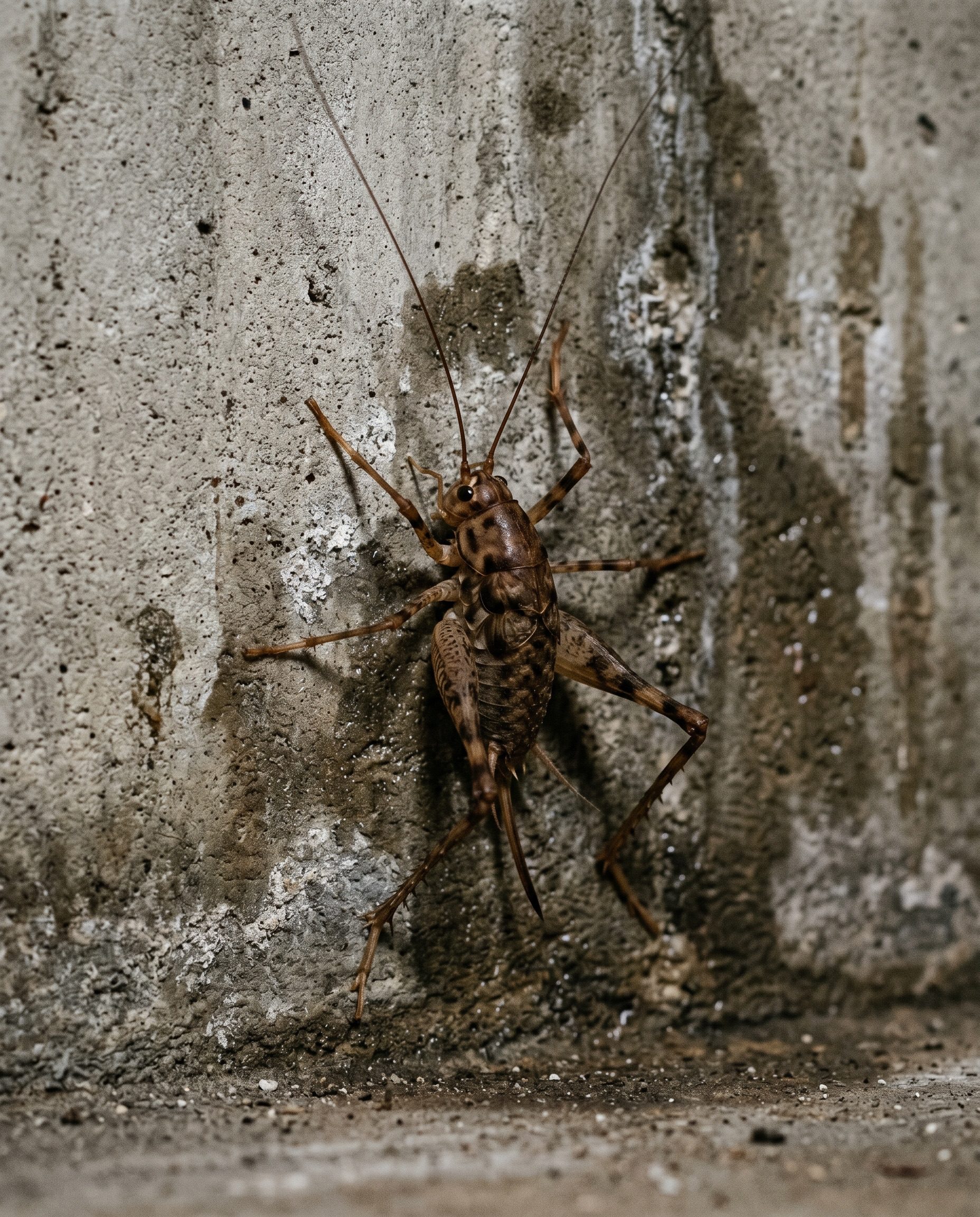
Place the boards flat and flush, not standing up, and keep them out of reach of pets and kids who would step on them. A glue board catches the cricket while you sleep, which beats crawling around at midnight. The boards also tell you what you are dealing with: if you catch a long-legged, wingless, hump-backed insect instead, that is a camel cricket, which does not chirp at all and points to a damp problem rather than a noise one. Our roundup of the best cricket traps sorts the flat boards from the baited kinds.
\
\
Cool the room to quiet it
\
\
Temperature is the lever almost nobody mentions, and it works tonight. Cricket song is temperature-driven, so the warmer the room, the faster and more constant the chirp; the cooler the room, the slower and quieter it gets, until in a genuinely cool room many males stop calling altogether. Turn the AC down, open a window on a cool night, or aim a fan to drop the temperature where the cricket is hiding, and you buy yourself quiet while the glue board does its job.
\
\
This is not a permanent fix, but it is a real one for the immediate problem of trying to sleep. Cooling also nudges the cricket to move less, which keeps it near the corner you already found. Combine the three moves and you have the whole plan: find the corner in the dark, ring it with boards, and cool the room so the singing stops while you wait the cricket out.
\
\
\
\
One cricket or a real problem?
\
\
Most of the time a chirping cricket is a single male that wandered in, not an infestation. But the type of cricket changes what you should do next, so it is worth a quick read of who you actually have. This is the map for the common indoor cases.
\
\
| What you have | Best move | Watch out for |
|---|---|---|
| One chirping house or field cricket | Find the corner, glue boards, cool the room | It feels your footsteps; stay still |
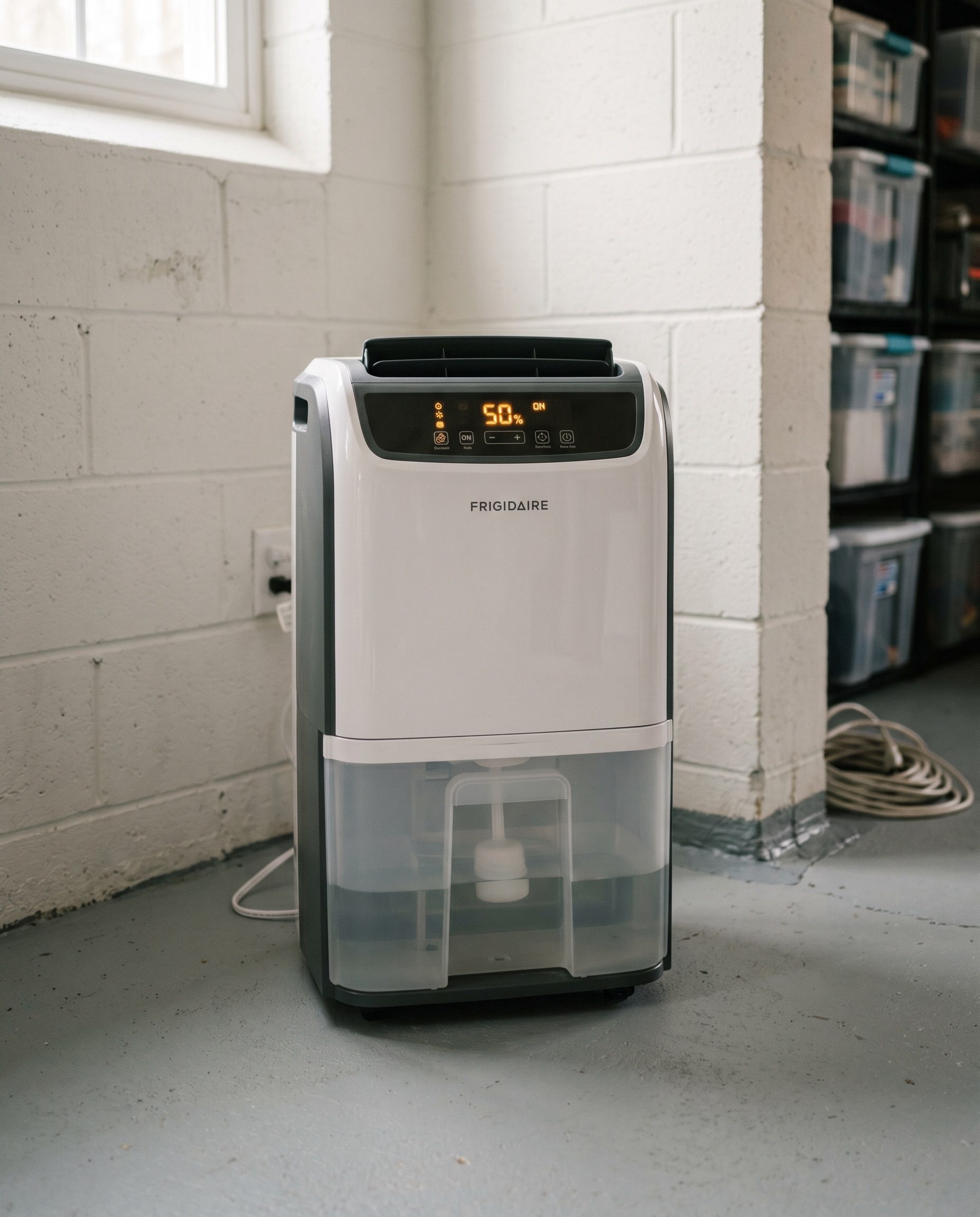
| Silent humpbacked camel crickets | Run a dehumidifier; they signal dampness | They do not chirp; do not wait for noise |
| Crickets coming back nightly | Seal gaps, cut yard lights, treat the perimeter | Killing indoor ones never keeps up |
\
\
If the chirping keeps returning night after night, you do not have one cricket, you have an open door. House, field, and camel crickets are nuisance invaders rather than a health threat that come in from outside, so the lasting fix is exclusion: seal foundation cracks, fit door sweeps, close gaps where pipes enter, cut tall grass back from the house, and switch outdoor lights to yellow bulbs. Field crickets wander indoors from the yard and are drawn to lights, which is why a bright porch light is half the problem. The EPA’s guidance is to seal them out and treat the source instead of spraying indoors, and that holds here. Our full walkthrough on how to get rid of crickets in the house covers the perimeter work if this is more than a one-night visitor.
\
\
Common questions
\
\
Why does the chirping stop when I get close?\
The cricket feels the vibration of your footsteps through the floor and goes silent as a defense. It is not moving away from you most of the time; it is just shutting up until it decides you are gone. That is why standing still and letting it restart works far better than walking toward the sound.
\
\
Only the males chirp, so why is mine so loud?\
A single male is genuinely loud because he calls from a corner or against a wall that bounces and amplifies the sound. The chirp is a mating call, not a sign of many crickets. One well-placed male in a quiet bedroom at night can sound like several scattered through the house.
\
\
Does turning the temperature down really stop chirping?\
Yes, within reason. Cricket song speeds up as it warms and slows as it cools, and in a cool enough room many males stop calling. Turning the AC down or opening a window on a cool night will noticeably quiet a chirping cricket while a glue board finishes the job.
\
\
My cricket never chirps and lives in the basement. What is it?\
That is almost certainly a camel cricket, which is wingless and cannot chirp at all. Camel crickets are wingless, hump-backed, and a sign of dampness in basements and crawlspaces, so the real fix is a dehumidifier to dry out the space, not noise control. Glue boards still catch them while you handle the moisture.
\
\
Will one cricket turn into an infestation?\
A lone male usually will not breed indoors on its own, so one chirping cricket is rarely the start of an infestation. The concern is more coming in from outside. If you keep hearing new ones, the answer is sealing entry points and cutting outdoor lights, not chasing each one.
\
\
Final verdict
\
\
Stopping a chirping cricket is about patience, not speed. Kill the lights and the noise, stand still until the male gives himself away, and walk the sound down to a single corner instead of lunging at it. Ring that corner with flat glue boards tight against the baseboard so the cricket traps itself overnight, and turn the room cool so the chirping slows or stops while you wait. Skip the bug bomb; it is overkill for one harmless nuisance and will not reach where the cricket hides. If the chirping comes back night after night, you are not dealing with one cricket, you are dealing with an open door, and the cure is sealing gaps and cutting outdoor lights rather than killing the ones already inside.
\
\
Next steps:
\
\
– Understand what the sound actually means with our explainer on why crickets chirp.
\
– Pick the right board with the best cricket traps roundup.
\
– If this is more than one visitor, close the door for good with how to get rid of crickets in the house.
\
\