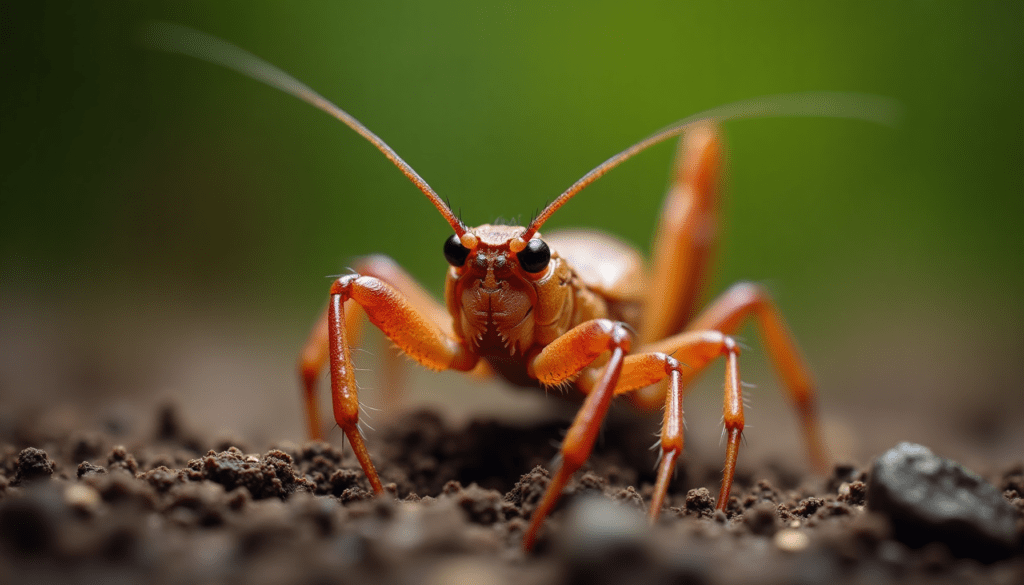
If camel crickets are springing at you every time you go down to the basement, the good news is that you do not have a true infestation, you have a moisture problem. Camel crickets, the humpbacked spider crickets that jump when startled, only thrive where it is dark and damp, so the real cure is drying the space out with a dehumidifier and fixing whatever is leaking, which makes the basement uninhabitable for them. Set glue boards along the walls to catch the current population and to tell you whether it is shrinking, and seal the gaps to the crawlspace and the outside so new ones cannot wander in. Take away the damp and the spider crickets simply leave.
Camel crickets are a dampness signal, not a real infestation. Dry the basement with a dehumidifier and fix leaks so they cannot live there, set glue boards to catch the current bunch and track the count, and seal the gaps to the crawlspace and outside. Take away the moisture and they leave.
- Do first (free or cheap): Drop the basement humidity with a dehumidifier and fix any drip or seepage so the space dries out.
- Best for the common case: Glue boards along the walls to catch them and track the count, plus caulk and weatherstripping on the gaps they crawl through.
- Skip: Fogging or bug bombs; they do nothing about the moisture that brought the crickets in, so the crickets just come back.
Why they are in the basement
Camel crickets are not really trying to get into your house. They are humidity-seekers that wander indoors when it gets too hot or too dry outside, and a basement or crawlspace is the dampest, darkest spot they can find. Iowa State Extension’s profile of the camel cricket describes them as exactly this kind of accidental invader that gathers in cool, moist, dark places. That is the whole reason they cluster on a basement wall instead of in your kitchen: the basement is the part of your home that feels most like the forest floor they came from.
Two things make a basement attractive to them, and both are fixable. The first is moisture, from a damp slab, a leaking pipe, poor drainage, or a humid crawlspace. The second is the gaps that let them in: foundation cracks, the gap around a basement window or dryer vent, an unsealed crawlspace hatch. Fix the moisture and they have no reason to stay; seal the gaps and new ones cannot get in. Everything else in this guide is detail on those two moves.
How to spot a camel cricket
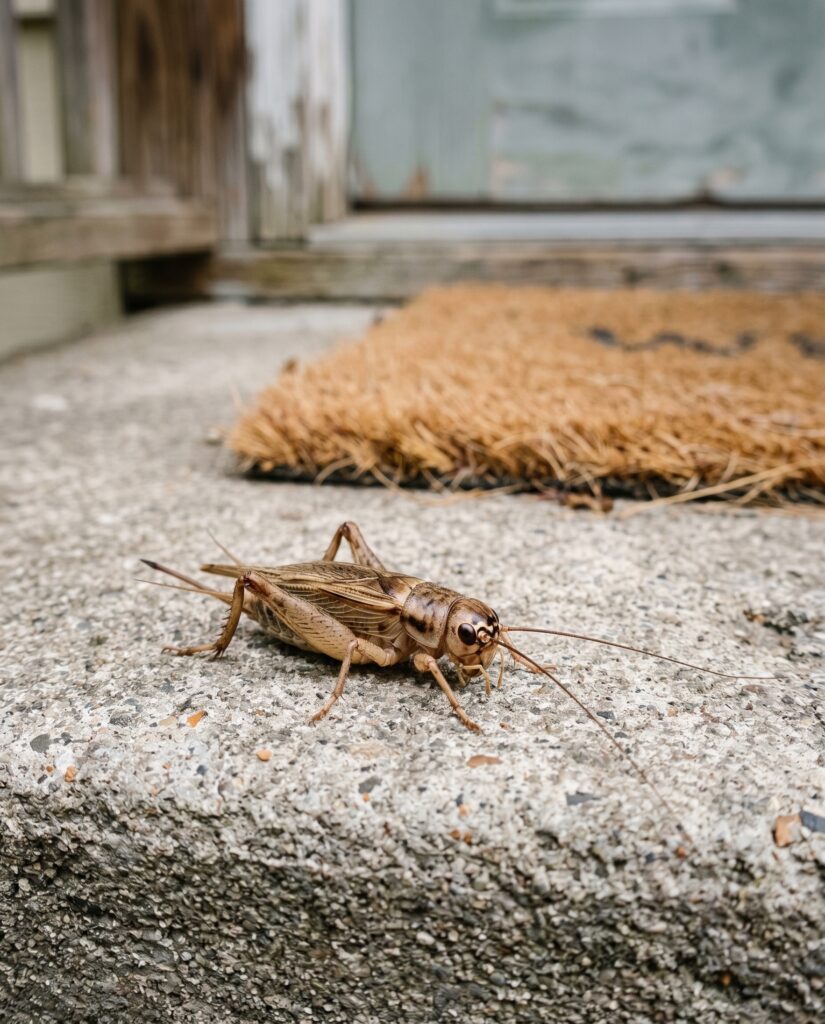
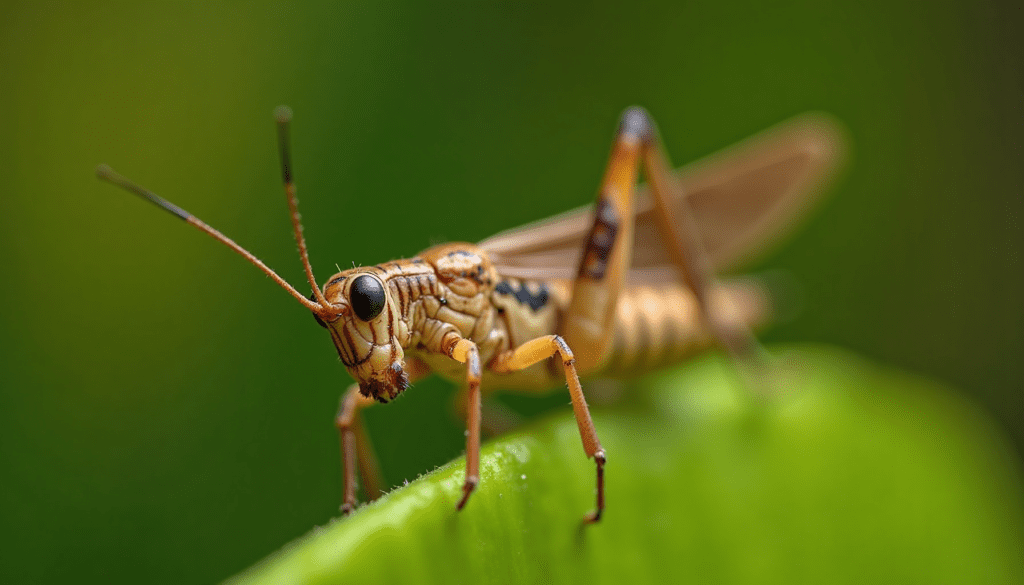
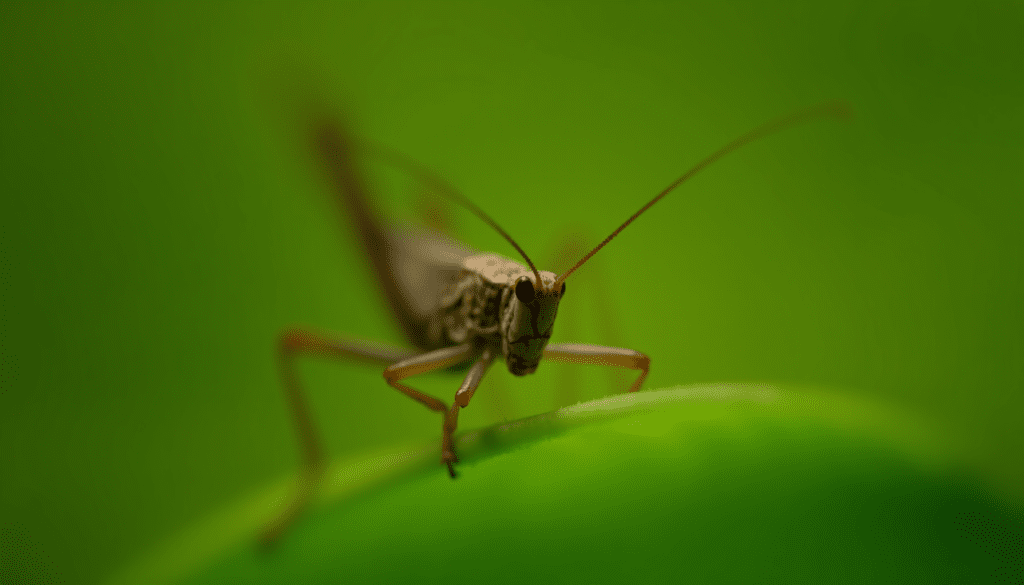
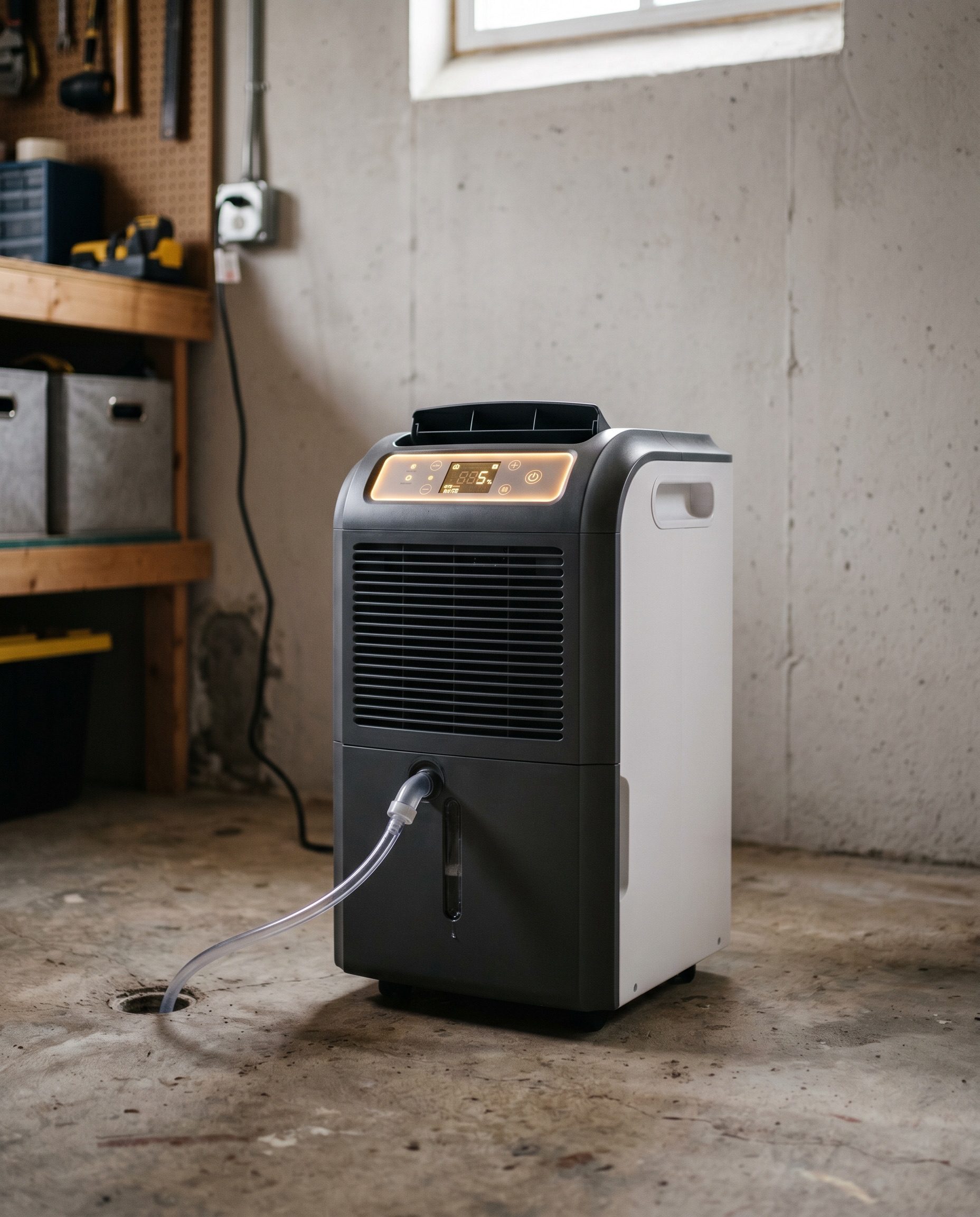
It is worth confirming what you have before you do anything, because the fix is different from a true house cricket problem. A camel cricket has a humped, arched back, very long banded legs, and no wings, which gives it that spider-like look people describe. The most reassuring tell is silence: wingless, do not chirp, and gather in dark damp basements is the camel cricket signature, so if you are hearing chirping at night, you likely have a house cricket instead, and that is a different animal with a different fix.
The other giveaway is the jump. Camel crickets have no defense except to launch themselves toward whatever startles them, which is why they seem to spring at you. They are unnerving but harmless. For a side-by-side check, our camel cricket vs house cricket identification guide lines up the two so you can be sure which one you are dealing with before you spend any effort.
Dry the space out first
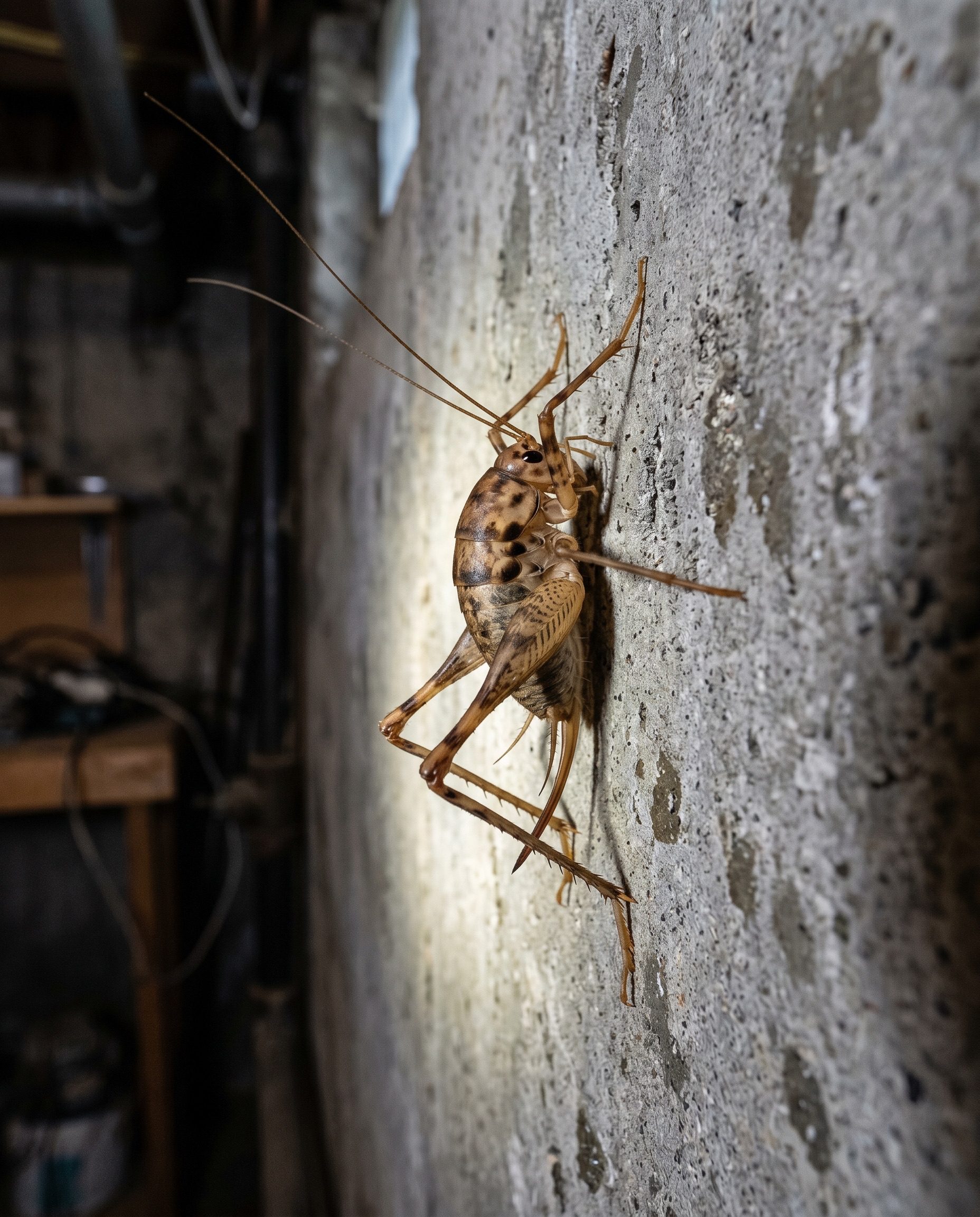
This is the step that actually solves the problem, and it costs less than a shelf of sprays. Run a dehumidifier in the basement and aim to pull the relative humidity down toward the 50 percent range; a damp basement that sits at 70 or 80 percent is a camel cricket habitat, and a dry one is not. Empty the tank or run a drain hose so it keeps working, and give it a couple of weeks. As the slab and the air dry out, the crickets lose the conditions they need and start to disperse on their own.
While the dehumidifier runs, hunt down the water sources feeding the damp. Fix the dripping pipe, clear the gutters and grade soil away from the foundation so rain drains off, and deal with any spot where water seeps through the wall. The Missouri Department of Conservation’s notes on cricket biology describe crickets as creatures tied to moist, sheltered ground, which is exactly why a dry basement stops being livable for them. A dehumidifier plus a fixed leak does more than any insecticide here, because you are removing the reason they came rather than killing a few of the ones that already did.
Trap, then seal them out
With the basement drying, you handle the crickets already inside and then shut the door behind them. Glue boards are the right tool, not spray. Lay flat glue boards flush along the base of the walls, in the corners, and near the damp spots where you see the crickets, since they travel along wall-floor edges in the dark. Check them every few days. A glue board does two jobs at once: it catches the current population, and a falling catch count is your proof the moisture fix is working. If the count is dropping week over week, you are winning and you do not need to escalate.
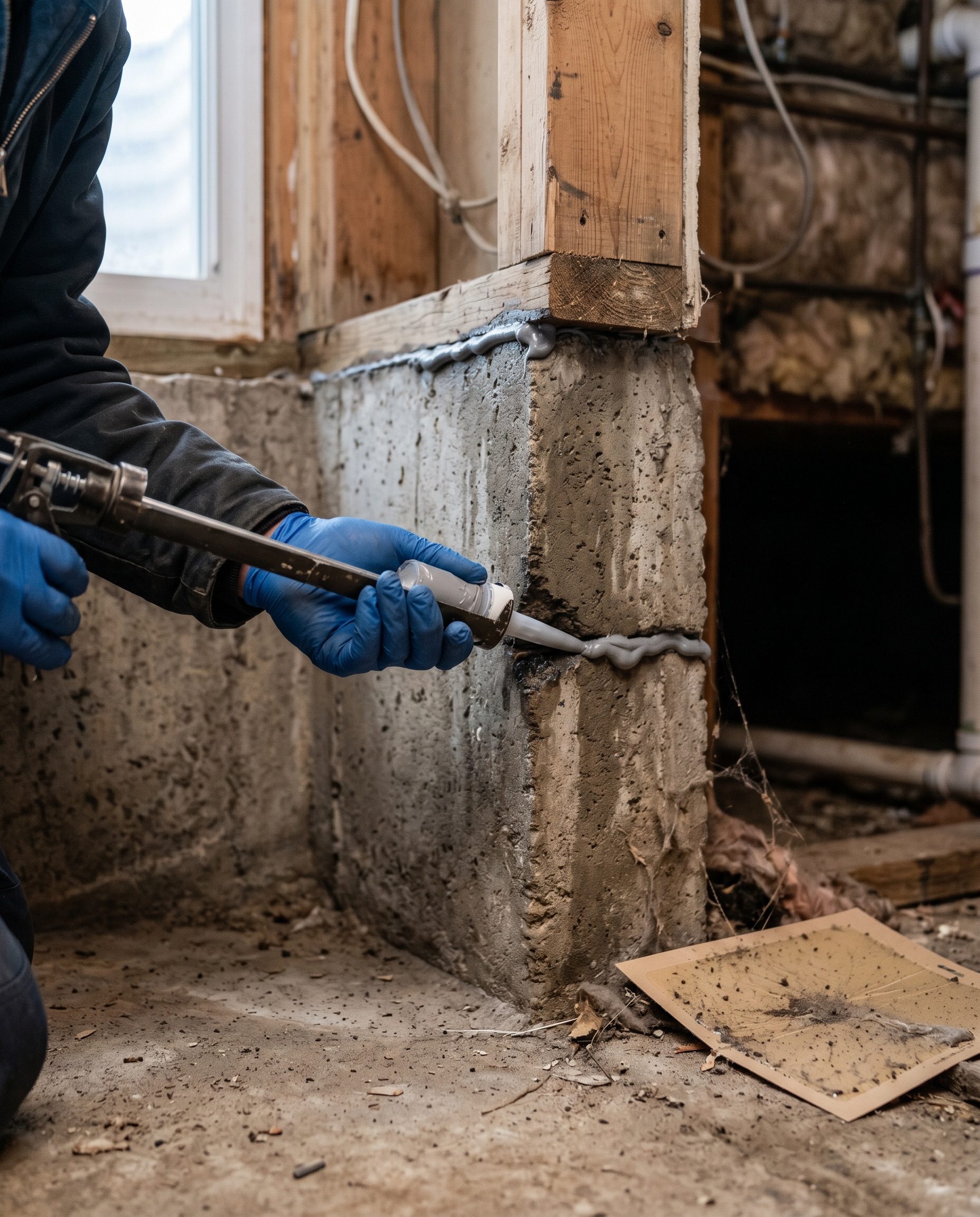
Sealing is the permanent half. Caulk foundation cracks, add weatherstripping and a door sweep on the basement door, screen the dryer vent and any basement window, and close up the gap around the crawlspace hatch and any pipe penetration. University of Minnesota Extension treats crickets indoors as a nuisance, not a health threat and points to the same plan: cut the moisture and physically block the ways in. This exclusion-first thinking is also the EPA’s exclusion-first approach to pest control, which puts sealing and habitat removal ahead of chemicals for a reason. If you do want a faster knockdown of a heavy population while the basement dries, our roundup of cricket traps covers the glue-board options that work for this.
Match the move to the spot
Camel crickets are not all in one place, so the right action shifts a little by location. Here is the quick map for the common zones.
| Where they are | Best move | Watch out for |
|---|---|---|
| Open basement floor and walls | Dehumidifier plus glue boards along the edges | Empty the tank so it keeps running |
| Damp crawlspace | Lower the humidity and seal the access hatch | A vapor barrier helps if the floor is bare soil |
| Foundation cracks and vents | Caulk, weatherstrip, and screen the openings | Check the dryer vent and window wells |
| Heavy or recurring numbers | Find the hidden moisture source feeding them | A steady count means the damp is still there |
That last row is the tell that matters. If the glue-board count is not dropping, you have a moisture source you have not found yet, and no amount of trapping will fix it until you do. For a whole-house cricket plan beyond the basement, our guide to getting rid of crickets in the house covers the upstairs angles.
Common questions
Are camel crickets dangerous?
No. Camel crickets do not bite people in any meaningful way, they do not sting, and they are not known to carry disease. Extension sources class them as a nuisance pest, not a health threat. They can chew on stored fabric, paper, or cardboard if numbers get high, so the case for getting rid of them is comfort and the occasional damage, not safety.
Do camel crickets chirp at night?
No, and that is the easiest way to tell them apart from a true cricket. Camel crickets are wingless and cannot make the chirping sound, so if you are hearing chirping in the evening you almost certainly have a house or field cricket instead, which calls for a different approach.
Will a dehumidifier really get rid of them?
For most basements, yes, because dampness is what brought them in. As the space dries toward normal indoor humidity, the basement stops being a place they can live, and they disperse or die off while your glue boards mop up the stragglers. The dehumidifier is the part of the plan that makes the fix last.
Should I spray insecticide or set off a fogger?
Skip the fogger. Camel crickets hide in cracks and damp corners a mist never reaches, and a bug bomb does nothing about the moisture that drew them in, so they come right back. If you want a perimeter treatment outside, read and follow the product label, but the dehumidifier, glue boards, and sealing are what actually clear a basement.
Why do they keep coming back?
Because something is still wet, or there is still a gap. A returning population almost always means a moisture source you have not fixed or an opening you have not sealed. Find the damp, close the cracks, and the cycle breaks.
Final verdict
Getting rid of camel crickets is about the basement, not the cricket. They are a dampness signal, so the move that actually clears them is drying the space out with a dehumidifier and fixing whatever is leaking, which takes away the only reason they are there. Set glue boards along the walls to catch the current population and to watch the count fall, and seal the foundation cracks, vents, and crawlspace gaps so new ones cannot wander in. Skip the foggers, because they ignore the moisture that caused the problem. Take away the damp, shut the gaps, and the spider crickets leave on their own.
Next steps:
– Confirm you have camel crickets and not a chirping house cricket with our camel cricket vs house cricket identification guide.
– Pick the glue boards that work along basement walls in our cricket traps roundup.
– Tackle crickets elsewhere in the home with our guide to getting rid of crickets in the house.