
\
\
\
If you are standing in the repellent aisle deciding between DEET, picaridin, and oil of lemon eucalyptus, here is the honest answer: all three are EPA-registered, all three actually work, and you pick by duration and feel rather than by which one is strongest. DEET lasts the longest and protects the hardest, but it is greasy and it can soften some plastics and synthetic fabrics. Picaridin is nearly its equal, odorless, and safe on gear, which makes it the best all-rounder for most people. Oil of lemon eucalyptus is the only plant-based active the CDC backs, but it wears off sooner and is not for children under three. In our own yard we keep picaridin by the door for evenings and a higher-percent DEET in the pack for long days in the woods.
\
\
\
All three are EPA-registered and all three work, so choose by duration and feel: DEET lasts longest and protects hardest but is greasy and melts some plastics; picaridin nearly matches it, odorless and gear-safe, the best all-rounder; oil of lemon eucalyptus is the only plant-based active the CDC backs, shorter-lasting and not for kids under three.
\
- \
- Do first (free): Tip out standing water and use screens; repellent is the last layer, not the only one.
- Pick by job: Picaridin for everyday evenings, higher-percent DEET for all-day woods, oil of lemon eucalyptus when you want plant-based.
- Skip: Wristbands, ultrasonic apps, and clip-on gadgets that do not put an EPA-registered active on your skin.
\
\
\
\
\
\
\
\
The companion piece to this one is Do Bug Zappers Work on Mosquitoes?.
Cut the breeding sites first
\
\
Before you spray anything on your skin, do the free part, because the cheapest way to get bitten less is to have fewer mosquitoes around you in the first place. Mosquitoes breed in standing water, and it does not take much. A plant saucer, a clogged gutter, a forgotten bucket, or a kiddie pool left out for a week can each hatch a generation. Walk the yard once a week and tip out anything holding water. The EPA’s integrated mosquito management guidance puts source reduction first for exactly this reason, and it is the step that pays off whether or not anyone in the house likes the feel of repellent.
\
\
Then back up the source control with screens on the windows and doors, and patch the torn ones. Repellent is the layer you reach for when you are actually going outside into mosquito country, not a substitute for the dull maintenance work. A spray protects one person for a few hours; emptying that bucket protects the whole household for the season. If they are already getting indoors, our guide on how to get rid of mosquitoes inside the house covers what to do once they have slipped past the screens.
\
\
Concentration is about hours, not strength
\
\
Here is the part the labels make confusing. With DEET, a higher percentage does not mean a stronger repellent, it means a longer-lasting one. The EPA’s DEET page explains that concentration relates to how long the protection lasts, not how powerfully it works in the first hour. A 30 percent DEET product does not repel harder than a 10 percent one; it just keeps working through more of the afternoon before you need to reapply. Past roughly 30 percent you get diminishing returns, so there is little reason to chase the 98 percent bottles unless you are deep in the backcountry for a full day.
\
\
That reframes the whole choice. You are not buying the most aggressive chemical; you are buying the right number of hours. A quick evening on the porch needs far less duration than a dawn-to-dusk hike. The EPA’s repellent search tool actually lets you enter how long you will be outside and returns registered products matched to that window, which is a saner way to shop than reading percentages off the front of the can. Match the duration to the day, and any of the three actives will hold.
\
\
DEET vs picaridin vs OLE, side by side
\
\
Once you stop thinking about strength and start thinking about hours and feel, the three actives sort themselves quickly. DEET is the old standard, the most studied, and the longest-lasting at higher percentages, with the trade-off that it feels greasy and can damage plastics, some synthetic clothing, and watch faces. Picaridin matches it closely for protection in everyday concentrations, dries cleaner, has no real odor, and will not eat your sunglasses or your rain shell. Oil of lemon eucalyptus is the plant-derived option the CDC lists among the actives that prevent bites, but it does not last as long per application and carries a label warning against use on children under three.
\
\
| Active | Best for | Watch-out |
|---|---|---|
| DEET | Longest protection, all-day woods and travel | Greasy feel; can soften plastics and some synthetics |
| Picaridin | Everyday all-rounder, odorless and gear-safe | Highest hours need a 20 percent formula, not lower |
| Oil of lemon eucalyptus | Plant-based choice the CDC backs | Shorter-lasting; not for children under three |
\
\
Why does picaridin end up the all-rounder for most people? Because it gives up almost nothing on protection at a 20 percent formula while fixing the two things people dislike about DEET, the smell and the damage to gear. The University of Florida IFAS rundown of repellent actives treats DEET and picaridin as comparably effective at appropriate concentrations, with oil of lemon eucalyptus effective but shorter in duration. If you want one bottle that handles ninety percent of summer, a 20 percent picaridin is the pick. Reach for DEET when hours matter most, and for oil of lemon eucalyptus when you specifically want a plant-based active.
\
\

\
\
How to put it on so it works
\
\
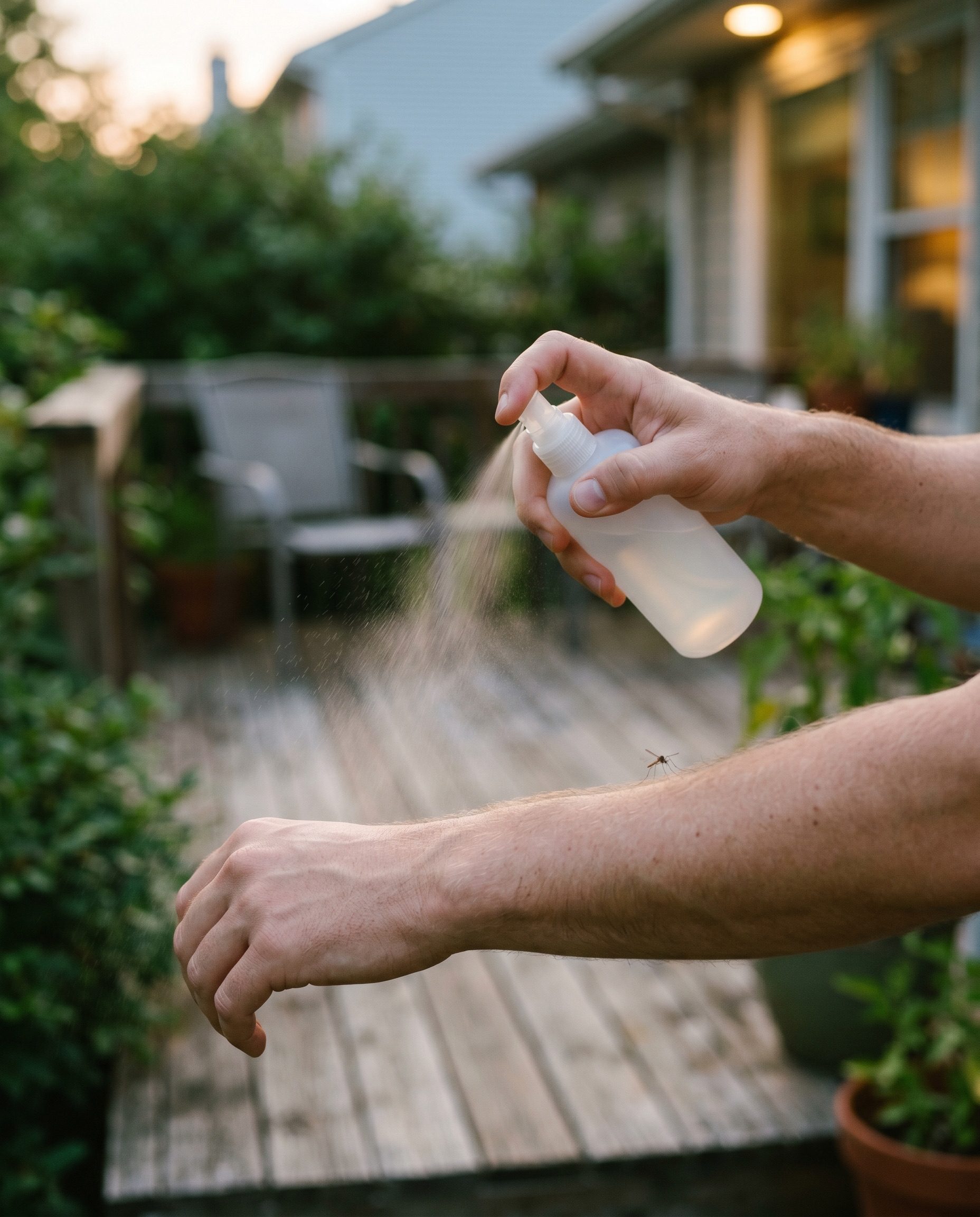
Coverage and timing decide whether any of these earns its place. Spray or rub the product onto all exposed skin, thin and even, and do not miss the ankles, the back of the neck, and the ears, which are where mosquitoes find the gaps. For the face, spray it onto your hands first and then wipe it on rather than misting toward your eyes. Reapply when the clock says to, not when you feel a bite, since the first bite means the layer has already thinned. Follow the label for the reapplication window, because under federal law the label is the legal instruction for how to use it.
\
\
A few safety rules hold across all three. Keep these products out of children’s reach, do not let young kids apply their own, and do not spray it under clothing. For kids, use oil of lemon eucalyptus only on those three and older, and keep DEET concentrations modest on small children per the label. Wash it off with soap and water once you are back inside for the night. If a product is ever ingested or causes a reaction, contact a doctor or your local poison control center. And skip the gadgets that promise protection without putting an active on your skin: the American Mosquito Control Association is blunt that wristbands, ultrasonic devices, and bug zappers do not protect you, and a zapper mostly kills harmless insects while the mosquitoes keep biting. If the bites still happen, our notes on the best mosquito bite relief products cover what actually calms the itch.
\
\
\
\
The picks
\
\
These come after the analysis on purpose, because the active and the duration decide which bottle you buy, not the brand on the front. One each for the three actives, all common and widely available. For the deeper format and concentration breakdown, see our full guide to DEET, picaridin, and natural mosquito repellents.
\
\
InsectoGuide is reader-supported. As an Amazon Associate we earn from qualifying purchases at no extra cost to you.
\
\
\
 \
\
\
\
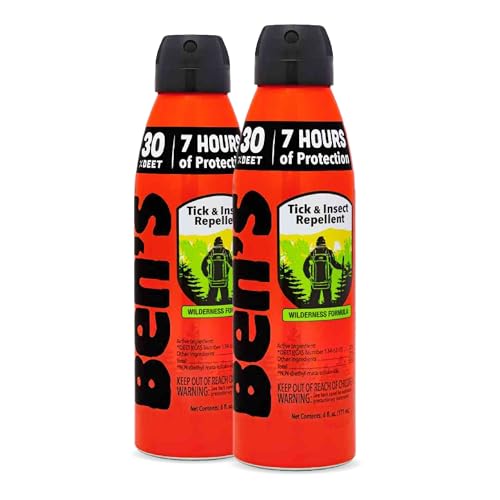
For all-day woods and travel where hours of protection matter most.
\
\
\
\
\
 \
\
\
\
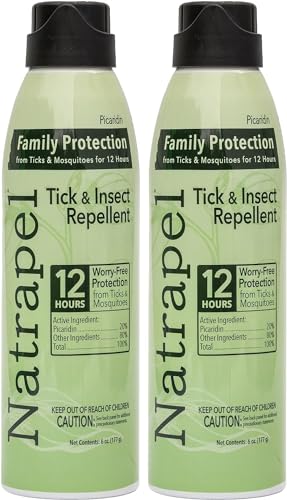
The one bottle that handles most of summer, odorless and gear-safe.
\
\
\
\
\
 \
\
\
\
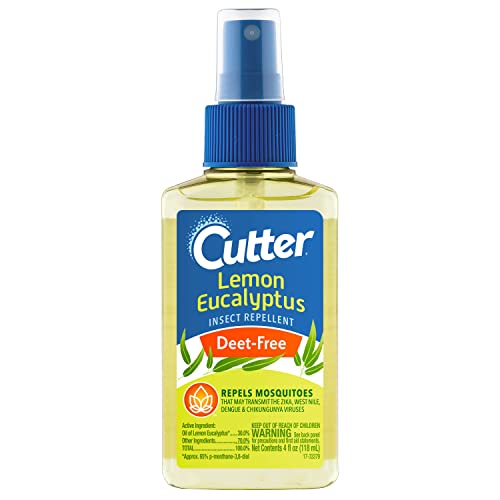
For anyone who wants the plant-based active the CDC backs.
\
\
\
\
Common questions
\
\
Is DEET stronger than picaridin?\
Not really. At everyday concentrations the two protect comparably; the practical edge is that high-percent DEET lasts longer for all-day exposure. For most evenings, a 20 percent picaridin holds just as well and feels nicer on the skin.
\
\
Does a higher DEET percentage repel more bugs?\
No. A higher percentage extends how long the protection lasts, not how hard it works. The EPA notes concentration relates to duration, so past about 30 percent you mostly buy more hours, not more repelling.
\
\
Is oil of lemon eucalyptus as good as DEET?\
It works and the CDC lists it among recommended actives, but it wears off sooner, so you reapply more often. It is a solid plant-based choice for shorter outings, not the pick for a dawn-to-dusk day in the field.
\
\
Which one is safe for kids?\
Picaridin and modest-percent DEET are both used on children per the label, while oil of lemon eucalyptus carries a warning against use on those under three. Apply it for the child rather than letting young kids spray themselves, and follow the label age guidance.
\
\
Will any of these melt my gear?\
DEET can soften plastics, some synthetic fabrics, and watch faces, so keep it off sunglasses and rain shells. Picaridin and oil of lemon eucalyptus are gentler on gear, which is part of why picaridin wins for everyday use.
\
\
Do repellent wristbands or zappers work instead?\
No. They do not put an active on your skin where mosquitoes bite. The American Mosquito Control Association says skip the bands and zappers and use a registered repellent on exposed skin.
\
\
Final verdict
\
\
All three of these win, which is why the real question is duration and feel, not strength. Pick a 20 percent picaridin as your everyday bottle, since it is odorless, gear-safe, and nearly matches DEET for protection. Reach for a higher-percent DEET when you need the longest hours for the woods or travel, accepting the greasy feel and keeping it off your plastics. Choose oil of lemon eucalyptus when you want a plant-based active the CDC backs, and remember it runs shorter and is not for children under three. Before any of it, tip out the standing water and fix the screens, because the cheapest bite prevention is having fewer mosquitoes to repel in the first place.
\
\
Pingback: Best Mosquito Repellents: DEET, Picaridin and Plant-Based Compared