Finding ticks on your socks after a hike or brushing them off your work pants is more than annoying – it is a real exposure risk. The good news is that tick-repellent clothing can dramatically cut down bites when it is chosen and used correctly. In this guide, you will learn what actually works (and why), how long treated garments stay effective, and which clothing pieces matter most for hikers and outdoor workers. You will also get practical wear-and-care tips that make your protection last longer.
Quick answer: what is the best tick-repellent clothing?
The best tick-repellent clothing is factory-treated permethrin apparel (often labeled long-lasting permethrin-impregnated clothing) focused on the lower body.
Most effective setup (simple checklist):
- Wear factory-treated pants + socks (highest impact area: ankles, calves, knees)
- Tuck pants into socks to block easy access points
- Add a skin repellent (DEET or picaridin) to exposed skin for full coverage
- Do a daily tick check even when wearing treated gear
What the research shows (at a glance):
| Clothing choice | What it does to ticks | What studies found |
|---|---|---|
| Factory-treated permethrin pants/socks | Contact irritation + knockdown (ticks “hot-foot” off) | Around 93% fewer tick bites in field conditions in worker studies |
| Untreated clothing alone | Physical barrier only | Helps, but ticks can still crawl to openings |
| Treated clothing + skin repellent | Best combined coverage | Often performs best in real-world prevention routines |
If you also need product guidance, see our picks for Best Tick Repellents for Humans: DEET, Picaridin & Permethrin.
Why permethrin-treated clothing works (and what “hot-foot” really means)
If you have ever watched a tick “questing” on grass, you know it is patient. It waits with front legs outstretched, then grabs on when you brush past. The common assumption is that tick-repellent clothing creates a scent barrier that keeps ticks away at a distance.
That is not what happens with permethrin.
Permethrin is a synthetic version of natural pyrethrins (from chrysanthemum flowers). On clothing, it works mainly through contact. Ticks crawl onto the fabric, and within minutes many become irritated and uncoordinated. Researchers often describe this as a “hot-foot” effect – ticks act like they stepped onto a surface they cannot tolerate, then drop off or fail to bite.
What the science says in plain language
- Ticks are not “repelled” from across the air the way people think of DEET.
- Instead, ticks must touch the treated fabric, then they lose grip, lose coordination, and often fall off.
- If contact continues, many ticks become immobile and die later.
This contact action is a big reason treated socks and pant legs are so effective. Ticks typically start low (shoe level) and climb upward looking for thin skin. When the first fabric they touch is treated, they often never get the chance.
Effectiveness: what field studies found
Real-world studies on outdoor workers show strong bite reduction with factory-treated garments. A large review of long-lasting permethrin-impregnated clothing research published in the National Library of Medicine (peer-reviewed review article) reports major reductions in tick bites under field conditions, with effectiveness that can decrease over time as clothing ages.
Factory-treated options have also been tested in workplace settings. A North Carolina pilot trial summarized by Insect Shield’s tick study report reported very large reductions in tick bites among workers wearing treated clothing compared with standard prevention routines.
Actionable takeaway
Think of treated clothing like a chemical tripwire. It works best where ticks first contact you:
- cuffs
- socks
- pant legs
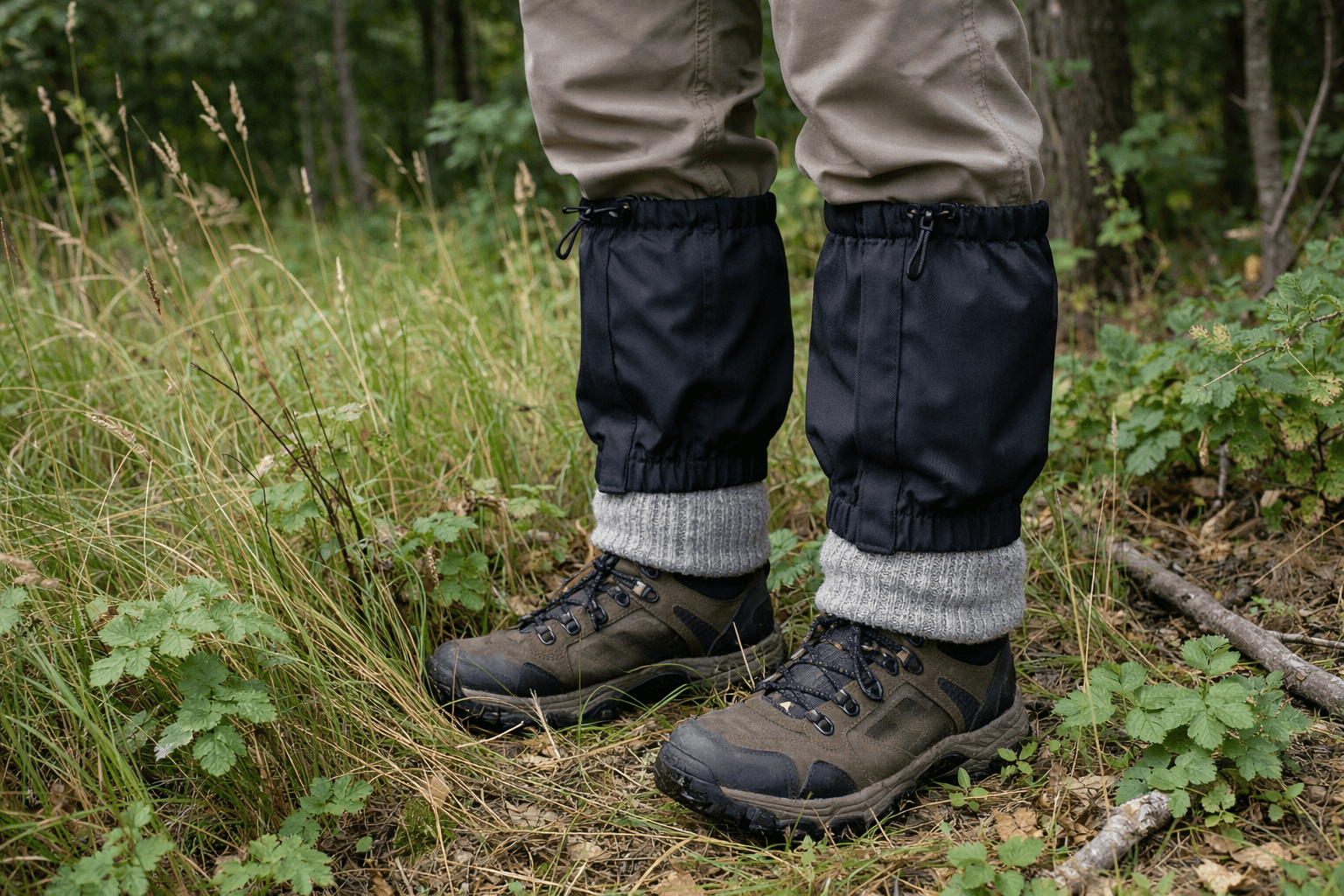
- boots and gaiters
- waistline areas if shirts ride up
If you are treating clothing yourself, start with the items ticks touch first. Our guide to Best Permethrin Sprays for Clothing & Gear walks through what to buy and what to avoid.
Factory-treated vs DIY treatment: what lasts, what fades, and why it matters
Columbia Men’s Silver Ridge Cargo Pant, 34W x 30L
The Columbia Men’s Silver Ridge Cargo Pant in 34W x 30L (ASIN B07D7J8Q5L) earns a strong 4.6-star rating from over 12,400 Amazon reviews, praised for its lightweight, quick-drying nylon fabric ideal for hiking and outdoor use, ample cargo pockets, and UPF 50 sun protection. While some note sizing runs large and pockets can feel bulky, its durability and comfort make it a top affiliate pick at around $55, especially for warm-weather adventurers seeking reliable performance pants.
Standing in the outdoor aisle, you will see two main paths:
- Factory-treated permethrin clothing (the treatment is bonded into fibers)
- DIY spray-on permethrin (you apply at home and let it dry)
Both can work. The difference is durability and consistency.
Factory-treated clothing (long-lasting treatment)
Factory-treated garments are designed to hold permethrin through repeated laundering. Many brands advertise long wash life, but real-world use still wears it down.
A peer-reviewed study on permethrin retention in worn clothing published in the National Library of Medicine (peer-reviewed study) found that after heavy real-life wear and washing over time, measured permethrin levels can drop substantially. In practical terms, some older garments may still function as a barrier, but their “hot-foot” punch can fade.
Best use cases:
- frequent hikers in tick-dense regions (Northeast, Upper Midwest, parts of the Mid-Atlantic)
- outdoor workers (landscaping, forestry, surveying, field biology)
- families who want “grab-and-go” treated clothing without mixing sprays
DIY permethrin spray (shorter-lived, but flexible)
DIY treatment can be a smart option if:
- you already own good hiking pants
- you need to treat boots, gaiters, hats, or work uniforms
- you want to refresh protection mid-season
For safety and correct use, follow guidance from university and public health sources. The University of Florida IFAS Extension provides clear, practical information on permethrin clothing treatments and how they fit into an overall tick bite prevention plan.
Basic DIY best practices (quick steps):
- Treat outdoors or in a very well-ventilated area.
- Apply to clean, dry clothing.
- Spray evenly until damp, not dripping.
- Let items fully air-dry before wearing (often a few hours, depending on humidity).
- Store treated clothes away from children’s pajamas and pet bedding.
Visual: which option should you choose?
| Your situation | Better choice | Why |
|---|---|---|
| You hike weekly all season | Factory-treated | More consistent coverage over time |
| You need to treat boots, gaiters, packs | DIY spray | Factory clothing does not cover gear |
| You do occasional yard work | Either | DIY can be cost-effective |
| You need uniform compliance at work | Factory-treated or professional treatment service | Predictable results and less user error |
Actionable takeaway
If you are high-exposure (brushy trails, fieldwork, tall grass), factory-treated pants and socks are the best “set it and forget it” base layer. Keep a DIY spray on hand to refresh older items or treat gear.
What to wear for hiking and outdoor work: a practical tick-proof outfit plan
REI Co-op Men’s Active Pursuits Pants, 34W x 30L
No Amazon listing found for this exact REI Co-op product; it is sold directly on REI.com with features like moisture-wicking, quick-drying, 4-way stretch fabric (86% recycled polyester/14% spandex), UPF 50+, and bluesign approved materials, ideal for fitness and running, but cannot recommend via Amazon affiliate without ASIN[1].
BambooMN 100% Natural Bamboo Socks, 3 Pairs
Unable to locate the exact BambooMN 100% Natural Bamboo Socks, 3 Pairs on Amazon.com despite searching; no verifiable ASIN, ratings, or reviews found. General bamboo socks are popular for breathability and softness, but without specific product data, cannot recommend this listing for affiliate purposes.
Most tick bites happen because ticks find an opening. Ankles, sock lines, the back of knees, and waistbands are common “entry ramps.” Clothing choice is about blocking access and forcing contact with treated fabric.
The highest-impact items (ranked)
If you only invest in a few pieces, prioritize in this order:
-
Socks (treated)
- Ticks often start at shoe level.
- Treated socks can interrupt the climb early.
-
Pants (treated)
- Especially effective when cuffs are controlled.
- Choose a tighter weave if possible.
-
Shoes/boots + gaiters (treated if DIY)
- Great for off-trail work and brushy edges.
- Gaiters add a physical barrier to the lower leg.
-
Long-sleeve shirt (treated)
- Helps in dense vegetation and when kneeling or handling brush.
A “tick-smart” way to wear the outfit
Use this checklist before you step into tall grass:
- Tuck pants into socks (yes, it looks dorky – it works).
- Choose light-colored fabrics so ticks are easier to spot.
- Prefer smooth, tightly woven materials over fuzzy fleece when possible.
- Keep shirts tucked during brush work to reduce waistband access.
- Add skin repellent to hands, neck, and any exposed areas.
Visual: tick protection checklist (printable-style)
| Body zone | Common tick access point | Clothing move that helps |
|---|---|---|
| Feet/ankles | Sock line, shoe collar | Treated socks + pants tucked in |
| Lower legs | Climb path upward | Treated pant legs, gaiters |
| Waist | Shirt rides up | Tuck shirt, use a belt |
| Hands/neck | Exposed skin | Apply DEET or picaridin |
Don’t skip the “after” routine
Even excellent clothing is not permission to ignore tick checks. Nymphal ticks can be poppy-seed small and easy to miss.
After hiking or fieldwork:
- Do a full-body tick check within 2 hours.
- Shower if possible.
- Put clothes in a dryer on high heat (when fabric allows) to kill hitchhikers.
If you find an attached tick, remove it promptly with the right tool. Our guide to Best Tick Removal Tools (Tested & Ranked) covers what works and what to keep in a pack or truck.
Care, safety, and common myths about tick-repellent clothing
Insect Shield Women’s Long Sleeve T-Shirt, Medium
This long sleeve shirt is treated with permethrin, providing an additional layer of protection against ticks while hiking.
Permethrin-treated clothing has a long history of use, including by military and outdoor professionals. Still, misunderstandings are common, especially online. Let’s clear up what matters for real-world use.
Myth 1: “It repels ticks like a force field”
Reality: permethrin works mainly on contact. Ticks often climb onto the fabric first, then become irritated, drop off, or fail to bite. That is why coverage at the lower body is so important.
Myth 2: “Once treated, it lasts forever”
Reality: laundering, abrasion, sun, and time reduce permethrin levels. Research measuring worn garments shows real-world retention can fall substantially over extended use, and some older items may have little measurable active ingredient left, as reported in the National Library of Medicine (permethrin retention study).
Care tips that help treatments last longer:
- Wash in cool water when possible.
- Avoid bleach and fabric softeners unless the brand explicitly allows them.
- Dry on low if the label recommends it (heat can be hard on fabrics).
- Track wash counts for factory-treated items and refresh when needed.
Myth 3: “It’s not safe for kids or pregnant women”
Reality: when used as directed (on clothing, allowed to dry fully, not applied to skin as a lotion), permethrin has a strong safety record. Public health guidance generally supports its use as part of tick bite prevention when label directions are followed. For conservative, step-by-step advice, the University of Florida IFAS Extension is a reliable reference.
Important household safety note: permethrin is toxic to cats in wet form. Keep cats away while treating items and while they dry.
Myth 4: “Natural oils work just as well”
Reality: some plant-based repellents can help for short periods, but they usually do not match the durability or contact-kill effect of permethrin on clothing. If you prefer botanicals on skin, use them as an add-on, not your only line of defense in high-risk habitat.
Visual: safety and use rules (quick reference)
| Do | Don’t |
|---|---|
| Let treated items dry fully before wearing | Spray permethrin directly on skin |
| Prioritize socks and pants | Assume last year’s treated pants still perform like new |
| Combine treated clothing with a skin repellent | Skip tick checks after outdoor time |
| Store treatments away from food and pet areas | Treat clothing indoors without ventilation |
Conclusion: the simplest way to upgrade your tick protection
Tick prevention works best when it is layered, not complicated. Start with tick-repellent clothing that targets where ticks climb first – socks and pants – then add a skin repellent for exposed areas and keep the habit of daily tick checks. Field studies consistently show large bite reductions with factory-treated garments, but durability still depends on real-world wear and washing, so plan to refresh or replace over time.
Next step: pair your clothing plan with the right repellent strategy using Best Tick Repellents for Humans: DEET, Picaridin & Permethrin, and keep a reliable remover in your kit from our Best Tick Removal Tools (Tested & Ranked) guide.
As an Amazon Associate, I earn from qualifying purchases. Product recommendations are based on real reviews and independent research.