Finding tiny white specks on your pet’s bedding or in the carpet can be unsettling, especially when itching starts. Flea eggs are one of the earliest (and easiest-to-miss) signs that fleas have moved in, and they spread fast because they don’t stick to fur. This guide shows what flea eggs look like, how to tell them apart from dandruff or “flea dirt,” and the fastest ways to remove them from pets and your home so the life cycle breaks instead of repeating.
Two neighbouring questions come up here: How Long Do Fleas Live Without a Host? and Sand Fleas: Identification, Bites & Prevention Guide.
Quick identification: what flea eggs look like (and where they hide)
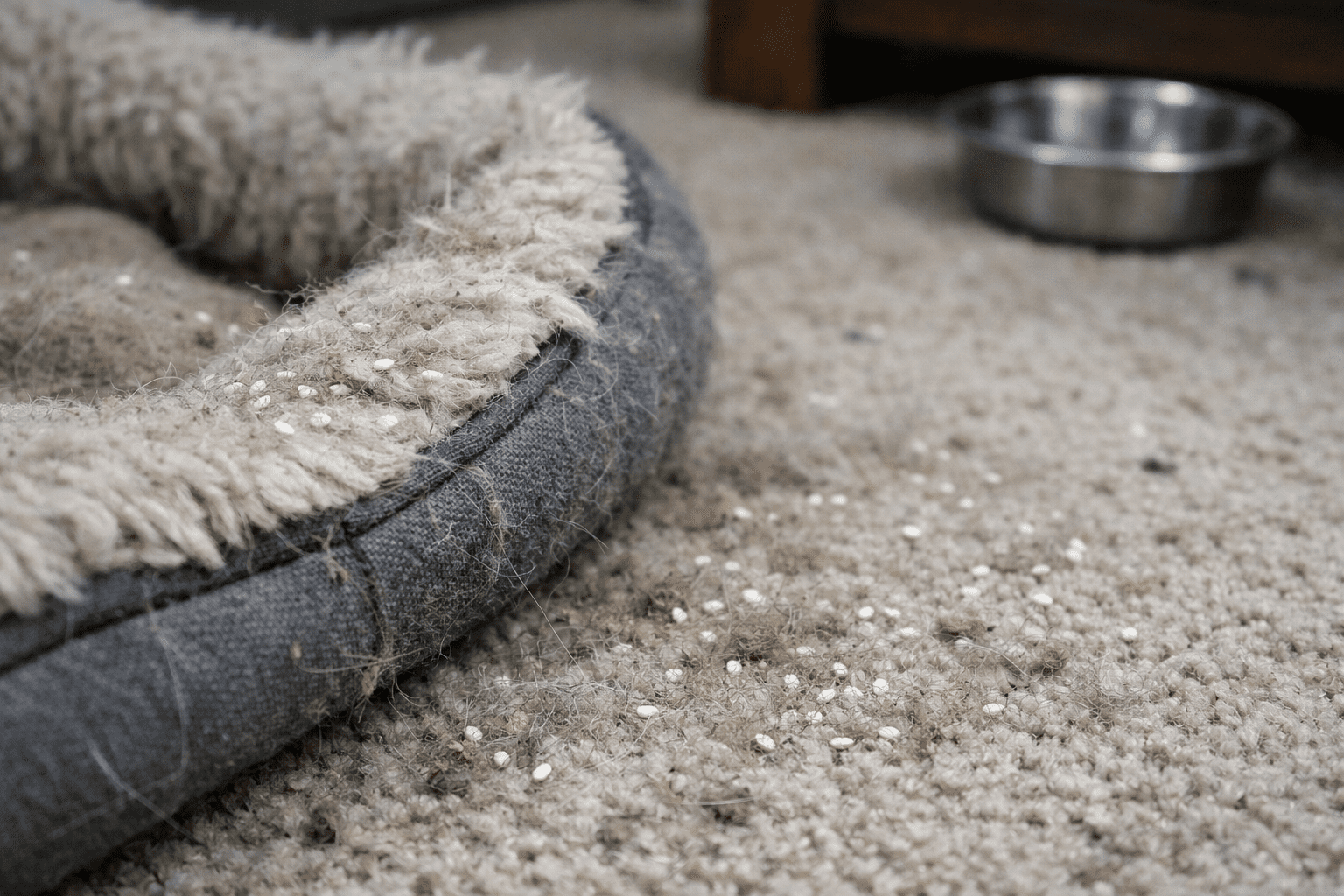
Direct answer: Flea eggs are smooth, oval, off-white to pearly white, and about 0.5 mm long (roughly a grain of salt). They are not sticky, so they fall off pets into the environment.
Fast ID checklist for flea eggs
- Size: ~0.5 mm long (barely visible without good lighting)
- Color: translucent/off-white when fresh, more pearly as they age
- Shape/texture: uniform oval, smooth surface, rolls easily
- Common locations: pet bedding, couch seams, rug edges, carpet fibers, floor cracks
- Common “giveaway”: “salt and pepper” look when mixed with dark flea dirt
Quick comparison table
| What you’re seeing | Typical look | Simple test | Most common place |
|---|---|---|---|
| Flea eggs | Smooth white ovals | Roll easily, shake loose from fur | Bedding, carpets, upholstery |
| Flea dirt (feces) | Dark specks like pepper | Smear or wet paper test may turn reddish-brown | Where pets sleep/rest |
| Pet dandruff | Irregular white flakes | Often clings to fur, flakes crumble | Along back/neck, dry skin areas |
Flea eggs: size, color, and the easiest ways to spot them
Most people expect flea eggs to look like lice nits – firmly glued to hair. That’s the trap. Flea eggs are built for scattering, not staying put. Their outer shell (called the chorion) is smooth and non-adhesive, so eggs drop off a pet like tiny beads. That’s why you can treat a pet and still “mysteriously” see fleas later – the home environment is where the next generation is waiting.
What flea eggs look like under real-world conditions
In normal indoor lighting, flea eggs can look like:
- A few grains of salt near a pet bed
- Pale dust in carpet fibers
- White specks in blanket folds or couch seams
They’re typically about 0.5 mm long and roughly half as wide. Several pest control references describe them as salt-grain sized, oval, and white to translucent, which matches what entomologists see under magnification in household infestations. For photo-based visual references, see identification examples from West Pest’s flea egg guide and Fantastic Pest Control’s flea egg overview.
Where flea eggs end up (hint: not where you want them)
Because eggs fall off quickly, the “hot zones” are predictable:
- Pet bedding and blankets (especially edges and seams)
- Carpets and rugs near sleeping spots
- Sofa cushions and under furniture where pets nap
- Baseboards and floor cracks where debris collects
If you want to understand why eggs dominate early infestations, it helps to see the whole timeline. The eggs hatch into larvae, then pupae, then adults. That cycle is why eggs are often the largest share of the population in a home at any moment. For a step-by-step breakdown, InsectoGuide’s flea life cycle article explains why infestations can seem to “come back” even after you stop seeing adult fleas.
A simple at-home spotting method (no special tools)
Try this 2-minute check:
- Place a dark towel or dark sheet of paper near where your pet sleeps.
- Brush or lightly ruffle the bedding and nearby carpet fibers.
- Look for tiny white ovals that roll rather than flake.
Actionable takeaway: If the white specks roll like grains and collect in seams or along rug edges, treat the environment immediately – not just the pet.
Flea eggs vs. dandruff vs. flea dirt: the tests that settle it fast
PetArmor Flea and Tick Treatment for Dogs, 3 Month Supply
This product is relevant as it helps in controlling flea populations, which is essential after identifying flea eggs in your home.
When readers send in photos for identification, the most common mix-ups are dandruff, sand, and flea dirt. The good news is you can usually confirm what you’re dealing with using simple “behavior tests” rather than perfect eyesight.
The “salt and pepper” clue
In many homes, eggs appear alongside flea dirt, creating a salt-and-pepper look:
- Salt: off-white eggs
- Pepper: dark flea dirt (digested blood)
This pairing matters because it tells you the infestation is active. Adult fleas are feeding, and eggs are dropping into the same resting areas.
Three quick tests you can do at home
1) The shake test (best for distinguishing eggs from dandruff)
- Shake or comb your pet over white paper.
- Flea eggs tend to fall off easily because they are not sticky.
- Dandruff often clings and comes off as irregular flakes.
2) The roll test (best for carpet and bedding)
- Gently nudge a speck with a fingertip or a credit card edge.
- Eggs tend to roll due to their smooth oval shape.
- Skin flakes tend to smear, crumble, or flutter.
3) The wet paper test (best for flea dirt)
- Put the dark specks on a damp paper towel.
- Flea dirt can leave a reddish-brown stain because it’s blood-based material.
Visual guide: what to look for under magnification
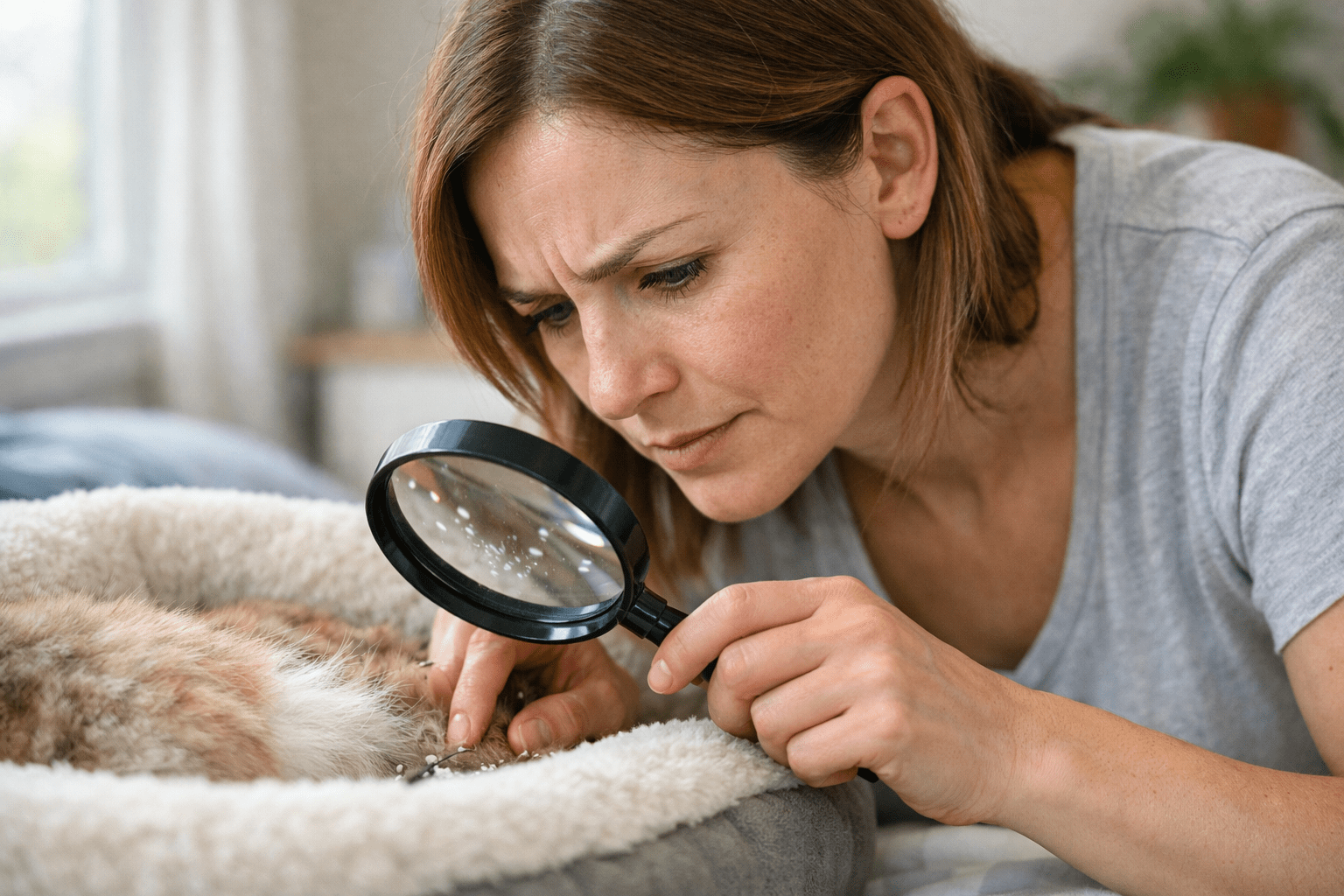
If you have a phone macro lens or a basic magnifier, look for:
- Uniform oval shape (eggs)
- Consistent color (eggs)
- No jagged edges (unlike dandruff or sand)
For additional comparison photos and practical identification notes, pet-focused references like Mad Paws’ flea egg identification article can help you sanity-check what you’re seeing.
Actionable takeaway: If you find both white ovals and black specks in the same pet-resting area, assume eggs are present and start environmental control the same day.
How to remove flea eggs from your home: a step-by-step plan that actually works
Adams Flea and Tick Indoor Fogger, 3 Count
Adams Plus Flea & Tick Indoor Fogger (3 count) is a reliable do-it-yourself pest control option that effectively kills fleas, eggs, larvae, and other insects like ticks, cockroaches, and mosquitoes while preventing reinfestation for up to 7 months using (S)-Methoprene IGR; it’s easy to use with no odor or residue, covering 375 sq ft per fogger, making it suitable for homes with pets despite lack of Amazon-specific ratings or third-party tests[1][2][3][4][5].
Here’s the part most people miss: adult fleas are only a small slice of the problem. Eggs and larvae make up the bulk of the population in many indoor infestations, which is why “I killed the fleas I saw” rarely ends the issue. The goal is to remove eggs and starve or stop the immature stages before they become biting adults.
Step 1: Vacuum like you mean it (and do it daily at first)
Vacuuming is not just cleaning. It’s mechanical removal of eggs plus the debris larvae feed on.
Where to vacuum (in order of payoff):
- Pet bedding area and the surrounding 6-10 feet
- Carpet edges and baseboards
- Under couches and chairs
- Upholstery seams and cushion creases
- Cracks in hardwood or tile transitions
Best practices:
- Vacuum daily for 10-14 days during the initial push.
- Use a crevice tool along edges and seams.
- Empty the canister or remove the bag immediately. Seal it and take it outside.
Step 2: Heat-wash fabrics to kill eggs
Eggs and larvae do poorly with sustained heat.
Laundry checklist:
- Wash pet bedding, throws, and washable rugs on hot (aim for 60°C/140°F when fabric allows).
- Dry on high heat.
- Repeat weekly until you’re confident the cycle is broken.
This aligns with common pest management advice summarized in consumer pest control resources like Fantastic Pest Control’s removal steps, and it matches what entomologists recommend for many household pests: use heat and physical removal first.
Step 3: Use an IGR to stop the next generation
Insect growth regulators (IGRs) such as methoprene or pyriproxyfen prevent eggs and larvae from developing into reproducing adults. They don’t “blast” adults on contact, but they are excellent at breaking the cycle when paired with vacuuming.
For pesticide decision-making and safe-use basics, consult guidance from the U.S. Environmental Protection Agency’s pesticide safety resources.
How to use IGRs effectively:
- Treat the rooms where pets spend time, not just one spot.
- Reapply only as directed on the label.
- Keep pets and children out until surfaces are dry (follow label instructions).
Step 4: Know when a professional treatment is worth it
Consider a licensed pest professional if:
- You have wall-to-wall carpet across multiple rooms
- You’re seeing fleas despite 2-3 weeks of consistent effort
- There are wildlife hosts (raccoons, feral cats) in crawlspaces or attics
Actionable takeaway: The fastest home results come from combining daily vacuuming, hot laundry, and an IGR. Any one method alone is usually too slow.
Treating pets so flea eggs stop appearing (and what not to do)
Nature’s Miracle Flea and Tick Shampoo for Dogs, 16 oz
This shampoo helps to remove fleas and their eggs from pets, which is crucial in the removal process discussed in the article.
Even though flea eggs don’t stay on pets for long, pets are still the engine that keeps the infestation going. Adult fleas jump on, feed quickly, mate, and egg-laying can ramp up after a blood meal. So while you’re cleaning the home, you also need to stop bites and reproduction on the animal.
What works best on pets (and why)
A good pet plan has two goals:
- Kill adult fleas fast
- Prevent new adults from surviving long enough to lay eggs
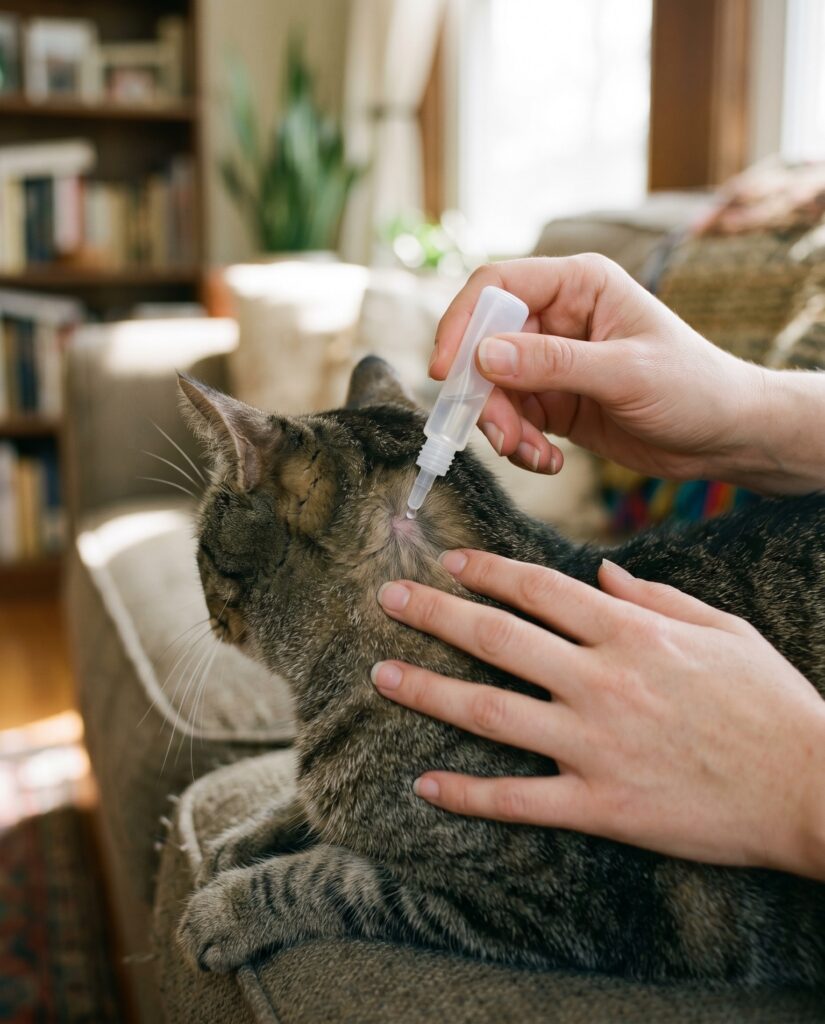
Common veterinarian-used options include topical and oral adulticides (product choice depends on species, age, and health status). For a practical breakdown of options and what to ask your vet about, see InsectoGuide’s flea treatments for dogs.
A simple pet routine during an active infestation
Use this as a realistic weekly rhythm:
- Day 1: Start vet-approved flea prevention (topical or oral).
- Days 1-14: Comb daily with a flea comb, especially around the neck and tail base.
- Weekly: Wash bedding and vacuum the main rooms thoroughly.
- Ongoing: Keep prevention consistent for at least 2-3 months, even if you stop seeing fleas.
What not to do (common mistakes that prolong infestations)
- Treat only the pet and skip the house. Eggs are already in carpets and bedding.
- Stop early. Pupae can delay emergence, so you may see “new” adults later.
- Mix products without guidance. Some combinations can be unsafe for pets.
If humans in the home are getting bitten, it’s a strong sign the environment is heavily seeded. InsectoGuide’s guide to flea bites on humans can help you confirm bites and reduce exposure while you treat the source.
Quick checklist: signs your plan is working
- Fewer bites within 3-7 days (often first noticeable change)
- Less flea dirt on bedding within 7-10 days
- Fewer live fleas caught in combing over 2-3 weeks
Actionable takeaway: Home treatment without pet treatment is a leak in the bucket. Pet treatment without home treatment is mopping while the faucet runs.
Prevention and follow-up: keeping flea eggs from coming back
Once you’ve done the hard work, prevention is about removing the conditions that let fleas reproduce quietly. Most repeat infestations happen for one of three reasons: prevention lapses, hidden pupae emerge later, or new fleas are introduced by wildlife or visiting pets.
How long you should keep treating (realistic timelines)
Even in a well-run cleanup, expect a multi-week process:
- Eggs can hatch in as little as a few days under warm, humid conditions.
- Larvae and pupae stages can stretch the timeline, especially in protected indoor spots.
A practical rule: continue your combined approach for at least 3-4 weeks, then maintain prevention on pets.
A prevention plan that fits normal life
Weekly home habits
- Vacuum high-risk zones (pet areas, couch seams, rug edges).
- Wash pet bedding regularly.
- Reduce clutter near pet resting areas so eggs have fewer hiding places.
Year-round pet protection
- Use veterinarian-recommended preventatives consistently, not only in summer.
- If you live in warm or humid regions, fleas can remain active for long stretches.
Outdoor and “source” control
- Discourage wildlife nesting near the home (crawlspaces, sheds).
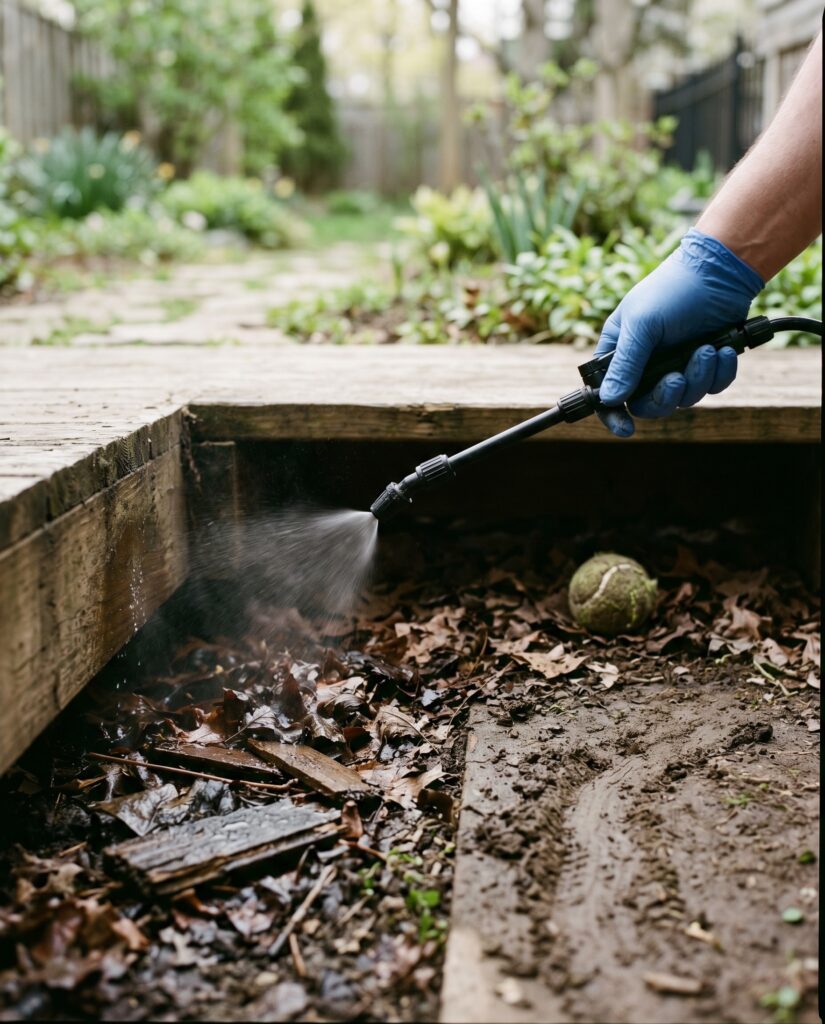
- If you suspect outdoor hotspots, focus on shaded resting areas where pets spend time.
When to escalate your approach
If you’re still seeing clear signs after a month:
- Re-check whether every pet is treated (including cats in multi-pet homes).
- Confirm you used an IGR in the environment.
- Consider professional help for whole-home treatment and source investigation.
For a room-by-room strategy and product category overview, InsectoGuide’s complete flea removal guide lays out a full plan you can follow like a checklist.
Actionable takeaway: Prevention is mostly consistency. A small weekly routine beats a big once-a-year cleanup.
Conclusion: the fastest path to getting ahead of flea eggs
Flea eggs are tiny, smooth, and easy to overlook, but they’re also one of the clearest signs that fleas are reproducing in your home. Look for the salt-and-pepper pattern in pet resting areas, confirm with simple roll and shake tests, then act on two fronts: treat the pet and treat the environment. Daily vacuuming, hot laundry, and an IGR are the core trio that breaks the cycle.
Next step: If you want a structured plan you can follow day by day, use the complete flea removal guide. If you’re troubleshooting why fleas keep returning, revisit the flea life cycle to see which stage may be slipping through.
As an Amazon Associate, I earn from qualifying purchases. Product recommendations are based on real reviews and independent research.