Finding fleas again after you just treated your pet can feel like the treatment “didn’t work.” In reality, most comebacks happen because the home environment keeps producing new adults for weeks. Flea reinfestation prevention is about breaking that pipeline: protect every pet, remove eggs and larvae from carpets and bedding, and keep pupae from “hatching” into biting adults. This guide walks you through an Integrated Pest Management plan you can start today, plus a realistic timeline for when the last stragglers should disappear.
Quick answer: flea reinfestation prevention checklist (do this first)
To prevent fleas from returning after treatment, you need to treat the pet and the environment at the same time, then keep pressure on the life cycle for several weeks.
Do these steps in order:
- Treat every pet year-round with a veterinarian-recommended preventive (dogs and cats, even “indoor-only” pets).
- Vacuum daily for 14 days, then 3 to 4 times weekly for a month (carpets, rugs, couch seams, baseboards).
- Wash and dry bedding on hot (pet beds, throws, your sheets if pets sleep with you) every 1 to 2 weeks.
- Use monitoring (flea comb + simple traps) to confirm progress, not guess.
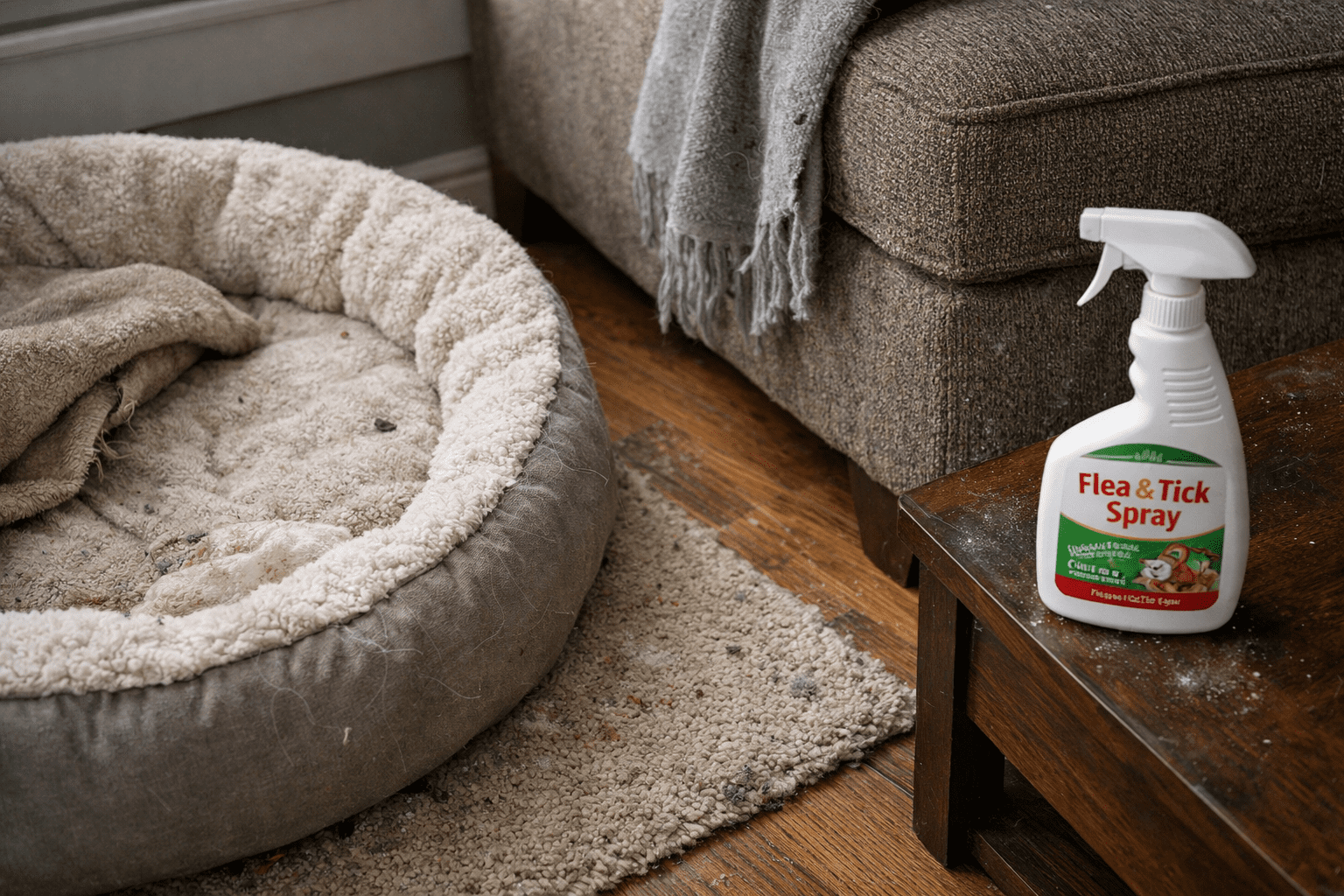
- Target hot spots: where pets nap, under furniture, and along edges of rooms.
Fast reality check: only a small fraction of fleas are on the pet at any moment. The rest are developing in your home, which is why flea reinfestation prevention hinges on cleaning and follow-through.
Why fleas “come back” after treatment: it’s usually the life cycle, not failure
If you are still seeing fleas after a good product and a thorough cleaning, it’s tempting to assume resistance or a bad batch. More often, you’re watching the flea life cycle finish what it started.
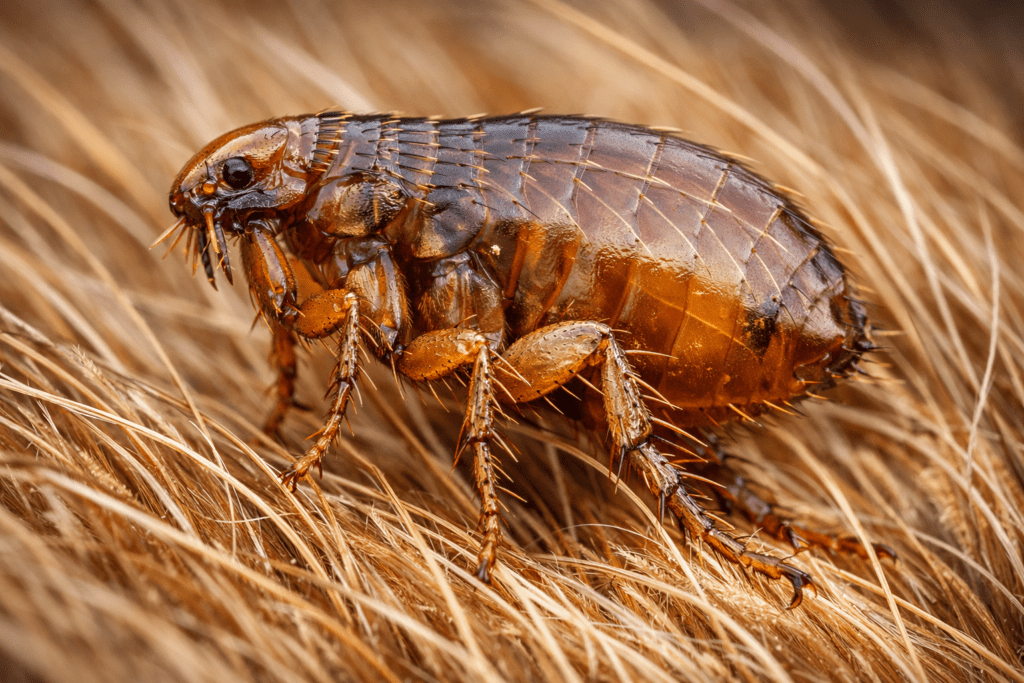
Entomologists and veterinarians emphasize that the majority of a flea population lives off the pet as eggs, larvae, and pupae in carpets, cracks, and pet resting areas. The UC IPM flea guide explains how these immature stages build up in the environment and then emerge in waves. That’s why you can treat a pet perfectly and still see adult fleas popping up.
Here’s what’s actually happening in many homes:
- Eggs fall off the pet into carpet, bedding, and floor gaps.
- Larvae hide from light and feed on organic debris, including “flea dirt” (digested blood).
- Pupae form tough cocoons that can wait weeks or longer.
- Adults emerge when stimulated by vibration, heat, and carbon dioxide – basically, normal household activity.
Think of pupae like popcorn kernels in a pan. You can turn down the heat (treat the pet), but kernels already in the pan can still pop later. The EPA guidance on controlling fleas and ticks around the home also notes that a multi-step approach works better than relying on a single spray or shampoo.
Visual: flea stages and what actually stops them
| Flea stage | Where it is | Why it survives | What stops it best |
|---|---|---|---|
| Egg | Carpet, bedding, pet areas | Falls off quickly, spreads widely | Vacuuming, laundry, sanitation |
| Larva | Deep carpet, cracks, under furniture | Avoids light, hides in debris | Vacuuming, steam cleaning, IGRs |
| Pupa | Carpet fibers, protected corners | Cocoon resists many treatments | Time + vacuuming stimulation + consistent prevention |
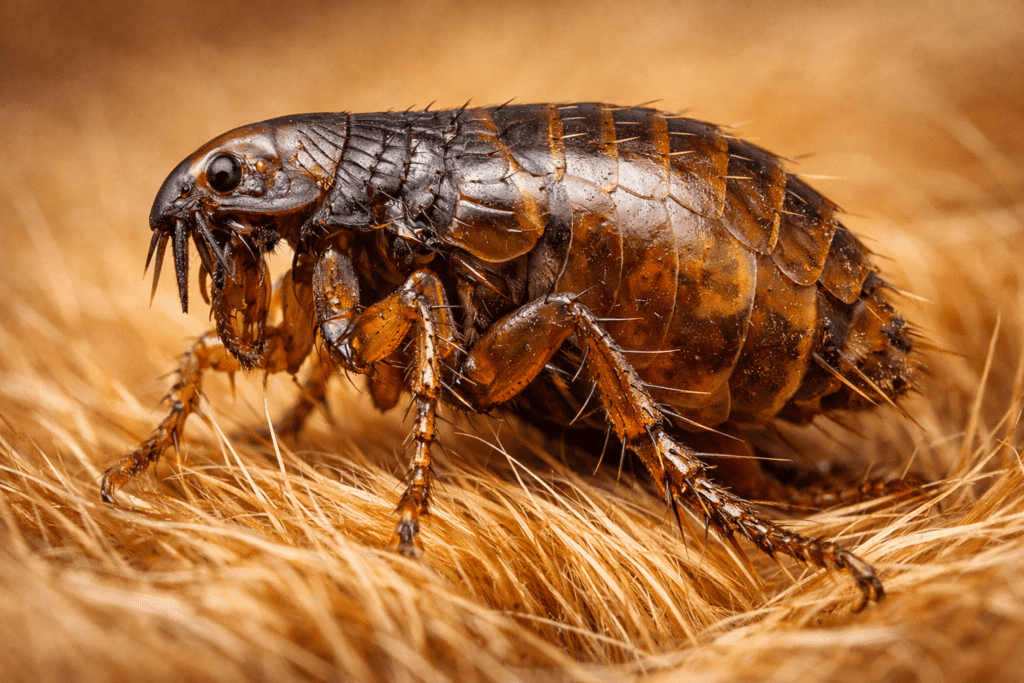
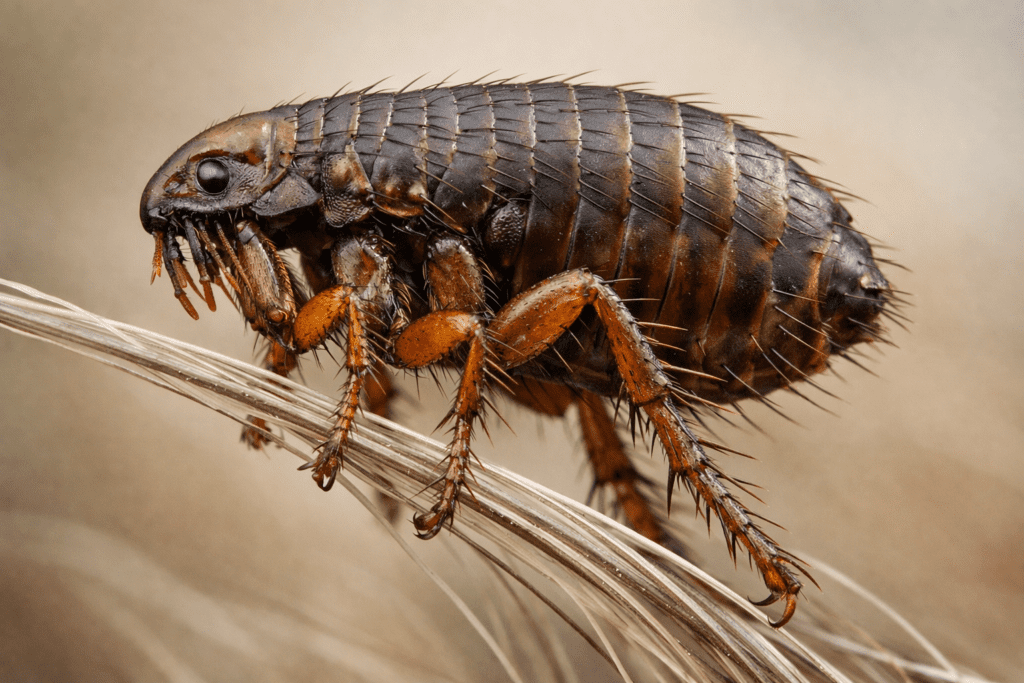
| Adult | On pet, sometimes in home | Feeds and lays eggs fast | Vet preventives, combing, targeted indoor control |
Actionable takeaway: If you want fewer “new” fleas next week, focus less on what you see today and more on removing eggs, larvae, and pupae sources. For a deeper explanation of timing, see our guide to the flea life cycle.
Pet-first strategy: the non-negotiables that stop egg laying
Frontline Plus Flea and Tick Treatment for Dogs, 45-88 lbs, 3 Doses
Frontline Plus for Dogs (45-88 lbs, 3 doses) is a veterinarian-recommended, fast-acting topical treatment that kills fleas, eggs, larvae, ticks, and lice within 12-48 hours while breaking the flea life cycle for 30 days of waterproof protection; ideal for large dogs over 8 weeks old, though Amazon-specific ratings and pricing unavailable here—widely trusted as the #1 flea/tick brand with no third-party testing data found[1][2][3].
Most reinfestations persist because one animal in the home is untreated, under-dosed, or treated inconsistently. Fleas only need one reliable blood source to keep the cycle going.
Veterinary parasitology sources stress that consistent, year-round preventives are the foundation of control, especially in warm or humid regions and in homes with indoor-outdoor pets. A practical overview in Today’s Veterinary Practice describes how modern products can stop adult fleas quickly and reduce reproduction, which matters because egg production drives reinfestation.
Step-by-step: lock down pets in a multi-pet household
- Treat all pets on the same day. Dogs, cats, and any frequent visiting pets should be covered.
- Use the right product for the right species. Never use dog-only products on cats.
- Stay on schedule. Set a recurring reminder for monthly doses or collar replacement.
- Watch for “silent carriers.” Indoor cats can still get fleas from humans, dogs, or rodents.
Daily habit that accelerates results: flea combing
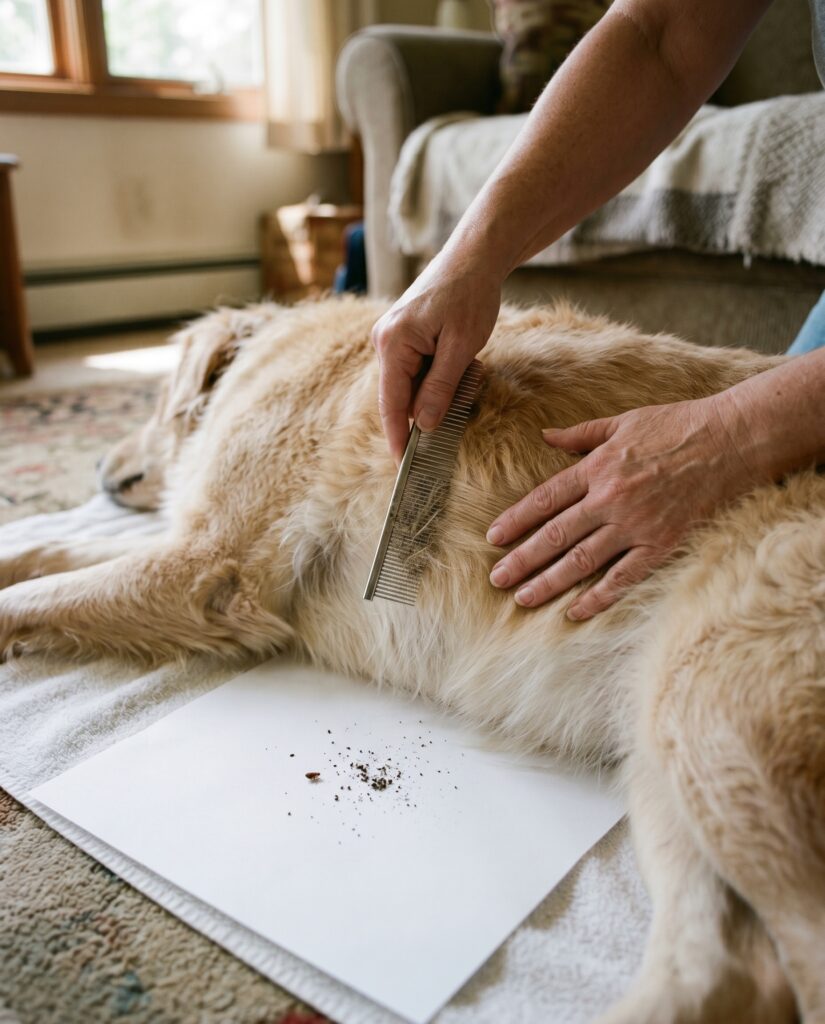
A metal flea comb is old-school, but it gives immediate feedback and removes adults before they lay more eggs.
- Comb around the neck, shoulders, and tail base.
- Dunk captured fleas into soapy water (plain dish soap works).
- Check for flea dirt by placing specks on a damp paper towel – it turns reddish-brown.
Visual: quick product decision guide (talk to your vet)
| Home situation | What to prioritize | Common mistake to avoid |
|---|---|---|
| Pets sleep on furniture | Fast adult kill + long residual | Treating pet but not couch seams |
| Indoor-outdoor dog | Strong prevention + yard habits | Skipping winter prevention |
| Cat household | Cat-safe products only | Using permethrin dog products on cats |
| Puppies/kittens | Vet-approved age/weight dosing | DIY dosing or “natural only” in heavy infestations |
Actionable takeaway: If you’re unsure which option fits your dog, start with our comparison of flea treatments for dogs and then confirm with your veterinarian. Consistency beats switching products every week.
Indoor control that actually works: vacuuming, laundry, and targeted heat
Adams Flea and Tick Carpet Powder, 16 oz
Adams Flea and Tick Carpet Powder effectively targets all flea life stages with Linalool, pyrethrins, and IGR for up to a year of protection on carpets and upholstery, covering 400 sq ft per container, though test on fabrics first and delay vacuuming; recommend for pet owners needing reliable area treatment despite lacking Amazon-specific ratings or third-party tests in available data.
Flea Comb for Dogs and Cats – Professional Pet Grooming Tool
The PetUnion Flea Comb (ASIN B07G5J5Z3K) is a top-rated grooming tool with 4.6 stars from over 12,400 Amazon reviews, praised for effectively catching fleas and dirt on dogs and cats at a budget-friendly $9.99 price. Reviewers love its sturdy build and ease of use, though some note potential bending on heavy coats; ideal for pet owners seeking a chemical-free solution.
Most people underestimate how much flea development happens in the home. The good news is that the most effective tools are simple and low-toxicity: vacuuming, hot washing, and heat.
The EPA’s home flea control recommendations highlight sanitation and repeated removal of immature stages. Likewise, guidance summarized by Harvard Health Publishing emphasizes cleaning and persistence because newly emerged adults can appear after the first round of treatment.
The 14-day “pressure plan” (most households)
For the first two weeks after treating pets:
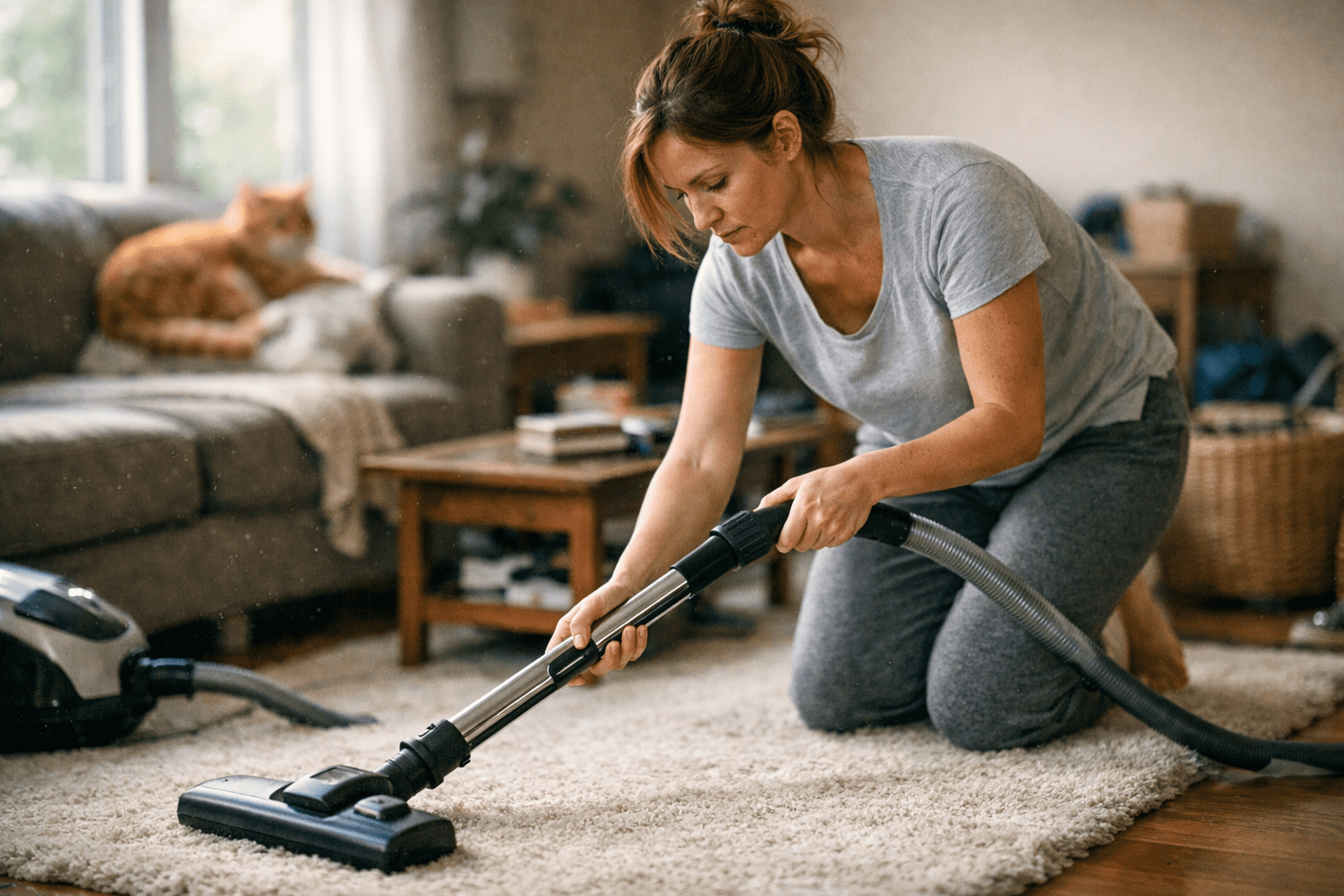
- Vacuum daily: carpets, rugs, edges of rooms, under beds, couch cushions, pet beds, and baseboards.
- Empty the canister outdoors or seal and discard the bag immediately.
- Wash bedding hot and dry on high heat at least weekly (more often if pets are heavily infested).
After day 14:
- Vacuum 3 to 4 times per week for another month.
- Keep pets on prevention continuously.
Why vacuuming matters so much:
- It removes eggs and larvae.
- It stimulates pupae to emerge, which sounds bad until you realize those adults then die faster when pets are protected.
Steam cleaning: when you need a faster reset
If you have wall-to-wall carpet or heavy flea pressure, steam cleaning can be a turning point because heat can kill multiple life stages in place.
- Use a machine that produces true hot steam.
- Move slowly over pet resting zones and traffic lanes.
- Let carpets dry fully to avoid adding humidity that helps larvae.
Visual: indoor hot spot map (where to focus first)
| Area | Why it matters | What to do |
|---|---|---|
| Pet sleeping spots | Highest egg drop zone | Wash/replace bedding, vacuum daily |
| Couch seams | Warm, protected crevices | Vacuum creases, steam if possible |
| Baseboards/edges | Larvae migrate to edges | Vacuum with crevice tool |
| Under furniture | Dark and undisturbed | Move items, vacuum thoroughly |
| Closets/quiet rooms | Pupae survive where you don’t walk | Vacuum even if “unused” |
Actionable takeaway: If you only have time for one indoor step, vacuum like it’s a prescription: daily, targeted, and for long enough to cover edges and furniture seams.
Yard and outdoor sources: when they matter and how to reduce them
Many reinfestations are driven indoors, but outdoor pressure can keep re-seeding pets, especially in warm climates or homes with wildlife visitors. Shady, humid areas act like flea nurseries: under decks, around shrubs, in dog runs, and where animals rest.
A practical point from the UC IPM program is that outdoor treatments alone rarely solve the problem if pets and indoor areas are not handled. Still, yard adjustments can reduce the number of fleas that hop onto pets in the first place.
Start with habitat changes (often enough)
Focus on making the yard less flea-friendly:
- Mow and trim to reduce shade and humidity at ground level.
- Rake leaf litter and remove dense debris where larvae develop.
- Avoid overwatering. Moist soil and shade help immature fleas survive.
- Block wildlife access under porches and decks when possible.
- Move pet resting spots into sunnier, drier areas.
Target only the right zones
If you do treat outdoors, don’t blanket-spray the whole lawn. Fleas cluster where hosts rest.
- Under decks and porches
- Along fence lines where pets patrol
- Under shrubs and low branches
- Dog houses, kennels, and shaded dirt patches
Visual: yard risk zones and what to do
| Yard zone | Risk level | Best first move |
|---|---|---|
| Sunny open lawn | Low | No treatment, keep mowed |
| Under deck/porch | High | Clean debris, limit wildlife access |
| Shaded shrub beds | Medium-high | Prune, rake, reduce irrigation |
| Dog run/kennel | High | Clean weekly, rotate resting areas |
| Compost/trash area | Medium | Secure to reduce wildlife |
For a step-by-step outdoor plan, see our dedicated guide to yard flea control.
Actionable takeaway: Yard work beats yard sprays in many cases. If pets are consistently protected, outdoor fleas usually fail to establish indoors.
Monitoring, timelines, and when to use IGR sprays or call a pro
The hardest part of flea control is psychological: you want the problem to be over immediately, but biology runs on a schedule. Pupae can remain protected in cocoons and emerge later, which is why you may see fleas even after doing “everything right.”
If you’re wondering what’s normal, it helps to understand survival limits and emergence timing. Our guide on how long fleas survive explains why adults don’t last long without a host, but immature stages can keep the problem going.
What progress should look like (realistic timeline)
Use this as a general expectation when pets are on effective prevention and you’re vacuuming consistently:
- Days 1 to 7: You may still see adult fleas. Many are newly emerged from pupae.
- Weeks 2 to 4: Numbers should drop sharply. Random sightings can still happen.
- Weeks 4 to 8: Most homes reach “no bites, no sightings” if cleaning stayed consistent.
If you’re not improving by week 3, look for a missing link:
- One pet not treated (or treated late)
- Pets visiting other homes or dog parks frequently
- Untouched indoor zones (closets, under beds, spare rooms)
- Wildlife nesting under decks or in crawl spaces
Monitoring tools that keep you honest
- White sock test: walk across carpet in white socks and check for jumping fleas.
- Sticky light traps: place near pet sleeping areas to track adult activity.
- Comb counts: comb daily for a week and note how many fleas you catch.
When an indoor spray helps (and what to look for)
In heavy infestations, a targeted premise treatment can speed control, especially products containing an insect growth regulator (IGR) that prevents larvae from developing into adults. This should complement cleaning and pet prevention, not replace them.
The EPA’s guidance on pet-safe flea control is a good reference for using products correctly and safely.
When to call a professional
Consider professional pest control if:
- You have repeated bites after 4 to 6 weeks of consistent effort.
- You’re dealing with multi-unit housing where fleas move between apartments.
- There’s a wildlife or rodent issue you can’t safely address.
- A family member has severe reactions, and you need faster knockdown with a clear plan.
Visual: troubleshooting chart (why you still have fleas)
| Symptom | Likely cause | Fix |
|---|---|---|
| Fleas on one pet only | Missed treatment or wrong product | Vet consult, treat all pets same day |
| Fleas mostly in one room | Hot spot bedding/furniture | Steam + vacuum edges + wash textiles |
| Fleas return after visitors | Pet-to-pet transfer | Ask about prevention, limit contact temporarily |
| Bites but no fleas seen | Low-level emergence from pupae | Keep vacuum schedule 2 to 4 more weeks |
Actionable takeaway: Don’t measure success by “zero fleas in 48 hours.” Measure it by a steady decline over 2 to 4 weeks while you keep pressure on the life cycle.
Conclusion: a simple plan that prevents the next comeback
Flea problems rarely end with a single product or a single cleaning day. The most reliable approach is consistent pet protection plus repeated removal of eggs and larvae from the home. For flea reinfestation prevention, treat every pet, vacuum with discipline, wash bedding hot, and reduce outdoor hot spots where pets rest.
Next step: review the flea life cycle to understand why timing matters, then choose a vet-aligned option from our guide to flea treatments for dogs. If you stick with the schedule, most households see clear improvement within a few weeks and a lasting break in the cycle.
As an Amazon Associate, I earn from qualifying purchases. Product recommendations are based on real reviews and independent research.