
You step off the boardwalk, drop your towel, and within minutes your ankles start itching. People often blame “sand fleas,” but that name gets used for two very different creatures. Most beachgoers in the U.S. and many temperate coasts are dealing with tiny hopping crustaceans that live in damp sand and seaweed piles, not true fleas. Still, sand fleas can leave itchy welts, and in tropical regions a true sand flea can burrow into skin. This guide helps you identify what you’re seeing, prevent bites, and treat them safely.
Readers working through this usually open How Long Do Fleas Live Without a Host? next.
Quick identification / quick answer: What are sand fleas?
Most “sand fleas” are beach hoppers (sand hoppers) – small amphipod crustaceans in the family Talitridae. A much rarer meaning is the chigoe (jigger) flea (Tunga penetrans), a true flea found mainly in tropical regions.
Use this fast checklist:
| What you notice | Most likely culprit | What it means for you |
|---|---|---|
| Tiny “shrimp-like” hopper in wrack (seaweed) near the high-tide line | Beach hoppers (Talitridae) | Usually harmless; occasional itchy bites possible |
| Itchy red bumps in clusters on ankles after sitting near damp sand at dusk | Beach hoppers or biting midges (“no-see-ums”) | Treat like other itchy bites; symptoms often fade in days |
| A painful spot on toe/foot that looks like a white bump with a dark center after tropical travel | Chigoe flea (Tunga penetrans) | Possible tungiasis; seek medical care for removal |
| Bugs “infesting” the house after a beach trip | Not sand fleas | Look for true fleas, ants, or other indoor pests |
For bite look-alikes and how patterns differ, see our guide on how sand flea bites compare to other insect bites.
Sand fleas on the beach: What they really are (and what they are not)
If you’ve ever scooped damp sand and seen something flick away like a spring-loaded grain of rice, you’ve met the most common “sand flea.” These are amphipods – crustaceans, not insects. Think of them as beach-cleanup crew: they shred seaweed and recycle organic debris along the shoreline.
Beach hoppers (Talitridae): the common “sand flea”
Beach hoppers typically measure about 1/4 to 3/4 inch (6 to 19 mm). Their bodies look compressed and shrimp-like, with multiple legs, noticeable antennae, and a quick hopping motion that inspired the nickname.
Where you’ll find them
They concentrate where moisture and food collect:
- Near the high-tide line
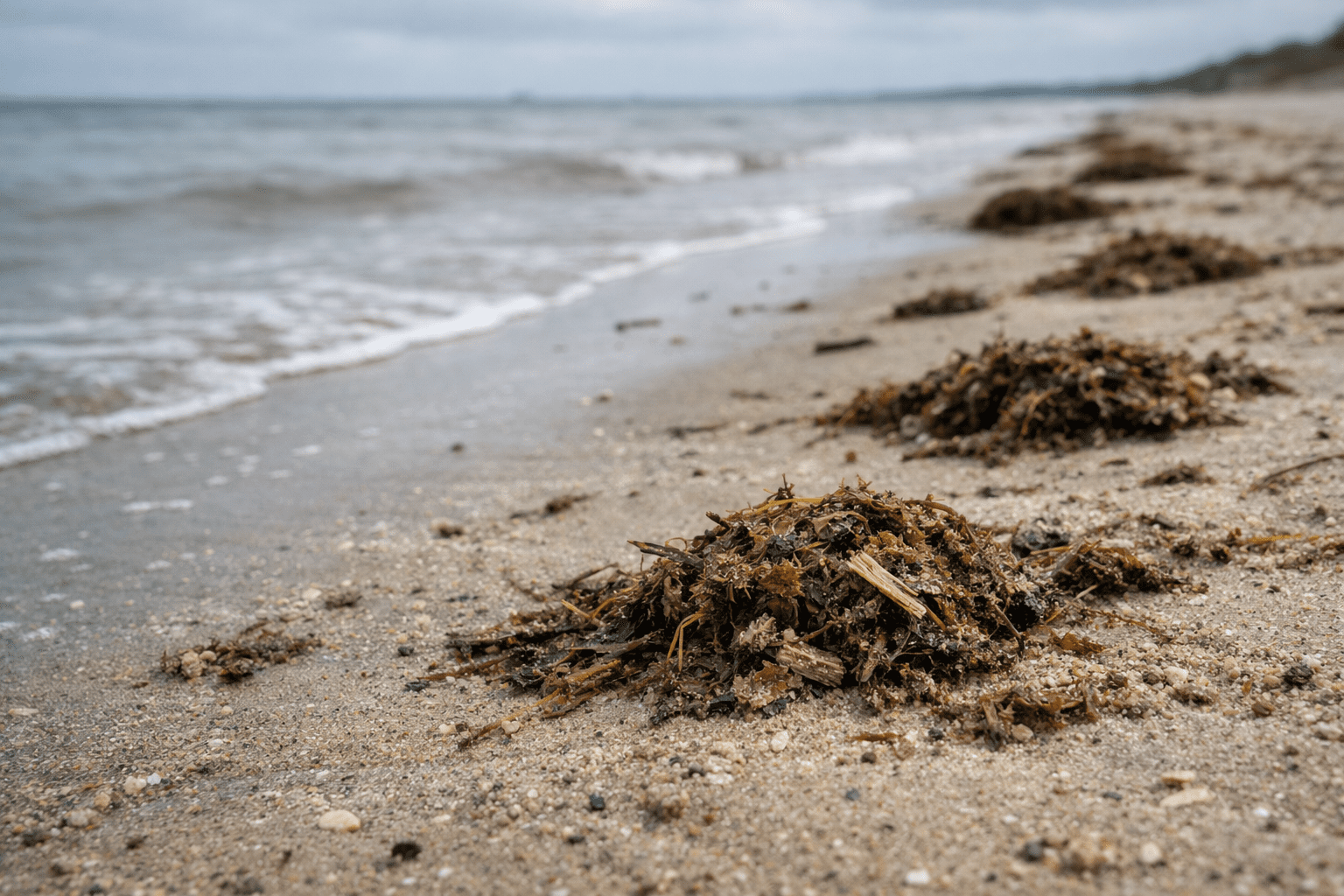
- Under seaweed piles (wrack)
- In damp sand near dunes or marsh edges
- Most active at night and during dusk/dawn
Why they’re around
Beach hoppers eat decaying seaweed, algae, and detritus. When beaches are healthy and have natural wrack lines, you often see more of them. In that sense, they can be a sign that the shoreline is still functioning as an ecosystem, not just a manicured strip of sand.
The “true” sand flea: chigoe (jigger) flea (Tunga penetrans)
Here’s where the confusion gets serious. Tunga penetrans is a true flea (an insect) and is tiny – about 1 mm long before it embeds. It’s best known for causing tungiasis, a condition where a fertilized female flea burrows into skin, usually on the feet, and then swells as eggs develop.
According to medical guidance from the Cleveland Clinic’s overview of sand flea bites, this burrowing type is associated mainly with tropical and subtropical regions and is uncommon for most U.S. beach visits.
Common mix-ups: “sand fleas” vs sand flies vs sea lice
A lot of “sand flea bites” are actually from other beach biters.
Most common confusion:
- Biting midges (no-see-ums / sand flies in casual speech): tiny flying insects that bite exposed skin.
- Mosquitoes: especially around dunes, marshes, and evening breezes.
- Sea lice: a catch-all beach term often linked to jellyfish larvae or irritation under swimwear, not insects.
If your beach problem is mostly flying biters, our mosquito repellent strategies guide can help you build a repellent plan that works in coastal conditions.
Sand flea bites: what they look like, how long they last, and when to worry
Repel 100 Insect Repellent, 4 oz
This product is relevant as it provides protection against insect bites, including those from sand fleas and other beach parasites.
Most people searching for sand fleas really want one thing: an explanation for the itch. The tricky part is that many beach bites look similar at first glance, so it helps to focus on location, timing, and progression.
Typical beach-hopper bite symptoms (non-burrowing)
When beach hoppers bite, it’s usually brief and opportunistic. You might notice:
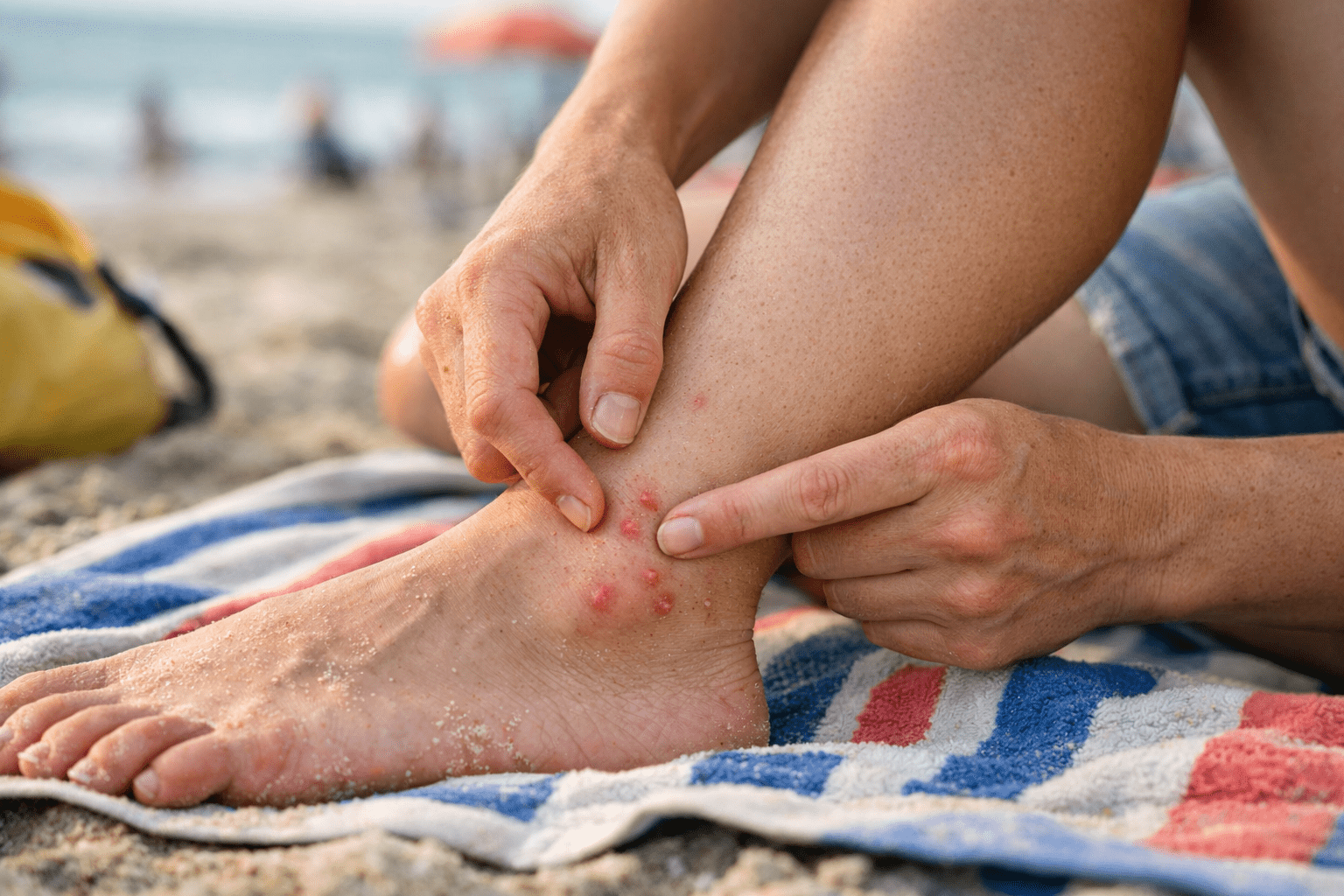
- Small red bumps or welts
- Clusters around ankles, feet, and lower legs
- Intense itching that peaks in the first day
- Improvement over a few days
These bites do not involve the animal living in your skin, and beach hoppers do not infest homes. Pest management sources such as Orkin’s sand flea overview emphasize their beach-bound habits and the fact that they remain in shoreline environments.
Tungiasis signs (burrowing chigoe flea) – seek medical care
If you’ve been in parts of the Caribbean, Central or South America, or sub-Saharan Africa and develop a lesion on the foot, don’t brush it off as a normal bite.
Red flags include:
- A painful bump on toes, soles, or around nails
- A white or yellowish raised spot with a dark central dot
- Increasing swelling, warmth, or drainage
- Trouble walking due to tenderness
The embedded flea can remain and enlarge as it produces eggs. Attempting to dig it out at home increases the risk of infection. Medical evaluation is the safest path, especially if you have diabetes, poor circulation, or immune concerns.
Quick “bite pattern” visual guide
Use this to narrow down likely causes:
- Ankles bitten after sitting near wet wrack at sunset: beach hoppers or biting midges
- Scattered bites on arms/shoulders while standing: mosquitoes or midges
- Rash under swimsuit after ocean swim: sea lice or marine irritation
- Single expanding painful lesion on toe after tropical travel: possible tungiasis
If you want a broader reference for flea-like bites, compare with our flea bite identification and treatment guide.
How to avoid sand fleas at the beach: practical prevention that actually works
Cutter Backyard Bug Control Spray, 32 oz
This product helps to control bugs in outdoor areas, making it useful for preventing sand flea encounters at the beach.
Prevention is mostly about two things: where you sit and what you wear. Beach hoppers need moisture and cover, so the most bite-prone spots are often the most comfortable spots for humans too: damp sand near the wrack line.
Step-by-step prevention checklist (use this before you set up)
-
Choose dry, open sand
Set your towel well above the high-tide line and away from seaweed piles. If the sand feels cool and damp, expect more hoppers. -
Avoid dusk and dawn in “buggy” zones
Many shoreline biters become more active in low light. Midges and mosquitoes also surge then. -
Create a barrier between you and sand
Use a thicker blanket or beach mat. Shake it out before sitting and again before packing. -
Cover ankles and feet when conditions are right
Closed-toe water shoes or sandals plus socks (when practical) block the most common bite zone. -
Rinse off promptly
A quick shower helps remove irritants and any hitchhikers from towels or clothing.
Repellents: what to use (and what to expect)
Repellents work best against flying insects, but they can still help in mixed “beach parasite” situations.
Options to consider:
- DEET on exposed skin when biting pressure is high
- Picaridin as an alternative many people find less odorous
- Permethrin-treated clothing (for travel, not for direct skin application)
For plant-based and low-odor approaches, see our roundup of natural repellent options. Just keep expectations realistic: “natural” products may need more frequent reapplication, especially in wind and humidity.
Travel note: tropical beaches and chigoe flea risk
If you’re traveling to regions where tungiasis occurs, prevention shifts from “avoid itching” to “avoid skin contact with sand.”
Add these habits:
- Wear closed shoes whenever possible.
- Don’t sit directly on sand in shaded, dusty areas near homes or animals.
- Inspect feet daily for early lesions and seek care if suspicious.
Natural history educators at the Houston Museum of Natural Science have a helpful explanation of why the name “sand flea” causes confusion and why most beach “sand fleas” are not the burrowing kind.
Treatment for sand flea bites: itch relief, skin care, and when to see a doctor
After Bite Kids Itch Relief, 0.5 oz
No Amazon product page found in search results for ‘After Bite Kids Itch Relief, 0.5 oz’; ASIN unavailable. Product appears on Walmart (4.4 stars from 607 ratings), official site, and stores like FSA Store as a gentle, paraben-free anti-itch cream for kids with sodium bicarbonate, but cannot recommend for Amazon affiliate without verified ASIN and ratings.[1][2][3]
Most beach-related bites can be managed at home, and the goal is simple: reduce itch, prevent infection, and watch for unusual symptoms. Scratching is what turns a minor bite into a lingering problem.
At-home treatment plan (simple and effective)
Try this sequence:
-
Wash with soap and water
This removes salt, sand, and bacteria. -
Cool the area
Use a cold compress for 10 minutes to reduce swelling and blunt itch signals. -
Reduce inflammation and itch
- 1% hydrocortisone cream (short-term use)
- Calamine lotion for soothing relief
- Oral antihistamine at night if itching disrupts sleep
-
Protect broken skin
If you scratched raw spots, apply a thin layer of petroleum jelly and keep nails short to avoid reopening the area.
“Do I need antibiotics?”
Not usually. Most bites resolve without complications. Antibiotics are considered when there are signs of a secondary skin infection, such as:
- Increasing redness that spreads
- Warmth, pain, or pus
- Fever or swollen lymph nodes
When to seek medical care
Get evaluated if any of the following apply:
- Symptoms last longer than 7-10 days without improvement
- You develop blistering, severe swelling, or widespread rash
- You suspect a burrowing flea after tropical travel
- You have diabetes, poor circulation, eczema, or immune suppression and bites are worsening
Quick “treat vs. monitor” table
| Situation | Best next step |
|---|---|
| Mild itchy clusters on ankles after local beach | Home care and avoid re-exposure |
| Itching + lots of tiny flying insects seen | Add repellent and clothing barriers |
| One painful lesion on toe with dark center after tropical beach | Medical evaluation for possible tungiasis |
| Bites plus signs of infection | Doctor or urgent care |
Key takeaways about sand fleas (and the next best step)
Most sand fleas people encounter are beach hoppers, shrimp-like crustaceans that live in damp shoreline sand and seaweed piles. They can cause itchy bumps, but they don’t burrow into skin or infest homes. The burrowing “true” sand flea (chigoe flea) is mainly a tropical travel concern and deserves prompt medical attention if suspected.
Next step: If you’re trying to confirm what bit you, compare patterns and timing using our guide on how sand flea bites compare to other insect bites. If your main issue is evening beach biting, tighten your routine with these mosquito repellent strategies for coastal conditions.
As an Amazon Associate, I earn from qualifying purchases. Product recommendations are based on real reviews and independent research.
Pingback: Can Fleas Live on Humans? Facts and Prevention
Pingback: How Long Do Fleas Live Without a Host?
Pingback: How to Get Rid of Fleas: The Complete Pet-and-Home Guide