If you’re trying to tell a deer tick from a dog tick, the fastest clue is size and markings. In the deer tick vs dog tick comparison, deer ticks (blacklegged ticks) look smaller and plainer, while American dog ticks look larger with a patterned “shield” on their back. That quick ID matters because these species don’t carry the same diseases, and their favorite habitats differ. Below is a clear, photo-friendly guide to spotting the differences, plus what to do after a bite and how to reduce tick encounters for people and pets.
Quick identification (fast answer)
Here’s the simplest way to separate deer tick vs dog tick at a glance – with a third common “look-alike” included:
| Feature | Deer tick (blacklegged tick) | Dog tick (American dog tick) | Lone star tick (common confusion) |
|---|---|---|---|
| Scientific name | Ixodes scapularis | Dermacentor variabilis | Amblyomma americanum |
| Unfed adult size | Smallest – about sesame-seed sized | Largest of the three | Medium |
| Back “shield” (scutum) | Dark, plain (no ornate pattern) | Ornate white-gray patterning | Female has a single white dot (“lone star”) |
| Mouthparts | Relatively narrow | Shorter, blockier | Longer, more noticeable |
| Common habitat | Wooded edges, leaf litter | Open fields, grassy trails | Brushy woods, dense undergrowth |
| Main health concerns | Lyme disease, anaplasmosis, babesiosis | Rocky Mountain spotted fever, tularemia | Ehrlichiosis, alpha-gal syndrome, STARI |
If you want a broader visual key for other species and life stages, see Types of Ticks: Complete Identification Guide With Pictures.
Deer tick vs dog tick: how to identify them on sight
Most tick mistakes happen for one reason: people compare the wrong life stage. A deer tick nymph can be tiny enough to miss, while a well-fed dog tick can look like a small raisin. So the goal is to identify shape + markings + mouthparts, not just “brown tick = X.”
The 5 traits that separate them (use this checklist)
Use this field checklist like you would a birding guide:
-
Overall size (unfed)
- Deer tick adults are smaller, often described as sesame-seed sized.
- American dog ticks are noticeably larger.
-
Scutum (the hard plate on the back)
- Deer tick: a darker, plain scutum.
- Dog tick: a decorative, pale pattern on the scutum, especially obvious on males.
-
Mouthparts (capitulum) from above
- Deer tick: narrower mouthparts.
- Dog tick: shorter mouthparts that look stubbier.
-
Body outline
- Deer ticks often look a bit more streamlined.
- Dog ticks look broader and more “shield-like” from above.
-
Where you found it
- Deer ticks thrive in wooded edges and leaf litter.
- Dog ticks are common along open grassy paths and field edges.
Quick “macro photo” guide (what to photograph)
If you’re taking a close-up for confirmation, aim for:
- A top-down photo showing the scutum pattern
- A close crop of the head and mouthparts
- A ruler or coin for scale
For species-level ID, many state resources use exactly these traits. The Virginia Department of Health tick identification guide and the Kansas State Veterinary Diagnostic Laboratory tick ID resource both emphasize scutum markings and mouthpart shape as primary identifiers.
Common “false IDs” to avoid
Misidentification is common even among careful hikers. Watch for these:
-
“It’s big, so it must be a dog tick.”
An engorged deer tick can look larger than expected. -
“It has a dot, so it’s a deer tick.”
The single dot is associated with female lone star ticks, not deer ticks. -
“My dog had a dog tick, so it’s Dermacentor.”
Dogs can pick up multiple species. Also, the brown dog tick (Rhipicephalus sanguineus) is a different tick that can infest homes, unlike the American dog tick which is mostly outdoors.
If you want the health-risk overview by species, Tick-Borne Diseases: Lyme, Anaplasmosis & Rocky Mountain Fever breaks down which ticks are linked to which pathogens.
Where deer ticks and dog ticks live (and why that changes your risk)
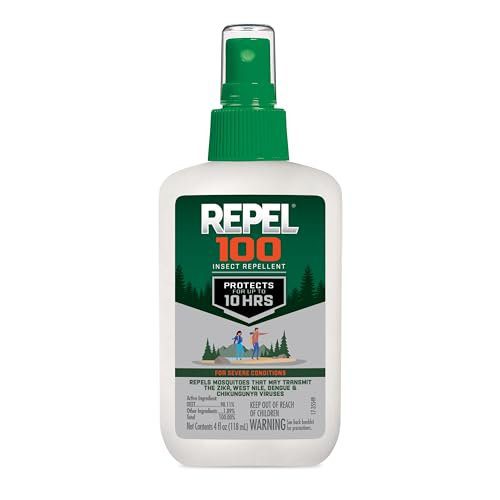
Repel 100 Insect Repellent, 4 Ounces, With DEET, 10-Hour Protection Long-Lasting Insect Repellent Pump Spray Repels Mosquitoes, Ticks, Gnats, Biting Flies, Chiggers And Fleas
This product is relevant as it provides a strong insect repellent to help prevent tick bites while outdoors, especially in areas where deer ticks and dog ticks are prevalent.
Tick exposure is less about “being outdoors” and more about being in the right kind of outdoors at the right time. Think of ticks as patient ambushers. They do not jump or fly. They “quest” by climbing onto vegetation and holding out their front legs, waiting to grab passing hosts.
Habitat differences you can use immediately
If you’re trying to decide which tick you likely encountered, start with the landscape:
Deer tick (blacklegged tick) habitat
- Wooded areas and woodland edges
- Leaf litter, brush piles, stone walls
- Trails that cut through mixed forest and tall understory plants
Dog tick (American dog tick) habitat
- Open fields, meadows, grassy trail margins
- Areas with less tree cover
- Overgrown lots and field edges near human activity
These habitat patterns are consistent with public health guidance on where ticks thrive. The CDC guidance on tick habitats notes that many problem species cluster in grassy, brushy, or wooded areas, especially at edges where wildlife and people overlap.
Geographic range (US) in plain terms
Ranges overlap, but there are patterns:
- Deer ticks are widespread across the eastern, northeastern, and upper midwestern United States, especially where forests and deer-mouse ecosystems support them.
- American dog ticks occur widely east of the Rocky Mountains and also in some Pacific coastal regions.
- Lone star ticks are most associated with the Southeast and South-Central US, but they’re expanding north and west in many areas.
If you want a region-specific snapshot, the Minnesota Department of Health tick resource provides practical notes on which species are most common locally and which diseases are most often reported.
Seasonality: when you’re most likely to meet each one
Ticks can be active outside summer, especially during mild spells. Still, risk often climbs from late spring into summer.
A simple seasonal cheat sheet:
- Late spring through summer (roughly May to August): high tick activity in many regions
- Lone star ticks: can stay active from early spring into late fall in warmer areas
- Deer ticks: can be encountered in many months, including cooler seasons in some regions
Actionable takeaway: plan tick checks and repellent use as a routine from spring onward, not only during camping trips.

Disease risk: what deer ticks carry vs dog ticks (and what they usually don’t)
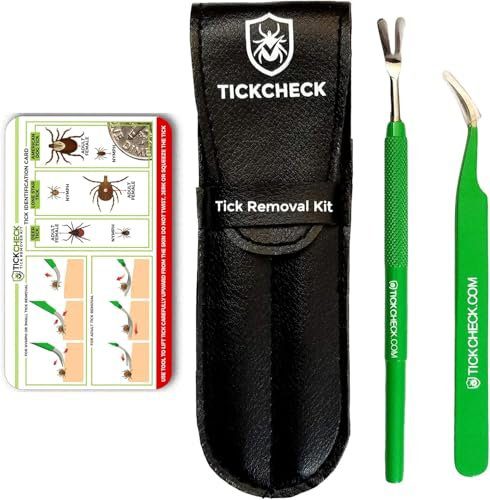
TickCheck Premium Tick Remover Kit – Stainless Steel Tick Remover + Tweezers, Leather Case, and Free Pocket Tick Identification Card (1 Set)
This kit is essential for safely removing ticks from pets and humans, which is crucial after identifying a tick bite.
The biggest reason people search deer tick vs dog tick is health risk, especially Lyme disease. The key point is simple: not all ticks transmit the same pathogens. Tick-borne disease is species-specific, and geography matters.
Which tick is most tied to Lyme disease?
In the eastern and upper midwestern US, the deer tick (blacklegged tick) is the primary vector associated with Lyme disease transmission to humans. It’s also linked with other infections, including anaplasmosis and babesiosis.
State and lab identification resources frequently highlight this connection because it changes what symptoms to watch for and what clinicians consider. For example, the Pennsylvania Tick Research Lab identification resources emphasize species ID as a practical first step in understanding risk.
What about the American dog tick?
The American dog tick is best known in the US for its association with:
- Rocky Mountain spotted fever
- Tularemia
It is not considered a main Lyme disease vector. That doesn’t mean a bite is harmless. It means the disease “short list” is different, and your post-bite monitoring should reflect that.
Where the lone star tick fits in (because it’s often mistaken for both)
The lone star tick deserves mention in any deer tick vs dog tick discussion because it’s frequently found in the same outdoor spaces and is a common source of confusion.
It has been linked with:
- Ehrlichiosis
- Tularemia
- STARI (a Lyme-like illness reported after lone star bites)
- Alpha-gal syndrome (a red meat allergy triggered by a tick bite in some people)
For a clinician-focused overview of alpha-gal, the Mayo Clinic’s alpha-gal syndrome explainer summarizes the connection between tick bites and the allergic response.
A practical symptom watch list (not a diagnosis)
After any tick bite, monitor for signs that warrant medical advice, especially if you were in a high-risk region:
- Fever, chills, fatigue
- Expanding rash (including but not limited to a bullseye pattern)
- Headache, muscle aches, joint pain
- New allergy-like reactions after eating mammal meat (possible alpha-gal)
Actionable takeaway: if you can safely save the tick (sealed container or bag), it can help with identification later. Species ID does not replace medical care, but it can inform the conversation.
What to do after a tick bite (removal, cleanup, and next steps)
Hot Shot Bed Bug Killer With Egg Kill Ready-to-Use, 1 gallon, 4 Pack
This product helps in treating areas where ticks may reside, thus preventing encounters with ticks in your home and yard.
Finding a tick attached is unsettling, but the best response is calm and methodical. The goal is to remove the tick quickly and cleanly, then track symptoms. Many bites cause mild redness from irritation alone, and some tick saliva can itch even when no infection occurs.
Step-by-step removal (the method entomologists recommend)
Use fine-tipped tweezers and follow these steps:
-
Grip the tick close to the skin
Grab it at the head/mouthparts area, not the swollen abdomen. -
Pull upward with steady pressure
Do not twist hard or jerk. Slow and steady is the rule. -
Clean the bite site
Use soap and water or an alcohol wipe. -
Save the tick (optional but helpful)
Place it in a sealed bag or container with the date and location of exposure. -
Watch for symptoms for the next few weeks
Note rashes, fever, unusual fatigue, or worsening pain.
For a detailed walkthrough with what-not-to-do tips, follow How to Remove a Tick Safely: Complete Step-by-Step Guide.
What not to do (common internet advice that backfires)
Avoid these removal methods:
- Burning the tick
- Smothering it with petroleum jelly
- Painting it with nail polish or essential oils while it’s attached
These approaches can delay removal and irritate the tick, which is the opposite of what you want.
When to call a medical professional
Seek medical advice promptly if:
- You develop fever, severe headache, or a spreading rash
- Symptoms appear within days to weeks after exposure
- You’re immunocompromised, pregnant, or the bite occurred in a high-incidence area for tick-borne disease
Actionable takeaway: take a clear photo of the tick before disposal. Even a blurry image plus a size reference can help confirm whether it was a deer tick, dog tick, or lone star tick.
Prevention that works: reduce deer tick and dog tick encounters
Tick prevention is a layered strategy. No single step is perfect, but a few habits dramatically cut down bites. The best plan combines repellents, clothing choices, and daily checks, especially during peak months.
Personal protection checklist (simple and effective)
Use this before hikes, yard work, or field time:
- Wear light-colored clothing to spot ticks faster
- Tuck pants into socks in tall grass or brush
- Stick to the center of trails when possible
- Do a full-body tick check after outdoor time, including:
- behind knees
- waistband
- underarms
- scalp and hairline
Ticks often latch on low, then crawl upward. Checking early can stop attachment before feeding progresses.
Repellents and treated clothing (what to choose)
Two categories matter most:
- Skin repellents (like DEET or picaridin)
- Clothing and gear treatments (permethrin for fabric, not skin)
For a product-type breakdown and practical use tips, see Best Tick Repellents for Humans: DEET, Picarikin & Permethrin.
Yard and property steps (reduce habitat near the home)
Ticks love humidity and cover. Make your yard less tick-friendly:
- Keep grass short and trim trail edges
- Remove leaf litter and brush piles near play areas
- Create a mulch or gravel border between lawn and woods
- Discourage deer where feasible (fencing, plant choices)
Don’t forget pets
Dogs can pick up deer ticks, dog ticks, and lone star ticks, then carry them indoors. After walks, check:
- ears and around the collar
- toes and between paw pads
- groin and tail base
Actionable takeaway: prevention is most successful when it’s routine. A 60-second tick check after every outdoor outing beats a “once in a while” inspection.

Key takeaways: deer tick vs dog tick (and the next best step)
Deer ticks are typically smaller with a plain dark scutum and are strongly associated with Lyme disease risk in many regions. American dog ticks are larger with a patterned scutum and are more associated with Rocky Mountain spotted fever and tularemia. Lone star ticks often confuse the picture, especially when the female’s white dot is visible, and they’re linked to ehrlichiosis and alpha-gal syndrome.
Next step: if you’re unsure what you found, compare your tick to a visual guide in Types of Ticks: Complete Identification Guide With Pictures, then follow the bite protocol in How to Remove a Tick Safely: Complete Step-by-Step Guide. Accurate ID plus smart prevention is the most reliable way to lower tick-related worries without overreacting.
As an Amazon Associate, I earn from qualifying purchases. Product recommendations are based on real reviews and independent research.