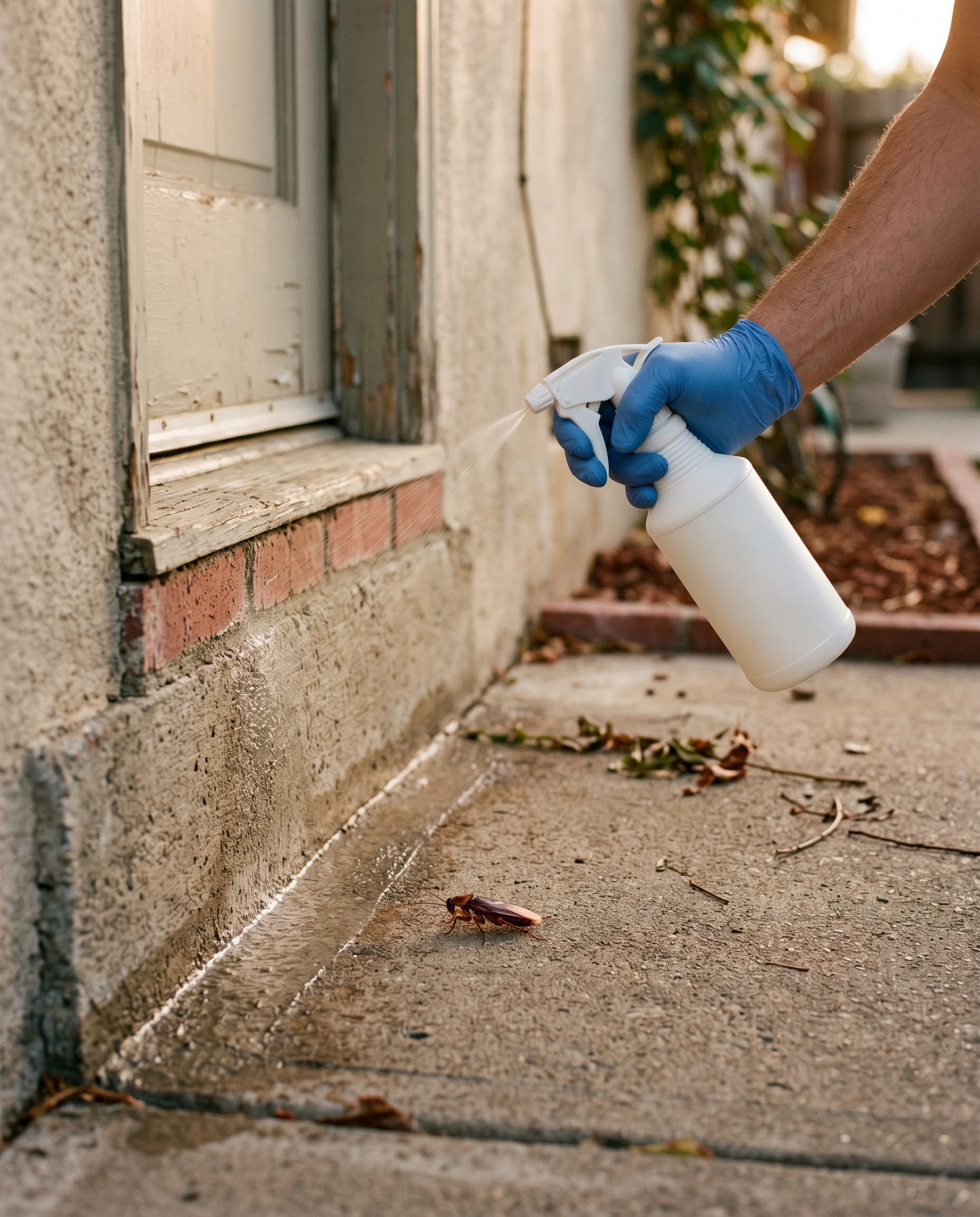
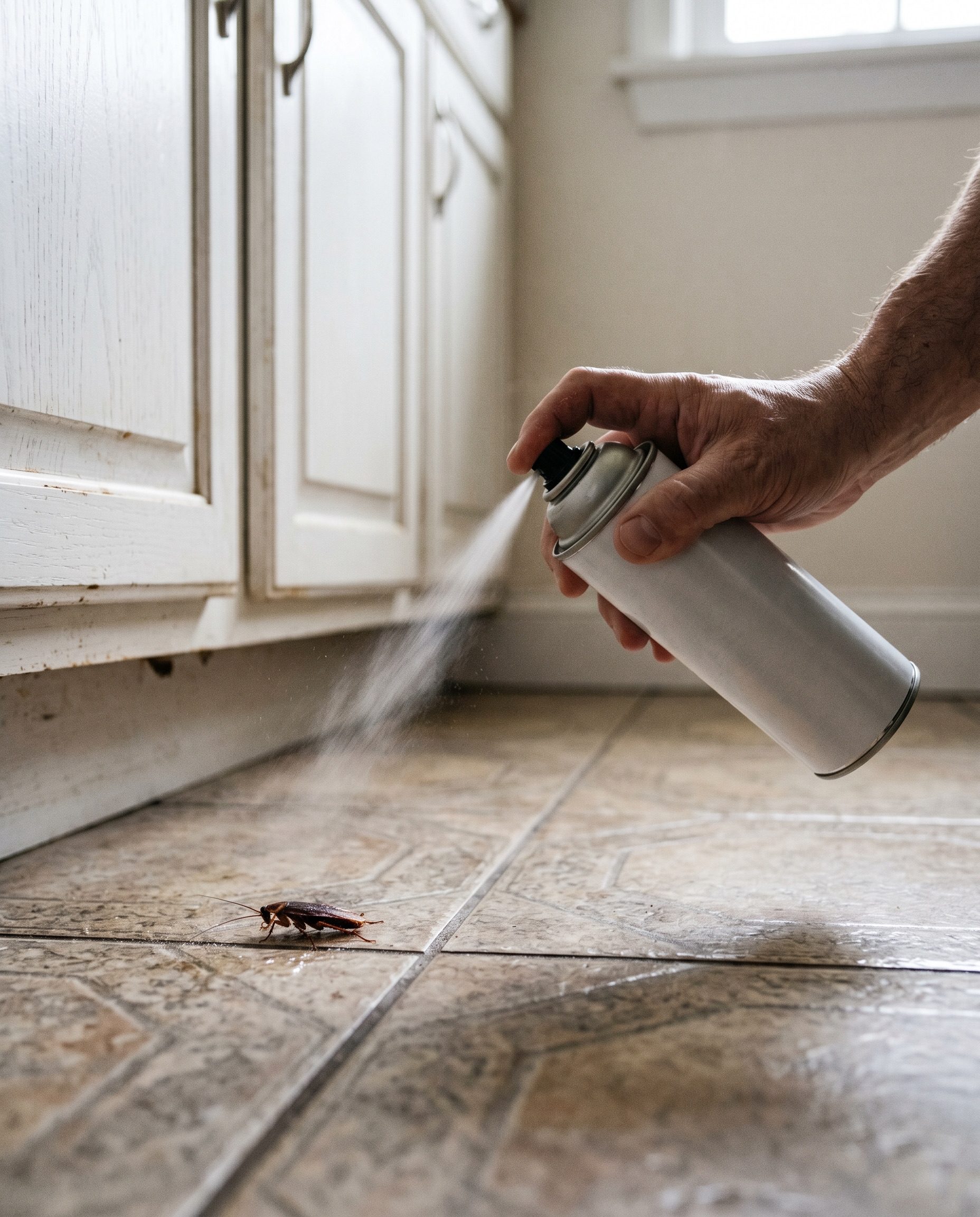
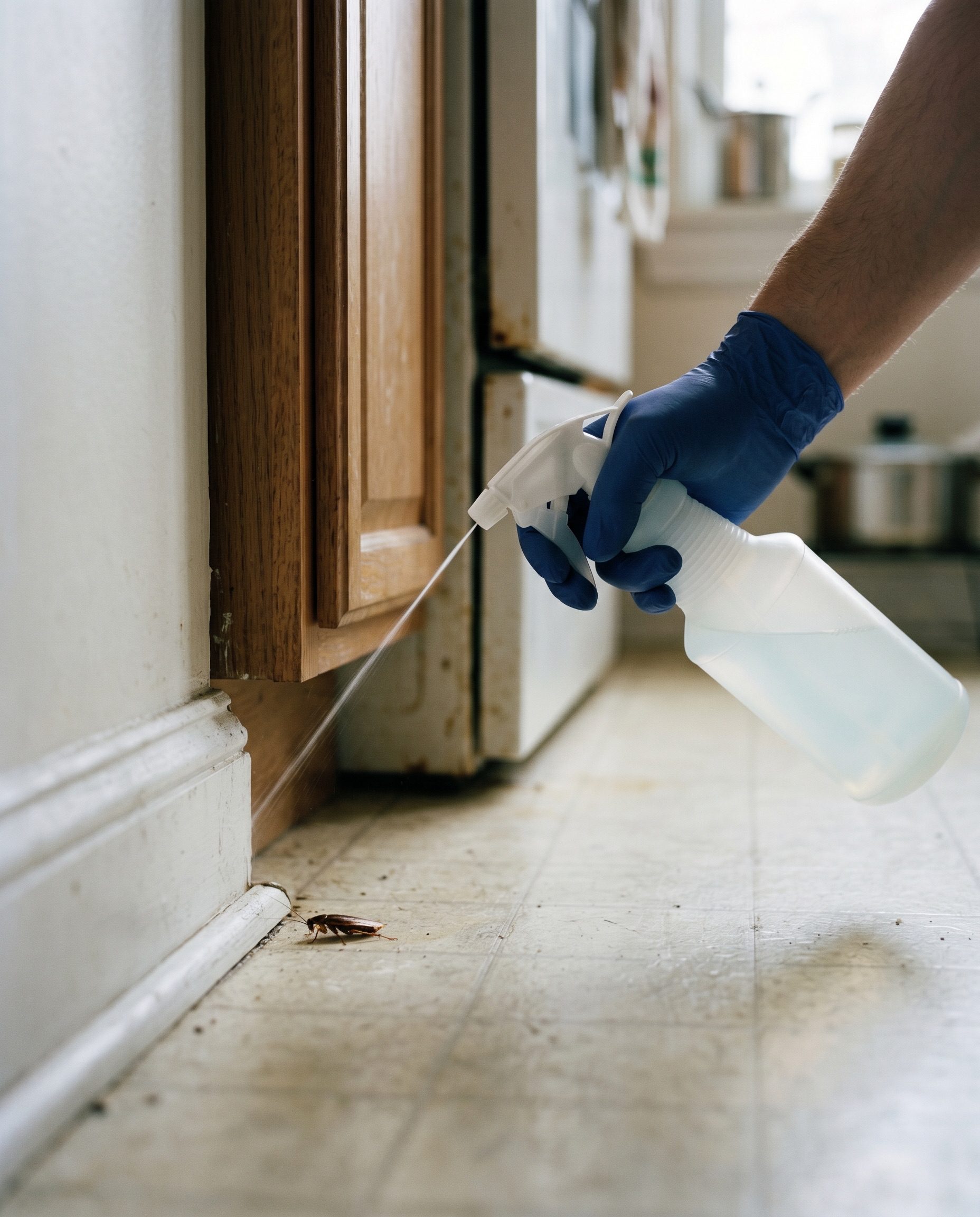
Best Roach Sprays for Instant Kill: Expert Guide

Finding a roach in your kitchen is unsettling, but the right product can turn that panic into a plan. The best roach sprays do two jobs: they knock down the roaches you see fast and leave a residue that keeps working in cracks and hiding spots. This guide compares top spray types (contact killers, residuals, and IGR sprays), explains what active ingredients actually do, and shows how to use sprays alongside baits and sanitation so you do not end up in a frustrating spray-repeat cycle.

Quick Answer: Which roach spray works best right now?

Table of In This Article

If you want the most reliable results, pick a spray based on your goal – not just the label claims. In most homes, the “best” choice is a residual spray, ideally paired with an insect growth regulator (IGR) and a gel bait for colony-level control.

Best roach sprays by situation (fast, practical picks):

Your situation What to buy Why it works What to expect
You see roaches at night in kitchen/bath Residual spray + IGR Kills on contact and keeps killing in harborage areas Fewer sightings in 3-7 days, bigger drop by 2-4 weeks
You need quick kill on counters (kids/pets nearby) Essential oil contact spray Fast knockdown with minimal lingering residue Works for visible roaches, but needs reapplication
You have recurring German roaches Residual spray + gel bait Spray handles edges and cracks, bait reaches the hidden colony Best odds of elimination without a service call
You want a pro-style “transfer kill” Non-repellent residual Roaches pick up residue and spread it through the population Slower at first, strong long-term control

Tip: If you are also setting monitors, pair sprays with our guide to Best Cockroach Traps to track whether the population is truly shrinking.

How roach sprays actually work (and why “instant kill” is only half the story)

A spray that kills a roach in seconds feels like a win. The catch is that the roach you see is often a small fraction of the population. German cockroaches (Blattella germanica), the most common indoor species in many U.S. homes, spend most of their time wedged into tight, humid hiding spots near food and water. That is why many spray-only approaches look effective for a few days, then “suddenly” fail.

The three main spray categories you will see

Think of sprays like tools in a toolbox. Each is good at a different job.

1) Contact (knockdown) sprays
These typically use pyrethrins or pyrethroids (like imiprothrin) that disrupt the nervous system. They can kill quickly when you hit the roach directly.

Best for: visible roaches, quick relief
Limitations: does not reliably reach the hidden colony

2) Residual sprays
These leave an insecticide film in cracks, crevices, and along edges where roaches travel. When roaches cross it later, they pick it up on their legs and bodies.

Best for: ongoing control in harborage zones
Limitations: over-application can create avoidance or interfere with bait use

3) IGR (insect growth regulator) sprays
IGRs (like pyriproxyfen or hydroprene) do not “blast” adult roaches instantly. They disrupt development and reproduction, which is exactly what you want for German roaches that breed fast.

Best for: stopping reinfestation and breaking the life cycle
Limitations: requires patience and correct placement

Why resistance and repellency matter

In many areas, roach populations show reduced sensitivity to common pyrethroids. That does not mean sprays never work. It means you get better results by:

  • Using sprays as a targeted crack-and-crevice tool, not a room-wide fog
  • Pairing sprays with bait so roaches still feed normally
  • Rotating or upgrading to non-repellent options if results stall

For a science-based overview of cockroach biology and control principles, the University of Florida Entomology and Nematology Department explains why harborage behavior and reproduction make “one-and-done” treatments unlikely.

Quick placement checklist (where sprays matter most)

Use this as your mental map before you spray anything:

  • Under and behind the refrigerator (compressor area, drip pan zone)
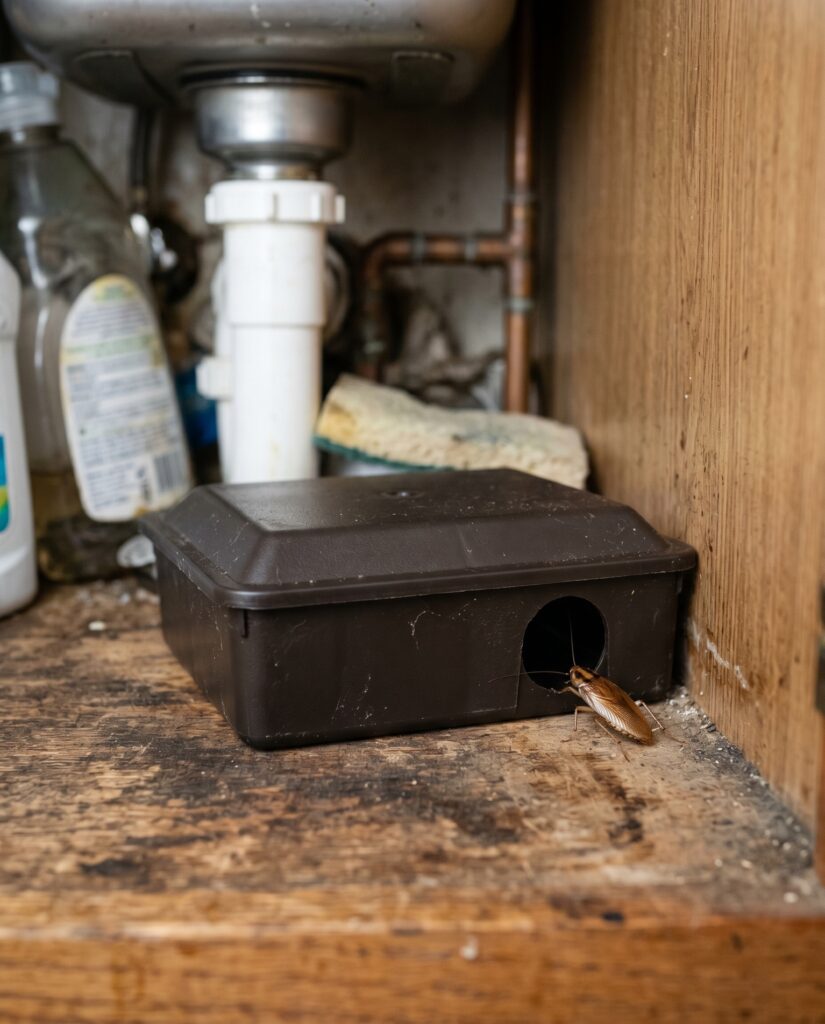
  • Under the sink (pipe penetrations, cabinet corners)
  • Behind the stove (edges, floor-wall junction)
  • Inside cabinet hinges and corner seams
  • Bathroom vanity voids and plumbing openings

If you are dealing with multiple pests indoors, it helps to compare approaches across pests. Our roundup of indoor pest control methods shows why targeted placement usually beats “spray everywhere” tactics.

Best roach sprays (ranked by real-world use cases)

Recommended

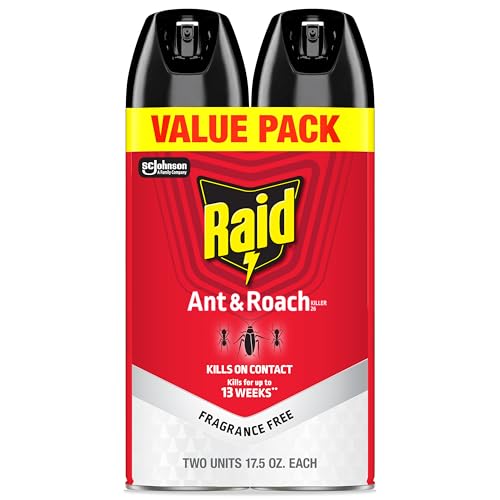
Raid Ant & Roach Killer, Fragrance Free Bug Killer for Home Use, Kills Bugs on Contact, 17.5 Oz, 2 Count

Raid Ant & Roach Killer, Fragrance Free Bug Killer for Home Use, Kills Bugs on Contact, 17.5 Oz, 2 Count

Raid · $5.00-10.00

This product is a contact killer that provides quick relief from visible roaches, making it suitable for immediate use in kitchens and bathrooms.

Pros: Effectively kills a wide variety of crawling insects (ants, roaches, spiders, silverfish, etc.) and is viewed as reliable for spot treatment · Fragrance‑free formula with no lingering chemical odor, preferred by users sensitive to strong scents · Residual action that continues killing bugs for weeks after application, reducing the need for frequent re-spraying
Cons: Does not always live up to the “kills on contact” marketing; some users report bugs take time to die or can still move after spraying · Residual duration and overall effectiveness against larger infestations are inconsistent, with some reviewers still seeing bugs return within weeks


Check Price on Amazon →

Most shoppers compare brands. A more useful comparison is formula type and where it fits into your plan. Below are the spray categories that consistently perform best when used correctly, plus what to look for on the active-ingredient label.

1) Residual + IGR sprays (best for ongoing infestations)

If you are seeing roaches more than once a week, a residual spray with an IGR is often the strongest “spray-first” option because it tackles adults and the next generation.

What to look for on the label

  • A residual adulticide (often a pyrethroid such as permethrin)
  • An IGR such as pyriproxyfen or hydroprene

Why it works

  • Adults pick up residue while traveling edges and cracks
  • IGR contamination spreads through contact and grooming
  • Egg and nymph development gets disrupted, shrinking the population over time

What it feels like in practice

  • You may still see roaches the first few nights, especially after you clean and move appliances
  • Dead roach counts often peak around week 1-2, then drop as the life cycle breaks

Best application zones (visual map)

  • Kitchen: behind fridge and stove, under sink, cabinet toe-kicks
  • Bathroom: vanity corners, plumbing gaps, baseboards near moisture
  • Entry points: where pipes and wires enter walls

2) Non-repellent residual sprays (best “pro style” performance)

Some modern actives are designed to be less detectable to insects. Roaches walk through treated areas without avoiding them, then die later. That delay can be a feature, not a bug, because it increases the odds of transfer through contact and shared harborage.

When this shines

  • Apartments and multi-unit buildings where roaches travel between units
  • Homes where repellent sprays seem to “push” roaches into new rooms
  • Situations where you want fewer roaches scattering during treatment

What to do alongside it

  • Use gel bait in protected spots (more on that below)
  • Monitor with sticky traps to confirm the decline

3) Contact “instant kill” aerosols (best for what you can see)

Contact sprays are the fire extinguisher. They are satisfying, and they have a place, especially when a roach is on a wall, in a cabinet, or near food prep areas and you need it gone now.

How to get the most out of contact sprays

  • Spray directly until the roach is wet, not just “mist touched”
  • After knockdown, wipe up and dispose of the roach promptly
  • Do not rely on this as your only control method

Common mistake
Using contact sprays as a daily routine. That often becomes a “whack-a-roach” loop that never reaches the hidden population.

4) Essential oil sprays (best for low-residue, quick knockdown)

Plant-oil sprays (often featuring ingredients like geraniol or cinnamon oil) can knock down roaches quickly on direct contact. They are popular for households that want minimal synthetic residue in living spaces.

Use them strategically

  • Great for spot kills on counters, around pet bowls, or near trash areas
  • Not a stand-alone solution for German roaches
  • Reapply as needed because residual performance is usually limited

Comparison snapshot (simple decision table)

Use this to choose without overthinking:

  • Seeing 1-2 roaches a month: contact spray + traps + sanitation
  • Seeing roaches weekly: residual spray (preferably with IGR) + gel bait
  • Seeing babies (nymphs) often: add IGR focus and tighten moisture control
  • Seeing roaches in daytime: treat as heavier pressure and consider professional help
Kitchen baseboard and cabinet corner showing cockroach infestation signs and pest control area

How to apply roach spray for maximum results (without making the problem worse)

Recommended

Hot Shot BedBug And Flea Fogger, Inhibits Flea Reinfestation, 2 Ounce Cans, 6 Count

Hot Shot BedBug And Flea Fogger, Inhibits Flea Reinfestation, 2 Ounce Cans, 6 Count

HOT SHOT · $6.00-12.00

While primarily marketed for bed bugs and fleas, this spray can effectively kill roaches on contact and is safe for use in homes with children and pets.

Pros: Easy to use fogger system with clear, straightforward instructions · Effectively kills bed bugs, fleas, and a wide range of other listed insects · Includes Nylar insect growth regulator that helps inhibit flea reinfestation for several months
Cons: Can require multiple treatments or additional methods to fully resolve severe infestations · Potential for skin irritation or allergic reactions with prolonged or repeated contact, and users must carefully follow safety precautions


Check Price on Amazon →

Roach control is less about how much chemical you use and more about where you place it. Roaches navigate like commuters – they hug edges, follow corners, and prefer tight, dark spaces. A good treatment targets those “highway” zones while keeping bait areas attractive.

Step-by-step: a spray plan that works

Follow this sequence to avoid scattering roaches or contaminating bait placements.

  1. Do a 10-minute prep
  • Put away exposed food and dishes
  • Clear under-sink cabinets and pull out the bottom drawer under the oven if possible
  • Vacuum crumbs and greasy buildup along edges (especially behind appliances)
  1. Identify the top 5 harborage zones
    Use a flashlight at night if you can. Look for:
  • Pepper-like droppings
  • Smear marks along edges
  • Egg cases (oothecae) in cracks
  • A “musty” odor in severe cases
  1. Apply spray only where it pays off
    Aim for:
  • Cracks and crevices (not open floors)
  • Baseboard-to-floor junctions behind appliances
  • Pipe penetrations and cabinet corner seams

Avoid:

  • Wide-area spraying on floors where people and pets walk
  • Spraying inside drawers or on food-contact surfaces unless the label explicitly allows it
  1. Ventilate and respect re-entry time
    Open windows if possible. Keep kids and pets out until surfaces are dry and the label’s re-entry guidance is met. If you keep fish or have an aquarium, be extra cautious because many insecticides are hazardous to aquatic life.

For broader household safety guidance on pesticides and labels, the U.S. Environmental Protection Agency pesticide safety resources are a reliable reference.

The bait compatibility rule (the one most people miss)

If you are also using gel bait, do not spray right on top of bait placements. Many sprays are repellent enough to reduce feeding, which lowers bait performance.

Simple spacing guideline

  • Put bait in protected “ceiling” spots (upper cabinet corners, hinge side voids, under counter lips)
  • Put spray in travel cracks and floor-wall junctions nearby, not directly on the bait

If you want to build a full plan, pair sprays with our guide to other household pest control solutions for a helpful framework on how baits and residuals complement each other across pests.

A practical “week 1 to week 4” timeline

This helps you judge progress realistically.

  • Days 1-3: fewer live sightings in treated zones, but you may flush some roaches
  • Week 1-2: increased dead roaches is common as residues and bait take effect
  • Week 3-4: trap counts should drop sharply if the plan is working
  • After week 4: if you still see nymphs regularly, reassess placement, sanitation, and consider upgrading to non-repellent residuals or adding an IGR

Spray vs bait vs dust: what entomologists recommend for lasting cockroach control

Recommended

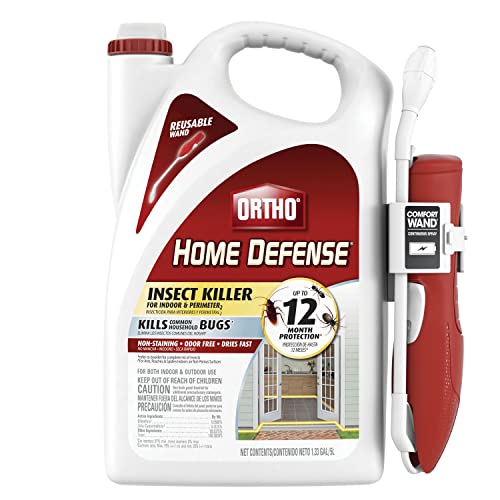
Ortho Home Defense Insect Killer for Indoor and Perimeter Refill2 - Ready-To-Use Bug Spray Refill, Kills Ants, Roaches, and Spiders, 1 gal.

Ortho Home Defense Insect Killer for Indoor and Perimeter Refill2 – Ready-To-Use Bug Spray Refill, Kills Ants, Roaches, and Spiders, 1 gal.

Ortho · $10.00-20.00

This residual spray provides long-lasting protection against roaches, making it ideal for ongoing control in harborage areas.

Pros: Effectively kills a wide range of common household insects (especially ants, roaches, and spiders) and creates a long‑lasting indoor and perimeter bug barrier · Provides up to 12 months of protection on indoor non‑porous surfaces, reducing the need for frequent reapplication · Refill format is convenient and economical when used with an existing Ortho wand or sprayer, and the formula is odor‑free and non‑staining when used as directed
Cons: Some users report that results are less effective on heavy infestations or certain tough insect problems and may require repeated applications or additional methods · Handling and transferring the refill can be messy or cumbersome for some users, and a few mention concerns about using a synthetic chemical pesticide around kids or pets


Check Price on Amazon →

Recommended

Advion Cockroach Gel Bait, 4 Tubes x 30-Grams, 1 Plunger and 2 Tips, German Roach Insect Pest Control, Indoor and Outdoor Use, Roach Killer Gel for American, German and Other Major Cockroach Species

Advion Cockroach Gel Bait, 4 Tubes x 30-Grams, 1 Plunger and 2 Tips, German Roach Insect Pest Control, Indoor and Outdoor Use, Roach Killer Gel for American, German and Other Major Cockroach Species

Syngenta · $10.00-15.00

This gel bait is effective for targeting hidden colonies of roaches, complementing the use of residual sprays for comprehensive control.

Pros: Highly effective at eliminating German and American cockroaches, often with noticeable reduction within a few days · Easy to apply in cracks and crevices with included plunger and tips, allowing targeted indoor and outdoor use · Small amount of gel covers a large area, so the 4-tube pack lasts a long time and is considered good value
Cons: Gel can dry out or harden if left exposed, requiring reapplication in some spots · Some users dislike the mess or residue left where the gel is applied, especially on visible surfaces


Check Price on Amazon →

Sprays are useful, but they are rarely the “main event” for eliminating an established infestation. Entomologists and pest managers typically aim at the colony using a combination of tools that hit different behaviors: foraging, hiding, grooming, and breeding.

Why baits often outperform sprays for German roaches

German roaches are social in tight spaces. They feed, return to harborages, and interact with other roaches. That makes baits powerful because the toxicant can spread through:

  • Shared feces that other roaches feed on
  • Cannibalism of dead or dying roaches
  • Close contact and grooming in harborages

Where sprays fit in
Sprays are best for:

  • Perimeter crack-and-crevice control
  • Killing stragglers that avoid bait
  • Treating entry points and moisture zones

Baits are best for:

  • Reaching the hidden population you cannot spray directly
  • Sustained population collapse over a few weeks

Dusts (boric acid, diatomaceous earth) as a low-resistance add-on

Dusts work by damaging the waxy outer layer of the roach or dehydrating it. They can be very effective when applied lightly in voids, wall gaps, and behind outlets (with power off and proper precautions).

Dust dos and don’ts

  • Do apply a barely visible film in voids and inaccessible areas
  • Do not pile it up – roaches avoid thick dust layers
  • Do not use dust where it can become airborne in living spaces

A simple integrated plan (visual checklist)

If you want a “most homes” solution, this combo is dependable:

  • Sanitation: remove grease, crumbs, and standing water nightly
  • Exclusion: seal gaps around pipes, baseboards, and cabinet openings
  • Monitoring: sticky traps under sink and behind fridge
  • Bait: small placements in protected corners (refresh as needed)
  • Spray: crack-and-crevice residual along travel routes
  • IGR: if you see nymphs or ongoing activity after 10-14 days

If you live in a multi-unit building and roaches keep returning, document trap counts and talk with property management. Building-wide coordination is often the difference between “better” and “gone.”

Person inspecting kitchen cabinets with flashlight for cockroach control and pest management

Safety, myths, and when to call a professional

Most roach sprays sold for home use are designed to be used safely when you follow the label. Problems start when people treat pesticides like cleaning products – frequent, broad, and improvised. A safer approach is targeted placement, ventilation, and patience.

Common myths that slow down results

Myth: One can of spray eliminates an infestation.
Reality: Sprays can kill what you see, but hidden roaches and egg cases keep the population going unless you add residual strategy, IGRs, and bait.

Myth: Strong odor means stronger kill.
Reality: Odor is not a measure of performance. Many effective actives have little smell.

Myth: More spray works faster.
Reality: Over-spraying can repel roaches into new areas and reduce bait feeding.

Myth: Natural sprays give instant and lasting control.
Reality: Many essential oil sprays can knock down roaches quickly on contact, but long residual control is limited, so they work best as a supplement.

Quick safety rules (easy to follow)

  • Read the label for indoor use sites and re-entry time
  • Keep sprays away from aquariums and fish tanks
  • Wear gloves if you have sensitive skin and wash hands after use
  • Do not spray food-contact surfaces unless the product is labeled for it
  • Store aerosols cool and dry, away from heat sources

When it is time to bring in a pro

Call a licensed pest professional if:

  • You see roaches during the day (often a sign of higher pressure)
  • You have recurring activity after 4-6 weeks of proper IPM steps
  • You suspect roaches are coming from adjacent units
  • You cannot access key harborages (wall voids, large appliance gaps, plumbing chases)

Professionals can also use commercial-grade non-repellent products and place treatments in wall voids more safely and precisely.

Conclusion

The best roach sprays are the ones that match your situation: contact sprays for immediate knockdown, residual sprays for travel routes, and IGRs to stop the next generation. For lasting control, sprays work best as part of a simple integrated plan with sanitation, monitoring, and bait placements that reach the hidden colony.

Next step: place a few monitors tonight and map where activity is highest, then treat those zones with a targeted residual approach. For tracking and placement ideas, see Best Cockroach Traps, and for broader home strategies, review our indoor pest control methods guide.

As an Amazon Associate, I earn from qualifying purchases. Product recommendations are based on real reviews and independent research.

Author

  • Sophia's passion for various insect groups is driven by the incredible diversity and interconnectedness of the insect world. She writes about different insects to inspire others to explore and appreciate the rich tapestry of insect life, fostering a deep respect for their integral role in our ecosystems.

    View all posts

Leave a Comment

Your email address will not be published. Required fields are marked *

Scroll to Top