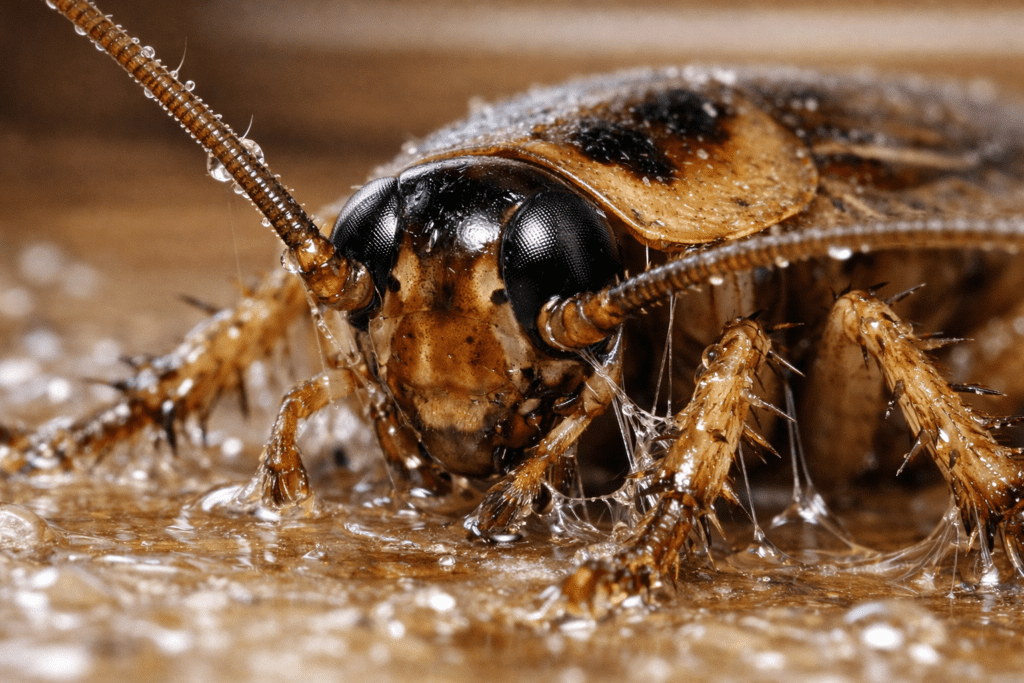
Finding roaches in a cabinet or behind the fridge makes anyone want a fast, mess-free fix. Ultrasonic pest repellers promise exactly that: plug them in, and high-frequency sound supposedly drives pests away. The problem is that cockroaches do not follow the marketing script. Research and field experience show these devices rarely solve a roach infestation on their own, even if they may bother a few other insects. This guide breaks down what the science actually says, how to use them realistically, and what works better for lasting cockroach control.
Quick Answer: Do ultrasonic devices actually work for cockroaches?
Ultrasonic pest repellers are not a reliable way to get rid of cockroaches. Most evidence shows little to no lasting effect on roaches, especially once they settle into wall voids, cabinets, and appliance gaps.
Here’s the practical takeaway:
- Best use case: a low-risk “supplement” alongside proven methods (sanitation, sealing entry points, baits).
- Not a replacement for: gel baits, sticky monitoring traps, targeted sprays, or professional service.
- Why results disappoint: sound does not travel well through walls and furniture, and roaches can habituate (stop responding) quickly.
- If you already bought one: place it strategically and measure results with traps, not guesswork.
Snippet-friendly summary table:
| Claim you’ll see | What usually happens in real homes | What to do instead |
|---|---|---|
| “Repels roaches fast” | Roaches keep hiding and feeding | Use baits + monitoring traps |
| “Covers 1,000+ sq ft” | Coverage breaks at walls and cabinets | Treat each problem room |
| “Chemical-free solution” | Safe, but often ineffective alone | Use IPM: clean, seal, bait |
How ultrasonic pest repellers work (and why roaches often ignore them)
Ultrasonic devices emit sound waves above about 20 kHz, which is generally beyond human hearing. The pitch varies by product, but the idea stays the same: irritate pests’ nervous systems or disrupt their behavior enough that they leave.
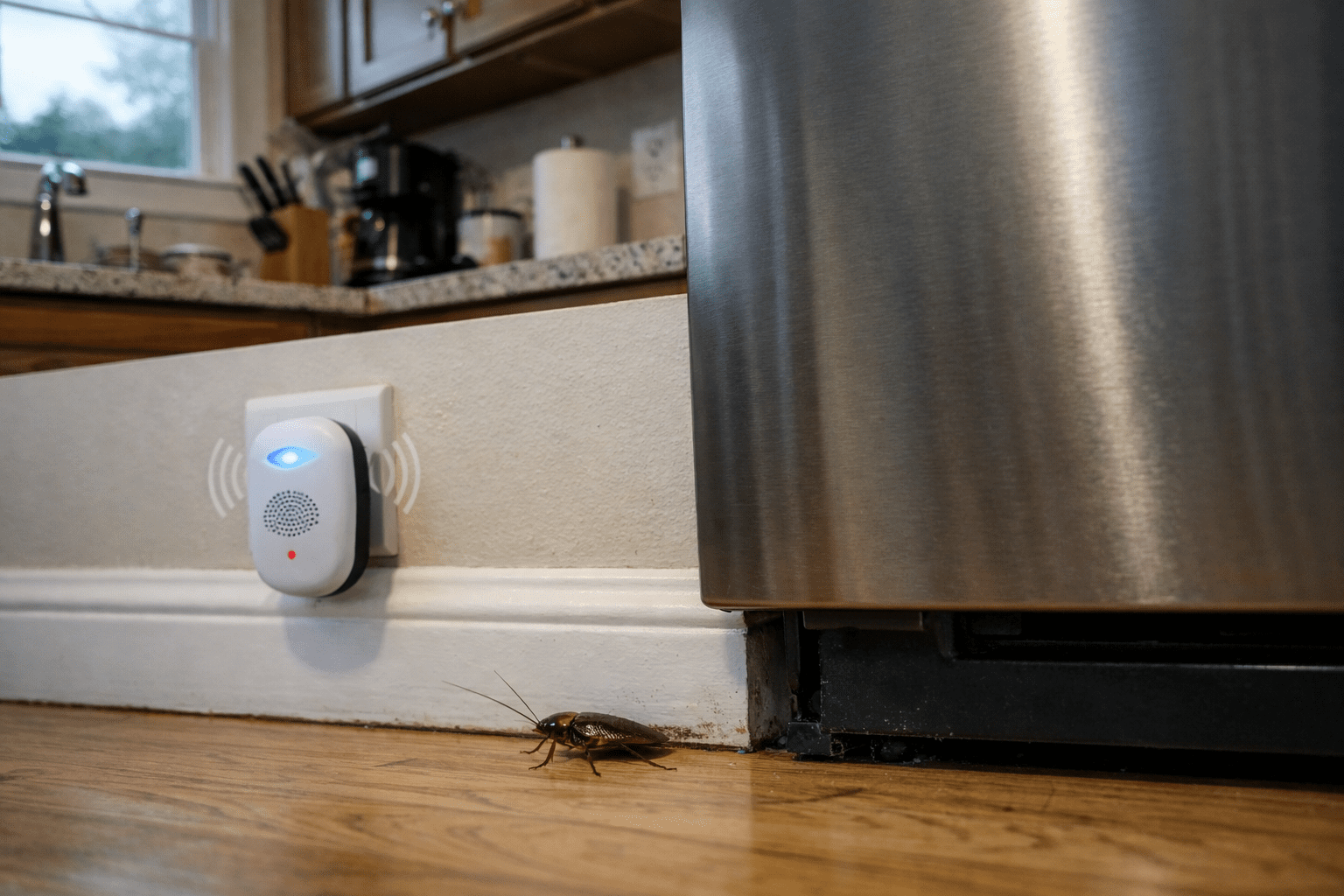
Here’s the catch – cockroaches are masters of living in the “acoustic shadows” of a home.
The physics problem: sound does not reach where roaches live
If you have ever noticed how muffled a TV sounds from another room, you already understand the main limitation. Ultrasonic waves are even more easily blocked and absorbed.
Common roach harborages that reduce ultrasonic reach:
- Behind refrigerators and stoves (warm motors and tight gaps)
- Inside cabinets and under sinks (wood panels and stored items block sound)
- Wall voids around plumbing penetrations
- Cracks along baseboards and flooring edges
- Around drains and utility chases in apartments
Visual: where sound gets blocked vs where roaches hide
| Home area | Roach likelihood | Ultrasonic reach |
|---|---|---|
| Open living room outlet | Low to medium | High |
| Under-sink cabinet | High | Low |
| Behind fridge | Very high | Very low |
| Pantry shelving | High | Low to medium |
| Bathroom vanity | Medium | Low |
The biology problem: roaches adapt fast
Entomologists see this pattern repeatedly with repellents that are not lethal or not paired with removal: insects adjust. A frequently cited evaluation from the home inspection community summarizes why many devices disappoint in real settings, and points to controlled testing that found minimal impact on roaches. According to the International Association of Certified Home Inspectors (InterNACHI) review of ultrasonic devices, evidence shows little to no effect on cockroaches in practical conditions.
A well-known example is testing conducted at Kansas State University in 2002, where multiple units showed strong repellency for some insects (notably crickets) but not for cockroaches, ants, or spiders as a consistent, lasting outcome. That pattern matches what many pest professionals observe in kitchens and multi-unit buildings.
Actionable takeaway
If you want to try an electronic pest repellent anyway, treat it like a “noise layer,” not a control plan:
- Use it only in rooms you can also clean, seal, and monitor.
- Track results with sticky traps, not with “I think I see fewer.”
Best ultrasonic pest repellers for cockroach control: what to look for (and what to skip)
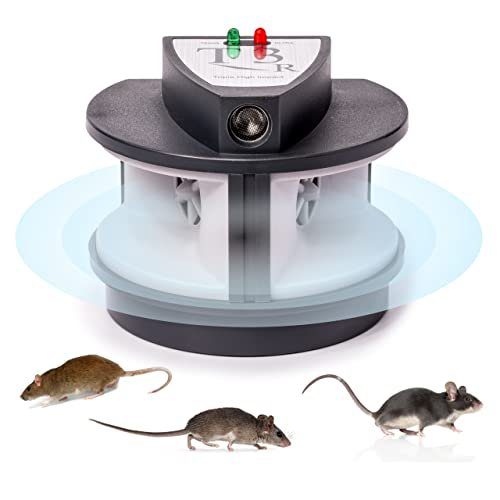
T3-R Triple High Impact Mice, Rat, Rodent Repeller
This ultrasonic pest repeller is designed to emit high-frequency sound waves that may deter cockroaches and other pests, making it a relevant supplement for pest control.
People usually search for “best” devices because they want to avoid sprays and still get results. The honest answer is that no ultrasonic unit is a proven stand-alone cockroach deterrent, but some designs are easier to use correctly, safer around homes, and less likely to disappoint due to unrealistic expectations.
When evaluating devices, focus on real-world features, not just coverage claims.
A practical comparison checklist (use this before buying)
Visual: quick buyer checklist
| Feature | Why it matters in roach situations | What to choose |
|---|---|---|
| Multiple frequency modes | Reduces “set-and-forget” habituation | Variable or cycling frequencies |
| Indicator light + simple controls | Lets you confirm it’s running | Clear status indicators |
| Room-by-room deployment | Roaches cluster near food and water | Enough units for kitchens and baths |
| Safety and noise | Some models emit faint audible tones | Quiet operation, pet-friendly notes |
| Return policy | Many users see no change | Easy returns and warranty |
“Top models” you’ll see in 2026: how to interpret those lists
Review roundups commonly highlight plug-in units such as Haycone, Psywin, Bell+Howell, NexKey, and Pimag. These lists are typically based on consumer popularity, design, and ease of use – not peer-reviewed roach efficacy.
If you are using those lists to decide, apply two filters:
- Ignore square-foot claims unless the area is a single open room.
- Prefer multi-pack options so you can cover the kitchen, pantry, and bathrooms separately.
The placement rule most people miss
Roaches follow resources. That means the best outlet for a device is rarely the most convenient outlet.
Place units:
- In kitchens: near the sink cabinet area or behind the fridge zone (as close as safely possible, without being blocked)
- In bathrooms: near vanity plumbing penetrations
- In laundry rooms: near floor drains or water heaters if roaches are present
Avoid:
- Behind couches, bookcases, or heavy furniture
- Outlets inside crowded cabinets (sound gets absorbed)
- Hallways “to cover the whole home” (roaches are not in the hallway)
Actionable takeaway
Before spending more on electronics, spend 10 minutes confirming the problem and mapping hotspots. Use sticky monitors from our guide to Best Cockroach Traps (Tested & Ranked) to see where roaches are actually active. That data tells you where any device, bait, or treatment should go.
What science and regulators say about ultrasonic pest repellers
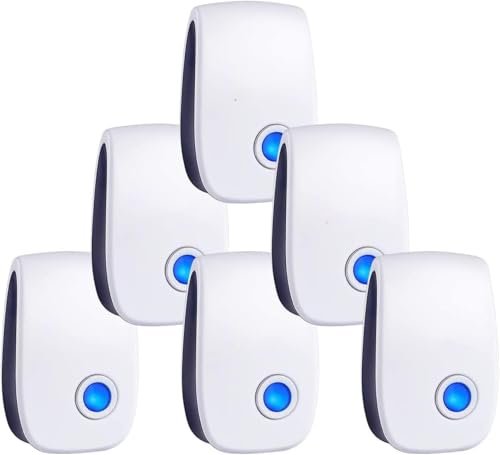
2026 Upgraded Ultrasonic Repellent, Electronic Plug in Indoor Pest Control Repeller for Mouse, bat, Mosquitoes, Fly Fleas, Roach, Rodents 6 Packs
This product offers multiple units for comprehensive coverage in different rooms, which aligns with the article’s suggestion to treat each problem area individually.
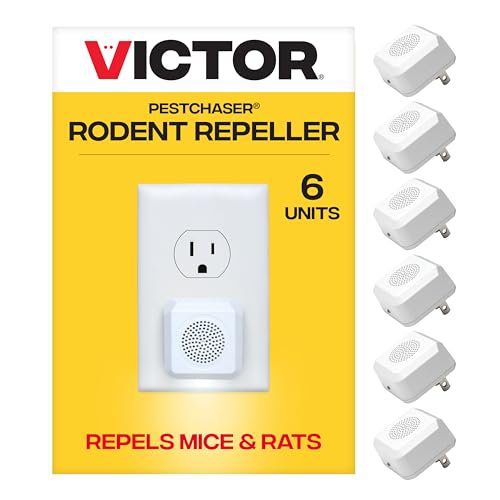
Victor PestChaser Rodent Repellent with Nightlight – Rodent Repellent Indoor Ultrasonic – Rodent Repeller – M756K – Mouse Deterrent Plug in – Mouse Plug in Repellent for House – 6 Units
This sonic pest repeller is another option that emits sound waves to deter pests, providing an alternative for readers looking for electronic solutions.
If ultrasonic sound reliably controlled cockroaches, it would be a gift to every apartment manager and restaurant kitchen. The reason it has not become a standard tool in professional roach programs is simple: results do not hold up consistently under testing.
What controlled testing tends to show
Across evaluations, a common outcome appears:
- Some insects show short-term disruption.
- Cockroaches show little to no sustained repellency.
- Any effect often fades as insects acclimate or simply move deeper into cracks.
The InterNACHI summary is useful because it compiles findings and discusses why devices often fail in homes, including barriers like furniture, walls, and the tendency for pests to adapt. See the InterNACHI ultrasonic pest repeller evidence summary for a plain-language overview tied to testing history.
Why “it worked for my friend” stories happen
Ultrasonic devices can appear to work for reasons unrelated to sound:
- A seasonal dip in activity (many roaches become less visible in cooler weather)
- A recent deep clean that removed crumbs and grease films
- A neighbor’s treatment that temporarily reduced shared populations
- Roaches shifting to a different room, wall void, or unit
Think of it like turning off the lights in a messy kitchen. You see fewer roaches, but the food is still there.
The advertising problem: broad claims, narrow proof
Marketing often suggests one device handles roaches, rodents, spiders, ants, and more. In biology, that is a red flag. Different pests detect sound differently, and the same frequency range will not affect all species in the same way.
If a product promises:
- “Eliminates infestations”
- “Works through walls”
- “Guaranteed results in days”
Treat it as a signal to verify with monitoring traps and return it if there is no measurable change.
Actionable takeaway
If you want a chemical-minimizing approach that still works, use a real integrated plan. Ultrasonic devices can be a “nice-to-have,” but they should not be the foundation of cockroach control.
A better plan: proven cockroach control that actually reduces numbers
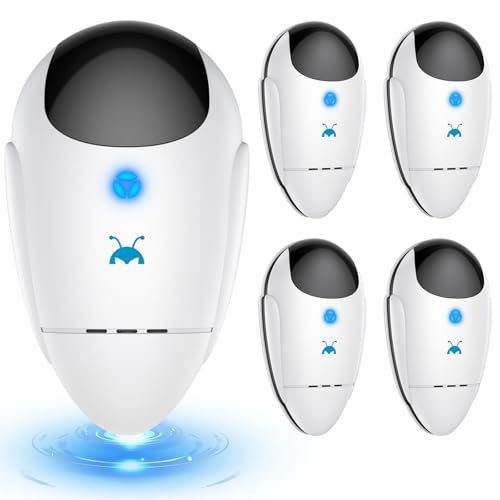
Neatmaster 2026 Upgraded Ultrasonic Repeller Pest & Insect Indoor Repeller, Pest Control for Roach, Rodent, Bugs, Mosquito, Mice, Spider, Ant, Electronic Plug in Mouse Repellent, 4 Packs
This pack includes multiple ultrasonic devices, which can be strategically placed around the home to maximize effectiveness against cockroaches and other pests.
Cockroaches are not just wandering pests. They are crack-and-crevice specialists that thrive on tiny food residues, moisture, and warmth. That is why the most dependable approach is IPM (integrated pest management): deny resources, block access, monitor, then treat precisely.
Visual: IPM ladder for roaches (do these in order)
- Sanitation (remove food and water)
- Exclusion (seal entry and hiding spots)
- Monitoring (confirm hotspots)
- Targeted control (baits, dusts, limited sprays)
- Follow-up (recheck, reset, repeat)
Step 1: Sanitation that targets what roaches actually eat
Roaches do not need a “dirty” home – they need consistent micro-food. Focus on:
- Degreasing around stove sides and backsplash edges
- Vacuuming crumbs from cabinet corners and drawer tracks
- Storing food in sealed containers
- Fixing drips under sinks and wiping moisture nightly
Quick checklist (5 minutes per night):
- Wipe counters and stove edges
- Empty sink and dry it
- Take trash out or seal it tightly
- Pick up pet food bowls overnight
Step 2: Exclusion that removes harborages
Seal the places where roaches breed and hide:
- Caulk gaps along baseboards and cabinet seams
- Seal plumbing penetrations under sinks (foam or escutcheon plates)
- Add door sweeps if exterior entry is suspected
- Reduce clutter in pantries and under sinks
Step 3: Monitoring that tells the truth
Sticky traps answer two key questions:
- Where are roaches most active?
- Are numbers going down week to week?
Use our Best Cockroach Traps (Tested & Ranked) guide to choose trap styles and placements that work in kitchens and bathrooms.
Step 4: Targeted treatments that outperform electronics
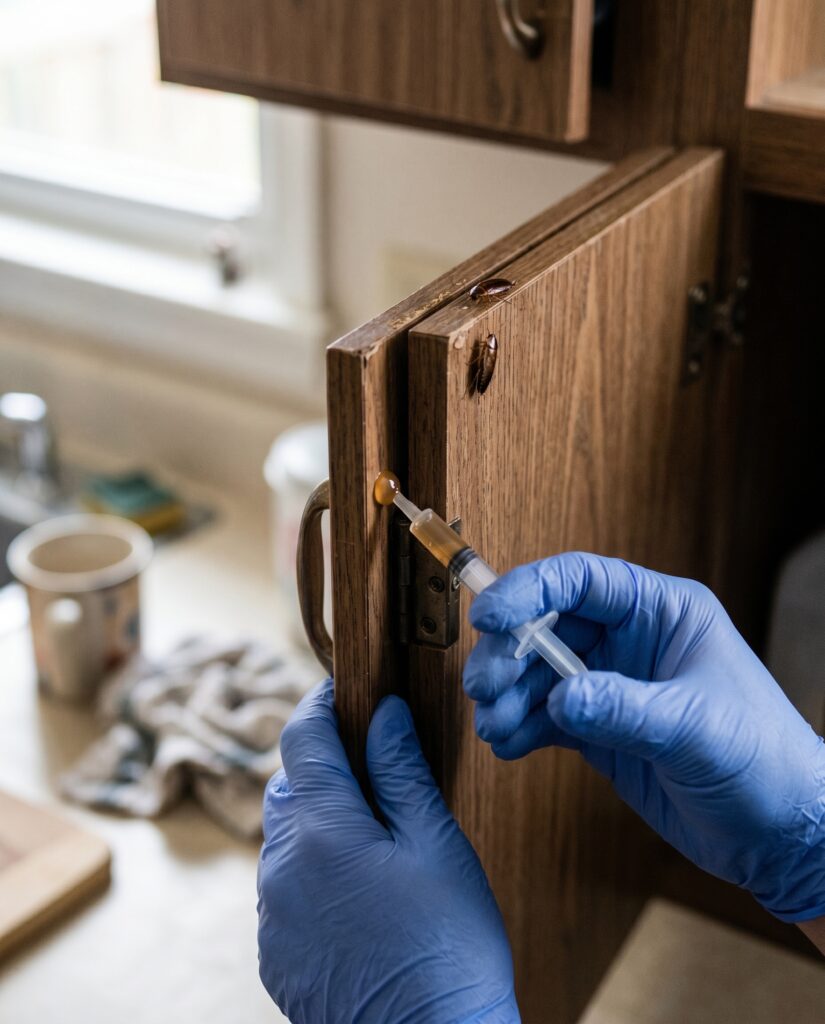
For most homes, baits and gels are the workhorses. Sprays can help for quick knockdown, but they are rarely the long-term solution by themselves.
Options to consider:
- Gel baits placed in pea-sized dots in cracks and corners (rotate actives if needed)
- Bait stations in protected areas away from kids and pets
- Insect growth regulators (IGRs) to disrupt breeding
- Limited crack-and-crevice sprays for immediate kill where appropriate
If you need a fast kill product for visible roaches, see Best Roach Sprays for Instant Kill and use them as spot tools, not as the whole plan.
When to call a professional
Get help if:
- You see roaches during daylight (often a sign of higher pressure)
- You find many egg cases or nymphs weekly
- You live in a multi-unit building where reinvasion is likely
- You have German cockroaches (Blattella germanica), which reproduce quickly indoors
Actionable takeaway
If you do only one thing this week: place monitors, clean the top hotspot, and apply bait where traps show activity. That combination beats relying on sound in nearly every home scenario.
Safe use, pets, and common misconceptions about ultrasonic devices
Many people choose ultrasonic products because they want something “safe.” Safety is a fair priority, especially in homes with children, cats, dogs, birds, reptiles, or aquariums. The good news is that most plug-in ultrasonic units are low power and do not add pesticides to your air or surfaces. The bad news is that “safe” does not automatically mean “effective.”
Safety and household considerations
Most manufacturers claim their devices are safe for people and common pets. Still, take precautions:
- Small mammals: If you have pet rodents (hamsters, gerbils, guinea pigs), keep devices out of the same room. Their hearing range is different and may be more sensitive.
- Aquariums and electronics: Keep units away from splashing water and use GFCI-protected outlets near sinks.
- Noise sensitivity: Some people notice a faint tone from certain units. If a room feels uncomfortable, relocate the device.
Visual: quick safety checklist
| Household situation | Recommendation |
|---|---|
| Cats and dogs | Usually fine, monitor behavior for a few days |
| Pet rodents in the home | Do not use in the same room |
| Babies or sensitive sleepers | Choose “quiet” models and test before committing |
| Kitchen outlets near water | Use GFCI outlets and keep cords dry |
Common misconceptions (and the reality)
Misconception 1: “If it’s silent to me, it must be working.”
Reality: silence only means you cannot hear it. It does not confirm the sound reaches roach harborages.
Misconception 2: “Newer models fixed the science.”
Reality: product updates are common, but independent evidence for consistent roach control remains thin. The fundamental barriers (walls, cabinets, habituation) still apply.
Misconception 3: “It replaces traps and baits.”
Reality: traps and baits reduce populations and provide measurable feedback. Ultrasonic devices do not.
Where electronic repellents can make sense
There is still a place for electronics in some pest situations, especially when paired with other tools. If you’re comparing options, our overview of electronic pest repellent options helps you understand what’s realistic across different pest types.
Actionable takeaway
If you use an ultrasonic unit, treat it as a background tool. Your “front-line” tools should be monitoring traps, sanitation, and targeted baits.
Conclusion: the honest verdict on ultrasonic pest repellers for roaches
Ultrasonic pest repellers are appealing because they are simple, chemical-free, and easy to plug in. But for cockroach problems, they are rarely the solution people hope for. Sound struggles to reach the cracks where roaches live, and roaches often adapt quickly when a stimulus is not truly threatening.
A practical plan works better: monitor activity, remove food and water, seal gaps, and use proven baits or targeted sprays when needed. If you want to build that plan today, start with Best Cockroach Traps (Tested & Ranked) to find hotspots, then keep a fast option on hand from Best Roach Sprays for Instant Kill for the roaches you actually see.
As an Amazon Associate, I earn from qualifying purchases. Product recommendations are based on real reviews and independent research.