
The best cockroach gel bait is not a single product, it is a rotation. Buy one indoxacarb-based bait and one fipronil-based bait, place tiny dabs deep in the cracks where roaches actually hide, and switch between the two so the colony never adapts to one flavor. Before you spend anything, cut off food and water and run a few sticky traps to find the hot spots, because a clean kitchen makes your bait the best meal in the room. For our own apartment we keep two tubes with different active ingredients on hand and rotate them, nothing fancier. Most lists just crown one brand and stop; that is the mistake this guide fixes.
Pick two gel baits with different actives, one indoxacarb and one fipronil, and place small dabs at harborage. Rotation and placement beat any single brand.
- Do first, free: remove food and water, declutter cardboard, set sticky traps to find harborage
- The pair to buy: one indoxacarb bait plus one fipronil bait, rotated so roaches never adapt to one
- Skip: bait stations as your main tool and any baseboard spray near where you placed gel
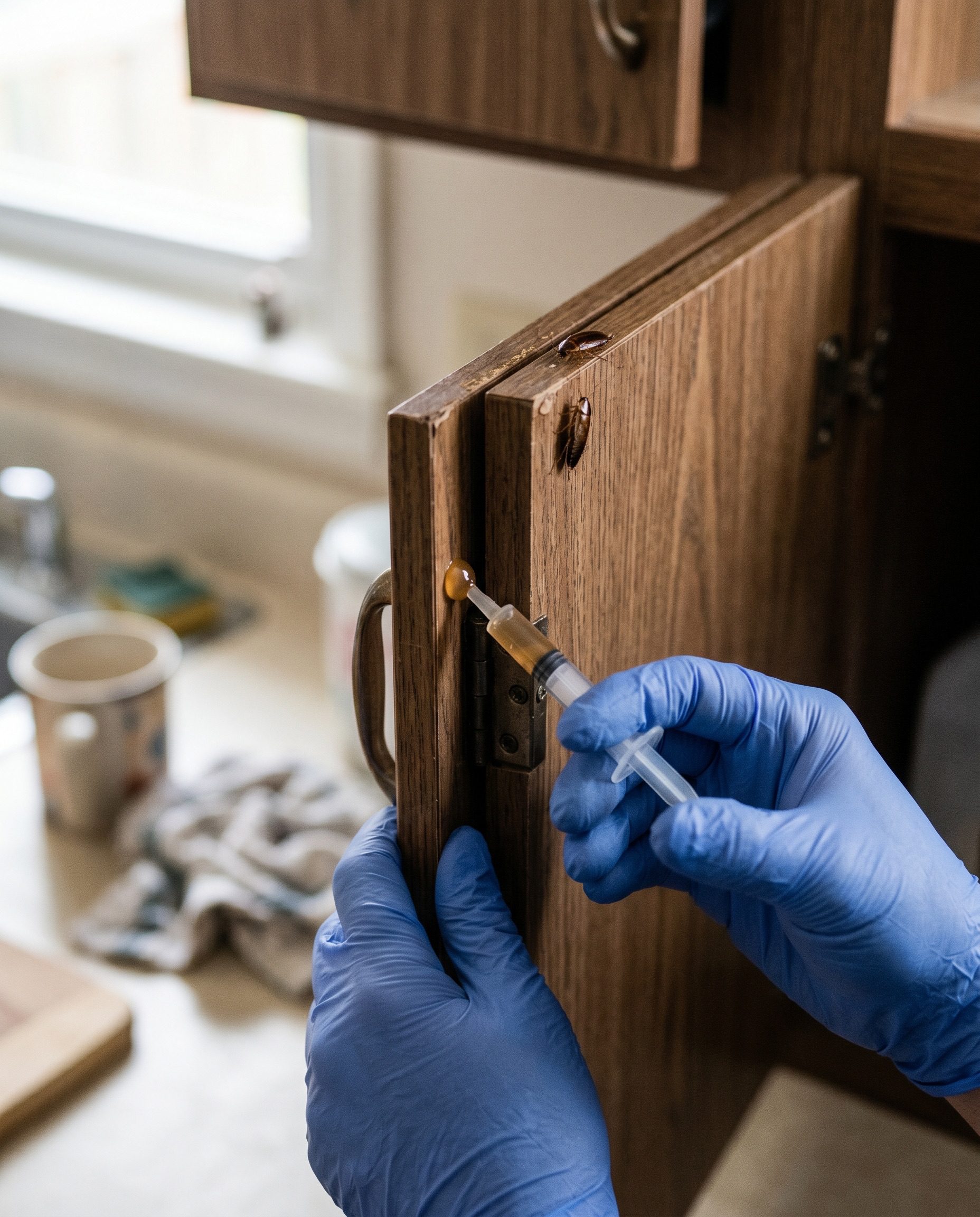
Why one bait is not enough
The hard truth most roundups skip is that German cockroaches can stop eating a bait that worked last month. Some populations develop glucose aversion, where the sugar in a sweet bait actually tastes bitter to them and they walk away. The UF IFAS guide to assessment-based cockroach management explains this is inherited much like insecticide resistance and is widespread enough to plan around. So the bait is not broken; the roaches changed.
That is why the active ingredient matters more than the brand. The two workhorse actives in homeowner gels are indoxacarb and fipronil, and they kill through different pathways. Rotate between them and a surviving roach that shrugs off one is far more likely to take the other. Both extension programs and the pros lean on the same rule: the NC State Extension surveillance guide recommends rotating among baits with different modes of action every three to four months, and switching to a protein-based bait if a sweet one suddenly stops pulling.
If you are not sure which roach you have, sort that first. The playbook in our complete guide to getting rid of cockroaches and the species-specific German cockroach treatment guide both lean on baiting, but a big outdoor American roach wandering in needs a different emphasis than a German infestation breeding in your cabinets.
Do this before you buy
Bait works best in a kitchen with nothing else to eat. Cut off the competing food and water and you turn your few dabs of gel into the most attractive meal around. Wipe up grease and crumbs at night, store food and pet food sealed, run the dishwasher instead of soaking dishes, and fix the slow drip under the sink. This is the same sequence the EPA’s integrated pest management principles put ahead of any chemical: monitor, remove what they live on, then treat narrowly.
Then find the harborage before you place anything. Set plain sticky monitors flush in corners, behind the toe-kick, beside the dishwasher, and inside the under-sink cabinet. Where the traps fill fastest, the bait goes closest. Roaches do not travel far for a meal, so a dab six feet from a hot crevice is wasted. Map first, then bait the map.
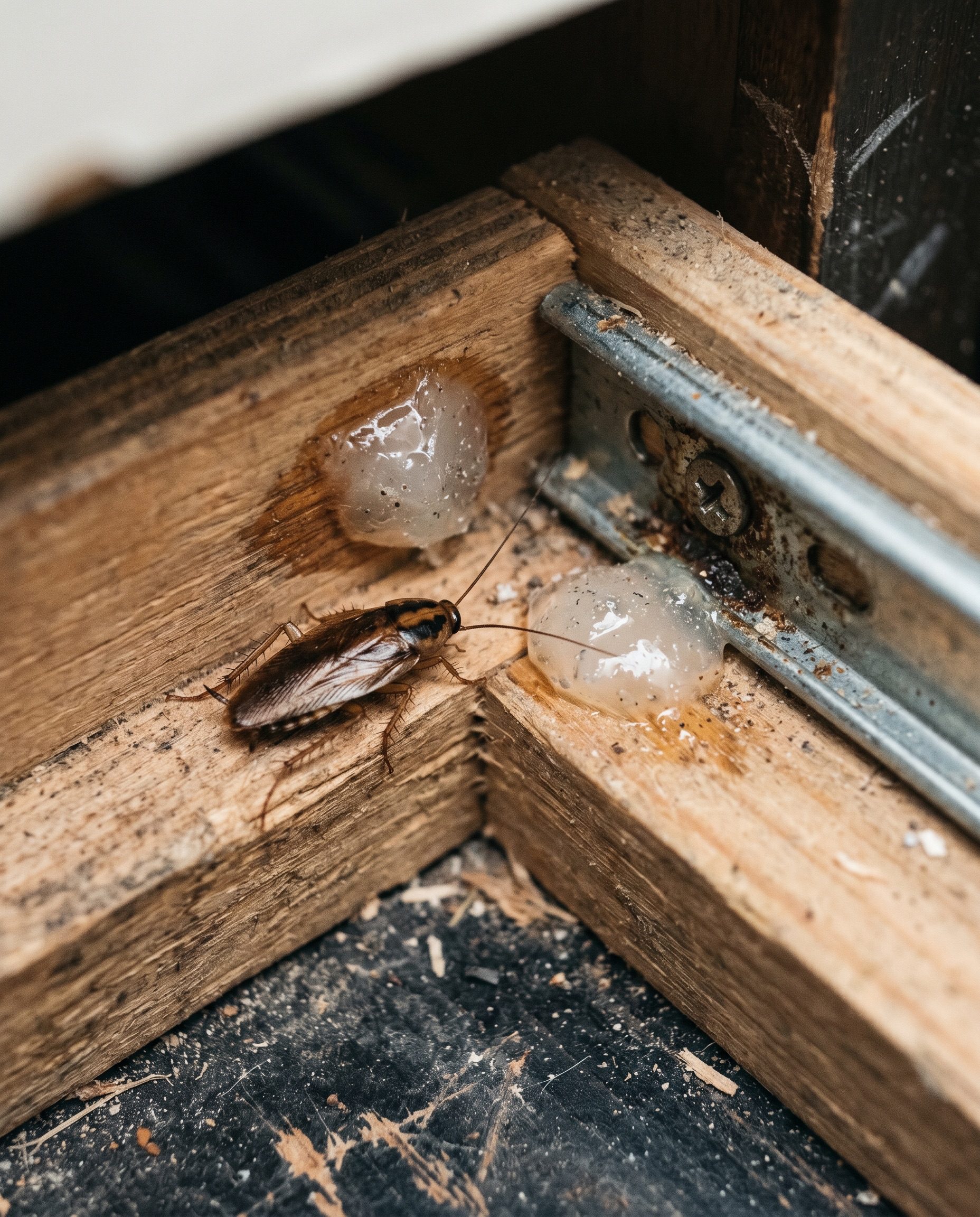
The placement that beats brand
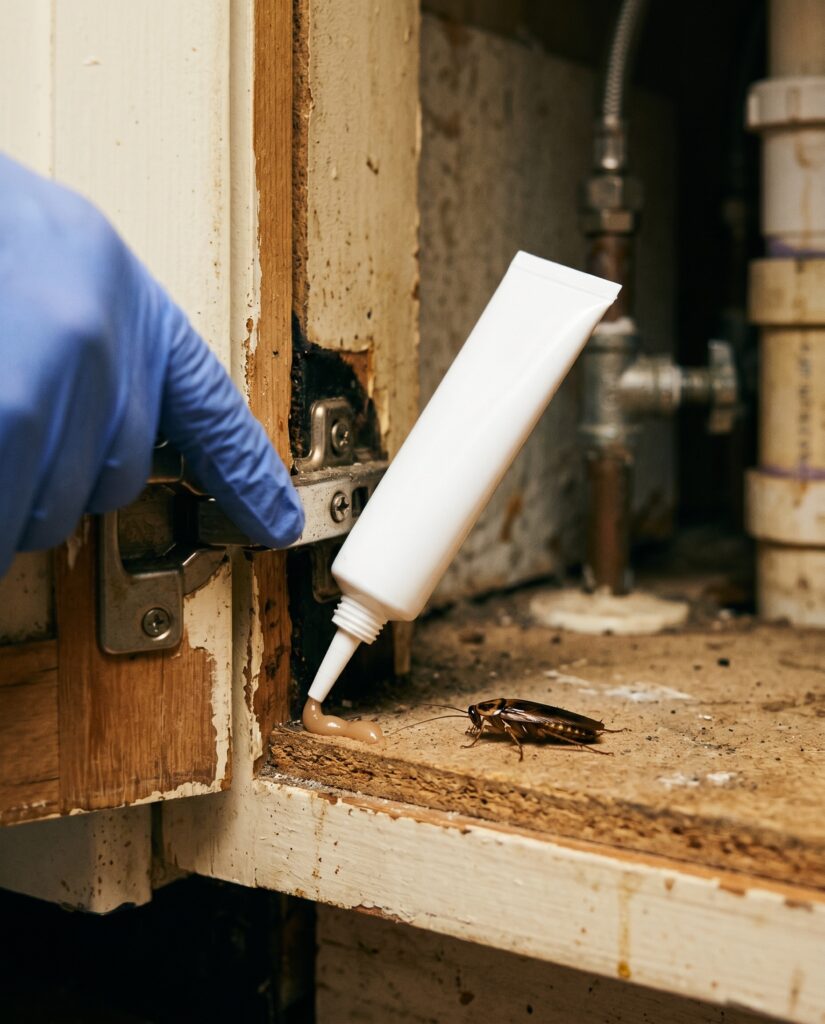
Here is where most people quietly fail, and it has nothing to do with which tube they bought. They smear a long stripe of gel along a baseboard like caulk. The UF IFAS guidance is blunt about this: do not use bait as if it were caulk, and follow the label on application and the number of placements. Roaches feed on the edges of a glob, so many small dabs beat one long smear. The same gram of bait does far more work as a dozen pea-size beads tucked into crevices than as a continuous line on an open surface where it dries out and collects dust.
Put the dabs where roaches already live: cabinet hinges, the seams under the sink, behind and beside the stove and fridge, drawer runners, and the gaps the sticky traps flagged. The UC IPM Pest Notes on cockroach control note that baits are the primary pesticide for roaches and work best placed in or near where roaches harbor or forage, because the bait does not draw them across the room.
One thing that quietly poisons your whole effort: spraying near the bait. A repellent perimeter spray or a total-release fogger does not reach the crevices, the same UC IPM note says, and worse, sprays repel and disperse roaches into wall voids and contaminate the bait you just placed. If you are baiting, you are not spraying the same surfaces. Pick the tool that reaches where they hide and do not sabotage it.
How the gels compare
Pick by active ingredient and matrix, not by the loudest label. Indoxacarb is a pro-insecticide that the roach’s body activates, with strong secondary kill as foragers carry it back. Fipronil is faster and also kills by contact, so a roach that walks through a dead one can pick it up. Pair them and you cover both speed and the slow colony-wide spread.
| Active | Best for | Watch-out |
|---|---|---|
| Indoxacarb gel | Your main bait; strong secondary kill across the colony | Slower than fipronil; keep cleaners and sprays away from it |
| Fipronil gel | The rotation partner; faster knockdown, kills on contact too | Rotate off it too; do not lean on one active for months |
| Protein or non-sweet matrix | When a sweet bait suddenly stops pulling roaches | A switch for aversion, not your everyday first choice |
The product names matter less than this logic. Independent testing backs gels broadly: a University of Kentucky in-home study reported by Entomology Today found both consumer and professional gel baits reached at least 80 percent mortality over 28 days, while popular bait stations lagged. That is the case for keeping gel as your main tool and stations as a backup, not the reverse.
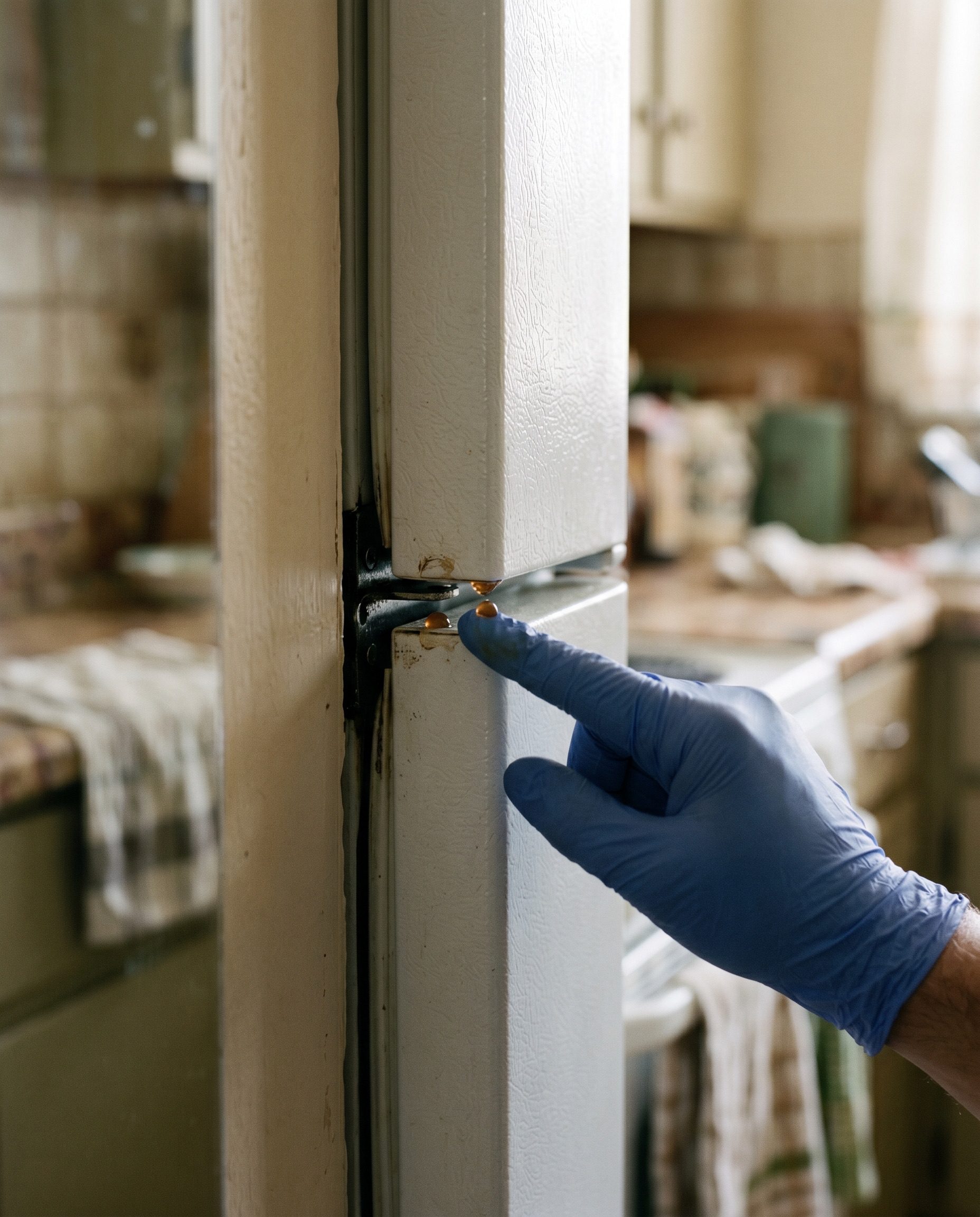
Use them safely indoors
Gel bait is low-exposure compared with broadcast spraying, but it is still a pesticide and placement around the house matters. Keep every dab out of reach of children and pets and off food-prep surfaces; tuck beads into crevices and the backs of cabinets, never on countertops or near pet bowls. Wipe up any stray smear right away. If you ever suspect a child or pet got into a product, get medical or veterinary help and call your local poison control center; you can also read the NPIC pesticide-safety guidance for what to do after an exposure.
Read the label before you place anything, because the directions are legally binding. The EPA’s pesticide label rules state it is a violation of federal law to use a product in a manner inconsistent with its labeling, which is the whole reason the label is the law. Follow the placement sites, the number of placements, and the keep-away and storage directions exactly. If you live in a connected apartment building, roaches move between units, so coordinate with neighbors or a licensed pro; our apartment roach guide covers that situation.
The picks
InsectoGuide is reader-supported. As an Amazon Associate we earn from qualifying purchases at no extra cost to you.
These three cover a real rotation: an indoxacarb bait as your main tool, a fipronil bait as the partner you switch to, and a drugstore-cheap option to start tonight. For our own place we would keep the first two and rotate them.
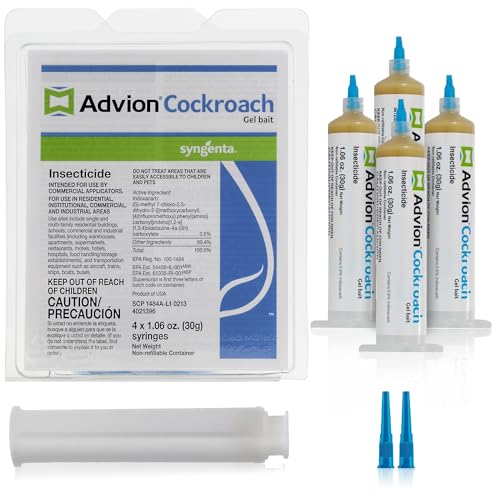
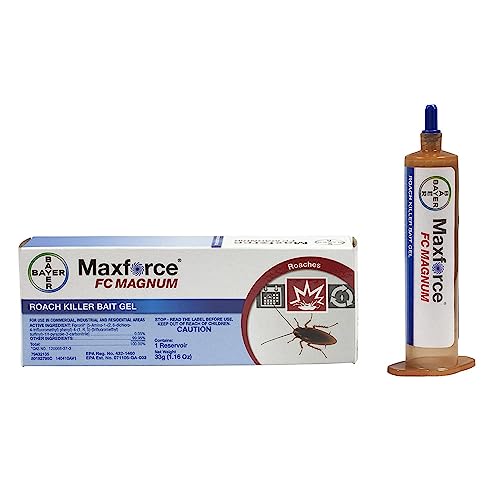
The indoxacarb gel most pros reach for, with strong colony-wide secondary kill.
A fipronil gel to rotate against indoxacarb so roaches never adapt to one active.
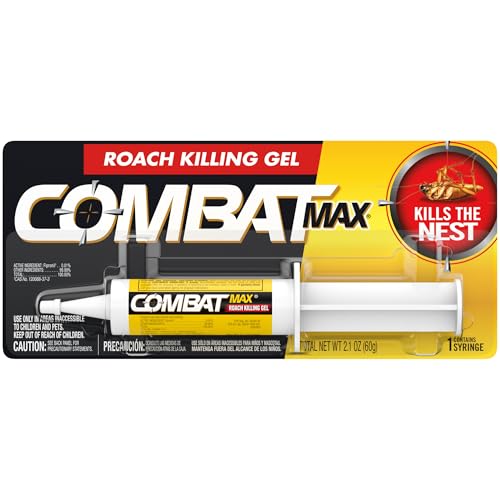
A cheap fipronil syringe from the drugstore shelf to start treating tonight.
Common questions
Do cockroach gel baits actually work?
Yes, when placed at harborage and kept clean of sprays. In a University of Kentucky in-home study, gel baits reached at least 80 percent mortality over four weeks. The catch is placement and patience; a dab six feet from the nest does little, and you keep baiting after the visible roaches are gone.
Are gel baits safe around kids and pets?
Used per the label and tucked into crevices out of reach, they expose your family to far less product than spraying surfaces does. Keep beads off food-prep areas and away from pet bowls, wipe up stray gel, and store the tube out of reach.
How often should I rotate baits?
Extension guidance suggests rotating to a bait with a different active ingredient roughly every one to a few months, sooner if your traps show roaches feeding less. If a sweet bait suddenly stops pulling, switch to a protein-based matrix; that often means the population has turned sugar-averse.
Do I need bait stations too?
Stations are a tidy backup for spots you cannot reach with gel, but they should not be your main tool. The Kentucky testing found popular bait stations lagged behind gels, so lead with gel and use stations only as a supplement.
Why am I still seeing roaches after baiting?
Usually too few placements, gel smeared on open surfaces instead of in crevices, or a repellent spray nearby that contaminated the bait. Sometimes the population shifted off a sweet bait, which is your cue to rotate the active ingredient.
Should gel bait go indoors or outdoors?
Most gel baits are labeled for both, but indoor crevice placement is where they earn their keep against German roaches. Outdoors, target entry points and known harborage and follow the label for exterior use.
Final verdict
The best cockroach gel bait is a strategy, not a single tube. Buy two baits with different actives, place small dabs at harborage, and rotate them so the colony never adapts. Cut off food and water first and let sticky traps tell you where to aim, because clean rooms make your bait the best meal around. Skip the long caulk-style smears, keep stations as a backup, and never spray where you placed gel. Boring and consistent beats chasing the brand every list crowns.
Pingback: Best Boric Acid Roach Powders and How to Apply Them