Flies keep showing up for one simple reason: something nearby is feeding them or breeding them. The best fly traps work when they match the fly you have (fruit flies, house flies, drain flies) and the place you’re fighting them (kitchen vs patio). This guide breaks down the most effective indoor and outdoor trap types, where to put them for fast results, and what to fix so you’re not catching new flies every day. You’ll also learn which “popular” options underperform, and why.
Bottom line: Match the trap to the fly and the location, then remove the breeding source the same day.
- Use low-odor traps indoors and stronger bait traps outdoors.
- Put traps close to activity, not randomly around the room.
- If catches stay high, look for trash, drains, compost, or wet organic material.
Quick answer
If you want the fastest results, choose traps by fly type and location, then remove the breeding source.
- Tiny flies near fruit, wine, or trash (fruit flies): a vinegar + dish soap jar trap or a commercial fruit fly lure trap
- Medium gray flies on windows or near doors (house flies): sticky window traps indoors + baited bag/bottle traps outdoors (placed away from people)
- Small moth-like flies near sinks (drain flies): drain cleaning + sticky cards for monitoring
- Flies around plants (fungus gnats): yellow sticky cards + adjust watering and soil moisture
- Low-odor indoor option: plug-in UV or blue-light glue traps (best in dim areas)
A good rule: indoor traps should be low-odor and close to fly activity. Outdoor bait traps can be stronger, but must be placed well away from patios and doors.
Choosing the best fly traps
The trap that works “amazingly” for your neighbor can fail in your home because flies don’t all chase the same cues. Fruit flies track fermentation. House flies track food odors, waste, and airflow. Drain flies stay close to slimy breeding sites.
Entomologists also stress that traps catch adults, not the next generation. A female house fly can lay up to 500 eggs, and in warm conditions the life cycle can finish in about a week. That’s why traps should be paired with cleanup and moisture control. Guidance from the University of California Integrated Pest Management program consistently puts sanitation and habitat reduction first, then physical controls like traps and exclusion.
A simple decision guide (fast and accurate)
Use this quick “spot test” before you buy anything:
-
Size check
- 1/8 inch (3 mm) or smaller, hovering around fruit or cups: fruit flies
- 1/4 inch (6 mm) or larger, loud, landing on windows: house flies or blow flies
- Tiny, weak fliers near plant pots: fungus gnats
- Small, fuzzy, triangle-winged flies near drains: drain flies
-
Location check
- Kitchen counter or recycling bin: fruit flies are likely
- Windows and doors: house flies often rest on bright surfaces
- Sink, shower, floor drain: drain flies often breed in organic film
- Patio, dog area, trash cans: house flies and blow flies
Trap types matched to behavior (visual cheat sheet)
- Fermentation seekers (fruit flies): liquid bait traps, vinegar traps, enclosed lure cups
- Resting-window flies (house flies): sticky window cards, ribbons near entry points
- Odor-driven outdoor flies (house and blow flies): protein/yeast bait traps outdoors
- Light-responsive indoor fliers: UV or blue-light glue traps in low-light zones
What to do first (before any trap)
- Seal ripe fruit in the fridge and wipe juice spills.
- Empty and rinse recycling. Fermenting residue is a magnet.
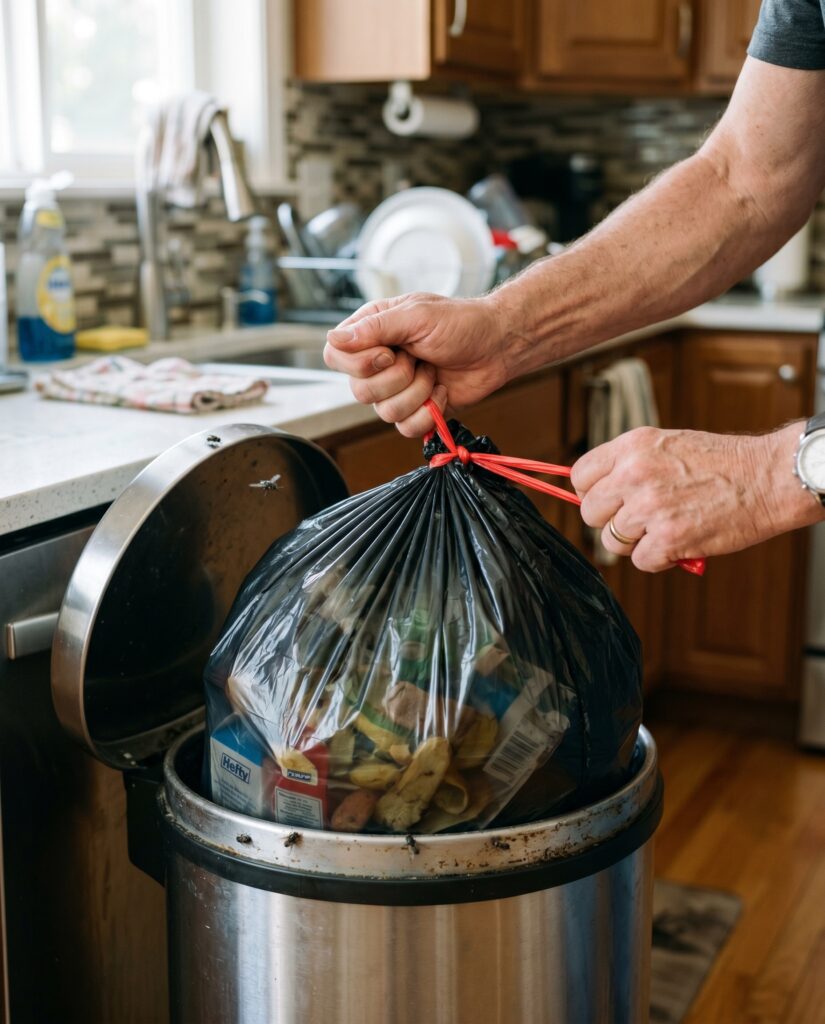
- Take trash out nightly for 3-5 days during a flare-up.
- Scrub one suspicious drain (not just rinse) and see if numbers drop.
If your main issue is tiny kitchen flies, the dedicated walkthrough in Best Fruit Fly Traps: Effective Kitchen Solutions helps you narrow the exact species and bait.
Best indoor fly traps
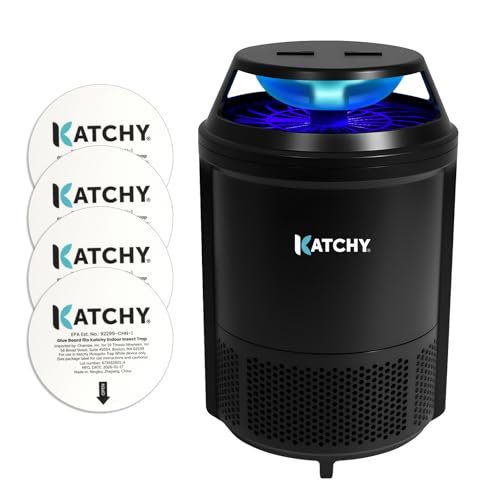
This indoor insect trap uses UV light and a fan to attract and capture flies, making it ideal for fruit flies and house flies in kitchens.
- Effectively reduces small flying insects like fruit flies, gnats, and mosquitoes indoors when left running, especially at night
- Quiet, compact, and stylish design that blends into home decor better than traditional bug zappers or fly paper
- Easy to use plug‑and‑play operation with simple glue pad replacement and minimal maintenance
- Not effective for larger insects such as house flies or bigger bugs, leading some users to feel coverage is limited
- Requires regular replacement of sticky pads and continuous operation for best results, which some find inconvenient or costly over time
Indoor fly control is about clean, quiet capture. Strong outdoor baits can smell awful inside and may pull flies toward living areas. For most homes, the best indoor plan combines one “attractor” trap (vinegar or light) plus one “interceptor” trap (sticky card at a window).
1) Vinegar + dish soap jar trap (fruit flies)
This is the go-to for fruit flies because it matches what they’re already looking for: fermentation. Tests and home guides, including a step-by-step method from Good Housekeeping’s homemade fly trap guide, show how reliably apple cider vinegar traps pull in kitchen fruit flies.
How to set it up (5 minutes):
- Add 1/2 to 1 inch (1-2.5 cm) of apple cider vinegar to a jar or cup.
- Add 2-3 drops of dish soap (this breaks surface tension so flies sink).
- Cover with plastic wrap and poke 6-10 small holes, or use a paper cone funnel.
- Place it within 6-12 inches of the suspected source (fruit bowl, compost pail, recycling).
Best for: fruit flies and vinegar flies
Watch out: if you have house flies, this often underperforms
Placement tip: use 2-3 small traps rather than one big one
2) Plug-in UV or blue-light glue traps (low-odor, low-mess)
If you want something you can set and forget, plug-in light traps are a solid indoor option. They attract flying insects to a glue board without aerosol sprays. These are common in sensitive environments and are often used as monitoring tools in commercial settings.
How to get better results:
- Put the trap where it’s darker at night (hallway, near trash, laundry area).
- Keep it away from bright windows and competing lights.
- Don’t place it directly above food prep surfaces.
Some consumer models use blue/UV light plus disposable glue cartridges, like the Zevo style units described by the manufacturer’s product information. Independent comparisons vary, but placement is the make-or-break factor.
Best for: light-to-moderate indoor activity, mixed small flies
Watch out: sunlit rooms reduce attraction
Maintenance: replace glue cards before they’re fully covered
3) Sticky window traps and fly ribbons (house flies and “window clusters”)
House flies often end up at windows because they’re drawn to light and try to escape. Clear sticky window cards can catch surprising numbers in a day when placed correctly.
Where to place sticky traps:
- Lower corner of a sunny window (common resting spot)
- Near sliding doors and garage entry doors
- In mudrooms, utility rooms, and near pet feeding areas
Best for: house flies resting on glass, quick monitoring
Watch out: looks messy if placed in high-visibility areas
Kid/pet tip: place higher up or behind curtains to reduce contact
For more sticky-trap formats and placements, brands like those shown on the Catchmaster fly trap collection illustrate common indoor options (window cards, ribbons, glue boards).
Indoor trap “stack” (visual checklist)
If you want a simple, effective combo:
- 1 vinegar jar trap near the kitchen source (fruit flies)
- 1 plug-in light glue trap in a dim hallway or near trash
- 1-2 sticky window cards on the brightest window
This stack covers attraction + interception and helps you identify what you’re actually catching.
Best outdoor fly traps
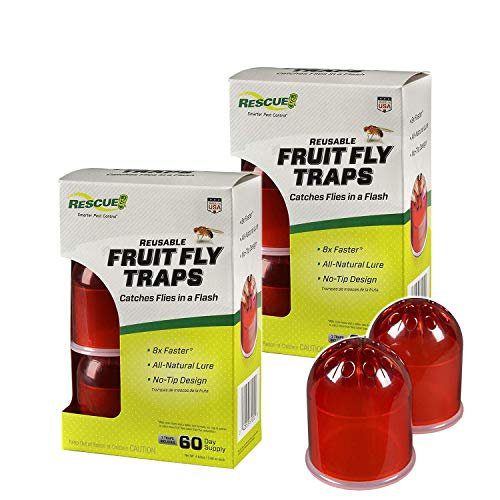
This product is specifically designed for trapping fruit flies using a non-toxic lure, perfect for kitchens and areas with fruit.
- Effective at quickly reducing or eliminating fruit fly infestations, often within a day or two of setup
- Non‑toxic, food-based lure that users feel is safe to use around kitchens, pets, and children
- Easy to set up, clean, and reuse, with attractant refills available for continued use
- Some users report the attractant dries out or loses effectiveness before the advertised 30 days
- A portion of reviewers say it does not catch as many fruit flies as expected or as homemade vinegar traps
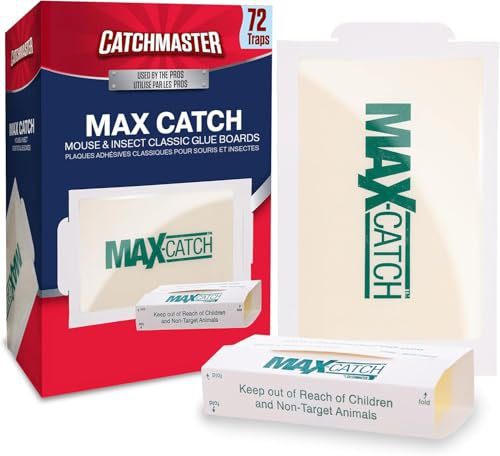
These sticky traps are effective for monitoring and catching various types of flies, including house flies and drain flies, making them versatile for indoor and outdoor use.
- Strong adhesive and effective at catching mice plus small insects
- Pesticide-free, mess-free indoor pest control
- Long-lasting boards that can remain effective for up to a year under normal conditions
- Glue traps can be messy and unpleasant to handle when they catch pests
- Some users find the traps less appealing for larger rodents or in dusty areas
Outdoor fly control is a placement game. The most effective outdoor traps often use fermented or protein-based baits that smell strong. That odor is exactly why they work, and exactly why you should not hang them next to where people eat.
1) Disposable bait bag traps (high-catch, strong odor)
Bag traps are popular because they can catch large numbers quickly. They usually use a powdered lure that turns into a fermenting bait once you add water.
Best for: house flies and blow flies around trash, kennels, compost, barns
Where they shine: hot weather, sunny spots, heavy fly pressure
Where they fail: hung too close to patios or doors
Placement rules that prevent backfires:
- Hang 15-50 feet from patios, doors, and outdoor dining.
- Put them downwind of where you sit.
- Choose a sunny, open area (flies are most active there).
- Start early in the season, before populations spike.
Retail lines like those shown in the TERRO flying insect products and outdoor trap assortments at major stores can give you a sense of the bag-trap style and lure types, but performance still comes down to placement and sanitation.
2) Reusable baited traps (less waste, more handling)
Reusable outdoor traps use the same idea as bag traps but with a rigid container and replaceable bait. They can be cost-effective if you deal with flies every summer.
Best for: recurring yard issues, farms, stables, rural properties
Watch out: you will need to empty and rinse them
Pro tip: wear gloves and clean away from living areas
3) Outdoor sticky panels and fly strings (targeted zones)
Sticky panels can work well in covered areas like sheds, barns, or under eaves where wind and dust are limited.
Best for: sheltered outdoor structures, animal areas
Watch out: dust and pollen reduce stickiness fast
Wildlife note: avoid placing near flowering plants to reduce non-target catches
4) Fans and screens (not traps, but often the biggest win)
Most flies are not strong fliers. A box fan on a patio can cut landings dramatically because flies avoid strong air currents.
Quick setup:
- Aim a fan across the seating area, not straight up.
- Add mesh food covers to block landings on dishes.
- Repair screens and seal gaps around doors.
This is also why restaurants use air movement and barriers alongside traps.
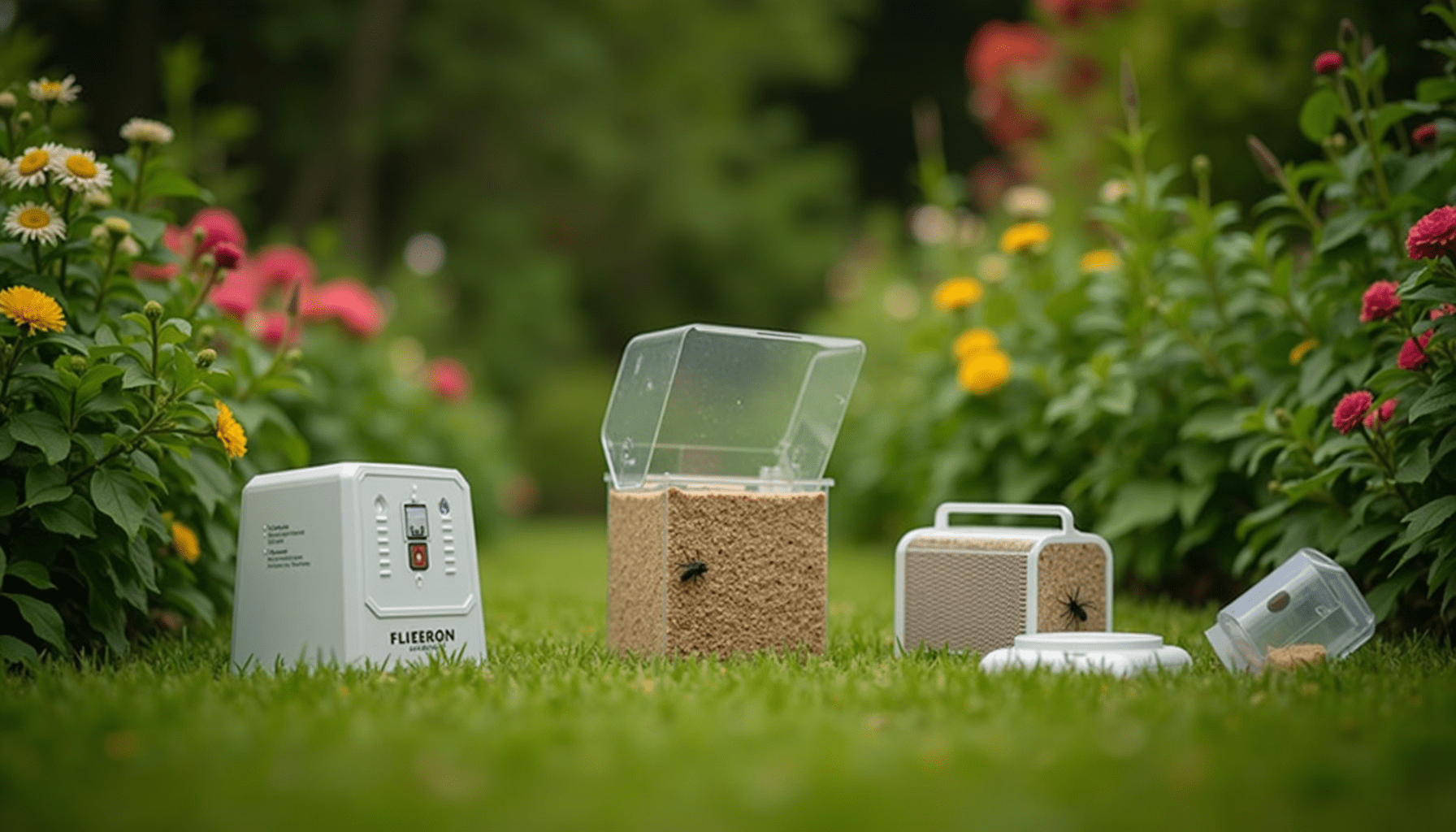
Outdoor “best results” layout (visual map)
Try this layout for a typical home:
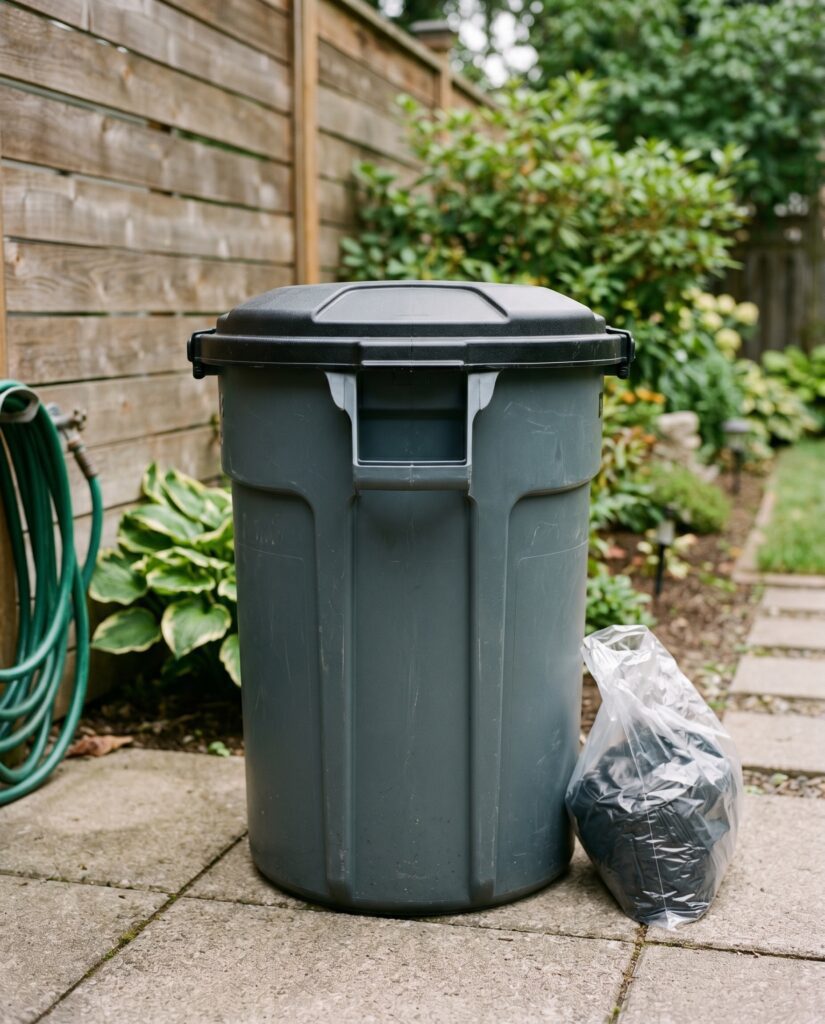
- Near trash/recycling zone: 1 bait bag trap (sunny, downwind)
- Near dog area/kennel: 1 bait trap + daily waste pickup
- Near patio: fan + covered food + no smelly bait traps nearby
- Near doors: keep lights low at night, fix torn screens
Placement and bait tips
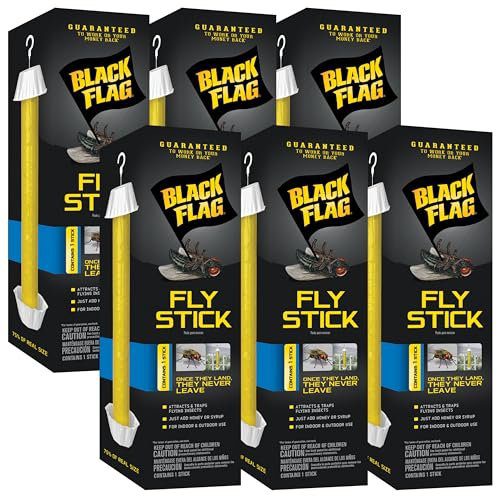
These fly sticks are designed for outdoor use and can effectively catch house flies and other flying insects, ideal for patios and outdoor areas.
- Easy to use and ready to hang, with a built-in hook
- Effective at trapping flies and other flying insects when baited with honey or syrup
- Less messy and more discreet-looking than traditional fly strips
- Performance can be inconsistent or take time to start working
- Some users find the catch effectiveness declines or varies by placement/location
Most trap disappointment comes from two mistakes: putting the right trap in the wrong place, or using the wrong bait for the fly species. Think of traps like fishing. The lure and the location have to match.
Indoor placement rules (that boost catch rate)
- Put traps where flies already are, not where you wish they were.
- Use windows as “fly highways.” Sticky cards work best here.
- Reduce competing attractions:
- wipe counters nightly
- rinse bottles and cans
- keep fruit in the fridge for a week during outbreaks
Mini checklist (indoors):
- 1 trap within 12 inches of the suspected source
- 1 trap near the brightest window
- 1 trap in a dim area for light-based devices
Outdoor placement rules (that prevent attracting more flies to you)
- Bait traps belong away from people, not beside the grill.
- Put bait traps between breeding sites and your home, but not at entry points.
- Sun helps bait volatilize and spread scent. Shade often reduces catch.
Mini checklist (outdoors):
- 15-50 feet from doors and seating
- downwind placement
- hang at about 4-6 feet high (1.2-1.8 m) for many yard setups
Bait matching (visual cards)
- Fruit flies: apple cider vinegar, wine, overripe fruit bait
- House flies and blow flies outdoors: protein or yeast-based commercial lure
- Drain flies: bait is not the main tool – remove drain film instead
If your outdoor problem is mixed with biting insects at dusk, don’t assume a fly trap will help. Use a dedicated strategy like Best Mosquito Traps for Yard and Patio [Tested] and the step-by-step How to Mosquito-Proof Your Backyard: Complete Guide.
Mistakes and myths
A few persistent myths keep fly problems going longer than they should. Clearing them up saves time, money, and frustration.
Myth 1: “A trap will solve the whole problem”
Traps reduce adults, but eggs and larvae stay in breeding material. If you keep catching flies daily, something is still feeding them. House flies can mechanically carry many pathogens, which is one reason sanitation is emphasized in public health and pest management research, including summaries in the CDC’s overview of house flies and disease risks.
What to do instead (visual action list):
- Remove the wet organic source (trash juice, compost, pet waste, drain film)
- Then trap adults to knock down the current wave
Myth 2: “Sweet bait works for every fly”
Fruit flies love fermentation. House flies often prefer protein-rich odors. That’s why vinegar traps can feel “useless” when the real problem is house flies coming from outdoor waste or a nearby dumpster.
Fix: switch to outdoor protein/yeast bait traps for house flies, and add indoor sticky window cards.
Myth 3: “Bug zappers are the best outdoor fly control”
Outdoors, zappers often kill many non-target insects. They can also scatter insect fragments, which is why they’re not a good choice near food areas. If you’re considering one anyway, compare styles and placement in Best Bug Zappers for Mosquitoes: Indoor & Outdoor.
Better outdoor approach: bait traps away from patios + fans where people sit.
Myth 4: “Traps attract flies into your house”
Indoor traps don’t create infestations. They catch flies already inside. The real exception is hanging a strong-smelling outdoor bait trap right next to a door or open window.
Fix: move outdoor bait traps farther out and seal entry points.
Key takeaways
- The best fly traps depend on the fly: vinegar traps for fruit flies, sticky window cards for house flies indoors, and bait traps outdoors.
- Placement matters as much as the trap. Outdoor bait traps should be 15-50 feet from patios and doors.
- Traps catch adults, not breeding sites. Sanitation, drain scrubbing, and waste control stop the next generation.
- For low-odor indoor control, plug-in UV or blue-light glue traps work best in dim areas away from competing lights.
Flies are persistent, but they’re predictable. Pick one indoor trap and one outdoor strategy, then remove the breeding source that’s fueling the cycle. For the most common kitchen scenario, follow the step-by-step in Best Fruit Fly Traps: Effective Kitchen Solutions. If your “fly problem” is actually mosquitoes at dusk, start with Best Mosquito Traps for Yard and Patio [Tested] to target the right insect from day one.
As an Amazon Associate, I earn from qualifying purchases. Product recommendations are based on real reviews and independent research.