Fruit flies can take over a kitchen fast, but you can get rid of fruit flies quickly by doing two things at the same time: remove every breeding site (rotting produce, drain slime, trash residue) and trap the adults so they stop buzzing your face and landing near food. The reason they seem to “appear overnight” is their rapid life cycle – at warm indoor temperatures, they can develop from egg to adult in roughly a week. This guide walks you through a fast, science-grounded plan that actually ends the cycle.
Bottom line: The fastest fruit fly fix is a same-day reset: remove food sources, clean drains and trash areas, then place a vinegar-style lure where adults are active.
- Throw out or refrigerate ripe produce first.
- Rinse cans, bottles, bins, and sink strainers.
- Keep traps within a foot of the source until catches stop.
Quick answer
To get rid of fruit flies, focus on source removal first, then use traps for knock-down.
- Day 1 (biggest impact): Throw out overripe produce, empty trash and recycling, wipe sticky residues, and scrub drains/disposal biofilm.
- Day 1-3 (fast relief): Set 2-4 vinegar traps near hotspots and refresh every 1-3 days.
- Day 3-10 (finish the cycle): Keep produce refrigerated, keep drains clean, and remove any hidden wet organic residue.
Fast checklist (10 minutes):
- Bag and take out any soft, leaking, or fermenting fruit
- Rinse bottles/cans before recycling
- Scrub sink drain walls with a brush (not just hot water)
- Set an apple cider vinegar + dish soap trap by the sink and trash
Image alt text: Apple cider vinegar and dish soap fruit fly trap on kitchen counter
Identification
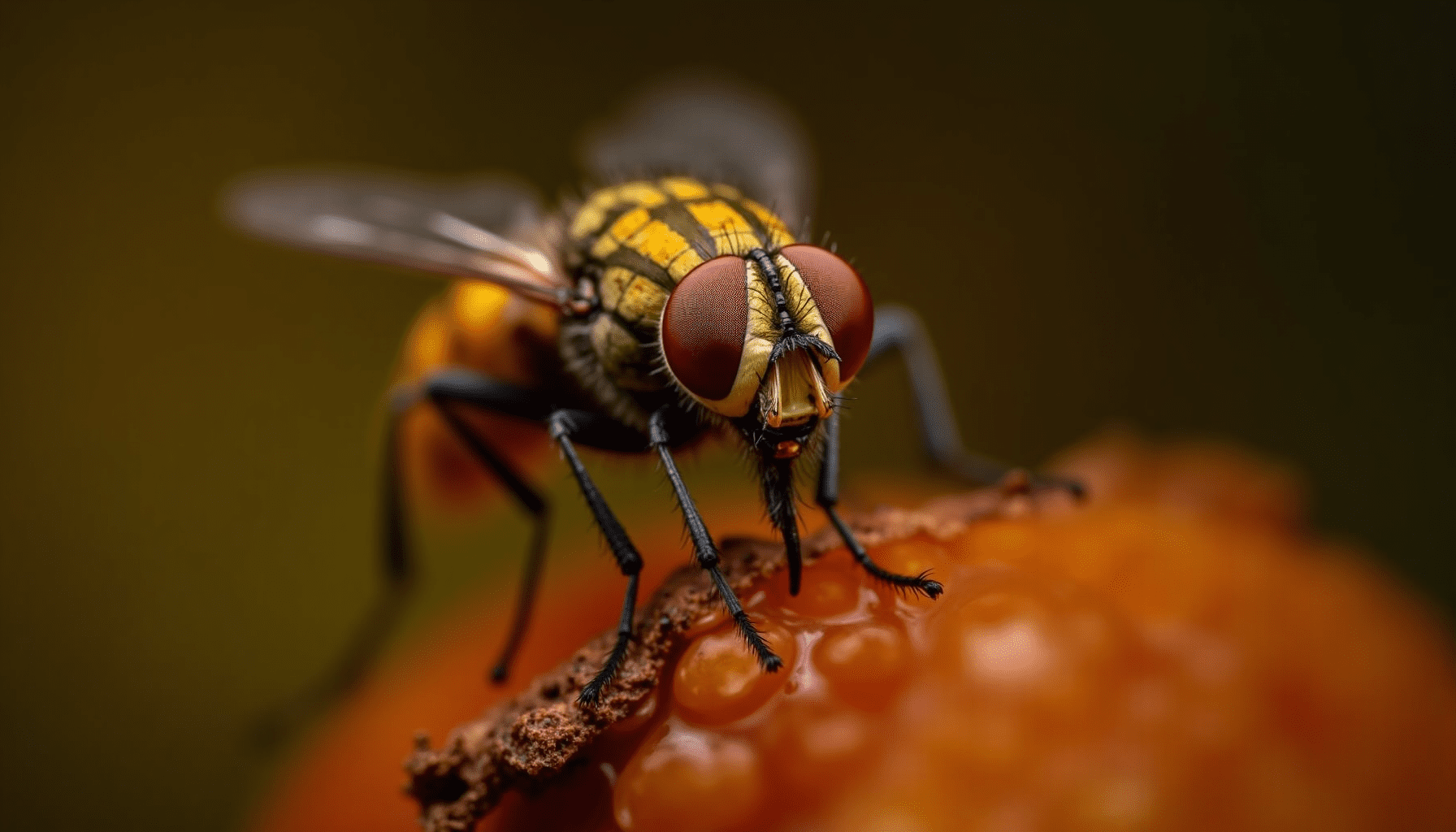
Before you treat, make sure you are targeting the right fly. Fruit flies (often Drosophila melanogaster, sometimes called vinegar flies) are drawn to fermentation odors like alcohol and acetic acid – not just “fresh fruit” smells.
Fruit fly ID (at-a-glance):
- Size: about 2-4 mm (tiny, smaller than a grain of rice)
- Color: tan to light brown body, darker rear end
- Eyes: often red or dark
- Where you see them: hovering around fruit bowls, trash, recycling, sinks, and drains
- Flight pattern: quick, darting, often in small clouds near a source
Common lookalikes (and why it matters):
- Drain flies: fuzzy, moth-like wings; usually cling to walls near drains
- Fungus gnats: slender, mosquito-like; usually around houseplants
- Phorid flies: hump-backed, run across counters more than they fly
If your flies look fuzzy or “mothy,” skip straight to drain-focused control. In that case, see our guide to Top Drain Fly Treatments and Gel Cleaners.
What to do next: If they match the fruit fly profile, move on to the fast plan below – fruit fly control works best when you break the breeding cycle, not when you only kill adults.
Why they multiply
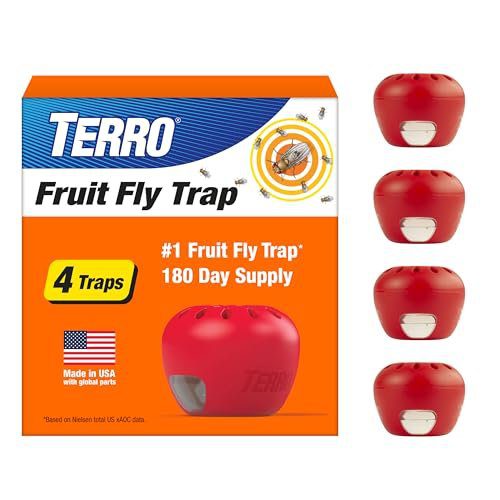
These traps are specifically designed to attract and capture fruit flies, making them an effective solution for the problem discussed in the article.
- Effectively reduces or eliminates fruit fly infestations within a few days when placed near breeding areas
- Long-lasting lure (up to 45 days per fill, 180 days total for the 4-pack) so traps don’t need frequent maintenance
- Discreet apple-shaped design that blends in on countertops and is easy to set up and monitor through built‑in windows
- Some users report the traps attract only part of the fruit fly population or stop working well before the full 45 days
- Occasional complaints about mess or difficulty when refilling/disposing of traps, including potential for spills or lingering odor
Fruit flies don’t come from nowhere. They arrive as adults through doors and windows, or they hitchhike on produce. Then they reproduce anywhere a thin film of wet, decaying organic material builds up.
Here’s the part that surprises most people: a single female can lay hundreds of eggs near fermenting food or moist residue. At typical indoor temperatures, fruit flies can go from egg to adult in about 8-10 days, which is why the problem seems to “explode” in a week or two. Pest professionals emphasize that sanitation is the foundation of control, because traps alone only remove adults while new flies keep emerging.
Think of your kitchen like a tiny brewery. Any spot with sugars + moisture + microbes can create fermentation odors that fruit flies follow:
- Overripe fruit and vegetables (especially damaged skins)
- Sticky spills (juice, soda, beer, wine)
- Trash and recycling residue
- Compost caddies
- Drain and garbage disposal biofilm (a hidden “slime layer”)
Mini life cycle map (what you’re fighting):
- Eggs laid near fermenting material
- Larvae feed in the moist organic layer
- Pupae develop nearby
- Adults emerge and start the cycle again
Actionable takeaway: If you still see fruit flies after setting traps, assume you missed a breeding site. According to guidance from the University of Kentucky Entomology, sanitation is the key step for successful management.
Get rid of fruit flies
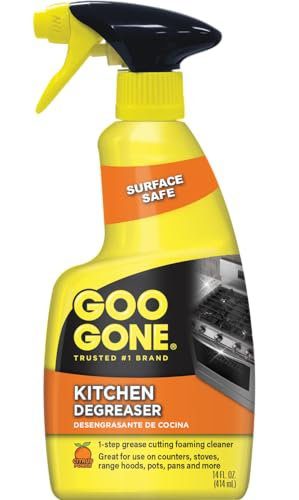
This product helps clean sticky residues and organic material that can attract fruit flies, aiding in the prevention of their breeding.
- Very effective at cutting through tough kitchen grease, grime, and baked‑on food with minimal scrubbing
- Versatile and safe on many sealed kitchen surfaces such as stovetops, microwaves, counters, and cabinets
- Foaming spray is easy to apply and works quickly, making routine kitchen cleaning faster
- Some users feel it does not work as instantly or powerfully as harsher aerosol oven‑type degreasers and still requires some elbow grease
- Occasional complaints about strong scent or residue if not rinsed or wiped thoroughly
This is the step-by-step plan that ends an infestation quickly. Do Steps 1-4 the same day if you can. That is how you stop new adults from “reappearing.”
Step 1: Remove breeding produce (5 minutes)
Check every place produce hides:
- Fruit bowl, countertop baskets, potato/onion bins
- Produce drawers (especially under liners)
- Grocery bags, lunch bags, and reusable totes
Do this:
- Toss anything with soft spots, leaks, or a fermenting smell into a bag.
- Tie it off and take it outside immediately.
- Refrigerate all remaining produce for 7-10 days.
Why it works: Fruit flies prefer to lay eggs where larvae can feed right away. Cold storage slows or stops development.
Step 2: Eliminate “food films” (10 minutes)
Adults feed on tiny residues you may not notice.
Wipe and wash:
- Counter edges, backsplash, cabinet pulls
- Under the coffee maker, toaster, and cutting boards
- Dish rack drip tray (a common slime spot)
Fast visual checklist:
- Sticky = suspect
- Damp + sticky = high priority
- Damp + sticky + dark corner = prime breeding zone
Step 3: Trash, recycling, compost (10 minutes)
Trash and recycling are basically fruit fly magnets when liquids pool at the bottom.
Do this today:
- Empty kitchen trash and recycling.
- Rinse bottles and cans before they go back in.
- Scrub the inside of the trash can with hot soapy water, especially seams.
If you compost indoors, use a tight lid and empty daily during an outbreak.
Step 4: Scrub drains and disposal (15 minutes)
This is the most-missed step, and often the real source. Pest control guidance from Orkin’s fruit fly resource highlights drains and organic buildup as common breeding areas.
Best method (most reliable):
- Remove the drain cover/stopper.
- Use a long-handled brush to scrub the inner drain walls and underside of the rim.
- Flush with hot water.
- Repeat nightly for 3-5 nights if activity is heavy.
Optional support: A non-corrosive enzyme or bacterial “digester” drain cleaner can help break down organic matter over time. Bleach may pass through too quickly to remove the biofilm, and it can be dangerous if mixed with other cleaners.
Actionable takeaway: If flies cluster around the sink at night, treat the drain like the main nest until proven otherwise.
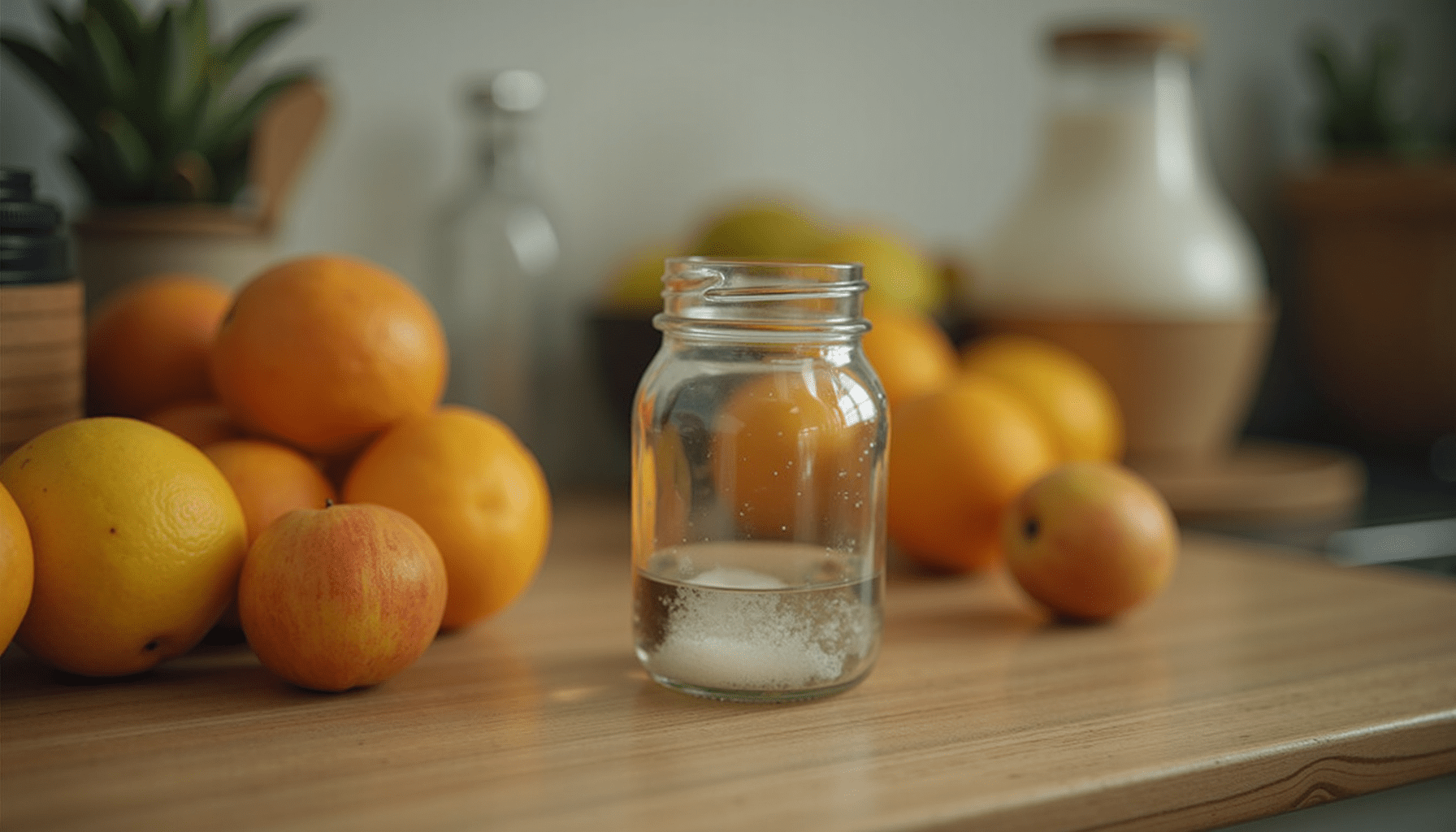
Image alt text: Scrubbing kitchen sink drain with a long drain brush to remove fruit fly biofilm
Traps that work
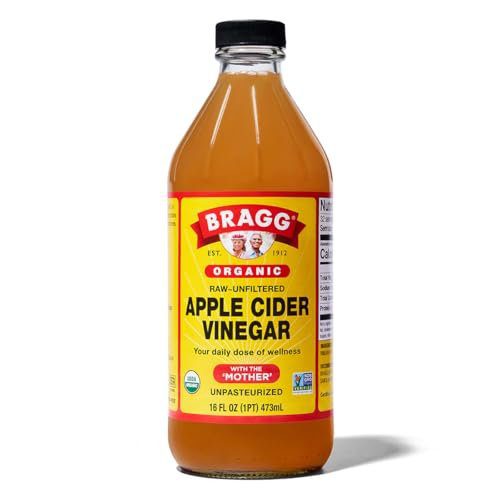
Apple cider vinegar is a key ingredient for homemade fruit fly traps, making it directly relevant to the trapping methods discussed in the article.
- High perceived quality and potency: reviewers consistently praise it as raw, organic, unfiltered ACV with a strong but smooth flavor and a clearly visible, abundant ‘mother’.
- Versatile uses: people use it successfully for drinking (diluted), salad dressings, marinades, and a wide range of DIY uses like hair rinses, skin toners, and household cleaning.
- Perceived health benefits: many users report positive effects such as improved digestion, support with blood sugar/weight management, and general wellness when taken regularly.
- Taste and acidity can be too harsh for some users, especially if not diluted properly, leading to complaints about burning sensation or discomfort.
- Recent-batch concerns: a subset of long‑time buyers report that newer bottles seem more diluted, less cloudy, or different in taste compared with older versions, and worry about a decline in quality.
Once you remove breeding sites, traps become your fast knock-down tool. They reduce the adult population so you get relief while any missed eggs finish developing. If you only trap without cleaning, you usually end up in a loop.
For a deeper product-focused breakdown, see Best Fruit Fly Traps: Effective Kitchen Solutions and our broader roundup of Best Fly Traps for Indoor and Outdoor Use.
DIY apple cider vinegar trap (the standard)
This works because fruit flies are attracted to fermentation odors, and soap breaks surface tension so they sink.
Bowl method (fastest):
- Add about 2/3 cup apple cider vinegar to a small bowl.
- Add 2-3 drops of dish soap.
- Place near the sink, fruit area, trash, or recycling.
Placement tips (makes a big difference):
- Use 2-4 traps in separate hotspots, not one “mega trap.”
- Keep traps out of direct airflow (fans can disperse the scent plume).
- Refresh every 1-3 days.
Covered jar trap (best with kids or pets)
- Put vinegar + dish soap in a jar.
- Cover with plastic wrap and a rubber band.
- Poke several small holes with a toothpick.
This reduces spills and keeps curious hands out.
No vinegar? Use wine, beer, or fruit
Fermentation is the key cue.
Options:
- A splash of red wine with a drop of soap
- A little beer left in a glass with a drop of soap
- A piece of very ripe banana in a jar (cover and poke holes)
Commercial fruit fly traps
Commercial traps can be convenient and less messy. They use food-based attractants and a contained design.
Best for:
- Small apartments where you want low-odor traps
- Kitchens where spills are a concern
- Ongoing monitoring after the infestation ends
Watch out: They still only catch adults. You must pair them with cleaning for long-term results.
Quick-kill options for lingering adults
If you only have a few stragglers:
- Vacuum them off windows or around lights, then empty the canister outside.
- Use an electric swatter for the occasional adult. If that’s your preference, see Best Electric Fly Swatters: Top Rechargeable Options.
Safety note: Avoid spraying broad insecticides in kitchens. Many extension programs discourage routine indoor spraying around food prep areas because it does not fix breeding sites and adds unnecessary exposure risk.
Prevention
Once the swarm is gone, prevention is mostly about removing the “micro-breweries” fruit flies love. The goal is to make your kitchen boring to them.
Produce rules that prevent reinfestation
Fruit flies often arrive on produce, especially very ripe or damaged items.
Do this weekly:
- Refrigerate ripe fruits and vegetables.
- Check countertop produce daily and rotate older items forward.
- Keep fruit in a container or under a cover if it must stay out.
Wash produce smartly:
- Rinse firm produce soon after bringing it home.
- Keep berries dry until you’re ready to eat them (wet berries mold faster).
Drain and disposal maintenance (simple routine)
If drains were involved once, they can be involved again.
Easy routine:
- Once a week: scrub the drain rim and stopper underside.
- Monthly: use an enzyme/bacterial drain product if organic buildup is common.
- Keep sink strainers clean and free of food paste.
If your main issue is actually drain flies, use targeted methods from Top Drain Fly Treatments and Gel Cleaners.
Trash, recycling, and compost habits
Fruit flies love residue more than you think.
Set yourself up to win:
- Use a trash can with a tight lid.
- Take food trash out more often in summer.
- Rinse recycling and let it drain before it goes in the bin.
- Empty countertop compost daily during warm months.
Keep them from entering
Outdoor populations often spike in late summer and early fall.
Exclusion checklist:
- Repair torn window and door screens.
- Reduce long “door open” periods at dusk.
- Seal obvious gaps around doors if you notice insect traffic.
Myth check (what not to rely on)
- “Traps alone will solve it.” Traps help, but breeding sites keep producing new adults.
- “Bleach down the drain fixes it.” It often does not remove the biofilm layer.
- “They only come from fruit.” Any moist, fermenting organic residue can be a source.
Actionable takeaway: If you keep seeing flies after 10 days of cleaning + traps, re-check hidden sources (under appliances, recycling storage, mop buckets) or consider a plumbing issue that keeps organic buildup wet.

Image alt text: Clean kitchen counter with covered fruit container and fruit fly trap near sink
Key takeaways
- The fastest way to get rid of fruit flies is source removal plus traps, started the same day.
- Fruit flies can develop from egg to adult in about 8-10 days at warm indoor temperatures, so persistence for 1-2 weeks matters.
- Drains, disposals, trash, recycling, and compost are common hidden breeding sites.
- Vinegar traps reduce adults quickly, but sanitation ends the infestation.
If you want to optimize trap placement and choose between DIY and store-bought options, read Best Fruit Fly Traps: Effective Kitchen Solutions. For other fly problems around the home, our roundup of Best Fly Traps for Indoor and Outdoor Use can help you match the trap to the species.
Conclusion
Fruit flies are small, but their breeding speed makes them feel unstoppable. The turning point comes when you stop treating the adults as the main problem and start treating fermenting residues and drain biofilm as the real target. Do a same-day cleanup, scrub drains, then run multiple traps for a week while you keep produce cold and waste tightly managed. In most homes, that combination ends the cycle and keeps it from restarting.
As an Amazon Associate, I earn from qualifying purchases. Product recommendations are based on real reviews and independent research.