Fruit flies don’t come from “thin air” – they come in on produce (as tiny eggs or larvae) or fly in from outdoors, then multiply fast anywhere moist, sugary, and slightly fermented. If you’re suddenly seeing fruit flies around your sink or fruit bowl, it usually means there’s a hidden breeding spot nearby, not just a few random adults. This guide explains where fruit flies come from, how to find the source in your home, and the prevention steps that stop the next wave before it starts.
Bottom line: Fruit flies usually come from overripe produce, sticky residue, drains, trash, or recycling. They seem to appear overnight because eggs and larvae develop fast in fermenting material.
- Refrigerate ripe fruit and rinse produce bowls.
- Clean sink strainers, drains, trash cans, and recycling bins.
- Use traps as confirmation while removing the breeding source.
Quick answer
Fruit flies (often vinegar flies, Drosophila melanogaster) typically start indoors from one of these sources:
- Hitchhikers on produce: eggs or larvae already on fruits and vegetables (eggs are too small to see)
- Indoor breeding sites: fermenting residue in drains, garbage disposals, trash, recycling, compost, damp mops/rags
- Outdoor entry: adults slip in through gaps, open doors, or damaged screens, especially late summer and fall
What works fastest:
- Remove the breeding material (rotting produce, drain slime, bin residue)
- Clean and dry the problem area for 7-10 days (one full life cycle)
- Trap the adults to knock numbers down while you fix the source
Where fruit flies come from
People notice fruit flies in a “sudden swarm,” then assume something mysterious happened overnight. What’s actually happening is simpler – and more fixable.
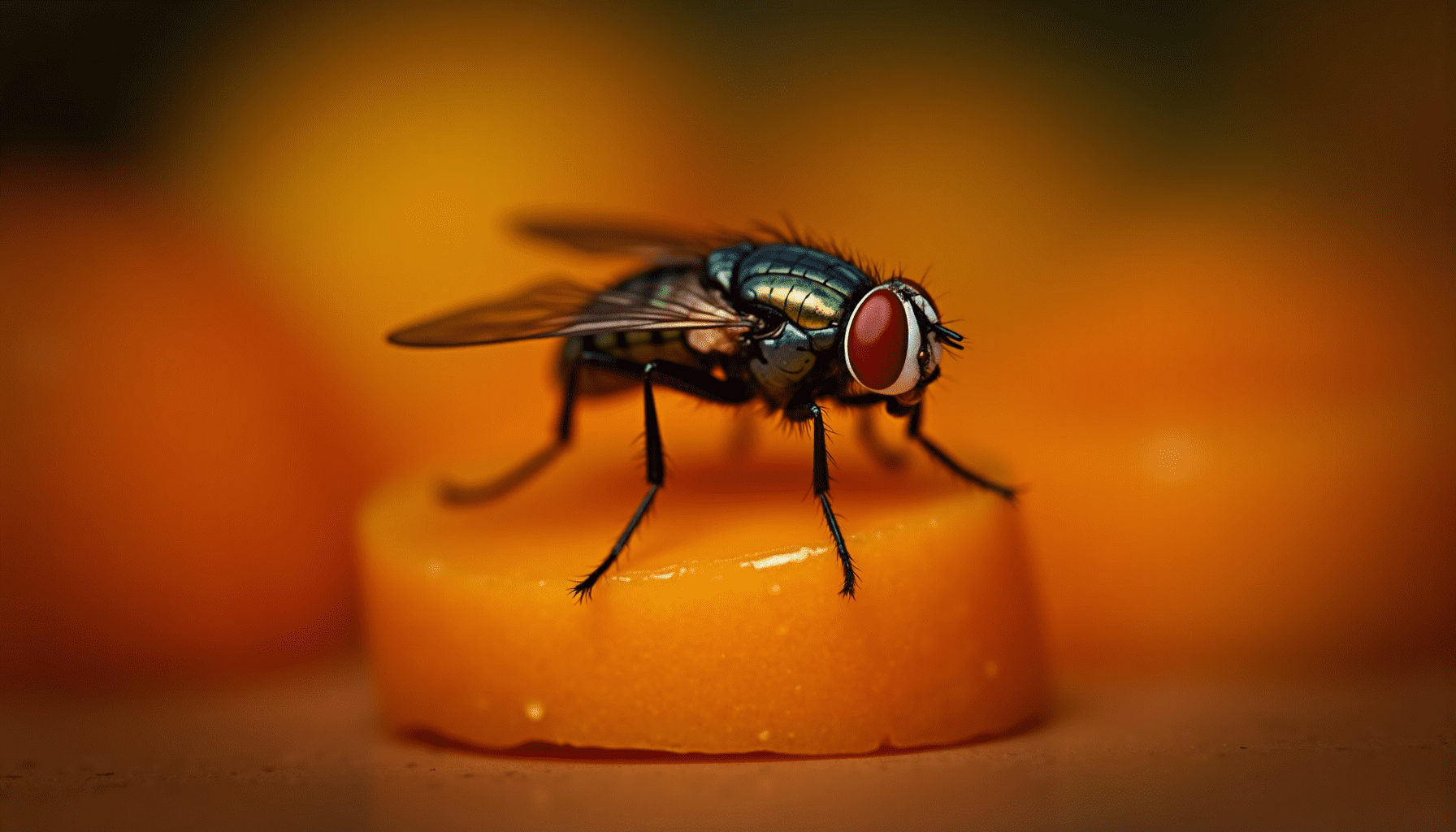
Fruit flies are small (about 1/8 inch, or 3-4 mm), tan to brown, often with red or dark eyes. They’re built to find fermentation. A whiff of overripe fruit, spilled beer, or drain gunk is basically a dinner bell.
The key reason infestations feel sudden is their speed. According to Cornell Integrated Pest Management, a female can lay about 500 eggs in her lifetime, eggs can hatch in 24-30 hours, and the life cycle can finish in as little as 8-10 days in warm conditions. That’s enough time for “a few flies” to become “why are they everywhere?”
The three most common entry routes
Here’s the practical breakdown entomologists and pest managers see again and again:
-
On fruits and vegetables (most common)
Eggs can arrive on store-bought or garden produce and go unnoticed until larvae finish feeding and adults emerge. The Cleveland Clinic’s fruit fly guidance notes that eggs may already be present on produce when you buy it. -
From outdoors (especially seasonal spikes)
Outdoor populations peak in warm months. If windows are open, screens have tiny gaps, or doors are frequently used, adults can follow food odors inside. Pest professionals commonly note this pattern, including guidance from Orkin’s fruit fly overview. -
From a hidden indoor breeding site
Fruit flies don’t need a fruit bowl. They need moisture plus fermenting organic residue, which is why drains, disposals, recycling, and mop buckets are frequent culprits.
Visual checklist: “Where are they breeding?”
Use this quick list as a room-by-room scan:
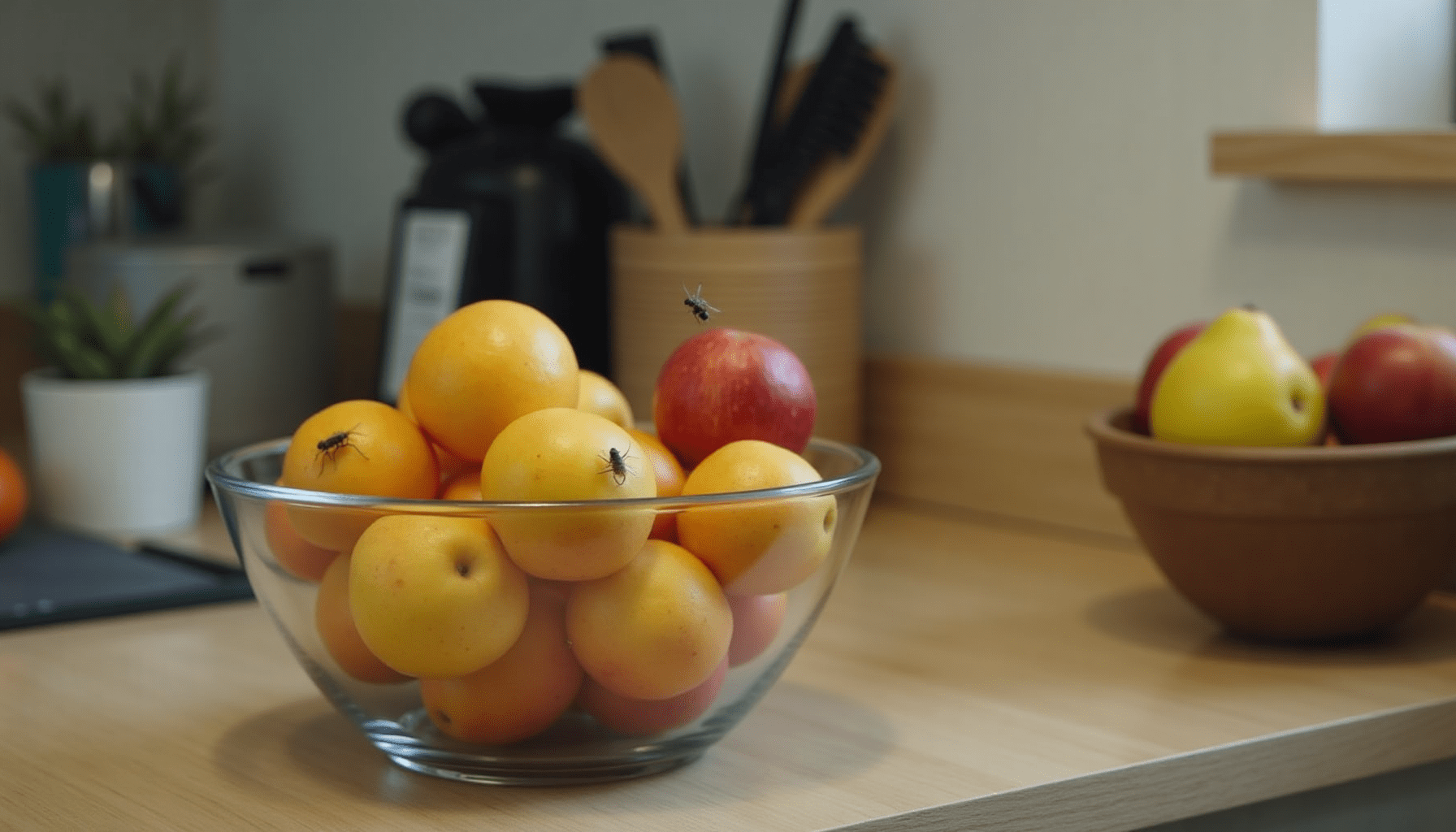
- Countertops: fruit bowl, onions/potatoes, sticky spills under appliances
- Sink area: drain film, disposal splash zone, wet sponge or dishcloth
- Trash/recycling: bottle residue, leaked bag juice, bin sludge at the bottom
- Pantry: forgotten potato/onion, rotting citrus in a bag, spilled juice
- Pet area: wet food residue, unwashed bowls, sticky treat containers
Action takeaway: If you only trap adults, you’ll reduce the buzz – but you won’t stop the next generation. The breeding site is the real “source.”
Why they love your kitchen

A plug-in trap can help with small flying insects indoors, especially when you need ongoing monitoring near kitchens or plants.
- Useful for ongoing indoor monitoring.
- Local product image and enclosed design fit kitchen use.
- Can reduce adults while cleanup removes breeding sites.
- Not a replacement for cleaning drains, trash, or produce residue.
- Replacement glue boards add ongoing cost.
Fruit flies are named for fruit, but their true obsession is yeast and fermentation. Think of them like tiny fermentation detectors that patrol for the smell of sugars turning into something else.
That’s why they show up in places that don’t look “dirty” at first glance. A kitchen can look spotless and still have a perfect larval nursery inside a drain or under a bin liner.
What attracts fruit flies (it’s not just fruit)
Fruit flies key in on moist, fermenting material such as:
- Overripe produce (bananas, peaches, tomatoes, melons, citrus)
- Sugary liquids: juice, soda, syrup, kombucha
- Alcohol: wine, beer, cider, cocktail residue
- Drain and disposal biofilm: a slimy layer that traps food particles
- Trash and recycling residue: especially sticky cans and bottles
- Cleaning tools that stay damp: mops, rags, sponges
Pest management sources consistently point to these “wet residue” sites, including notes from Cornell Integrated Pest Management on breeding in moist organic material and guidance from Cleveland Clinic on drains, trash, and recycling.
Mini comparison: fruit fly lookalikes
Misidentification wastes time. If your “fruit flies” are actually another small fly, the best fix changes.
-
Fruit flies (vinegar flies)
Hover around fruit, trash, recycling, and sinks; attracted to vinegar and wine. -
Drain flies (moth flies)
Fuzzy, moth-like wings; rest on bathroom/kitchen walls near drains; breed in drain slime. -
Fungus gnats
Slender, mosquito-like; cluster near houseplants; larvae feed in damp potting mix.
Action takeaway: If you see small flies mostly at the sink, treat it like a drain problem first. For drain-focused control, see our guide on Top Drain Fly Treatments and Gel Cleaners – many of the same drain-cleaning principles help when fruit flies are using drains, too.
Life cycle in plain terms
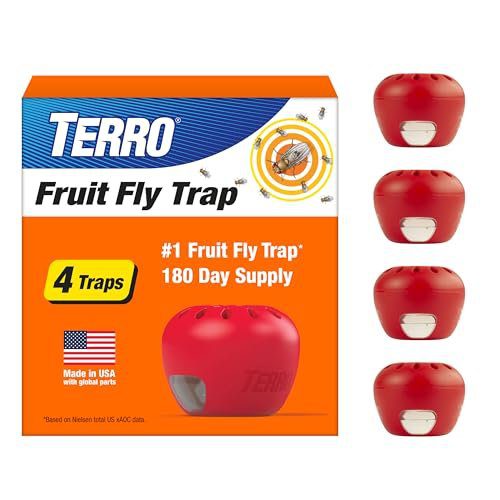
A fruit fly lure trap is useful when the source is fermenting produce, sticky residue, trash, or recycling.
- Targets fruit flies without needing DIY bait mixing.
- Works well near fruit bowls, counters, and trash zones.
- Helps confirm whether the pest is fruit flies rather than plant gnats.
- Does not fix the breeding source by itself.
- Less useful for fungus gnats coming from houseplant soil.
To stop fruit flies, it helps to picture their life cycle like a fast conveyor belt. If food and moisture stay available, the belt never stops.
The four stages that matter at home
Fruit flies develop through:
-
Eggs
Laid on moist, fermenting material. Eggs are typically invisible to the naked eye, which is why infestations seem to “appear” suddenly. -
Larvae (maggots)
They feed for several days, mainly on yeast and microorganisms growing on the decaying material, not on “fresh fruit” itself. -
Pupae
Often near the food source, sometimes on a slightly drier edge (like the rim of a bin, the side of a drain, or nearby surfaces). -
Adults
Adults emerge, mate quickly, and females begin laying eggs shortly after. In warm indoor conditions, the cycle can complete in 8-10 days, as summarized by Cornell Integrated Pest Management.
Why sprays and swatters feel “useless”
If you kill 30 adults today but leave a breeding site, you can still have:
- eggs hatching tomorrow,
- larvae pupating a few days later,
- new adults emerging next week.
That’s why “I keep killing them and they keep coming back” is the classic fruit fly story.
Visual: 10-day reality check
Use this as a timeline for expectations after you clean:
- Day 1-2: adult numbers drop with traps; you still see some flyers
- Day 3-6: stragglers emerge from pupae you missed
- Day 7-10: if the breeding site is truly gone, sightings should crash
Action takeaway: Commit to 7-10 days of dry, clean conditions around the suspected source. That’s how you break the conveyor belt.
Find the breeding site
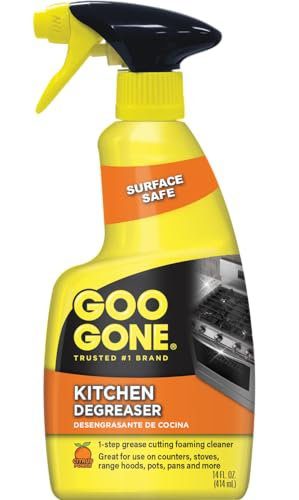
A kitchen degreaser helps remove the sticky residue and organic film that can keep fruit flies interested in counters, bins, and appliance edges.
- Useful for residue around counters, bins, and appliance edges.
- Supports prevention instead of only trapping adults.
- Practical for same-day kitchen reset work.
- Not an insecticide or trap.
- Strong cleaning products still need food-safe use around prep areas.
If you only remember one section, make it this one. Fruit fly control is mostly detective work, and the “crime scene” is usually a small patch of moisture plus residue.
Start where you see the most activity, then widen your search. Fruit flies often gather near windows, but that doesn’t mean they’re breeding there. They’re attracted to light – the source is usually nearby and lower.
Step-by-step inspection (10 minutes)
-
Check produce first
- Pick up each item and look for soft spots, leaks, or mold.
- Check produce bags, boxes, and the bottom of the fruit bowl.
- Look for forgotten onions/potatoes in cupboards.
-
Inspect trash, compost, and recycling
- Look under liners and at the bottom of the bin.
- Sniff for a sweet-sour fermentation smell.
- Check recycling for sticky bottles and cans.
-
Investigate drains and disposals
- Shine a flashlight into the drain.
- Look for slime around the rim and just below the opening.
- Check the disposal splash guard area for trapped food.
-
Don’t forget cleaning tools
- Smell sponges, dishcloths, and mop heads.
- Check mop buckets for standing water.
Visual: “Most-missed” breeding spots
These are the places that fool tidy households:
- the goo ring under a sink drain rim
- the rubber disposal baffle where food sticks
- the bottom seam of a kitchen trash can
- the drip tray under a coffee maker or espresso machine
- a single rotten potato in a dark pantry corner
Action takeaway: Once you find the source, remove it immediately. Then clean the surrounding area so you don’t leave a thin film that can keep the cycle going.
Fruit fly prevention
Prevention is mostly about removing two things fruit flies need: fermentable residue and steady moisture. Do that consistently, and you’ll stop most outbreaks before they start.
Kitchen habits that block new outbreaks
-
Rinse and dry produce when you bring it home
This can remove some eggs, microbes, and sticky residues that kickstart fermentation. The Cleveland Clinic recommends washing produce as part of prevention. -
Refrigerate produce when possible
Cold storage slows development and reduces attractive odors. -
Don’t “wait one more day” on overripe fruit
If it’s on the edge, move it to the fridge, seal it, or use it now. -
Freeze food scraps if you compost
Keep peels and scraps in a sealed bag in the freezer until trash day.
Trash, compost, and recycling rules that matter
- Empty kitchen trash more often in warm weather.
- Rinse bottles and cans before recycling.
- Wash bins with warm, soapy water when you notice residue.
Visual: weekly prevention checklist
- Daily (2 minutes): wipe sticky spills; take out ripe fruit; rinse recycling
- Twice weekly: empty compost pail; wash fruit bowl; swap dishcloths
- Weekly: scrub sink drain rim; clean trash can bottom; dry mop head fully
Keep them from flying in
Fruit flies can also enter from outdoors, especially late summer and fall.
- Repair screens and seal gaps.
- Use weatherstripping around doors.
- Limit “door open” time when outdoor flies are active.
Home exclusion tips like sealing gaps and maintaining screens are commonly recommended by pest control educators such as Arrow Exterminators’ fruit fly prevention guide.
Action takeaway: Prevention works best when it’s boring. A few small habits (drying, sealing, rinsing) beat any spray.
Get rid of them fast
Once you’ve removed the breeding source, you still need to reduce the adults already flying around. Traps are ideal here because they’re targeted, low-mess, and double as a progress check.
DIY trap: apple cider vinegar + dish soap
- Add 1-2 cm (about 1/2 inch) of apple cider vinegar to a small jar.
- Add 1-2 drops of dish soap (breaks surface tension).
- Leave it open, or cover with plastic wrap and poke small holes.
- Place near the hotspot: fruit bowl, trash can, or sink.
- Refresh every few days.
This approach is widely recommended in extension-style guidance, including Cornell Integrated Pest Management and the Cleveland Clinic.
DIY trap: fruit-bait funnel jar
- Put a small piece of overripe fruit (optionally a pinch of yeast) in a jar.
- Insert a paper funnel with a small opening.
- Replace bait often so the trap doesn’t become a breeding site.
Commercial traps and tools
If you want a cleaner setup, commercial lures can be handy for monitoring and steady capture. For trap options and best placement, see Best Fruit Fly Traps: Effective Kitchen Solutions and our broader roundup of Best Fly Traps for Indoor and Outdoor Use.
For quick knockdown of single flyers (especially near windows), an electric swatter can help, but it won’t solve the source. If you want that tool anyway, our review of Best Electric Fly Swatters: Top Rechargeable Options covers what to look for.
When to call a pro
Consider professional pest control if:
- you’ve cleaned thoroughly and trapped for 10-14 days with little improvement,
- flies are concentrated around plumbing and you suspect an inaccessible drain issue,
- you’re in a restaurant or food setting where sanitation and monitoring must be tight.
Action takeaway: Traps reduce adults. Cleaning removes the next generation. You need both for a fast, lasting result.
Myths to ignore
Fruit flies come with stubborn myths that can keep an infestation going.
Myth: “They just appear out of nowhere.”
Reality: They arrive as adults or hitchhike as eggs/larvae on produce. Cornell’s extension-style guidance explicitly notes they don’t “just appear,” and commonly come in on produce via Cornell Integrated Pest Management.
Myth: “If I kill the visible flies, I’m done.”
Reality: Adults are only one stage. If larvae are feeding in a drain or bin residue, new adults will keep emerging.
Myth: “Fruit flies only come from fruit.”
Reality: Fermentation is the magnet. That includes drains, recycling, mops, and drink spills, as discussed in pest education resources like Orkin’s fruit fly overview.
Myth: “They’re totally harmless.”
Reality: They don’t bite or sting, but they can move microbes from dirty surfaces to food. In kitchens, that’s a hygiene issue worth fixing promptly.
Action takeaway: The best “myth filter” is this question: Where is the moist, fermenting residue? Find that, and you find the cause.
Conclusion
Fruit flies start from a real source: eggs on produce, adults entering from outdoors, or an indoor breeding site like a drain, trash bin, or recycling residue. Because they can complete a generation in about a week and a half in warm conditions, small oversights turn into big swarms fast.
Next step: do a 10-minute inspection today, remove any breeding material, then run vinegar traps for 7-10 days while you keep the area clean and dry. If you want help choosing the right trap setup, visit Best Fruit Fly Traps: Effective Kitchen Solutions and our roundup of Best Fly Traps for Indoor and Outdoor Use.
As an Amazon Associate, I earn from qualifying purchases. Product recommendations are based on real reviews and independent research.