Finding fleas on your cat can feel like a never-ending loop: you kill what you see, then more appear a week later. The fastest way to learn how to get rid of fleas on cats is to treat three places at once – your cat, your home, and any other pets – long enough to break the flea life cycle. This guide walks you through safe, vet-aligned options, what actually works (and what doesn’t), plus a simple 3-month plan that stops re-infestations for good.
Quick Answer: How to Get Rid of Fleas on Cats (Fast + Safe)
To get rid of fleas on cats, you need an adult-killer + long-term preventive + environmental cleanup. Fleas are sneaky because most of the population is not on your cat.
Do this today (in order):
- Kill adult fleas on the cat: Use a vet-approved fast killer (some work within hours) or a cat-safe bath + flea comb.
- Start a monthly preventive: Prescription topical or oral products work best for ongoing control.
- Treat every pet in the home: Same day, same schedule – even if one “doesn’t itch.”
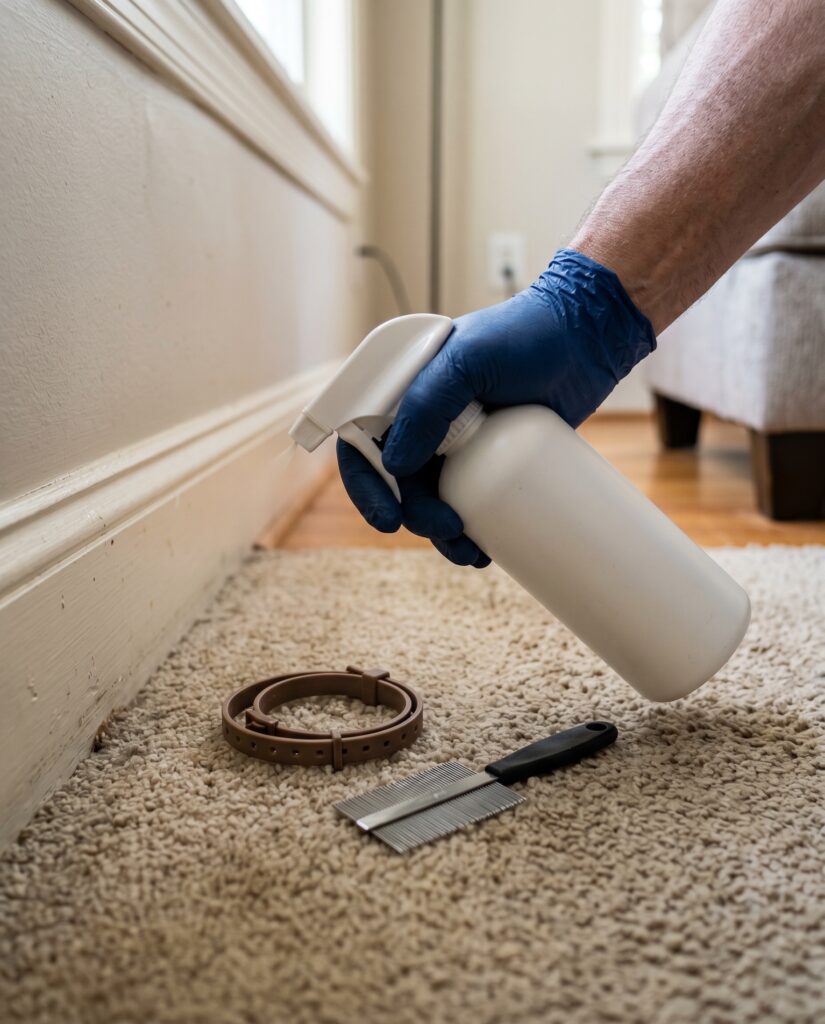
- Clean the environment for 2-12 weeks: Vacuum daily at first, wash bedding hot, and consider an IGR spray that stops larvae from becoming adults.
- Stay consistent for 3 months: That’s the typical minimum to outrun eggs, larvae, and pupae.
Avoid: Dog flea products on cats (some ingredients can be dangerously toxic).
Why Fleas Keep Coming Back (It’s Not Just Your Cat)
If you’ve ever thought, “I removed fleas yesterday – how are they back already?” you’re not imagining things. Think of your cat as the “buffet,” but your home as the “nursery.”
The flea life cycle, in plain language
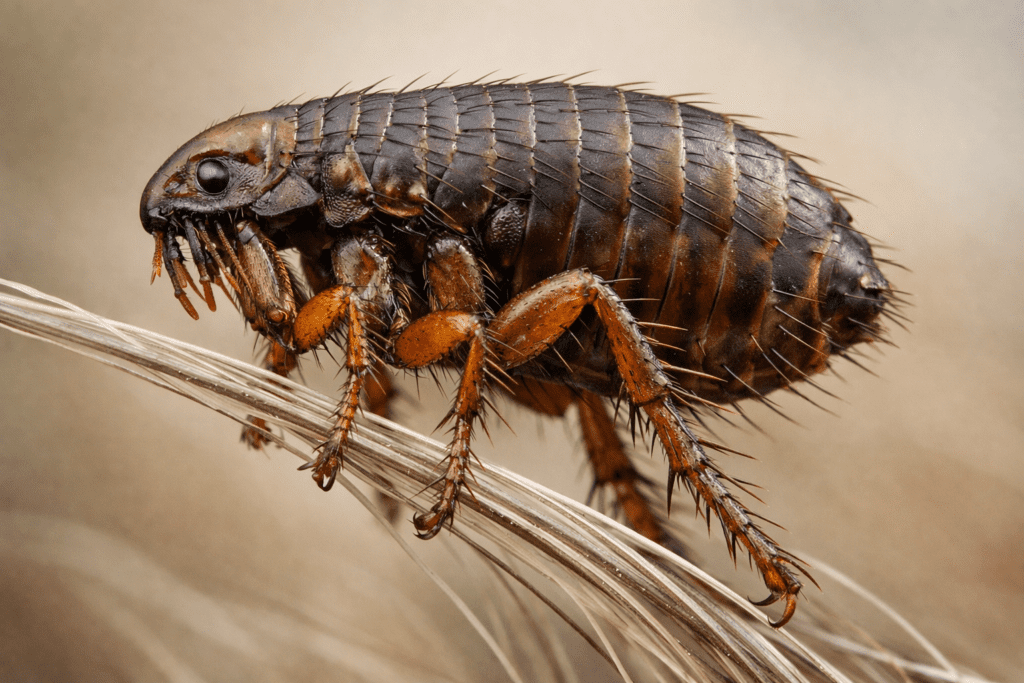
Fleas develop through four stages: egg, larva, pupa, adult. Adult fleas live on the host (your cat), but eggs drop off into carpets, bedding, and floor cracks. Larvae hide in dark areas and feed on organic debris, including “flea dirt” (adult flea feces). Pupae then form protective cocoons and can wait to emerge until they sense vibration, warmth, or carbon dioxide.
Animal health educators like VCA Hospitals’ flea control overview emphasize why this matters: you can eliminate adult fleas on your cat and still have a pipeline of new adults emerging from the home environment.
Key numbers that explain the frustration
Here’s the math behind fast infestations:
| Flea Fact | What it means for your home |
|---|---|
| A female flea can lay up to ~50 eggs per day | A small adult population can explode within days |
| Pupae can “wait” before emerging | You may see fleas reappear after cleaning |
| Many fleas live off-host in your environment | Treating only the cat often fails |
For a broader, step-by-step look at the whole-house angle, see our Complete Flea Removal Guide.
Action takeaway
If fleas keep returning, don’t switch products every week. Instead, commit to one vet-recommended plan and clean the environment long enough to outlast the pupae stage.
How to Get Rid of Fleas on Cats Safely: A Vet-Aligned 3-Step Plan
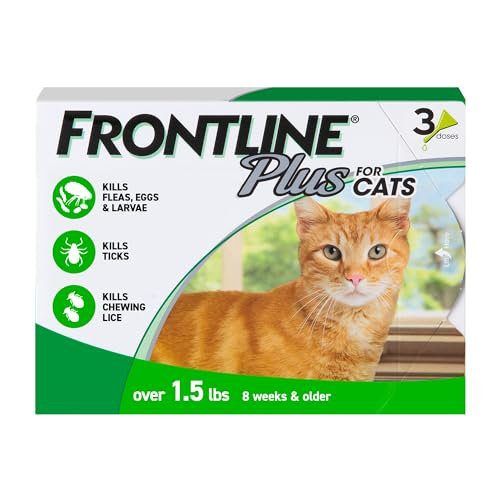
FRONTLINE Plus Flea & Tick Spot Treatment for Cat & Kitten (Green) Count of 3
This product is a vet-approved fast killer for adult fleas on cats, making it essential for immediate treatment.
The safest flea control plans follow integrated pest management – reduce the pest, target weak points in the life cycle, and avoid unnecessary exposure to risky chemicals. Organizations like the RSPCA’s flea advice for pet owners also stress treating pets and the environment together, not separately.
Step 1: Give your cat immediate relief (adult fleas)
If your cat is actively crawling with fleas, start with one of these same-day options:
Fast options that work well:
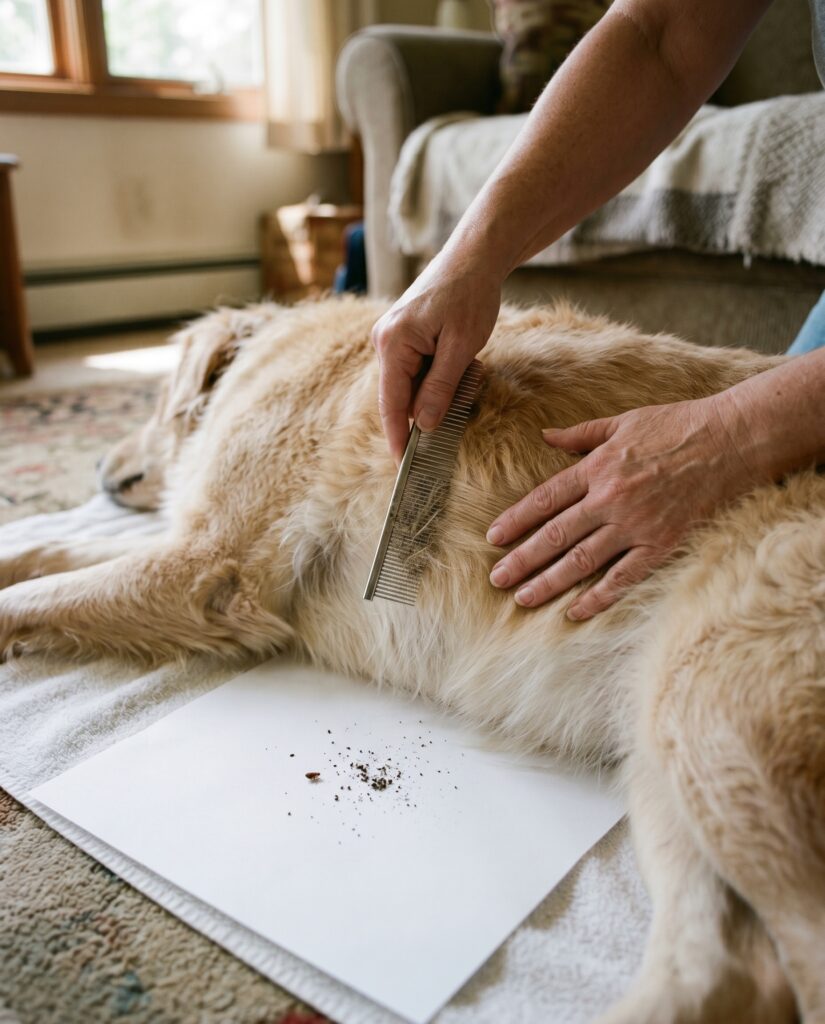
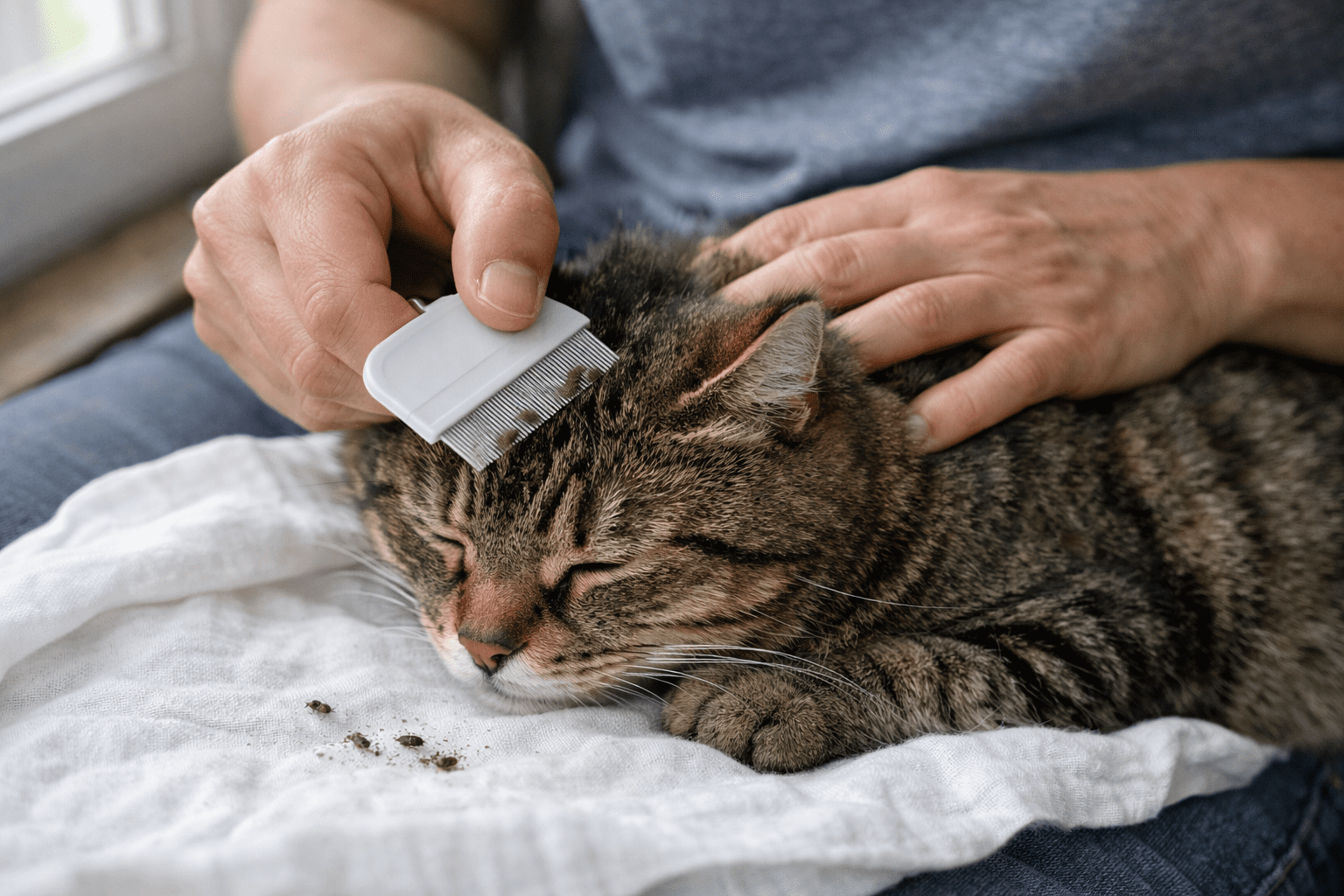
- Flea combing (daily for 1-2 weeks): Use a fine-toothed comb, especially around the neck, base of tail, and belly.
- Cat-labeled flea shampoo: Kills adult fleas on contact but does not provide lasting protection.
- Fast-acting oral adulticide (vet-guided): Some oral products begin killing adult fleas within hours but may only last a day, so they must be followed by a monthly preventive.
How to comb effectively (mini checklist):
- Comb in short strokes, parting fur down to the skin.
- Dip the comb into soapy water to drown fleas.
- Check for “flea dirt” by placing black specks on a damp paper towel – if it turns reddish-brown, it’s digested blood.
For tool recommendations, use our guide to the Best Flea Combs for Cats.
Step 2: Start a monthly preventive (this is what stops the cycle)
Shampoos and combs are “right now” tools. Prevention is the “next month and next month” tool. Veterinary sources such as PetMD’s flea control guidance consistently note that prescription preventives are typically the most reliable because they kill adults before egg-laying and many also disrupt development.
Common preventive formats:
| Type | Best for | Watch-outs |
|---|---|---|
| Topical spot-on | Cats that won’t take pills | Keep cats separated until dry; avoid bathing around application time |
| Oral medication | Outdoor cats, water exposure | Must be dosed correctly by weight; prescription often required |
| Flea collar (vet-recommended only) | Long coverage | Potential skin irritation; avoid low-quality collars |
Our roundup of Best Flea Treatments for Cats: Safe & Effective Options explains how these compare by lifestyle, age, and infestation pressure.
Step 3: Treat every pet, every time
Multi-pet homes fail when only one animal gets treated. Fleas hop hosts. If you have cats and dogs, ask your veterinarian for a coordinated plan so the dosing schedules align.
Critical safety note: Never apply dog flea products to cats. Some dog-only ingredients (such as permethrin) can cause severe neurologic reactions in cats. Guidance from animal welfare organizations like Blue Cross flea treatment advice highlights how important species-specific labeling is.

Home Treatment That Actually Works (Where 95% of the Problem Hides)
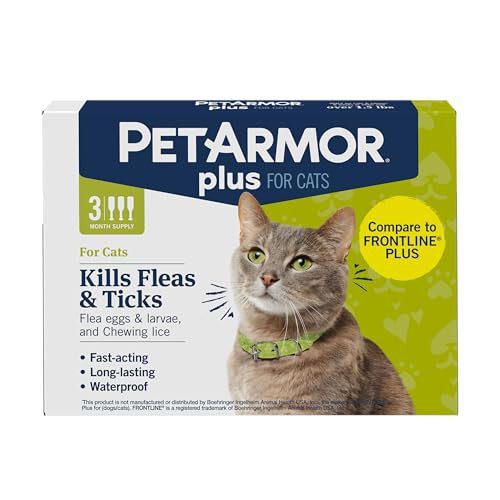
PetArmor Plus Flea and Tick Prevention for Cats, Cat Flea and Tick Treatment, 3 Doses, Waterproof Topical, Fast Acting, Cats Over 1.5 lbs
This product provides long-term preventive care against fleas, which is crucial for ongoing control.
Most flea control failures happen here. Not because people don’t clean, but because they clean once or twice, then stop before the last pupae hatch. The goal is to remove eggs and larvae and push pupae to emerge into a treated environment where they die quickly.
Your 7-day home reset (simple and effective)
Do this for one week, then continue a lighter version for several more weeks:
Daily (Days 1-7):
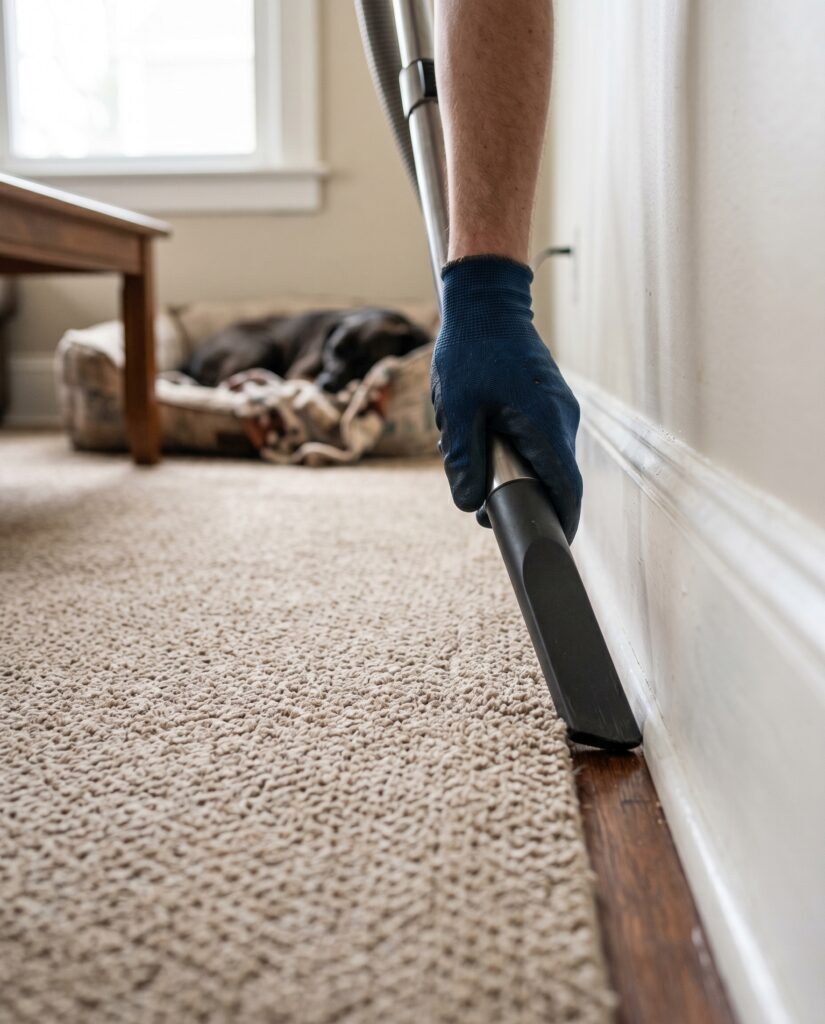
- Vacuum carpets, rugs, couches, pet beds, and baseboards.
- Use crevice tools along wall edges and under furniture.
- Empty the canister outdoors or discard the bag immediately.
Twice during the week:
- Wash all pet bedding and favorite blankets in hot water and dry on high heat.
- Include throw blankets on couches and beds if your cat lounges there.
Optional but helpful:
- Use an indoor product containing an insect growth regulator (IGR). IGRs prevent larvae from becoming breeding adults, which is exactly what you want when you’re trying to break the cycle.
A room-by-room checklist (visual plan)
| Area | What to do | Why it works |
|---|---|---|
| Living room | Vacuum upholstery and under cushions | Flea eggs fall where pets rest |
| Bedrooms | Wash blankets and sheets if cats sleep with you | Stops re-seeding the infestation |
| Entryways | Vacuum edges and cracks | Larvae hide in protected zones |
| Laundry area | Keep clean bedding sealed until use | Prevents re-contamination |
Common mistakes to avoid
- Foggers as a first choice: They often miss hidden zones under furniture and inside fibers.
- Stopping after “no fleas seen”: Pupae can emerge later and restart the problem.
- Using the wrong spray around cats: Always read labels and remove pets (and cover fish tanks) as directed.
If you want lower-chemical options as add-ons, our Natural Flea Treatment Methods guide includes approaches that can complement – not replace – a veterinarian-approved preventive.
Action takeaway
Vacuuming is not busywork. It physically removes eggs and larvae and also encourages pupae to emerge, which makes them easier to kill once your cat is protected.
Special Cases: Kittens, Sensitive Cats, and Heavy Infestations
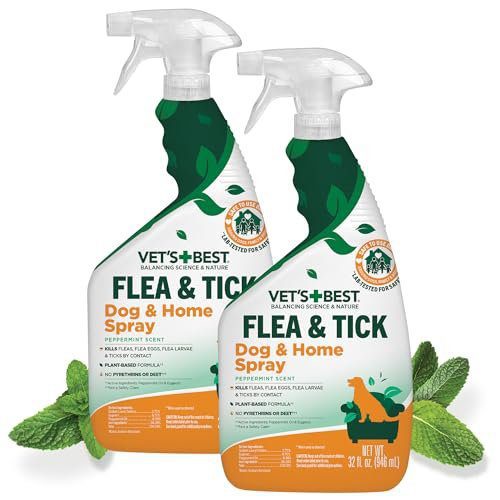
Vet’s Best Flea and Tick Home Spray – Plant-Based Flea and Tick Treatment for Dogs and Indoor Use – Natural Spray with Essential Oils for Flea Control in Home – 32 oz Bottles, 2 Pack
This IGR spray helps treat the environment by stopping larvae from becoming adults, which is vital for comprehensive flea control.
Some flea situations need extra caution. If your cat is very young, elderly, underweight, pregnant, or dealing with chronic illness, the “standard” approach may need adjusting.
Kittens (especially under 8 weeks)
Kittens can become anemic from fleas faster than many owners expect because they have less blood volume. If you see pale gums, weakness, or rapid breathing, treat it as urgent and contact a veterinarian promptly.
Often-used kitten-safe steps (vet guidance recommended):
- Warm water + careful flea combing once or twice daily
- Frequent bedding changes
- Avoid many OTC insecticides unless your vet confirms the product is labeled for the kitten’s age and weight
Animal care resources like PetMD’s cat flea removal guidance stress age and weight cutoffs for many preventives, which is why label-reading matters so much.
Cats with skin allergies (flea allergy dermatitis)
Some cats react strongly to just a few bites and will overgroom, scab, or develop red bumps along the back. In these cases, you’re not just removing fleas – you’re reducing bite exposure to near zero.
What helps most:
- A fast-kill preventive that stops biting quickly
- Environmental cleanup to reduce “surprise” bites from newly emerged fleas
- Vet support for secondary skin infections or itch control
When infestations are “too big” for DIY
Consider professional help if:
- You still see fleas after 4-6 weeks of consistent pet + home treatment
- Multiple rooms are affected and pets are heavily infested
- You have a recurring issue in warm, humid seasons (common in many regions)
A licensed pest management professional can target indoor harborages and advise on pet-safe treatment timing. Your veterinarian can also check whether product resistance, under-dosing, or reinfestation from outdoor sources is the real reason fleas persist.
Myths That Keep Fleas Around Longer (And What to Do Instead)
Flea myths spread because they contain a grain of truth. The problem is they leave out the part that actually ends the infestation.
Myth 1: “A flea bath solved it.”
A bath can reduce adult fleas today. It does nothing to stop tomorrow’s adults from emerging. Use bathing as a jump-start, then begin a monthly preventive.
Do instead:
- Bathe (if needed) + comb
- Start a vet-recommended preventive the same day
Myth 2: “Natural remedies alone are enough.”
Some natural options can repel or reduce fleas, but they rarely break the life cycle in a carpeted home. Groups like PETA’s flea control tips discuss lower-toxicity approaches, but even then, consistency and environmental cleaning are what make or break results.
Do instead:
- Use natural methods as support (combing, laundering, vacuuming)
- Pair with a proven preventive for reliable control
Myth 3: “If my indoor cat has fleas, the product failed.”
Indoor cats can get fleas from:
- A dog that goes outside
- Visitors’ pets
- Wildlife near entry points (porches, crawlspaces)
- Shared hallways in apartments
Do instead:
- Treat all pets
- Focus on entryway vacuuming and pet bedding hygiene
- Maintain prevention year-round in flea-prone climates
Myth 4: “Dog flea meds are basically the same.”
They’re not. Cats metabolize some chemicals differently, and certain dog products can be dangerous for cats. Always use cat-labeled products and confirm dosing by weight.
Action takeaway
If a method only kills what you can see, it’s not a complete plan. Flea control succeeds when you target adults and the immature stages at the same time.
Conclusion: The Simple Routine That Keeps Cats Flea-Free
The most reliable answer to how to get rid of fleas on cats is a three-part routine: treat the cat with a proven preventive, treat every pet in the home, and clean the environment long enough to outlast the flea life cycle. Add a flea comb for monitoring, and you’ll catch problems early before they snowball.
Next step: choose a vet-aligned preventive strategy using our Best Flea Treatments for Cats: Safe & Effective Options and follow up with the room-by-room plan in our Complete Flea Removal Guide. Consistency for 8-12 weeks is what turns “temporary relief” into real control.
As an Amazon Associate, I earn from qualifying purchases. Product recommendations are based on real reviews and independent research.