Are you looking at a green jumper in your garden and wondering if it's a harmless grasshopper or a potential locust? The distinction between locusts vs grasshoppers can be confusing, as these insects share many similarities. While all locusts are a specific type of grasshopper, not all grasshoppers have the capacity to become locusts. This guide will clarify the key differences, focusing on their behavior, biology, and impact, helping you understand these fascinating members of the insect world. We'll explore what truly sets them apart and how to identify them in the field.
Bottom line: Locusts are grasshoppers that can shift into a swarming phase under the right crowding and environmental conditions. A lone insect in your yard is almost always just a grasshopper.
- The difference is behavior, not a simple body-part checklist.
- Locust swarms form from specific species under specific conditions.
- Garden grasshoppers can damage plants without being locusts.
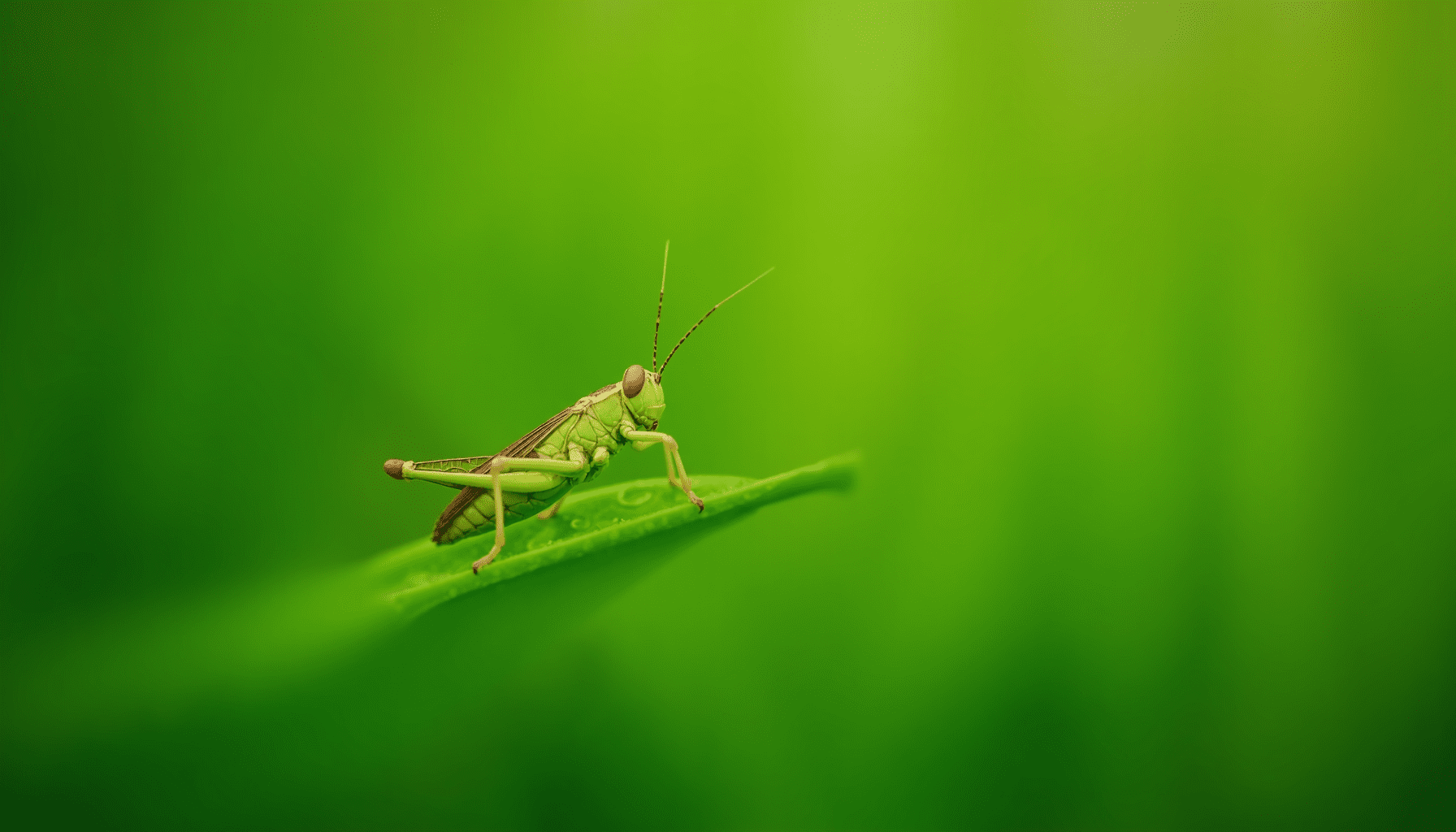
Bottom line: Locusts are specific species of short-horned grasshoppers that can change their behavior and morphology, forming massive, destructive swarms when conditions are right. Most grasshoppers remain solitary and do not exhibit this swarming behavior.
Quick Identification: Locusts vs. Grasshoppers
Distinguishing between locusts vs grasshoppers often comes down to context and behavior rather than just appearance. Here's a quick overview to help you tell them apart:
- Behavior: The most significant difference. Grasshoppers are typically solitary, living independently or in small, scattered groups. Locusts, however, can switch between a solitary phase (where they behave much like regular grasshoppers) and a gregarious, swarming phase when their populations become dense.
- Impact: Solitary grasshoppers can cause localized crop damage. Locusts in their gregarious phase form vast swarms that migrate long distances, capable of devastating agriculture across entire regions and even continents.
- Species: The term "locust" is not a taxonomic classification but an ecological one. It refers to specific species within the grasshopper family Acrididae that possess the ability to swarm. Not all grasshopper species have this capacity.
- Appearance (Gregarious Phase): While subtle, locusts in their gregarious phase can exhibit morphological changes, such as different coloration (often brighter or more contrasting patterns) and sometimes longer wings relative to their body size, optimized for long-distance flight.
The Core Difference: Behavior, Not Species

The fundamental distinction between locusts vs grasshoppers lies in their behavior and the remarkable ability of certain species to undergo a dramatic phase change. Both belong to the order Orthoptera and the suborder Caelifera, which are characterized by their short antennae and the way they produce sound by rubbing their hind legs against their wings. This means that, taxonomically, locusts are indeed a subset of short-horned grasshoppers within the family Acrididae, as highlighted by Wikipedia's comprehensive entry on locusts.
Most grasshoppers live out their lives as solitary individuals, or at least at low densities, without any significant behavioral shifts when they encounter others. They are content to munch on vegetation in their immediate vicinity. However, certain grasshopper species possess a unique genetic predisposition to transform when their environment changes, specifically when their populations become highly concentrated. This phenomenon is known as density-dependent phase polyphenism.
When these specific grasshopper species experience crowding, particularly tactile stimulation on their hind legs, a neurochemical trigger occurs. Research indicates that increased serotonin levels in their nervous system initiate a cascade of changes. These changes are not instantaneous but unfold over developmental stages, particularly during nymphal molts. The insects transition from a solitary phase, where they are often camouflaged and avoid other individuals, to a gregarious phase. In this gregarious phase, they become more active, are attracted to other individuals, and begin to move in coordinated groups. Their metabolism increases, and they may even develop different body proportions and coloration, often becoming more conspicuous. This shift is crucial for understanding locust identification and their potential for widespread impact.
This behavioral plasticity means that a "locust" is not a separate kind of insect but rather a grasshopper species acting in a particular, highly social, and migratory way. The capacity for this phase change has evolved independently multiple times across different lineages within the Acrididae family, leading to at least 18 genera known to form swarms, according to entomological studies referenced by Colin Munro Photography. This evolutionary convergence underscores the ecological significance of this adaptation.
Identifying a Locust Swarm vs. a Solitary Grasshopper
For the average observer, telling locusts vs grasshoppers apart in the field can be challenging, especially since a locust in its solitary phase looks and behaves exactly like a typical grasshopper. The most reliable way to identify a locust is by observing its behavior and the sheer scale of its population.
1. Context and Behavior are Key:
- Solitary Insect: If you see a single jumping insect in your garden or a few scattered individuals, it is almost certainly a grasshopper, or a locust species in its solitary phase. In this state, they pose no more threat than any other large herbivorous insect.
- Massive Swarms: The definitive sign of locusts is the presence of vast, dense clouds of insects. These swarms can cover the sky, fields, and even entire towns. They move in a coordinated direction, often traveling tens to hundreds of kilometers. These are not merely large groups of grasshoppers but organized, migratory swarms characteristic of locusts.
- Hopper Bands: Before adults take to the air, young, wingless locust nymphs (often called "hoppers") can form dense bands that march across the landscape, consuming all vegetation in their path. Observing these marching bands is another strong indicator of a locust outbreak.
2. Morphological Clues (Especially in Gregarious Phase):
While not always easy for a non-expert, locusts in their gregarious phase often show subtle morphological differences compared to their solitary counterparts or many other grasshopper species:
- Wings: Gregarious locusts tend to have relatively longer and stronger wings, which are essential for their powerful, long-distance migratory flights. Many non-migratory grasshopper species might have shorter wings, sometimes not fully covering their abdomen.
- Body Proportions: Some locust species exhibit slightly more streamlined bodies in their gregarious phase, a trait that aids in efficient flight.
- Coloration: Dramatic color changes can occur. For instance, desert locust (Schistocerca gregaria) nymphs in gregarious bands often display bright yellow-black banding, a stark contrast to the camouflaged green or brown of their solitary phase. However, color alone isn't a foolproof identifier, as many grasshopper species are also brightly colored.
3. Geographic and Species Knowledge:
Where you are in the world plays a huge role in locust identification. In many parts of North America or Europe, encountering classic, biblical-style locust plagues is highly unlikely. Most large jumping insects you see are simply grasshoppers. However, in regions prone to locust outbreaks, such as the Sahel, Horn of Africa, Middle East, and Indo-Pakistan region, large migratory swarms are almost certainly specific locust species like the Desert Locust (Schistocerca gregaria) or the Migratory Locust (Locusta migratoria). Organizations like the Food and Agriculture Organization of the United Nations (FAO) Locust Watch provide up-to-date information on active locust areas and species.
If you're interested in identifying other closely related insects, you might find our guides on telling apart closely related insects like bees, wasps, and hornets or differentiating between flying ants and termites helpful for honing your identification skills.
Dispelling Common Myths About Locusts and Grasshoppers

The dramatic nature of locust plagues has led to many misconceptions about locusts vs grasshoppers. Let's clarify some common misunderstandings:
Myth 1: "Locusts and Grasshoppers Are Totally Different Kinds of Insects"
Reality: This is the most common misconception. As established, all locusts are grasshoppers, but only a specific group of grasshopper species has the ability to become locusts. The term "locust" describes a behavioral phase, not a distinct taxonomic group like a separate family or order. They share the same basic anatomy and life cycle as other short-horned grasshoppers.
Myth 2: "A Grasshopper Can 'Turn Into' a Locust Overnight"
Reality: Only certain grasshopper species possess the genetic capacity to become "locusts." They don't magically transform into a different species. Instead, they shift between their solitary and gregarious phases. This shift is triggered by environmental conditions, primarily crowding, and involves physiological and morphological changes that occur gradually over several developmental stages (nymphal molts), not instantaneously. The process is a complex biological response to population density and resource availability.
Myth 3: "Locusts Are Always in Swarms"
Reality: This is far from the truth. Locust species spend a significant portion of their lives in a solitary phase, behaving and appearing much like any other grasshopper. During these periods, they are scattered, camouflaged, and do not form large groups. It is only when specific environmental conditions (like abundant rainfall after a drought, leading to lush vegetation and subsequent crowding) trigger the gregarious phase that they form the massive swarms we associate with locusts.
Myth 4: "Any Big Jumping Insect in My Garden Could Start a Locust Plague"
Reality: Rest assured, your garden grasshoppers are highly unlikely to initiate a locust plague. Most grasshopper species simply do not have the biological capacity to form locust-type swarms. Even if you happen to have a species in your garden that could become a locust, it would require a confluence of specific regional conditions – extremely high population density over a wide area, coupled with particular weather patterns – to trigger a full-blown outbreak. A few individuals in a backyard pose no such threat.
Myth 5: "Locusts Are a Single Species Worldwide"
Reality: There isn't just one type of locust. Several different species across various genera within the Acrididae family can exhibit locust behavior. Famous examples include the Desert Locust (Schistocerca gregaria), the Migratory Locust (Locusta migratoria), the Red Locust (Nomadacris septemfasciata), and the Australian Plague Locust (Chortoicetes terminifera). Each has its own distinct geographic range and specific environmental triggers for swarming.
Myth 6: "Crickets Are Just Another Name for Grasshoppers/Locusts"
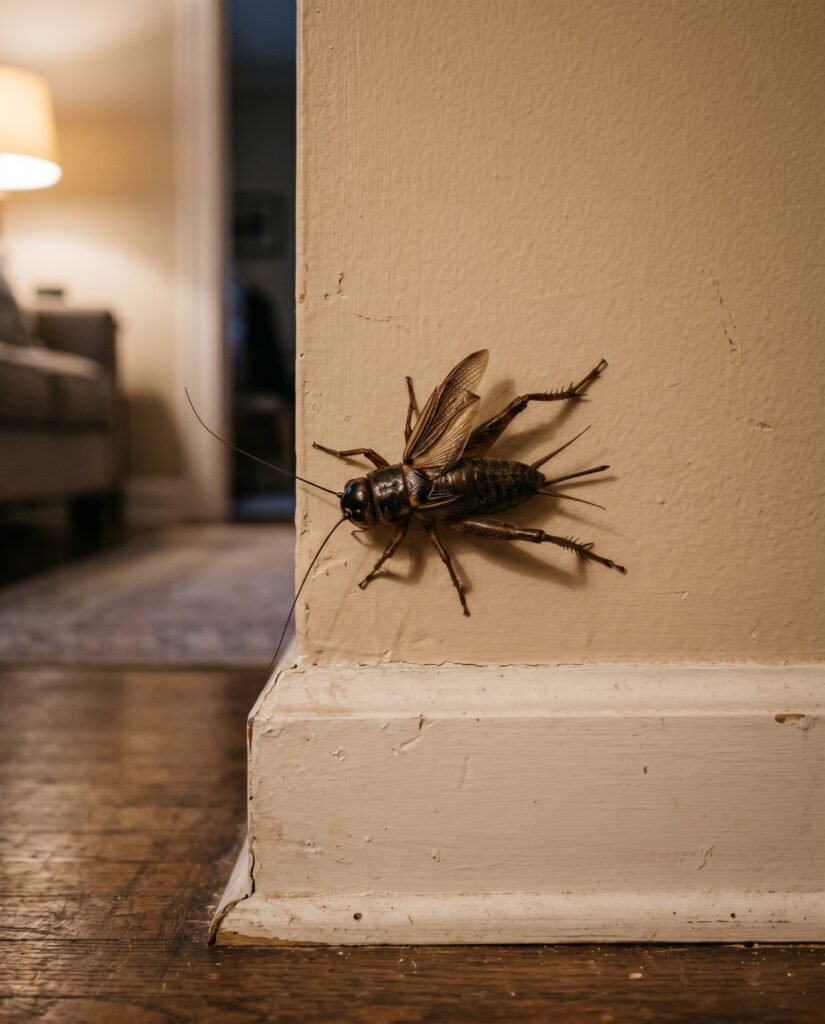
Reality: While crickets are related to grasshoppers and locusts (all are in the order Orthoptera), they belong to a different suborder, Ensifera. Crickets typically have very long antennae (often longer than their body), produce sound by rubbing their wings together (whereas grasshoppers rub hind legs against wings), and many are nocturnal. For more details, SafeHaven Pest Control's blog offers a helpful overview of these distinctions. Understanding these differences is part of broader general insect identification tips that can help you categorize insects more accurately.
Ecological Roles and Human Impact
Both locusts vs grasshoppers play significant roles in ecosystems, but their impact on human interests, particularly agriculture, differs dramatically.
Ecological Contributions
Grasshoppers, in their solitary forms, are important herbivores in many ecosystems. They feed on a wide variety of grasses and forbs, influencing plant community dynamics. They also serve as a crucial food source for numerous predators, including birds, reptiles, spiders, and small mammals. Their presence is a normal and healthy part of biodiversity, and most species do not reach pest levels.
Locust species, while capable of devastating plagues, also contribute to ecosystems during their solitary phases, filling roles similar to other grasshoppers. Their ability to rapidly consume vegetation can, in some natural contexts, help reset plant successions or manage certain plant populations, though this is overshadowed by their destructive potential during outbreaks.
Agricultural and Economic Impact
- Grasshoppers (Non-Locust Species): While grasshoppers can certainly be crop pests, their damage is typically localized. They might affect a single field or farm, and their populations are generally easier to manage through targeted insecticides, biological agents, or habitat modification. The economic impact, while significant for individual farmers, rarely extends to regional or national scales.
- Locusts (Gregarious Phase): This is where locusts truly diverge. Locust plagues can cause widespread devastation to crops and pasturelands over regional to continental scales. A single large swarm, potentially containing billions of insects, can consume as much food in a day as tens of thousands of people, according to estimates by the Food and Agriculture Organization of the United Nations (FAO). Historically, desert locust (Schistocerca gregaria) swarms have affected over 60 countries across Africa, the Middle East, and South-West Asia, threatening food security for millions. The economic losses from such plagues can be catastrophic, impacting livelihoods and national economies.
Are Locusts Dangerous to People?
Neither locusts nor grasshoppers are directly dangerous to humans. They do not bite or sting in a medically significant way, nor are they venomous. They are herbivores, meaning they feed exclusively on plants. Their main danger to people is indirect: by destroying crops and pasture, they threaten food security, leading to famine and economic instability in affected regions.
Pest Management Strategies
The difference in impact necessitates different management approaches for locusts vs grasshoppers:
- Grasshopper Management: For typical grasshopper infestations in gardens or farms, management often involves:
- Habitat Management: Keeping weeds down, tilling soil to expose eggs.
- Natural Predators: Encouraging birds, spiders, and beneficial insects.
- Targeted Pesticides: Using insecticides specifically designed for grasshoppers, often applied to affected areas.
- Biological Controls: Employing fungal pathogens or other biological agents.
- Locust Management: Due to their migratory nature and widespread impact, locust control requires extensive regional and international coordination.
- Monitoring and Forecasting: Early detection of solitary populations and small hopper bands is crucial to prevent large-scale outbreaks. Satellite imagery and ground surveillance help track environmental conditions and locust populations.
- Chemical Control: Often involves aerial or ground-based spraying of insecticides over vast areas.
- Biopesticides: Newer strategies incorporate biopesticides, such as fungal pathogens (e.g., Metarhizium acridum), which are more environmentally friendly but slower acting.
- International Cooperation: Organizations like the FAO play a vital role in coordinating surveillance and control efforts across national borders.
As food
Beyond their roles as pests or ecological components, both locusts and grasshoppers are widely consumed by humans in many cultures around the world, a practice known as entomophagy. They are a highly nutritious food source, rich in protein, healthy fats, and essential micronutrients.
In countries like Thailand, Mexico, and various parts of Africa, grasshoppers and locusts are popular snacks and ingredients in traditional dishes. They are often fried, roasted, or ground into flour. Nutritional analyses show that their protein content can be comparable to or even superior to that of beef or chicken per unit weight.
When considering insects as food, it's crucial to ensure they are harvested from areas free of pesticides. The taste and texture can vary; grasshoppers are often described as salty and slightly bitter when fried, while crickets (a related but distinct insect) are often noted for a more buttery, nutty flavor. The consumption of insects like these also offers a sustainable alternative to traditional livestock, as they require fewer resources (land, water, feed) and produce fewer greenhouse gases.
Final verdict
Understanding the distinction between locusts vs grasshoppers reveals a fascinating aspect of insect biology: the power of behavioral plasticity. While all locusts are grasshoppers, only specific species possess the remarkable ability to transform from solitary individuals into gregarious, migratory swarms capable of immense destruction. This difference is not about distinct taxonomic categories but about a profound behavioral and physiological shift triggered by environmental conditions and population density.
For most people, the insects encountered in gardens are harmless grasshoppers. True locust plagues are regional phenomena, monitored and managed by international organizations. By recognizing the behavioral cues and understanding the ecological context, we can appreciate the unique characteristics of these jumping insects. Whether you're a nature enthusiast, a gardener, or simply curious, knowing these differences enriches your understanding of the natural world.
To continue exploring the diverse world of insects and their identification, consider delving into how to differentiate identifying different cockroach species or other specialized guides on InsectoGuide.com.