
n
n
Finding an unexpected bite or sting can be unsettling, leaving you wondering, "What bit me?" Accurately identifying insect bites is the first step toward proper treatment and prevention. From the itchy welts of a mosquito to the distinctive pustules of a fire ant, each insect leaves its unique calling card. This comprehensive guide will help you understand the common characteristics of various bug bites, empowering you to identify them, administer appropriate first aid, and know when to seek professional medical attention.
n
Bottom line: You usually cannot identify an insect bite from the mark alone. Use the pattern, timing, body location, and exposure clues together.
- Look for ticks after grass, brush, pets, or hiking.
- Think bed bugs when bites appear in lines after sleeping.
- Seek care for spreading redness, fever, pus, severe pain, or allergy symptoms.
n
 n
nnn
Identifying insect bites involves observing the bite's appearance, pattern, location on the body, and accompanying symptoms. While many bites cause localized itching and redness, some can signal a more serious issue like an allergic reaction or a vector-borne disease. Always clean the area, apply a cold compress, and monitor for changes.
n
A related guide worth having to hand: Why Some Bug Bites Swell So Large (and When to Worry).
Quick ID guide
n
Knowing what bit you can help determine the best course of action. While individual reactions vary, common insect bites and stings often present with distinct features. Here's a quick overview to help with initial insect bite identification:
n
| Culprit | Appearance | Pattern / Location | Symptom & Timing | When to Worry |
|---|---|---|---|---|
| Mosquito | Raised, pink-red bump with a pale center | Random on exposed skin (arms, legs, face) | Itch within minutes, lasts days | Fever, joint pain, severe swelling, signs of infection |
| Tick | Small red bump; sometimes a bullseye rash | Hidden folds (scalp, groin, armpits, waistline) | Often painless; rash or flu-like symptoms days later | Rash >5 cm, fever, headache, joint pain, facial droop |
| Flea | Tiny red papules, sometimes with a halo | Clusters on ankles, lower legs | Intense itch; appears same day | Signs of infection, widespread rash, systemic illness |
| Bed Bug | Flat or slightly raised red welts | Lines or clusters on arms, neck, face, upper back | Noticed on waking; delayed itch hours–days | Ongoing bites suggesting home infestation |
| Chigger | Very itchy red welts | Clusters at sock lines, waistbands, behind knees | Itch starts hours after outdoor exposure | Severe swelling, infection from scratching |
| Fire Ant | Red bumps → white pustules within ~24 hours | Multiple on feet, ankles, legs | Burning pain then itch | Difficulty breathing, lip/tongue swelling, numerous stings |
| Bee/Wasp | Red, swollen welt; bee may leave stinger | Single on exposed skin | Immediate sharp pain; swelling hours | Any anaphylaxis signs; stings in mouth/throat |
| Spider | Single red lesion; sometimes two close punctures | Any skin, often where spider is trapped | Sting, variable swelling; may worsen over 1–3 days | Severe pain, spreading necrosis, muscle cramps, systemic symptoms |
nn
Common bite patterns
n
Understanding the specific characteristics of different insect bites is crucial for accurate identification. While reactions can vary from person to person, entomologists and medical professionals look for key indicators to determine the culprit.
n
Mosquito Bites
n
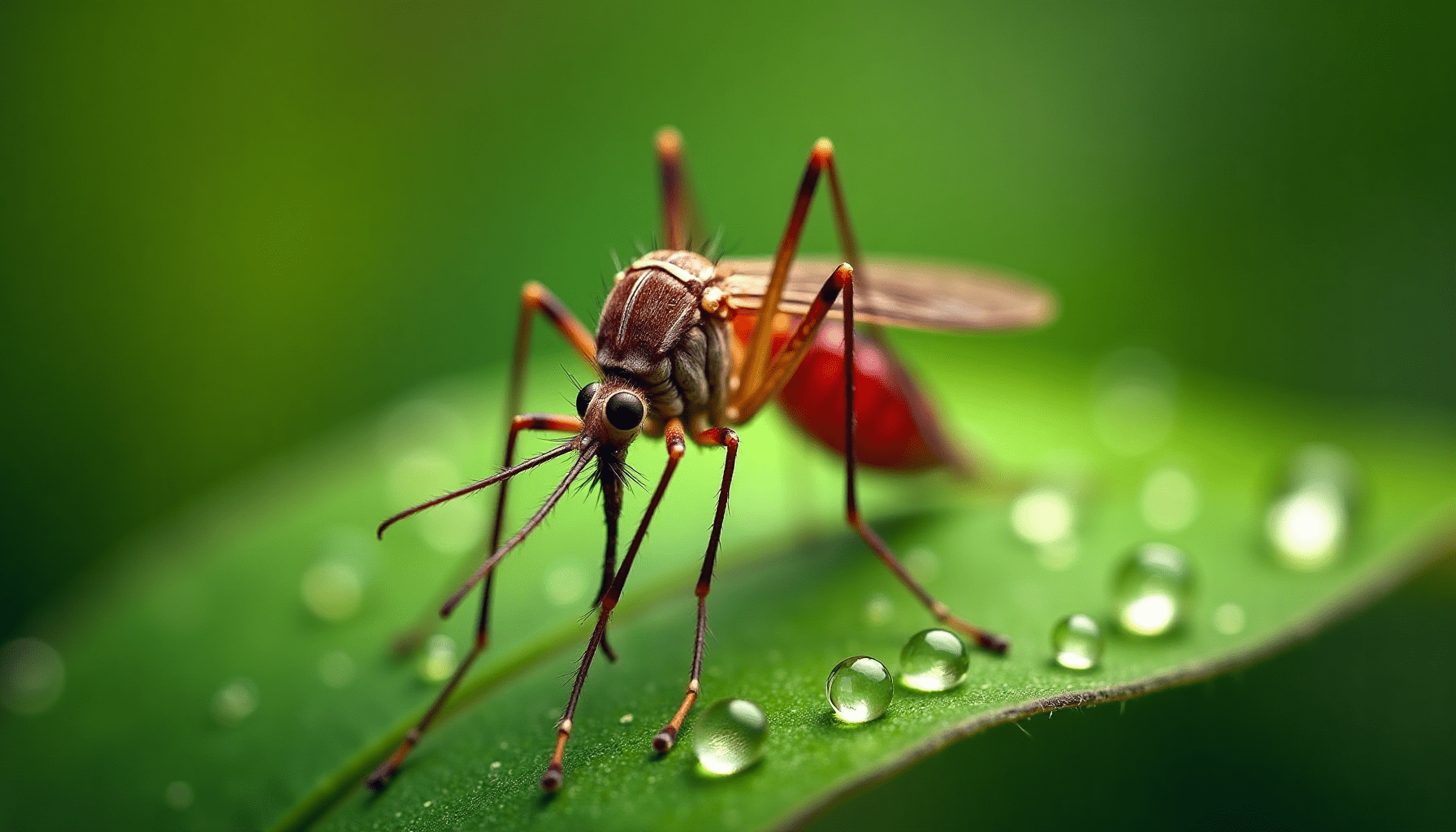
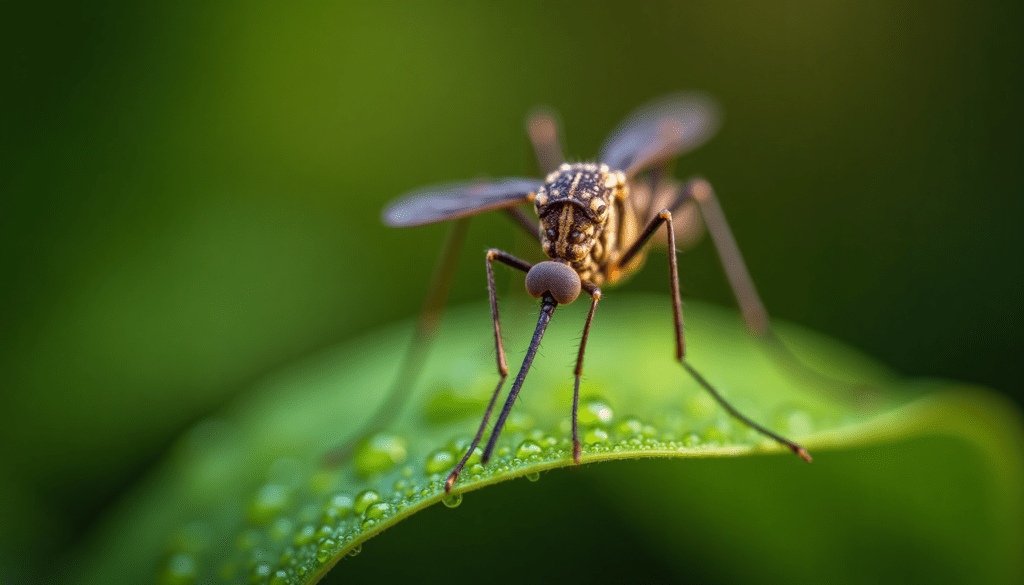
Mosquitoes are perhaps the most common biting insects globally. Their bites typically appear as small, raised, puffy pink-red papules, often with a pale or whitish center and a tiny puncture mark. You'll usually find these bites scattered randomly on exposed skin, such as arms, legs, face, and neck, especially after outdoor activity. The itch usually starts within minutes of the bite and can peak within a few hours, resolving over a few days. While most mosquito bites are benign, these insects are significant vectors for diseases like West Nile virus, dengue, and Zika, with the World Health Organization (WHO) reporting hundreds of millions of malaria cases worldwide annually. Children may experience larger, more intense "skeeter syndrome" reactions.
n
Tick Bites
n
Tick bites are often subtle and can go unnoticed, especially from tiny nymph ticks that are only 1-2 mm in size. Initially, a tick bite may appear as a small red bump where the tick attached. A more concerning sign, particularly with Lyme disease, is the development of a "bullseye" (erythema migrans) rash that can expand to over 5 cm, often with central clearing. Ticks prefer warm, hidden folds of the body, such as the scalp, armpits, groin, waistband, and behind the knees. You might even find the tick still attached. The bite itself is often painless. For Lyme disease transmission, the tick typically needs to be attached for at least 24-36 hours. The bullseye rash usually appears 3-30 days post-bite. The CDC estimates approximately 476,000 Lyme disease diagnoses each year in the U.S. Prompt, proper tick removal and monitoring for any rash or flu-like symptoms are essential. For more detailed information, see our guide on Tick Bite Symptoms: When to See a Doctor.
n
Flea Bites
n
Flea bites are common, especially in households with pets. They manifest as small red papules, often with a reddish halo or a darker center, sometimes forming small, flat red patches. These bites are typically concentrated on the ankles, shins, and lower legs, but can also appear under waistbands or in areas where pets sleep. A key characteristic is their pattern: often in clusters or "triangular" groupings of multiple bites. The itching can be intense and usually appears the same day, sometimes delayed by a few hours. While the risk is generally low in modern homes, fleas can transmit diseases like murine typhus and cat-scratch disease. Treating both pets and the home environment is crucial for effective control. Learn more about Flea Bites on Humans: Identification & Treatment Guide.
n
Bed Bug Bites
n
Bed bug bites can be tricky to identify as they often resemble mosquito bites—flat or slightly raised red welts, sometimes with a darker center or halo. However, their location and pattern are telling. Bed bugs feed at night, so bites are typically found on exposed upper body areas while sleeping, such as arms, shoulders, neck, face, and upper back. They frequently appear in lines or clusters, famously known as the "breakfast, lunch, dinner" pattern (three bites in a row). You usually notice new bites upon waking, though reactions can be delayed by hours or even days. Some individuals may not show any visible reaction despite being bitten. Diagnosis often relies more on finding the bugs themselves or their traces (fecal spots, shed skins, eggs) rather than just the bites. Professional pest management is usually required for effective control. For a deeper dive, read our guide on Bed Bug Bites: Symptoms, Treatment & Prevention Guide.
nnn
Chigger Bites
n
Chigger bites result in intensely itchy red welts, sometimes with a central papule or blister. These mites don't burrow into the skin but inject digestive enzymes that break down skin cells, which they then consume. Bites are typically found in clusters at areas where clothing is tight or compresses the skin, such as sock lines, waistbands, behind the knees, and in the groin area. The itching usually starts 1-3 hours after exposure to chiggers, often after spending time outdoors in grassy or wooded areas. The severe itching can last for days, and scratching can lead to secondary infections. In North America, chiggers rarely transmit diseases, so treatment focuses on managing the itch and preventing scratching.
n
Fire Ant Stings
n
Fire ants are known for their painful stings, which are a significant cause of sting-induced anaphylaxis in the southern U.S., as highlighted by the American Academy of Allergy, Asthma & Immunology (AAAAI). The stings initially appear as red bumps but uniquely evolve into white, pus-like pustules within 24 hours. These stings typically occur in multiple clusters on areas that contact the ground, such as the feet, ankles, legs, and hands. An immediate burning pain is followed by intense itching. It's important not to pop the pustules to avoid secondary infection. For more on these insects, explore our article Do Ants Bite? Which Species Are Dangerous?.
n
Bee and Wasp Stings
n
Bee and wasp stings cause a localized red, swollen wheal around the sting site. Honeybees are unique in that they leave their barbed stinger embedded in the skin, which continues to pump venom, while wasps and hornets do not. Stings usually occur on exposed skin and are often single, though multiple stings are possible if a nest is disturbed. The sting causes immediate sharp pain, followed by localized redness and swelling that can last for hours to days. Allergic reactions can be severe, leading to widespread hives, facial swelling, difficulty breathing, dizziness, or even collapse within minutes. The AAAAI recommends prompt stinger removal (scraping it out is effective) and advises individuals with a history of anaphylaxis to carry epinephrine auto-injectors.
n
Spider Bites
n
Many alleged "spider bites" are actually misidentified skin infections or bites from other arthropods. When a true spider bite occurs, it typically presents as a single lesion, sometimes with two tiny puncture marks close together. Bites usually happen on exposed areas or where a spider might be trapped against the skin, such as under clothing, bedding, or gloves. Symptoms often begin with an immediate stinging or burning sensation, followed by redness and swelling that can worsen over 24-72 hours. While most spider bites are harmless, certain medically significant species, like the black widow and brown recluse, can cause more severe systemic effects or necrotic ulcers. However, confirmed bites from these dangerous spiders are much rarer than commonly believed and frequently over-diagnosed, with many cases actually being bacterial skin infections like MRSA, as noted in a review published in The Lancet Infectious Diseases.
nn
 n
nn
First aid flags
nn
n
 n n
n n
n
n
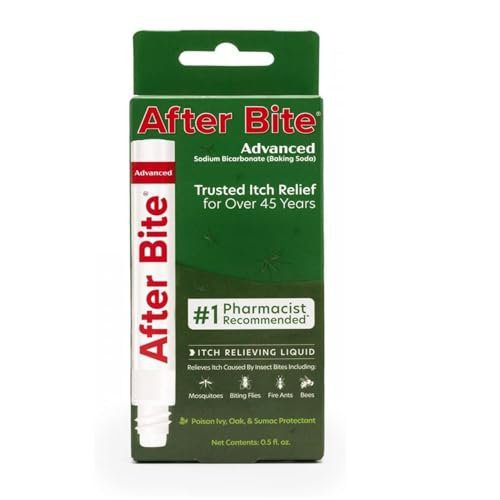
A compact pen-style option for mild itch when you want something small enough for a bag, tackle box, or travel kit.
n
- Provides fast, effective itch relief for mosquito bites and other insect stings
- Convenient pen-style applicator makes it easy to carry and apply precisely
- Compact, portable design is handy for camping, travel, and outdoor use
n
- Strong ammonia-like smell is unpleasant for some users
- Some reviewers mention the scent or formula can be off-putting during use
n
n
nn
Knowing how to react immediately after an insect bite or sting, and recognizing when professional medical attention is needed, is crucial for preventing complications.
n
Basic First Aid for Most Bites and Stings
n
For most common insect bites and stings, these steps can help reduce discomfort and prevent infection:
n
- n
- Clean the Area: Wash the bite or sting site thoroughly with soap and water. This helps remove any residual saliva or venom and reduces the risk of infection.
- Apply a Cold Compress: Place an ice pack or a cool, damp cloth on the affected area for 10-15 minutes at a time. This can help reduce swelling and numb the itching or pain.
- Control Itch and Pain:
- n
- Apply a topical 1% hydrocortisone cream 2-3 times a day to relieve itching.
- Oral antihistamines, such as cetirizine, loratadine, or diphenhydramine, can help with widespread itching.
- Over-the-counter pain relievers like NSAIDs (e.g., ibuprofen) or acetaminophen can manage pain.
- For multiple bites, oatmeal baths or calamine lotion can provide soothing relief.
n
n
n
n
n
- Avoid Scratching: Scratching can break the skin, increasing the risk of secondary bacterial infections and prolonging healing. Keep fingernails short and consider covering the bite with a bandage if scratching is difficult to control.
- Watch for Infection: Monitor the bite site for signs of infection, such as increasing redness, warmth, tenderness, pus, or red streaks extending from the bite. If these symptoms appear, consult a clinician.
n
n
n
n
n
n
Specific First Aid Nuances
n
- n
- Tick Removal: If you find an attached tick, use fine-tipped tweezers to grasp the tick as close to the skin's surface as possible. Pull upward with steady, even pressure. Do not twist or jerk the tick, and avoid using heat or chemicals to remove it. After removal, clean the area with rubbing alcohol or soap and water. Note the date and location of the bite, and consider saving the tick in a sealed container for identification if local health guidelines recommend it, as advised by the CDC's guide on tick removal.
- Bee Stingers: If a honeybee stinger is present, remove it quickly. Speed is more important than the method; scrape it away with a fingernail or the edge of a credit card rather than trying to pinch it, which can squeeze more venom into the skin.
- Fire Ant Pustules: Do not pop the white pustules that form after fire ant stings. Keep the area clean and consider a topical antibiotic if the skin breaks.
n
n
n
n
When to Seek Urgent or Emergency Care
n
While most insect bites are minor, some situations warrant immediate medical attention.
n
Call your local emergency number immediately for any of these signs of a severe allergic reaction (anaphylaxis):
n
- n
- Difficulty breathing, wheezing, or a tight feeling in the throat.
- Swelling of the tongue, lips, face, or throat.
- Widespread hives or rash accompanied by dizziness, confusion, or fainting.
- Chest pain or palpitations.
- Multiple stings/bites from a swarm, especially if stings are inside the mouth or throat.
n
n
n
n
n
n
Seek prompt medical evaluation (same day or next) for:
n
- n
- A tick bite followed by fever, headache, fatigue, or a spreading rash.
- A "bullseye" rash (erythema migrans) or a large, expanding red area after a tick bite.
- Signs of a spreading infection at the bite site, such as increasing redness, warmth, pus, or red streaks.
- A spider bite that causes severe pain, blistering, a black or blue center, or other systemic symptoms.
- Any bite or sting that does not improve within 7-10 days or worsens significantly.
n
n
n
n
n
n
Prevention
nn
n
 n n
n n
n
n
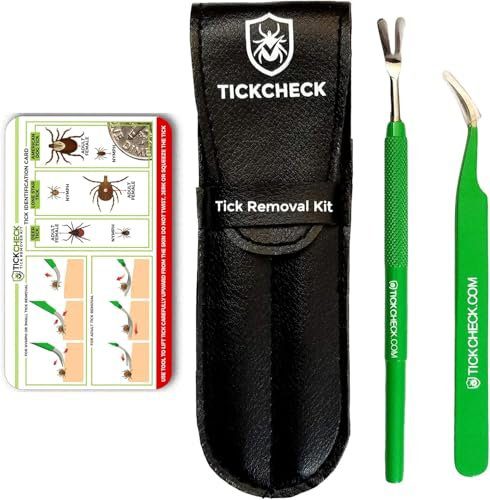
A compact tick-removal kit that belongs in a bite ID or first-aid setup because correct tick removal matters more than guessing the bite mark.
n
- Includes both a stainless steel tick remover tool and super-fine-tip tweezers, allowing effective removal of both large embedded ticks and tiny nymph/deer ticks on humans and pets
- Stainless steel construction, leatherette case, and compact form factor make the kit durable, reusable, and easy to carry in first-aid kits, backpacks, or when hiking with pets
- Comes with a tick identification card and clear removal instructions, which users find helpful for identifying tick species and learning proper, CDC-aligned tick removal technique
n
- Some users prefer plastic hook-style tools for very wiggly or thick‑furred pets and may find the metal tools slightly harder to use in dense fur
- Tweezers’ very fine tips can bend or feel too sharp if used improperly or dropped, requiring a bit of care in handling and storage
n
n
nn
Proactive measures are often the best defense against insect bites and stings. By implementing a few key strategies, you can significantly reduce your risk of unwelcome encounters.
n
Personal Protection Outdoors
n
- n
- Use EPA-Registered Repellents: When spending time outdoors, apply EPA-registered insect repellents containing active ingredients such as DEET, picaridin, IR3535, or oil of lemon eucalyptus. Always follow label directions carefully.
- Wear Protective Clothing: In areas known for mosquitoes or ticks, wear long sleeves, long pants, and socks. Tucking your pants into your socks can create an effective barrier against ticks.
- Treat Clothing with Permethrin: For enhanced protection against ticks, treat clothing and gear with permethrin. This insecticide binds to fabric and remains effective through several washes, as recommended by the CDC.
n
n
n
n
Home and Yard Measures
n
- n
- Eliminate Standing Water: Mosquitoes breed in standing water. Regularly empty bird baths, pet water bowls, clogged gutters, and any containers that collect water around your home.
- Maintain Your Yard: Keep grass trimmed short and clear brush, leaf litter, and tall weeds, especially at the edges of your property near wooded areas. Creating a barrier of wood chips or gravel between lawns and wooded areas can deter ticks.
- Seal Entry Points: To prevent pests like bed bugs and spiders from entering your home, seal cracks and crevices in foundations, walls, and around windows and doors. Reduce clutter indoors, which can provide hiding spots for pests. If bed bugs are a concern, encase mattresses and box springs with protective covers.
- Pet Protection: Consult your veterinarian about appropriate flea and tick preventives for your pets. Regular treatment helps protect both your animals and your home from infestations.
n
n
n
n
n
Travel Awareness
n
- n
- Check Travel Health Notices: Before traveling internationally, consult CDC travel health notices for information on mosquito-borne diseases and other health risks in your destination.
- Use Bed Nets: In regions where mosquito-borne diseases are prevalent, sleeping under an insecticide-treated bed net can provide crucial protection.
n
n
nnnn
 n
nn
Common myths
n
Misinformation about insect bites is widespread, often leading to unnecessary alarm or ineffective treatment. Let's clarify some common myths.
n
Myth 1: "All itchy bumps are mosquito bites."
n
Many people automatically assume any itchy bump is a mosquito bite. However, a variety of other insects, including fleas, bed bugs, chiggers, and mites, can cause similar-looking itchy papules. The distribution of bites is a key differentiator: flea bites tend to be around the ankles, bed bugs on exposed upper body parts in lines or clusters, and chiggers often at constricted areas like waistbands or sock lines. Learning to identify these patterns is essential, as discussed in our comparison of Mosquito Bites vs Bed Bugs, Fleas, Spiders & Ticks.
n
Myth 2: "You can always tell a Lyme tick bite by a bullseye rash."
n
While the classic "bullseye" (erythema migrans) rash is a hallmark symptom of Lyme disease, it doesn't appear in every case. Up to 20-30% of Lyme patients may not recall seeing a bullseye rash, and some rashes may be uniformly red without the central clearing. The absence of a bullseye rash does not rule out the possibility of Lyme disease if other symptoms are present or if a tick bite occurred in an endemic area.
n
Myth 3: "Spider bites are very common."
n
Despite popular belief, true spider bites are much rarer than commonly thought. Experts, including those cited in a 2008 review by Richard S. Vetter, note that most "spider bites" diagnosed in the U.S. are actually other arthropod bites or, more frequently, bacterial skin infections like MRSA. Many spiders are harmless, and even venomous ones rarely bite unless provoked or trapped.
n
Myth 4: "Bed bugs transmit diseases like ticks and mosquitoes."
n
While bed bugs are a nuisance and can cause significant discomfort, sleep disruption, and anxiety, they are not known to transmit diseases to humans in the same way that mosquitoes or ticks do. Unlike these vectors, bed bugs do not carry and spread pathogens that cause serious illnesses like malaria, West Nile virus, or Lyme disease. In cases of very heavy infestations, severe anemia has been reported, but this is rare.
n
Final take
n
Accurate insect bite identification is a crucial skill for anyone who spends time outdoors or deals with household pests. By carefully observing the appearance, pattern, and location of bites, along with any accompanying symptoms, you can often determine what bit you. Remember that while most bites are minor and can be treated with simple first aid, some require prompt medical attention due to allergic reactions or the risk of disease transmission.
n
Prioritizing prevention through repellents, protective clothing, and maintaining a pest-free environment is your best defense. If you're unsure about a bite or experience concerning symptoms, always consult a healthcare professional. For more in-depth information on specific pests, explore our articles on Mosquito Bites vs Bed Bugs, Fleas, Spiders & Ticks and Flea Bites on Humans: Identification & Treatment Guide. Stay informed, stay safe, and enjoy the natural world with confidence.
If the thing you found is not on this page, our guide to working out what a bug is from what you saw starts from colour, place and movement instead.
If you are still not sure what you are looking at, our What bit me? wizard works through it in four questions.
nn
Pingback: Tiny Black Bugs in Bed That Are Not Bed Bugs
Pingback: Why Some Bug Bites Swell So Large (and When to Worry)
Pingback: Tiny Bugs in Carpet: How to Tell What You Have