A tick bite by itself is almost always harmless. The small red bump where a tick was attached is just your skin reacting, and for most people it itches a little and fades within a few days. Here is the part that matters, and the part most people get backwards: you are not really watching the bite, you are watching for what comes after it. An expanding rash, a fever, body aches, or unusual fatigue in the days to weeks after a bite are the signals to act on. So clean the bite, save the tick if you can, note the date, and see a doctor if any of those show up. This guide covers what a normal bite looks like, the symptoms that change the plan, and how to lower your risk next time.
Most tick bites need only cleaning and watching, but the thing to watch is not the bite itself: an expanding rash, fever, aches, or fatigue in the days to weeks after mean save the tick, note the date, and see a doctor.
- Normal: A small itchy red bump at the bite that fades over a few days, with no fever and no growing rash.
- See a doctor: An expanding rash, fever, headache, aches, or fatigue showing up days to weeks after the bite.
- Get emergency help: Trouble breathing, throat or tongue swelling, dizziness, or fast-spreading hives, which can mean a severe allergic reaction.
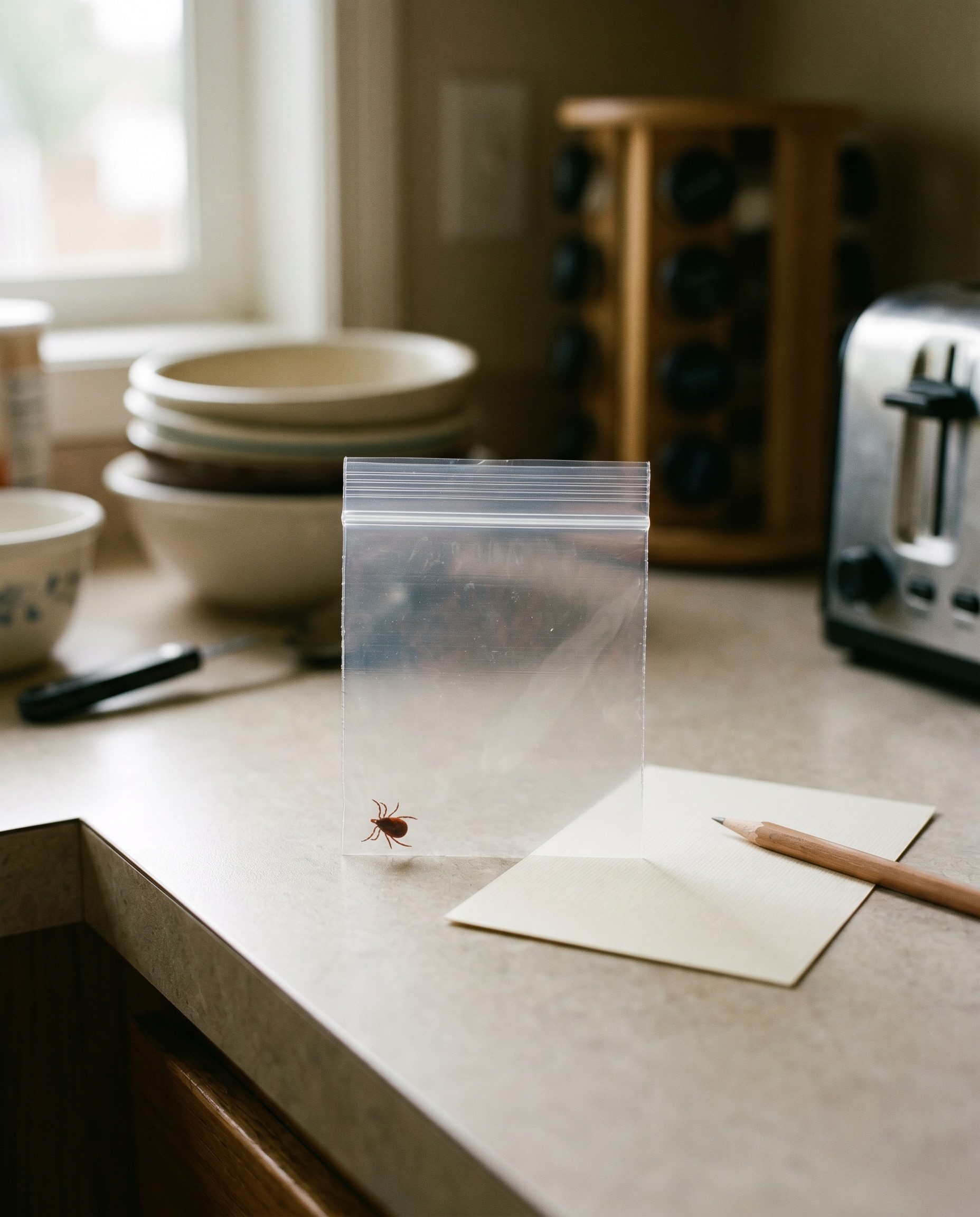
Watch what comes after
The bite is the easy part. A tick attaches, feeds, and leaves a small mark, and on its own that mark tells you very little about whether you are going to get sick. The real risk from a tick is not the bite wound but the chance that the tick passed along an infection while it was attached, and those infections take time to appear. That is the whole reframe of this article: the date on the calendar matters more than the spot on your skin.
According to the CDC, tickborne illness usually shows up days to weeks after the bite, not in the first hour or two. So the smart move is to set yourself a watch window. Clean the bite, write down the date you found the tick, and pay attention to how you feel over the next several weeks. If a saved tick can be identified, that helps your doctor too. Our step-by-step tick removal guide walks through pulling one off and what to do with it afterward.
What a normal bite looks like
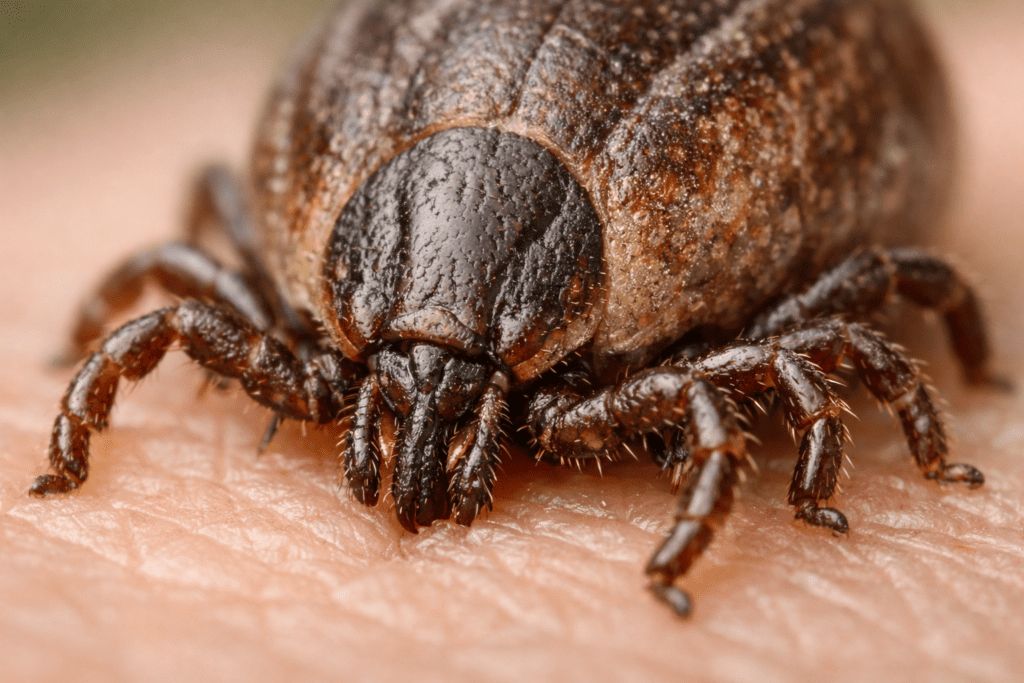
A routine tick bite is unremarkable. After you remove the tick you may see a small red bump, maybe with a little itch or mild swelling right at the spot, similar to a mosquito bite. That local reaction can last a few days and then fade. A small red mark in the first day or two is your skin responding to the bite, not a sign of disease by itself.
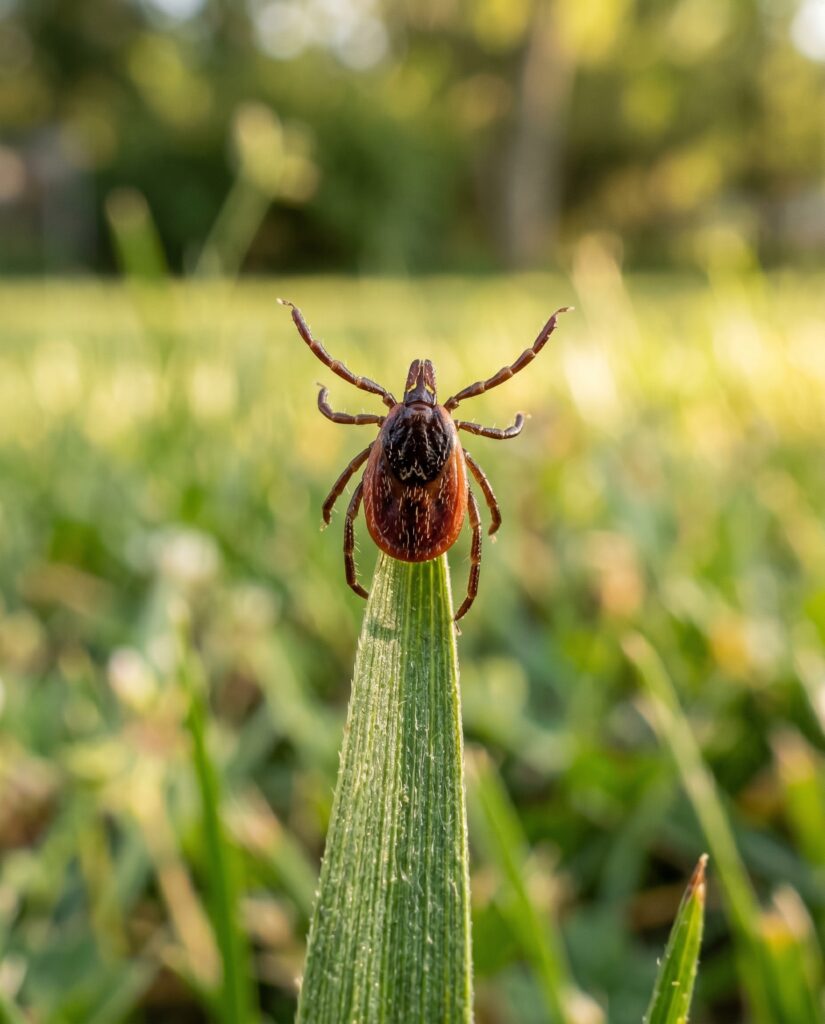
It helps to know the difference between that ordinary irritation and the rash that matters. A normal bite reaction stays put and shrinks over a few days. The rash to worry about does the opposite: it appears later and grows. We will get to that next. For identifying which tick bit you in the first place, our tick identification guide covers the common species and where they live, since the risk varies by tick and region.

When to see a doctor
This is the section that does the work. The signs that should move you from watching at home to calling a doctor are the ones that show up after the bite, not at the bite. The classic one is an expanding rash. The bull’s-eye rash that many people associate with Lyme disease is real, but it is not the only kind, and waiting for a textbook bull’s-eye is a mistake. A solid, round, spreading red patch counts too. The CDC describes an early Lyme rash and the timeline of symptoms, noting the rash often appears within a few weeks and gradually enlarges.
Watch for these and treat them as a reason to be seen, not a reason to panic:
| Sign | What it can mean | What to do |
|---|---|---|
| Expanding rash, with or without a bull’s-eye | May indicate an early tickborne infection | Contact a healthcare provider |
| Fever, chills, headache, or body aches | Possible tickborne illness | Contact a healthcare provider |
| Unusual fatigue or joint pain in the weeks after | Possible later-stage infection | Seek medical care |
| Spreading redness, warmth, or pus at the bite | Possible skin infection from the wound | See a doctor |
If any of these appear, stop watching and contact a healthcare provider, and mention that you had a tick bite and when. MedlinePlus, the NIH consumer health service, lays out the symptoms to watch for and when to seek care for Lyme disease, and early treatment generally goes better than late treatment. A provider can confirm what is happening and decide whether you need testing or treatment.
Get emergency help if
A severe allergic reaction to a tick bite is uncommon, but because it is the one situation that cannot wait, it gets its own section. Get emergency medical help right away for signs of a severe allergic reaction (anaphylaxis): trouble breathing, swelling of the throat, tongue, or lips, tightness in the chest or throat, dizziness or fainting, a fast heartbeat, or hives spreading quickly over the body. These signs mean go to the emergency room or call emergency services, not wait and see. If the affected person has a known severe insect allergy and an epinephrine auto-injector such as an EpiPen has been prescribed, use it as directed and still get emergency care, because symptoms can return.
To keep this in proportion: the vast majority of tick bites never come close to this. Knowing the signs simply means you can act fast in the rare case they appear.
First aid after a bite
For an ordinary bite, the home routine is short. First, if the tick is still attached, remove it the right way: grip it with fine-tip tweezers as close to the skin as you can and pull straight up with steady pressure, without twisting, squeezing the body, or using heat or petroleum jelly. Then wash the bite and your hands with soap and water. A cool compress can ease itch or swelling.
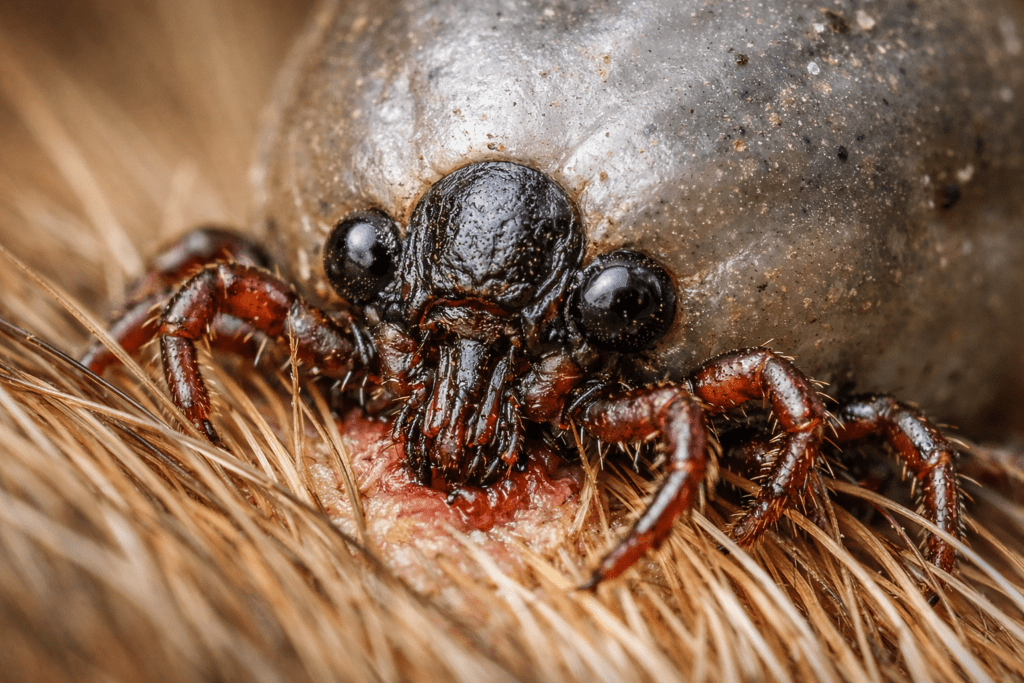
Saving the tick is worth the thirty seconds it takes. Drop it in a sealed bag or a small container so it can be identified later if you do get symptoms. The University of Rhode Island’s TickEncounter program recommends you save the tick and watch for symptoms rather than rushing to treat a bite that may be harmless. For the itch of an ordinary bite, an over-the-counter antihistamine or hydrocortisone can help some people; follow the product label and ask your pharmacist if you are unsure or if the bite is on a child. There is no cream that prevents disease, so the saved tick and the noted date are the things that actually help.
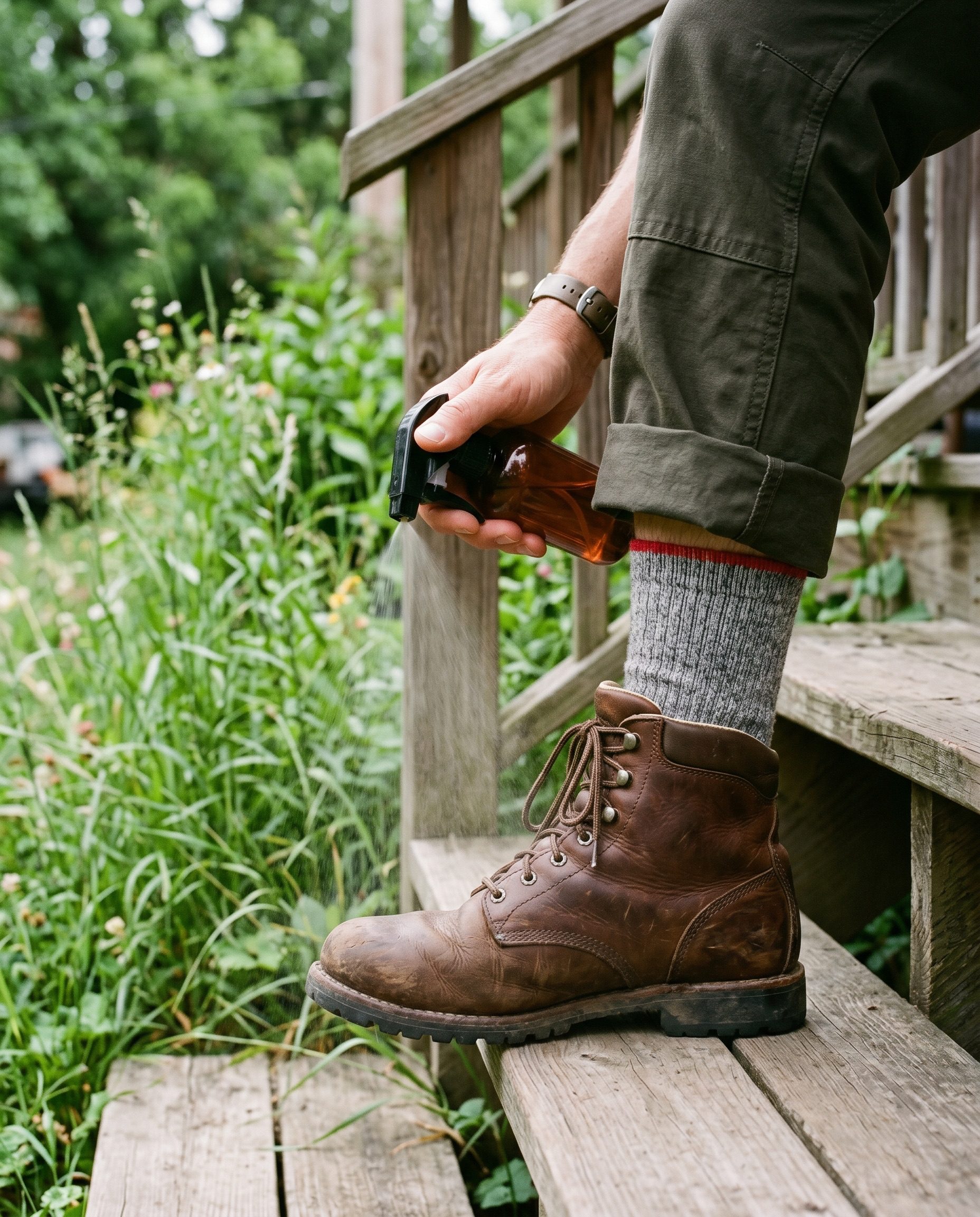
Lower your risk next time
Prevention does more here than any after-the-fact step, and most of it is behavior. The single most useful habit is prompt removal and a tick check after you have been in tall grass, leaf litter, or the woods. The CDC notes that removing a tick promptly lowers the risk of transmission, because for many tickborne infections the tick has to stay attached for a while before it can pass anything along. Check yourself, your kids, and your pets the same day, paying attention to the scalp, behind the ears, the waistband, and the backs of the knees.
Before you head out, use an EPA-registered repellent applied per the label. Products with DEET, picaridin, or IR3535 work on skin, and clothing and gear can be treated with permethrin. One safety note: permethrin is for fabric and gear, not skin, and wet permethrin is toxic to cats, so keep treated items away from cats until fully dry and ask your veterinarian before using any tick product on a pet. Tucking pants into socks, staying toward the center of trails, and keeping your yard’s grass short all cut down on contact. Our Lyme disease prevention guide goes deeper on yard and travel strategy.
Common questions
How soon do tick bite symptoms appear?
The bite mark itself shows up right away as a small bump. The symptoms that matter, like an expanding rash or fever, usually appear days to weeks later, which is why you watch the calendar rather than the bite.
Do I always get a bull’s-eye rash with Lyme disease?
No. A bull’s-eye is the classic shape, but the early Lyme rash can also be a solid, spreading red patch, and some people get no rash at all. Do not wait for a textbook bull’s-eye before seeing a doctor about a spreading rash or fever after a tick bite.
Should I see a doctor for every tick bite?
Not for the bite alone. Most bites only need cleaning and watching. See a doctor if you develop an expanding rash, fever, aches, or fatigue in the weeks after, or if you cannot remove the tick, are unsure how long it was attached, or live in a high-Lyme area and want to ask about next steps.
Why should I save the tick?
Identifying the tick species and how long it was likely attached can help a clinician judge your risk if you get symptoms later. Seal it in a bag and note the date you found it.
Can I get Lyme disease from a tick bite?
A bite from an infected blacklegged tick (Ixodes scapularis) can transmit the bacteria that cause Lyme disease, but not every tick carries it and prompt removal lowers the risk. A healthcare provider can advise on testing and treatment if symptoms appear.
Final verdict
A tick bite is rarely the emergency it feels like. The mark on your skin matters far less than what your body does in the weeks that follow, so the job after a bite is simple: clean it, remove and save the tick, write down the date, and then watch yourself rather than the spot. An expanding rash, a fever, aches, or fatigue are the signs that change the plan, and they earn a call to a doctor. Lower your odds next time with prompt tick checks and a repellent used per the label, and remember the emergency signs of a severe allergic reaction. The bite ends quickly; the watching is what protects you.
This guide is information, not medical advice. Use it to know when home care is fine and when it is not, and defer to your clinician for anything that worries you.
This article is for information only and is not medical advice.