Navigating the outdoors when you have sensitive skin can be a challenge, especially when you need effective protection from biting insects. Mosquitoes and ticks aren't just annoying; they can transmit serious diseases like West Nile virus, Lyme disease, and others, making insect repellent a crucial health tool. Finding an insect repellent sensitive skin can tolerate, one that prevents bites without causing irritation, is key to enjoying nature safely. This guide will help you understand the best options, how to use them, and what to look for to keep your skin happy and healthy while staying bug-free.
Bottom line: Sensitive skin usually does best with fragrance-light, proven repellents such as picaridin lotion, IR3535, or lemon eucalyptus products used exactly as labeled.
- Patch test on a small area before heavy use.
- Use clothing coverage first, then repellent on exposed skin.
- Stop using any product that causes burning, rash, or swelling.
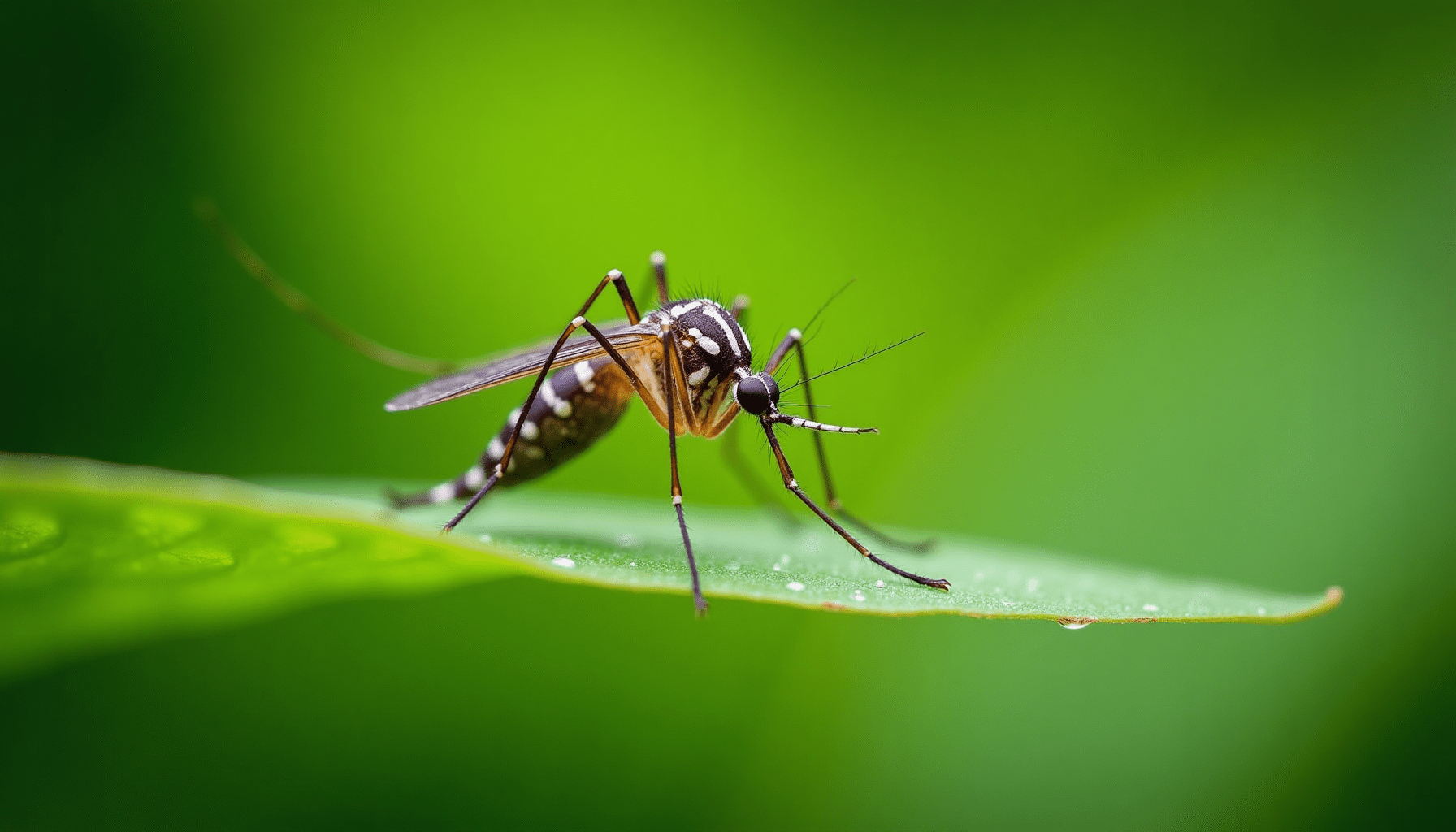
Bottom line: For sensitive skin, prioritize EPA-registered repellents like Picaridin (20%) or DEET (≤30%) in lotion or pump spray formulations, opting for fragrance-free versions. Always patch test first, and consider physical barriers like clothing to minimize direct skin application.
What to choose
Protecting yourself from insect bites is more than just comfort; it's a vital step in preventing potentially serious insect-borne illnesses. Mosquitoes alone are responsible for an estimated 700 million infections globally each year, transmitting diseases like West Nile virus, which causes thousands of cases annually in the U.S., according to the Centers for Disease Control and Prevention (CDC). Ticks also pose a significant threat, with the CDC estimating that nearly half a million people may contract Lyme disease each year. Given these risks, major health organizations, including the American Academy of Pediatrics (AAP) and the Environmental Protection Agency (EPA), emphasize that using an effective repellent is generally safer than risking certain bites.
For individuals with sensitive, eczema-prone, or allergy-prone skin, the challenge lies in finding a product that works without causing irritation. Many common repellents contain ingredients that can trigger reactions. However, advancements in formulations and a better understanding of skin sensitivities mean there are excellent choices available. When selecting an insect repellent sensitive skin can tolerate, consider the active ingredient, its concentration, and the overall formulation.
The U.S. EPA plays a crucial role in ensuring the safety and effectiveness of insect repellents. They evaluate active ingredients, and those that are EPA-registered are considered safe for use, even for vulnerable populations like pregnant women and children, when used as directed. Key EPA-registered ingredients include DEET, Picaridin, IR3535, and Oil of Lemon Eucalyptus (OLE/PMD). These are the ingredients recommended by the CDC, AAP, and the World Health Organization (WHO) for meaningful disease prevention.
Best ingredients
When selecting an insect repellent for sensitive skin, the active ingredient is paramount. While all topical repellents can potentially cause mild, reversible skin reactions, some are generally better tolerated than others. Here’s a breakdown of the most effective and skin-friendly options.
Picaridin: The Gentle Powerhouse
Picaridin is often the top recommendation for sensitive skin. This synthetic compound, modeled after piperidine found in black pepper, is EPA-registered and offers broad-spectrum protection.
- Pros: Picaridin (at 20% concentration) provides up to 12 hours of protection against mosquitoes and ticks, and about 8 hours against flies, as noted by REI Expert Advice and Consumer Reports. It is typically less irritating, less greasy, and has a lower odor than DEET. Many formulations are unscented or fragrance-free, which is a significant advantage for those with fragrance sensitivities, a common trigger for contact dermatitis.
- Cons: While generally well-tolerated, rare allergic reactions can still occur. Always patch test if you have a history of severe sensitivities.
DEET: A Proven Option (with caveats)
DEET has been EPA-registered since 1957 and boasts a long safety record, making it the gold standard for insect protection.
- Pros: Highly effective against a wide range of biting insects. A concentration of 10% DEET offers about 2 hours of protection, while 30% provides maximum efficacy for up to 10 hours, according to the CDC.
- Cons: Some individuals with sensitive skin report stinging, burning, or rashes, especially with higher concentrations. DEET also has a distinct odor and can dissolve certain plastics and synthetic fabrics. For sensitive skin, it's best to use formulations with 30% DEET or less, and consider lotions or controlled-release products that minimize skin contact. While systemic toxicity is rare, it's usually linked to overuse or ingestion, not proper topical application, as confirmed by the CDC.
Oil of Lemon Eucalyptus (OLE / PMD): Plant-Derived Efficacy
OLE, or PMD (p-menthane-3,8-diol), is a plant-derived, EPA-registered repellent. It's crucial to distinguish this refined product from pure lemon eucalyptus essential oil, which is not EPA-registered and lacks proven efficacy.
- Pros: Products with 30-40% OLE can provide up to 6 hours of mosquito protection, making it a viable option for those seeking plant-derived solutions, as highlighted by HealthyChildren.org.
- Cons: OLE has a strong scent and can cause irritant or allergic contact dermatitis in individuals with fragrance or plant allergies. It is also not recommended for children under 3 years of age, according to the AAP.
IR3535: Another Effective Choice
IR3535 is a synthetic amino-acid derivative that is also EPA-registered.
- Pros: It is effective against mosquitoes and some ticks, offering protection for up to 8 hours in certain formulations. It is often well-tolerated and used in cosmetic-style products.
- Cons: Some formulations may contain fragrances or other additives, so it's important to check the label for potential irritants.
"Natural" Oils: What to Know
Many "natural" insect repellents contain essential oils like citronella, peppermint, geranium, or soybean oil.
- Pros: They appeal to consumers looking for DEET-free options.
- Cons: While plant-based, these oils are generally short-acting, often providing less than 1-2 hours of protection in field tests, according to the AAP and EPA. They are also rich in fragrances and can be more likely to cause irritant or allergic contact dermatitis in sensitive individuals. For more on these options, read our guide on Natural Mosquito Repellents That Actually Work. These are best reserved for situations with extremely low disease risk where the primary goal is comfort from nuisance bites rather than disease prevention.

How to apply
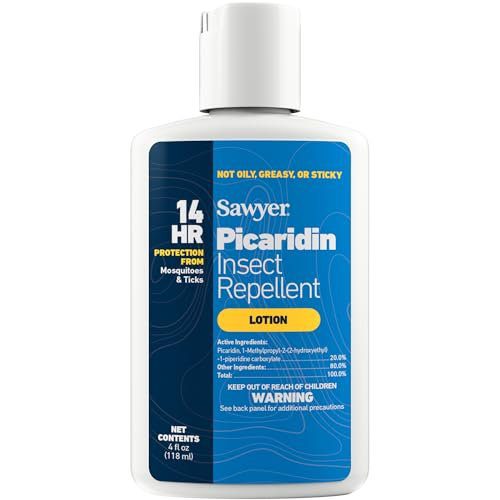
A lotion-based 20% picaridin repellent that is often easier to apply evenly than sprays and is a good sensitive-skin starting point for many adults.
- Long-lasting mosquito and tick protection with 20% picaridin
- Doesn’t damage gear, plastics, or synthetic coatings
- Low odor / non-greasy feel and dries quickly
- Some users find the protection doesn’t last as long as advertised in heavy bug conditions
- Can feel sticky or require frequent reapplication for some people
Even the best insect repellent for sensitive skin won't work effectively or safely if not applied correctly. Proper application minimizes irritation and maximizes protection. Furthermore, combining repellents with other strategies can significantly reduce your reliance on skin-applied products.
How to Apply Repellent Correctly
Experts from Consumer Reports, the AAP, and allergy specialists consistently advise:
- Apply only to exposed skin and/or outer clothing. Never apply repellent under clothing, as this can increase the risk of irritation.
- Use the minimum amount needed. A thin, even film is sufficient. Applying more product does not increase effectiveness, only the potential for irritation.
- Avoid broken or irritated skin. Do not use repellent on cuts, rashes, eczema flares, or sunburned areas.
- For your face: Spray or dispense the repellent into your hands first, then gently spread it on your face, carefully avoiding your eyes, lips, and nostrils.
- For children: Adults should always apply repellent for young children. Avoid their hands, as children often put their hands in their mouths, and keep the product away from their eyes and mouth. For more detailed guidance, see our article on Best Mosquito Repellent for Babies & Kids: Safe Options.
- After returning indoors: Wash treated skin with soap and water. If clothing was treated, wash it before wearing it again, ideally separately.
Layering with Sunscreen
If you're planning a sunny outdoor adventure, you'll likely need both sunscreen and insect repellent. The general rule is to apply sunscreen first, allow it to absorb for about 15-20 minutes, and then apply insect repellent. Avoid combination sunscreen/repellent products. Sunscreen needs frequent reapplication (every two hours), while insect repellent typically does not, leading to potential overuse of the repellent.
Beyond Repellent: Physical Barriers and Clothing
For those with very sensitive skin, minimizing direct repellent application is often a priority. Consider these strategies:
- Protective Clothing: Wear long sleeves, long pants, socks, and closed shoes, especially in areas with high tick or mosquito activity. Light-colored clothing can also make it easier to spot ticks.
- Permethrin-Treated Clothing and Gear: Permethrin is an insecticide that can be applied to clothing (never directly to skin) to repel and kill ticks and mosquitoes. The AAP and CDC recommend permethrin-treated clothing as a highly effective tick prevention method. This is an excellent strategy to reduce the amount of skin-applied repellent needed. Our guide on Natural Tick Repellents: Do Essential Oils Really Work? offers more context on tick prevention.
- Physical Barriers: Use mosquito nets over strollers, carriers, and outdoor seating areas. Hats with integrated mesh netting can protect the face without needing repellent in that sensitive area, a tip supported by The Allergy Doc.
Environmental Controls
Reducing insect populations around your home can also lessen your need for repellents:
- Eliminate Standing Water: Mosquitoes breed in stagnant water. Regularly empty bird baths, clogged gutters, old tires, and other containers that collect water.
- Screens and Fans: Ensure windows and doors have intact screens. Use fans in outdoor spaces; moving air can discourage mosquitoes.
Common myths
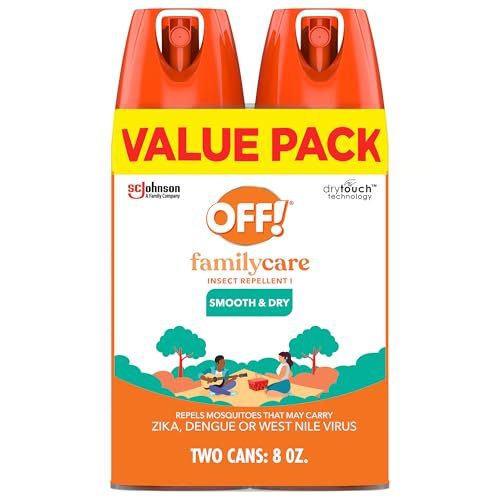
A lower-concentration DEET option that can work when applied carefully and washed off after exposure, though sensitive users should patch test first.
- Users praise that it effectively repels mosquitoes and other biting insects.
- Reviewers commonly like the smooth, dry feel and non-greasy finish on skin.
- People often mention that it has a relatively mild or tolerable smell compared with other bug sprays.
- Some reviewers dislike the aerosol spray format, including overspray and application mess.
- A common complaint is that the scent can still be noticeable or unpleasant for some users.
Many misconceptions about insect repellents, particularly concerning "natural" options and skin safety, can lead to ineffective protection or unnecessary skin irritation. Let's clarify some common myths.
Myth 1: “Natural means safer for sensitive skin.”
Reality: This is a widespread misconception. Many "natural" or essential-oil-based sprays contain potent fragrance allergens, such as citronella, lavender, peppermint, or geranium. These can often cause more irritation and allergic reactions than well-tested synthetic repellents like picaridin or DEET. Some plant oils can also lead to phototoxic reactions (making skin more susceptible to sunburn) or contact dermatitis. EPA-registered synthetics have undergone rigorous testing and have stronger safety and efficacy data than most unregistered "natural" blends, as confirmed by the EPA and HealthyChildren.org.
Myth 2: “DEET is too toxic to use.”
Reality: DEET has been used billions of times since the 1950s, and serious adverse events are very rare, primarily linked to misuse such as ingestion, excessive or prolonged use, or inappropriate application in infants, according to the CDC. When used as directed, DEET is considered safe for adults, children over two months, and pregnant women. For sensitive skin, choosing lower concentrations (≤30%) or alternative actives like picaridin or OLE is wise. However, avoiding all effective repellents in high-risk areas can expose you to far greater health risks from insect-borne diseases. Our article DEET vs Picaridin vs Oil of Lemon Eucalyptus: Best Mosquito Repellent delves deeper into these comparisons.
Myth 3: “Higher concentration always works better.”
Reality: Above certain thresholds, higher concentrations of repellent primarily extend the duration of protection, not necessarily the repelling power. For DEET, maximum efficacy is generally reached around 30%; for picaridin, it's about 20%, as noted by REI Expert Advice. For sensitive skin, it's often best to use the lowest concentration that provides sufficient protection for the time you'll be outdoors, minimizing potential irritation.
Myth 4: “If a product is DEET-free, it must be gentle.”
Reality: "DEET-free" simply means the product does not contain DEET. It may still contain other active ingredients, solvents, preservatives, or fragrances that can be irritating. As discussed, some DEET-free repellents, particularly those relying on essential oil blends, can be more likely to cause irritation in fragrance-sensitive or allergic individuals.
Myth 5: “I can spray repellent on my clothes and skip skin application completely.”
Reality: While applying repellent to clothing can offer some protection, skin-applied repellent remains the most effective way to protect exposed skin areas. Clothing-only treatments, like permethrin, are excellent for ticks and some mosquitoes but leave any exposed skin vulnerable. Combining permethrin-treated clothing with skin-applied repellent is often the best strategy for comprehensive protection, especially in high-risk tick areas, according to REI Expert Advice and HealthyChildren.org.
Myth 6: “If I have sensitive skin, I shouldn’t use repellents at all.”
Reality: This is a dangerous misconception. Allergy and pediatric sources specifically recommend adjusting the formulation and application method, not skipping repellent entirely. Using picaridin or OLE if DEET is irritating, opting for lotions or unpressurized sprays, and applying only to exposed skin (washing off afterward) are all effective strategies. Avoiding repellents completely in high-risk areas can significantly increase your risk of contracting tick- or mosquito-borne diseases.

Skin reactions
Even with careful selection and application, sensitive skin can sometimes react to new products. Knowing how to manage these reactions and when to seek professional advice is important.
What to Do if a Rash Appears
If you notice a rash, redness, itching, or stinging where repellent was applied:
- Stop Use Immediately: Discontinue using the product.
- Wash the Area: Gently wash the affected skin with soap and water to remove any remaining repellent.
- Cool Compress: Apply a cool, damp cloth to the irritated area to help soothe the skin.
- Over-the-Counter Relief: For mild irritation, an over-the-counter hydrocortisone cream or an oral antihistamine might help reduce symptoms.
- Identify the Culprit: Try to remember which specific product and ingredients you used. This information will be helpful if you need to consult a doctor or allergist.
When to Consult a Doctor
While most reactions are mild and resolve quickly, certain situations warrant medical attention:
- Severe Reaction: If the rash is widespread, blistering, intensely itchy, or accompanied by significant swelling.
- Persistent Symptoms: If the irritation does not improve within a day or two after stopping use and washing the area.
- Signs of Infection: If the rash becomes painful, warm to the touch, or shows signs of pus.
- Allergic Reaction: If you suspect an allergic reaction, especially if you have a history of contact dermatitis or multiple allergies. A dermatologist or allergist can perform patch testing to identify specific triggers, as advised by The Allergy Doc.
- Systemic Symptoms: If you experience symptoms beyond the skin, such as difficulty breathing, dizziness, or widespread swelling, seek urgent medical care, as this could indicate a more severe allergic reaction.
Final take
Protecting yourself from insect bites is a non-negotiable aspect of enjoying the outdoors, especially with the risks of diseases like Lyme and West Nile virus. For those with sensitive skin, the key is to choose an EPA-registered repellent with active ingredients like Picaridin or DEET (at lower concentrations) in a gentle formulation like a lotion or pump spray. Always prioritize fragrance-free options and remember to patch test new products.
Beyond direct application, integrating strategies like protective clothing and permethrin-treated gear can significantly enhance your protection while minimizing direct skin exposure to repellents. By making informed choices and applying repellents correctly, you can confidently explore nature, free from bothersome bites and skin irritation. Stay informed, stay protected, and enjoy your time outdoors!
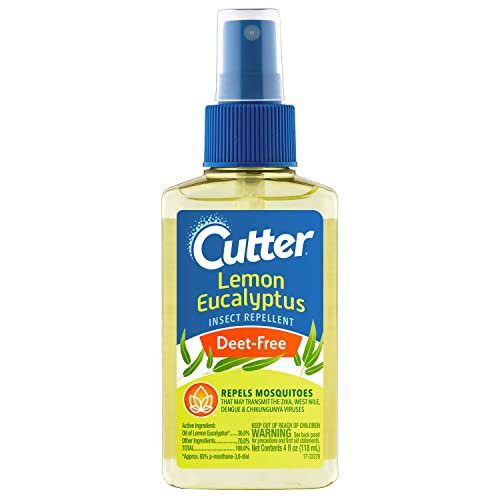
A DEET-free lemon eucalyptus repellent option for adults who want a plant-derived active ingredient with proven mosquito protection.
- Effectively repels mosquitoes for several hours, including those that may carry West Nile virus
- Pleasant or at least tolerable lemon eucalyptus scent compared with traditional DEET repellents
- Non-greasy, non-sticky, plant-based DEET-free formula that many families feel better about using regularly
- Strong scent that some users find overpowering or unpleasant, especially the eucalyptus component
- Can cause eye irritation or skin reactions in some people and is not recommended for children under 3 years old
As an Amazon Associate, I earn from qualifying purchases. Product recommendations are based on real reviews and independent research.