Globally, an estimated 20–40% of crop production is lost to pests each year, a staggering figure that highlights the constant challenge gardeners face. For home gardeners in the U.S., insect damage is often cited as a top reason for crop failure. This reality drives many to seek effective solutions, and increasingly, the demand for safe, natural garden pest control is growing. Choosing the right organic pest control products can help you protect your plants, support local ecosystems, and ensure your harvest is healthy and chemical-free. This guide will help you navigate the best eco-friendly options available.
Bottom line: The best organic pest control products for gardens combine targeted microbial and botanical sprays like Bt and neem oil with physical barriers, traps, and healthy cultural practices. Always prioritize prevention and choose products specific to your pest problem, applying them carefully to protect beneficial insects.
Why organic
The shift towards organic gardening isn't just a trend; it's a response to growing concerns about environmental health and food safety. While conventional pesticides can offer quick solutions, their widespread use has documented impacts. For instance, the U.S. Geological Survey (USGS) found one or more pesticides in over 90% of streams sampled in agricultural, urban, and mixed-use areas, often at levels harmful to aquatic life. Furthermore, a meta-analysis of 73 studies revealed that insect abundance has declined by approximately 45% over the last 40 years, with land-use change and pesticides identified as key drivers, according to Biological Conservation.
These findings underscore the importance of minimizing our reliance on broad-spectrum chemicals. The American Academy of Pediatrics, for example, recommends minimizing children's exposure to pesticides and advocates for integrated pest management (IPM) and safer alternatives in their 2012 Policy Statement on Pesticide Exposure in Children.
Organic pest control products, generally derived from natural sources like microbes, plant extracts, or minerals, offer a less toxic approach. They typically have shorter environmental persistence, lower toxicity to mammals and birds, and are often more selective for specific pests. However, it's important to remember that "organic" doesn't mean "risk-free." Many natural products can still be harmful to beneficial insects, especially pollinators, and to aquatic invertebrates if misused, as highlighted by resources like the University of California Integrated Pest Management (UC IPM). The growing biopesticide market, expanding at 10–15% per year, reflects this increasing demand for effective yet safer alternatives, as reported in the Annual Review of Phytopathology.
IPM basics
For truly effective and sustainable garden insect control, entomologists and extension services widely recommend Integrated Pest Management (IPM). IPM is a comprehensive approach that prioritizes long-term prevention and uses the least toxic methods first, only resorting to stronger measures when absolutely necessary. It's about working with nature, not against it.
The core principles of IPM include:
- Prevention: Building healthy soil, rotating crops, choosing pest-resistant plant varieties, and ensuring proper plant spacing to minimize stress.
- Monitoring & Thresholds: Regularly inspecting your garden for pests and understanding when a pest population is large enough to cause significant damage, justifying intervention. Not every pest sighting requires immediate action.
- Non-Chemical Controls First: Employing physical methods like hand-picking pests, using barriers, or setting traps before reaching for sprays.
- Least-Toxic Products: If chemical intervention is needed, selecting the most selective and least harmful organic pest control products, applied precisely and sparingly, rather than on a routine schedule.
Organic products are a valuable tool within this broader IPM strategy, not a standalone solution. Understanding how different products work is key to their effective application. For example, products like Bacillus thuringiensis (Bt) and Spinosad are ingestion toxins, meaning the pest must eat the treated plant material to be affected. Neem, on the other hand, acts as a feeding deterrent and insect growth regulator, disrupting pest development over time rather than providing an instant kill. Contact desiccants like diatomaceous earth physically damage insects, while horticultural oils and insecticidal soaps smother them. Proper timing and application based on these modes of action are crucial for success. For instance, Bt and Spinosad are most effective on young larval stages, not on adult insects, as detailed in "Bacillus thuringiensis: biology, ecology and safety" by Glare & O'Callaghan (2000).
Ultimately, a healthy, biologically active soil and diverse planting are central to natural garden pest control. Expert gardeners and soil ecologists emphasize that robust soil and plant diversity support beneficial insects, predators, and microbes that naturally suppress pests, leading to fewer interventions over time, even with organic sprays.
Best product types
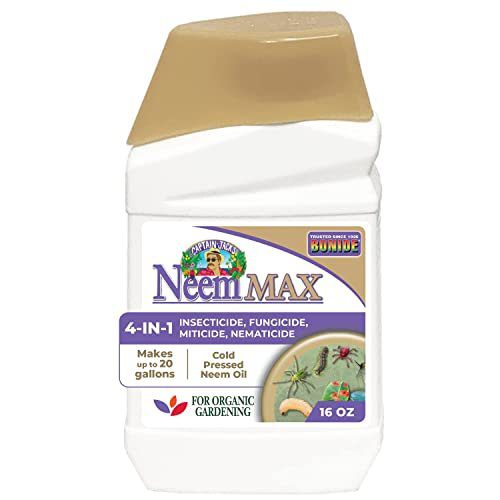
The article explicitly mentions neem oil as a key botanical spray for organic pest control, making this concentrated product highly relevant for gardeners seeking a natural solution.
- Effective at controlling a wide range of garden pests (aphids, mites, fungus gnats, whiteflies, etc.) and fungal issues like powdery mildew when used as directed
- Versatile 4‑in‑1 formulation (insecticide, fungicide, miticide, nematicide) that can be applied as both a foliar spray and soil drench on many types of plants, including vegetables and houseplants
- Concentrated cold-pressed neem oil approved for organic gardening, so a small amount goes a long way and appeals to users seeking less synthetic options
- Some users report plant burn or leaf damage when mixed too strong or applied in hot/sunny conditions, indicating a learning curve with dilution and timing
- Odor and oiliness can be unpleasant or messy for some, and a few reviewers mention clogging in sprayers if not mixed/agitated well
Choosing the right organic pest control products can make a significant difference in your garden's health. Here's a breakdown of effective options, their best uses, and important considerations.
Microbial Insecticides
These products harness the power of beneficial microorganisms to target pests.
Bacillus thuringiensis (Bt)
- What it is: A naturally occurring soil bacterium that produces specific proteins lethal to certain insect larvae when ingested.
- Target pests:
- Bt kurstaki (Btk): Primarily targets caterpillars like cabbage worms, tomato hornworms, loopers, and tent caterpillars.
- Bt israelensis (Bti): Effective against mosquito and fungus gnat larvae, often used in standing water or potting soil. For controlling mosquito larvae, products containing Bti are often recommended, as discussed in guides for Best Mosquito Dunks & Larvicides for Standing Water.
- Best use in gardens: Ideal for brassicas (cabbage, broccoli, kale), tomatoes, peppers, and fruit trees with caterpillar infestations.
- How to apply: Spray thoroughly on foliage where larvae are feeding. Reapply after rain and every 7 days while caterpillars are active, following label instructions. It's most effective when caterpillars are small.
- Benefits: Highly specific, meaning minimal impact on non-target insects when used correctly. Widely available in OMRI-listed formulations.
- Cautions: Must be ingested by the pest; contact alone is ineffective. Avoid unnecessary spraying, as it can still indirectly affect non-target larvae if misapplied.
Spinosad
- What it is: A fermentation product derived from the soil bacterium Saccharopolyspora spinosa.
- Target pests: Caterpillars, thrips, leafminers, flea beetles, and some leaf-chewing beetles.
- Best use in gardens: Excellent for controlling thrips in flowers and peppers, leafminers in leafy greens, cabbage worms, and flea beetles on brassicas and eggplant.
- How to apply: Follow label rates and thoroughly cover foliage. Reapply every 7–10 days if needed. To protect pollinators, apply at dusk or after bees have finished flying for the day, as advised by the Co+op's guide to organic pest controls.
- Benefits: Fast-acting on many difficult pests like thrips, often considered one of the most effective organic insecticides.
- Cautions: Highly toxic to bees and some beneficials when wet; toxicity decreases once dry. Should not be used as a routine spray; reserve for serious infestations. Always verify that the formulation is OMRI-listed or labeled "for organic gardening."
Botanical Insecticides
These are plant-derived compounds that offer pest control properties.
Neem Oil and Azadirachtin
- What it is: An extract from the seeds of the neem tree (Azadirachta indica). Crude neem oil contains multiple active compounds, while more refined products may concentrate azadirachtin, the primary insect growth regulator.
- Mode of action: Acts as a feeding deterrent, anti-feedant, and insect growth regulator, disrupting molting and reproductive hormones in pests.
- Target pests: Aphids, whiteflies, some beetles, leafminers (eggs/young larvae), mites, and certain caterpillars.
- Best use in gardens: Primarily a preventive and suppressive tool, not a quick-kill spray. It helps manage pest populations over time.
- How to apply (home gardeners): Many gardeners dilute 1–2 tablespoons of neem oil per gallon of water, often with a small amount of mild soap to emulsify, as suggested by resources like Cog Hill Farm. Spray in early morning or late afternoon to avoid leaf burn and protect pollinators. Reapply every 7–14 days as needed, avoiding direct spraying of blossoms.
- Benefits: Low mammalian toxicity; generally safe for humans and pets when used as directed, according to a review in the Annual Review of Entomology. Works on multiple life stages and can reduce future pest pressure by affecting eggs and reproduction.
- Cautions: Can still harm beneficial insects if sprayed broadly, especially if they consume treated plant material. Overuse may cause phytotoxicity in certain plants or harm beneficial fungi.
Pyrethrin (Pyrethrum)
- What it is: Natural insecticidal compounds extracted from chrysanthemum flowers (Chrysanthemum cinerariifolium).
- Mode of action: A fast-acting neurotoxin to insects, often causing a quick knockdown.
- Target pests: A wide range, including aphids, beetles, caterpillars, leafhoppers, whiteflies, and thrips.
- Best use in gardens: As a last resort for severe infestations where more selective options have failed.
- How to apply: Follow label instructions carefully. Apply in the evening when bees are not active and avoid spraying flowers.
- Benefits: Very effective and fast-acting.
- Cautions: Toxic to beneficial insects and fish. Some formulations combine pyrethrin with piperonyl butoxide (PBO) as a synergist, which is not allowed in organic systems. Use sparingly and in a highly targeted manner.

Oils, Soaps, and Desiccants
These products work through physical means to control pests.
Horticultural Oils (including some neem and mineral oils)
- What they are: Highly refined petroleum or plant-based oils used to smother insects and their eggs.
- Target pests: Aphids, mites, scale insects, whiteflies, and some eggs and larvae.
- Best use: On fruit trees (dormant or growing season oils), ornamentals, and vegetables with soft-bodied pests.
- How to apply: Mix according to the label. Apply when temperatures are moderate (not freezing or above 85–90°F) to reduce the risk of leaf burn, as recommended by the Co+op.
- Cautions: Do not mix with sulfur products or apply to drought-stressed plants.
Insecticidal Soap
- What it is: Specially formulated potassium salts of fatty acids that disrupt insect cell membranes.
- Target pests: Aphids, whiteflies, spider mites, mealybugs, and other soft-bodied insect nymphs.
- Best use: Spot treatment for infestations on indoor plants, seedlings, and soft-tissue crops like lettuce and herbs.
- How to apply: Spray directly on insects, ensuring thorough coverage on both the top and bottom of leaves. The soap must contact the insect to be effective.
- Cautions: Homemade soap mixtures can burn foliage; commercial products are tested for plant safety.
Diatomaceous Earth (DE)
- What it is: A powder made from fossilized diatoms. Its microscopic sharp particles abrade insect exoskeletons and cause desiccation.
- Target pests: Crawling pests such as slugs, some beetles, earwigs, ants, and sowbugs. For specific advice on using DE for ants, you can consult guides like Best Natural Ant Repellents and Sprays.
- Best use: Around plant bases, in dry areas, or in cracks where insects travel.
- How to apply: Sprinkle a thin, even layer around plants. Reapply after rain.
- Cautions: Less effective when wet. Can also harm beneficial insects that crawl through it, so avoid broadcasting over entire beds.
Soil and Bait Products
These products are applied to the soil or as baits.
Iron Phosphate Slug/Snail Baits
- What it is: Pellets combining iron phosphate with bait attractants.
- Target pests: Slugs and snails.
- Benefits: Low risk to pets, birds, and beneficial insects compared to older metaldehyde baits, as confirmed by research in Crop Protection.
- How to apply: Scatter pellets around plants and along slug pathways, following label instructions.
Non-spray controls
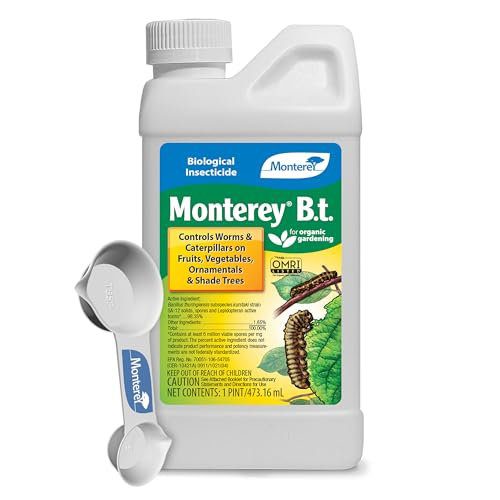
Bacillus thuringiensis (Bt) is directly cited in the article as a targeted microbial spray for organic pest control, making this product essential for managing caterpillars and worms.
- Very effective at controlling a wide range of caterpillars and worms on vegetables, fruits, and ornamentals
- Organic/OMRI-listed biological insecticide that doesn’t harm beneficial insects, pets, or people when used as directed
- Concentrate format is easy to mix (common rate ~1 oz per gallon) and a small bottle treats a large area, offering good value
- Requires repeated applications every few days or weekly during active infestations, which some users find labor‑intensive
- Can be less immediately visible in its effects than synthetic insecticides, leading some users to think it’s not working or is slow
Beyond specific organic pest control products, some of the most effective and eco-friendly solutions involve physical barriers, traps, and cultivating a healthy garden environment. These methods reduce the need for any sprays, organic or otherwise.
Physical Barriers and Traps
These methods prevent pests from reaching your plants or capture them directly.
- Floating Row Covers: Lightweight, non-woven fabric that allows light, air, and water to pass through while blocking insects.
- Target pests: Flea beetles, cabbage moths, squash vine borers, cucumber beetles, leafminers, and many others.
- Best use: Drape over brassicas, cucurbits, root crops, and young seedlings, especially before pests arrive.
- Cautions: Must be removed or opened for pollination on crops that require bees (e.g., squash, cucumbers).
- Copper Tape and Barriers: Copper produces a mild electric effect that deters slugs and snails.
- Target pests: Slugs and snails.
- Best use: Apply around raised beds, planters, or specific high-value plants.
- Traps:
- Types: Sticky traps (for whiteflies, fungus gnats), pheromone traps (e.g., for codling moths in apples), beer/yeast slug traps, and pitfall traps for earwigs and other ground pests.
- Use: Primarily for monitoring pest populations as part of an IPM strategy, and sometimes for direct control of small infestations.
Habitat-Building and "Soft" Controls
These practices enhance your garden's natural defenses by supporting beneficial organisms and strengthening plant health.
- Beneficial Insect Habitat: Planting a variety of nectar and pollen sources like alyssum, dill, fennel, yarrow, calendula, and nasturtium actively supports lady beetles, lacewings, hoverflies, and parasitic wasps. These natural predators and parasites help keep pest populations in check. Understanding What Do Ladybugs Eat? can help you better attract and retain these helpful insects.
- Companion Planting: Strategically placing certain plants together can deter pests. Strong-scented herbs like basil, rosemary, or mint (often in containers to prevent spreading) may confuse or repel some pests. Trap crops, such as nasturtiums, can lure aphids or flea beetles away from your main crops. For more ideas on using plants for pest management, consider exploring options like Best Mosquito Repellent Plants for Your Garden.
- Cultural Practices: Simple gardening techniques can significantly reduce pest pressure. These include crop rotation, removing diseased or heavily infested plant material (sanitation), and providing appropriate spacing and watering to minimize plant stress and disease susceptibility.
Final picks
Creating a thriving, pest-resistant garden doesn't require harsh chemicals. By embracing a holistic approach that integrates prevention, monitoring, and targeted use of organic pest control products, you can protect your plants and support a healthier ecosystem. Start by building rich, healthy soil and fostering biodiversity. When pests do appear, identify them accurately and choose the least-toxic, most specific solution available, always prioritizing physical barriers and beneficial insects. Remember, a balanced garden is your best defense.
For further reading on managing garden pests, explore our guides on How to Get Rid of Garden Ants Without Harming Plants and other natural pest solutions.
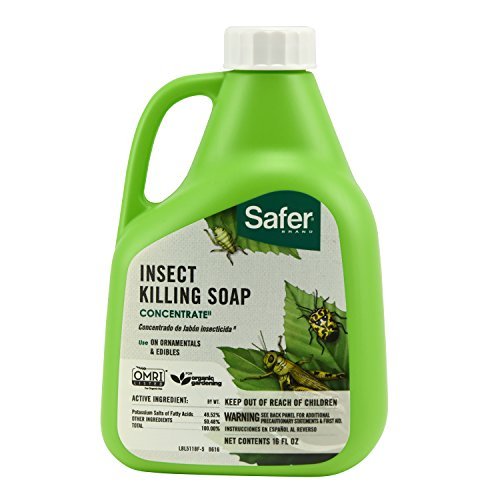
Insecticidal soap is a widely recognized and effective organic pest control method for soft-bodied insects like aphids and mites, aligning perfectly with the article’s focus on safe and eco-friendly solutions.
- Effectively controls a wide range of soft‑bodied garden pests (aphids, whiteflies, mites, thrips, etc.) when sprayed to thorough coverage
- OMRI-listed and compliant for organic gardening, so users feel comfortable using it on fruits, vegetables, and ornamentals up to day of harvest
- Concentrate format is economical, with a 16 oz bottle making up to about 6 gallons of spray solution
- Requires direct contact with insects and repeated applications, so some users feel it is labor‑intensive and not a one‑and‑done solution
- Can cause leaf burn or plant stress if used on sensitive plants, in high heat, or not following label directions
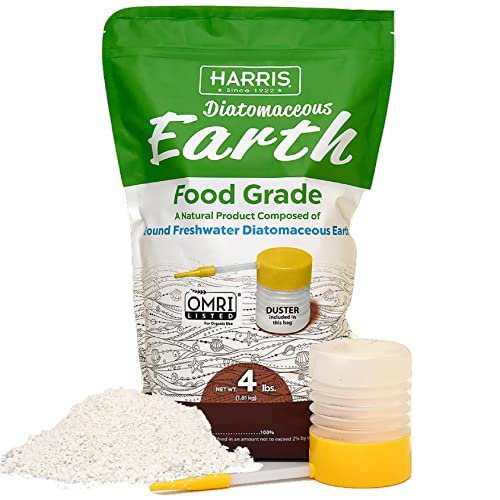
Diatomaceous earth is a natural, mineral-derived product that fits the article’s description of organic pest control options, offering an effective solution for crawling garden pests.
- Easy to apply with the included powder duster
- Performs well as a natural insect deterrent / garden aid
- Good value for the amount provided
- The duster/applicator can be awkward or hard to close properly
- Some users find the product messy or inconvenient to use
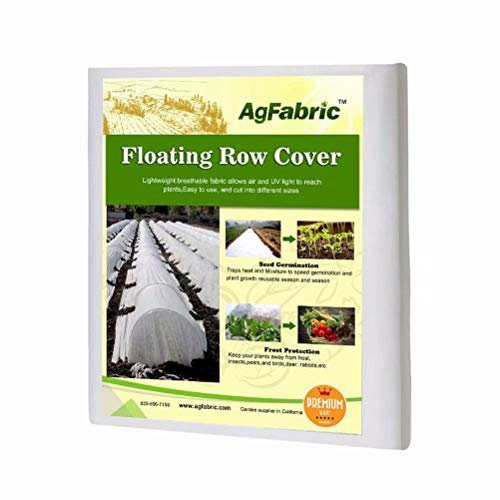
The article emphasizes the importance of ‘physical barriers’ for pest prevention. A floating row cover is a prime example, protecting plants from insects without chemicals.
- Provides effective frost and cold protection while still allowing good light, air, and moisture penetration so plants continue growing
- Material is durable and corrosion‑resistant compared with thinner/lower‑weight covers that tear more easily
- Lightweight and easy to handle, cut, and fit over beds or individual plants
- Some users find the size inconvenient for smaller shrubs or individual plants and wish it came in smaller pre‑cut pieces
- Heavier weight fabric can reduce light transmission compared with lighter row covers, making it less ideal for very low‑light situations or long‑term continuous use
As an Amazon Associate, I earn from qualifying purchases. Product recommendations are based on real reviews and independent research.