Thinking of inviting a fascinating predator into your garden? Praying mantises are iconic insects, known for their distinctive posture and voracious appetites. Many gardeners hope to attract praying mantises to help with pest control, drawn by their reputation as beneficial predators. While mantises can certainly add an intriguing element to your garden's ecosystem, understanding their true role and how to create an appealing habitat is key to successfully welcoming them. This guide will walk you through the practical steps to make your garden a haven for these unique creatures, from plant choices to pest management practices, ensuring you attract them effectively and responsibly.
Bottom line: To attract praying mantises, focus on creating a diverse, pesticide-free garden with plenty of structural complexity. Provide dense foliage, tall grasses, and flowering plants for shelter and hunting perches. Avoid broad-spectrum insecticides, as these eliminate both pests and the mantises' food source. While mantises are generalist predators and not a targeted pest control solution, a healthy garden ecosystem will naturally support them.
Mantis basics
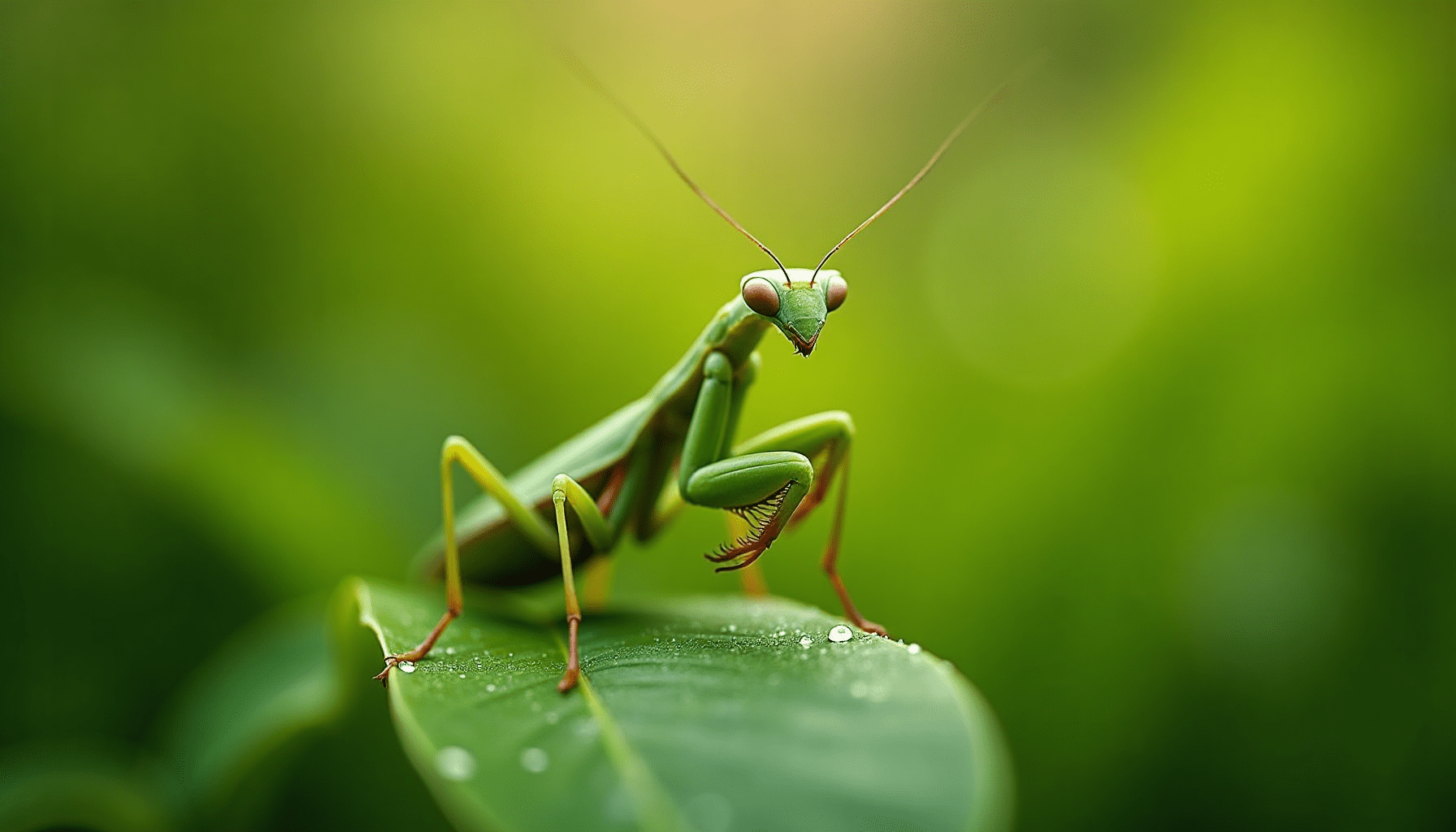
Praying mantises (order Mantodea) are captivating insects with a global presence, boasting over 2,400 described species. While many species thrive in tropical and subtropical climates, several are common in temperate regions like North America. In many U.S. gardens, you're likely to encounter the non-native Chinese mantis (Tenodera sinensis) or European mantis (Mantis religiosa), alongside the native Carolina mantis (Stagmomantis carolina) in the southeastern and central states, according to Gardening Know How.
Mantis Species You Might See
The two most common non-native mantis species, Chinese and European mantises, are often larger and more widespread than native species. While visually striking, some ecologists express concern that these larger, non-native mantises might prey heavily on pollinators and small vertebrates, potentially competing with native mantis populations. The University of New Hampshire Extension suggests caution when purchasing and releasing non-native mantids, recommending a focus on supporting native beneficial insects instead.
Life Cycle in the Garden
Most mantises in temperate zones complete one generation per year. Their life begins as eggs, which overwinter inside a protective, foamy structure called an ootheca. These tan to cream-colored cases, often found attached to sturdy stems or twigs, hatch in the spring, releasing dozens of tiny nymphs. These nymphs mature into adults by late summer, ready to mate and lay new oothecae before the cold weather arrives. A single ootheca can contain anywhere from 50 to over 200 eggs, though natural survival rates are lower due to factors like cannibalism and predation.
What Mantises Eat (and Don't Eat)
Mantises are ambush predators, meaning they lie in wait for their prey. Their diet is broad and opportunistic, including many common garden pests like aphids, leafhoppers, flies, crickets, grasshoppers, and caterpillars, as noted by Nature Hills Nursery. However, they are not picky eaters. They will also consume other arthropods such as spiders, beetles, wasps, and even beneficial pollinators like bees and butterflies. Larger mantis species have even been observed preying on small vertebrates, including frogs, lizards, mice, and occasionally hummingbirds. It's important to remember that mantises are carnivores and do not eat plants; any plant damage in your garden is due to other insects.
Are Mantises Truly Beneficial?
Because of their generalist diet, entomology experts often describe mantises as "neutral" rather than purely beneficial in the garden ecosystem. While they do consume pests, they also reduce populations of beneficial insects and pollinators. The University of New Hampshire Extension emphasizes that releasing purchased mantises rarely provides reliable pest control because they disperse quickly, often eat each other, and cannot be directed toward specific pests. For long-term pest suppression, promoting overall habitat diversity and supporting a wide range of beneficial insects is generally more effective.
Attract them
Creating an inviting environment is the most effective way to attract praying mantises to your garden. These insects seek out areas that offer abundant prey, camouflage, and secure places to lay their eggs. By focusing on specific garden practices and plant selections, you can make your space a prime mantis habitat.
Create a Pesticide-Free Zone
This is perhaps the most crucial step. Broad-spectrum insecticides, whether systemic or contact, kill mantises directly or eliminate their food sources. To successfully attract praying mantises, commit to organic gardening practices. Use targeted solutions like hand-picking pests, employing row covers, or applying insecticidal soaps only when necessary, and avoid widespread chemical applications that can harm beneficial insects.
Diversify Your Plantings
Mantises thrive in gardens with a rich variety of plants. Mixed beds of flowers, herbs, and vegetables support a wider range of insects, which in turn provides a consistent food supply for mantises. Consider including:
- Flowering plants: Attract pollinators and small insects that mantises prey on. Good choices include alyssum, marigold, zinnia, cosmos, and yarrow. You can learn more about how to attract pollinators to your garden for a vibrant ecosystem.
- Aromatic herbs: Plants from the Lamiaceae family, such as rosemary, mint, oregano, and thyme, offer dense structural cover and attract small prey.
- Shrubs and brambles: Members of the Rosaceae family, like roses or raspberries, provide excellent perching and potential egg-laying sites.
- Legumes: If space allows, borders of clovers or alfalfa (Fabaceae family) create dense foliage that mantises favor.
Provide Essential Structure and Shelter
Mantises rely on plants not for food, but for hunting platforms, camouflage, and shelter. They prefer gardens with complex, three-dimensional structures.
- Tall grasses and perennials: Offer ideal climbing and hiding spots.
- Shrubs and small trees: Allow mantises to perch at flower height, ready to ambush visiting insects.
- Leave some dead stems and twigs: These are common sites for mantis oothecae to be laid and overwinter, as highlighted by the University of New Hampshire Extension. Delaying garden cleanup until spring can protect these valuable egg cases.
Maintain Moisture and Shade
Gardens with consistent, but not excessive, moisture and patchy shade help mantises avoid overheating and desiccation. A varied environment with areas of both sun and shade, such as taller perennials providing shade to lower-growing plants, is ideal. This helps maintain a stable microclimate that supports both mantises and their prey.
Design Microhabitats
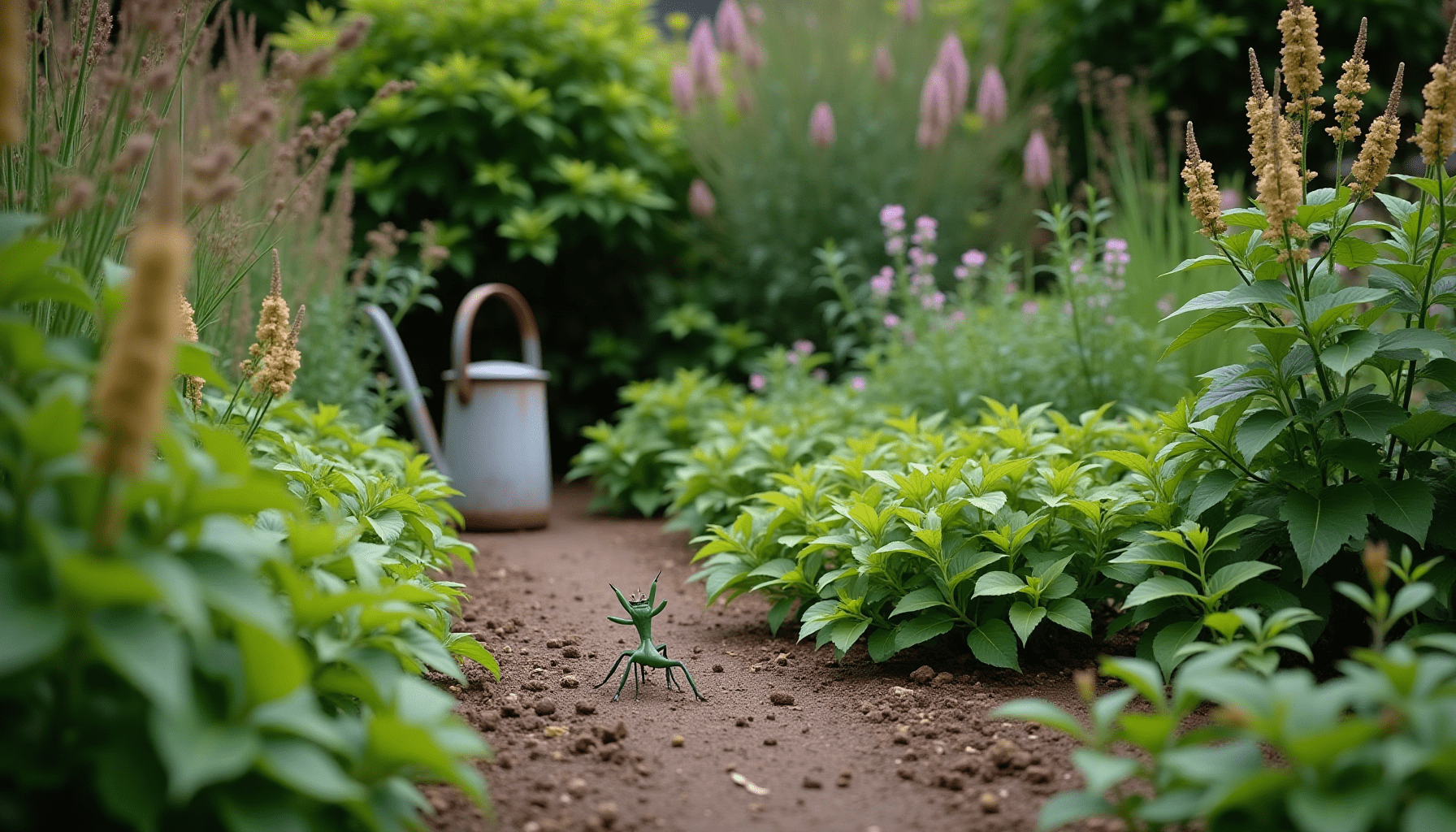
Think beyond individual plants and consider creating small, diverse habitats within your garden. A hedgerow, a mixed border of flowering shrubs, perennials, and grasses, or even a lightly managed wildflower strip along a fence can significantly increase the three-dimensional habitat that mantises prefer. These varied environments provide more opportunities for hunting, hiding, and reproduction.
Egg cases

This wildflower seed mix directly supports the article’s advice to create a ‘diverse, pesticide-free garden with plenty of structural complexity’ and ‘flowering plants for shelter and hunting perches.’ It helps establish the ecosystem and food sources that naturally attract and sustain praying mantises.
- Attracts a wide variety of pollinators and beneficial insects, especially bees and butterflies
- Produces colorful wildflower blooms and is praised as a pretty, attractive garden mix
- Easy to sow and generally good value for covering a garden area with a pollinator-friendly mix
- Some buyers report uneven or spotty germination, with only part of the mix sprouting
- Mixed results on bloom density and longevity, with some saying the display is thinner than expected or takes time to establish
Finding a mantis egg case is an exciting discovery for any gardener hoping to attract praying mantises. Knowing how to identify and properly handle these cases can significantly increase the chances of mantis nymphs successfully hatching in your garden.
How to Identify a Mantis Egg Case
Mantis oothecae are distinctive. They are typically tan to cream-colored, sometimes light brown, and have a rigid, foamy, or styrofoam-like texture, often with visible ridges. You'll usually find them attached lengthwise to sturdy stems, branches, tall weeds, stakes, or fences. Their exact shape can vary by species; some are long and somewhat flat, while others are more rounded or oblong, as described by Gardening Know How.
What to Do If You Find One
If you discover an ootheca in your garden and it's in a safe, undisturbed location, the best action is to leave it alone. This allows the nymphs to hatch naturally in the spring. If, however, an egg case is in a problematic spot (e.g., on a plant you need to prune heavily or on outdoor furniture), you can carefully relocate it. Cut the branch or stem a few inches below the ootheca and move it to a sheltered, plant-rich area in your garden. Secure it to a shrub or stake at a similar height using soft ties or twine, ensuring it remains stable and protected.
Rearing Mantis Nymphs for Observation
For those interested in a closer look, you can rear an ootheca in a container. Place the egg case in a ventilated jar or mesh enclosure with very small holes or fine mesh to prevent nymphs from escaping. Keep it in a cool, sheltered spot that mimics outdoor temperature patterns, ensuring the nymphs hatch at the appropriate time in spring. Monitor the container daily as spring approaches. Once hatching begins, release the tiny nymphs into your garden quickly to prevent cannibalism and starvation, as they are highly aggressive from birth, according to Nature Hills Nursery.
Buying Mantis Egg Cases: What to Know
Commercial mantis oothecae are widely available and can be placed directly outdoors in late winter or early spring, depending on your climate. Secure them in shrubs, low trees, or sturdy perennials in locations protected from heavy rain and direct midday sun. However, it's important to manage your expectations. Nymphs released from purchased egg cases are unlikely to stay confined to a single garden bed. They disperse widely, and many succumb to cannibalism or predation. The University of New Hampshire Extension notes that there is limited evidence these releases significantly reduce garden pests and that they may prey on beneficial insects as well.
Common myths
As the article discusses different mantis species (native vs. non-native) and the importance of understanding your garden’s ecosystem, a comprehensive field guide helps readers identify the mantises they attract, as well as other beneficial insects and potential prey, enhancing their entomological knowledge.
- Comprehensive coverage of a wide variety of North American insects and spiders, with hundreds of color photographs and detailed species information
- Well-organized visual layout that allows users to identify specimens quickly by shape and color
- Portable, durable field-guide format that many users find convenient to carry and use outdoors
- Taxonomy and species names are somewhat outdated due to changes in insect systematics since publication
- Some users feel certain groups or regional species are underrepresented or missing, limiting its usefulness for advanced identification
Despite their popularity, several misconceptions about praying mantises persist. Separating fact from fiction helps gardeners make informed decisions about how to attract praying mantises and integrate them into their garden's ecosystem responsibly.
Myth: Mantises are Always Beneficial
Reality: This is a widespread belief, but it's not entirely accurate. Mantises are generalist predators, meaning they hunt and eat almost any suitably sized animal they can catch. While this includes many garden pests, it also extends to beneficial insects like lady beetles (you can learn more about what ladybugs eat), lacewings, and even pollinators such as bees and butterflies. Their net effect on pest populations can be variable, sometimes neutral, as they don't specifically target pests over other insects.
Myth: Buying Mantises Guarantees Pest Control
Reality: Many gardeners purchase mantis egg cases hoping for effective natural pest control. However, extension experts consistently point out that purchased mantises usually disperse quickly, suffer heavy cannibalism, and cannot be directed toward a specific pest problem. There is little scientific evidence that releasing commercially obtained mantises provides effective, economical, or predictable pest control in a typical home garden, according to the University of New Hampshire Extension.
Myth: Mantises Stay Where You Release Them
Reality: Mantises are mobile insects. Once hatched or released, they will move to areas where food and cover are most abundant. They are not confined to a single plant or garden bed and may leave your garden entirely, or redistribute over a large area, in search of better hunting grounds.
Myth: They Are Endangered
Reality: This is a common myth, particularly in North America. While specific local populations of some native mantis species might face challenges, the most commonly encountered species in gardens, such as the Chinese and European mantises, are non-native and widely abundant. Generally, there is no special legal protection for praying mantises in home gardens.
Myth: They Only Eat Insects
Reality: While insects form the bulk of their diet, larger mantis species are opportunistic predators and have been documented to take small vertebrates. This can include small tree frogs, lizards, mice, and even small birds like hummingbirds, as reported by Gardening Know How. This surprising fact underscores their role as indiscriminate hunters.
Myth: Specific "Mantis Plants" Are Essential
Reality: Mantises are adaptable and will use many different plant species as long as the plants provide structural complexity and attract abundant prey. While certain plant families like Rosaceae (roses, raspberries), Lamiaceae (rosemary, mint), and Fabaceae (alfalfa, clover) are frequently used for shelter and egg-laying, no single plant species is essential for their survival. They simply need diverse vegetation to hunt and hide.

Fit into IPM
While attracting praying mantises can be an enjoyable aspect of gardening, it's most effective when viewed as part of a broader strategy for a healthy, balanced ecosystem. Mantises are one piece of a complex puzzle that includes many other beneficial organisms and thoughtful garden management practices.
Mantises as Part of Integrated Pest Management (IPM)
Integrated Pest Management (IPM) is a comprehensive approach to pest control that prioritizes prevention and uses a combination of methods to minimize pest damage while reducing risks to people and the environment. Mantises can be a component of your IPM strategy, but not the sole solution.
- Monitor pest levels: Regularly inspect your plants to identify pests early and understand their population levels.
- Cultural controls: Implement practices like crop rotation, maintaining healthy soil, proper watering, and choosing pest-resistant plant varieties.
- Mechanical and physical controls: Use methods such as hand-picking pests, installing row covers, or using traps.
- Support diverse beneficial insects: Encourage a wide array of predators and parasitoids. Mantises complement, rather than replace, other beneficials.
- Selective pesticides as a last resort: If intervention is needed, choose least-toxic, selective pesticides and apply them carefully to minimize harm to mantises and other beneficial organisms.
Supporting Other Beneficial Insects
A truly resilient garden ecosystem relies on a diversity of beneficial insects. While mantises are generalist predators, other insects are specialized pest controllers.
- Lady beetles (ladybugs): Larvae and adults are voracious aphid predators.
- Lacewings (green and brown): Their larvae are known as "aphid lions" for their appetite for soft-bodied pests.
- Hoverflies (syrphid flies): Adults are pollinators, but their larvae are effective aphid predators.
- Parasitic wasps: These tiny wasps target specific pests like caterpillars, whiteflies, and aphids.
- Assassin bugs, damsel bugs, minute pirate bugs: These are generalist predators with clearer evidence of their impact on pest suppression, as noted by the University of New Hampshire Extension.
By creating habitat for these diverse beneficials, you build a robust natural defense against pests. Consider adding bee houses to your garden to support native pollinators, which in turn can attract generalist predators like mantises.
Designing a Wildlife-Friendly Garden
Beyond just attracting praying mantises, aim to create a garden that supports a wide range of wildlife.
- Pollinator gardens: Plant a variety of native flowers to provide nectar and pollen for bees, butterflies, and hoverflies.
- Overwintering habitat: Leave some leaf litter, dead stems, and bare soil patches over winter. Many beneficial insects, not just mantises, use these areas for shelter and overwintering.
- Native plants: Incorporating native plants supports local insect communities, which are the foundation of a healthy food web.
- Layered plant diversity: Design your garden with layers—groundcovers, perennials, shrubs, and small trees—to provide varied habitats and hunting grounds. This complexity enhances predator abundance and overall garden health. For example, knowing how to get rid of garden ants without harming plants is another piece of creating a balanced ecosystem.
Final checklist
Attracting praying mantises to your garden is a rewarding endeavor that connects you more deeply with the natural world. While their role in pest control is more nuanced than often believed, these fascinating insects contribute to a dynamic and balanced garden ecosystem. By prioritizing organic practices, diversifying your plantings, and providing ample shelter and structural complexity, you create an inviting habitat where mantises can thrive naturally. Remember that supporting a wide array of beneficial insects and implementing thoughtful Integrated Pest Management strategies will yield the most resilient and pest-resistant garden. Embrace the beauty and complexity of your garden's inhabitants, and enjoy the unique presence of these captivating predators.
As an Amazon Associate, I earn from qualifying purchases. Product recommendations are based on real reviews and independent research.