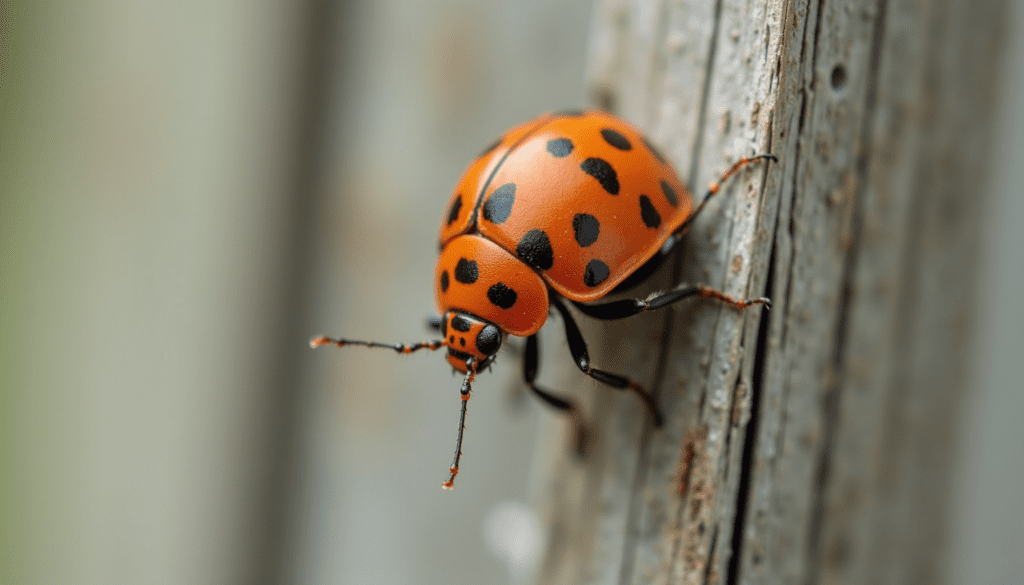
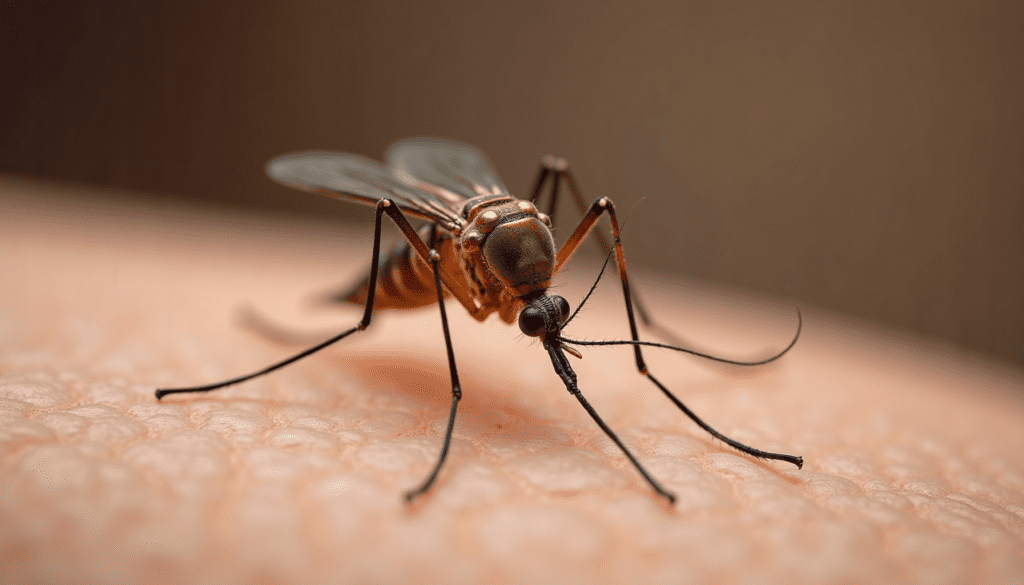
Hitting the open road in your RV promises freedom and adventure, but an unwelcome hitchhiker can quickly turn a dream trip into a nightmare. Insects like ants, cockroaches, and mosquitoes are notorious for finding their way into campers, attracted by food, moisture, and shelter. Effective RV insect control isn't just about reacting to a problem; it's about proactive prevention and smart strategies to keep your mobile home pest-free. This guide will walk you through proven, science-backed methods to bug-proof your RV, ensuring your journeys are filled with scenic views, not unwanted critters.
Bottom line:
To keep bugs out of your RV, focus on a multi-pronged approach:
- Seal all entry points: Caulk cracks, install screens, and use pest-blocking foam.
- Maintain strict sanitation: Store food in airtight containers, clean spills immediately, and remove trash daily.
- Control moisture: Fix leaks and use dehumidifiers in humid conditions.
- Monitor regularly: Use sticky traps to detect pests early.
- Target specific pests: Use baits for ants and roaches, and repellents for mosquitoes.
- Manage outdoor attractants: Turn off bright lights and eliminate standing water around your campsite.
Why RVs Are Prime Targets for Pests
RVs offer a unique combination of features that make them highly susceptible to insect infestations. They blend the characteristics of a home, a food storage unit, and a vehicle, all of which are known to attract pests. While direct statistics for RVs are limited, the prevalence of pests in similar environments provides a clear picture. For instance, up to 37% of U.S. homes report insect problems annually, with cockroaches, ants, and spiders being the most common, according to the HUD American Housing Survey. Cockroaches alone infest an estimated 14 million U.S. housing units, demonstrating their ability to exploit food and moisture in confined spaces, much like an RV. Ants are also a significant concern, with over half of pest professionals reporting increased ant infestations during warm months, which coincides with peak RV season, as noted by the National Pest Management Association (NPMA).
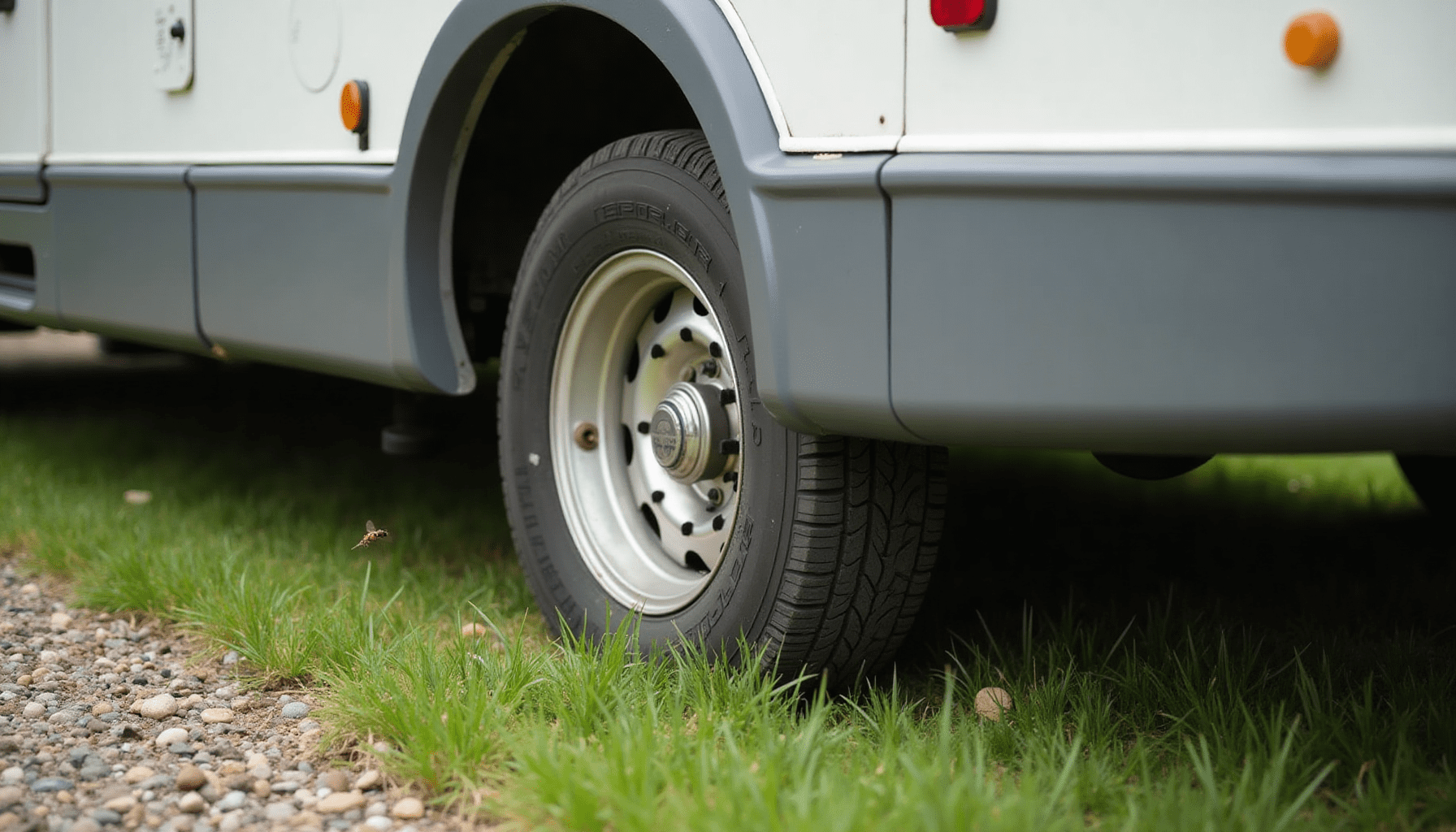
Several factors contribute to an RV's vulnerability. RVs and campers are frequently parked in or travel through wooded or water-rich environments, which are ideal habitats for mosquitoes, flies, ants, spiders, and occasional invaders like stink bugs and beetles. The structure of an RV also presents numerous entry points. With many penetrations for plumbing, electrical systems, slide-outs, and storage bays, an RV often has more potential access points per square foot than a typical house. Furthermore, the compact nature of an RV means that food storage, trash, and cramped spaces can quickly accumulate crumbs and residues, creating irresistible attractants for ants, cockroaches, flies, and stored-product pests such as pantry moths and grain beetles. Research consistently shows that homes storing unprotected food are significantly more likely to have roaches and ants, and moisture problems like leaks or high humidity can dramatically increase populations of cockroaches, silverfish, and mold-feeding insects, as detailed in the World Health Organization's Public Health Significance of Urban Pests report. Clutter, too, provides excellent harborage for spiders, roaches, and beetles, a condition that pests readily exploit.
Mastering RV Insect Control with Integrated Pest Management
Effective RV insect control goes beyond simply spraying chemicals; it relies on a comprehensive strategy known as Integrated Pest Management (IPM). This approach is recommended by leading organizations like the U.S. Environmental Protection Agency (EPA) and university extension services, because it minimizes risks to human health and the environment while maximizing pest control effectiveness. IPM combines multiple strategies to manage pests and prevent problems from occurring in the first place.
The core principles of IPM include:
- Exclusion: Physically blocking pests from entering your RV.
- Sanitation: Eliminating food, water, and shelter sources that attract pests.
- Monitoring: Regularly checking for signs of insect activity to catch problems early.
- Mechanical/Physical Controls: Using traps, vacuuming, screens, or natural dusts like diatomaceous earth.
- Targeted Chemical Controls: Applying baits or sprays sparingly and precisely as a last resort, focusing on products with low toxicity.
For RV owners, IPM is particularly well-suited. You're operating in a confined space, making it crucial to minimize pesticide exposure. Many conditions, such as food storage and sealing cracks, are often easier to control in an RV than in a full-sized home. Moreover, RVs travel through diverse ecosystems, making prevention and early detection vital to avoid hitchhiking pests. Research consistently demonstrates that exclusion and sealing gaps significantly reduce the entry of crawling insects and spiders, while screening windows and doors dramatically cuts down on flying insects like mosquitoes and flies, according to UC IPM's structural pest guidance. When chemical controls are needed, cockroach and ant baits are highly effective because pests carry the bait back to their colonies, as shown in studies published in the Journal of Economic Entomology.
Essential Steps for RV Bug-Proofing
Turning your RV into a fortress against insects requires a systematic approach, focusing on prevention, sanitation, and smart pest management. These practical tips, grounded in entomological research, will help you enjoy your adventures without unwelcome guests.
Sealing Entry Points: Exclusion is Key
The first line of defense in RV insect control is to physically block pests from entering. Even the smallest crack can be an open invitation for ants, spiders, or roaches.
- Inspect the Exterior: Carefully examine the underside of your RV, paying close attention to plumbing and electrical penetrations, propane line entry points, slide-outs, stabilizer jacks, and any frame openings. Look for gaps where the floor meets the wall, and around passthrough storage bays.
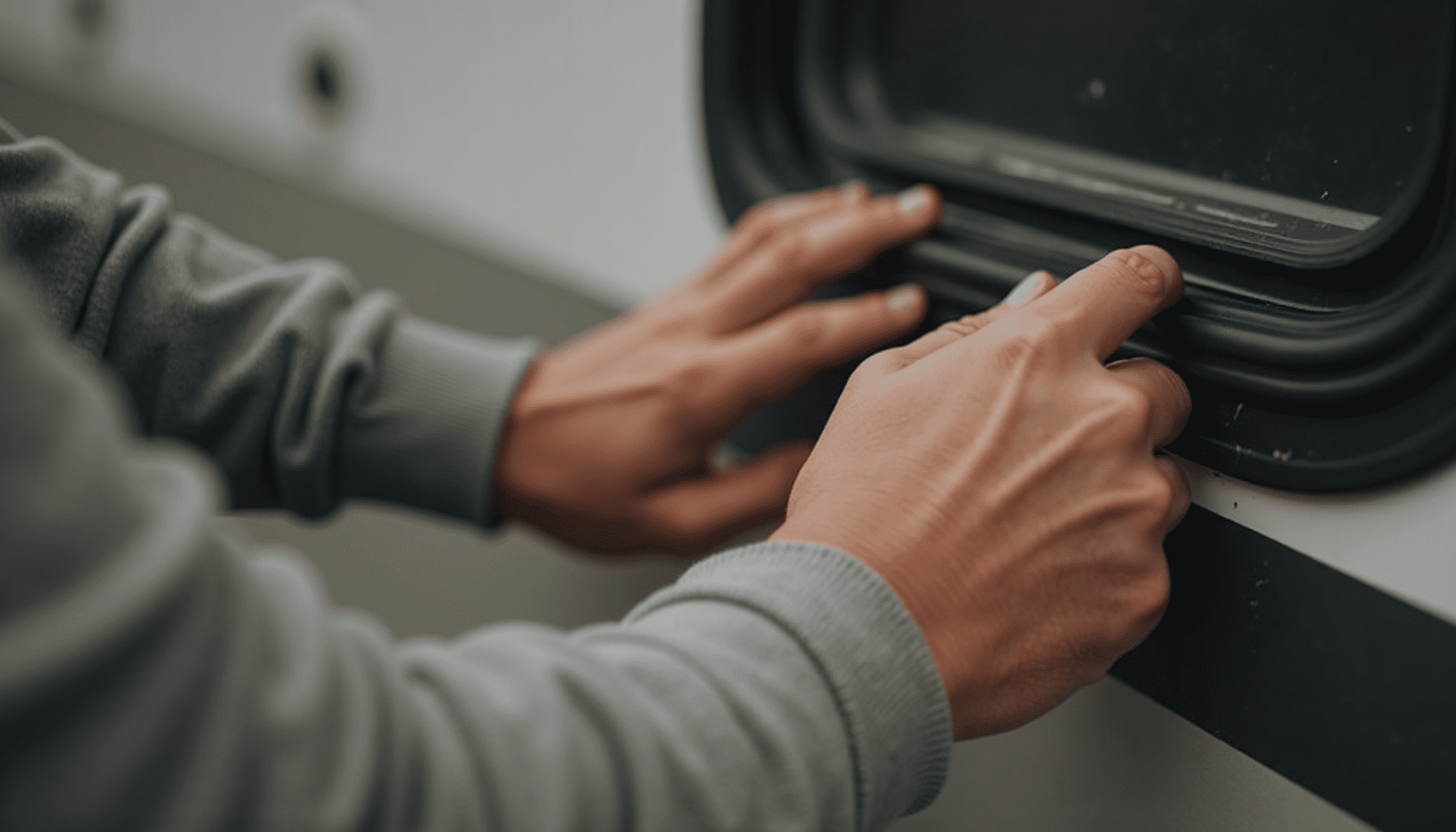
- Use the Right Sealants: For larger voids, use expanding foam specifically labeled for pest blocking, which often contains deterrents. For smaller cracks and seams, apply silicone or polyurethane caulk. Replace worn weatherstripping and door sweeps where light can be seen under doors.
- Screen All Openings: Ensure all window and roof-vent screens are intact and fit snugly. Add fine metal mesh or screen material over furnace exhaust/intake ports, water heater vents, refrigerator vents, and any roof openings where insects or wasps might nest. For serious mosquito areas, consider a magnetic screen door for your main entry or clip-on screening for awnings.
- Manage Exterior Lights: Bright white lights attract moths, beetles, and other flying insects. When possible, keep exterior porch lights off at night, or switch to yellow "bug" bulbs or warm-color LEDs, which attract fewer insects.
Sanitation: Eliminating Attractants Inside Your RV
Pests are constantly searching for food, water, and shelter. By diligently removing these attractants, you make your RV far less appealing.
- Kitchen and Food Storage: Store all dry goods, including pet food, in hard, airtight containers made of rigid plastic or glass. Wipe counters and tables immediately after preparing food, and never leave dirty dishes in the sink. Rinse recyclables and promptly dispose of trash in campground bins, ensuring your indoor trash cans are always lidded.
- Crumbs and Clutter: RVs accumulate crumbs quickly in their tight spaces. Sweep and vacuum daily during trips, paying special attention to slide mechanisms, baseboards, under dinettes, and inside sofa beds. Regular cleaning is crucial for effective [camper pest prevention].
- Moisture Control: Fix any plumbing leaks immediately, as under-sink moisture attracts roaches, ants, and fungus-feeding insects. In humid climates, use a dehumidifier or roof vent fan to reduce moisture, which discourages silverfish, mold, and some beetles.
- Storage and Fabrics: Regularly launder bedding and towels. Before use, shake out stored linens. Avoid excessive clutter in cabinets and storage bays, using clear bins to make inspection and cleaning easier.
- Storing Your RV: When storing your RV for more than a short period, remove all food items, even sealed dry goods, to prevent attraction of rodents and insects. Perform a deep clean, vacuuming upholstery, under beds, and inside drawers and cabinets, then empty the vacuum outdoors away from the rig. Leave the interior as dry as possible, using moisture absorbers or a dehumidifier if needed.
Monitoring and Targeted Pest Control
Even with the best preventative measures, some pests might find their way in. Regular monitoring and targeted treatments are essential for effective RV insect control.
Regular Inspections and Early Detection
Being vigilant allows you to catch infestations before they become major problems.
- Frequent Checks: Regularly inspect under beds, in cupboards, and in crevices for signs of insect droppings, shed wings, webbing, or live insects. Look around windows, lights, and ceilings for spiders and their webs.
- Sticky Traps: Place sticky traps or glue boards in out-of-the-way areas like behind the trash can, under the dinette, or in storage bays. These traps help you monitor which species are present and can catch crawling insects and occasional invaders.
Specific Pest Control Strategies
Different pests require different approaches. Here's how to tackle common RV invaders:
- Ants:
- Prevention: Beyond sanitation, trim vegetation away from where your RV is parked to prevent ants from using branches as bridges.
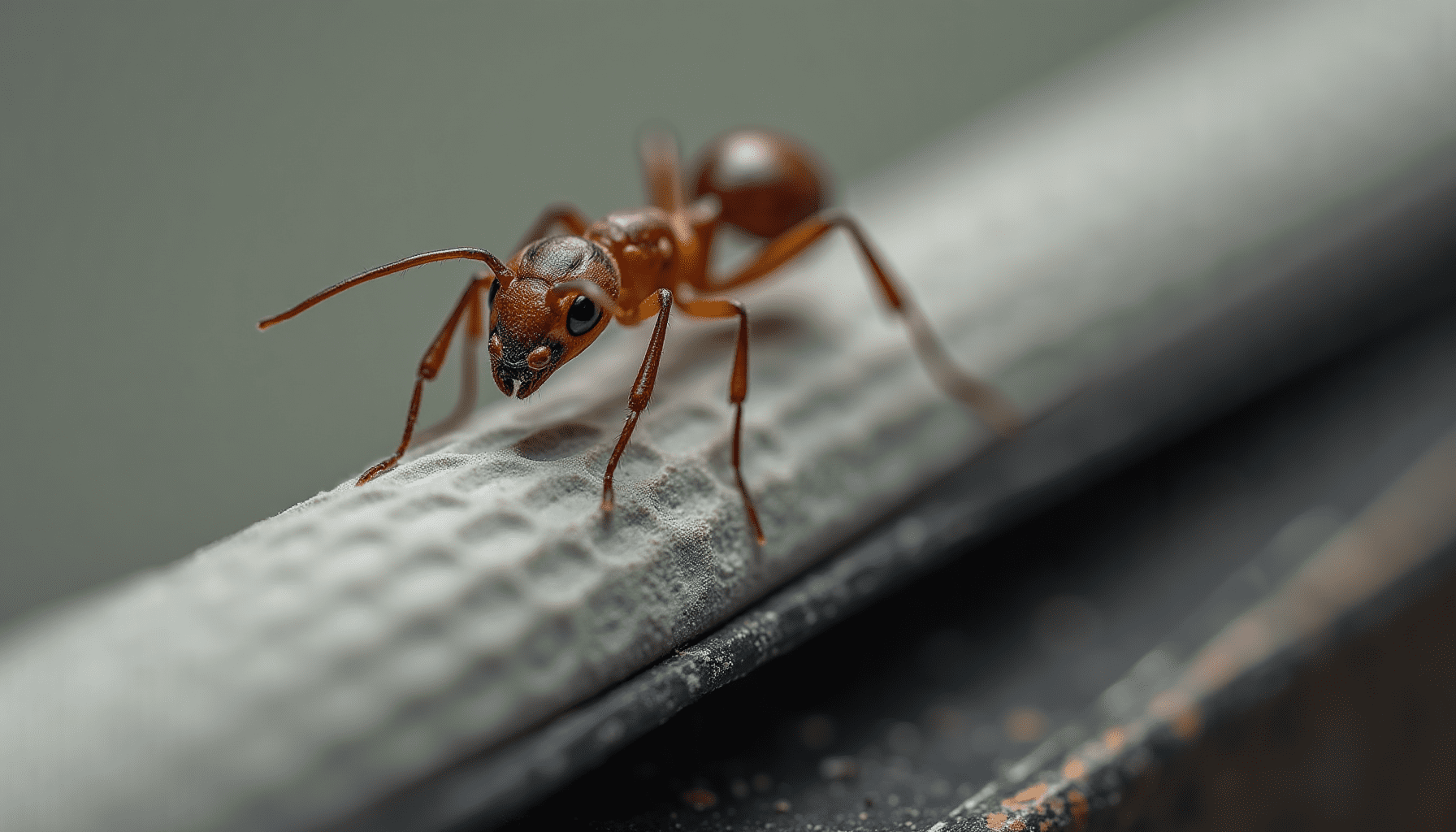
- Control: Use ant bait stations or gel baits near ant trails, ensuring they are out of reach of children and pets. Ants will carry the bait back to their colony, eliminating the source. Avoid spraying repellents directly on trails before using baits, as this can cause the colony to scatter or split.
- Cockroaches:
- Prevention: Maintain strict food storage and a dry environment.
- Control: Apply cockroach gel baits in cracks and crevices behind appliances, under the sink, and inside lower cabinets. For voids where roaches travel, lightly apply insecticidal dusts like boric acid or silica, never on exposed surfaces.
- Mosquitoes, Midges, and Flies:
- Mechanical & Outdoor Controls: Eliminate any standing water around your campsite (e.g., in buckets, saucers, or folds in tarps/awnings) to prevent breeding. For personal protection, use EPA-registered topical repellents containing DEET, picaridin, IR3535, or oil of lemon eucalyptus. Devices like Thermacell Patio Shields can create a mosquito-free zone around your outdoor seating area. Consider using screen rooms or netting under your awning.
- Indoor Control: Keep doors closed or screened. Indoor UV or LED light traps can attract and capture flying insects that make their way inside.
- Spiders:
- Prevention: Spiders follow their prey, so reducing flying insects with screens and light management will help. Regularly vacuum webs and spiders, and seal cracks where they can hide.
- Repellents: Peppermint oil and similar scents may deter spiders from certain areas and are popular among RVers, but their effect is variable and short-term. Use these as a supplement to cleaning and exclusion, not as your primary defense.
- Stored-Product Pests (Pantry Moths, Beetles):
- Prevention: Inspect grains, cereals, pet food, nuts, and dried fruits before loading them into your RV. Store them in sealed hard containers and immediately discard any infested products.
- Control: If you spot moths, webbing, or beetles, thoroughly vacuum and clean shelves.
- Diatomaceous Earth (DE): Food-grade DE can be used around the perimeter of your RV, under steps, or at entry points. It's a physical, non-chemical desiccant that dehydrates insects. Apply it in thin layers, avoiding breathing the dust.
"Natural" and Botanical Options
Many RV owners prefer "natural" products, especially in small living spaces. While these can be helpful, it's important to understand their limitations.
- Botanical Sachets/Repellents: Products containing peppermint, rosemary, or other essential oils can help deter spiders, moths, and some insects in enclosed spaces like cabinets.
- DIY Sprays: Popular mixes like peppermint oil + dish soap + water can discourage some insects and provide contact kill for soft-bodied pests, but they are not long-lasting and offer no residual protection.
- Best Use: These options are best used as supplements to exclusion and sanitation, not as standalone solutions. Do not rely on scent alone for comprehensive [RV bug proofing].
Common Misconceptions About RV Pest Control
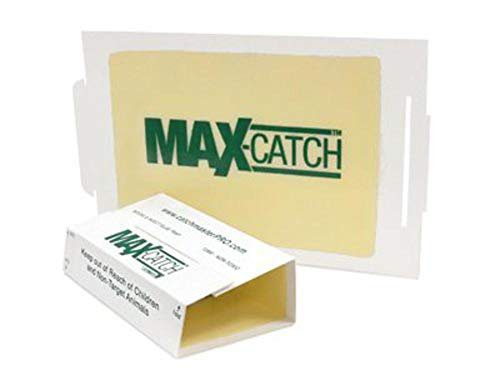
Aligns with the recommendation to ‘Monitor regularly: Use sticky traps to detect pests early,’ providing an effective tool for early detection of various crawling insects.
- Very effective at catching mice, spiders, and other crawling insects, including in dusty or dry areas
- Peanut butter scent attracts rodents without needing additional bait and is easy to set up and use
- Non‑toxic glue that is considered safe to use around pets and kids when placed properly
- Some reports of mice partially escaping or not being fully secured if not placed optimally
- Traps can collect dust and debris over time, reducing stickiness and requiring more frequent replacement
When it comes to keeping insects out of your RV, misinformation can lead to ineffective strategies and ongoing frustration. Let's debunk some common myths:
- "One spray and my RV is bug-free."
- Reality: Many insects fly in from the surrounding environment, and crawling pests are adept at finding new entry points. Chemical sprays are only one small part of IPM and often provide limited, time-bound control. For comprehensive protection, a multi-faceted approach is needed.
- "Essential oils alone will keep all pests out."
- Reality: While some essential oils show repellency or toxicity in lab studies, their field performance is often inconsistent and short-lived. They work best as a supplementary deterrent alongside sealing, cleaning, and proper storage, not as a complete solution.
- "Ultrasonic pest repellers will solve the problem."
- Reality: Multiple independent tests and consumer protection agencies have repeatedly found little to no reliable effect of ultrasonic devices on rodents or insects. Relying on them can give a false sense of security and delay the implementation of truly effective pest-proofing methods.
- "If my RV is clean, I'll never get pests."
- Reality: While cleanliness significantly reduces risk, it doesn't make your RV immune. When parked in wooded or rural areas, occasional invaders like stink bugs, beetles, or spiders can still wander in through tiny gaps. Cleanliness is a necessary foundation, but not a sufficient standalone solution.
- "More pesticide is better."
- Reality: Overusing insecticides, especially in a small, enclosed space like an RV, can increase health risks and lead to pesticide resistance. It can also drive pests deeper into walls, making them harder to control. Targeted baits and precise application at low doses are generally more effective and safer.
- "I can ignore an isolated ant or roach."
- Reality: Seeing one ant or roach often indicates that others are present or that a trail or harborage is nearby. Early action—identifying the trail, placing baits, and improving sealing—is crucial to prevent a full-blown infestation.
Conclusion: Enjoy Your Pest-Free Travels
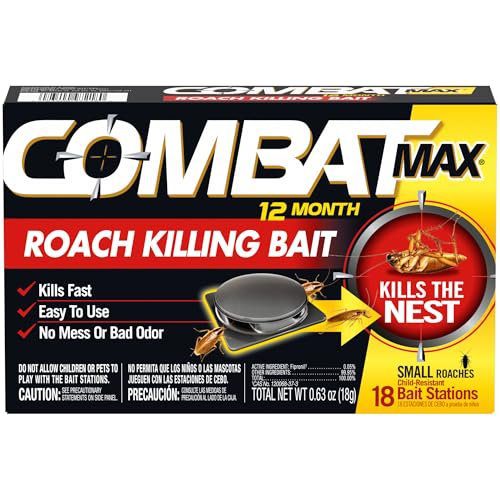
Explicitly recommended for ‘Target specific pests: Use baits for ants and roaches.’ This provides a direct solution for common RV invaders like cockroaches.
- Effectively kills small (German) roaches and noticeably reduces infestations within days to a couple of weeks
- Long‑lasting protection (up to 12 months) without strong odor, fumes, or visible mess compared with sprays
- Small, low‑profile, child‑resistant bait stations that are easy to place in tight spaces like cabinets and along baseboards
- May require patience or multiple placements, with some users seeing slower results or needing repeat purchases for severe infestations
- Bait stations can be moved or tampered with by pets or children if not well hidden, and a few users report roaches avoiding certain placements
Effective RV insect control is an ongoing process that blends prevention, vigilance, and targeted action. By embracing Integrated Pest Management principles—focusing on exclusion, sanitation, monitoring, and strategic treatments—you can significantly reduce the likelihood of encountering unwanted pests in your camper. Remember that a clean, well-sealed RV is your best defense, allowing you to fully immerse yourself in the beauty of nature without the distraction of crawling or flying invaders.
Don't let bugs dictate your travel plans. With these proactive steps, you can ensure your RV remains a comfortable, pest-free sanctuary on wheels. For more tips on protecting yourself and your camping gear from insects, explore our guides on best insect repellent for camping and insect-proof camping gear. You might also find our advice on how to keep bugs away from standing water and our comprehensive summer bug protection checklist helpful for your next adventure. Happy travels!
Recommended Products
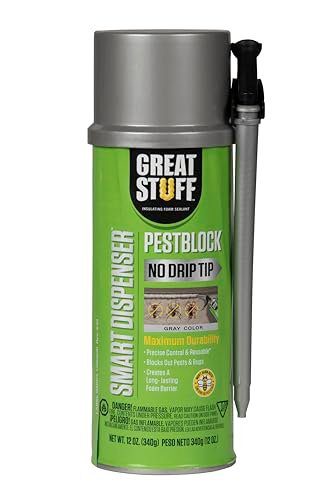
This product directly addresses the primary recommendation to ‘Seal all entry points’ using ‘pest-blocking foam,’ which is crucial for preventing insects from entering the RV.
- Very effective at sealing gaps and cracks to block pests like insects and rodents
- Smart Dispenser straw gives precise control with less mess and reduced dripping
- Reusable can/dispenser for multiple applications over time when stored properly
- Foam expands significantly, so beginners may overfill gaps and need to trim excess after curing
- Cure/dry time can be longer than expected for deep fills, requiring several hours before fully hardened
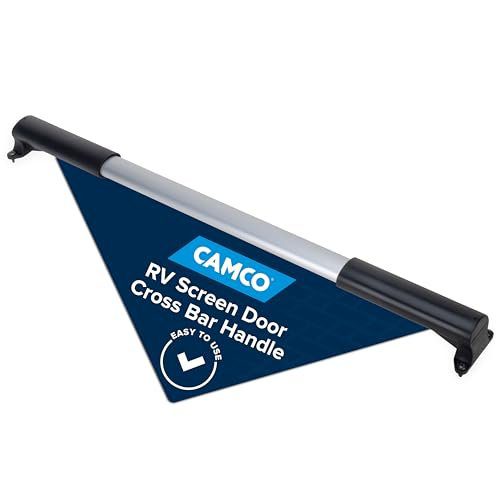
Addresses the ‘install screens’ aspect of sealing entry points, offering an RV-specific solution to repair or reinforce screens, a common entry point for insects.
- Makes it much easier to open and close the RV screen door by providing a solid grab handle at a comfortable height
- Helps protect the screen door from being pushed on or damaged, especially by kids or pets
- Adjustable aluminum bar fits most standard RV screen doors and is straightforward to install with included hardware
- Requires drilling into the screen door frame, which some users find intimidating or inconvenient
- Adjustment range and handle placement may not perfectly match every RV door, sometimes requiring extra measuring or minor modifications
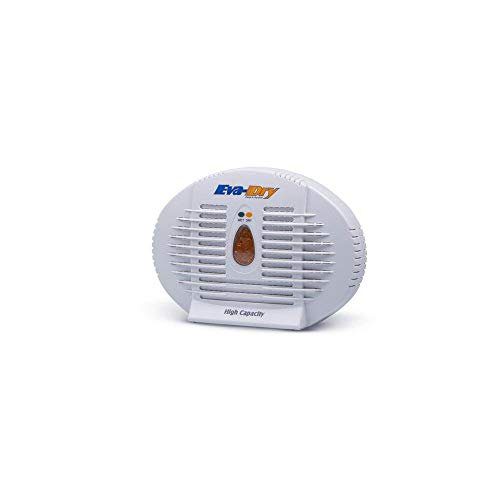
Supports the strategy to ‘Control moisture: Fix leaks and use dehumidifiers in humid conditions,’ as excess moisture attracts many pests to RVs.
- Effectively reduces moisture and musty odors in small enclosed spaces like gun safes, closets, RVs, and cabinets
- Long-lasting renewable desiccant design that works without cords or batteries and can be recharged repeatedly over many years
- Simple to use and monitor, with color-changing beads to indicate when it needs recharging and generally low maintenance
- Limited capacity and effectiveness, suitable only for very small areas or mild humidity problems and may require multiple units for larger spaces
- Requires long recharge times and must be removed to a well-ventilated area for recharging, which some users find inconvenient
As an Amazon Associate, I earn from qualifying purchases. Product recommendations are based on real reviews and independent research.