Heading into the wilderness for a camping adventure promises fresh air, stunning views, and a much-needed escape from daily life. However, unwelcome guests like mosquitoes and ticks can quickly turn a peaceful retreat into a miserable experience, posing risks from itchy bites to serious diseases. Choosing the best insect repellent for camping is not just about comfort; it's a critical part of your outdoor safety gear. This comprehensive guide will help you understand the most effective options, from skin-applied sprays to gear treatments and area protection, ensuring you stay bite-free and enjoy your time in nature.
Bottom line:
For comprehensive outdoor insect protection during camping, a layered approach is most effective:
- Skin: Use an EPA-registered insect repellent containing DEET (20-30%) or Picaridin (10-20%) on exposed skin. These are the most proven options for both mosquitoes and ticks.
- Clothing & Gear: Treat your outerwear, socks, and tent fabric with permethrin spray (0.5%). This creates a long-lasting barrier that repels and kills insects on contact, especially ticks.
- Campsite: Consider a Thermacell-type device for a mosquito-free zone around your stationary camp, but remember it's a supplement, not a primary defense.
- Behavior: Wear long sleeves and pants, avoid peak insect activity times, and perform daily tick checks.
Understanding Camping Insect Risks
Before diving into repellents, it's essential to understand the primary insect threats you'll face while camping and why protection is so important. Mosquitoes and ticks are not just annoying; they are vectors for various diseases that can significantly impact your health.
Mosquitoes: The Silent Threat
Mosquitoes are often called the world's deadliest animals, responsible for over 700,000 deaths each year globally, primarily from diseases like malaria and dengue, according to the World Health Organization (WHO). In the continental U.S., West Nile virus is the leading mosquito-borne illness, with thousands of cases reported annually, as detailed by the Centers for Disease Control and Prevention (CDC).
Mosquito activity typically peaks from dusk through dawn, especially in warm, humid, and wind-sheltered areas near standing water. This makes evenings around the campfire a prime time for bites. Beyond the risk of disease, mosquito bites can cause intense itching, allergic reactions, and secondary skin infections. Effective mosquito protection is crucial for both comfort and health.
Ticks: Tiny but Dangerous
Ticks are another major concern for campers, particularly in wooded and grassy areas. They transmit diseases such as Lyme disease, anaplasmosis, and babesiosis. The CDC estimates that roughly 476,000 people may contract Lyme disease each year in the U.S. Ticks are active whenever temperatures are above freezing, with peak risk often occurring in spring and summer in many regions.
Unlike mosquitoes, ticks don't fly or jump; they wait on vegetation to latch onto a passing host. They can be incredibly small, especially in their nymphal stage (about the size of a poppy seed), making them hard to spot. A tick bite itself is often painless, meaning you might not realize you've been bitten until hours or even days later. Preventing tick bites requires a combination of vigilance and effective repellents.
Top EPA-Registered Insect Repellents for Skin
When selecting the best insect repellent for camping to apply directly to your skin, prioritize products registered by the U.S. Environmental Protection Agency (EPA). EPA registration means the product has been evaluated for human and environmental safety and proven effective when used as directed. The CDC also endorses these active ingredients for effective protection against mosquitoes and ticks.
DEET: The Gold Standard
DEET (N,N-diethyl-meta-toluamide) has been EPA-registered since 1957 and is widely considered the "gold standard" due to decades of data and broad protection against mosquitoes, ticks, biting flies, chiggers, and fleas.
- Efficacy: Its effectiveness correlates with concentration. A 10% DEET formula can provide about 2 hours of protection, while 30% DEET offers up to 6 hours or more. Higher concentrations primarily increase the duration of protection, not the "strength" of repellency, as noted by REI experts.
- Pros: Longest track record, highly effective against a wide range of biting insects.
- Cons: Can feel oily, has a distinct odor, and may soften or damage some plastics, synthetic fabrics, and varnished surfaces.
- Use for Camping: Opt for 20-30% DEET for most camping trips. Up to 50% may be suitable for extended or extreme exposure, but concentrations above this offer minimal additional benefit and are not recommended for children.
Picaridin: A Modern Alternative
Picaridin (also known as Icaridin) was developed as a DEET alternative and offers comparable efficacy against mosquitoes and ticks with generally better cosmetic properties.
- Efficacy: A 20% picaridin formulation can provide protection against mosquitoes and ticks for up to 12-14 hours in controlled tests, according to REI. Multiple trials have shown its efficacy to be similar to DEET.
- Pros: Low odor, less greasy feel, and doesn't damage plastics or synthetic materials, making it safer for gear. The EPA regards it as low-toxicity and safe when used according to the label.
- Cons: Availability may vary, and some users report shorter field duration than label claims in extreme conditions compared to DEET.
- Use for Camping: 10-20% picaridin is an excellent choice for campers seeking a DEET-free synthetic option that is effective and gear-safe.
Oil of Lemon Eucalyptus (OLE/PMD) & IR3535
These active ingredients offer good mosquito protection and are recognized by the CDC as effective options, especially for those avoiding DEET or picaridin.
- Oil of Lemon Eucalyptus (OLE/PMD): This plant-derived active ingredient (specifically para-menthane-3,8-diol or PMD) can repel mosquitoes for up to 6 hours depending on the formulation (typically 20-30% PMD). It has a strong, distinct scent and is not recommended for children under 3 years old, as per CDC guidelines. Some products are also labeled for tick repellency.
- IR3535: Often used in Europe, IR3535 (ethyl butylacetylaminopropionate) can provide up to 8 hours of mosquito protection at high concentrations (20%) in ideal conditions. It's generally well-tolerated and sometimes combined with sunscreen. However, its evidence base for tick repellency is less robust than DEET or picaridin.
Natural Essential Oils: What to Know
Many "natural" repellents containing essential oils like citronella, peppermint, or geraniol are available. While some may offer short-term repellency in lab settings, their protection times in real-world conditions are often significantly shorter—sometimes just minutes to an hour or two.
- Expert Consensus: Public health organizations and entomologists generally do not recommend these as stand-alone protection in high-risk environments (heavy mosquito or tick pressure, disease-endemic areas). They may be suitable for very low-risk, short-duration exposure, but they are not the best insect repellent for camping when serious protection is needed.
- Actionable Takeaway: If you prefer natural options, be prepared to reapply very frequently and understand their limitations. For serious camping, combine them with other protective measures.
Permethrin: Essential for Clothing and Gear
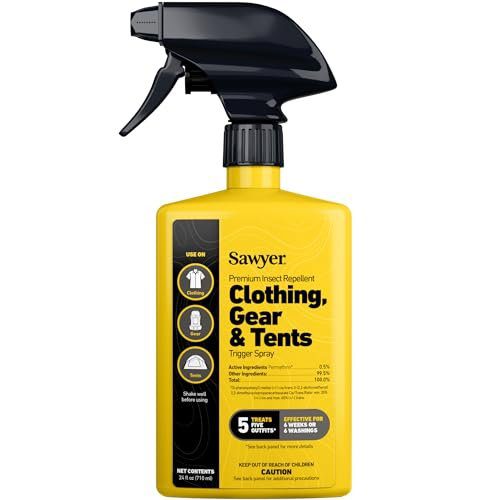
This product directly addresses the recommendation to treat outerwear, socks, and tent fabric with permethrin spray (0.5%) to create a long-lasting barrier against insects, especially ticks, which are a major concern for campers.
- Effective at repelling and killing ticks, mosquitoes, and other insects on treated clothing and gear
- Easy to apply with a fast-drying spray that bonds to fabric and is odorless once dry
- Long-lasting protection, typically up to 6 weeks or about 6 washings
- Can be messy or cumbersome to spray evenly over clothing and gear
- Requires reapplication after washing or after the effectiveness period ends
Permethrin is a synthetic insecticide that acts as a powerful repellent and killer of insects, particularly ticks and mosquitoes, upon contact. It is not for skin application but is crucial for treating clothing and gear. This is a key component of a comprehensive outdoor insect protection strategy.
Why Treat Your Gear?
Permethrin-treated clothing and gear create an invisible barrier that ticks and mosquitoes cannot cross. When an insect lands on treated fabric, it quickly becomes disoriented and often dies. This is especially effective for preventing tick bites, as ticks must crawl on clothing to reach skin.
- Long-Lasting: Factory-treated garments can retain efficacy through at least 25-70 wash cycles. DIY sprays, applied correctly, can last for several weeks or washes.
- Targeted Protection: Ideal for tick-heavy regions, long backpacking trips, or for children, as it reduces the need for frequent skin repellent application.
- Items to Treat: Pants, socks, gaiters, shirts, hats, tent doors, ground cloths, hammocks, and camp chairs.
How to Apply Permethrin Safely
Permethrin is toxic to cats and aquatic life in its liquid form, but once dried on fabric, it binds tightly and is considered safe for humans (including children) when used as directed, according to the EPA.
- Off-Body Application: Always treat clothing and gear off your body in a well-ventilated outdoor area.
- Allow to Dry: Let treated items dry completely (at least 2-4 hours, or as directed by the product label) before wearing or packing.
- Avoid Waterproof Fabrics: Do not treat waterproof or breathable fabrics that might absorb poorly or be damaged.
- Internal Link: For detailed instructions, explore our guide on the Best Permethrin Clothing Sprays.
Enhancing Protection with Spatial Repellents & Barriers
While skin repellents and treated clothing form the core of your defense, spatial repellents and physical barriers can significantly enhance your comfort and safety at the campsite.
Thermacell Devices: Area Protection
Thermacell-type devices use a small heating element to disperse a repellent (often allethrin, a synthetic pyrethroid) into the air, creating a "mosquito protection zone" around a stationary area.
- How they work: These devices are marketed to create a zone of approximately 15-20 feet (4.5-6 m) in radius in calm air. Manufacturer and independent field tests show noticeable reductions in mosquito landings in low-wind conditions, as highlighted by Thermacell and Wildland Trekking.
- Best Use: Ideal for picnic tables, cooking areas, or seating circles where people remain relatively stationary. They work best in light or no wind.
- Limitations: They do not protect you while hiking away from the device, are not effective against ticks, and performance drops significantly in windy or open environments.
- Actionable Takeaway: Consider Thermacell a valuable supplement for campsite comfort, but not a replacement for personal skin repellents and permethrin-treated clothing.
Mosquito Nets and Screens
Physical barriers are a simple yet highly effective way to keep insects out of your personal space, especially while sleeping or relaxing.
- Tents and Shelters: Ensure your tent has fine-mesh doors and windows without holes. For extra protection, consider standalone net shelters for picnic tables or hammocks.
- Head Nets: For extremely buggy conditions, especially in boreal or alpine environments where mosquitoes can swarm, an ultralight head net is invaluable.
- Check Hole Size: For maximum protection against small mosquitoes and midges, ensure the mesh hole size is less than 1.2 mm.
- Internal Link: To learn more about selecting the right physical barriers, check out our guide on the Best Mosquito Nets for Camping.
Smart Application & Camp Practices for Maximum Protection
Even the best insect repellent for camping won't work if applied incorrectly or if you neglect basic camp hygiene. Integrating smart application techniques and campsite practices can significantly reduce your risk of bites.
Applying Skin Repellents Correctly
The CDC and EPA provide clear guidelines for safe and effective repellent application:
- Apply After Sunscreen: If using both, apply broad-spectrum sunscreen first, allow it to absorb, then apply insect repellent to exposed skin and outer clothing.
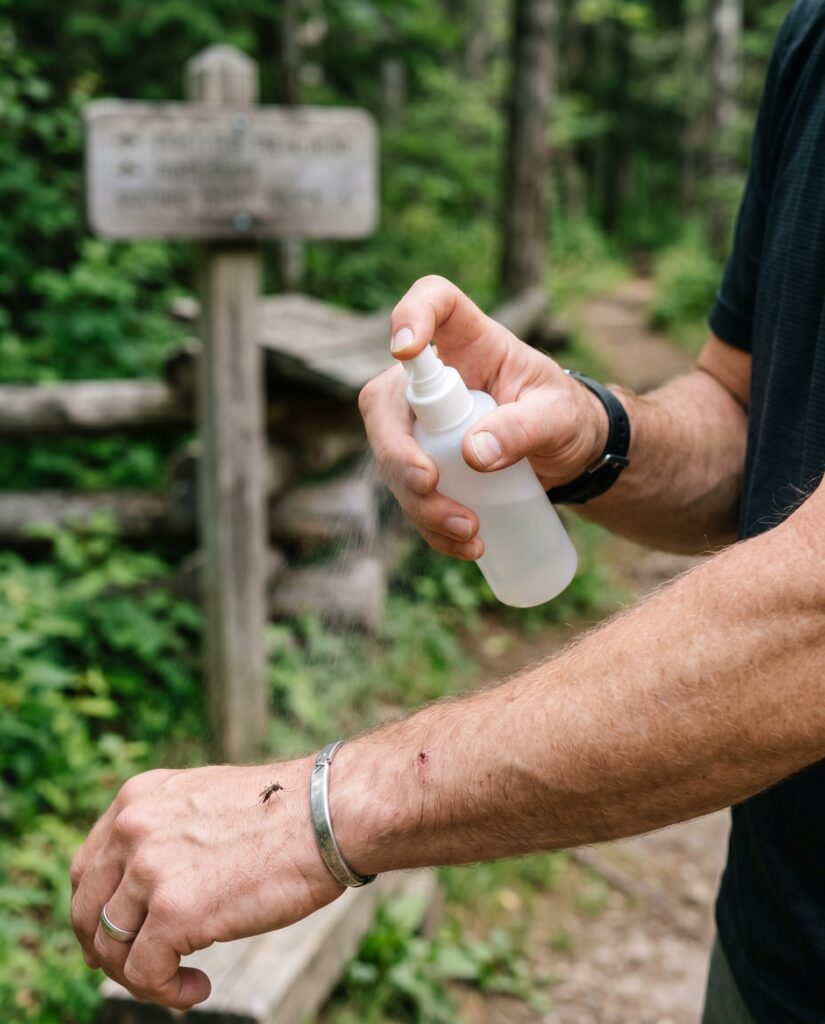
- Use Just Enough: A thin, even layer is sufficient; do not drench your skin. Spray into your hands to apply to your face, carefully avoiding eyes and mouth.
- Avoid Wounds: Do not apply repellent over cuts, sunburn, or irritated skin.
- Reapply as Needed: Repellent duration varies by concentration and activity level (sweating, swimming). Reapply if you notice increased insect landings, following product label instructions. For 20-30% DEET or picaridin, this is typically every 5-8 hours.
- Wash Off: After returning to camp for the night, wash treated skin with soap and water.
- Children: Adults should apply repellent to their own hands first, then apply to the child, avoiding their hands, eyes, and mouth. Do not use Oil of Lemon Eucalyptus (OLE/PMD) on children under 3 years. The CDC suggests 10-30% DEET or picaridin for kids, using the lowest effective concentration.

Strategic Camp Setup and Behavior
Beyond repellents, your choice of campsite and daily habits play a huge role in preventing insect encounters.
- Campsite Selection: Choose a slightly elevated spot if possible, and avoid low, marshy, or boggy areas. Stay away from obvious standing water sources like ponds, puddles, or slow streams, which are prime mosquito breeding grounds.
- Reduce Breeding Habitat: Regularly empty water from buckets, tarps, dishes, and coolers around your camp. Keep trash sealed and away from your sleeping area.
- Time Activities Strategically: Mosquito pressure is often worst at dusk and dawn. Plan long hikes during midday when mosquitoes may be less active, depending on the species and climate.
- Wear Appropriate Clothing: In tick-heavy areas, wear long sleeves, long pants, socks, and closed shoes. Light-colored clothing makes ticks easier to spot.
- Perform Tick Checks: Conduct at least one thorough tick check daily, or more often in high-risk areas. Pay close attention to hidden spots like behind the knees, groin, waistband, under arms, scalp, and behind ears. Promptly remove any attached ticks with fine-tipped tweezers.
Debunking Common Insect Repellent Myths
Misinformation about insect repellents can put your health at risk. Let's clarify some common misconceptions:
- "Higher DEET concentration means more powerful repellent." Above about 30-50%, DEET primarily increases duration, not "strength" of protection. Concentrations over 50% are rarely necessary and not recommended for children, according to REI.
- "Natural essential oil sprays are as good as DEET or picaridin." Most essential oil sprays offer significantly shorter protection times (often less than an hour) and are not recommended as sole protection in high-risk areas.
- "Bug zappers control mosquitoes around camp." Bug zappers primarily kill non-biting insects and have minimal impact on overall mosquito biting rates or disease transmission.
- "Thermacell or coils mean I don't need to treat clothing or use skin repellent." Spatial repellents create a zone of protection in calm conditions but do not protect you while moving or address ticks. They are a supplement to a layered approach, not a replacement.
- "Permethrin is dangerous to wear on clothing." While permethrin is toxic to cats and aquatic life in its liquid form, once dried on fabric, it binds tightly and is considered safe for humans when used as directed by the EPA.
- "Bugs only bite at night." Many mosquito species are crepuscular (active at dusk/dawn) or nocturnal, but others are active during the day. Ticks are active whenever conditions are suitable.
- "If I don't see ticks, I'm safe from tick-borne disease." Nymphal ticks are tiny and easily overlooked. Vigilant inspection and clothing strategies are essential even if you don't spot adult ticks.
Conclusion: Stay Safe and Enjoy the Outdoors
Preparing for a camping trip means more than just packing a tent and sleeping bag; it means equipping yourself with the knowledge and tools to stay safe from biting insects. By choosing the best insect repellent for camping—a combination of EPA-registered skin repellents like DEET or picaridin, permethrin-treated clothing, and smart campsite practices—you can significantly reduce your risk of bites and vector-borne diseases.
Embrace a layered approach to protection, remain vigilant with tick checks, and enjoy the tranquility of nature without the constant annoyance and worry of insects. For more detailed insights into specific repellents, explore our guides on Best Mosquito Repellents: DEET, Picaridin & Natural Options and Best Tick Repellents for Humans. Your next camping adventure should be memorable for its beauty, not its bites.
Recommended Products
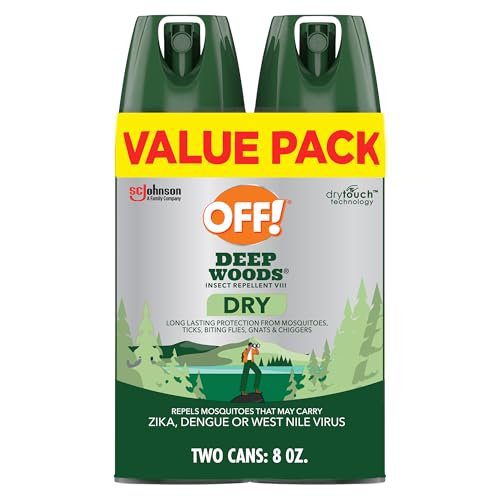
This DEET-based repellent is a primary recommendation for skin-applied protection against mosquitoes and ticks, fitting the ‘Skin: Use an EPA-registered insect repellent containing DEET (20-30%)’ guidance.
- Effective mosquito and tick protection; reviewers say it works very well outdoors.
- Dry, non-greasy formula that feels comfortable on skin and doesn’t leave a greasy residue.
- Easy spray application with a pleasant or at least improved scent compared with many bug sprays.
- Some reviewers mention a strong initial odor.
- A few users note occasional skin irritation or that the smell can be unpleasant to them.
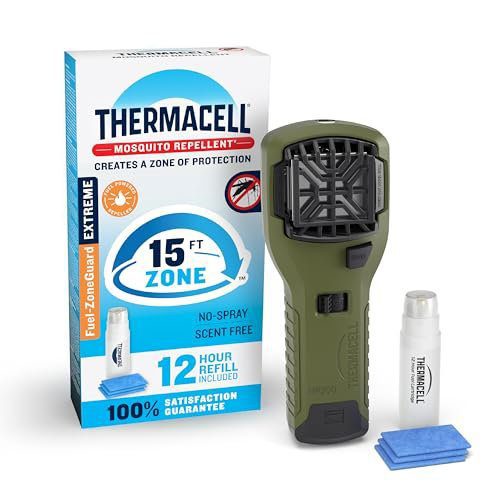
The article specifically suggests considering a ‘Thermacell-type device’ for creating a mosquito-free zone around a stationary camp, making this product highly relevant for campsite area protection.
- Effectively reduces mosquito bites within its roughly 15-foot protection zone when users remain relatively stationary outdoors (e.g., patios, campsites, hunting blinds)
- Scent-free, DEET-free operation without topical sprays, making it more comfortable for users who dislike greasy or strong-smelling repellents
- Portable and easy to use, with simple fuel-cartridge operation and compatibility with standard Thermacell fuel/refill packs for convenient refilling
- Protection zone can be inconsistent in wind or when users move around, and it does not work on deer flies or horse flies
- Operating costs add up over time due to replacement fuel cartridges and repellent mats, which some users find expensive for frequent or long-duration use
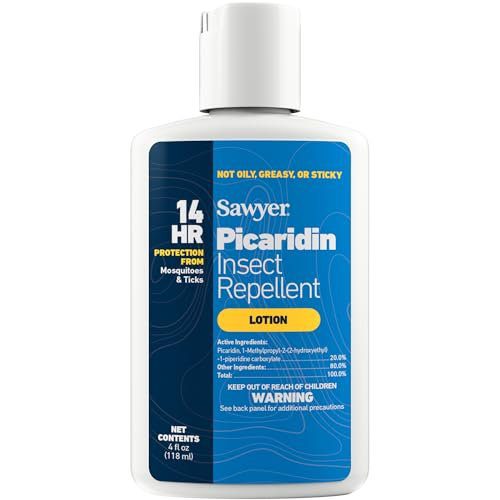
As an alternative to DEET, Picaridin (10-20%) is also recommended for skin-applied protection against mosquitoes and ticks, offering a proven option for campers who prefer a non-DEET formula.
- Long-lasting protection against mosquitoes, ticks, and biting flies
- Low-odor, non-greasy lotion that doesn’t leave an oily feel
- Does not damage plastics, gear, or synthetic coatings like DEET can
- Some users prefer the spray because the lotion can feel thicker or take longer to apply
- A few reviewers mention packaging/leakage concerns and wanting smaller or easier-to-carry sizes
As an Amazon Associate, I earn from qualifying purchases. Product recommendations are based on real reviews and independent research.