The rustle of leaves, the scent of pine, the vastness of the trail – these are the joys of hiking and backpacking. But a single, persistent mosquito or the unseen threat of a tick can quickly turn an invigorating adventure into an itchy ordeal, or worse, a health concern. Choosing the best insect repellent hiking can make all the difference, providing the peace of mind you need to fully immerse yourself in nature. This guide will help you navigate the options, from powerful synthetic sprays to effective plant-based choices, ensuring your next outdoor excursion is as bite-free as possible.
What to do first:
For comprehensive protection against mosquitoes and ticks during your hike or backpacking trip, consider a dual approach:
- Skin Repellent: Apply an EPA-registered repellent containing 20-30% DEET or 20% Picaridin to all exposed skin. These offer the longest and most reliable protection.
- Clothing Treatment: Treat your hiking clothes, socks, and gear with permethrin spray. This adds an invisible barrier that repels and kills ticks and mosquitoes on contact, lasting for weeks or multiple washes.
Choosing Your Outdoor Insect Protection
Selecting the right insect repellent depends on several factors: the specific pests you're trying to avoid, the duration and location of your trip, and your personal preferences. Mosquitoes and ticks pose the most common threats on trails, and understanding the active ingredients that target them is key.
Understanding Key Repellent Ingredients
Major public health agencies like the Centers for Disease Control and Prevention (CDC) and the Environmental Protection Agency (EPA) endorse several active ingredients for their proven efficacy and safety when used as directed.
DEET (N,N-diethyl-meta-toluamide)
Often considered the "gold standard," DEET has been used for over 70 years. Concentrations of 10-30% typically provide 2 to 6+ hours of protection against mosquitoes, ticks, biting flies, chiggers, and fleas. For most hiking and backpacking scenarios, a 20-30% DEET product offers a practical balance of duration and comfort. Higher concentrations, up to 50%, extend the protection time but do not significantly increase efficacy.
Picaridin (Icaridin)
A synthetic compound similar to a natural extract from pepper plants, picaridin is a popular alternative to DEET. Formulations with 20% picaridin can provide up to 12-14 hours of protection against mosquitoes and ticks, and up to 8 hours against many biting flies. Picaridin is often preferred because it's non-greasy, has a low odor, and doesn't dissolve plastics or synthetic fabrics, making it gear-friendly. Studies have shown its performance to be comparable or even superior to DEET in some cases, particularly against certain flies and ticks, as noted in research published in the Journal of Travel Medicine.
Oil of Lemon Eucalyptus (OLE / PMD)
This plant-based repellent contains PMD (para-menthane-3,8-diol), either refined from the plant or synthesized. OLE (typically 30-40% PMD) offers up to 6 hours of mosquito protection and is listed by the CDC as an effective plant-based option. It's a good choice for those seeking a natural alternative, but it's not recommended for children under three years old.
IR3535 (Ethyl butylacetylaminopropionate)
This synthetic amino-acid derivative is widely used in Europe and is gaining traction in the U.S. A 20% concentration of IR3535 can provide up to 8 hours of protection against mosquitoes and some ticks. It's generally well-tolerated and can be found in various lotion and spray formulations.
Permethrin (for clothing and gear only)
Unlike skin repellents, permethrin is an insecticide designed to be applied to clothing and gear, not directly to skin. When properly applied, permethrin-treated garments can remain effective for about six weeks or six washes. This treatment significantly reduces tick bites and tick attachment, as demonstrated in studies like one published in Ticks and Tick-borne Diseases. It creates an invisible, odorless barrier that repels and kills insects on contact. For hikers in tick-heavy areas, permethrin-treated clothing is a cornerstone of protection. You can learn more about Best Permethrin Clothing Sprays in our detailed guide.
Comparing Top Repellent Options
When deciding which repellent is the best insect repellent hiking for your needs, consider this quick comparison:
-
DEET (20-30%)
- Pros: Broad-spectrum, long-lasting (5-6+ hours), well-studied safety record.
- Cons: Can have a distinct odor, may damage some synthetic fabrics and plastics.
- Best for: High bug pressure, diverse pest threats, long excursions.
-
Picaridin (20%)
- Pros: Long-lasting (8-14 hours), non-greasy, low odor, won't damage gear.
- Cons: Newer to the market than DEET, less data on long-term safety (though current data is positive).
- Best for: General hiking, moderate to high bug pressure, sensitive skin, gear protection.
-
Oil of Lemon Eucalyptus (30-40% PMD)
- Pros: Plant-based, pleasant scent, provides reasonable protection (up to 6 hours).
- Cons: Shorter duration than DEET/Picaridin, not for children under 3.
- Best for: Shorter hikes, those preferring natural options, moderate bug pressure.
For a deeper dive into these options, explore our article on comparing DEET, Picaridin, and oil of lemon eucalyptus.
Application & Clothing Strategies for Bite-Free Trails
Effective insect protection goes beyond just choosing the right product; it's also about how you use it and what you wear. Implementing smart application techniques and utilizing physical barriers can significantly reduce your risk of bites.
Best Practices for Skin-Applied Repellents
Applying repellents correctly maximizes their effectiveness and minimizes potential irritation.
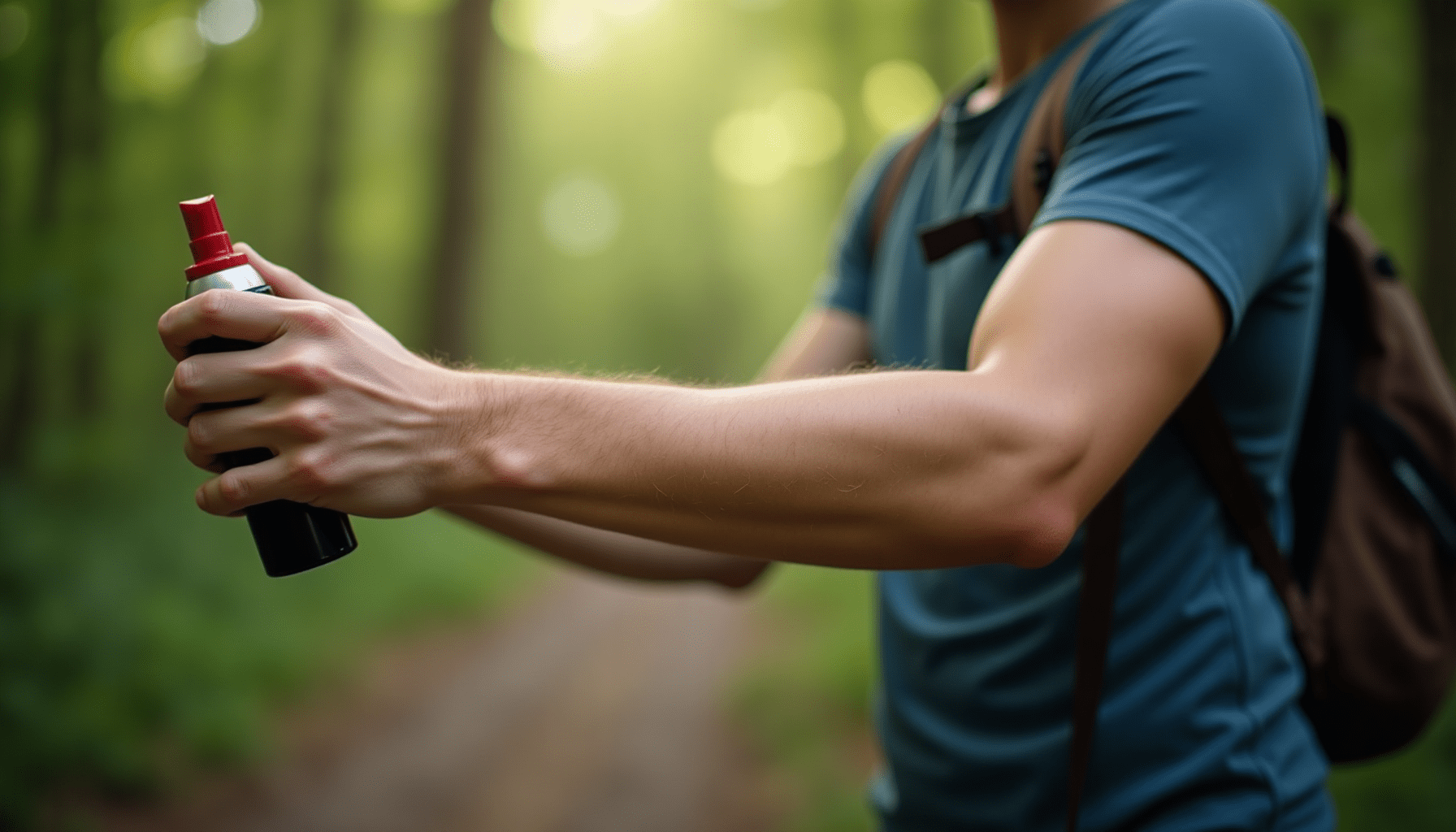
- Sunscreen First: If you're also using sunscreen, apply it first and allow it to dry completely (about 15-20 minutes) before applying insect repellent. This ensures both products work as intended.
- Cover Exposed Skin: Apply repellent to all areas of exposed skin. Don't forget often-missed spots like the back of your neck, ears, wrists, ankles (especially above sock lines), and behind the knees. Mosquitoes and biting flies are adept at finding small untreated patches.
- For Your Face: Spray repellent onto your hands first, then gently rub it onto your face, carefully avoiding your eyes and mouth.
- Avoid Under Clothing: Repellents work by creating a protective vapor barrier on the skin's surface. Applying them under clothing is unnecessary and can lead to skin irritation.
- Reapply as Needed: Follow the product label for reapplication intervals. Factors like heavy sweating, swimming, or abrasive contact with gear can shorten a repellent's duration, so reapply if you notice insects starting to land or bite.
- Wash Off: At the end of your day, wash treated skin with soap and water to remove the repellent and reduce cumulative exposure.
Permethrin Treatment for Clothing and Gear
Permethrin offers a powerful, long-lasting defense when applied to fabrics.
- Treat Outdoors: Always treat clothing and gear in a well-ventilated outdoor area.
- Hang and Spray: Hang items like pants, shirts, socks, hats, and gaiters on a clothesline. Spray them evenly with a 0.5% permethrin product until slightly damp. Pay extra attention to cuffs, collars, waistbands, and areas that might brush against vegetation.
- Allow to Dry Fully: Let all treated items dry completely for at least 2-4 hours before wearing. Once dry, permethrin binds tightly to the fabric and is odorless. Keep wet permethrin away from cats, as it can be toxic to them.
- Longevity: Most consumer permethrin sprays remain effective for about 6 weeks or 6 washes, whichever comes first. Always check the specific product label for instructions. This method is especially effective for creating effective tick repellents for humans.

Physical Barriers and Clothing Choices
Your clothing itself is a first line of defense against biting insects.
- Long Sleeves and Pants: Wear long-sleeved shirts and long pants made of tightly woven fabrics. While not impenetrable, they significantly reduce exposed skin.
- Light Colors: Opt for light-colored clothing. Ticks are easier to spot against lighter backgrounds.
- Tucking: When hiking in tick-prone areas, tuck your pants into your socks (or gaiters) and your shirt into your pants. This creates a barrier against ticks crawling up your legs and body.
- Head Nets: For areas with dense swarms of mosquitoes or black flies, a simple mosquito head net worn over a brimmed hat can provide immediate and significant relief. Full bug jackets and pants are also available for extreme conditions.
Understanding Repellent Safety & Efficacy
Despite decades of research and widespread use, many misconceptions about insect repellents persist. Separating fact from fiction is vital for making informed decisions about your outdoor protection.
Addressing Common Misconceptions
Myth 1: "Natural" repellents are always safer and just as effective.
While some plant-based repellents like Oil of Lemon Eucalyptus (OLE/PMD) are EPA-registered and effective, many essential oil blends (e.g., citronella, peppermint, lemongrass) offer significantly shorter protection (often less than 30-60 minutes) and more variable performance. Some essential oils can also cause skin irritation or allergic reactions, especially in high concentrations. The term "natural" doesn't automatically equate to superior safety or efficacy. For more on this, see our guide on natural insect repellent options.
Myth 2: DEET is extremely toxic and should be avoided.
DEET has an extensive safety record, with billions of applications over 70+ years. The EPA and CDC both affirm that DEET is safe when used according to label directions, for adults and children over two months old. Serious adverse effects are rare and almost exclusively associated with misuse, such as ingestion or chronic excessive application. The risk of contracting a serious vector-borne disease (like Lyme disease or West Nile virus) often far outweighs the minimal risks associated with properly applied DEET.
Myth 3: Higher DEET concentration means stronger protection.
For DEET, concentrations above approximately 30% primarily extend the duration of protection, rather than making the repellent significantly "stronger" against bites. For most hiking and backpacking needs, 20-30% DEET offers an excellent balance of effectiveness and reasonable reapplication intervals.
Myth 4: Long sleeves and pants are enough; you don't need repellent.
While clothing provides a physical barrier, thin or loosely woven fabrics can still be penetrated by persistent mosquitoes and black flies. Additionally, ticks can crawl under clothing or find exposed skin. Combining appropriate clothing with an effective repellent on exposed skin and permethrin-treated garments offers the most robust protection.
Myth 5: Garlic, vitamin B, or special diets repel insects.
Numerous studies have investigated these claims, and none have consistently shown that consuming garlic, taking vitamin B supplements, or altering your diet provides reliable protection against insect bites. The CDC does not recommend these methods.
Myth 6: Ultrasonic devices or repellent bracelets work.
Independent scientific tests have repeatedly shown that ultrasonic devices, which claim to repel insects with high-frequency sound waves, offer little to no protective benefit. Similarly, bug-repellent bracelets typically provide only very localized or negligible protection and are not recommended as a primary defense.
Beyond Repellents: Proactive Protection on the Trail
While the best insect repellent hiking is crucial, a comprehensive strategy includes environmental awareness and situational tactics. Being mindful of your surroundings and making smart choices can further reduce your exposure to biting insects and ticks.
Smart Camp Selection
Where you choose to set up camp can significantly impact your bug exposure.
- Avoid Stagnant Water: Mosquitoes breed in standing water. Camp away from ponds, marshes, slow-moving streams, and puddles.
- Seek Breezy Spots: Insects, especially mosquitoes, struggle in windy conditions. Choose elevated, open, or breezy campsites when possible.
- Steer Clear of Dense Brush: Ticks often hide in tall grasses, leaf litter, and dense undergrowth. Select a campsite with minimal vegetation directly surrounding your tent.
- Moving Water: As noted by sources like The Trek, camping near moving water, such as a fast-flowing river, often means fewer mosquitoes than still bodies of water.
Timing Your Activities
Many biting insects have peak activity times. Adjusting your schedule can help.
- Dawn and Dusk: Mosquitoes are typically most active during dawn and dusk. Plan your breaks or camp setup during these times, or be extra diligent with repellent and protective clothing if you must be active.
- Daytime Pests: Black flies and midges can be significant daytime nuisances, especially in certain regions or seasons. Be prepared with repellents and head nets.
Movement and Awareness
- Keep Moving: When you're actively hiking, mosquitoes often have a harder time keeping up. Stationary breaks, however, can make you an easy target, so be ready to reapply repellent or use netting.
- Stay on Trails: When hiking in tick-prone areas, stick to the center of marked trails. Avoid brushing against tall grass, shrubs, and leaf litter where ticks often wait.
Tick-Specific Precautions
Ticks are a serious concern due to the diseases they can transmit, such as Lyme disease, which the CDC estimates causes about 476,000 infections per year in the U.S.
- Daily Tick Checks: Conduct thorough tick checks at least once daily, and ideally more frequently if you've been in high-risk areas. Pay close attention to:
- Behind the knees
- Groin area
- Waistline
- Armpits
- Hairline and scalp
- Behind the ears
- Shower Promptly: If possible, shower within two hours of returning indoors after a hike. This can help wash off unattached ticks.
- Proper Removal: If you find an attached tick, remove it promptly using fine-tipped tweezers. Grasp the tick as close to the skin's surface as possible and pull upward with steady, even pressure. Avoid twisting or jerking. Clean the bite area and your hands. Note the date and location of the bite in case symptoms develop later.
Conclusion
Embarking on a hiking or backpacking adventure should be an experience of connection with nature, not a battle against biting insects. By choosing the best insect repellent hiking for your specific needs, combining it with permethrin-treated clothing, and adopting smart trail practices, you can significantly reduce your risk of bites and enjoy your time outdoors. Remember, the most effective protection often comes from a layered approach, utilizing both skin-applied repellents and physical barriers.
Don't let mosquitoes and ticks dictate your outdoor plans. Equip yourself with the right knowledge and tools, and step confidently onto the trail. For more detailed insights into protecting yourself from these pests, explore our guides on best mosquito repellents and effective tick repellents for humans.
Recommended Products
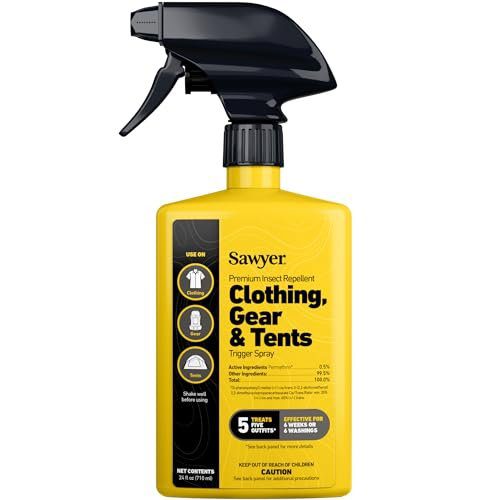
This product directly addresses the article’s recommendation for a ‘Clothing Treatment’ using permethrin to create an invisible barrier that repels and kills ticks and mosquitoes on gear, lasting for weeks.
- Very effective at repelling and killing ticks, mosquitoes, and other insects when applied to clothing and gear
- Long-lasting protection, typically remaining effective for around 6 weeks or 6 washes per treatment
- Odorless after drying and does not noticeably damage or stain most fabrics, tents, or outdoor gear
- Application process can be inconvenient, requiring advance spraying, drying time, and good ventilation
- Liquid form is toxic to cats and aquatic life before it dries, so users must take care during application and drying
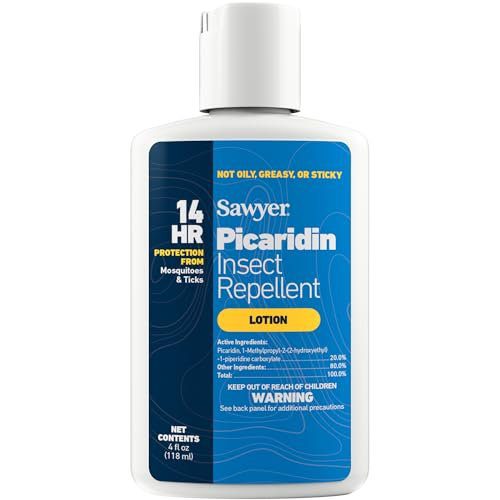
The article highlights Picaridin as a popular alternative to DEET, noting its non-greasy, low-odor properties and effectiveness against mosquitoes and ticks, making it ideal for skin application during hiking.
- Very effective long-lasting protection against mosquitoes, ticks, biting flies, and other insects (often reported comparable to DEET).
- Non-greasy, lightweight lotion that feels better on skin than typical DEET sprays and doesn’t have a strong odor.
- Does not damage plastics, synthetic fabrics, or other gear, making it safer to use around outdoor equipment.
- Some users still experience occasional bites, especially in very buggy or mosquito-dense environments.
- Protection time may be shorter than the maximum advertised duration for certain users or conditions, requiring more frequent reapplication than expected.
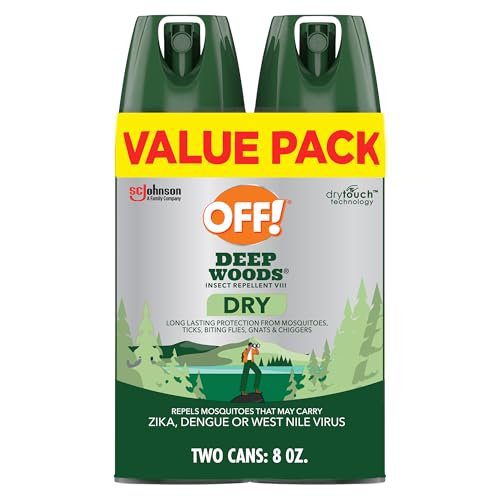
DEET is described as the ‘gold standard’ for skin repellent, with 20-30% concentrations recommended for reliable protection against a wide range of biting insects, making this a core product for backpackers.
- Provides long-lasting protection against mosquitoes and ticks, including in heavily wooded or high-bug areas
- Dry, non-greasy formula that feels more comfortable on skin and doesn’t stain clothing
- Convenient aerosol spray that applies evenly and is easy to use and reapply outdoors
- Strong chemical smell that some users find unpleasant or overpowering
- Aerosol format can be irritating for sensitive skin or lungs and is not suitable for use near flames or high heat
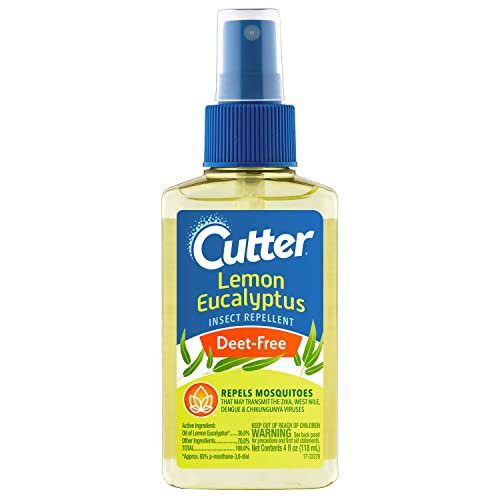
The article discusses Oil of Lemon Eucalyptus (OLE) as an effective plant-based repellent. This product offers a natural alternative for readers seeking protection without synthetic chemicals like DEET or Picaridin.
- Effectively repels mosquitoes, including those that may carry West Nile virus, for several hours (often reported around 4–6 hours of protection)
- Pleasant, fresh lemon-eucalyptus scent that many users find far more tolerable than traditional DEET-based repellents
- Non-greasy, non-sticky, DEET-free formula that feels comfortable on skin and is preferred by families seeking a more plant-based option
- Strong scent can be overpowering or irritating for some users, especially at first application
- May cause eye or skin irritation for sensitive individuals and cannot be used on children under 3, which some reviewers consider inconvenient
As an Amazon Associate, I earn from qualifying purchases. Product recommendations are based on real reviews and independent research.