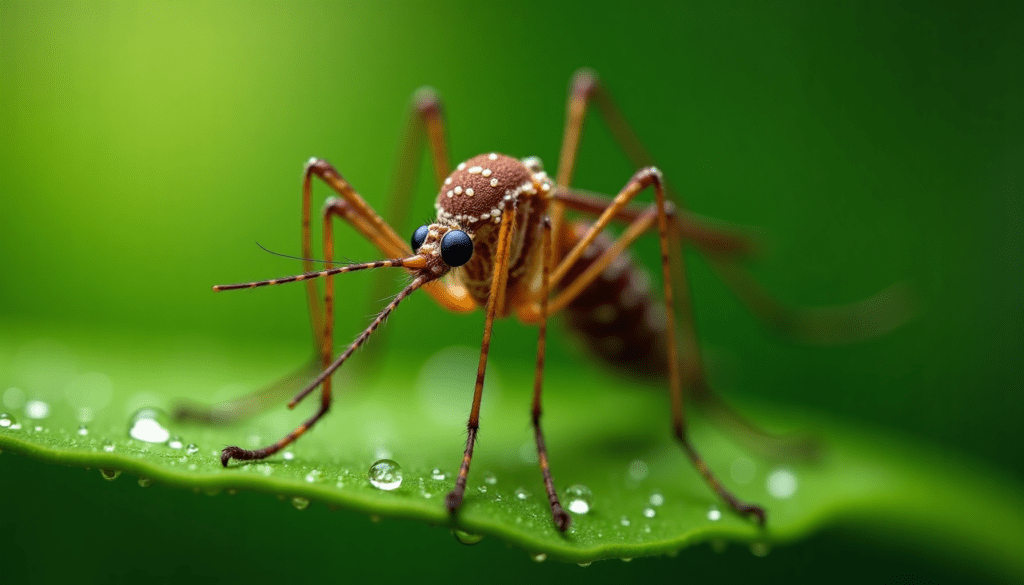
The allure of the great outdoors often comes with an uninvited guest: insects. From the buzzing menace of mosquitoes to the persistent itch of no-see-ums, biting bugs can quickly turn a peaceful camping trip into a miserable ordeal. That's why investing in high-quality insect-proof tents and camping gear is not just a luxury, but a necessity for comfort and health. This guide will walk you through what truly makes a tent bug-proof, how to choose the right gear for your adventures, and essential strategies to keep pests at bay, ensuring your next outdoor experience is truly enjoyable and bite-free.
Bottom line:
To choose an effective insect-proof tent, prioritize these features:
- Fine Mesh: Look for "no-see-um" mesh (500-600 holes per square inch) to block even the tiniest biting midges and sandflies, not just mosquitoes.
- Full Enclosure: Ensure a complete "bathtub floor" design, where the tent floor extends several inches up the walls, preventing ground-level entry.
- Sealed Seams & Zippers: Check for factory-sealed seams and zipper flaps that prevent tiny gaps.
- Durable Materials: Ripstop nylon or polyester with strong poles will ensure the barrier remains intact through wear and tear.
Quick Answer: What Makes a Tent Insect-Proof?
An truly insect-proof tent is designed with multiple layers of defense to create an impenetrable barrier against even the smallest biting pests. The primary line of defense is its mesh, which must be fine enough to exclude local insects. While a mesh with around 200 holes per square inch (HPI) can block most mosquitoes, areas with tiny biting midges or sandflies require "no-see-um" mesh, typically boasting 500-600 HPI, with openings as small as 0.8-1.0 mm. This tight weave is crucial because even a slightly larger mesh can allow smaller insects to pass through, as noted by outdoor gear manufacturers.
Beyond the mesh, a tent's construction plays a vital role. A full enclosure, including a "bathtub floor" where the waterproof floor material extends several inches up the tent walls, is essential to prevent insects from crawling in where the wall meets the ground. Overlapping flaps over zippers and properly sealed seams further eliminate potential entry points. The World Health Organization (WHO) emphasizes that even small tears or unsealed seams can dramatically reduce a net's protective qualities, highlighting the importance of durable ripstop nylon or polyester fabrics for longevity. These design elements, combined with strategic ventilation, ensure you stay protected without sacrificing comfort.
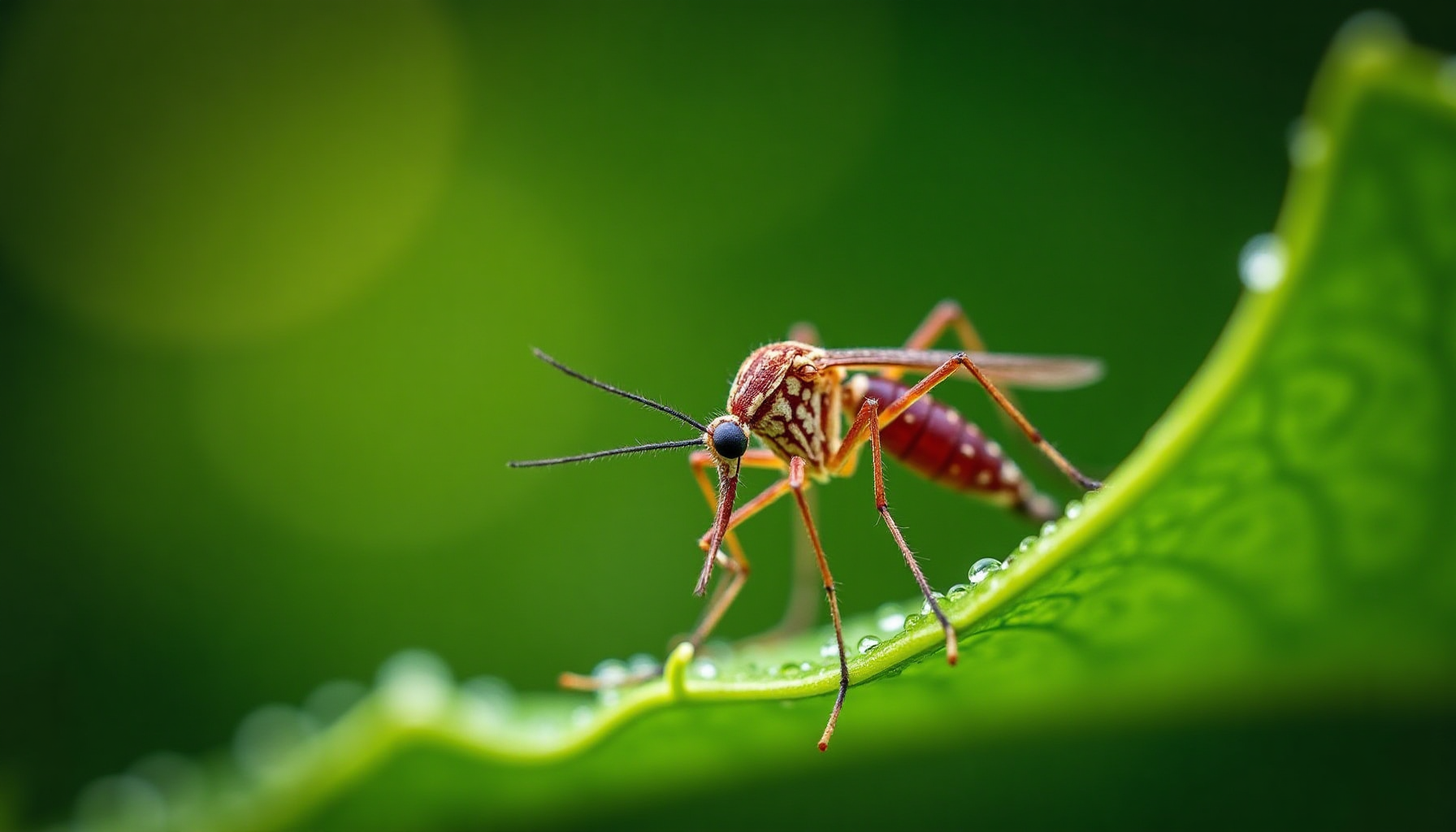
Choosing Your Bug-Proof Tent
Selecting the right bug-proof camping gear, especially your tent, depends on your specific needs, destination, and the types of insects you expect to encounter. The goal is to create a secure, comfortable, and insect-free sanctuary in the wilderness.
Mesh Type and Coverage
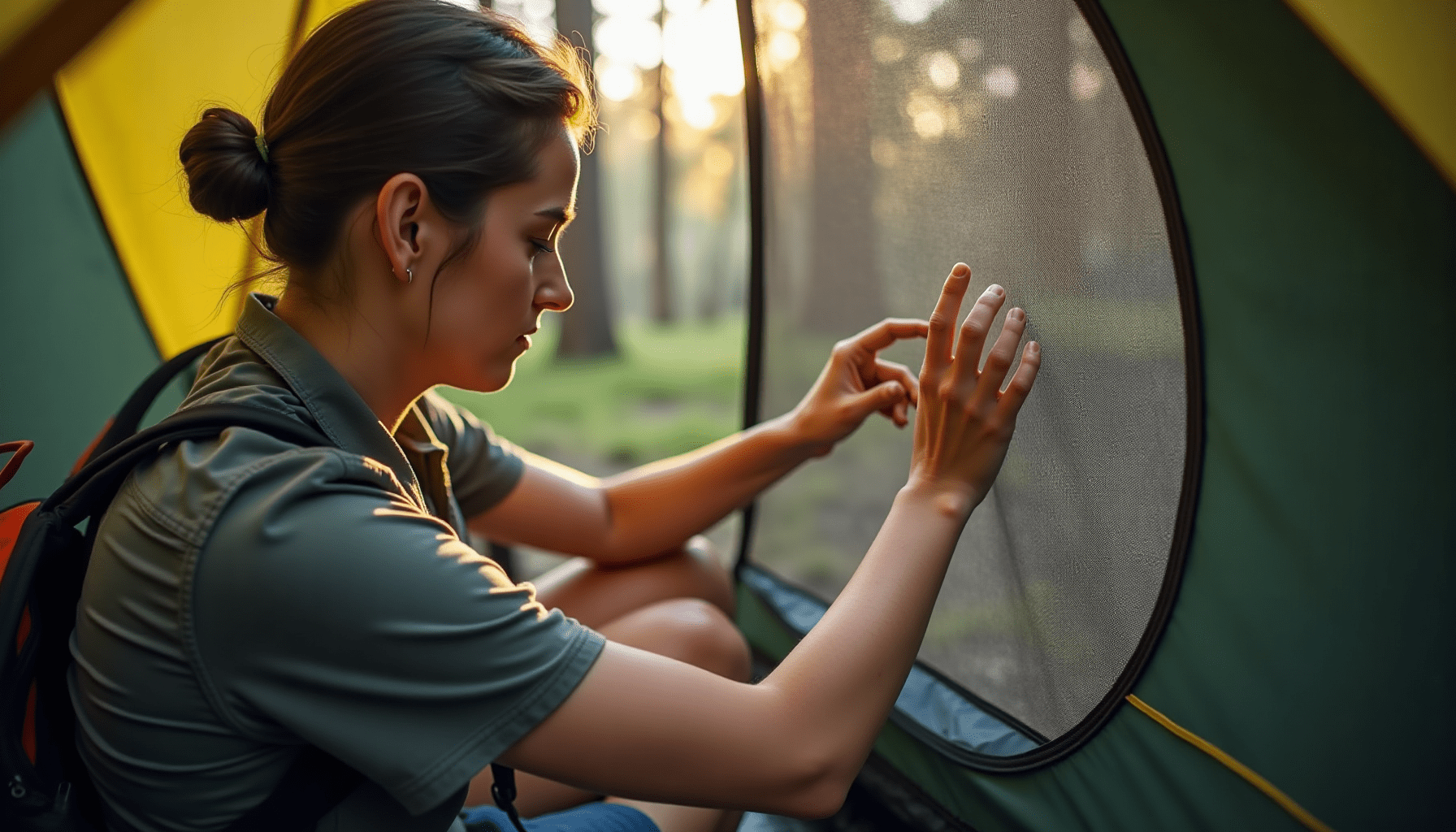
The mesh is the heart of any insect-proof tent. For general camping in areas primarily concerned with mosquitoes and larger flies, a mesh around 200 HPI might suffice. However, if you're heading to places known for tiny biting midges, gnats, or sandflies (often called "no-see-ums"), you'll need specialized "no-see-um mesh" with 500-600 HPI. This finer mesh ensures that even the smallest pests are kept out. Look for tents with full-coverage mesh over all doors, windows, and vents, ensuring no gaps. Some tents feature a "full mesh inner tent" for maximum airflow and visibility, which can be paired with a separate rainfly. According to a ZapZone Defender review analysis, this specific mesh density is key for comprehensive protection.
Tent Styles for Different Adventures
Different camping scenarios call for different tent designs:
- Solo / Ultralight Options: Backpackers and solo adventurers often prioritize minimal weight. One-person bug bivies or inner mesh tents, often weighing 1-2 lbs, provide full bug protection when pitched under a separate tarp or trekking-pole shelter. Brands like Alton Goods offer ultralight mesh inner tents with integrated floors, perfect for keeping pack weight down.
- Family & Group Screen Houses: For car camping or backyard use, large mesh "screen rooms" or "screen houses" offer a spacious, bug-free area for cooking, dining, and socializing. These often feature easy setup, tall ceilings for standing, and UPF 50+ fabric roofs for sun protection. Some even provide 1000mm+ water resistance for light rain.
- Full Camping Tents with Integrated Bug Protection: These are your standard double-wall tents, featuring a mesh inner tent and a separate rainfly. Key features for bug-proofing include a full mesh inner, fully sealed seams, and a "bathtub floor" design. Tight-fitting doors with smooth-closing zippers are crucial to prevent any gaps. Vestibules can also provide storage without compromising the bug barrier. For wet climates, look for higher hydrostatic head ratings (2000-3000mm+) and robust poles for storm worthiness.
- Pop-Up Mosquito Net Tents: These quick-deploy nets are ideal for instant bug protection for sleeping. They can be used over a cot, sleeping pad, or even a hammock. Some have integrated floors, while others require a groundsheet. These are excellent for casual use or as an extra layer of protection in open shelters. For more options, explore our guide on the Best Mosquito Nets for Camping.
Fabric and Frame Materials
The durability of your tent's materials directly impacts its long-term insect-proofing.
- Fabric: Ripstop nylon or polyester is common, offering a good balance of weight and tear resistance. Look for polyurethane (PU) or silicone waterproof coatings. The fabric's denier (D) rating indicates its thickness and durability; 20D-70D is common for tents, balancing weight and strength.
- Frame: Aluminum poles are generally lighter and more durable than fiberglass. For larger screen houses, instant-frame steel poles offer stability and quick setup. A sturdy frame ensures the tent maintains its shape, keeping the mesh taut and free of gaps.
Beyond the Tent: Essential Bug-Proof Gear
While insect-proof tents are your primary defense, a comprehensive strategy involves additional gear and personal protection. Layered protection is the standard advice from outdoor and travel medicine experts, especially in high-risk areas.
Standalone Mosquito Nets & Bug Net Tents
For those who prefer hammocks, tarps, or open shelters, standalone mosquito nets are indispensable.
- Ultralight bug net tents: These are minimalist mesh enclosures with floors, designed to be pitched under a tarp or used inside a larger shelter. They offer maximum insect protection while keeping pack weight to a minimum, as seen with products from Alton Goods.
- Hanging bug nets: Essential for hammock campers or when sleeping in open structures in tropical regions, these nets drape over your sleeping area, creating a personal bug-free zone.
Insect-Repellent Clothing & Treated Gear
Clothing and gear treated with permethrin provide a significant boost to your defense against mosquitoes and ticks.
- Permethrin-treated clothing: Brands like Insect Shield offer hats, shirts, pants, socks, and gaiters with built-in repellency. This treatment binds to fabric fibers and remains effective for dozens of washes, offering consistent protection without daily reapplication. Research, such as a study by Faulde et al. (2006), has shown permethrin-treated uniforms significantly reduce bites.
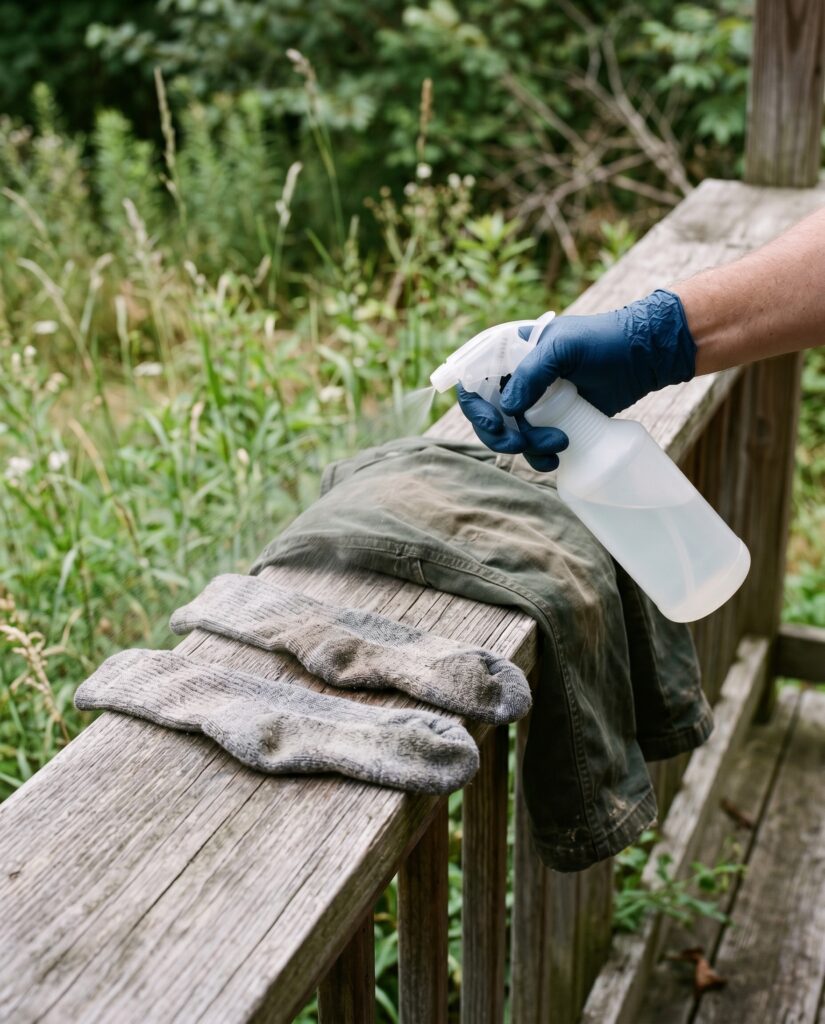
- DIY permethrin spray: You can treat your own clothing, tents, and gear using permethrin spray. Always follow label instructions carefully and allow items to dry completely outdoors. It's important to note that permethrin is toxic to cats when wet. For guidance on choosing the right products, see our article on Best Permethrin Clothing Sprays.
Personal Repellents
Topical repellents are a critical layer of protection for exposed skin. The CDC and WHO recommend active ingredients with strong evidence of efficacy:
- DEET (N,N-diethyl-m-toluamide): Formulations with 20-30% DEET offer up to 6 hours of high-level protection.
- Picaridin (also called icaridin): 20% formulations perform similarly to DEET but are often preferred for their less oily feel and lack of odor.
- Oil of Lemon Eucalyptus (OLE) with PMD: This plant-based option, at 30-40% concentration, can provide effective protection against some species.
Apply repellents to exposed skin and clothing (avoiding application under clothing). Reapply as directed, especially after sweating or swimming. For a deeper dive into options, read our guide on the Best Mosquito Repellents: DEET, Picaridin & Natural Options.
Additional Anti-Bug Gear
- Head nets: Lightweight and compact, head nets are invaluable in areas with intense mosquito or midge swarms, such as boreal forests or tundra regions.
- Screen rooms / gazebos: Beyond full screen houses, smaller portable screen rooms can be set up as a communal, bug-free zone at camp, providing a breezy space for relaxation, as noted by KOA.
- Bug-repellent lanterns and coils: While not primary protection, devices that emit repellents (like pyrethrum-based coils or lanterns) can create a small "bubble" of reduced insect activity in still conditions. Use them as supplements to physical barriers and personal repellents.
Smart Camping: Site Selection & Habits
Even with the best insect-proof tents and gear, your camping strategy significantly impacts your exposure to biting insects. Thoughtful site selection and diligent camp habits can dramatically reduce the number of bugs you encounter.
Site Selection
Where you pitch your tent matters immensely. Insects, especially mosquitoes, thrive in specific environments.
- Avoid standing water: Mosquitoes breed in stagnant water. Steer clear of pitching your tent immediately next to ponds, marshes, slow-moving streams, or any area where water might collect after rain. As Alton Goods and Emergency USA advise, these are prime breeding grounds.
- Steer clear of dense vegetation: Tall grass and thick brush are common habitats for ticks and other biting insects. Choose a site with less undergrowth.
- Seek breezy, elevated spots: Insects generally prefer still air. A slightly elevated, breezy campsite can naturally deter mosquitoes and other flying pests.
- Check for ant trails: Before setting up, quickly scan the ground for ant trails or other insect activity.
Clothing Choices
The clothes you wear are another crucial barrier against bites.
- Cover up: Wear long sleeves, long pants, and socks, especially during peak insect activity times.
- Loose-fitting and light-colored: Loose clothing makes it harder for mosquitoes to bite through the fabric. Light colors are generally less attractive to mosquitoes than dark colors, particularly dark blue, as mentioned by KOA.
- Tuck in: In areas with high tick populations, tuck your pants into your socks or boots. Consider wearing treated gaiters for added protection. For more on this, see our guide on Best Tick-Repellent Clothing for Hiking & Outdoor Work.
Camp Habits
Your behavior around camp can make a big difference in keeping bugs out.
- Timing is key: Mosquitoes are most active at dawn and dusk. Plan activities that keep you inside your insect-proof tent or covered during these peak biting hours.
- Tent discipline: Always zip your tent doors immediately when entering or exiting. Even a few seconds of an open door can allow multiple insects to slip inside. This simple habit, highlighted by Emergency USA, is one of the most effective.
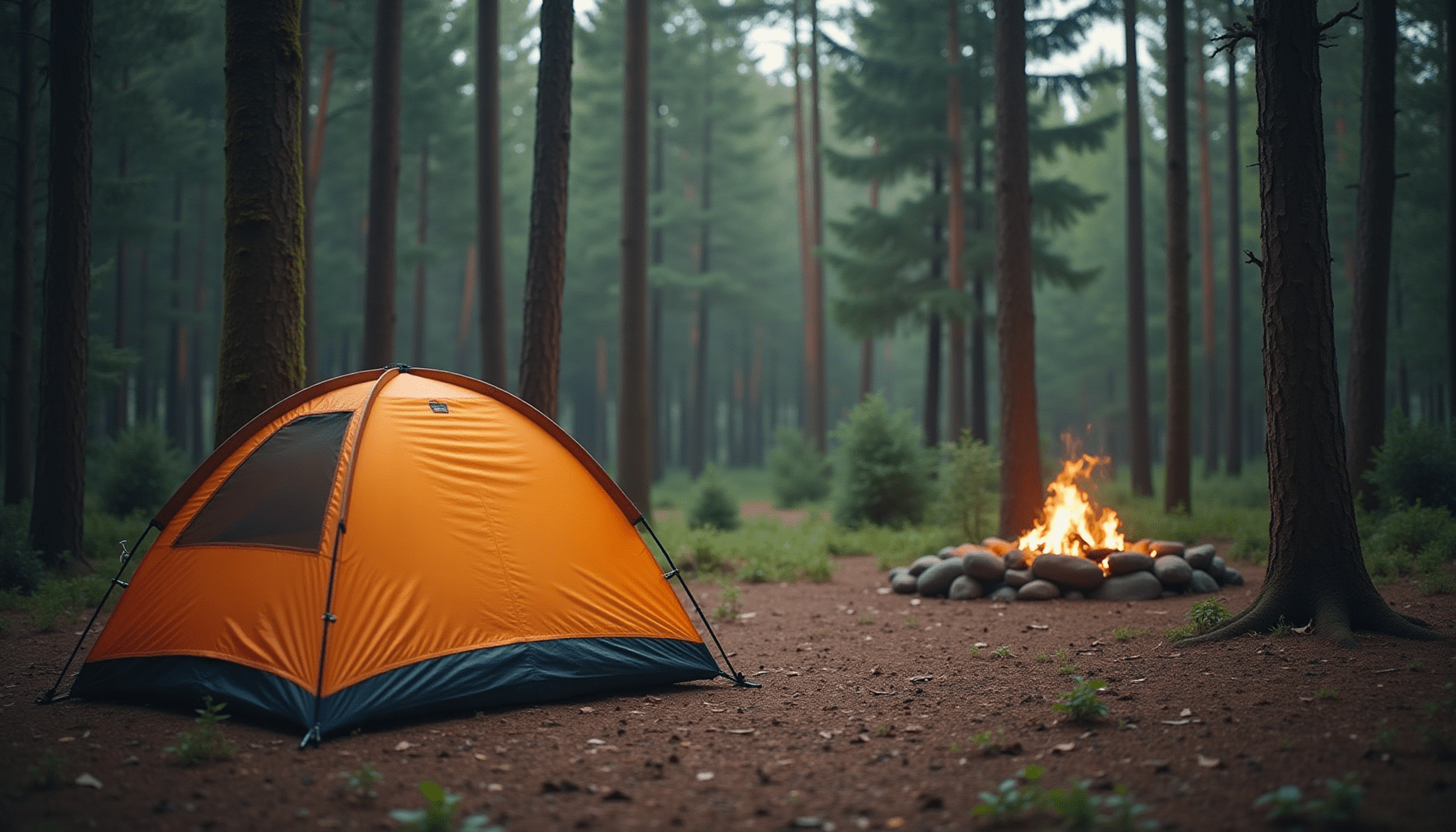
- Campfire smoke: While not a primary defense, smoke from campfires or burning certain herbs like sage, rosemary, or eucalyptus can modestly deter insects in the immediate vicinity. Use this as a supplemental deterrent, not a sole solution.
- Food storage: Keep food sealed and stored properly to avoid attracting flies, ants, and other pests.
Debunking Insect-Proofing Myths
In the quest for a bug-free outdoor experience, many misconceptions arise. Understanding the reality behind these common myths can help you make more informed decisions about your bug-proof camping gear and strategies.
Myth 1: "There are 100% insect- and weather-proof tents."
Reality: As Emergency USA points out, no tent is truly 100% bug-proof or weather-proof in all extreme conditions. Tiny openings at zippers, seams, or vents can be exploited by persistent insects. Similarly, severe weather can challenge even the best waterproofing or structural design.
Takeaway: The goal is risk reduction, not absolute elimination. Focus on creating as bug-free an environment as practically possible using layered defenses.
Myth 2: "Any mosquito net or mesh will do."
Reality: Mesh designed to stop mosquitoes (around 200 HPI) may not be fine enough to block smaller biting midges or sandflies. These tiny insects require "no-see-um" mesh, typically 500-600 HPI.
Takeaway: Match your mesh size to your destination and the specific types of insects prevalent there. Research local insect populations before you go.
Myth 3: "Natural remedies alone are enough."
Reality: While some essential oils (like citronella or lemongrass) can offer short-term, modest protection, and campfire smoke provides some deterrence, they are generally less reliable and require more frequent reapplication than proven repellents like DEET or picaridin. Claims about garlic capsules or rubbing onions on skin have weak scientific evidence.
Takeaway: Natural options can be adjuncts, but they are not replacements for scientifically proven repellents and physical barriers, especially in areas with disease-carrying insects.
Myth 4: "If you have repellent, you don’t need bug-proof gear."
Reality: Repellents reduce bites on exposed skin but do not create an impenetrable barrier. Their efficacy can be reduced by heavy sweating, water, or simply wearing off over time. You cannot apply repellent to every inch of your body or gear.
Takeaway: Employ a multi-layered protection strategy: a good insect-proof tent or net, appropriate clothing, personal repellents, and smart camp setup.
Myth 5: "Permethrin is too dangerous to use on camping gear."
Reality: Permethrin is indeed toxic to cats and aquatic life in its liquid form. However, once it dries on clothing or gear, it binds to the fibers and has a good safety profile for human use, according to the US EPA and CDC.
Takeaway: Handle permethrin carefully: treat gear outdoors, allow it to dry completely, and keep it away from cats during the drying process. Pre-treated gear offers a convenient alternative without the DIY handling.
Conclusion
Embarking on an outdoor adventure should be about connecting with nature, not battling bugs. By understanding what truly makes insect-proof tents effective and integrating a multi-layered approach to insect protection, you can significantly enhance your comfort and safety. From choosing a tent with fine "no-see-um" mesh and a robust "bathtub floor" to utilizing permethrin-treated clothing and scientifically proven personal repellents, every choice contributes to a more enjoyable, bite-free experience. Remember to combine your gear with smart camping habits, such as strategic site selection and diligent tent discipline. Equip yourself with the right knowledge and gear, and you'll be well-prepared to embrace the wilderness without the unwelcome company of biting insects. For more detailed guidance on specific solutions, explore our articles on Best Mosquito Nets for Camping and Best Permethrin Clothing Sprays.
Recommended Products
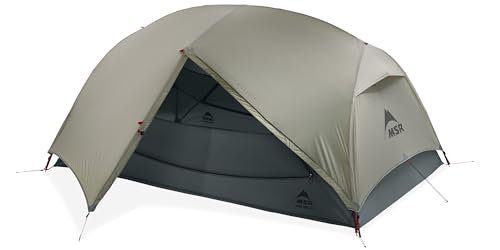
This tent directly addresses the core need for an insect-proof shelter, featuring high-quality no-see-um mesh, a durable bathtub floor, and sealed seams, all critical elements highlighted in the article for effective bug protection.
- Spacious, truly rectangular 32 sq ft floor and generous headroom that comfortably fits two people and wide sleeping pads
- Very easy and intuitive freestanding setup with a single-pole design
- Good balance of durability and weather protection for a relatively lightweight 3-season backpacking tent
- Heavier than some competing ultralight 2-person backpacking tents in the same price range
- Reduced headroom toward the ends makes the interior feel slightly tight for taller users sitting up
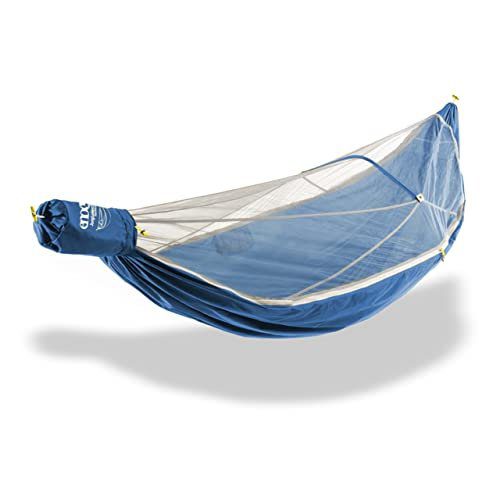
As an alternative to traditional tents, this hammock offers integrated no-see-um mesh, providing a lightweight and comfortable bug-free sleeping solution for campers, aligning with the ‘bug-proof camping gear’ theme.
- Integrated, stowable bug net that gives full coverage against mosquitoes and no-see-ums while still allowing good airflow
- Spacious, comfortable 10 ft hammock body with structural ridgeline and spreader bar that creates a tent‑like, roomier interior
- Lightweight and packable design with useful interior storage (gear loft, side pocket, accessory loop) that backpackers find easy to set up and carry
- Hammock suspension straps are not included and must be purchased separately
- Fixed structural ridgeline and integrated design offer less adjustability and modularity than some separate‑net hammock setups
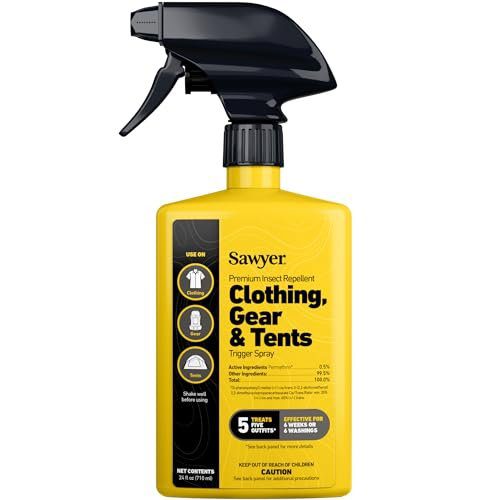
This product enhances the ‘bug-proof’ quality of tents and other camping gear by treating fabrics with permethrin, which repels and kills insects on contact, offering an additional layer of defense against biting bugs as part of a comprehensive protection strategy.
- Easy to apply to clothing, gear, and tents; reviewers say it sprays on quickly and dries without leaving odor or residue.
- Effective bug and tick protection that lasts for weeks or multiple washes, with reviewers noting fewer ticks and mosquitoes.
- Covers a lot per bottle, with users saying one 24 oz. spray can treat multiple outfits or lots of outdoor gear.
- Must be applied to fabric only, not skin, which some users find inconvenient compared with skin-applied repellents.
- Effectiveness declines after sunlight exposure and after the stated wash limit, so it needs reapplication over time.
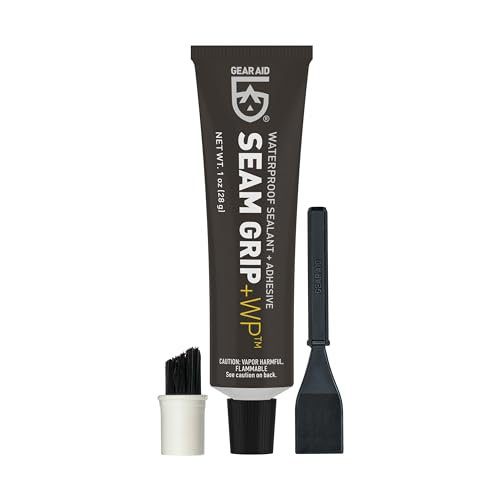
The article emphasizes the importance of ‘Sealed Seams & Zippers’ for an impenetrable barrier. This seam sealer is crucial for maintaining and repairing tent seams, ensuring the tent remains fully insect-proof over time and through wear and tear.
- Creates a durable, permanent waterproof seal on tent and rainfly seams that keeps water out even in heavy rain
- Versatile adhesive that effectively repairs rips, pinholes, and small leaks on a wide range of outdoor fabrics (nylon, canvas, vinyl, polyester, backpacks, tarps, etc.)
- A little goes a long way—1 oz typically seals around 12 feet of seams or an entire 2‑person tent’s main floor and rainfly seams
- Application can be messy and unappealing cosmetically, leaving a glossy or uneven look if not applied carefully
- Long cure time (8–12 hours without accelerator) requires planning and can be inconvenient for quick repairs
As an Amazon Associate, I earn from qualifying purchases. Product recommendations are based on real reviews and independent research.