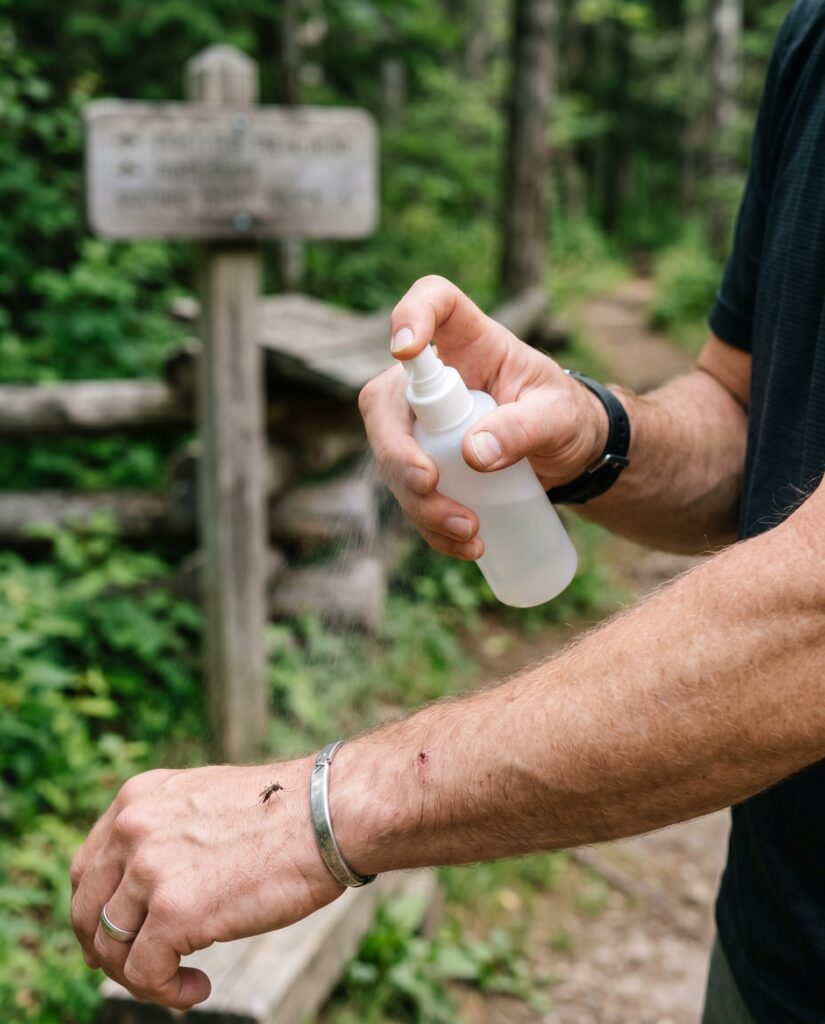
Tired of pests ruining your meals? Discover the best bug-free outdoor dining setup with fans, nets, and traps. Learn effective strategies for a peaceful al fresco experience.
There's nothing quite like enjoying a meal outdoors, but the presence of uninvited guests like mosquitoes, flies, and gnats can quickly turn a pleasant experience into a frustrating one. Creating a truly bug-free outdoor dining setup requires a layered approach, combining smart preparation, physical barriers, and targeted deterrents. From strategically placed fans to effective netting and traps, understanding how to manage these pests will allow you to reclaim your patio and enjoy your food in peace.
Bottom line:
To achieve a bug-free outdoor dining experience, implement a multi-pronged strategy:
- Eliminate standing water: Remove all potential mosquito breeding sites around your patio.
- Use fans: Position oscillating fans to create air currents that deter flying insects.
- Install physical barriers: Utilize screened porches, gazebo netting, or table-top covers.
- Deploy traps strategically: Consider CO₂ traps placed away from your dining area to reduce local populations.
- Apply personal repellents: Use EPA-registered repellents on exposed skin.
- Manage food and lighting: Cover food, clean spills promptly, and use warm-spectrum lighting.
Why Bugs Love Your Outdoor Dinner Party
Understanding what attracts insects is the first step in creating an effective bug-free outdoor dining environment. Mosquitoes, flies, and other biting pests aren't just randomly buzzing around; they're drawn to specific cues that humans and our activities provide. This knowledge helps us disrupt their natural instincts and keep them away from our meals.
Mosquitoes, for instance, are incredibly adept at finding their next meal. They are primarily attracted to the carbon dioxide (CO₂) we exhale, which they can detect from significant distances. As we get closer, our body heat and specific skin odors, like lactic acid, become irresistible lures. Research published in Nature highlights how these olfactory cues guide mosquitoes to their hosts, making us prime targets. Furthermore, wearing dark colors such as black or navy can make you more visible and attractive to mosquitoes, as these colors radiate more heat and create a stronger contrast against the horizon, according to WHO guidance.
Beyond mosquitoes, other insects like flies and wasps are drawn to the delicious aromas of your food and drinks. Sugary spills, uncovered dishes, and even crumbs left on tables can signal a feast for these pests. The presence of standing water nearby, even as little as a bottle cap full, provides ideal breeding grounds for mosquitoes. Aedes mosquitoes, known carriers of diseases like dengue, can complete their life cycle in just 7-10 days under warm conditions, as noted by the CDC. This means a forgotten puddle can quickly become a buzzing problem.
Understanding these attractions—CO₂, body heat, skin odors, food, and breeding sites—is crucial. By disrupting these signals and eliminating breeding grounds, you can significantly reduce the number of pests vying for a spot at your table.
Essential Strategies for Bug-Free Outdoor Dining
Creating a truly bug-free outdoor dining experience is about implementing a layered defense, not relying on a single solution. Public health experts, including the CDC and the American Mosquito Control Association (AMCA), advocate for a comprehensive approach that tackles insects at multiple points. This strategy moves from eliminating the source of pests to physically blocking them, then using mechanical and supplementary methods.
The foundation of any effective pest control strategy begins with source reduction. This means actively identifying and eliminating mosquito breeding sites. Regularly checking and emptying containers that hold standing water—like plant saucers, birdbaths, old tires, and clogged gutters—is paramount. For water sources that cannot be drained, such as ornamental ponds or rain barrels, using biological larvicides like Bacillus thuringiensis israelensis (Bti) mosquito dunks can effectively kill mosquito larvae without harming other wildlife, as recommended by the EPA.
Next, physical barriers offer the most direct protection. Fine-mesh screens, whether on a permanent porch, a pop-up gazebo, or even a table-top net, physically prevent insects from reaching you and your food. These barriers are incredibly effective because they stop insects rather than trying to repel or kill them. The WHO has long highlighted the success of properly installed screens in reducing insect-borne disease transmission, underscoring their effectiveness.
Finally, mechanical and environmental tactics come into play. Fans disrupt insect flight and disperse the CO₂ plumes that attract them. Traps, particularly CO₂-emitting mosquito traps, can help reduce local insect populations over time. While not a standalone solution, these methods complement source reduction and physical barriers. Supplementary measures, such as topical repellents and citronella candles, add an extra layer of protection, especially when combined with the core strategies. By combining these approaches, you create a formidable defense against pests, ensuring your outdoor meals remain enjoyable and undisturbed.
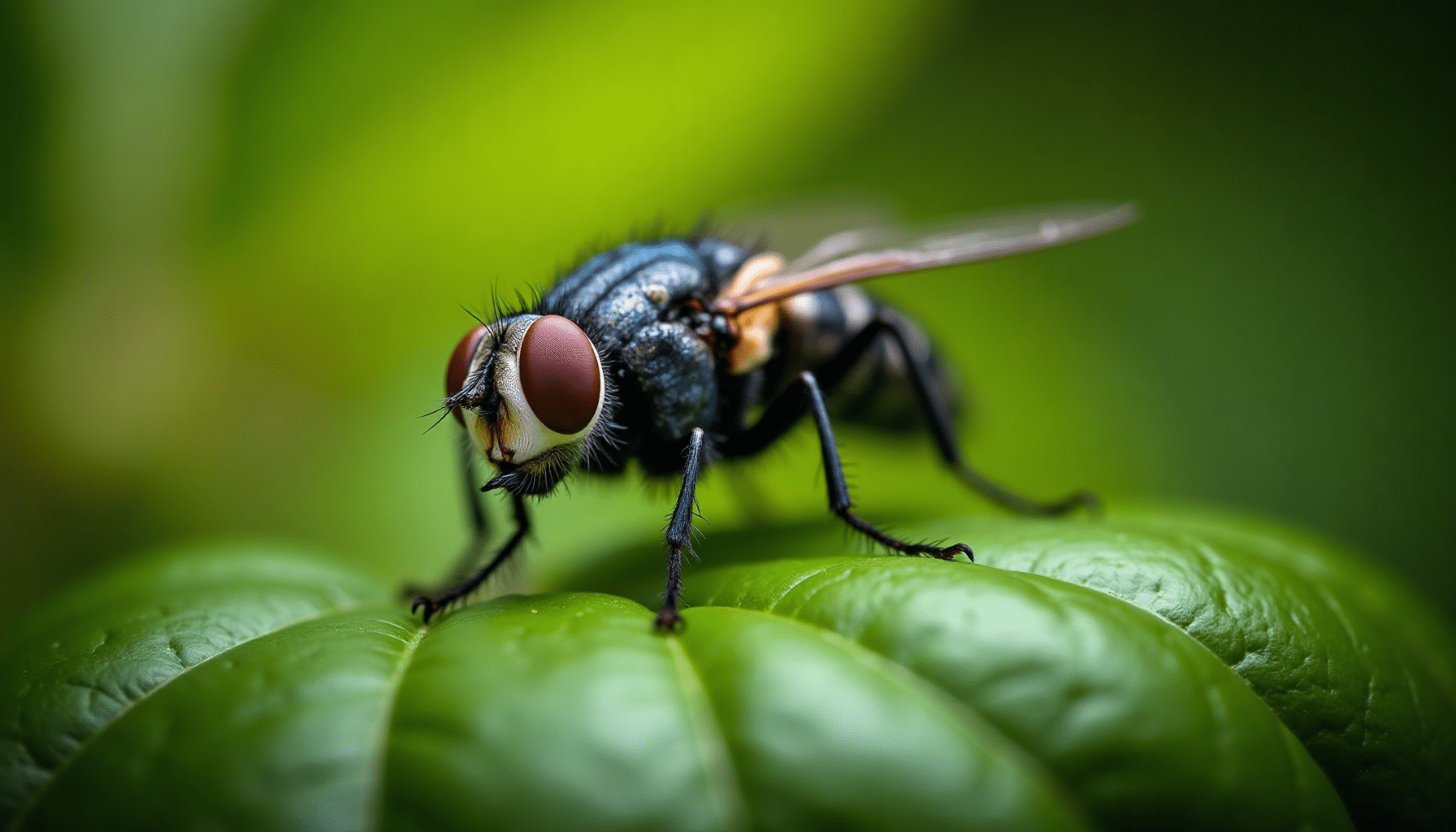
Setting Up Your Space: Before Guests Arrive
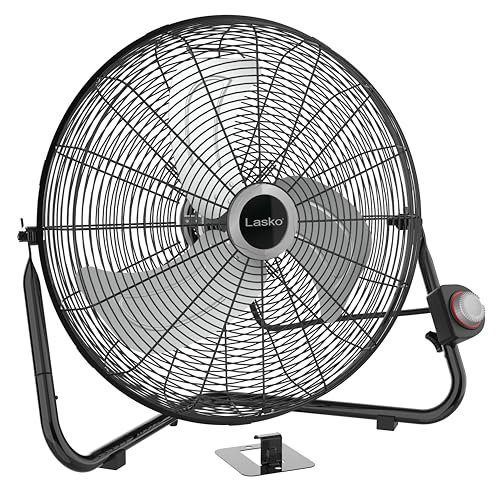
This high-velocity fan directly addresses the strategy of using fans to create air currents that deter flying insects, making it ideal for a bug-free outdoor dining setup.
- Very powerful airflow that effectively cools garages, workshops, and large spaces even on lower speed settings
- Sturdy, durable metal construction with a solid stand and included wall-mount hardware that feels long‑lasting
- Pivoting head and QuickMount system make it easy to direct airflow and switch between floor and wall use
- Noticeably loud on higher speeds, which some users find too noisy for quiet indoor environments
- Fan can move a lot of dust and debris in garages or shops, and a few users mention needing to clean it frequently
Effective outdoor insect control begins long before you even set the table. A little proactive preparation can significantly reduce the number of unwelcome guests at your outdoor gathering. Think of this as creating an inhospitable environment for bugs, making your dining area less appealing.
The most critical step is removing standing water. Mosquitoes need water to breed, and they don't need much. Take a thorough walk around your patio and yard, checking for any containers that might be holding water. This includes plant saucers, buckets, kids' toys, grill covers, tarps, and even clogged gutters. Dump out any water you find. For water features like birdbaths or rain barrels that cannot be drained, consider adding Bti mosquito dunks according to label directions. If you have an ornamental pond, ensure it has fish or aeration to deter mosquito breeding. The CDC emphasizes that eliminating breeding sites is the most effective way to reduce mosquito populations.
Next, clean your patio and furniture. Food residues, crumbs, and sugary drink spills are magnets for ants, flies, and wasps. Sweep or blow away any debris from your patio, and wash down outdoor tables, armrests, and chair seats. A seasonal deep clean with soap and water or a pressure washer, as suggested by outdoor living experts like Outer, can make a big difference. This removes attractants and minimizes hiding spots for crawling insects.
Finally, consider your timing. Mosquitoes are often most active during dusk and dawn, though this can vary by species. If possible, schedule your outdoor meals slightly outside these peak activity windows. Furthermore, if you plan to use fans or mosquito traps, turn them on 30-60 minutes before your guests arrive. This allows fans to establish a protective airflow and gives traps time to begin attracting and capturing insects, creating a more established "protective zone" around your dining area.
Fans: Your Secret Weapon Against Flying Pests
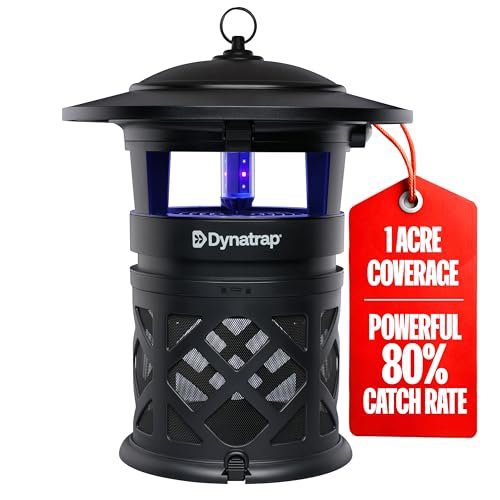
This trap aligns with the recommendation to ‘deploy traps strategically’ to reduce local insect populations, drawing mosquitoes and other pests away from your dining area.
- Effectively reduces mosquitoes and other flying insects over a large area (up to about 1 acre) when left running continuously
- Quiet or whisper-quiet operation compared with traditional bug zappers, with no loud zapping or chemical sprays
- Easy to use and maintain, with simple plug‑in setup and a touch-button release catch basket that’s straightforward to empty and clean
- Fan can be louder than smaller Dynatrap units, which some users may find noticeable in very quiet environments
- Requires continuous power and 24/7 operation for best results, which some owners view as an ongoing energy/usage hassle rather than a set‑and‑forget solution
When it comes to patio bug solutions, fans are often overlooked but surprisingly effective. They are a low-tech, inexpensive, and highly practical way to deter flying insects, especially mosquitoes and gnats, from your outdoor dining space. Many entomology experts consider them a top recommendation for immediate relief.
How do fans work their magic? Primarily, they create airflow that makes it difficult for weak-flying insects like mosquitoes to navigate and land. Mosquitoes are not strong fliers, and even a moderate breeze can disorient them and push them away. Beyond physical disruption, fans also help to disperse the CO₂ plumes and body odors that attract mosquitoes. By breaking up these scent trails, fans make it much harder for mosquitoes to locate their human hosts. Plus, the added benefit of a cooling breeze makes it more comfortable for guests, potentially making long sleeves and pants more tolerable, which further reduces exposed skin.
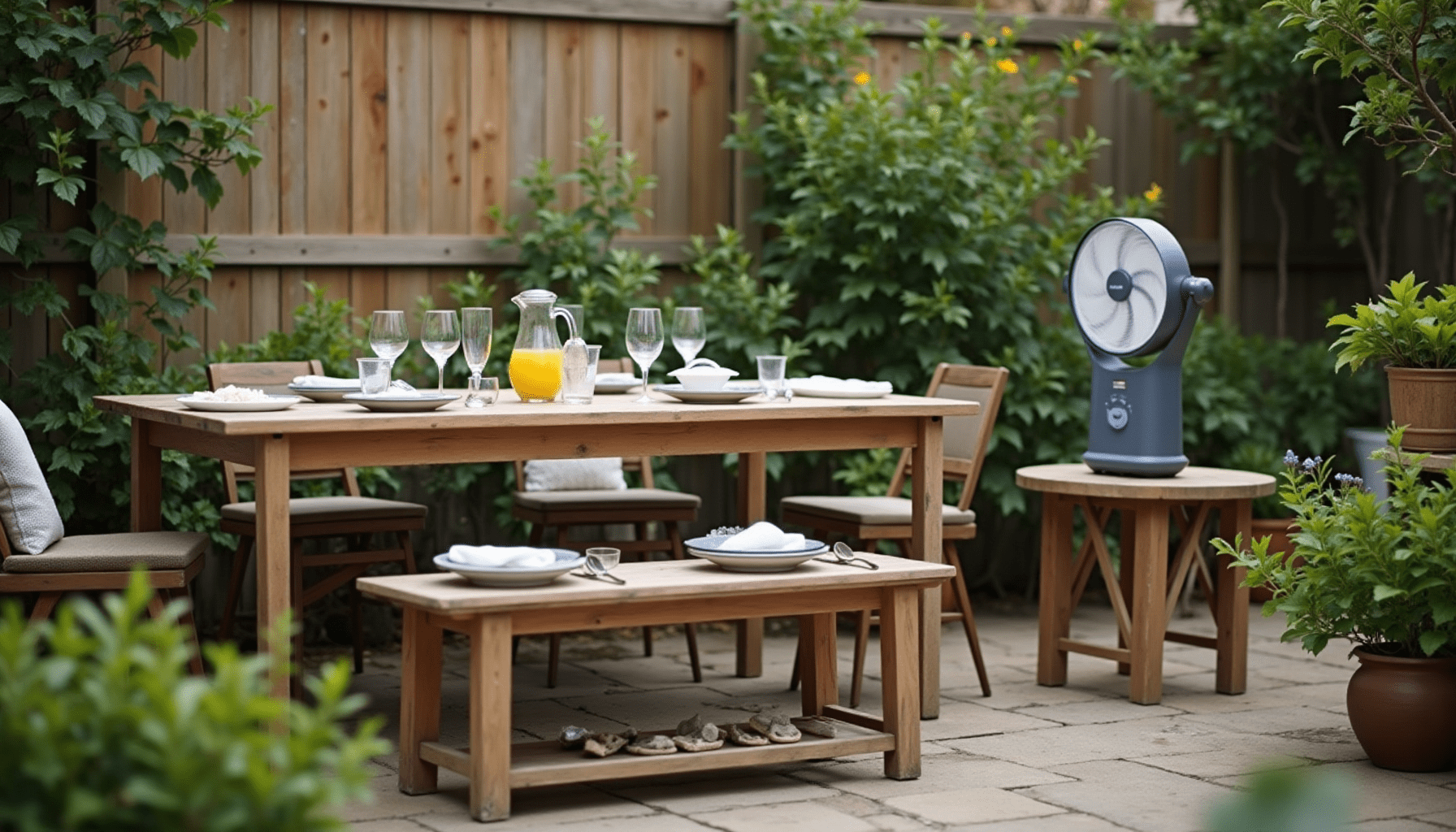
Setting up your "insect repellent fans" effectively is key. Use oscillating pedestal fans, box fans, or ceiling fans if you have a covered patio. Position them strategically around the perimeter of your dining area, angled slightly downward toward the seating. Aim for about knee to chest height. For a single large table, placing one fan at each end, blowing across the table, can create an effective air curtain. You don't need a hurricane-force wind; a moderate breeze that causes napkins to flutter slightly is usually sufficient to deter pests. The American Mosquito Control Association (AMCA) specifically notes that fans can significantly reduce mosquito landings, a sentiment echoed by university extension sources like the University of Wisconsin and the University of Florida. Remember to clean fan blades periodically to maintain efficiency and prevent dust buildup, and always use weather-rated equipment with GFCI-protected outlets for outdoor safety.
Physical Barriers: Nets, Screens, and Covers
When it comes to creating a truly impenetrable bug-free outdoor dining zone, physical barriers are unmatched. These solutions work on a simple, yet highly effective principle: if an insect can't get through, it can't bother you. This is the same successful strategy employed by bed nets in malaria-prone regions, and it translates perfectly to your patio.
One of the most robust solutions is a screened porch or lanai. These permanent or semi-permanent structures use fine-mesh insect screens to completely enclose an outdoor space. For most mosquitoes, a mesh size of 16-18 (meaning 16-18 openings per linear inch) is sufficient, with smaller mesh (20+) needed for tiny no-see-ums. If a permanent structure isn't feasible, consider retractable screens that can roll down when needed, as highlighted by companies like Screens of Georgia. These offer flexibility, preserving views when not in use and providing protection only when required.
For more portable options, gazebos or canopies with mosquito netting are excellent choices. Many pop-up gazebos come with zippered net walls. For maximum effectiveness, ensure the netting reaches the ground or floor with no gaps, and use weights, stakes, or clips to prevent it from billowing open in the breeze. Your dining table and chairs should fit comfortably inside the netted area. Similarly, table-top or umbrella nets can be draped around your patio umbrella, extending down to enclose the table. When choosing these, check that the net length is sufficient to touch the ground or wrap securely under chairs, and that entry methods (zippers or overlapping seams) are robust.
Beyond enclosing the entire dining area, consider smaller, targeted physical barriers. Mesh food covers (dome-shaped screens) are essential for protecting dishes from flies and wasps, especially on buffet tables. Keeping lidded drinkware also prevents insects from landing in your beverages. For homes with open doors and windows near the dining area, ensure all existing screens are intact. Repair any holes with screen patch kits and consider self-closing screen doors to prevent insects from entering your home. While physical barriers provide excellent protection, remember to combine them with fans inside the screened area to ensure good airflow and prevent heat buildup, making your bug-free zone even more comfortable. For comprehensive options, explore our guide on the Best Mosquito Nets.
Traps: Reducing Local Insect Populations
While physical barriers prevent insects from reaching you, mosquito traps outdoor aim to reduce the overall insect population in your yard, drawing pests away from your dining area. Traps can be a valuable component of an integrated pest management plan, but it's important to have realistic expectations about their effectiveness.
CO₂ / propane mosquito traps are among the most advanced options. Brands like Mosquito Magnet and SkeeterVac use propane combustion or CO₂ cylinders to mimic human breath, often combined with secondary attractants like octenol or lactic acid, and even heat. These devices lure mosquitoes into a capture chamber or onto a sticky surface. In some field trials, these traps have been shown to catch thousands of mosquitoes per night and, over several weeks, can significantly reduce local mosquito numbers, as noted by research from Dr. Jonathan F. Kline in the Journal of Vector Ecology. However, their effectiveness can vary greatly depending on location, mosquito species, and placement. They may take weeks of continuous use to show a noticeable reduction in populations and can be a significant investment in terms of initial cost and propane refills.
For best results with CO₂ traps, placement is critical. Position them between known mosquito breeding sites (like damp areas or dense vegetation) and your outdoor dining area, but crucially, not right next to your table. The goal is to divert mosquitoes away from where people are gathered, not attract them closer. Start running them early in the season and maintain them according to manufacturer instructions, replacing attractants on schedule. For more detailed guidance, see our article on the Best Mosquito Traps for Your Yard and Patio.
In contrast, traditional UV traps and bug zappers are generally poor at controlling mosquitoes. Studies, such as one published in Entomological News, have found that conventional UV zappers kill huge numbers of non-biting insects (moths, beetles, beneficial predators) but relatively few female mosquitoes, which are the ones that bite. Less than 1% of insects killed by zappers were biting flies in some observations. If you choose to use a UV trap, look for models that incorporate CO₂, heat, or specific lures designed for mosquitoes, and always place them away from your dining area, perhaps in a darker corner of the yard, to draw insects away rather than towards your gathering. For more information, check out our guide on the Best Bug Zappers for Mosquitoes.
Supplementary Tactics for Enhanced Protection
Once you've implemented the core strategies of source reduction, physical barriers, and traps, several supplementary measures can further enhance your bug-free outdoor dining experience. These tactics add extra layers of defense, making your space even less appealing to pests.
Topical repellents are a highly effective personal defense. The CDC and EPA endorse several active ingredients for their proven efficacy: DEET (20-30% for typical protection), picaridin (20%), IR3535, and oil of lemon eucalyptus (OLE/PMD, not to be confused with pure essential oil). Apply repellents after sunscreen, focusing on exposed skin and clothing where the label allows. Reapply as directed, especially after heavy sweating. For a deeper dive, read our guide on the Best Mosquito Repellents.
Your clothing choices also play a role. When possible, opt for loose-fitting, long sleeves and pants, as these create a physical barrier against bites. Light-colored clothing is generally less attractive to mosquitoes than dark, high-contrast garments. For areas with heavy mosquito pressure, consider permethrin-treated clothing, which can be purchased pre-treated or applied at home following label instructions, as recommended by the CDC.
Citronella and outdoor candles can offer a modest, supplementary benefit. While a controlled study published in the New England Journal of Medicine found citronella candles reduced mosquito bites by about 42% compared to 95%+ for topical DEET, they are best used as an adjunct. Place multiple citronella candles or torches around the perimeter of your seating zone, following all safety advice regarding placement and supervision, as advised by Outer. They provide ambiance but should not be your sole defense.
The role of insect-repelling plants like citronella grass, lemongrass, lavender, and rosemary is often overstated. While these plants contain compounds that can repel insects, simply having them in pots on your patio offers limited direct repellent effect unless their oils are released in sufficient concentration (e.g., by crushing leaves). They are best for aesthetics and mild support within a broader strategy.
Finally, consider your outdoor lighting choices. Insects are less attracted to yellow or amber LED bulbs and low-intensity, warm-spectrum lighting. Use these types of bulbs in your dining area. You can also place brighter, cool-white lights away from your table to draw bugs away, and consider motion-activated lights rather than constant bright illumination. Proper food and table management is also crucial: use lidded drinkware, mesh food covers, clear dirty dishes and spills promptly, and keep trash cans tightly closed and positioned away from the dining area, as suggested by Castlery.

Common Myths About Outdoor Insect Control
When striving for a bug-free outdoor dining experience, it's easy to fall for common misconceptions about insect control. Separating fact from fiction can save you time, money, and frustration, ensuring your efforts are truly effective.
One prevalent myth is that "Bug zappers will solve my mosquito problem." The reality, as supported by studies like the one in Entomological News, is that conventional UV bug zappers primarily kill non-biting insects such as moths and beetles. Only a tiny fraction of the insects they eliminate are actually mosquitoes, and even fewer are the biting female mosquitoes. For effective mosquito control, focus on fans, nets, and targeted CO₂ traps instead.
Another common belief is that "Citronella candles alone will keep mosquitoes away." While citronella has some repellent properties, studies have shown it offers only partial and localized protection, typically reducing bites by about 30-40%. It is not a standalone solution but rather a modest supplementary measure best used in conjunction with other, more robust methods.
Many people also assume that "If I use mosquito traps, I don’t need repellents or nets." While traps can reduce local populations over time, they don't completely eliminate all mosquitoes. People are often stronger attractants than traps, meaning some mosquitoes will still seek you out. A layered defense, including source reduction, physical barriers, and personal repellents, remains essential for comprehensive protection.
The idea that "Plants in pots will keep the patio bug-free" is also a widespread misconception. While plants like citronella grass, lavender, and rosemary contain insect-repelling compounds, they do not significantly deter mosquitoes or other pests unless their oils are released in high concentrations, typically by crushing the leaves or extracting the oils for sprays. Simply having them in pots provides minimal protection and is best considered for aesthetic value rather than primary pest control.
Finally, the notion that "All 'natural' repellents are safer and just as effective" needs clarification. Many "natural" products are less effective and shorter-lasting than EPA-registered repellents containing ingredients like DEET, picaridin, IR3535, or oil of lemon eucalyptus (OLE/PMD). Furthermore, "natural" does not automatically equate to safe; some essential oils can cause skin irritation or toxicity if used improperly or in high concentrations. Always choose EPA-registered repellents and follow label directions for safe and effective use.
Conclusion: Enjoying Your Outdoor Oasis
Creating a truly bug-free outdoor dining experience is an achievable goal that transforms your patio into a peaceful oasis. By understanding what attracts pests and implementing a strategic, layered approach, you can significantly reduce the nuisance of mosquitoes, flies, and other unwelcome guests. Remember, the most effective strategies combine proactive site preparation, robust physical barriers, and smart use of deterrents.
Start by eliminating standing water and cleaning your patio to remove attractants. Then, deploy fans to create an invisible shield of airflow, making it difficult for flying insects to approach. Enhance this with physical barriers like screened porches, gazebo netting, or food covers, which offer direct, undeniable protection. Supplement these efforts with strategically placed traps to reduce local populations and personal repellents for an added layer of defense. By debunking common myths and focusing on proven methods, you're not just swatting at bugs; you're creating a comprehensive defense system.
With these strategies in place, you can confidently set your table, fire up the grill, and savor your outdoor meals without the constant annoyance of pests. Reclaim your patio and enjoy the fresh air and good company, knowing your bug-free outdoor dining setup is ready for any occasion. For more in-depth advice on keeping your outdoor spaces clear of pests, explore our guide on How to Mosquito-Proof Your Backyard.
Recommended Products
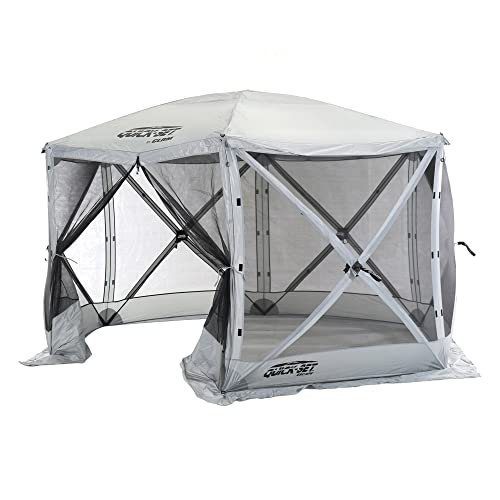
This portable screen house provides an effective physical barrier, fulfilling the strategy to ‘install physical barriers’ like gazebo netting to keep insects out of your dining space.
- Extremely fast and simple setup and takedown (often under a minute) compared with traditional screen tents or canopies
- Provides excellent bug protection and good coverage from sun and light rain, comfortably fitting a picnic table or 5–7 people
- Sturdy construction with durable poly-oxford fabric and solid frame, holding up well in typical wind and weather when properly staked and guyed out
- Relatively heavy and bulky when packed, making it less convenient to transport long distances by hand
- Can be challenging to set up or fold down solo in strong winds, and some users report wear or damage if not handled carefully during takedown and storage
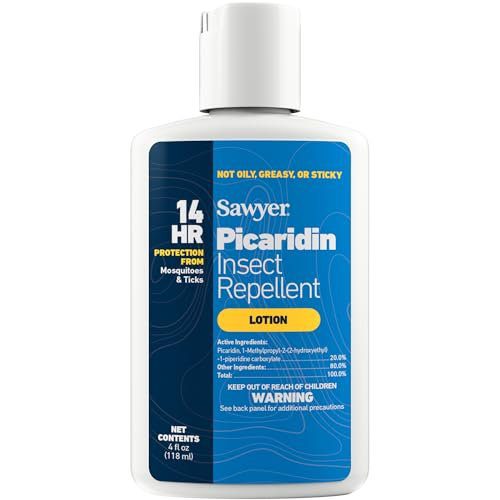
An EPA-registered personal repellent is crucial for ‘applying personal repellents’ to exposed skin, offering an additional layer of protection against biting insects during outdoor meals.
- Very effective at preventing bites from mosquitoes, ticks, flies, and other insects for many hours
- Non-greasy, low- or no-odor lotion that feels better on skin and doesn’t damage plastics or gear like DEET can
- Long-lasting protection (up to ~14 hours for mosquitoes and ticks) so users don’t need to reapply frequently
- Some users report occasional leaking or packaging issues, leading them to store the bottle in a separate bag
- Thicker lotion texture than sprays can feel heavier to some users and requires more effort to apply evenly
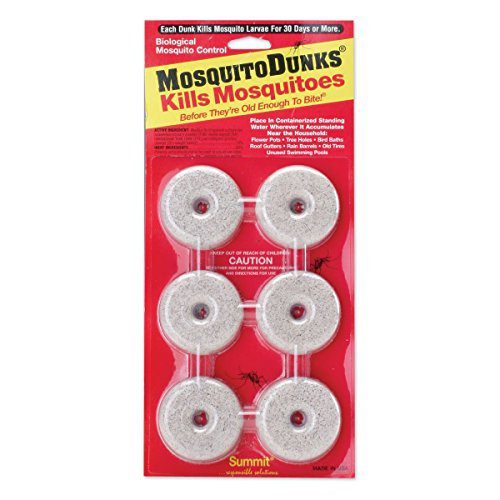
These mosquito dunks directly address the foundational strategy to ‘eliminate standing water’ by preventing mosquito larvae from developing in any unavoidable water sources around your patio.
- Very effective at killing mosquito larvae and noticeably reducing mosquitoes around standing water
- Long-lasting slow-release action, with one dunk providing about 30 days of control for a sizable area of water
- Considered safe around wildlife, fish, pets, and humans when used as directed, and labeled for organic gardening
- Needs to be reapplied regularly (about every month) and after changes in standing water, so it is not a one-time solution
- Some users expect it to kill adult mosquitoes and are disappointed that it only targets larvae in standing water
As an Amazon Associate, I earn from qualifying purchases. Product recommendations are based on real reviews and independent research.