If you keep finding silverfish in the bathroom or the basement, the fix that actually lasts is drying the space out, not fogging the room. Silverfish are a moisture problem first and a bug problem second, so the short answer is to pull the humidity down and seal the damp cracks tonight, then reach for traps and baits to mop up what is left. Match the tool to the job: a boric-acid bait pak tucked into the crack beats a can of spray on open air every time. For our own basement we keep a small box of bait paks and a few sticky traps on hand, nothing more. Most lists rank a gadget or a fogger first; that is the spend to skip, and the comparison below shows why a dry room does more than any single product.
Silverfish are a moisture problem first; dry out the damp around bathrooms, basements, and stored paper, then match the tool: bait paks in the harborage, sticky traps to find where they travel, a perimeter spray at the entry points.
- Do first (free): Run a fan or dehumidifier, fix leaks, and clear damp paper and cardboard so the room stops feeding them.
- Match the job: Boric-acid bait paks for the crack they live in, sticky traps to find their routes, a perimeter spray at entry points.
- Skip: Fogging the open room and ultrasonic plug-in repellers; neither reaches the damp cracks where silverfish actually hide.
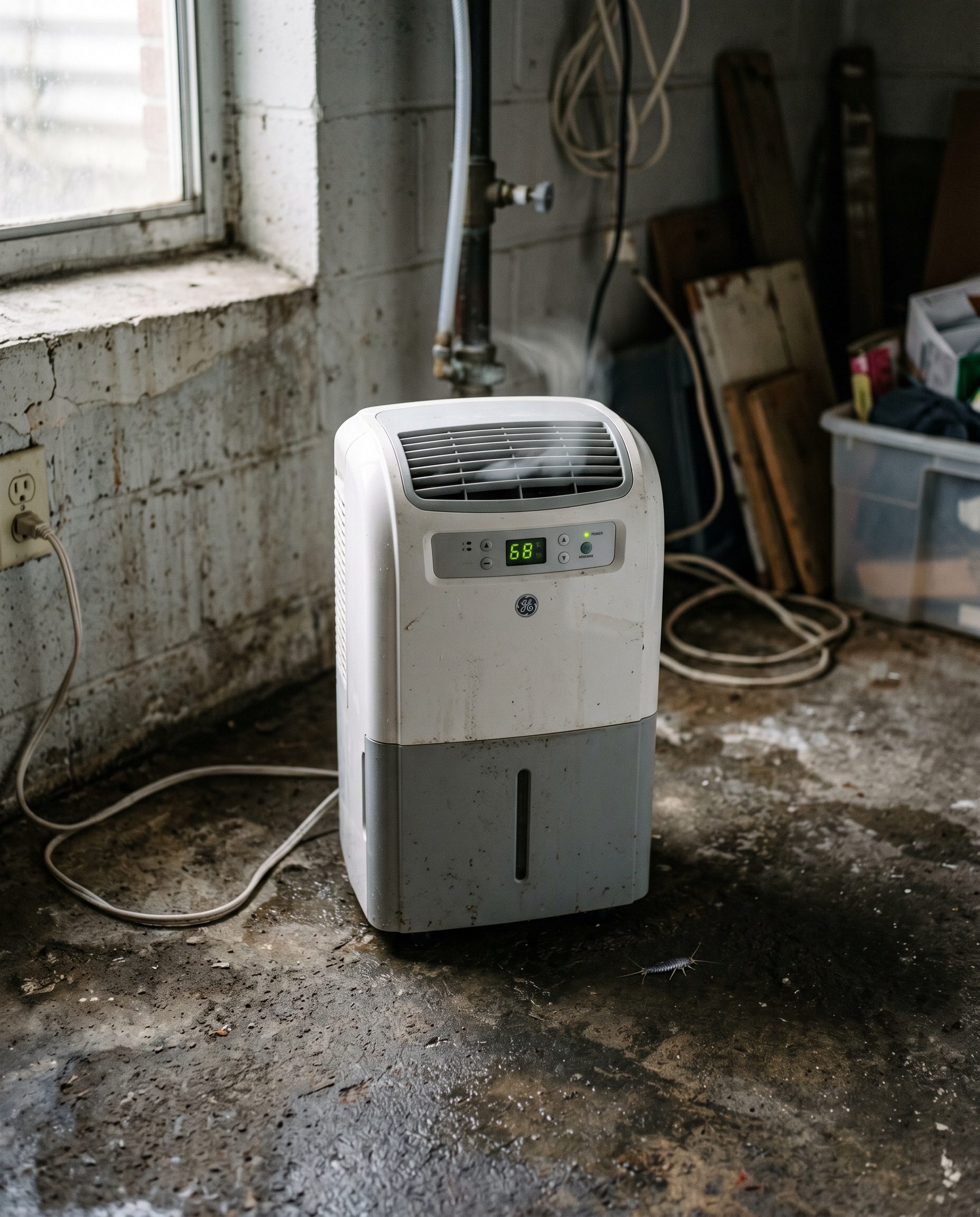
Dry it out first
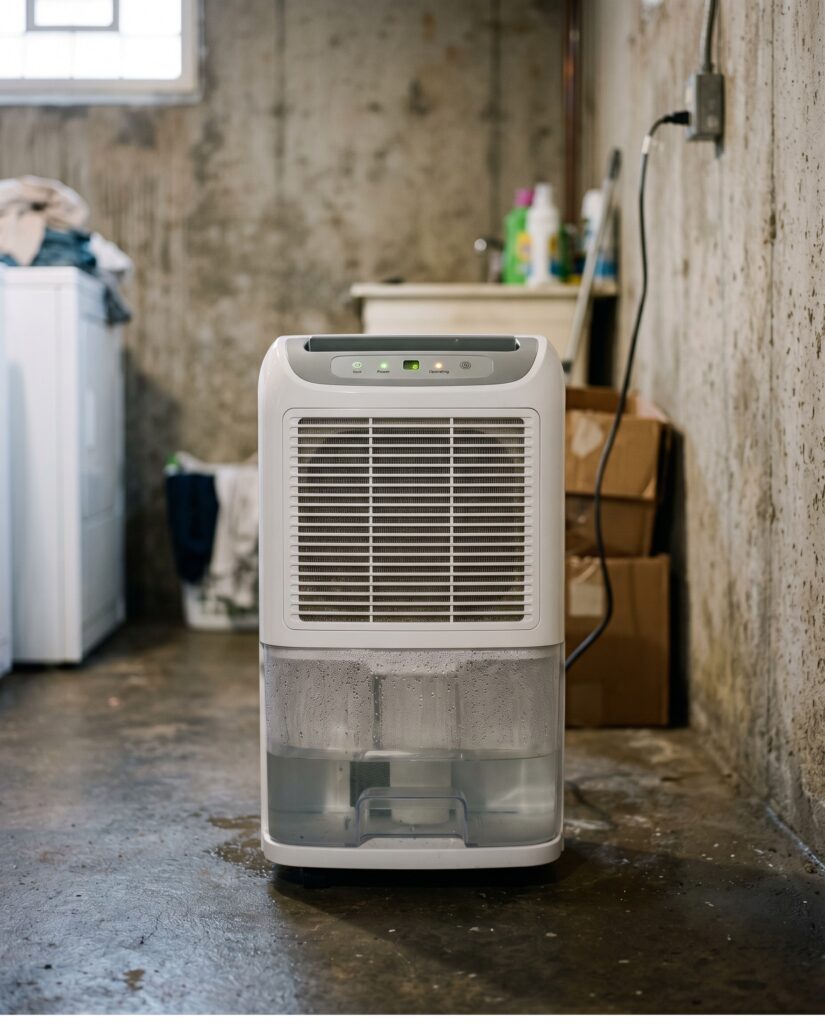
Before any product comes off the shelf, do the free part, because silverfish chase humidity and a damp room will keep refilling no matter how much you spray. Run the bathroom fan during and after showers, set a dehumidifier in the basement or laundry, and fix the slow leak under the sink that has been feeding the problem for months. The UC IPM Pest Notes on silverfish and firebrats make the same point: these insects thrive in humid, dark spots, and reducing moisture and clutter is the control step that does the heavy lifting. A dry room is the single best silverfish treatment you will ever apply.
Then clear what they eat. Silverfish feed on starches and paper, so the boxes of old documents, the stack of cardboard in the garage, and the books in a damp closet are an open buffet. Move stored paper into sealed plastic bins and get it off the floor. Our complete guide to getting rid of silverfish lays out the moisture-and-clutter sequence step by step, and it is worth doing before you spend a dollar. A product is worth buying once the room is drier and the food is sealed away, not as a substitute for either.
Why fogging the room fails
Here is the part most “top killer” lists skip. Silverfish live deep in cracks, wall voids, and the dark gaps behind baseboards and trim, not out in the open where an aerosol or a fogger lands. A fog that coats the open floor never reaches the crack where they sit. That is why people empty a can, see one dead bug, and find three more in the sink a week later. The active never touched the harborage.
This is the case for placing the product where the bugs actually are. A boric-acid bait pak slides into the crack and the bug feeds on it on its own schedule, which is exactly how the University of Kentucky’s silverfish ENTfact frames effective control: target the hiding places and pair any treatment with moisture reduction rather than relying on a broadcast spray. The same logic rules out the ultrasonic plug-ins sold as a no-mess fix. Skip the ultrasonic repellers; there is no reliable evidence they move silverfish at all, and they do nothing about the damp that drew the bugs in. Save the money for a dehumidifier.
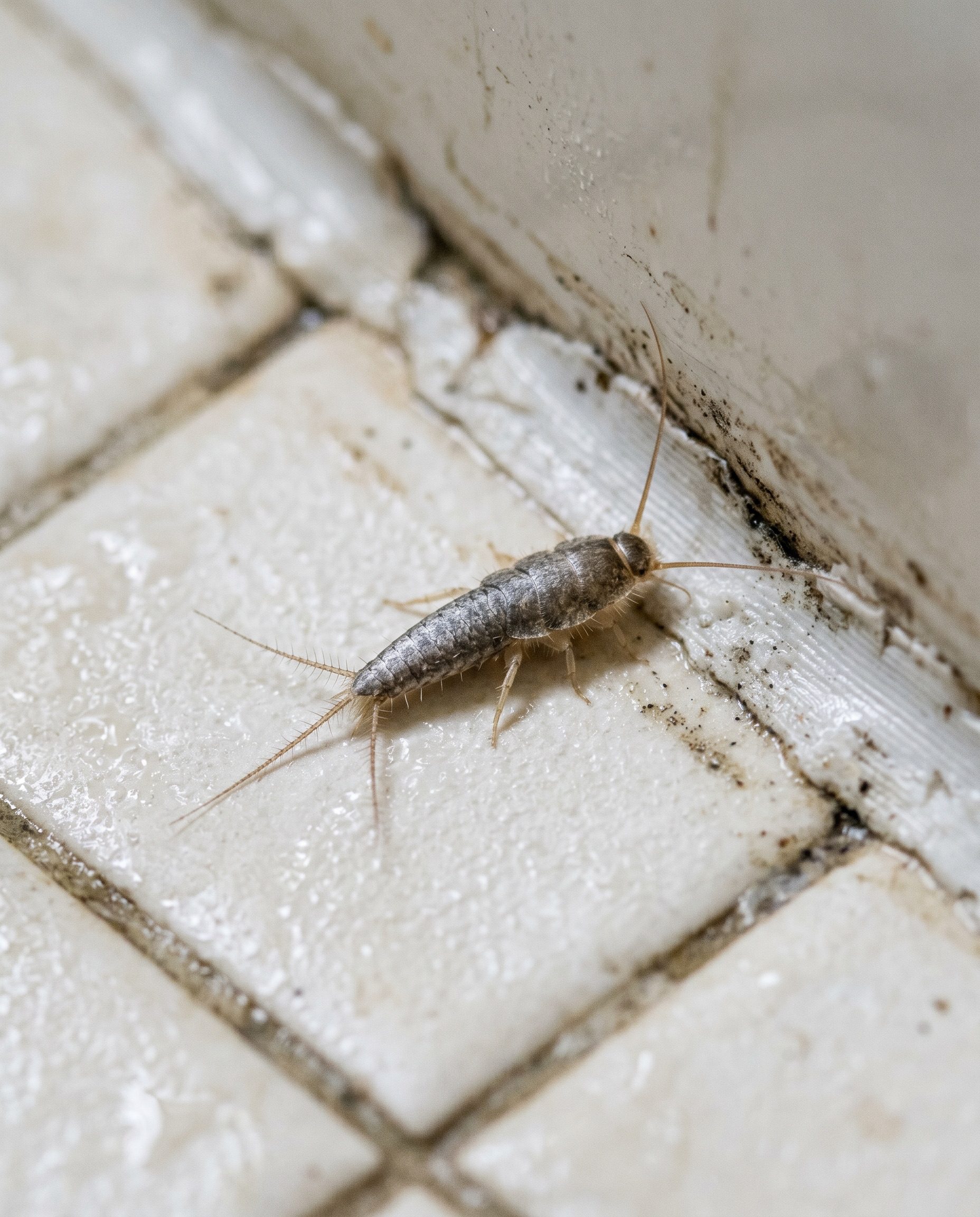
Bait, trap, or spray
Once the room is drier, the category choice is short. Decide by what you need the product to do: kill them in the crack, show you where they travel, or block them at the door. The point is to match the form to the spot, not to grab the biggest can on the shelf.
| Tool | Best for | Watch-out |
|---|---|---|
| Boric-acid bait paks | Killing silverfish in the cracks and harborage where they live | Keep out of reach of kids and pets; place in cracks, not open floor |
| Sticky monitor traps | Finding where they travel so you treat the right spots | No residual kill; replace when full or dusty |
| Perimeter spray | Entry points, baseboards, and the foundation line | Follow the label; keep kids and pets off until dry |
Why not just buy one of each and call it done? Because each tool answers a different question. A sticky trap is a scout, not a solution: put a few out for a week, see which ones fill up, and you know where the harborage is. The UC IPM guidance on these moisture invaders treats monitoring and exclusion as the backbone of control for the whole damp-loving group, with chemicals as a targeted add-on. A bait pak finishes what the dry room starts; a sticky trap tells you where to put it; a perimeter spray keeps new ones from wandering in from outside. Our roundup of the best earwig traps and control products covers the same moisture-first approach for that cousin, since earwigs and house centipedes show up for the exact same damp reasons.
Where to place each one
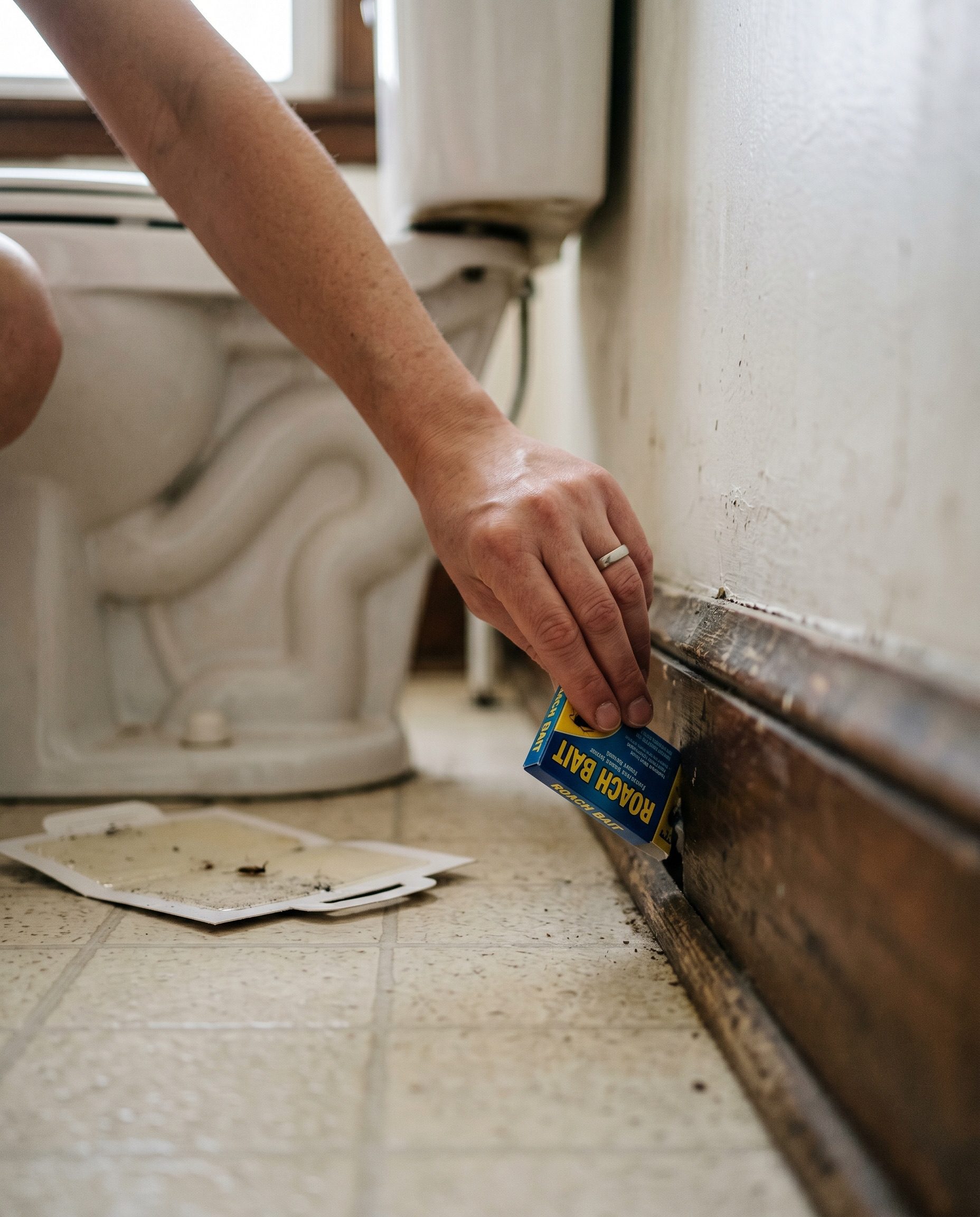
Placement is the whole game with silverfish, because the bugs will not come to a product sitting in the wrong spot. Slide bait paks into the cracks they actually use: behind baseboards, in the back corners of cabinets and closets, along the gap where the tub meets the wall, and inside the dark of a basement shelf. Put the bait in the crack, not on the open floor. Set sticky traps flat against the wall-floor junction and behind the toilet, where silverfish run, and check them after about a week to read the traffic.
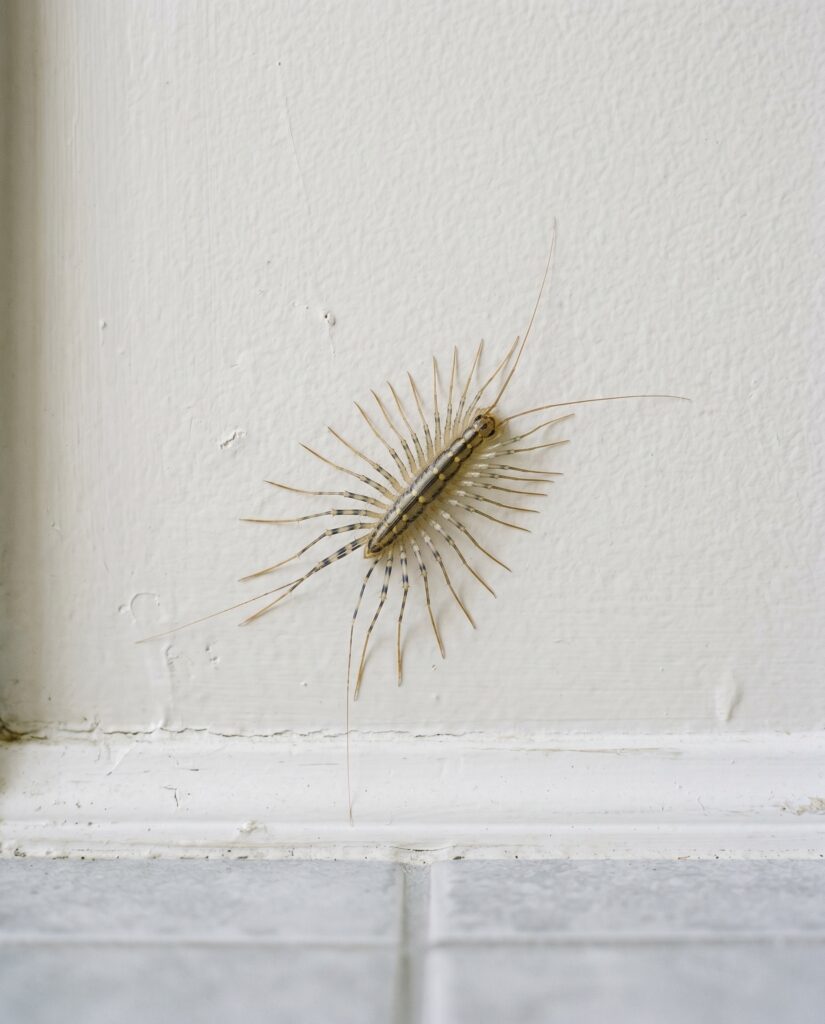
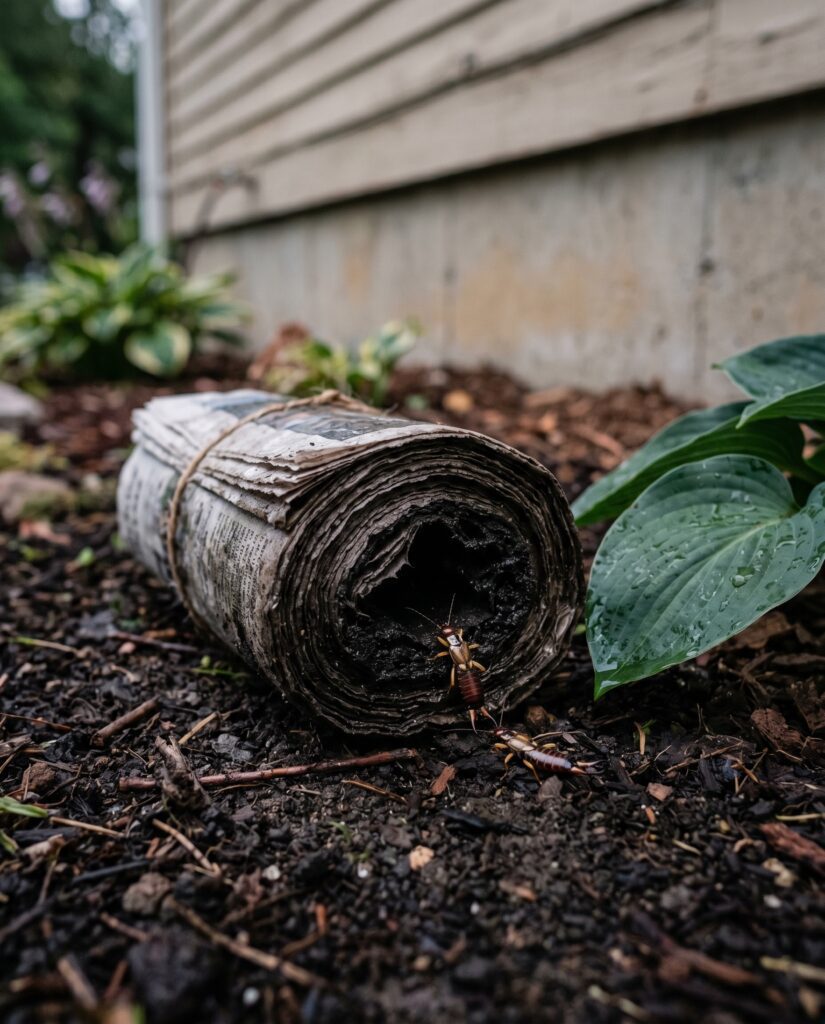
For the perimeter, treat the entry points rather than the living space. Run the spray along the exterior foundation line, around basement windows, and at the thresholds where the damp meets the dry, because that is where wandering silverfish, earwigs, and the occasional house centipede slip in. One honest caveat on the centipede: the house centipede is a beneficial predator that eats other household insects, and earwigs eat aphids outdoors, so both are moisture-driven occasional invaders rather than a breeding infestation. The lasting answer for them is the same dry room and sealed gap, not blanket extermination. When you do reach for a registered spray, read and follow the product label, because under federal law the label is the law; keep children and pets off treated surfaces until dry, do not spray food-prep areas, and if anyone is exposed, contact a doctor or your local poison control center.
The picks
Cards come after the analysis on purpose, because the room and the spot decide which one you buy. These three cover the harborage, the scouting, and the perimeter, and all are common, widely available products.
InsectoGuide is reader-supported. As an Amazon Associate we earn from qualifying purchases at no extra cost to you.
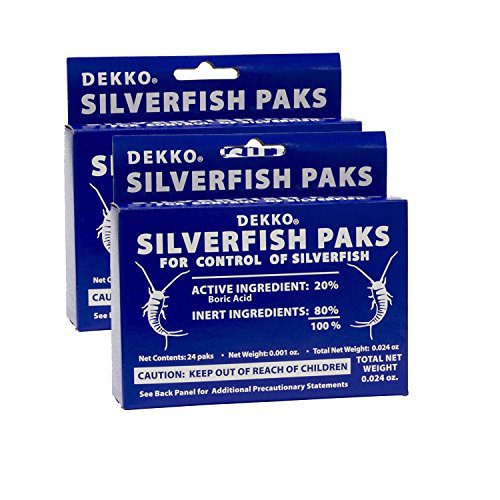
Boric-acid paks you tuck into the crack where silverfish actually live.
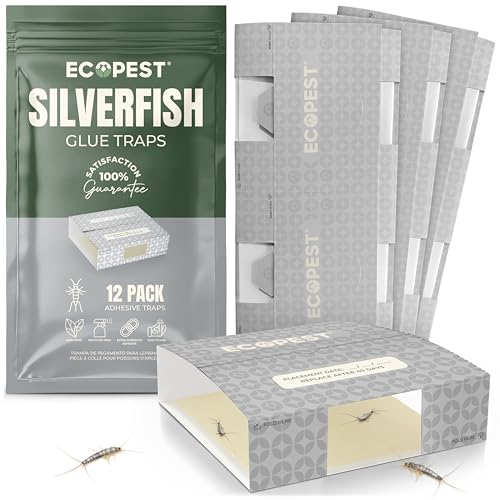
A scented sticky board that shows you where silverfish travel.
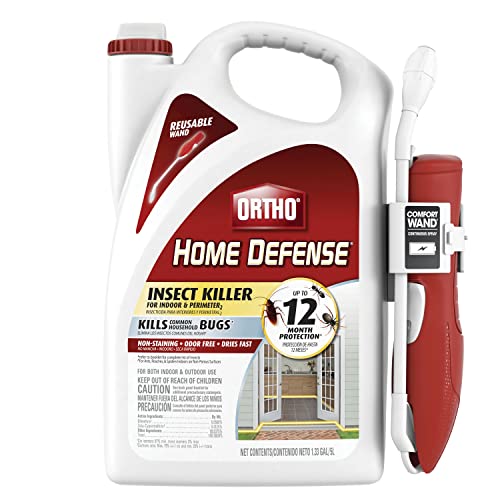
A perimeter barrier for entry points where new silverfish wander in.
Common questions
Do silverfish traps actually work?
Sticky traps work as scouts, and bait paks work as the kill, but only once the room is drier. A trap on damp tile will keep catching new bugs because the humidity keeps drawing them. The UC IPM silverfish guidance treats moisture reduction as the backbone, with traps and baits as the targeted finish.
Are silverfish a sign of a bigger problem?
Usually a moisture one. Silverfish show up where it is damp, so a steady population often points to a leak, poor ventilation, or stored paper soaking up humidity. Fix the damp and the bugs lose their reason to stay. Our silverfish identification facts page walks through what they are and where they hide.
Is the bait safe around pets and kids?
Boric-acid bait paks are meant to sit in cracks and voids, out of reach, not on the open floor where a pet or child could get to them. Place them where they belong, follow the package directions, and contact a doctor or your local poison control center if you suspect any exposure.
How long does it take to clear silverfish?
Plan on a few weeks, not a few days. Drying the room is gradual, and bait works as the bugs feed on it over time. If you are still seeing heavy numbers after several weeks of moisture control plus baiting, look for a hidden leak or call a licensed pest professional to find the source.
What about house centipedes and earwigs in the same damp spots?
They are moisture-driven occasional invaders, not a breeding infestation, and the house centipede is actually a beneficial predator that eats other insects. Favor drying the area and sealing the gaps over blanket spraying, and use the perimeter spray only at the entry points.
Final verdict
There is no single best silverfish trap that works in a wet room, because silverfish are a moisture problem first and a bug problem second. Start free by running a fan or dehumidifier, fixing leaks, and clearing damp paper, then match the tool to the spot. Tuck boric-acid bait paks into the cracks where they live, set sticky traps to scout their routes, and run a perimeter spray along the entry points where new ones, plus the occasional earwig or beneficial house centipede, wander in. Skip fogging the open room and the ultrasonic plug-ins; neither reaches the damp crack that is the real source. Dry the space out and the rest of this gets easy.