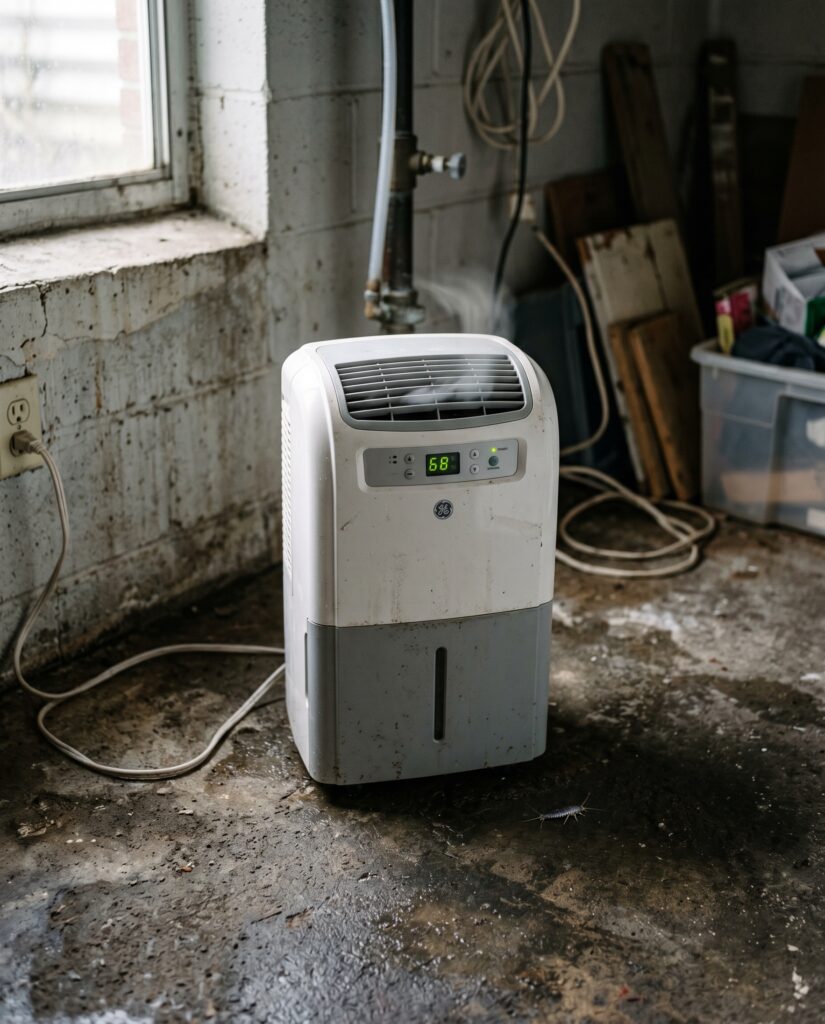
If you keep finding silverfish in the bathroom or basement, here is the part most guides skip: silverfish are a symptom of humidity, so you beat them by changing the conditions, not by spraying. Run a dehumidifier in the damp rooms, clear out the cardboard and old paper they feed and hide in, seal the cracks they crawl through, and set a few bait paks in their harborage. Drop the moisture below what they can tolerate and the infestation fades on its own, no fogger required.
Silverfish are a humidity problem, not a spray problem. Pull the moisture down with a dehumidifier, clear out the paper and cardboard they live in, seal their entry cracks, and bait the harborage. Dry the room out and they leave on their own.
- Do first (free): Fix the damp, ventilate the bathroom and basement, and throw out old cardboard boxes and paper piles.
- Best for the common case: A dehumidifier holding the room under about 50 percent humidity, plus a few silverfish bait stations in the harborage.
- Skip: Whole-house bug bombs; they never reach the damp cracks where silverfish actually live.
Why drying the room beats spraying
Silverfish are not like ants or roaches that come for crumbs. They come for water, or more precisely for the high humidity that lets their soft bodies survive. They feed on the starches and cellulose in paper, cardboard, book bindings, wallpaper paste, and dried foods, but none of that holds them if the air is dry. UC IPM is blunt about it: silverfish thrive in damp, humid spots and habitat reduction is the core fix, which is exactly why a can of spray feels like it works for a day and then they are back. You killed the messenger, not the cause.
The conditions are the whole game here. A silverfish that wanders into a genuinely dry room loses moisture faster than it can replace it and does not stick around to breed. So the fix is not chemical, it is environmental. Get the relative humidity down, take away the soft paper they eat and shelter in, and close the gaps they travel through, and you have removed the three things keeping them alive under your roof. Bait and traps are useful, but they are the cleanup crew, not the strategy.
Confirm it is silverfish first
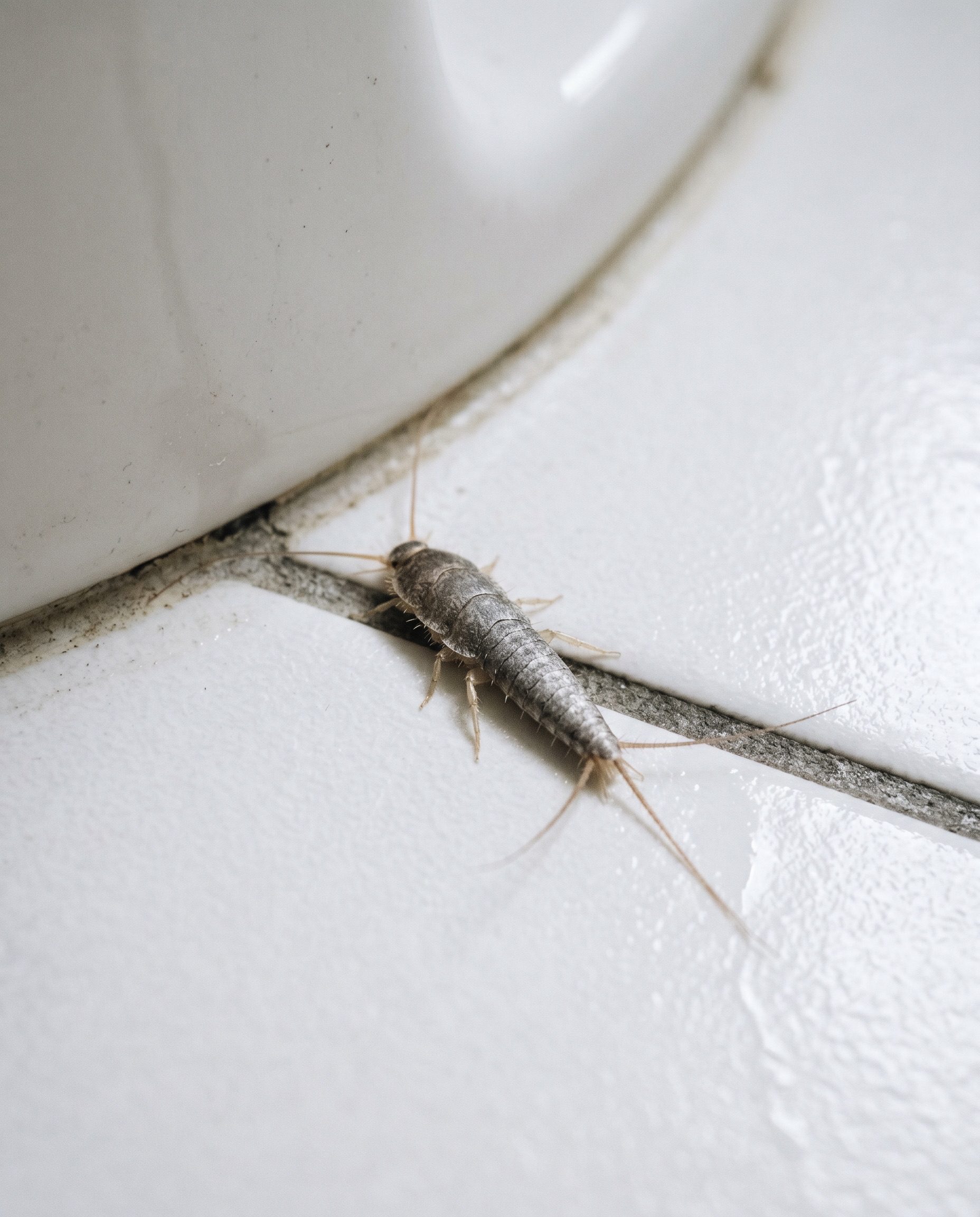
Do not treat a guess. A silverfish is easy to recognize once you have seen one: a teardrop, carrot-shaped body about half an inch long, silvery-gray and metallic, with two long antennae up front and three thread-like tails out the back. They move in a quick, wriggling, fish-like dart, which is where the name comes from, and they cannot climb smooth vertical surfaces, so you often find one trapped in a sink, a tub, or a porcelain bowl overnight.
The damage is the other tell. Look for irregular holes, notches, and surface etching on paper, book pages, and wallpaper, plus tiny yellowish stains and pepper-like droppings. University of Kentucky’s guidance on silverfish and firebrats separates the two look-alikes: silverfish (Lepisma saccharina) like cool damp rooms, while firebrats prefer hot spots near heaters and pipes, and that split changes where you hunt. If you want a side-by-side check before you commit to a plan, our silverfish identification guide shows the body shape and damage up close so you are not treating carpet beetles by mistake.
Pull the humidity down
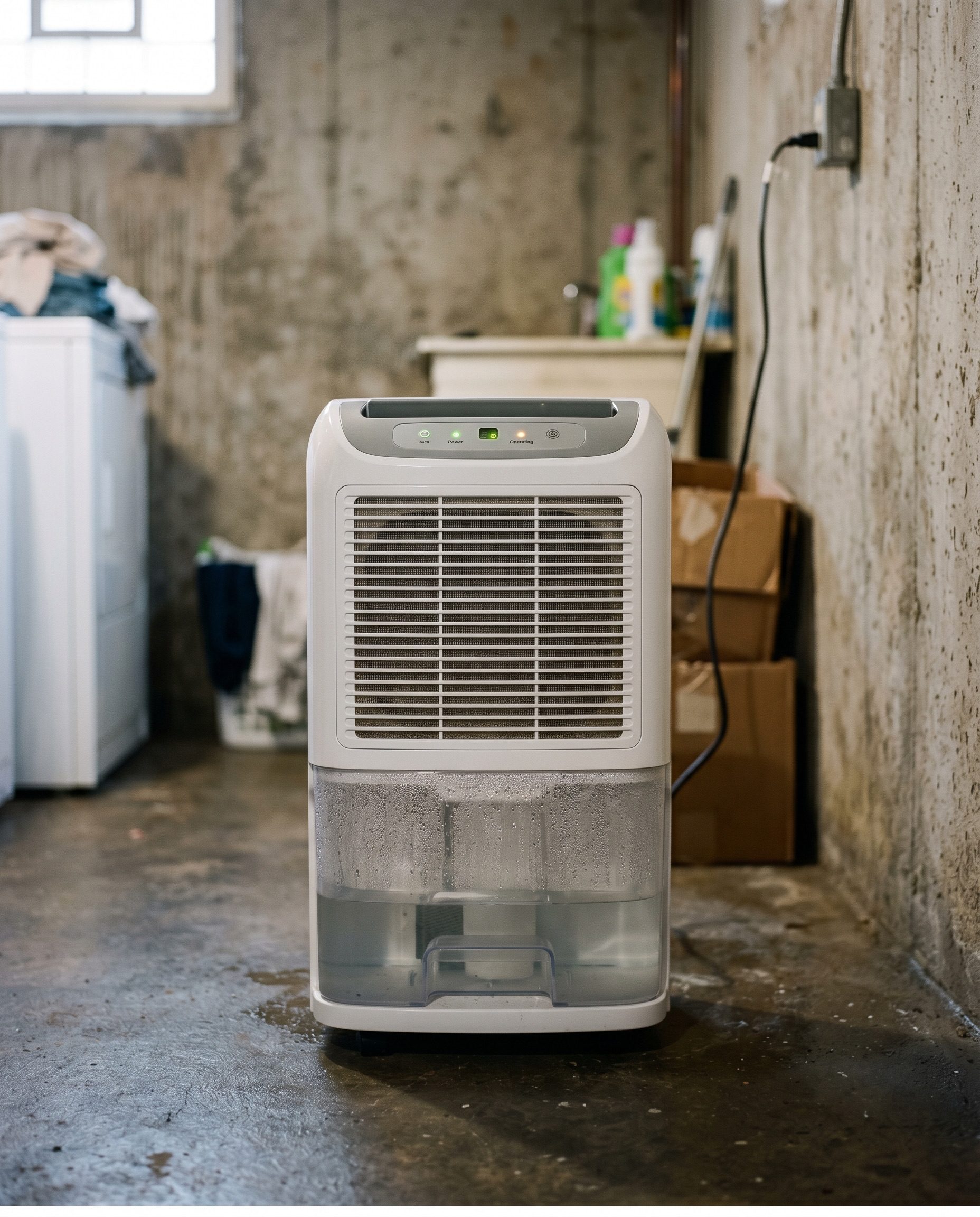
This is the layer that actually clears the infestation, and it costs the least to start. Silverfish need humid air, so your first move is to make the air dry. Run a dehumidifier in the basement, the bathroom, or wherever you keep finding them, and aim to hold the room under about 50 percent relative humidity. A cheap hygrometer tells you whether you are there; do not guess, because the difference between 55 and 45 percent is the difference between a thriving colony and a dying one.
Stack the easy ventilation wins on top. Run the bathroom exhaust fan during and after every shower, leave it going fifteen minutes after, and fix any dripping pipe, leaky trap, or sweating cold-water line you find under a sink. Check the crawlspace and the spot behind the washer, since those are quiet humidity factories. The EPA’s principles for safe, integrated pest control put this exact order first: change the conditions that support the pest before you reach for a pesticide. With silverfish, that order is not a nicety, it is the whole fix. Give it two to three weeks of genuinely dry air and the population starts to collapse on its own.
Match the fix to the room
Silverfish show up in different rooms for the same reason, but the right move shifts a little with the space and who uses it. Here is the quick map for the common zones.
| Where you find them | Best approach | Watch out for |
|---|---|---|
| Bathroom | Run the exhaust fan, fix drips, set a bait station behind the toilet | Keep bait out of reach of kids and pets |
| Basement or laundry | Dehumidifier under 50 percent, clear cardboard off the floor | Damp concrete keeps feeding them |
| Attic or storage | Swap cardboard for sealed bins, ventilate, add desiccant packs | Stored books and paper are their food |
| Whole-house or heavy spread | Dehumidify, exclude, then call a licensed pro if it persists | Never a total-release fogger |
Walk the layers in order. Mechanical and cultural control comes first and does most of the work: dehumidify, declutter, and seal. Sticky traps placed flat against the baseboard confirm where they travel and thin the numbers in a pinch, and a thin line of a silica or diatomaceous-earth desiccant worked into dry cracks keeps killing for weeks. Only after that does a targeted bait or a labeled crack-and-crevice product earn a place. UC IPM notes that baits and traps placed in the harborage carry the load, not broadcast sprays across open floors. If you do use any registered pesticide indoors, treat the label as the rule: use only products labeled for silverfish and the surface you are treating, keep children and pets off until it is dry, and never apply it on food-prep surfaces or pet bowls. For an exposure question, contact a doctor or your local poison control center. Under federal law the label is the law, so do not improvise a stronger mix or a different site than it allows.
Seal the cracks and stop the food
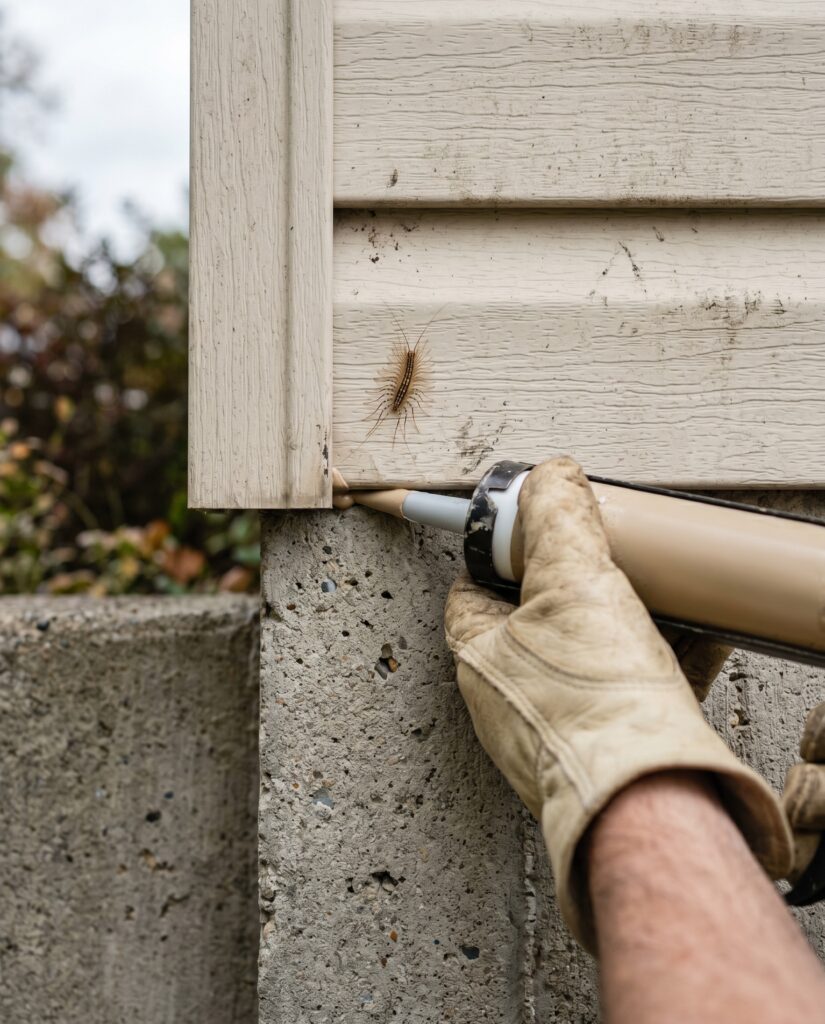
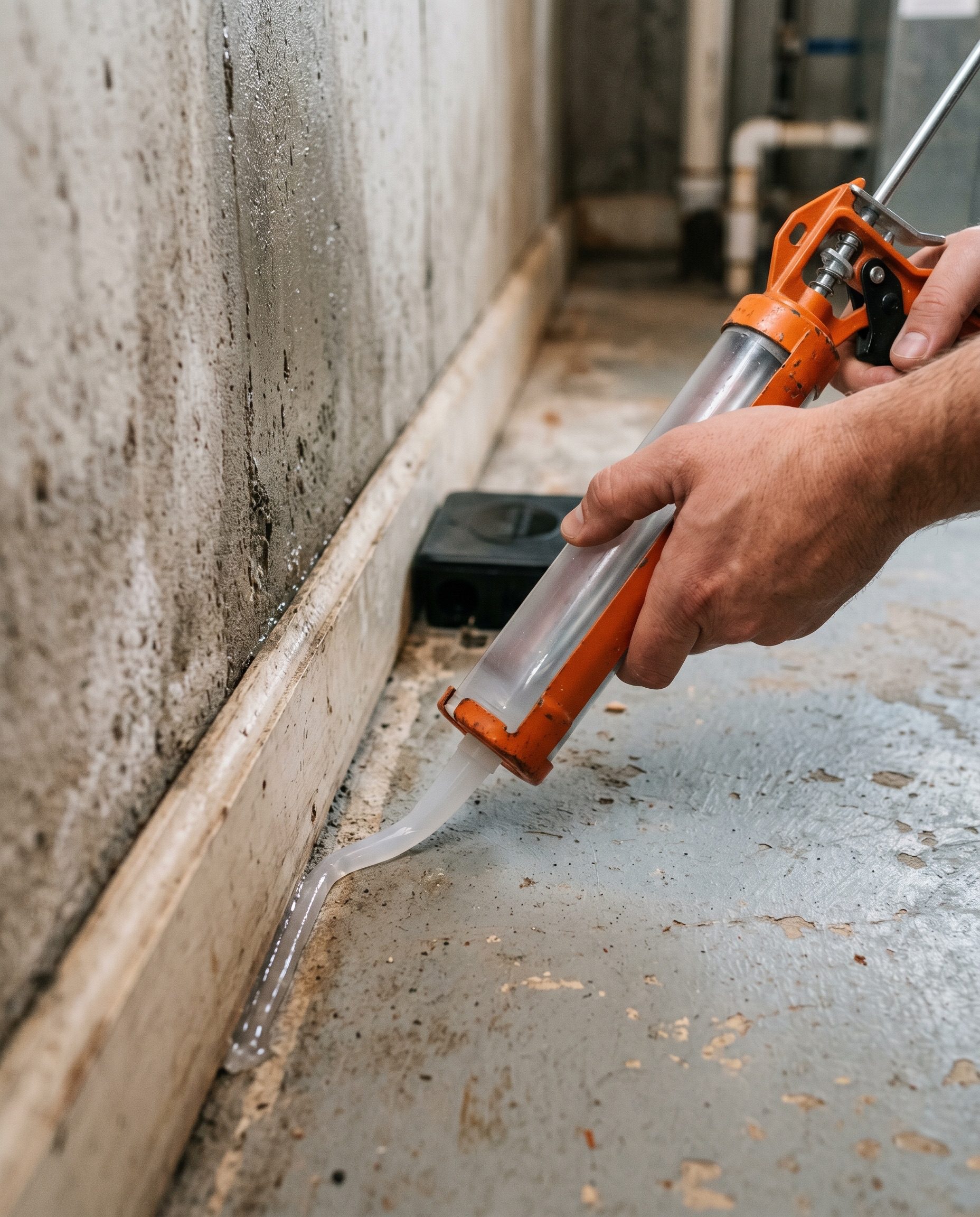
Drying the air handles the living silverfish; sealing and decluttering keeps the next wave out. Caulk the gaps where pipes enter walls, around the tub and baseboards, and along any crack in the foundation or window frame, because those are the highways they travel at night. Add door sweeps and weatherstripping where a damp garage or basement meets the living space. Sealing also traps the warm, dry conditioned air inside, which works in your favor.
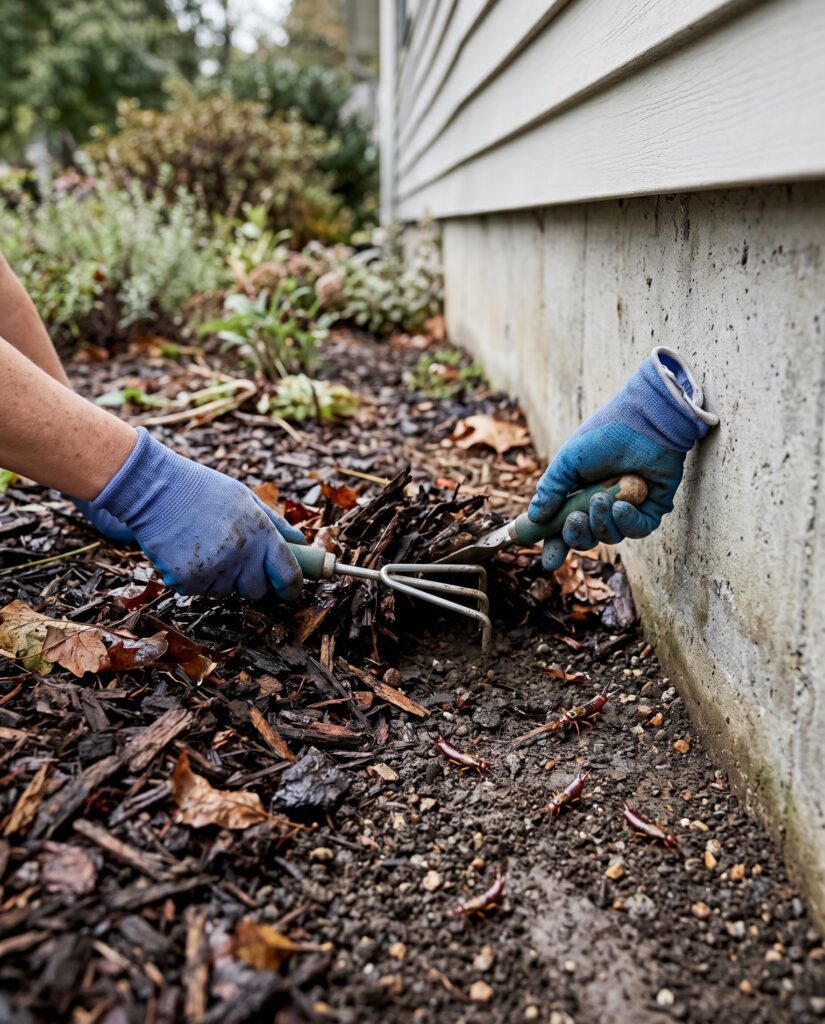
Then take away the buffet. Silverfish eat paper and starch, so the old cardboard moving boxes, the magazine stack, the bag of dry pet food with a loose clip, and the forgotten paperbacks in the basement are all food and shelter at once. Move stored paper and books into sealed plastic bins, get cardboard off concrete floors, and keep pantry starches like flour and oats in tight containers. The same logic shows up across the pest world; as the University of Kentucky points out, the same moisture logic drives most occasional invaders indoors, so the dry, sealed, decluttered house that beats silverfish also keeps their relatives out. If you also fight earwigs in the same damp zones, our guide to getting rid of earwigs uses the same moisture-first playbook outdoors.
When to call a pro
Most silverfish problems are a homeowner job, because the real fix is moisture and exclusion, not a specialized product. Call a licensed pest-control professional when the dehumidifier and bait have run a full month and you are still finding them, when they have spread through several rooms at once, or when you suspect a hidden moisture source like a slow leak inside a wall that you cannot find or reach. A pro can also pinpoint a chronic humidity problem and recommend a fix you would not spot. The tone here is practical, not alarmist: silverfish do not bite, sting, or spread disease, so there is no rush, just a point where outside help saves you weeks of guessing.
Common questions
What kills silverfish instantly?
Direct contact with a labeled crack-and-crevice spray or a desiccant dust will kill the silverfish you actually hit, and a sticky trap holds the ones that wander into it. The honest catch is that “instant” only covers the few you reach, while most of the population is tucked in damp cracks you cannot see. The lasting fix is drying the room out, which removes what keeps them alive in the first place.
Does a dehumidifier really get rid of silverfish?
Often, yes, and it is the single most effective move. Silverfish need humid air to survive, so holding a room under about 50 percent relative humidity makes it uninhabitable for them over a couple of weeks. Pair the dehumidifier with decluttering and sealing and you usually do not need much else.
Do silverfish damage your home?
They do not damage the structure, but they feed on paper, books, wallpaper, photos, and stored fabrics, leaving holes, notches, and yellow stains. The damage is slow and cosmetic rather than dangerous, but it adds up in a damp attic or basement full of stored paper, which is why decluttering matters.
How long does it take to get rid of silverfish?
For a normal case handled correctly, expect two to four weeks. Drying the air and removing their food and shelter starves the population gradually rather than overnight, and baits and traps keep working in the background. Watching your sticky-trap counts drop week over week is how you know it is working.
Will they come back?
Only if the damp comes back. Silverfish return when humidity creeps back up or paper clutter rebuilds, so keep the dehumidifier running in problem seasons, leave the bathroom fan in the habit, and keep stored paper in sealed bins. Hold the conditions and they stay gone.
Final verdict
Getting rid of silverfish is about conditions, not chemicals. Start with the free moves: dry out the damp rooms, run the bathroom fan, fix the drips, and clear out the cardboard and paper that feed and shelter them. Hold the humidity under about 50 percent with a dehumidifier, seal the cracks they travel through, and set a few bait stations and flat sticky traps in the harborage to mop up the rest. Skip the bug bomb; it never reaches the damp cracks where they live. Give it two to four weeks of genuinely dry air and the infestation fades on its own, because you took away the one thing keeping it alive.
Next steps:
– Make sure you are dealing with silverfish before you treat with our silverfish identification guide.
– Pick the right trap or bait for your room in the silverfish traps and killers buyers guide.
– Fighting earwigs in the same damp spots? Use the same moisture-first plan in our guide to getting rid of earwigs.