Are you worried about the unsettling thought of earwigs in ears? The idea of an insect crawling into your ear canal while you sleep is certainly unnerving, and the common name "earwig" doesn't help ease those fears. For centuries, folklore has painted a vivid, often terrifying, picture of these nocturnal insects. But what's the real story behind these myths? Let's dive into the facts and debunk the popular misconceptions surrounding earwigs and their alleged preference for human ears, providing you with practical knowledge and peace of mind.
Bottom line: The notion of earwigs actively seeking out and crawling into human ears is a persistent myth, largely exaggerated by folklore. While it's extremely rare for an earwig or any insect to accidentally enter an ear, they are not attracted to them, nor do they burrow into the brain or lay eggs inside humans. Earwigs are primarily outdoor nuisance pests that prefer damp, dark environments like leaf litter or mulch.
Quick Facts About Earwigs
Earwigs (Order Dermaptera) are fascinating insects, often misunderstood due to their intimidating appearance and a long-standing myth. Understanding their basic biology can help clarify why the "earwigs in ears" myth is so far-fetched.
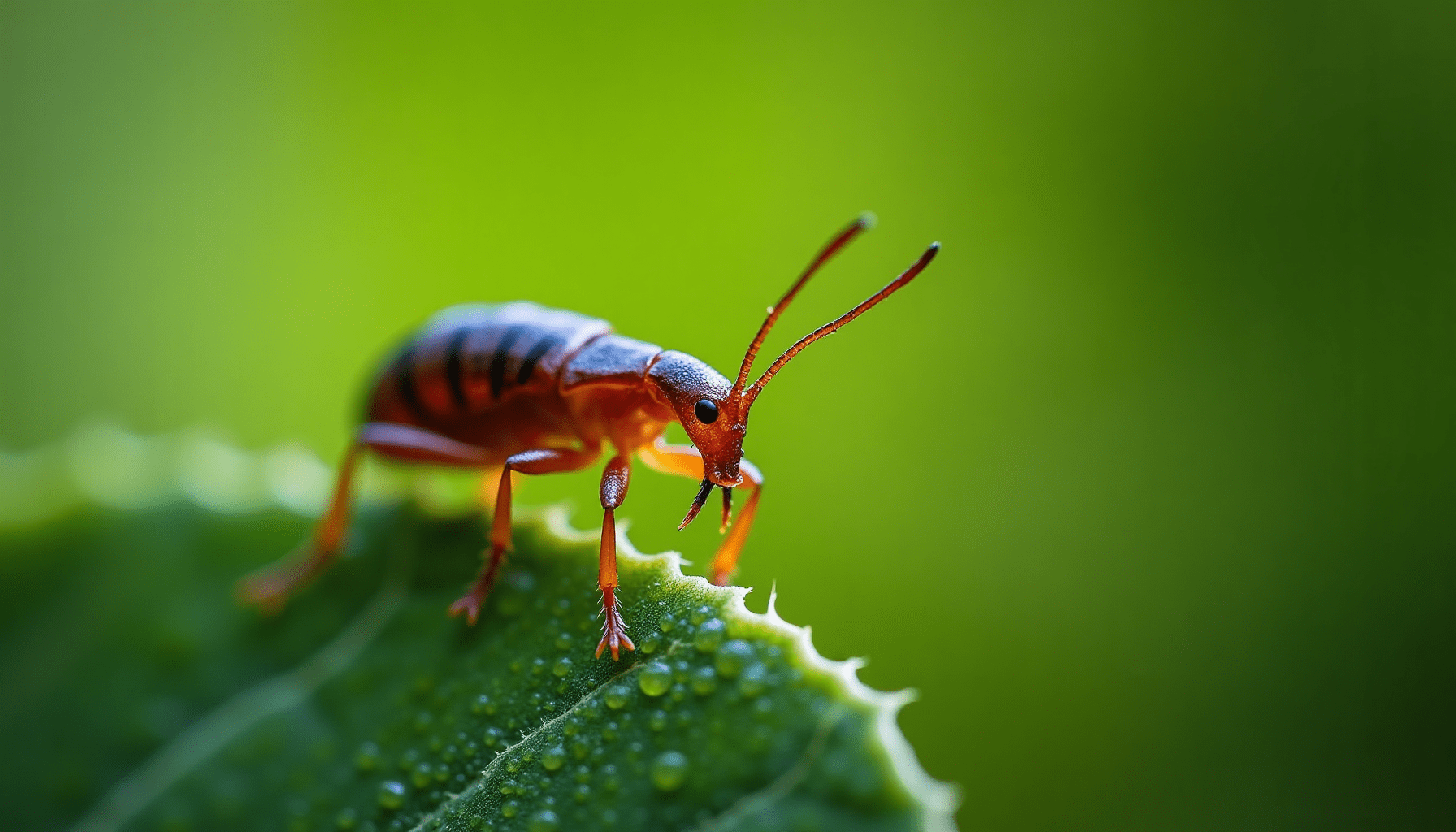
- Appearance: Most U.S. species are small, typically ¼ to 1 inch long, with elongated, flattened bodies. Their most distinctive feature is the pair of prominent pincer-like appendages, called cerci, at the tip of their abdomen. Many species also have short, leathery forewings covering membranous hind wings. As noted by WebMD, these pincers are their most identifiable trait.
- Diet: Earwigs are omnivores. They feed on a variety of organic matter, including decaying plant material, algae, fungi, and soft-bodied insects like aphids. They can also munch on live plant tissue, such as leaves, flowers, fruits, and seedlings, making them occasional garden pests.
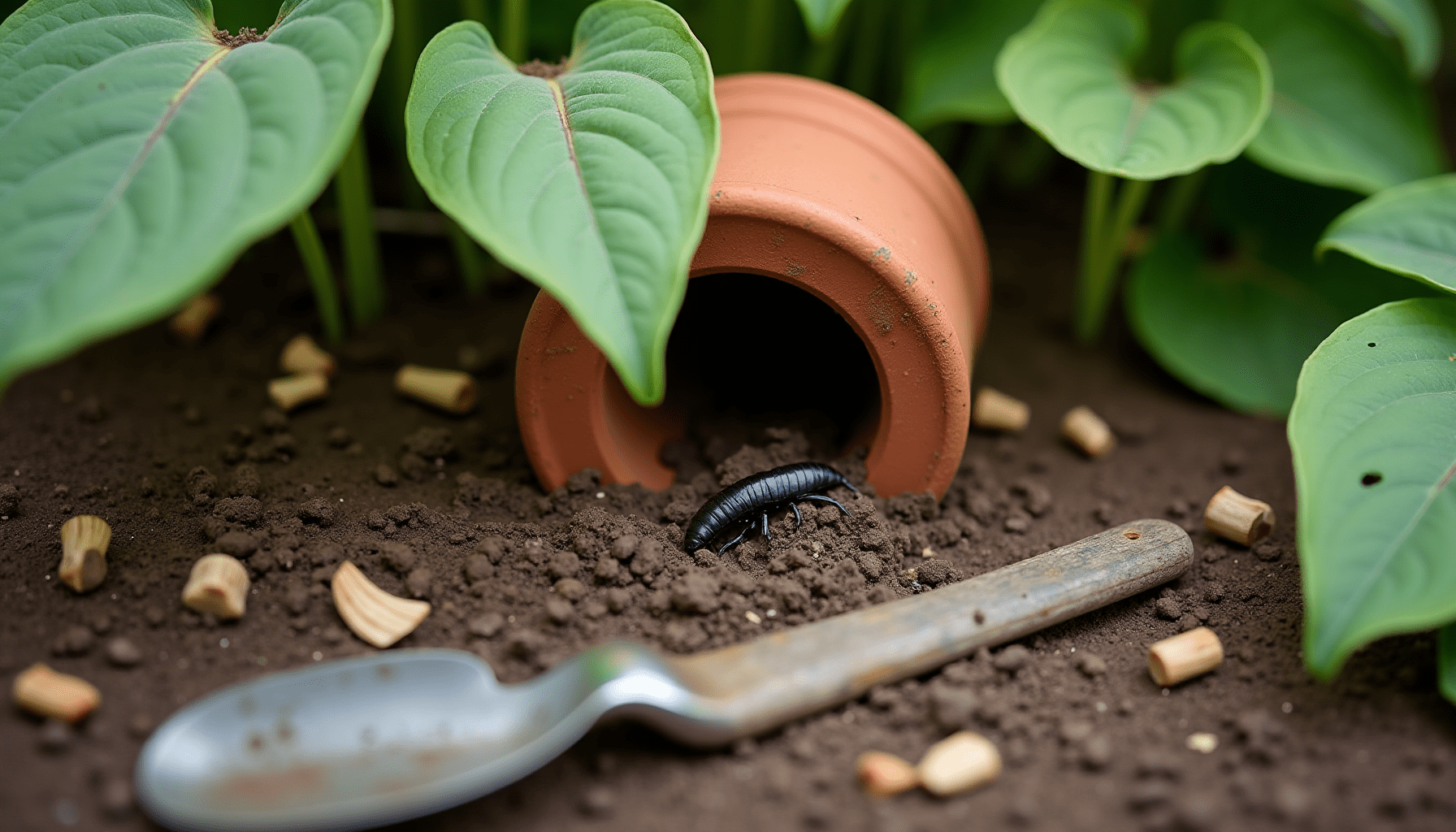
- Habitat: These insects are nocturnal, meaning they are most active at night. During the day, they seek out dark, moist, and cool hiding spots. You'll commonly find them under rocks, logs, bark, leaf litter, mulch, and garden debris. Indoors, they are drawn to areas with high moisture, such as damp basements, bathrooms, laundry rooms, or around leaky pipes.
- Reproduction: Female earwigs lay their small, white eggs in the top layer of soil, often in underground chambers. They exhibit a unique trait among insects: maternal care, guarding their eggs and young nymphs until they mature. They do not lay eggs in human ears or any other part of the human body.
Debunking the Earwig-in-Ear Myth
The myth of earwigs crawling into ears, burrowing into the brain, and laying eggs is deeply ingrained in popular culture, with roots stretching back to the Middle Ages. The very name "earwig" comes from the Old English ēar wicga, meaning "ear creature" or "ear wiggler," which certainly fueled the legend. However, scientific consensus and medical evidence tell a very different story.
Entomologists and medical professionals agree that earwigs are not interested in entering human ears. According to WebMD, "they are not known to climb into your ears" and "these bugs aren't even interested in entering the human ear." Any instance of an earwig found in an ear is purely accidental and exceedingly rare. When insects do manage to enter an ear canal, they are far more commonly cockroaches, moths, ticks, or small spiders, rather than earwigs.
The notion that earwigs can burrow into the brain or lay eggs inside a person is entirely without scientific basis. Earwigs lack the mouthparts or physical capabilities to tunnel through skin, bone, or brain tissue. Their mandibles are designed for chewing soft plant matter and small insects, and their cerci (pincers) are used for defense, capturing prey, and mating, not for boring into flesh. There are no documented medical cases of earwig eggs being found in human ears. This terrifying aspect of the myth likely originated from a time when unexplained illnesses or mental health issues were often attributed to supernatural causes or unseen creatures.
What are the Real Risks of Earwigs?
Despite their scary reputation, earwigs pose very little threat to humans. They are not venomous and do not sting. While their pincers can deliver a pinch, it rarely breaks the skin and is generally harmless, causing only minor, temporary discomfort. Earwigs are not known to transmit diseases to humans or pets. At worst, an accidental entry into an ear might cause irritation, temporary pain, or a minor abrasion, but serious injury is highly unlikely. Instead of being a health threat, earwigs are primarily considered nuisance pests, especially when they enter homes in search of moisture or shelter.
What to Do If an Insect is in Your Ear
Finding any insect in your ear can be a distressing experience, but it's important to remain calm. Panic can lead to actions that might push the insect deeper or injure your ear canal. Here's a clear, actionable guide on what to do:
- Stay Calm: Take a few deep breaths. Most insects found in ears are harmless, and the situation is usually resolved without serious complications.
- Tilt Your Head: Gently tilt your head to the side with the affected ear facing upward. This position might encourage the insect to crawl or fall out on its own, especially if it's still alive and seeking light or an exit.
- Use Gentle Oil Irrigation (with caution): If you are certain you have no eardrum perforation or ear infection, you can try gently flooding the ear canal with warm mineral oil, olive oil, or baby oil. This can suffocate the insect, causing it to float out or making it easier to remove. Do not use hot oil or forceful irrigation.
- Seek Medical Attention: If the insect doesn't come out easily, if you experience severe pain, notice any bleeding or discharge, or if your hearing is affected, seek prompt medical help. An ear, nose, and throat (ENT) specialist or an emergency room physician can safely remove the insect using specialized tools without damaging your ear.
- Avoid Inserting Objects: Do NOT use cotton swabs, tweezers, hairpins, or any other objects to try and remove the insect yourself. This can push the insect deeper, cause injury to the delicate ear canal, or even perforate your eardrum, leading to more serious problems. As Moyer Pest Control advises, avoid these methods to prevent further harm.
It's worth noting that while the fear of earwigs in ears is common, most people presenting to emergency rooms with an insect in their ear have other types of insects, and outcomes are almost always minor once the insect is safely removed.
Preventing Earwigs from Entering Your Home
Since earwigs are primarily outdoor dwellers, preventing them from coming indoors is key to avoiding accidental encounters. Their presence inside usually signals a moisture issue or accessible entry points.
1. Reduce Moisture
Earwigs are strongly attracted to damp environments. Addressing moisture problems is the most effective prevention strategy.
- Repair Leaks: Promptly fix any leaky pipes, faucets, or appliances both indoors and outdoors.
- Manage Humidity: Use dehumidifiers in damp basements, crawlspaces, and laundry rooms. Ensure good ventilation in bathrooms with exhaust fans.
- Improve Drainage: Make sure gutters and downspouts are clear and direct water away from your home's foundation. Avoid standing water near the house.
2. Eliminate Outdoor Harborage
Depriving earwigs of their preferred hiding spots around your home's perimeter will significantly reduce their numbers.
- Clear Debris: Remove leaf piles, grass clippings, rotting wood, old boards, and other yard debris from around your foundation.
- Landscape Smart: Keep mulch and dense vegetation at least 1–2 feet away from the foundation of your house. Trim overgrown weeds and tall grass, which provide excellent hiding places.
- Store Firewood Properly: Store firewood off the ground and away from the house to prevent it from becoming an earwig haven.
3. Seal Entry Points
Earwigs can squeeze through surprisingly small cracks and gaps.
- Seal Cracks: Caulk and seal any cracks or gaps around windows, doors, utility penetrations (where pipes or wires enter the house), and the foundation.
- Repair Screens: Ensure all window and door screens are in good repair.
- Install Door Sweeps: Add door sweeps to exterior doors to close gaps at the bottom.
4. Use Traps and Targeted Controls
For persistent outdoor populations, non-chemical methods can be effective.
- Cardboard or Newspaper Traps: Roll up corrugated cardboard or newspaper and moisten it slightly. Place these traps in areas where you've seen earwigs. They will crawl inside for shelter. In the morning, collect the rolls and discard them or submerge them in soapy water.
- Oil Pit Traps: Bury small, shallow cans or cups (like tuna cans) at ground level, with the rim flush with the soil. Fill them with a small amount of vegetable oil. Earwigs are attracted to the oil, fall in, and drown.
- Physical Removal: If you find earwigs congregating in a garden hose or under a mat, you can carefully lift the item and dump the insects into a bucket of soapy water.
For severe or recurring infestations, especially if you're consistently seeing many earwigs indoors, a licensed pest control professional can help identify the source and implement a targeted, integrated pest management plan.
Beyond the Myth: Earwigs in Your Garden
While the fear of earwigs in ears is largely unfounded, these insects can sometimes be a concern in gardens. They are considered nuisance pests because they can feed on tender plant parts.
- Plant Damage: Earwigs can chew on leaves, flowers, and fruits, especially on young seedlings, causing cosmetic damage or stunted growth. They are particularly fond of soft fruits like berries and vegetables such as lettuce and corn silks.
- Beneficial Aspects: It's important to remember that earwigs also play a beneficial role in the garden ecosystem. They are scavengers, helping to break down decaying organic matter and contributing to nutrient cycling. More importantly, they are predators of other garden pests, feeding on aphids, slugs, insect eggs, and other small invertebrates. This makes them a "mixed-bag" insect – sometimes a pest, sometimes a helper, depending on the context and population levels.
- Limiting Garden Damage: To protect vulnerable plants, remove decaying plant material and keep garden beds clean to reduce harborage. Applying a sticky barrier like petroleum jelly around plant stems can prevent earwigs from climbing. Encouraging natural predators, such as birds, can also help keep earwig populations in check.
For more on insect interactions, you might be interested in understanding Why Do Mosquitoes Buzz in Your Ears? or learning about Mosquito Hawks & Crane Flies: Identification, Myths & Facts.
Common Misconceptions About Earwigs
Let's summarize and solidify the facts versus the fiction surrounding earwigs.
Myth 1: Earwigs commonly crawl into sleeping people's ears.
Fact: This is a greatly exaggerated myth. Earwigs are nocturnal and seek dark, damp places, but they do not actively seek out human ears. Any instance of an earwig in an ear is accidental and extremely rare. Their natural habitat is outdoors, under leaf litter or mulch, not inside a warm, waxy ear canal.
Myth 2: Earwigs burrow into your brain and lay eggs.
Fact: This is scientifically impossible. Earwigs cannot burrow through skin, bone, or brain tissue. Their mouthparts are not adapted for this, and there is no medical evidence of earwig eggs ever being found in a human. They lay their eggs in the soil, where the female provides maternal care.
Myth 3: Earwig pincers inject venom or are highly dangerous.
Fact: Earwigs are not venomous and do not sting. Their pincers (cerci) are used for defense, prey capture, and mating. While a pinch might cause a momentary discomfort, it rarely breaks human skin and poses no medical danger. They are not like venomous spiders.
Myth 4: Earwigs regularly infest homes in large numbers.
Fact: Earwigs are primarily outdoor insects. True indoor infestations are uncommon. When found indoors, it's usually a few individuals that have accidentally wandered in, often indicating a moisture problem or unsealed entry points in the home's exterior. They prefer the consistent dampness and shelter of the outdoors.
Myth 5: Earwigs only cause harm and have no ecological value.
Fact: While they can be garden pests, earwigs also contribute positively to ecosystems. They act as scavengers, breaking down organic matter, and are predators of other garden pests like aphids and insect eggs, providing a form of natural pest control.
Conclusion: Understanding Earwigs for Peace of Mind
The pervasive myth of earwigs in ears has caused unnecessary fear and anxiety for generations. By understanding the true biology and behavior of these fascinating insects, we can confidently debunk these old wives' tales. Earwigs are primarily outdoor dwelling, nocturnal insects that prefer damp, dark environments. They pose no significant health threat to humans, do not seek out ears, and certainly cannot burrow into brains or lay eggs inside people.
If you encounter an earwig, indoors or out, remember that they are more of a nuisance than a danger. Focusing on moisture control and sealing entry points around your home will be far more effective in preventing their presence than worrying about a mythical invasion of your ear canal. With accurate information, you can appreciate the natural world without succumbing to unfounded fears.