
Have you ever spotted a shimmering, fish-like insect darting across your bathroom floor or bookshelf? These elusive creatures, known as silverfish, often trigger immediate concern. Many people wonder, "Do silverfish bite?" and "Are they harmful?" It's a natural reaction to be wary of any insect sharing your home, especially one that moves so quickly. This guide will clarify the truth about silverfish, their potential dangers, and how to manage their presence in your living space, providing peace of mind and practical solutions.
Bottom line:
Silverfish are not dangerous in the way biting or stinging insects are. The short answer to "Do silverfish bite?" is no. They are generally considered medically harmless, do not transmit disease, and are not poisonous or venomous. The real issue is that they can become a nuisance and cause property damage by feeding on paper, glue, clothing, wallpaper, and pantry goods. Their presence often points to excess humidity or damp, cluttered conditions in the home.
Do Silverfish Bite? Understanding Their Harmless Nature
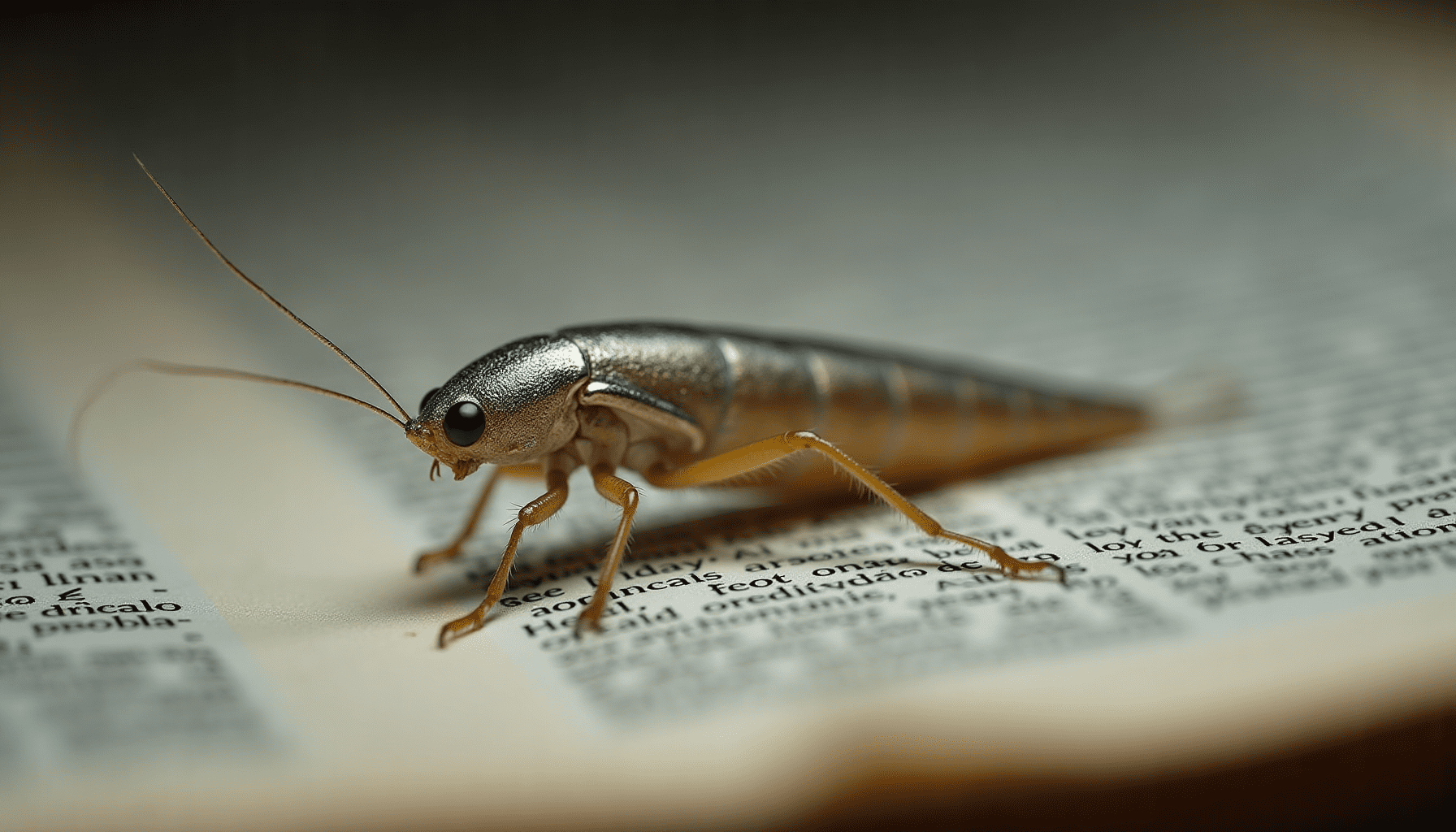
The quick, darting movements and unusual appearance of silverfish (scientific name: Lepisma saccharina) often lead people to believe they might bite. However, entomological consensus is clear: silverfish do not bite humans or pets. Their mouthparts are designed for scraping and chewing starchy materials, not for piercing skin. They lack the strong mandibles or stinging apparatus found in insects that pose a direct physical threat. Pest control experts, including Orkin and Aptive Pest Control, consistently state that silverfish pose no direct physical harm and are not known to sting.
The fear of a silverfish bite is a common misconception, often fueled by their unsettling appearance and tendency to appear suddenly in dark, quiet areas. Unlike pests such as mosquitoes or bed bugs that feed on blood, silverfish are detritivores, meaning they consume decaying organic matter, specifically materials rich in starches and carbohydrates. This includes items like paper, glue, wallpaper paste, books, and even certain fabrics. If a silverfish happens to crawl on you, it's merely exploring its environment, not attempting to bite. There's no need for alarm or medical treatment if a silverfish touches your skin. For comparison, understanding the true risks of other household pests can be helpful, for instance, learning Do Cockroaches Bite? Understanding the Health Risks Involved can put silverfish into perspective.
Are Silverfish Harmful to Humans or Pets? Assessing the Dangers
While the concern about a silverfish bite is unfounded, it's important to address whether silverfish are harmful in other ways. The good news is that silverfish are not considered medically dangerous. They are not poisonous, venomous, or known to transmit diseases to humans or pets. This expert consensus is echoed by health resources like Healthline and WebMD, which both confirm that silverfish won't hurt you.
However, labeling them as entirely harmless might be misleading, as they do pose certain indirect issues:
- Property Damage: This is the primary concern with a silverfish infestation. Silverfish feed on a wide array of household items containing polysaccharides. This includes books, photographs, important documents, wallpaper, clothing (especially cotton, linen, silk, and rayon), carpets, and even pantry foods like flour and rolled oats. Over time, their feeding can cause significant, irreparable damage to cherished belongings and structural elements of your home. Orkin highlights damage to "clothing, books, papers, food in pantries and wallpaper" as their main impact.
- Food Contamination: While silverfish don't carry diseases, they can contaminate food items in your pantry. They may crawl through open packages, leaving behind droppings or shed skins. Consuming food that has been crawled over by silverfish isn't toxic, but it's certainly unappetizing and unhygienic. Medical News Today notes they "may spread germs if they come in from the outside and contaminate food."
- Allergen Potential: For individuals with existing sensitivities, silverfish droppings and shed exoskeletons (skins) could potentially act as mild irritants, similar to dust mites or cockroach allergens. A 2008 laboratory study mentioned by Healthline suggested a possible link to allergic-type breathing problems in sensitive individuals, though it emphasizes that there isn't enough evidence to establish silverfish as a major allergy or asthma trigger. In heavily infested areas, the accumulation of these particles could contribute to general indoor air quality issues.
- Indicator of Moisture Problems: The presence of silverfish often signals an underlying issue with excess moisture or humidity in your home. These insects thrive in damp environments, so an infestation can be a warning sign that you might have leaks, poor ventilation, or high humidity levels that could also lead to mold growth or structural damage. Call Wayne’s points out that an infestation "often indicates your home has excess moisture."
In summary, while silverfish don't pose a direct health threat like biting insects, their capacity for property damage and potential for food contamination make them a nuisance pest that should be addressed.
Common Silverfish Myths Debunked
The secretive nature and unusual appearance of silverfish have led to several persistent myths. Dispelling these misconceptions is crucial for understanding the true nature of these insects and for effective pest management.
- Myth 1: "Silverfish bite people."
- Fact: As discussed, silverfish are not known to bite humans or pets. Their delicate mouthparts are designed for scraping starches, not for piercing skin. If you find a bite mark on your skin, it's almost certainly from another insect, such as a mosquito, flea, or even a spider. Learning about other insect bites can help differentiate, for example, understanding Mosquito Bites vs Bed Bugs, Fleas, Spiders & Ticks.
- Myth 2: "Silverfish are poisonous or venomous."
- Fact: Silverfish are neither poisonous if ingested nor do they possess venom to inject. They are medically harmless in this regard, a fact confirmed by sources like Truly Nolen.
- Myth 3: "Silverfish spread disease."
- Fact: There is no scientific evidence to suggest that silverfish transmit diseases to humans or animals. Unlike disease vectors such as mosquitoes or ticks, silverfish do not carry pathogens harmful to health.
- Myth 4: "A silverfish infestation means your home is dirty."
- Fact: While clutter can provide more hiding spots and food sources, silverfish are primarily attracted to moisture and accessible starches, not necessarily general filth. Even meticulously clean homes can develop silverfish problems if humidity levels are high or if paper and fabric items are stored improperly. WebMD emphasizes their love for humidity.
- Myth 5: "Silverfish crawl into ears or beds and harm sleepers."
- Fact: This is a common fear associated with many crawling insects. However, silverfish have no interest in crawling into human ears or causing harm to people in their beds. They are shy, nocturnal creatures that prefer undisturbed, dark, damp environments.
- Myth 6: "Any bug in pantry food is equally dangerous."
- Fact: While discovering any insect in your food is unpleasant and necessitates discarding the contaminated items, the danger level varies greatly. Silverfish contaminate food through droppings and shed skins, but they don't introduce toxins or severe pathogens. Other pantry pests, like certain beetles or moths, can cause more rapid spoilage or more significant contamination.

Preventing Silverfish Infestations
The most effective way to manage silverfish is through prevention, primarily by eliminating the conditions they need to thrive. Since they are attracted to moisture and starchy materials, focusing on these two areas will yield the best results.
Here are actionable steps to prevent silverfish from taking over your home:
- Control Humidity: This is the single most important step. Silverfish thrive in environments with 75-97% humidity.
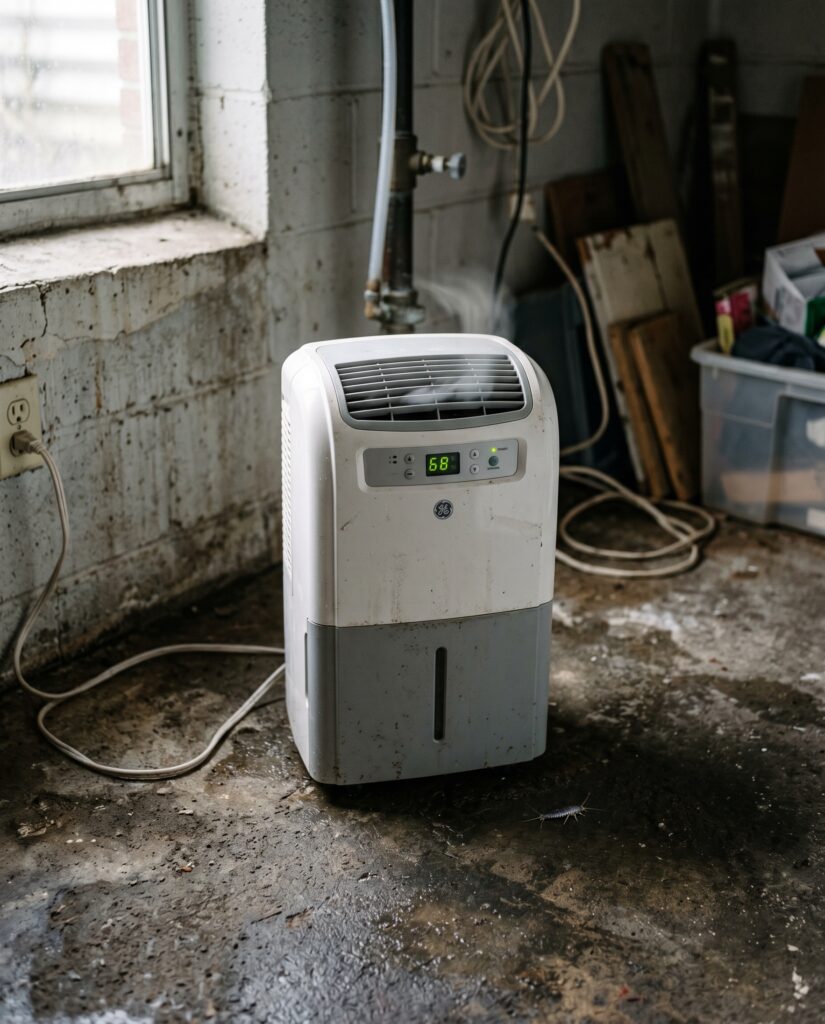
- Use dehumidifiers in basements, crawl spaces, and other damp areas.
- Ensure proper ventilation in bathrooms and kitchens by using exhaust fans during and after showering or cooking.
- Fix any leaky pipes, faucets, or roof issues promptly.
- Keep gutters clean and ensure proper drainage away from your home's foundation.
- Avoid leaving wet towels or clothes piled up.
- Reduce Food Sources:
- Store dry goods like flour, sugar, pasta, and cereals in airtight containers (glass, plastic, or metal) rather than original cardboard boxes.
- Keep books, magazines, and important documents in dry, elevated areas, preferably in sealed plastic bins rather than cardboard boxes.
- Vacuum regularly to remove crumbs and dust, which can also be a food source.
- Clean up spills immediately, especially sugary or starchy ones.
- Eliminate Hiding Spots and Entry Points:
- Declutter: Reduce clutter, especially in attics, basements, closets, and garages. Piles of newspapers, cardboard boxes, old clothing, and stored fabrics provide ideal hiding spots and food.
- Seal Cracks and Gaps: Inspect your home for cracks in walls, foundations, and around pipes. Seal these entry points with caulk or plaster. Repair any loose wallpaper or peeling paint, as these can also offer shelter.
- Maintain Storage Areas: Ensure attics and basements are as dry and clutter-free as possible. Use shelving to keep items off the floor.
- Monitor and Trap:
- Sticky traps can be placed in suspected areas (behind appliances, in closets, near books) to monitor silverfish activity. This helps you gauge the extent of an infestation.
- Diatomaceous earth (DE) can be applied in cracks and crevices where silverfish hide. DE is a natural desiccant that dehydrates insects, but it must remain dry to be effective.
For persistent or widespread infestations, professional pest control may be necessary. Experts can identify the source of the problem, whether it's a hidden moisture issue or a large population requiring targeted treatments.
What to Do If You See Silverfish
Finding a silverfish in your home doesn't require immediate panic, but it does warrant action. Since they don't pose a direct threat, focus on identifying the source of their attraction and implementing control measures.
Here’s a practical guide:
- Don't Panic: Remember, silverfish do not bite, sting, or transmit diseases. Your immediate health is not at risk.
- Assess the Situation:
- Single Sighting vs. Infestation: A single silverfish might be an accidental visitor. Multiple sightings, especially over several days or in different areas, suggest an infestation.
- Location: Note where you see them. Are they in the bathroom, kitchen, basement, or near books and paper? This helps pinpoint moisture sources or food items.
- Implement Moisture Control:
- Immediately address any visible leaks.
- Run a dehumidifier in damp areas.
- Increase ventilation in bathrooms and kitchens.
- Wipe down sinks, tubs, and showers after use.
- Remove Food Sources & Clutter:
- Inspect pantry items and transfer susceptible foods to airtight containers.
- Discard any visibly damaged or contaminated items.
- Reduce piles of paper, cardboard, old books, and fabrics.
- Vacuum thoroughly, especially in corners, under furniture, and along baseboards.
- Seal Entry Points:
- Caulk cracks around windows, doors, pipes, and baseboards.
- Repair any damaged wallpaper or plaster.
- Consider Targeted Treatments:
- Sticky Traps: Place these in dark, undisturbed areas where you've seen activity. They're good for monitoring and reducing small populations.
- Diatomaceous Earth (DE): Apply a thin layer of food-grade DE in cracks, crevices, and wall voids. It works by dehydrating insects upon contact. Always follow product instructions carefully.
- If a Silverfish Touches You: There's no need for concern or medical treatment. Simply brush it off. Any skin irritation is more likely coincidental or from another source.
- If a Pet Eats One: While silverfish are not poisonous, consuming insects can sometimes cause mild stomach upset in pets, just like eating anything unusual. Monitor your pet for any signs of discomfort, but typically no specific treatment is needed. Healthline specifically notes that dogs or cats may have an upset stomach if they eat silverfish.
- When to Call a Professional: If you have a widespread infestation, if silverfish keep reappearing despite your efforts, or if you suspect a significant underlying moisture issue, it's best to contact a professional pest control service. They can accurately identify the problem and recommend comprehensive solutions.

Conclusion
The unsettling sight of a silverfish can be alarming, but the good news is that these common household insects are not a direct threat to your health. The answer to "Do silverfish bite?" is a resounding no, and they are not known to be poisonous or disease carriers. While silverfish dangers don't include direct harm to humans or pets, their presence can lead to significant property damage by feeding on starchy materials like books, paper, and clothing.
Understanding the true nature of silverfish health risks allows you to focus on effective prevention and control. By managing humidity, reducing clutter, and sealing entry points, you can protect your belongings and maintain a pest-free home. Should you encounter a persistent infestation, professional help is always an option. For more insights into common household pests and their impact, explore our article on Do Ants Bite? Which Species Are Dangerous?.


Pingback: Fast Crawling Bugs in the House: What Moves Like That
Pingback: Bugs That Look Like Silverfish: Telling Them Apart